Regulaciones eficientes del helado refrigerado: 2025 Guide to Compliance and Quality
Introducción
Gelato is a delicate frozen treat that thrives on consistency. Maintaining the right temperature and meeting strict regulations is essential for delivering quality gelato. En esta guía, you’ll learn how refrigerated gelato systems work, why efficiency matters, and how to stay compliant with evolving rules. Recent data show that even minor temperature fluctuations can spoil an entire shipment. You’ll also discover how new technologies and sustainable practices help businesses preserve flavor and reduce waste.
Understanding gelato’s unique cold chain and why regulations matter to you
How to design an efficient refrigerated system for gelato logistics
Packaging and insulation methods that meet regulations and reduce waste
Herramientas digitales, AI and predictive analytics transforming gelato logistics
Sustainable practices and regulatory trends shaping 2025 y más allá
What Makes Gelato Logistics Unique and Why Do Regulations Matter?
Gelato’s lower butterfat content and high water fraction make it more sensitive to temperature changes than traditional ice cream. When gelato warms even briefly and refreezes, large ice crystals form and the creamy texture is lost. Regulations such as the FDA’s Food Safety Modernization Act (FSMA) require companies to monitor and record temperature data, ensuring that products remain within validated ranges. En 2025, compliance extends beyond production to encompass transport, almacenamiento, and retail display, with global rules tightening to curb emissions and improve traceability.
Maintaining compliance protects both consumers and businesses. Unstable temperatures can lead to health risks, recuerda, y daño de reputación. Por ejemplo, Estados Unidos. Food Traceability Final Rule requires companies to keep records with Elementos de datos clave for each critical tracking event and provide this data to the FDA within 24 horas. This means gelato producers must track temperature, location and handling from factory to freezer. Failure to comply can result in fines or product seizure.
Regulatory Frameworks Governing Gelato Logistics
Gelato producers operate under a patchwork of national and international rules. Important frameworks include:
| Regulación | Requisito clave | Impacto práctico |
| FDA FSMA 204 Regla final (A NOSOTROS.) | Maintain records with Key Data Elements (códigos de lote, cantidades, fechas) for foods on the Food Traceability List; proporcionar datos a la FDA dentro de 24 horas | Requires digital tracking of gelato shipments and collaboration with supply chain partners |
| FSMA Compliance Timeline | Compliance for recordkeeping extended to July 20, 2028 | Gives businesses extra time to implement tracking systems but encourages early adoption |
| Ley de modernización de la seguridad alimentaria (FSMA) General Provisions | Emphasizes preventive controls, análisis de peligros, and transport temperature control | Mandates validated processes for cooling, embalaje, and shipping gelato |
| California TRU Regulation | California Air Resources Board plans to transition diesel powered transport refrigeration units (TRU) to zero emission technology and impose emission standards on new units | Fleet operators must consider electric or hybrid TRUs and lower-GWP refrigerants |
| Reglamento de gases fluorados de la UE (2024/573) | Prohibits F gases with Global Warming Potential (GWP) ≥150 in stand alone refrigeration systems from 1 Enero 2025 | Encourages adoption of natural refrigerants like R 290 and CO₂ in gelato cabinets |
These regulations illustrate a shift toward trazabilidad, low emission refrigeration, and documented temperature control. Gelato businesses must integrate compliance into their operations—training staff, upgrading equipment and implementing monitoring technologies.
How to Design Efficient Refrigerated Systems for Gelato Logistics?
An efficient gelato cold chain combines correct temperatures with energy-saving technology and robust monitoring. The goal is to maintain gelato below –4 °F (–20 ºC) during transport while optimising energy use and reducing emissions.
Respuesta directa / Puntos clave
Rangos de temperatura: Gelato should be hardened at ~31 °F and cooled below 5 °F during production; it must be shipped at about –5 °F and stored at –18 °F.
Activo vs.. Passive Cooling: Active systems use mechanical refrigeration for long distances; passive systems use insulation and coolant packs for last-mile delivery.
Monitor Continuously: IoT sensors and data loggers provide real-time temperature and location data, helping operators intervene before spoilage.
Explicación expandida
Temperature precision matters more for gelato than for ice cream. Gelato’s slow churn and lower air incorporation create a soft structure that can collapse if the cold chain breaks. As shown in industry guidance, gelato leaves the manufacturer at around –5 °F (–20 ºC) and is transported in refrigerated vehicles where ambient air is kept ≤13 °F and product temperature ≤–4 °F. Once in storage, it stays at –18 °F (–28 °C) con fluctuaciones no mayores a ±3 °F. Retail display cabinets are warmer (about –8 °F to –4 °F) to aid scoopability without causing freezer burn.
To achieve these ranges efficiently, sistemas de refrigeración activos use diesel or electric transport refrigeration units (TRU). Modern units offer electric standby modes that plug into the grid, Reducir el consumo de combustible y las emisiones.. They’re ideal for cross-country shipments or multi-day transit. Sistemas pasivos rely on insulated packaging and refrigerants such as dry ice, paquetes de gel o materiales de cambio de fase. A 1:1 ratio of dry ice to gelato pints maintains safe temperatures for one or two days. Para envíos de más de dos días, increasing the ratio to 1.5:1 extends cooling time. Many businesses adopt soluciones híbridas, lining pre-cooled refrigerated trailers with gel packs to stabilise temperature during loading and unloading.
Choosing Eco-Friendly Refrigerants and Insulation
Selecting the right refrigerant is critical for efficiency and compliance. High-GWP HFCs are being phased out. The EU F Gas Regulation bans F gases with a GWP ≥150 in stand alone systems starting January 2025. Natural refrigerants like 290 rands (propano), R 600a (isobutane) and R 744 (Co₂) offer low GWPs and high efficiency. For large-scale systems, ammonia and CO₂ cascade systems deliver high performance with minimal climate impact.
Different insulation materials also influence efficiency:
| Tipo de aislamiento | Rendimiento térmico | Sostenibilidad | Idoneidad |
| Paneles aislados de vacío (personaje) | Excelente; reduces dry ice use by up to 33 % in real world tests | High initial cost but reusable | Long-distance shipments and premium gelato |
| Polipropileno expandido (PPE) | Good thermal retention; durable | Recyclable and reusable | Short-to medium-distance deliveries |
| Espuma de poliuretano | Adecuado; rentable | Not recyclable; may release VOCs | Standard shipping where regulations permit |
| Biodegradable Fiber Insulation | Moderate thermal performance | Sostenible; compostable | Eco-conscious brands and local deliveries |
Consejo: Usar un herramienta de decisión that calculates insulation requirements based on shipment duration, temperatura ambiente, and regulatory constraints. If you deliver gelato across state lines, your tool could recommend a VIP-insulated box with dry ice when transit exceeds 48 horas, whereas local deliveries might only require EPP with gel packs.
Practical Advice and Real World Examples
Pre-cool everything: Chill gelato to –5 °F (–20 ºC) before packing and pre-condition packaging materials to reduce heat load.
Calcule el hielo seco con precisión: Usar un 1:1 ratio of dry ice to gelato for 1–2 day shipments; aumentar a 1.5:1 durante 2 o 3 días.
Monitorear paquetes pequeños: Pints warm quickly, so add sensors or data loggers to catch temperature deviations.
Choose energy-efficient TRUs: Select units with electric standby and telematics to monitor temperature, engine status and fuel consumption.
Estudio de caso: A boutique gelato maker shipping nationwide switched from expanded polystyrene to vacuum insulated panels. The change reduced dry ice consumption by approximately 33 %, lowered shipping weight and improved sustainability without compromising product quality.
Packaging and Equipment for Compliance and Efficiency
Respuesta directa / Puntos clave
High-performance packaging and monitoring equipment ensure that gelato reaches customers safely and complies with regulations. Key components include insulated containers (personaje, PPE), coolant media (hielo seco, paquetes de gel), and temperature sensors. Regulations may also require hazard labels when using dry ice, as it’s classified as a hazardous material.
Explicación expandida
Packaging serves dual purposes—thermal protection and regulatory compliance. Los EE. UU.. Department of Transportation and the International Air Transport Association require packages containing dry ice to be labelled with hazard class 9 markings and weight limits. Gelato businesses must follow these rules to avoid fines and shipping delays.
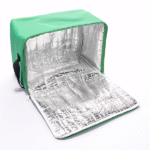
Cajas y revestimientos aislados: Materiales como poliestireno expandido (EPS), EPP and VIP maintain low temperatures by limiting heat exchange. VIPs deliver superior insulation but are more costly; EPP boxes offer a balance of performance and recyclability. Insulated bag liners are suitable for local deliveries and have high R value foam cores and reflective liners.
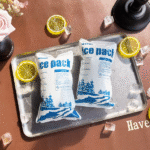
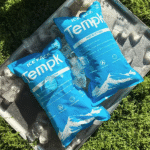
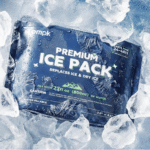
Refrigerant choices: Dry ice sublimates at –78.5 °C and produces no moisture, making it ideal for frozen desserts; gel packs maintain around 0 °C and are safer to handle. For gelato, dry ice is favoured because it keeps product well below –4 °F; gel packs may be used when shipping to warm climates for short periods.
Equipos de monitoreo de temperatura.: Registradores de datos, wireless sensors and GPS tracking devices capture real-time temperature and location. Telematics platforms integrate these data streams, providing alerts when temperatures drift and enabling route adjustments. Predictive maintenance algorithms flag equipment issues before they cause failures.
Detailed Information on Equipment Options
| Tipo de equipo | Función | Ventaja | Beneficiarte para ti |
| Registradores de datos | Record temperature and humidity throughout the shipment | Provide verifiable compliance records; support FSMA and GDP audits | Protects brand reputation by documenting temperature integrity |
| Sensores IoT | Transmit real-time temperature and location data | Enable immediate intervention if conditions drift | Reduces spoilage and shipping losses |
| Transport Refrigeration Units (TRU) | Active cooling for trucks and containers | Modern TRUs include electric standby and telematics | Improves fuel efficiency and reduces emissions |
| Paquetes de gel y hielo seco | Passive cooling for short or long shipments | Dry ice keeps gelato below –4 °F; gel packs maintain near-freezing temperatures | Flexible options for different delivery distances |
| Biodegradable Cooling Materials | Sustainable alternatives like plant-based PCM | Reducir el impacto ambiental; align with ESG goals | Appeals to eco-conscious consumers and regulators |
User-Friendly Tips
Comply with labelling: Al usar hielo seco, affix hazard labels showing net weight and include ventilation holes in packaging as required by shipping regulations.
Elija envases reutilizables: Opt for EPP or VIP containers that can be cleaned and reused to lower long-term costs and waste.
Implement calibration schedules: Calibre los termómetros periódicamente, sensors and refrigeration units to ensure accurate readings and compliance.
Explora soluciones híbridas: Combine gel packs inside refrigerated trucks to buffer against temperature spikes during loading and unloading.
Ejemplo práctico: A regional gelato distributor implemented IoT sensors in its fleet. When one truck’s temperature spiked due to a malfunctioning door seal, an automated alert allowed dispatchers to divert the vehicle to the nearest service center, saving the shipment and avoiding a costly recall.
Digital Tools, AI and Predictive Analytics Transforming Gelato Logistics
Respuesta directa / Puntos clave
Smart technologies deliver real-time visibility, predictive insights and route optimisation. Internet de las cosas (IoT) Los sensores monitorean la temperatura., humedad y ubicación. Inteligencia artificial (AI) processes this data to forecast demand, predict equipment failures and optimise routes.
Explicación expandida
Monitoreo continuo: Sensors embedded in gelato cabinets, refrigerated trucks and warehouse zones capture temperature, datos de humedad y golpes. These devices transmit information to cloud platforms. Operators can view conditions and intervene before spoilage occurs.
Improved traceability and compliance: GPS modules record routes and timestamps, creating a digital log that demonstrates compliance with FSMA and Good Distribution Practice requirements.
Mantenimiento predictivo: AI algorithms analyse sensor data to predict when refrigeration components may fail. By scheduling repairs proactively, companies reduce downtime and prevent product loss.
Previsión de la demanda basada en IA: AI models analyse weather patterns, sales data and social trends to predict gelato demand. Por ejemplo, Unilever uses AI across 35 fábricas y 3 million freezer cabinets to forecast sales and adjust production, increasing retail orders by up to 30 %. These insights help gelato producers align production with demand, reducing inventory costs and waste.
Optimización de ruta: AI improves last-mile delivery by evaluating traffic, weather and equipment status to choose the best route. Dispatchers can reroute shipments or pre-cool equipment when a delay is predicted.
gemelos digitales: Virtual replicas of warehouses and fleets allow operators to simulate operations and identify bottlenecks. The digital twin market is expected to grow 30–40 % anualmente, reaching $125–150 billion by 2032. By combining real-time sensor data with simulation, gelato companies can forecast how changes in packaging, routing or refrigeration will affect costs and product quality.
Practical Tips for Leveraging Digital Solutions
Invest in scalable IoT platforms: Start with basic temperature sensors and expand to full telematics as your business grows.
Use AI for demand planning: Integrate weather data with historical sales to anticipate peaks and adjust production schedules.
Simulate with digital twins: Model your warehouse or fleet to test new packaging materials or delivery routes before implementation.
Train staff in data literacy: Ensure operators can interpret dashboard alerts and act quickly when issues arise.
Ejemplo de caso: A European gelato chain integrated AI forecasting with their ordering system. Durante una ola de calor de verano, the system predicted increased gelato consumption and automatically adjusted production volumes, preventing stockouts and reducing waste by 10 %.
Sustainable Practices and 2025 Trends in Gelato Cold Chain
Overview of Trends and Regulations
Sustainability is becoming a core part of gelato logistics. Regulations are pushing businesses toward greener refrigerants, electrified transport and documented traceability. Las tendencias clave incluyen:
Phase out of high-GWP refrigerants: The EU F Gas Regulation bans F gases with GWP ≥150 in stand alone systems from January 2025. Gelato manufacturers are switching to natural refrigerants like propane, isobutane and CO₂.
Zero emission TRUs: California’s Air Resources Board plans to transition diesel-powered TRUs to zero emission technology, with new standards for particulates and lower GWP refrigerants. Other states and countries may follow.
Extended traceability compliance: FSMA 204 recordkeeping requirements take full effect in July 2028, but companies are adopting digital record systems now to meet consumer demand for transparency.
AI and IoT adoption: As cold chain complexity grows, companies deploy sensors and AI for real-time monitoring, mantenimiento predictivo y optimización de rutas.
Embalaje sostenible: Reusable EPP and VIP containers, biodegradable insulation and recyclable gel packs reduce waste and align with environmental, sociales y gobernanza (ESG) objetivos.
Últimos desarrollos de un vistazo
Natural refrigerants adoption: Manufacturers are incorporating R 290, R 600a and CO₂ systems into commercial gelato cabinets, improving efficiency while complying with F gas bans.
Unidades frigoríficas eléctricas para transporte.: Fleet operators invest in electric or hybrid TRUs with plug in capability to meet zero emission requirements.
Digital twins proliferation: The market for digital twins is projected to grow rapidly, enabling gelato businesses to model operations and enhance resilience.
Ideas del mercado
The global cold chain market is expanding rapidly, driven by rising demand for frozen foods and pharmaceuticals. Según los informes de la industria, the cold chain sector is projected to grow from $325 mil millones en 2024 a $862 mil millones por 2032. This growth creates opportunities for gelato producers but also increases competition and regulatory scrutiny. Consumers are more aware of sustainability; they favour brands that use eco-friendly packaging and transparently disclose supply chain practices.
Recommendations for Sustainable Practice
Adopt low-GWP refrigerants: Transition to systems using natural refrigerants like propane or CO₂. Evaluate the safety implications (flammability, toxicity) and implement proper training.
Upgrade to electric TRUs: For regional fleets, consider electric or hybrid transport refrigeration units that reduce emissions and may qualify for incentives.
Implement a circular packaging program: Use reusable containers and incentivise customers to return them. Partner with recycling companies to manage end-of-life materials.
Document and communicate sustainability efforts: Use traceability systems to demonstrate compliance and share sustainability metrics with customers.
Preguntas frecuentes
Q1: What temperature should gelato be kept at during transport?
Gelato should be transported at approximately –5 °F (–20 ºC), with ambient air in the vehicle kept below 13 °F (–25°C). Maintaining these temperatures prevents ice crystal growth and satisfies regulatory requirements.
Q2: Can I use gel packs instead of dry ice when shipping gelato?
Gel packs maintain temperatures around 0 °C and are suitable for short trips. Sin embargo, gelato needs to stay well below freezing, so dry ice is recommended for long-distance shipments. A 1:1 dry ice-to-gelato ratio keeps the product frozen for one to two days.
Q3: Why are natural refrigerants important for gelato operations?
High-GWP HFC refrigerants are being phased out. De 2025, F gases with GWP ≥150 are banned in stand alone refrigeration systems. Natural refrigerants like R 290 and CO₂ have low climate impact and offer energy efficiency, helping businesses meet regulations and sustainability goals.
Q4: ¿Cómo mejoran los sensores de IoT el cumplimiento de la cadena de frío??
Los sensores de IoT proporcionan datos continuos de temperatura y ubicación, enabling real-time interventions and digital records for FSMA and GDP compliance. They also support predictive maintenance, reducing equipment downtime.
Q5: What is the FSMA 204 compliance deadline?
Los EE. UU.. FDA proposed extending the compliance date for FSMA 204 recordkeeping to July 20, 2028. This gives companies additional time to implement traceability systems, pero se recomienda la adopción temprana.
Sugerencia
En esta guía completa, you learned how gelato’s unique composition demands precise temperature control, requiring it to be hardened, shipped and stored within narrow temperature ranges. We explored how regulations like FSMA 204, EU F Gas bans and California’s zero emission TRU initiatives shape gelato logistics. We discussed equipment and packaging options—from VIP containers to IoT sensors—showing how they safeguard quality and compliance. Finalmente, we looked at digital tools and sustainability trends that will transform gelato cold chains in 2025 y más allá.
Acción
Evalúe su cadena de frío: Map each stage of your gelato logistics—production, transporte, almacenamiento y venta al por menor. Identify where temperature deviations occur and implement corrective measures.
Upgrade refrigeration equipment: Transition to low-GWP refrigerants and consider electric or hybrid TRUs to meet emerging regulations.
Implementar seguimiento y trazabilidad: Deploy IoT sensors and data loggers to capture real-time temperature, datos de ubicación y humedad. Use software to manage Key Data Elements for FSMA compliance.
Optimizar el embalaje: Choose insulation based on shipment duration and sustainability goals. Use VIP or EPP containers with correct dry ice ratios.
Adopt AI and digital twins: Use AI forecasting to predict demand and route optimisation to reduce delivery times. Simulate operations with digital twins to test new strategies.
Siguiendo estos pasos, puede deliver gelato efficiently and legally in 2025, enhancing customer satisfaction while meeting regulatory and sustainability objectives.
Acerca de Tempk
Templ is a leading provider of cold chain solutions. Diseñamos y fabricamos cajas aisladas, gel packs and smart monitoring systems that help businesses deliver temperature-sensitive products safely. Our team has extensive experience in food and pharmaceutical logistics and stays ahead of emerging regulations. priorizamos sostenibilidad, offering reusable EPP containers and eco-friendly refrigerants to reduce waste and emissions.
If you need help optimizing your gelato logistics or selecting the right packaging, contact Tempk for expert advice and customized solutions.