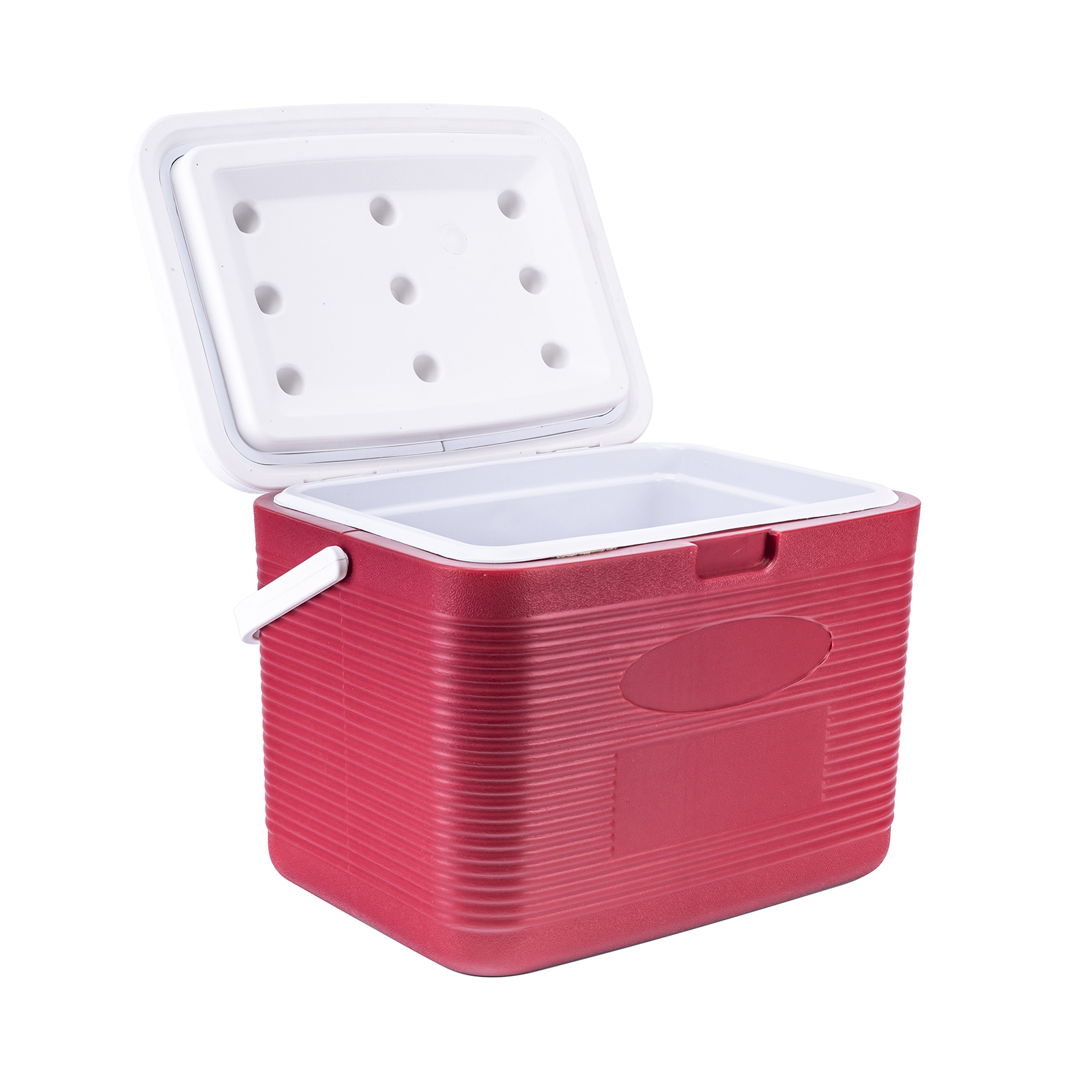
A Practical Framework for Choosing a Collapsible Plastic Crate Manufacturer for Biotech Design
El plegable adecuado caja de plastico no es el modelo con la lista de características más larga. Es el modelo cuyos límites son visibles y manejables.. A collapsible crate can organize and protect secondary packs, labware, reactivos, and single-use assemblies, but it is not automatically sterile, a prueba de fugas, biohazard-approved, or temperature controlled. El siguiente marco combina diseño, obtención, validación, y controles operativos en una sola ruta de decisión.
Failure Modes That Matter in Biotech Storage, hacer kitesurf, and Controlled Internal Movement
Write the job of the collapsible plastic crate in one sentence: proteger y organizar los reactivos, kits de diagnóstico, conjuntos de un solo uso, clean components, instrumentos, and sealed specimen packs while moving through supplier receipt, cuarentena, almacenamiento controlado, hacer kites, transferencia interna, production support, descontaminación, y regreso vacío. Luego escribe lo que no se debe suponer que hace.. Dependiendo de la ruta, que puede incluir esterilidad, aprobación para contacto con alimentos, contención de fugas, embalaje de mercancías peligrosas, o control de temperatura. Este límite de dos líneas evita que el proyecto recopile expectativas incompatibles bajo un nombre de producto..
Rank the credible consequences for biotech storage, hacer kites, and controlled internal movement. Considere el daño del producto, contaminación, apilamiento inestable, lesión del trabajador, falta trazabilidad, recepción retrasada, excursión termal, rechazo de ruta, y pérdida del activo reutilizable. La mayor consecuencia no siempre es el evento más frecuente. Una especificación práctica da prioridad a la combinación de severidad., probabilidad, y detectabilidad en lugar de la característica que es más fácil de citar.
Establezca líneas rojas antes de comparar proveedores. Una línea roja podría ser una duración térmica no admitida, sin trazabilidad de materiales, una articulación que no se puede limpiar, sin aviso de cambio de producción, una pila de carga mixta inestable, o un diseño que no se puede devolver económicamente. Las líneas rojas aceleran la lista corta porque separan la incertidumbre descalificadora de las características que pueden optimizarse más adelante.. Para el almacenamiento de biotecnología, hacer kites, and controlled internal movement, decide what control addresses the failure mode 'dividers that shift under vibration'.
Cree una especificación de requisitos de cinco bloques
Construya la especificación en cinco bloques.: carga útil, geometría, ambiente, operación, y evidencia. La carga útil cubre las dimensiones, peso, fragilidad, contacto, y sensibilidad a la temperatura. La geometría cubre el espacio utilizable., cierre, pila, manejo, e interfaces. El medio ambiente cubre el tiempo., temperatura, humedad, quimicos, y ultravioleta. La operación cubre el embalaje., transporte, limpieza, devolver, y jubilación. La evidencia cubre dibujos., declaraciones, pruebas, inspección, y control de cambios. The controlled specification should also make replacement-part policy visible.
Traduzca la discusión sobre diseño en las características que importan aquí: hinge and latch fatigue, smooth internal geometry, divisores removibles, folded stability, ergonomic handholds, and tamper-evident label areas. Para cada característica, registrar el beneficio previsto y un posible efecto secundario. Un respiradero puede mejorar el flujo de aire pero reducir la contención. Una forma cónica puede mejorar el anidamiento pero reducir el volumen.. Una junta puede controlar las filtraciones, pero añade limpieza y reemplazo.. Un inserto aislado puede mejorar el rendimiento térmico pero reducir la carga útil y complicar la carga.. Apply the requirement to the actual biotech storage, hacer kites, and controlled internal movement workflow.
Mantenga las preguntas materiales igualmente específicas: resin identity and lot traceability, compatibility with cleaning agents, particle-shedding risk at joints, color consistency for visual management, and low-temperature impact if chilled rooms are used. Solicite la evidencia del producto terminado que coincida con el reclamo.. Un nombre de resina respalda la identificación del material.; no prueba un asidero, bisagra, soldar, sello de borde, etiqueta, o tapa ensamblada. Asimismo, un dibujo acotado admite el ajuste; no establece la vida útil de la pila, fuga, facilidad de limpieza, o un perfil de temperatura. Documentar cómo el diseño aborda el modo de falla enumerado.: assuming the crate replaces regulated specimen packaging.
Mantenga las afirmaciones de productos dentro de sus límites de evidencia
The collapsible plastic crate should be described by function, no por adjetivos. Sus funciones verificadas pueden incluir llevar, apilado, encajar o plegar, resistir un manejo definido, etiquetas de soporte, aceptando inserciones, y presentación de superficies para limpieza.. Afirmaciones como impermeable, médico, grado alimenticio, farmacéutico, térmico, o temperatura controlada requieren definiciones y evidencia adicionales. Nunca se debe permitir que el término implique una aprobación del sistema más amplia de la que el proveedor puede demostrar..
Para uso en laboratorio o biotecnología., La manipulación reutilizable ordinaria debe separarse de las normas para materiales infecciosos o de diagnóstico.. La evaluación de riesgos determina la contención, descontaminación, y precauciones de transporte. Cuando hay especímenes reglamentados presentes, prescrito primaria, secundario, y pueden aplicarse funciones de embalaje exterior; una caja general debe ser tratada sólo como la función para la que realmente ha sido diseñada y documentada.
Utilice estándares como herramientas dentro del plan de evidencia.. Compresión, apilado, vibración, gota, y los perfiles térmicos pueden hacer que los resultados del proveedor sean comparables cuando la muestra, carga útil, acondicionamiento, y los criterios de aceptación son los mismos. Un nombre estándar en un folleto no es suficiente, y un resultado de aprobación no garantiza una ruta diferente. El equipo de calidad o ingeniería del comprador debe decidir cómo la prueba respalda el uso previsto.. Connect the requirement to hinge and latch fatigue and a representative payload.
| Puerta | Pregunta de aprobación | Salida mínima | Dueño |
|---|---|---|---|
| 1. Caso de uso | ¿Qué trabajo y límites se definen?? | Resumen de requisitos aprobado | Operaciones y calidad |
| 2. Diseño | ¿La muestra se ajusta y soporta la carga útil?? | Revisión de dibujos y muestras. | Ingeniería |
| 3. Evidencia | ¿Están las afirmaciones vinculadas a las condiciones de la prueba?? | Informes y documentos materiales. | Calidad |
| 4. Piloto | ¿Funciona en el bucle real?? | Registro piloto y lista de problemas abiertos | Operaciones |
| 5. Producción | ¿La producción coincide con la muestra aprobada?? | Plan de inspección y control de cambios. | Adquisiciones y proveedores |
| 6. Ciclo vital | como estan limpiando, reparar, pérdida, y jubilación controlada? | SOP y métricas de flota | Propietario del programa |
Treat each gate for biotech storage, hacer kites, and controlled internal movement as a decision record. Progresa sólo cuando el dueño, evidencia, y los riesgos no resueltos son visibles para el equipo multifuncional.
Thermal System Boundaries for Biotech Storage, hacer kitesurf, and Controlled Internal Movement
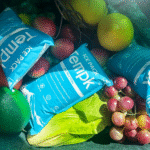
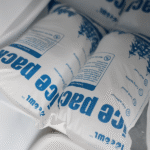
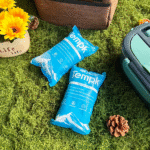
Primero decida si el control de temperatura pertenece al proyecto de cajas.. Si el vehículo o la sala ya proporciona un control confiable y la carga útil está protegida en cada entrega, Es posible que la caja solo necesite flujo de aire y compatibilidad mecánica.. Si existen brechas, un revestimiento aislado, enfriador, cubierta de paleta, paquete de gel acondicionado, Paquete de pcm, sistema de hielo seco, o puede ser necesaria una solución activa. La respuesta debe seguir las especificaciones del producto y el riesgo de carril.. Para el almacenamiento de biotecnología, hacer kites, and controlled internal movement, verify temperature monitoring placement under the stated payload and ambient profile.
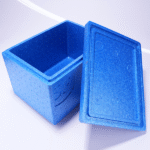
Si se requiere protección pasiva, define compatibility with removable insulated liners, space for conditioned gel or PCM packs when needed, separation between coolant and sensitive payload, and temperature monitoring placement before selecting components. El diseño debe tener en cuenta la temperatura inicial de la carga útil., espacio vacío, puentes de aislamiento, acondicionamiento del refrigerante, separación de productos, exposición ambiental, y abriendo. Cualquier cambio en esas variables puede alterar el rendimiento.. La configuración probada de un proveedor es útil sólo cuando el paquete propuesto es realmente comparable.. Keep the claim conditional until the tested configuration covers separation between coolant and sensitive payload.
La calificación y el seguimiento rutinario tienen diferentes propósitos. Las pruebas de desarrollo establecen si un paquete controlado puede cumplir con el criterio de aceptación bajo un perfil definido.. El monitoreo de ruta verifica lo que sucedió en uso. Un registrador puede apoyar la liberación o la investigación, pero no puede compensar una falta paquete de refrigerante, una carga útil cálida, una tapa abierta, o una ruta no calificada. Recibir instrucciones debe conectar los datos a un proceso de decisión claro.. The operating instruction should make space for conditioned gel or PCM packs when needed clear to packers and receivers.
Utilice una jerarquía de evidencia para seleccionar proveedores
Seleccione el fabricante según la calidad de su evidencia.. Solicitar un dibujo aprobado, declaración de materiales, informe de dimensión crítica, muestra de intención de producción, informes de prueba relevantes, instrucciones de limpieza o embalaje, identificación de lotes, y términos de control de cambios. Para esta aplicación, also review drawing control, consistencia de muestra a producción, política de repuestos, notificación de cambio, and mold ownership and tooling maintenance. Los documentos deben identificar la configuración y las condiciones., no simplemente repetir una afirmación de marketing. Treat change notification as part of the evidence package, no es una garantía verbal.
Utilice una jerarquía de evidencia. Una declaración verbal es la más baja.. Una hoja de datos genérica es mejor, pero es posible que no coincida con el ensamblaje.. Una prueba de proveedor sobre la configuración propuesta es más sólida. Un informe de un laboratorio independiente o acreditado puede añadir confianza cuando el método y la muestra son relevantes.. La evidencia práctica más alta es un piloto controlado en la ruta del comprador., respaldado por unidades de producción rastreables y un plan de inspección continua. The supplier review should define how mold ownership and tooling maintenance remains controlled after scale-up.
Desafíe los modos de falla directamente: joints that trap residue, latches that open during transfer, dividers that shift under vibration, labels that detach after cleaning, and assuming the crate replaces regulated specimen packaging. Pregunte qué característica del diseño impide cada evento., cómo se probó esa característica, y cómo los controles de producción lo preservan. Si el proveedor no puede responder, convertir la incertidumbre en una prueba de muestra o eliminar la afirmación de la especificación. Esto mantiene la negociación comercial ligada al riesgo más que al número de características.. The procurement file should make drawing control traceable.
Herramientas útiles para tomar decisiones
Comprueba los detalles antes de elegir el embalaje.
Estas herramientas rápidas pueden ayudarle a comparar el riesgo de la ruta, necesidades de dimensionamiento, opciones de refrigerante, y detalles del embalaje antes de solicitar una cotización.
Revestimiento de caja & Dimensionamiento de la cubierta de paleta
Lógica de tamaño de revestimiento de cajas y cubiertas de paletas para proyectos de embalaje aislado.
Estimar el tamañoGenerador de listas de verificación de cumplimiento
Cree una lista de verificación práctica para la revisión del embalaje, envío, y documentación.
Crear lista de verificaciónCalculadora de bolsa de hielo
Estimación de la cantidad de bolsas de hielo en gel para envíos refrigerados y planificación práctica de rutas.
Estimar las bolsas de hieloCuatro puertas de aprobación desde la idoneidad hasta el ciclo de vida
Utilice cuatro puertas de aprobación. La puerta uno está en forma: las cargas de carga útil, cierra, descarga, y sigue siendo identificable. La puerta dos son pruebas controladas: mecánico, limpieza, fuga, o ensayos térmicos abordan los riesgos definidos. La puerta tres es un piloto operativo.: El personal normal utiliza las unidades con intención de producción durante todo el ciclo.. La puerta cuatro es el lanzamiento de producción.: La inspección entrante y el control de cambios muestran que las unidades escaladas coinciden con el diseño aprobado.. The pilot should track folded return volume as a lifecycle variable.
El registro piloto debe incluir excepciones., no solo promedios. Tenga en cuenta las cargas más pesadas y ligeras., aperturas difíciles, retornos mojados, entregas retrasadas, pilas mixtas, accesorios faltantes, daño, volver a lavar, y cualquier excursión de temperatura. Las excepciones revelan márgenes de diseño y brechas de capacitación. Un programa que registra sólo viajes exitosos puede escalar una debilidad oculta. For this biotech program, include repairability in the operating model.
Después del lanzamiento, gestionar el contenedor como un activo. Asigne identificaciones cuando corresponda, registrar las razones del daño, componentes reparables separados, definir el estado de lavado e inspección, mantener stock de reposición, y retirar unidades inseguras. Revisar los datos de campo antes de aprobar cambios de proveedores o componentes.. El control del ciclo de vida es el paso que convierte una idea reutilizable en un programa confiable. The fleet review should show how part replacement affects cost and reliability.
Failure Modes That Matter in Biotech Storage, hacer kitesurf, and Controlled Internal Movement
Supuesto uno: el volumen indicado es igual al espacio de carga útil. Puede que no después de la reducción, tapas, divisores, aislamiento, y refrigerante. Supuesto dos: el nombre del material demuestra el rendimiento. No prueba la geometría terminada.. Supuesto tres: una clasificación de pila cubre cada duración y temperatura. Puede provenir de una prueba diferente.. Cada supuesto debe ser reemplazado por un dibujo., muestra, y condición de prueba relevante. Para el almacenamiento de biotecnología, hacer kites, and controlled internal movement, decide what control addresses the failure mode 'dividers that shift under vibration'.
Supuesto cuatro: un formato reutilizable es automáticamente sostenible. La distancia de regreso, pérdida, limpieza, reparar, y la ruta de jubilación determinan el resultado. Supuesto cinco: una etiqueta térmica demuestra el control de la temperatura. El sistema completo, condiciones iniciales, perfil ambiental, empacar, y la disciplina operativa determinan el resultado. Estas suposiciones son costosas porque generalmente fallan después de la compra de herramientas o flota.. Do not close the review until evidence or a process control addresses the failure mode 'labels that detach after cleaning'.
The project-specific warning signs are joints that trap residue, latches that open during transfer, dividers that shift under vibration, labels that detach after cleaning, and assuming the crate replaces regulated specimen packaging. Póngalos en la lista de verificación de revisión de muestras. Es más probable que un equipo multifuncional los atrape porque las operaciones, calidad, ingeniería, saneamiento, y la logística ven diferentes partes del riesgo. La lista de verificación debe ser breve., propiedad, y atado a una disposición: aceptar, revisar, prueba, cuarentena, o rechazar. The supplier discussion should connect the failure mode 'assuming the crate replaces regulated specimen packaging' to a feature, prueba, y disposición.
Ejecute un taller de muestra multifuncional
A cross-functional workshop for biotech storage, hacer kites, and controlled internal movement can be completed around one production-intent sample. Coloque la carga útil representativa, etiquetas, material a cargar, componentes térmicos si es necesario, y manipular herramientas sobre la mesa. Solicite operaciones para empacarlo., logística para moverlo y apilarlo, calidad para inspeccionar la evidencia, y saneamiento para limpiarlo y secarlo. Registre dónde el proceso depende del juicio o de la solución alternativa..
Luego simule una desviación creíble: una entrega retrasada, carga parcial, retorno mojado, impacto frio, tapa faltante, o inspección inesperada. El equipo debe decidir si el diseño contiene el evento., si la condición es detectable, y que instrucción sigue. Este ejercicio a menudo expone un requisito más útil que otra afirmación genérica de durabilidad.. Durante el ejercicio, Esté atento específicamente al modo de falla enumerado.: joints that trap residue.
Cerrar el taller con acciones nombradas, puntos de dibujo revisados, pruebas, propietarios, y fechas de aceptación. El proveedor recibe una lista controlada en lugar de comentarios contradictorios de diferentes departamentos.. Cuando llegue la próxima muestra, el mismo equipo puede verificar los cambios y decidir si el diseño está listo para una ruta piloto. Use the scenario to decide how the team will respond to the failure mode 'latches that open during transfer'.
Preguntas frecuentes
What is the first document to prepare before contacting a collapsible plastic crate manufacturer for biotech design?
Prepare un resumen conciso del caso de uso que cubra la carga útil, dimensiones utilizables, carga máxima, ruta, exposición ambiental, manejo, limpieza, devolver, identificación, y cualquier requisito de temperatura. Agregue las afirmaciones que deben respaldarse y las condiciones que descalificarían un diseño.. Esto proporciona a los proveedores una base común para la cotización.. Para este proyecto, keep drawing control traceable to the approved sample.
¿Cómo separo un requisito de caja de un requisito de cadena de frío??
Asignar manipulación mecánica, apilado, cierre, higiene, e identificación a la caja. Asignar aislamiento, refrigerante, enfriamiento activo, empacar, preacondicionamiento, escucha, y calificación térmica del sistema de control de temperatura.. Deben interactuar correctamente, pero uno no debe usarse como evidencia para el otro. For this biotech project, Confirmar la respuesta en una muestra de intención de producción en lugar de asumir la equivalencia del catálogo..
¿Qué pruebas de proveedores deberían tener más peso??
Dar más peso a los dibujos específicos de configuración., documentos materiales, muestras de intención de producción, Informes de prueba con condiciones completas., y un piloto de ruta exitoso que a folletos genéricos. Las pruebas independientes pueden agregar confianza cuando el método y la muestra son relevantes. El control de cambios es esencial para que la evidencia permanezca conectada a la producción.. Para este proyecto, keep sample-to-production consistency traceable to the approved sample.
¿Cuántas muestras se necesitan antes de comprar una flota??
No existe un número universal.. Utilice suficientes muestras para comprobar el ajuste., variación de producción, manejo, limpieza, y los modos de falla creíbles. Un piloto debe incluir unidades con intención de producción y operadores normales.. El plan de muestra debe basarse en el riesgo y estar acordado por ingeniería o calidad en lugar de elegirse sólo por conveniencia.. Base the decision on label adhesion after wash cycles under the intended route and load.
¿Qué debería suceder después de que el contenedor entre en servicio??
Identificación de controles, estado de limpieza, inspección, reparar, reemplazo de accesorios, codificación de daños, pérdida, y jubilación. Revisar periódicamente los datos de campo y los cambios de proveedores.. El embalaje reutilizable sigue siendo confiable solo cuando el sistema operativo conserva la condición y configuración aprobadas originalmente.. For this biotech project, Confirmar la respuesta en una muestra de intención de producción en lugar de asumir la equivalencia del catálogo..
Decisión final
Select a collapsible fabricante de cajas de plastico for biotech design through a controlled sequence: definir el trabajo y las líneas rojas, verificar la geometría utilizable y la evidencia material, decidir si se necesita control térmico, probar los modos de falla relevantes, pilotear el circuito operativo completo, y preservar el diseño aprobado mediante inspección y control de cambios.. Mantener cada reclamo ligado a sus condiciones y titular..
Acerca de Tempk
suministros temporales embalaje de cadena de frío componentes como paquetes de gel, ladrillos de hielo, Paquetes de PCM, forros y bolsas aislantes, EPP y otras cajas aisladas, cajas de envío frías, y cubiertas térmicas para palets. Aquí, the practical focus is connecting reusable handling containers with gel packs, Paquetes de PCM, revestimientos aislados, and temperature monitoring when a biotech route requires thermal protection. Requisitos específicos del producto, calificación de ruta, y la revisión de calidad del cliente siguen siendo la base para cualquier selección final.
Solicite una revisión práctica
Para una revisión integrada de contenedores y cadena de frío, share the payload format, metodo de limpieza, ruta, and any temperature requirement so Tempk can help define the cold-chain components that may need to work with the crate.