Actualizado el: Puede 26, 2026
Contenedor de plástico apilable personalizado para suministro de mariscos: Cómo elegir con menos riesgo
A contenedor de plástico apilable La costumbre para el suministro de productos del mar debe juzgarse tanto por el trabajo que evita como por el trabajo que realiza.. El contenedor adecuado reduce el reenvasado, puesta en escena inestable, daños evitables por humedad, y responsabilidad de manejo poco clara. El incorrecto agrega otro objeto para administrar mientras que los problemas reales, como limpieza, etiquetado, flujo de aire, aislamiento, o documentación, permanecer sin resolver.
Respuesta practica
Un contenedor de plástico apilable personalizado para el suministro de productos del mar es adecuado cuando el contenedor propuesto y el proceso del proveedor soportan la carga útil., ruta, proceso de devolución, metodo de limpieza, y expectativas de documentación para el suministro de productos del mar. No debe aprobarse sólo porque la característica parezca relevante.. La compra más segura es la respaldada por pruebas de muestra., respuestas claras del proveedor, y una vista realista de dónde se detiene el contenedor y dónde comienza el proceso operativo.
La verdadera decisión de compra detrás de esta búsqueda
Una especificación útil describe cómo se mueve el contenedor a través del sistema.. ¿Se levantará a mano o se empujará sobre una plataforma rodante?? ¿Entra en un área de lavado?? ¿Se escanearán las etiquetas mientras el contenedor esté anidado?, apilados, o cerrado? ¿Las unidades cargadas están expuestas al sol?, condensación de cámara frigorífica, hielo derretido, o vibración del vehículo? Estos detalles deciden si el diseño apilable ayuda a la operación o simplemente parece eficiente en la imagen de un producto..
La elección del contenedor debe comenzar con el carril.. Mapa donde se llena la carga útil, donde espera, quien lo toca, como se carga, y donde el receptor toma una decisión de aceptación. Esto convierte una solicitud vaga de producto en un conjunto de condiciones operativas.. Para el suministro de mariscos, Los momentos importantes suelen ser los traspasos.: un palet se encuentra en un muelle, un trabajador clasifica las devoluciones, un transportista cambia de vehículo, o un receptor abre una carga antes de moverla al almacenamiento controlado.
La ruta también determina el perfil de abuso.. Un almacén limpio necesita prioridades diferentes a las de un muelle húmedo, un pool de retorno mixto, o una ruta de exportación transfronteriza. Antes de pedir un presupuesto, enumerar el peor día normal en lugar del mejor día posible. Eso significa la espera más larga., el levantamiento más duro, el piso más mojado, el palet más lleno de gente, y el manipulador menos experimentado que seguirá utilizando el contenedor correctamente.
La decisión final del proveedor debe redactarse como un supuesto operativo.: este contenedor transportará esta carga útil, en esta ruta, bajo estas reglas de limpieza, con estas etiquetas, manejado por estas personas, y aceptado bajo estos cheques de recepción. Cuando se escribe el supuesto, los huecos se hacen visibles. Si se espera que el contenedor haga más de lo que su diseño admite, cambiar el diseño, el proceso, o la expectativa antes de realizar un pedido al por mayor.
Ajustar el contenedor a la carga útil, Ruta, y flujo de retorno
En esta aplicación, el contenedor tiene que ayudar a los equipos a manejar, oloroso, y producto sensible a la temperatura sin fugas, aplastante, perdiendo trazabilidad, o confundir una caja con el sistema completo de cadena de frío. Los contenedores de mariscos miran hacia pisos mojados, hielo derretido, lavado repetido, control de olores, carga bruta, y decisiones de recepción rápidas.
No evalúe apilable como una palabra en una hoja de datos. Pregunta cómo funciona la geometría.. Una llanta puede ayudar a la estabilidad pero reducir el espacio utilizable. Un respiradero puede mejorar el flujo de aire pero expone el producto al polvo o al agua.. Un sello puede proteger las etiquetas pero atrapar la condensación. Una pared plegable puede reducir el volumen de retorno pero agregar áreas de bisagras que necesitan inspección. La respuesta correcta depende de la carga útil y de la rutina de limpieza..
Las decisiones de diseño más sólidas suelen ser pequeñas.. Las esquinas internas suaves aceleran la limpieza. Un exterior texturizado puede ayudar al agarre, pero puede retener la suciedad si la textura es demasiado agresiva.. La codificación de colores apoya la segregación pero necesita una disciplina de ordenación. Los paneles de etiquetas moldeados ayudan a la trazabilidad, pero deben permanecer legibles cuando se apilan los contenedores, anidado, o envuelto en un palet.
El valor práctico de un diseño apilable es que resuelve un problema operativo sin crear otro.. En esta aplicación, debería soportar una mejor densidad de paletas, puesta en escena más segura del almacén, y carga de camiones más predecible. Esos beneficios sólo aparecen cuando la pared lateral, borde, base, cierre, y las áreas de las etiquetas coinciden con la carga útil real. Un contenedor que es excelente para una ruta puede resultar incómodo en otra si cambia el método de manipulación..
Las comprobaciones de características principales para esta búsqueda son el compromiso de la llanta., huella inferior, deflexión de la pared lateral, visibilidad de la etiqueta, límites de carga del proveedor. Estos no son detalles decorativos.. Afectan la velocidad de carga, confianza en la limpieza, comportamiento de la paleta, aprobación de muestra, y si el contenedor se puede utilizar repetidamente sin crear puntos de falla ocultos.
Qué verificar antes de aprobar una muestra
Una reseña práctica del comprador debería traducir la frase de cola larga en preguntas mensurables. La siguiente tabla mantiene la discusión fundamentada sin inventar números de rendimiento universales.. Úselo como una lista de verificación de aprobación de muestra y ajústelo a su sistema de calidad interno..
| Punto de control del comprador | Que confirmar | Por que importa |
|---|---|---|
| Ajuste de carga útil | Confirme si en el contenedor de plástico cabe pescado entero., filetes enfriados, cartones de mariscos congelados, paquetes de mariscos, bandejas llenas de hielo, y cargas de entrega al mercado sin aplastamiento, espacio de cabeza excesivo, o levantamiento incómodo. | El ajuste del producto evita daños y una carga lenta. |
| Ajuste de características | Comprobar el compromiso de la llanta, huella inferior, deflexión de la pared lateral. | El diseño apilable debería resolver un problema real de flujo de trabajo, no solo agregar una función de catálogo. |
| Limpieza y reutilización | Definir lavado, el secado, inspección, segregación, y reglas de jubilación. | Los envases reutilizables se vuelven riesgosos cuando el circuito de retorno no está controlado. |
| Límite de documentación | Identificar si los alimentos, químico, médico, biotecnología, mariscos, exportar, o se requieren registros de temperatura. | Un contenedor de plástico sostiene los discos pero no los reemplaza. |
| Preparación del proveedor | Pide muestras, dimensiones, información material, enfoque de control de cambios, y coherencia en los pedidos al por mayor. | La disciplina del proveedor es parte del desempeño del producto.. |
El cuadro se estructura deliberadamente en torno a la verificación más que a las promesas.. Esto es importante porque el mismo contenedor puede funcionar bien en una ruta y mal en otra.. Una vez que un proveedor responde estas preguntas, el comprador puede decidir si un modelo estándar es suficiente o si dimensiones personalizadas, inserciones, etiquetado, aislamiento, o se necesita otra familia de embalaje.
Una lista corta práctica tiene tres niveles.. Primero, eliminar proveedores que no puedan explicar las dimensiones básicas, información material, y controles de muestra. Segundo, Pruebe las muestras comparándolas con su ruta de manipulación real.. Tercero, revisar la documentación y la estabilidad comercial antes de escalar. Esta secuencia previene un problema común.: aprobar una muestra bonita y descubrir más tarde que las unidades de producción, documentos, o los plazos de entrega no respaldan el programa.
Cuando el contenedor de plástico no es suficiente
La limpieza no es una cuestión cosmética. Un recipiente reutilizable que no se puede limpiar y secar constantemente se convierte en una fuente de olor, residuo, riesgo microbiano, fallo de etiqueta, o preocupación por contacto cruzado. Pregunte si el proveedor puede describir métodos de limpieza aceptables., expectativas de secado, límites de temperatura para el lavado, y puntos de inspección después de la reutilización. Cuando esas respuestas son vagas, el riesgo se traslada a su operación.
La compatibilidad debe compararse con el producto real.. Los envases de alimentos necesitan una revisión adecuada del uso previsto. Los programas químicos necesitan SDS y revisión de compatibilidad de materiales. Los programas de laboratorio y biotecnología necesitan segregación y revisión del sistema de calidad. Los flujos de trabajo de mariscos y carnes necesitan controles de higiene y manipulación húmeda. Un reclamo de contenedor universal no es suficiente para ninguno de estos entornos..
Para carga regulada o sensible a la seguridad, los documentos importan. Los compradores pueden necesitar información SDS, revisión de contacto con alimentos, procedimientos sanitarios de transporte, Registros HACCP, reglas de liberación de calidad, registros de temperatura, o documentación del mercado de destino dependiendo del producto. El contenedor debería facilitar la aplicación de esos controles.: etiquetas claras, separación de lotes visible, superficies limpias, cierres predecibles, y cargas estables.
Si el envío es sensible a la temperatura, Pregunte por las condiciones de funcionamiento detrás de cualquier declaración de rendimiento.. Un tiempo de espera establecido tiene poco valor sin el perfil ambiental, masa de carga útil, diseño del paquete, tipo de refrigerante, criterios de aceptación, y si la prueba refleja la ruta. Para farmacéutica, laboratorio, biotecnología, mariscos, carne, o programas de bebidas frías, El equipo de calidad debe aprobar el rango de temperatura y la evidencia necesaria..
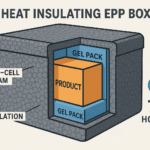
La protección de la temperatura a menudo se malinterpreta. Un aislado o contenedor termico ralentiza la transferencia de calor, pero el resultado final depende de la temperatura inicial de la carga útil, el plan de refrigerante o PCM, el espacio de cabeza, el cierre, la exposición ambiental, y el tiempo fuera del almacenamiento controlado. Un contenedor ventilado o impermeable puede solucionar el flujo de aire o la manipulación en húmedo., pero no debe describirse como temperatura controlada a menos que se defina el paquete completo.
Se deben utilizar directrices oficiales y procedimientos internos de calidad como condiciones límite en lugar de declaraciones de marketing.. Los requisitos varían según el producto., ruta, modo de transporte, y mercado, por lo que el comprador debe verificar las reglas específicas antes de convertir una característica del contenedor en una declaración de cumplimiento.
Herramientas útiles para tomar decisiones
Comprueba los detalles antes de elegir el embalaje.
Estas herramientas rápidas pueden ayudarle a comparar el riesgo de la ruta, necesidades de dimensionamiento, opciones de refrigerante, y detalles del embalaje antes de solicitar una cotización.
Calculadora de bolsa de hielo
Estimación de la cantidad de bolsas de hielo en gel para envíos refrigerados y planificación práctica de rutas.
Estimar las bolsas de hieloSelector de embalaje
Compare las opciones de embalaje aislado por producto, ruta, y necesidad de temperatura.
encontrar embalajeCalculadora de hielo seco
Calcule las necesidades de hielo seco para envíos congelados o ultrafríos antes de empacar.
Estimar hielo secoRevisión de proveedores para pedidos al por mayor o personalizados
Un proveedor debería poder discutir algo más que el precio unitario.. Solicitar información sobre materiales, dimensiones, volumen utilizable, expectativas de tolerancia, política de muestra, opciones de color, detalles de cierre, guía de limpieza, opciones de etiquetado, método de embalaje, y cómo se comparan las unidades de producción con muestras aprobadas. Si el producto se utilizará repetidamente, Pregunte cómo se inspeccionan los puntos de desgaste y qué daños se deben retirar una unidad del servicio..
La prueba del proveedor debe coincidir con el nivel de riesgo.. Para manipulación ordinaria en almacén, una hoja de datos y una inspección de muestra pueden ser suficientes. Para contacto con alimentos, químico, médico, biotecnología, o uso sensible a la temperatura, es posible que necesites más documentación. Eso podría incluir declaraciones materiales., guía de limpieza, Revisión de compatibilidad relacionada con SDS, resúmenes de pruebas, o evidencia de calificación del embalaje, Dependiendo de la aplicación.
Para pedidos al por mayor o personalizados, La coherencia entre la muestra y la producción es importante.. Se puede producir un prototipo con cuidado., mientras que la producción en masa depende del control de las herramientas, consistencia de resina, Tiempo de enfriamiento, tolerancia dimensional, e inspección final. Los compradores deben conservar una muestra aprobada., definir dimensiones críticas, posiciones de las etiquetas de la fotografía, y acordar cómo se comunicarán las sustituciones o cambios de diseño antes de la producción..
El artículo final más seguro para un comprador no es aquel que dice que un contenedor específico es siempre el mejor.. Es aquel que muestra dónde encaja el producto y dónde el proceso debe conllevar el riesgo restante.. Para la cadena de frío y la logística sensible, esta distinción protege al comprador de sobrecomprar, sub-especificar, o preguntando un recipiente de plastico para resolver problemas que necesitan diseño de empaque, escucha, o control de ruta.
Antes de aprobar una costumbre, Pídale al proveedor que confirme el uso previsto., declaración de materiales, dibujo o hoja de dimensiones, método de embalaje para la entrega, tiempo de entrega de la muestra, plazo de producción, Puntos de control de calidad, y cómo se manejan las unidades no conformes. Para el suministro de mariscos, agregar preguntas específicas de la aplicación sobre las empresas pesqueras debería alinear la elección de contenedores con los controles haccp, recibiendo cheques, higiene, y requisitos del mercado.
Ejemplo práctico: Creación de un flujo de trabajo de suministro de productos del mar más seguro
Imagine a un comprador comparando dos muestras.. Uno tiene paredes más gruesas y un precio más alto.; el otro se anida mejor y ahorra espacio de retorno. La muestra más barata puede ser mejor si la logística vacía domina el costo. La muestra más fuerte puede ser mejor si las reclamaciones por daños, manejo áspero, o el apilamiento de exportaciones son el principal riesgo. La decisión correcta no es el precio unitario más bajo; es la opción que reduce la fricción total de operación.
En un envío común, El contenedor es sólo una parte de la decisión de aceptación.. El receptor mira la etiqueta., sello, condición externa, registro de temperatura si se usa, apariencia del producto, y si la carga permaneció separada de elementos incompatibles. Es por eso que las especificaciones del contenedor deben escribirse junto con la lista de verificación de recepción..
Por ejemplo, un comprador puede necesitar mover pescado entero, filetes enfriados, cartones de mariscos congelados, paquetes de mariscos, bandejas llenas de hielo, y mercado de cargas para entrega a través de un almacén, una entrega de transporte, y una inspección del receptor. El equipo primero define el peso de la carga útil., forma de cartón, sensibilidad a la temperatura, metodo de limpieza, requisitos de etiqueta, y bucle de retorno. Sólo entonces compara las características del contenedor.. En esta secuencia, El diseño apilable se convierte en una herramienta para un problema conocido en lugar de una preferencia de compra genérica..
El ejemplo muestra por qué la especificación de un contenedor no debe aislarse de la lista de verificación de recepción.. Si el equipo no puede describir cómo se inspecciona la carga, cómo se limpian las unidades reutilizables, y qué evidencia respalda una decisión sobre temperatura o seguridad, El proveedor no puede resolver el problema solo..
Notas de adquisiciones para proyectos a granel o personalizados
Las compras al por mayor deben definir lo que no se puede cambiar. Para un contenedor de plástico apilable personalizado para el suministro de mariscos, que puede incluir dimensiones externas, espacio interno utilizable, diseño de tapa, comportamiento de anidamiento o apilamiento, color, área de etiqueta, familia de materiales, y cantidad de embalaje por caja o palé. Cuando estos elementos se tratan como preferencias en lugar de requisitos controlados, un nuevo pedido puede alejarse lentamente de la muestra aprobada.
Los proyectos personalizados deben comenzar con un dibujo o un requisito escrito., no solo una foto. Si el contenedor de plástico debe caber en un palet en particular, estante, cuarto refrigerado, Ruta de Camiones, o paso de inspección, escriba esas restricciones en la solicitud de presupuesto. Si el diseño implica aislamiento., respiraderos, juntas, bisagras, o drenaje especial, Confirmar cómo se inspeccionan esos elementos después de la producción..
Para el suministro de mariscos, la decisión comercial debe incluir reglas de retorno y retiro. Los contenedores reutilizables necesitan un método para contar activos, separando devoluciones sucias, identificar unidades dañadas, y decidir cuándo retirar una unidad del servicio. Sin esa disciplina, El comprador puede ahorrar en envases desechables pero perder el control de la calidad y la trazabilidad..
Una cotización final debe identificar qué está incluido y qué no está incluido.. El contenedor puede no incluir refrigerante., revestimiento, registradores de datos, cubiertas de paletas, etiquetas, documentacion de exportacion, o calificación de ruta a menos que esos artículos sean específicamente parte del pedido. Un alcance claro protege tanto al comprador como al proveedor de malentendidos posteriores..
Preguntas frecuentes
¿Debo elegir un tamaño personalizado o un modelo estándar??
Los modelos estándar suelen ser más fáciles de muestrear, reordenar, y reemplazar. El tamaño personalizado tiene sentido cuando la carga útil, huella de palet, manipulación automatizada, disposición del refrigerante, o el requisito de marca no se puede resolver con una opción estándar. Antes de personalizar, Confirmar las dimensiones críticas y cómo se controlarán los cambios durante la producción..
Qué documentación importa para envíos sensibles?
La documentación depende de la carga.. Los programas alimentarios pueden necesitar registros de limpieza y contacto con los alimentos.. Los programas químicos pueden requerir una revisión de SDS y mercancías peligrosas. Médico, laboratorio, y los envíos de biotecnología pueden necesitar un rango de temperatura, escucha, y registros del sistema de calidad. Los programas de mariscos y carnes pueden requerir higiene, HACCP, inspección, o documentación del mercado de exportación.
¿Cómo comparo el precio unitario con el costo operativo total??
Mire más allá del precio del contenedor. Incluye flete de devolución, bienes dañados, tiempo de limpieza, etiquetas perdidas, estabilidad del palet, velocidad del trabajador, espacio de almacenamiento, y cargas rechazadas. Una unidad más cara puede resultar más barata en la práctica si reduce los fallos de manipulación.. Una unidad de menor costo puede ser adecuada cuando la ruta es simple y el riesgo es bajo..
¿Es suficiente un contenedor de plástico apilable para el suministro de mariscos??
No por sí solo. Puede soportar el manejo, protección, eficiencia de retorno, flujo de aire, aislamiento, o control de humedad dependiendo del diseño, pero el proceso completo aún necesita una definición de carga útil, reglas de limpieza, recibiendo cheques, y cualquier control de temperatura o documentación requerido. Para productos regulados, El equipo de calidad o cumplimiento debe confirmar los requisitos finales..
¿Qué debo preguntarle a un personalizado antes de pedir muestras??
Preguntar por dimensiones, volumen utilizable, información material, guía de carga, detalles de cierre, recomendaciones de limpieza, opciones de etiquetado, controles de muestra a producción, y cualquier documento específico de la aplicación. Si el producto es alimento, químico, médico, biotecnología, mariscos, o sensible a la temperatura, agregar preguntas sobre compatibilidad, documentación, y probar evidencia que coincida con la ruta prevista.
Conclusión
Se debe elegir un contenedor de plástico apilable personalizado para el suministro de mariscos solo después de la ruta., carga útil, rutina de limpieza, prueba del proveedor, y los límites de la documentación son claros. El diseño apilable puede agregar valor real al suministro de productos del mar, especialmente cuando admite una mejor densidad de paletas, puesta en escena más segura del almacén, carga de camiones más predecible. No sustituye los requisitos específicos del producto., planificación de temperatura, SDS o revisión de seguridad alimentaria, o decisiones de liberación de calidad. El mejor siguiente paso es escribir una breve especificación de caso de uso., muestras de prueba en condiciones reales de manipulación, y confirme qué evidencia se requiere antes de realizar pedidos al por mayor.
Acerca de Tempk
suministros temporales embalaje de cadena de frío productos y apoyo a la planificación para la entrega de alimentos, envío de muestras farmacéuticas y de laboratorio, exportación de mariscos y congelados, y programas de transporte paletizado. Cuando un comprador está considerando un contenedor de plástico apilable personalizado para el suministro de productos del mar, Nuestro papel es ayudar a aclarar la parte de la cadena de frío de la decisión.: aislamiento, medios de enfriamiento, exposición de ruta, protección de paletas, revisión de muestra, y requisitos de embalaje a granel o personalizado. Eso mantiene la discusión sobre contenedores conectada con las condiciones reales de envío..
Si está comparando proveedores de contenedores de plástico apilables personalizados para el suministro de productos del mar, Pídale a Tempk que revise el contexto del envío., sensibilidad a la temperatura, y proceso de manipulación antes de aprobar muestras o escalar a un pedido al por mayor.