Un plan que da prioridad a las flores para un proveedor de paquetes de hielo seco para la entrega de flores
Elegir un proveedor bolsa de hielo seco para la entrega de flores debe producir un plan operativo, no solo una orden de compra. El "bolsa de hielo seco" En esta discusión hay una hoja de refrigerante de hidratación.: llega seco, absorbe agua, y se congela antes de su uso. No es dióxido de carbono sólido.. Su valor depende de lo que sucede a su alrededor.. Las flores deben salir en condiciones adecuadas., El refrigerante debe prepararse consistentemente., El aislamiento y la separación deben gestionar el calor sin congelar el tejido., y el traspaso de última milla debe ser controlado. El siguiente marco pasa de la identidad del producto a la evidencia de ruta y luego a la ejecución diaria..
Puerta uno: Definir lo que debe llegar
Comience en el extremo receptor. Describir las flores aceptables en términos que las operaciones puedan observar.. La temperatura puede ser parte de la especificación., pero la calidad de llegada también incluye la hidratación., apariencia de pétalo, fuerza del tallo, comportamiento de apertura, limpieza, humedad, olor, y libre de aplastamiento.
Construya el requisito en torno al surtido real. Un ramo de rosas estándar, un arreglo estacional mixto, y un diseño tropical puede requerir un manejo diferente. Incluso dentro de un tipo de flor, cultivar, madurez, pretratamiento, almacenamiento previo, y la duración de la ruta influyen en la tolerancia. El equipo de calidad debe identificar los elementos más vulnerables de un acuerdo mixto y decidir si pueden viajar juntos..
Aquí es donde se rompen las recomendaciones universales sobre refrigerantes. Un vendedor puede describir una hoja y proporcionar orientación sobre su manejo., pero no puedo inferir las condiciones seguras para una mezcla de flores sin nombre. Ofrezca a los proveedores un requisito estructurado:
- especies de flores o surtido comercial;
- método de manipulación húmedo o seco;
- condición de salida y proceso de preenfriamiento;
- Orientación del embalaje y protección física.;
- condiciones esperadas de ruta y retraso;
- criterios aceptables de calidad de llegada;
- Expectativas de temperatura o monitoreo definidas por sus especialistas.;
- proceso de manipulación y recuperación de destinatarios.
Si esas entradas son desconocidas, resolverlos antes de preguntar cuántas hojas pedir.
Puerta dos: Confirme el refrigerante que está comprando
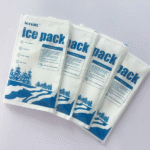
Los documentos de adquisición deben utilizar una descripción del producto inequívoca.. Una lámina de hidratación contiene una estructura absorbente y requiere activación y congelación con agua.. A paquete de gel se suministra con un refrigerante contenido. Un paquete de cambio de fase utiliza una formulación seleccionada. El dióxido de carbono sólido es un material diferente con peligros y controles de transporte distintos..
la palabra "seco" puede describir el estado suministrado de la hoja de hidratación, ni su temperatura de uso ni su identidad química. Solicite una especificación que explique la construcción y secuencia de trabajo.. Debería apoyar la formación sin depender de la terminología de marketing..
Como mínimo, confirmar:
- Dimensiones secas y disposición de las celdas.;
- método de activación y fuente de agua aceptable;
- instrucciones de drenaje y manipulación;
- orientación del congelador y guía de almacenamiento;
- ubicaciones de recorte permitidas, si alguno;
- signos de daño o preparación incompleta;
- identificación del lote;
- instrucciones de eliminación prevista o reutilización controlada;
- proceso de notificación de cambios.
Mantenga la coherencia de esta definición de producto en todas las compras., recepción, instrucciones de trabajo del almacen, registros de embalaje, e información del destinatario. La identidad correcta evita que se apliquen procedimientos de hielo seco sólido a una lámina a base de agua y evita que la lámina sea tergiversada ante los transportistas o los clientes..
Puerta tres: Mapa de calor, Tiempo, y Manejo
Una ruta es una secuencia de exposiciones., no hay una línea entre dos direcciones. Recorrer un pedido normal.
las flores se van almacenamiento en frío y entrar en asamblea. Esperan lanzamiento de calidad. Un trabajador empaqueta el arreglo y añade una lámina congelada. Las colas de paquetes cerradas para su envío. Un conductor lo carga en un vehículo que puede contener ya retornos calientes u otra carga.. Las puertas se abren repetidamente. El paquete es llevado a un edificio., tal vez a través del sol o la lluvia, y entregado a recepción. El destinatario lo abre más tarde..
Para cada paso, duración de la nota, control ambiental, orientación del paquete, y persona responsable. Marca los puntos donde el paquete está abierto., donde se puede perder el enfriamiento, y cuando sea posible un retraso. También identifique fuentes cercanas de etileno, como productos en maduración o combustión.. Una lámina refrigerante no puede compensar la exposición al etileno.
Luego agrupe rutas con patrones similares.. Un recorrido refrigerado directo puede necesitar una solución diferente a la de un recorrido de paquetería de terceros. La agrupación de rutas le permite validar un conjunto manejable de paquetes sin pretender que cada entrega sea idéntica.
| Pregunta de ruta | ¿Por qué cambia el paquete? | Pruebas para recoger |
|---|---|---|
| ¿Las flores están completamente preenfriadas?? | La carga útil caliente consume la capacidad de refrigerante antes de tiempo | Condición de salida y observación cercana del paquete. |
| ¿Cuánto dura la puesta en escena incontrolada?? | El calor entra antes de que comience el movimiento del vehículo. | Revisión de marcas de tiempo y ubicación de preparación |
| ¿Llega el aire del vehículo al paquete?? | La posición del cartón y las aberturas de las puertas crean una exposición diferente | Cargar mapa y observación de ruta. |
| ¿Se puede mover la hoja?? | El cambio puede causar contacto frío o aplastamiento. | Posición posterior a la ruta e inspección de paquetes. |
| ¿Se permite la entrega desatendida?? | La exposición a domicilio puede dominar la ruta | Evento de entrega y momento del destinatario |
| ¿Las flores están mezcladas con fuentes de etileno?? | El enfriamiento no previene las lesiones relacionadas con el gas | Revisión de almacenamiento y segregación de vehículos. |
La tabla dirige las pruebas hacia incógnitas operativas.. También ayuda a separar las fallas de empaquetado de las fallas de programación o transferencia., por lo que la acción correctiva aborda la causa real.
Puerta cuatro: Diseño en torno a fallas tanto en caliente como en frío
Embalaje térmico para flores tiene dos bordes. Una refrigeración insuficiente puede acelerar el deterioro y la pérdida de agua.. Demasiado enfriamiento local puede dañar los pétalos o los tallos.. El objetivo es una distribución adecuada, no es la lectura más baja.
Coloque la sábana donde pueda absorber el calor entrante sin descansar sobre un tejido delicado.. Usa un separador, manga, característica de retención, o espacio aéreo controlado según sea necesario. Recuerde que una barrera más gruesa puede reducir el contacto frío pero también reducir el enfriamiento.. Pruebe la compensación.
Revisar el paquete en tres dimensiones.. Los cartones de flores largos pueden desarrollar un extremo cálido lejos del refrigerante.. Una sábana colocada encima puede moverse cuando un conductor lleva la caja verticalmente. Un arreglo muy lleno puede bloquear el flujo de aire y transmitir el peso de las hojas a las cabezas de las flores.. Una caja insuficientemente llena puede permitir que el ramo y el refrigerante choquen.
La humedad necesita su propio camino. El agua de condensación o descongelación no debe acumularse en las flores., debilitar el material corrugado, separar etiquetas, o ensuciar el desembalaje. Los revestimientos y elementos absorbentes pueden ayudar en algunos diseños., pero también pueden atrapar humedad o cambiar el flujo de calor..
Monitorear posibles extremos durante el desarrollo. Un sensor al lado del refrigerante es una verificación del punto frío., No es prueba para el resto de las flores.. Incluir posibles zonas cálidas cerca de cierres o extremos distantes. Temperatura de emparejamiento con inspección de flores después de un período de recuperación adecuado., porque algunas lesiones son más fáciles de ver después de desempacar.
Puerta cinco: Pruebe el flujo de trabajo, No sólo el prototipo
Los primeros prototipos suelen ser preparados cuidadosamente por un pequeño equipo técnico.. Los pedidos diarios se preparan bajo presión de cronograma en diferentes turnos.. La prueba debería incluir eventualmente a operadores y equipos normales..
Hidratación
Traducir la orientación de proveedores a un método local. Definir el área de preparación limpia., manejo del agua, carga de hojas, drenaje, aceptación de activación, y rechazar criterios. Observe la variación entre operadores y lotes. Si el procedimiento depende del criterio personal, crear un estándar visual claro u otra verificación apropiada.
Congelación
Determine cómo se organizarán las hojas para que no se bloquee el flujo de aire del congelador.. Revisar la carga de calor creada por la activación por lotes, especialmente durante los picos. Establezca una regla de liberación basada en su equipo y evidencia de proceso.. No equiparar la residencia en el congelador con la preparación sin confirmación.
Embalaje
Utilice una lista de materiales controlada y una imagen de embalaje. Verificar separador, ubicación de la hoja, orientación del ramo, cierre de aislamiento, y etiqueta. Registre el lote de refrigerante y la versión del paquete donde se necesita trazabilidad..
Herramientas útiles para tomar decisiones
Comprueba los detalles antes de elegir el embalaje.
Estas herramientas rápidas pueden ayudarle a comparar el riesgo de la ruta, necesidades de dimensionamiento, opciones de refrigerante, y detalles del embalaje antes de solicitar una cotización.
Comprobador de riesgos de ruta
Revise las condiciones del carril antes de seleccionar el embalaje para requisitos operativos reales..
Comprobar riesgo de rutaCalculadora de hielo seco
Calcule las necesidades de hielo seco para envíos congelados o ultrafríos antes de empacar.
Estimar hielo secoResistencia a la caída del material aislante
Revise la resistencia a caídas y los factores de manipulación antes de elegir materiales aislantes..
Comprobar resistenciaDespacho y entrega
Proteja los paquetes cerrados de montajes innecesarios. Dar a los conductores cargando, orientación, y reglas de entrega desatendida. Captura de retrasos o sustituciones. Un conductor no debe improvisar la cantidad o colocación de las hojas a menos que un procedimiento revisado lo autorice..
Recepción
Dígales a los destinatarios que desempaquen rápidamente y retiren la hoja con cuidado.. Definir qué condición es útil la retroalimentación y dónde se debe informar una excepción.. Para entregas comerciales, identificar quién es el propietario del traspaso después de las señales de recepción.
Un paquete está listo para escalar solo cuando este flujo de trabajo de un extremo a otro es repetible.
Puerta seis: Evaluar al proveedor detrás de la muestra
Las respuestas de muestra, "¿Se puede considerar este artículo??" La revisión del proveedor pregunta, "¿Puede esta especificación permanecer controlada??"
Comparar proveedores en cuanto a evidencia y comunicación, no adjetivos. Pregunte por las condiciones detrás de cualquier declaración de duración o rendimiento.. La descripción completa de la prueba debe identificar el aislamiento., carga útil, preparación de hojas, cantidad, colocación, exposición ambiental, ubicaciones de sensores, y criterios de aceptación. Si esas condiciones difieren de su entrega, Trate el informe como fondo en lugar de aprobación de ruta..
Revisar la coherencia entre la muestra y la producción. Acordar características críticas como dimensiones., diseño de celda, integridad de la costura, comportamiento de activación, y construcción exterior. Pregunte cómo se identifican los lotes y cómo se comunicarán los cambios.. Establecer una inspección entrante adecuada al riesgo..
Discutir la investigación del problema antes de que ocurra un problema.. Determinar qué registros, fotografías, muestras, y cronograma que el proveedor necesitaría. Aclarar la propiedad de la respuesta. Un proceso de queja disciplinado es más útil que una promesa amplia de "seguro de calidad."
La comparación comercial debe incluir los efectos operativos.:
- Espacio de almacén para láminas secas y congeladas.;
- Mano de obra de hidratación y manipulación del agua.;
- Capacidad del congelador y carga máxima.;
- separadores, revestimiento, y aislamiento;
- rechazos y manipulación de hojas dañadas;
- peso del paquete y tiempo de embalaje;
- daño de flores y entrega de reemplazo;
- devolver, limpieza, o eliminación si corresponde.
Esta vista puede cambiar qué cotización es realmente económica..
Puerta siete: Controle los cambios y aprenda de las entregas
Una vez liberado, el paquete necesita propiedad. Definir quién puede cambiar la mezcla de flores., hoja, cantidad, separador, aislamiento, caja de cartón, familia de rutas, o recibir instrucción. Pequeñas sustituciones pueden cambiar la distribución de temperatura o el comportamiento mecánico..
La propiedad debe extenderse a los cambios temporales. Demanda pico, mantenimiento del congelador, vehículos de reemplazo, y la escasez de proveedores puede tentar a los equipos a improvisar. Crear una ruta de desviación que identifique quién evalúa el riesgo., ¿Qué controles temporales se requieren?, y si se necesita la confirmación del representante antes de que el sustituto se utilice ampliamente. Registre el inicio y el final de la desviación para que el método temporal no se convierta en un estándar no documentado.. Esto mantiene la flexibilidad operativa sin perder la evidencia detrás del paquete publicado..
Defina también las condiciones para retirar un paquete.. Lesión repetida por contacto directo, incapacidad para preparar hojas de manera consistente, variación de proveedor inexplicable, o un cambio de ruta fuera del perfil evaluado puede justificar una parada temporal en lugar de otro ajuste informal. Identificar quién puede suspender el uso y qué evidencia se necesita para su liberación.. Una parada controlada protege las flores y da a la investigación un límite claro. Cuando regresa el paquete, registrar si el remedio cambió el componente, preparación, colocación, proceso vehicular, o recibir instrucciones para que futuras revisiones comprendan por qué la versión actual difiere.
Realice un seguimiento de un conjunto limitado de indicadores que conducen a la acción. Los ejemplos incluyen rechazos de hidratación., problemas de liberación del congelador, desviaciones del embalaje, puesta en escena cálida, destinatarios perdidos, movimiento de hoja, condensación, lesión en el pétalo, marchitez, y entrega de reemplazo. Vincular las tendencias con el tipo de flor, ruta, estación, versión empaquetada, y lote del proveedor cuando sea posible.
Cuando aparece un problema, resistir la tentación de agregar refrigerante inmediatamente. Utilice el síntoma para formar una hipótesis de causa.:
- las flores cálidas del otro lado pueden indicar una distribución insuficiente, debilidad del aislamiento, o retraso;
- Las marcas de frío cerca de la lámina pueden indicar contacto o enfriamiento local excesivo.;
- El marchitamiento con una temperatura aceptable puede indicar una mala hidratación o manejo de la humedad.;
- Los pétalos mojados pueden indicar una falla en el control de condensación.;
- El aplastamiento puede deberse al movimiento de la lámina o a un soporte estructural deficiente.;
- La caída de pétalos u hojas puede requerir una revisión de etileno..
Las acciones correctivas pueden entonces orientarse y volverse a probar.. Este circuito de aprendizaje es cómo un paquete de entrega sigue siendo útil a medida que evolucionan las rutas y los surtidos..
Preguntas frecuentes
¿Qué debe saber un proveedor antes de recomendar una lámina??
Proporcionar especies o surtidos de flores., condición de salida, paquete y aislamiento, secuencia de ruta, probable exposición ambiental, excepciones de entrega, protección física, y recibir expectativas. El proveedor también necesita saber si las flores se envían húmedas o secas y dónde se puede conservar de forma segura el material congelado..
¿Puede una lámina activada por agua reemplazar un vehículo refrigerado??
No debe tratarse como un reemplazo automático.. Un paquete con aislamiento pasivo y un vehículo acondicionado gestionan diferentes partes del problema térmico.. Cualquier cambio en el método de transporte requiere una evaluación específica de la ruta con flores y manipulación representativas..
¿Cómo se debe comparar el rendimiento de las láminas entre proveedores??
Compare construcciones equivalentes y condiciones de prueba. Revisar el método de hidratación., masa congelada o consistencia de activación, paquete completo, perfil ambiental, carga útil, colocación, puntos de monitoreo, y criterios de aceptación. La duración de un título sin esas condiciones no es una comparación justa.
¿Cuál es la forma más segura de evitar el contacto por congelación??
No existe un separador universal. Utilice una capa o espacio diseñado que retenga la hoja y proteja las flores., luego pruebe tanto la ubicación fría más cercana como la ubicación cálida remota. La protección mecánica y el comportamiento ante la condensación deben revisarse al mismo tiempo..
¿Cuándo es necesario reevaluar un paquete??
Revísalo al momento del surtido de flores., material del proveedor, dimensiones de la hoja, cantidad de refrigerante, caja de cartón, aislamiento, separador, ruta, vehículo, puesta en escena, estación, o recibir cambios en el proceso de una manera que podría afectar el rendimiento. Su proceso de calidad debe definir qué cambios desencadenan la revisión o repetición de la documentación..
Conclusión
Un plan confiable de entrega de flores pasa por siete puertas: requisito de llegada, identidad del refrigerante, mapa de ruta, embalaje equilibrado, flujo de trabajo repetible, control de proveedores, y gestión del cambio. Ninguno puede ser reemplazado por un genérico. "de larga duración" afirmar. Confirme que el producto es una lámina congelada activada por agua., Proteger las flores del frío directo y la humedad., Desafía la última milla real., y mantener estable la configuración probada. Ésta es la base práctica para elegir y utilizar una bolsa de hielo seco de proveedor para la entrega de flores..
Acerca de Tempk
Para consultas sobre entrega de flores., Tempk analiza las láminas de refrigerante activadas por agua con embalaje de cadena de frío compradores en el contexto de una ruta definida y paquete. Podemos ayudar a aclarar el formato del producto., flujo de trabajo de preparación, colocación de hojas, y la información del proveedor necesaria para un ensayo floral representativo. Mantenemos la discusión ligada al surtido de flores del comprador., aislamiento, patrón de entrega, y criterios de recepción porque esas condiciones determinan si una configuración es apropiada. La aceptación final debe provenir de la revisión operativa y de calidad del propio comprador..
Envía a Tempk tu mapa de ruta, mezcla de flores, Detalles de cartón y aislamiento., y puntos débiles actuales para planificar una evaluación enfocada desde la muestra hasta la entrega.