Paquete de hielo seco del proveedor para la entrega de vacunas: Seis puertas de aprobación
un proveedor hielo seco El paquete para la entrega de vacunas debe pasar seis puertas de aprobación vinculadas antes del uso rutinario.: requisitos del producto, identidad material, diseño del sistema, calificación térmica, control operativo, y gestión del ciclo de vida de proveedores. Ninguna puerta puede ser reemplazada por un precio unitario bajo o un reclamo de duración genérico. La primera pregunta es también lingüística y técnica.. El hielo seco sólido es dióxido de carbono., mientras que una “bolsa de hielo seco” hidratada es una lámina activada por agua que se congela. Sus riesgos y controles difieren. Porque muchas vacunas refrigeradas son sensibles a la congelación, el proceso de aprobación debe demostrar protección contra el frío y el calentamiento excesivos, usando las instrucciones actuales del producto y las reglas aplicables del programa de vacunación.
Puerta 1: Confirmar los requisitos del programa y la vacuna
La primera puerta es propiedad del programa de vacunas o de la función de calidad autorizada., no es el proveedor de refrigerante. Confirma la presentación exacta de la vacuna., instrucciones actuales del fabricante, condición de transporte admitida, sensibilidad a la congelación, manejo de diluyente, rango de carga útil, ruta, y camino de excursiones.
El registro de puerta debe responder.:
¿Qué vacuna?, presentación, configuración del lote, y el cartón secundario están cubiertos?
¿Qué instrucciones actuales de almacenamiento y transporte controlan el diseño??
¿Está prohibida la congelación?, y cómo se evalúa la sospecha de congelación?
¿Un diluyente o artículo auxiliar viaja en el mismo paquete??
¿Qué programa de inmunización, contrato, o también se aplican reglas organizativas?
Qué extremos de carga útil y grupos de rutas están dentro del alcance?
¿Quién puede aprobar la calificación y tomar decisiones sobre excursiones??
Un vago pedido de “vacunas refrigeradas” no pasa. Si se agrupan varios productos, documentar por qué sus requisitos, geometría, masa, y el riesgo están representados por las cargas útiles de calificación. Si la evidencia no puede respaldar al grupo, dividirlo.
Defina el reloj de ruta desde la preparación y el embalaje hasta el regreso al almacenamiento admitido en el momento de la recepción.. Incluir puesta en escena, límites de recogida, centros, ventanas de entrega, y retraso creíble. Definir desafíos estacionales y destinos alternativos.. Una promesa de nivel de servicio es un insumo, no es prueba de exposición real.
Puerta 1 también identifica supuestos prohibidos. Los ejemplos incluyen “más frío es más seguro,” “la etiqueta del refrigerante determina la condición de la vacuna,” “un paquete congelado restante demuestra aceptación,” o “todos los diluyentes pueden envasarse como la vacuna”. Registrar estos límites aclara las conversaciones posteriores con los proveedores.
El resultado es un resumen de requisitos aprobado y un marco de aceptación.. Si las instrucciones actuales del producto no están disponibles o entran en conflicto internamente, Deténgase y resuélvalos antes de elegir el material.. La ingeniería no puede calificar un objetivo indefinido.
Puerta 2: Establecer la identidad del material y la arquitectura del sistema
La segunda puerta determina cuál es realmente el refrigerante propuesto.. Obtener instrucciones específicas del artículo, descripción técnica, composición o información de seguridad según corresponda, dimensiones, masa, tolerancias, identificación del lote, almacenamiento, preparación, criterios de integridad, desecho, y revisión.
El dióxido de carbono sólido requiere un sistema capaz de liberar gas y un entorno operativo que aborde la ventilación., contacto frio, control de cantidad, y requisitos de modo aplicables. Su bajísima temperatura puede resultar incompatible con los frigoríficos., Vacuna sensible a la congelación a menos que la condición del producto admitido y el diseño calificado justifiquen su uso..
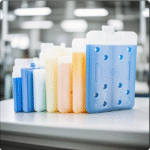
A hidratar la bolsa de hielo seco Generalmente es una lámina seca que absorbe agua, que está hidratada y congelada.. Debe modelarse como un refrigerante a base de agua.. La preparación cambia su masa y geometría., mientras que el plegado puede cambiar el contacto y el flujo de calor. paquetes de gel y los paquetes de cambio de fase diseñados siguen siendo materiales separados con sus propias especificaciones y acondicionamiento.
Tabla de evidencia de arquitectura
| Decisión de arquitectura | Evidencia de aprobación | Fallo evitado |
|---|---|---|
| Artículo exacto del refrigerante y revisión. | Especificaciones actuales, instrucciones, muestras, y código de lote | Confundir láminas de hidrato con hielo seco sólido o sustituir formulaciones |
| Estado condicionado | Proceso de hidratación o acondicionamiento., tolerancias, y cheque de liberación | Masa térmica variable y ajuste del paquete. |
| Contenedor aislado | Material, dimensiones, cierre, y revisión controlada | Utilizar datos de prueba de una envoltura térmica diferente |
| Separación y colocación | Dibujo de embalaje, barreras, orientación, y fotos | Contacto frío directo, plegable, brecha, o zonas cálidas |
| Carga útil y estiba | Paréntesis mínimo y máximo, producto representativo, y llenado controlado | Configuraciones sobrecargadas o de baja masa no probadas |
| Ubicación de monitoreo | Justificación del mapeo y ubicación reproducible. | Medición de refrigerante o aire vacío en lugar del entorno de la vacuna |
| Ventilación y manipulación | Diseño del bulto y procedimiento de seguridad cuando se utiliza hielo seco sólido | Presión, exposición, y rechazo del transportista |
| Recibiendo configuración | Apertura, transferir, monitor, e instrucción de escalada | Almacenamiento retrasado o lanzamiento de producto no compatible |
La lista de materiales del sistema debe evitar sustituciones.. un espaciador, transatlántico, cinta, caja de cartón, o el cambio de relleno de huecos puede alterar la transferencia de calor o la liberación de gas.. Si un componente es esencial para el rendimiento, Trátelo como controlado incluso si parece económico..
Puerta 2 pasa cuando la adquisición, ingeniería, operaciones, y calidad utilizan la misma identidad de componente y arquitectura de empaquetado. El nombre comercial de un proveedor puede permanecer en la orden de compra., pero los registros internos deben indicar el material en términos técnicos inequívocos..
Puerta 3: Calificar el Rendimiento Térmico y Físico
La tercera puerta convierte la arquitectura en evidencia.. Utilice componentes equivalentes a producción y ensamblaje controlado.. El protocolo debe identificar los objetivos de la prueba., configuraciones, cargas útiles, perfiles ambientales, duración, dispositivos, mapa de sensores, criterios de aceptación, replica, inspecciones físicas, manejo de datos, desviaciones, y aprobaciones.
Mapee ubicaciones cálidas y frías creíbles. Coloque sensores cerca de las paredes, tapa, abajo, centro, riesgos de contacto, y posiciones representativas del producto según lo justifique la geometría. El riesgo más frío puede aparecer temprano o bajo un perfil de frío.; lo más cálido puede aparecer tarde, cerca de una costura, o con la carga máxima. Revise cada rastro de sensor requerido en lugar de depender de un promedio.
Desafía las cargas útiles mínimas y máximas. Un pedido mínimo puede exponer una caja a más superficie de refrigerante y menos amortiguación térmica.. Un pedido máximo puede sobrecargar el paquete y restringir la ubicación prevista.. Si se necesita una carga ficticia para permanecer dentro de un soporte aprobado, su tipo y disposición deben ser controlados.
El acondicionamiento debe ser representativo.. Las láminas de hidrato deben prepararse utilizando el método de producción propuesto., muestras de laboratorio no cuidadosamente seleccionadas a mano. El hielo seco sólido debe cargarse en la forma y cantidad aprobadas., con puesta en escena realista y sublimación. Los paquetes de gel o de cambio de fase deben alcanzar el estado de acondicionamiento definido a través de un congelador o proceso que las operaciones puedan reproducir..
Incluir el riesgo de distribución física cuando sea relevante.. Compresión, vibración, orientación, daño de la celda de refrigerante, movimiento de la tapa, y la humedad puede cambiar el rendimiento o la usabilidad. Es posible que el resultado de una cámara en una caja estacionaria perfecta no cubra una red de paquetes aproximada..
Conservar los datos sin procesar y las ejecuciones de desarrollo fallidas. Explicar exclusiones, puntos faltantes, desviaciones del protocolo, y cálculos. La calificación se aprueba solo según criterios previamente aprobados.. Si el sistema falla, rediseñar y repetir el trabajo necesario; no vuelva a etiquetar una ubicación fuera de condiciones como irrelevante después del hecho.
La salida de la puerta debe especificar exactamente qué está calificado: revisiones de componentes, recipiente, empacar, soporte de carga útil, ruta o perfil, estación, duración, posición del monitor, y supuestos operativos. Es una aprobación acotada, No es una declaración de que el refrigerante funcione para todas las vacunas..
Puerta 4: Conecte el monitoreo con las decisiones de excursión
La cuarta puerta garantiza que un envío de rutina genere pruebas útiles. Elija un registrador de datos digital adecuado y, donde está justificado, un indicador de congelación. Definir la identidad del dispositivo, estado de precisión o calibración, configuración, activación, colocación, empezar y parar, descargar, retención de archivos, manejo de alarmas, y revisar.
La ubicación del registrador de rutina debe provenir del mapeo de calificaciones. Hazlo reproducible con un bolsillo., acortar, posición marcada, o diagrama. Un registrador al lado de hielo seco sólido puede mostrar las condiciones del refrigerante; uno suelto en un gran vacío puede mostrar aire no relacionado con la carga útil. La posición debe representar la decisión que el programa pretende tomar..
Un indicador de congelación proporciona una advertencia enfocada pero no un historial de temperatura completo. Su umbral, respuesta, activación, almacenamiento, vencimiento, y la ubicación debe ser entendida. Cuando se utilizan tanto un indicador como un registrador, establecer qué datos se conservan y cómo se escala el desacuerdo.
La recepción de instrucciones debería requerir la rápida transferencia de la vacuna a un lugar de almacenamiento compatible., inspección de paquetes, monitor parada o lectura, y conservación de datos. Definir la respuesta al daño., humedad, refrigerante faltante, un dispositivo no iniciado, una alarma, una pantalla ilegible, o una entrega fuera de la ventana esperada.
Para cualquier excursión sospechosa, Proteger y segregar la vacuna según lo requiera el procedimiento.. Documentar el producto, lote, cantidad, fechas, veces, temperaturas, ruta, empacar, y acciones. Obtener orientación del programa de vacunación., fabricante, o autoridad de calidad designada. El personal no debe desechar ni utilizar la vacuna afectada hasta que se tome la decisión documentada..
Herramientas útiles para tomar decisiones
Comprueba los detalles antes de elegir el embalaje.
Estas herramientas rápidas pueden ayudarle a comparar el riesgo de la ruta, necesidades de dimensionamiento, opciones de refrigerante, y detalles del embalaje antes de solicitar una cotización.
Generador de lista de cumplimiento
Cree una lista de verificación práctica para la revisión del embalaje, envío, y documentación.
Crear lista de verificaciónRevestimiento de caja & Dimensionamiento de la cubierta de paleta
Lógica de tamaño de revestimiento de cajas y cubiertas de paletas para proyectos de embalaje aislado.
Estimar el tamañoSelector de embalaje
Compare las opciones de embalaje aislado por producto, ruta, y necesidad de temperatura.
encontrar embalajeLa puerta falla si la organización recopila datos pero no tiene un revisor, tiempo de respuesta, o autoridad de disposición. También falla si las alertas en tiempo real llegan a una bandeja de entrada no supervisada.. El seguimiento es un sistema de decisión., no es un accesorio colocado en la caja.
Puerta 5: Probar el Plan de Operación y Emergencia
La quinta puerta prueba si las personas y las instalaciones pueden ejecutar el diseño calificado.. Observe la rutina del personal hidratando o acondicionando el refrigerante., seleccionando componentes, Montaje de cargas mínimas y máximas., activando monitores, cerrar contenedores, completar registros, y preparación de envíos. Calcula el tiempo del trabajo y observa dónde las instrucciones invitan a la interpretación..
Las operaciones con paquetes de hidratación necesitan un acceso adecuado al agua, drenaje, espacio de inspección, capacidad del congelador, y segregación de estatus. La carga del congelador debe permitir que los paquetes alcancen el estado aprobado.. Las operaciones de hielo seco sólido necesitan tiempos de suministro, herramientas protegidas, evaluación de la ventilación, control de cantidad, y manejo capacitado. Ambos necesitan un inventario de contingencia sin mezclar revisiones..
Utilice escáneres, equipos, o controles independientes donde la confusión en el paquete presenta un riesgo significativo. Las fotografías controladas pueden apoyar la verificación. La capacitación debe incluir por qué un espaciador, orientación, o monitorear asuntos de ubicación para que el personal reconozca condiciones anormales en lugar de seguir los pasos a ciegas.
Los procedimientos de emergencia deben identificar:
programa actual, fabricante, instalación, transportador, y contactos del sitio de respaldo;
Criterios para mantener la vacuna en su lugar versus reubicarla.;
contenedores de transporte cualificados, materiales de embalaje, y monitores;
preparación de vehículos e instalaciones alternativas;
inventario y acceso fuera del horario normal;
embalaje, transporte, recibo, y registros de datos;
autoridad para desviaciones y disposición del producto.
Ejecute un taladro de mesa o práctico.. Un plan escrito puede revelar que el refrigerador de respaldo no tiene espacio confirmado, el kit del registrador está guardado bajo llave, o el único empacador capacitado no está disponible. Corrija estas brechas antes de una interrupción.
El transporte de emergencia no debe depender de paquetes congelados sueltos que entren en contacto con la vacuna o de una cantidad improvisada de hielo seco sólido.. Si un contenedor precalificado no está disponible, Siga la guía de emergencia aplicable y el procedimiento de escalamiento en lugar de inventar una configuración no compatible..
Puerta 5 pasa cuando los roles capacitados pueden reproducir el sistema a un ritmo normal y pueden acceder a una vía de emergencia creíble. La calificación sin preparación operativa es evidencia de laboratorio., no capacidad de entrega.
Puerta 6: Controlar el Proveedor y el Ciclo de Vida
La sexta puerta cubre el período posterior al lanzamiento.. Aprobar el proveedor y el artículo exacto a través de una especificación definida, controles entrantes, trazabilidad, proceso de queja, aviso de cambio, apoyo a la investigación, plan de continuidad, y retención de registros. Identificar qué cambios requieren una evaluación previa.
Formulación de materiales, estructura absorbente, película, sello, dimensiones, instrucciones impresas, sitio de fabricación, subcontratista, o las tolerancias pueden afectar el rendimiento. Los proveedores de envases a veces los ven como cambios comerciales equivalentes.; el programa de vacunación puede verlos como cambios en una línea de base calificada. El acuerdo debería cerrar esa brecha.
Realice un seguimiento de las tendencias operativas por lote y paquete de proveedores: variación de hidratación, fugas, daño, el condicionamiento rechaza, desviaciones de montaje, alarmas, entregas tardías, y quejas. Una inspección visual entrante satisfactoria no detecta todos los cambios térmicos relevantes, por eso los datos de tendencias y el aviso previo son importantes.
La planificación de la continuidad debe identificar capacidad alternativa sin autorizar la sustitución automática.. Un componente de segunda fuente necesita la misma revisión de identidad, evaluación del sistema, y evidencia apropiada a su impacto.. Durante una escasez, La calidad debe decidir cómo utilizar el material aprobado restante y si se puede introducir una alternativa controlada..
Decisión de aprobación hipotética
Imagine a un distribuidor de vacunas evaluando una hoja de hidratos de un nuevo proveedor.. Puerta 1 confirma que las vacunas están refrigeradas y son sensibles a la congelación, con instrucciones de diluyente separadas. Puerta 2 confirma que la hoja no contiene dióxido de carbono sólido, pero las muestras de masa condicionada muestran una variación más amplia de lo esperado.
El proveedor refuerza sus instrucciones de preparación, mientras que el distribuidor añade un control de aceptación masiva. Puerta 3 El mapeo luego encuentra un rincón frío con una carga útil mínima.. Un espaciador y una carga ficticia definida corrigen la geometría, y pasan repetidos desafíos. Puerta 4 coloca el registrador de rutina cerca de esa región previamente fría y agrega una tarjeta de escalamiento de receptor clara.
Durante la puerta 5, Los operadores descubren que las hojas almacenadas muy apiladas no se acondicionan de manera consistente.. Se agregan rejillas de congelador y límites de carga., luego se verifica el proceso. Puerta 6 Establece trazabilidad de lotes y notificación previa de películas., absorbente, sello, dimensión, instrucción, y cambios de sitio.
El componente está aprobado solo para el contenedor designado., dos soportes de carga útil, rutas definidas, y proceso controlado. No está aprobado como sustituto universal de las bolsas de gel ni como hielo seco sólido.. Este resultado hipotético demuestra un límite de aprobación útil.: suficientemente amplio para la ejecución rutinaria, Lo suficientemente estrecho como para proteger la evidencia..
La revisión del ciclo de vida también debe incluir la sostenibilidad. Contar el volumen entrante, agua de hidratación, energía del congelador, pérdida de componentes, masa de embalaje, regresa, limpieza, reenvío, y residuos de vacunas. Las afirmaciones de reutilización o reciclaje deben verificarse con respecto a las operaciones reales.. La mejora ambiental es valiosa cuando preserva o mejora la administración exitosa de vacunas..
Preguntas frecuentes
¿Quién debería poseer la aprobación final del refrigerante??
La propiedad depende de la organización., pero la aprobación final debe combinar el programa de vacunas o la autoridad de calidad con la ingeniería de embalaje y la evidencia de operaciones.. Adquisiciones puede gestionar la selección comercial., mientras que el proveedor proporciona datos del artículo. The person authorized to release vaccine or evaluate excursions should be explicitly defined and independent of sales claims.
Can one packout cover several vaccine products?
Probablemente, when a documented grouping rationale and qualification cover the relevant product instructions, sensibilidad a la congelación, geometría del paquete, masa, extremos de carga útil, ruta, y monitoreo. Sharing a nominal storage category is not enough. If one product presents a different worst case or diluent constraint, test it separately or narrow the approved group.
When is requalification necessary?
Utilice una evaluación de impacto documentada. Changes to coolant, recipiente, espaciador, carga útil, ruta, transportador, riesgo ambiental, acondicionamiento, asamblea, or vaccine requirements may require anything from document review to full requalification. Adverse trends, repeated alarms, unexplained leaks, or process drift can also trigger verification. Avoid an invented universal calendar rule.
Is supplier certification enough to approve the system?
No. Las certificaciones o declaraciones de proveedores pueden respaldar la revisión de calidad y cumplimiento dentro de su alcance establecido., pero no demuestran que una vacuna en particular, recipiente, empacar, ruta, y el proceso operativo realizará. La aprobación del sistema necesita instrucciones aplicables del producto., datos de calificación, operaciones reproducibles, escucha, y procedimientos controlados de recepción y excursión..
¿Qué sucede si se pierde una lámina de hidrato??
Proteger al personal y la vacuna., documentar la condición del paquete, y seguir el procedimiento de recepción o excursión.. Evaluar la integridad del paquete primario y secundario, monitorear datos, lote de refrigerante, manejo, y ruta. Poner en cuarentena el material afectado según sea necesario. Informar un defecto comprobado de un componente a través del proceso de quejas del proveedor y detectar eventos similares para tomar medidas más amplias..
Hacer visible el límite de aprobación
El registro de aprobación final debe encajar en las operaciones sin perder significado técnico.. Indique el refrigerante exacto, revisión, preparación, recipiente, empacar, carga útil, ruta, alcance estacional, monitor, proceso receptor, y excepciones autorizadas. Vincular el registro a la instrucción laboral y capacitación actual.. Los controles de códigos de barras o sistemas de pedidos pueden impedir la selección fuera de ese límite..
Cree una clasificación de cambios de una página que pregunte si las instrucciones de la vacuna, carga útil, ruta, material, geometría, acondicionamiento, modo de transporte, sitio del proveedor, escucha, o el receptor ha cambiado. Un “sí” envía la propuesta a una evaluación de impacto documentada antes del envío..
Acerca de Tempk
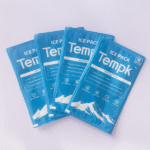
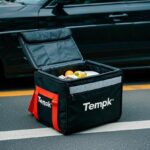
Los materiales oficiales de Tempk describen hidratar bolsas de hielo seco como láminas activadas por agua que se congelan después de la hidratación, no como dióxido de carbono sólido. Su cartera también incluye paquetes de gel y embalaje aislado categorias. Estos productos pueden considerarse componentes de un proceso de desarrollo de administración controlada de vacunas.. El comprador debe confirmar el artículo actual., revisión, instrucciones, controles de lote, y documentos de respaldo, luego califique el sistema completo para la vacuna exacta, carga útil, ruta, método de seguimiento, y proceso operativo. Las decisiones de excursión permanecen en el programa aplicable., fabricante, o función de calidad autorizada.
Traiga a Tempk un resumen de requisitos aprobado y una arquitectura de sistema propuesta. Solicite muestras equivalentes a la producción y evidencia técnica actual, luego haga pasar al candidato a través de las seis puertas antes del uso de rutina de la vacuna.