La guía práctica de compra de bolsas de hielo en gel para Cadena de frío alimentaria
Un fabricante de alimentos no compra bolsas de hielo en gel por el simple hecho de comprar paquetes. El objetivo es mantener la calidad del producto y la seguridad alimentaria a través de una ruta que podrá incluir muelles cálidos, retrasos del transportista, y entrega de última milla. La elección más fiable suele ser la combinación de un ajuste de ruta práctico, disciplina técnica, y selección realista de proveedores.
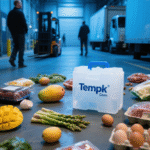
A paquete de gel frio o la bolsa de hielo en gel generalmente se elige en el envío de alimentos cuando se desea un limpiador, Refrigerante más manejable que el hielo suelto y una opción más sencilla que el hielo seco para muchos alimentos refrigerados.. Funciona bien cuando el objetivo es frenar el calentamiento en cajas de cartón aisladas., sobres publicitarios, y paquetes estilo kit de comida. La clave es que los programas alimentarios varían ampliamente.. Algunos artículos sólo necesitan protección contra el calor moderado., mientras que otros deben permanecer refrigerados de forma fiable, y los alimentos completamente congelados a menudo necesitan una estrategia más fría que la que los paquetes de gel estándar pueden proporcionar en rutas más largas.. La decisión se vuelve mucho más fácil una vez que separas tres preguntas.: ¿Qué temperatura realmente necesita el producto?, cómo se comporta la ruta, y la consistencia con la que el proveedor puede reproducir el formato elegido.
Lo que realmente debería hacer el paquete correcto
En términos simples, Una bolsa de hielo en gel es una bolsa refrigerante flexible o semirrígida que se utiliza dentro de sistemas aislados de envío de alimentos.. En muchas cadenas de suministro funciona como un inserto de refrigerante reutilizable o desechable en lugar de como un sistema de envío independiente.. Se le puede llamar paquete de gel para envío de alimentos., un inserto de refrigerante, u otro nombre comercial dependiendo de la industria. Lo que le importa al comprador es menos la etiqueta y más la combinación de tallas., llenar masa, comportamiento de fase, durabilidad de la película, y cómo encaja el paquete en el contenedor isotérmico.
Las bolsas de hielo en gel son el refrigerante predeterminado para muchos programas de alimentos refrigerados porque son más sencillas de manejar que el hielo seco y más fáciles de colocar en cajas de cartón listas para enviar.. La mayoría de los formatos de gel estándar funcionan almacenando energía fría durante el acondicionamiento del congelador y luego absorbiendo calor a medida que se descongelan.. El tiempo de espera práctico depende de algo más que del paquete: calidad de aislamiento, masa del producto, temperatura inicial del producto, colocación del paquete, Y la exposición exterior cambia el resultado.. Desde una perspectiva de ingeniería, El comprador realmente gestiona el flujo de calor a través de todo el paquete.. Una pared más gruesa o un mejor revestimiento pueden reducir la cantidad de paquetes de refrigerante necesarios, mientras que un transportista mal aislado puede anular la ventaja de un refrigerante más pesado.
La mayoría de los paquetes de gel para alimentos son refrigerantes a base de agua sellados en una película de plástico.. Absorben el calor a medida que se descongelan y ayudan a estabilizar los cambios de temperatura dentro del paquete aislado.. Su rendimiento depende de la masa del paquete., temperatura inicial, aislamiento, tamaño de la caja, carga de producto, y exposición ambiental. El paquete en sí es importante, pero el sistema que lo rodea decide si la comida permanece dentro del rango.
Los fabricantes de alimentos deberían separar los alimentos refrigerados., congelado, y productos meramente sensibles al calor antes de comenzar a comparar pesos o precios de paquetes.
También es importante separar el paquete exterior protector de una persona calificada. sistema de envío con temperatura controlada. Un paquete o ladrillo de gel puede ayudar a controlar la temperatura, pero no hace que el envío cumpla o valide automáticamente. Los requisitos pueden variar según el producto., ruta, condiciones de manejo, y los procedimientos de calidad del transportista..
Cómo elegir la ruta, Producto, y manejo de la realidad
En muchos casos, Las bolsas de hielo en gel son más útiles cuando los equipos necesitan una fuente de frío que pueda colocarse repetidamente., manejado limpiamente, y ampliado en múltiples envíos. Las cargas útiles típicas incluyen comidas preparadas., proteínas frescas, lácteos, cajas de bocadillos, quesos y productos delicatessen, y comidas especiales de temporada. Eso no significa que cada carga útil necesite el mismo paquete.. Significa que el formato se puede adaptar si el comprador define claramente la ruta y las limitaciones del producto..
Los riesgos de ruta que los compradores normalmente deben planificar incluyen entregas estropeadas o en mal estado., corrugado empapado por condensación, Daño por congelación a alimentos sensibles., variabilidad estacional de parcelas, y tiempo de espera insuficiente porque el tamaño del paquete no coincide con el remitente.
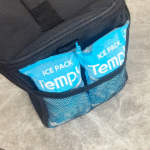
Un envío de postre refrigerado, una caja de kit de comida con proteínas y productos agrícolas, y una muestra de delicatessen premium pueden usar paquetes de gel, sin embargo, el embalaje correcto no es el mismo. Algunos compradores necesitan una cobertura amplia de las paredes en un sobre publicitario. Otros necesitan la colocación de ladrillos estructurados para proteger cajas más pesadas durante el manejo de paquetes.. El tema común es que el formato del paquete debe coincidir tanto con la sensibilidad del producto como con la geometría de la caja..
Un error frecuente es asumir que cuanto más frío siempre es mejor. Las coberturas de chocolate pueden florecer, Los alimentos emulsionados pueden sufrir daños en la textura., y los productos frescos pueden desarrollar problemas de calidad si el contacto directo es demasiado frío. Un mejor programa alimentario apunta al rango de temperatura adecuado, no es la temperatura más baja que un congelador puede crear.
Al mismo tiempo, Los compradores deben respetar los límites.: un tamaño de paquete estándar rara vez cubre todos los SKU de alimentos; Los alimentos congelados pueden necesitar hielo seco o un sistema de congelación más pesado.; Se pueden producir daños en la etiqueta y la caja si no se controla la humedad.; y la seguridad alimentaria todavía depende del control total del proceso y la disciplina de ruta.
Instantánea de selección
| Opción | Dónde encaja mejor | Fortaleza principal | Qué verificar |
| Hielo suelto | Alguna distribución local de alimentos refrigerados. | Familiar y muy frio. | Crea agua de deshielo y debilita muchos cartones. |
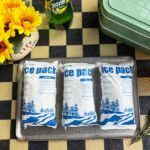
| Paquete de gel plano | Kits de comida, artículos delicatessen, y bolsas de paquetes | Colocación flexible y fácil manejo | Puede moverse y puede que no quepa en cajas más pesadas. |
| Ladrillo de hielo en gel | Cajas de mayor carga y geometría de paquete repetible | Colocación y apilamiento más consistentes | Agrega peso y puede crear puntos fríos sin separación. |
| hielo seco | Alimentos congelados y rutas congeladas más largas | Mantiene condiciones de congelación más fuertes. | Restricciones operativas y no es ideal para muchos alimentos refrigerados. |
La lista de verificación de proveedores que realmente importa
Elegir un fabricante se trata menos de encontrar el costo unitario más bajo y más de confirmar que la fábrica puede reproducir las especificaciones que realmente necesita.. Las mejores conversaciones de compra conectan el diseño del producto, manejando la realidad, y confiabilidad del suministro en un solo cuadro de mando en lugar de tratarlos como decisiones separadas.
Antes de realizar un pedido al por mayor, Los compradores deben traducir el problema de envío en un resumen de embalaje escrito.. Ese informe debe cubrir la banda de temperatura objetivo., tipo de carga útil, dimensiones del cargador, tiempo de tránsito esperado, estrés ambiental, secuencia de carga, y condiciones de recepción. Una vez que esos puntos estén escritos, discusiones sobre MOQ, estampación, almacenamiento, o el precio se vuelve mucho más productivo porque todos hablan del mismo objetivo técnico.
Herramientas útiles para tomar decisiones
Comprueba los detalles antes de elegir el embalaje.
Estas herramientas rápidas pueden ayudarle a comparar el riesgo de la ruta, necesidades de dimensionamiento, opciones de refrigerante, y detalles del embalaje antes de solicitar una cotización.
Resistencia a la caída del material aislante
Revise la resistencia a caídas y los factores de manipulación antes de elegir materiales aislantes..
Comprobar resistenciaSelector de embalaje
Compare las opciones de embalaje aislado por producto, ruta, y necesidad de temperatura.
encontrar embalajeComprobador de riesgos de ruta
Revise las condiciones del carril antes de seleccionar el embalaje para requisitos operativos reales..
Comprobar riesgo de ruta- Confirme las dimensiones internas y externas después de la congelación., no sólo dimensiones nominales a temperatura ambiente.
- Pregunte por la tolerancia del peso de llenado, masa fría utilizable, y el método de acondicionamiento objetivo antes del envío.
- Verificar la estructura de la resina o película., diseño de costura, y expectativas de resistencia a fugas bajo estrés de manipulación real.
- Compruebe cómo encaja el paquete en el cargador aislado, incluyendo cobertura de pared, interferencia de la tapa, y separación de productos.
- Revisar la apilabilidad, anidando, y eficiencia de retorno si el paquete se utilizará en programas reutilizables o bucles de bolsa.
- Pregunta cómo las etiquetas, códigos de barras, codificación de fecha, o trazabilidad de lotes se aplican y controlan.
- Solicitar evidencia de que la calidad de la muestra coincide con la calidad de la producción, incluyendo cualquier proceso de control de cambios de materiales o dimensiones..
- Solicite datos de empaque o de rendimiento térmico que reflejen su masa de carga útil, tipo de remitente, y perfil ambiental realista.
- Aclarar qué sucede si las materias primas, formulación en gel, espesor de la película, o cambios de ubicación de fabricación después de la aprobación.
- Pregunte si el fabricante ofrece películas estándar y sin sudor..
- Compruebe los pesos de los paquetes que se ajusten a las proteínas refrigeradas, lácteos, o rutas de paquetería de verano sin coste excesivo de flete.
- Solicite orientación sobre el rendimiento de los paquetes con el tipo de aislamiento y el tamaño de caja que haya elegido.
Solicite datos que reflejen el paquete completo en lugar de una prueba de refrigerante independiente. Un conjunto de datos útil suele mostrar el tipo de remitente., nivel de aislamiento, masa de carga útil, desafío ambiental, colocación del paquete, y duración de la prueba. Sin ese contexto, Dos proveedores pueden hacer declaraciones de tiempo de espera similares mientras describen condiciones de prueba completamente diferentes.. Los compradores serios quieren entender las condiciones límite., no sólo el resultado principal.
Los programas de transporte de alimentos necesitan controles sanitarios y una fuente de frío adecuada, pero el paquete debe evaluarse como parte del envío completo. Si algún componente está destinado a situaciones de contacto con alimentos, Se debe comprobar la idoneidad del material para las condiciones de uso previstas.. Las prácticas generales de venta de alimentos por correo todavía dependen de un embalaje exterior resistente, aislamiento, y un refrigerante apropiado para la ruta. Para envíos regulados o sensibles a la calidad, Las afirmaciones del embalaje deben leerse atentamente.. A paquete de refrigerante puede apoyar los objetivos de cumplimiento, pero generalmente es solo una parte del proceso documentado.. Capacitación, instrucciones de embalaje, recibiendo cheques, calificación de ruta, y los requisitos específicos del producto influyen en si el envío es realmente adecuado.
Del lado de la sostenibilidad y las operaciones, Los compradores a menudo valoran que reducir el embalaje excesivo a menudo ahorra más carbono que cambiar únicamente la química del gel.; Las opciones reciclables o seguras para el drenaje pueden reducir la frustración del usuario final por la eliminación.; y los paquetes retornables tienen sentido para circuitos cerrados de distribución de leche local o. En la práctica, Los compradores evalúan cada vez más el impacto operativo total.: peso de carga, espacio de almacenamiento en el congelador, facilidad de recibir, manejo de residuos, y el riesgo de pérdida de producto si la ruta se vuelve inestable. Un paquete más duradero o mejor orientado a veces puede costar más por adelantado y, al mismo tiempo, reducir el costo real del programa de envío..
Errores de compra comunes
Para alimentos que deben permanecer congelados, una bolsa de hielo en gel estándar puede no ser suficiente por sí sola para rutas largas o cálidas.
Una vez que un paquete ha sido aprobado, El control de cambios se vuelve crucial.. Pequeñas diferencias en el proveedor de películas., proporción de gel, llenar volumen, diseño de impresión, o la configuración de la línea de fabricación puede alterar las dimensiones, resistencia a fugas, o comportamiento de embalaje. Los proveedores profesionales documentan esos cambios y los comunican antes de que afecten los envíos en vivo..
Las condiciones de recepción importan más de lo que muchos compradores esperan. Si las cajas se abren en un muelle caliente, dejado en el suelo antes de la inspección, o reenvasado a temperatura ambiente, El refrigerante elegido debe compensar la variabilidad operativa y la exposición en tránsito.. Por eso la adquisición, operaciones, y los equipos de calidad deben revisar juntos el flujo de trabajo de destino en lugar de tratar el refrigerante como una decisión de compra únicamente..
El precio unitario es sólo una parte de la economía. Un paquete más grande o más barato puede aumentar el costo del flete, reducir la carga útil del producto, líneas de embalaje lentas, o crear más residuos al recibir. En contraste, un paquete que se ajuste mejor a veces puede reducir el costo total porque reduce la pérdida de producto, evita el exceso de embalaje, y simplifica el manejo. Por lo tanto, las buenas conversaciones con los proveedores comparan el costo total de uso., no solo el precio por paquete.
Detalles operativos que no deben ignorarse
La capacidad de almacenamiento y congelación también debe considerarse desde el principio.. Un programa que parece atractivo sobre el papel puede volverse difícil si el tamaño del paquete desperdicia espacio en el congelador., requiere largos tiempos de acondicionamiento, o necesita más área de preparación de la que el sitio puede soportar. La adecuación operativa en origen es parte de la adecuación del producto.
La manipulación al final de su vida útil también forma parte de la experiencia del comprador. A los receptores les puede interesar si el paquete se puede reutilizar, ¿Cuánto líquido queda a disposición?, y si el drenaje o la manipulación de residuos se convierten en una molestia en la zona receptora. Esos detalles rara vez aparecen en la parte superior de una hoja de cotización., sin embargo, influyen fuertemente en la satisfacción de los proveedores después del lanzamiento..
Preguntas frecuentes
¿Son los paquetes de gel seguros para el envío de alimentos??
Se utilizan ampliamente en envíos de alimentos., Pero los compradores aún deben verificar la idoneidad del material., resistencia a fugas, y si algún componente podría entrar en contacto con los alimentos o una superficie de contacto con los alimentos.
¿Todos los alimentos refrigerados necesitan el mismo formato de envase??
No. Artículos de panadería, comidas preparadas, mariscos, lácteos, y los productos de confitería pueden reaccionar de manera diferente a la exposición al frío y al tiempo de tránsito.
¿Cuándo es mejor el hielo seco que una bolsa de gel??
El hielo seco suele ser mejor para productos que deben permanecer congelados., especialmente en rutas más largas o más cálidas.
Palabra final
El mejor resultado suele ser la combinación de una práctica selección de paquetes, disciplina técnica, y selección realista de proveedores. Eso es lo que convierte a la bolsa de hielo en gel de una fuente genérica de frío a una parte confiable de su proceso de distribución..
Acerca de Tempk
Y Tempk, Nos centramos en envases con control de temperatura para envío en cadena de frío. Fundada en 2011 como marca de Shanghai Huizhou Industrial, Ofrecemos paquetes de hielo en gel., ladrillos congeladores, cajas aisladas, revestimiento, y embalaje de cadena de frío para alimentos frescos y biofarmacéuticos. Nuestro trabajo de desarrollo está respaldado por una R&Centro D que opera con prácticas alineadas con CNAS e ISTA, y nuestra red de fabricación incluye instalaciones con certificación ISO en China. Esa combinación nos ayuda a admitir formatos de suministro estándar y de paquetes personalizados para la distribución sensible a la temperatura..
Siguiente paso: Un resumen claro sobre la sensibilidad del producto, duración de la ruta, y la geometría del paquete hace que sea mucho más fácil elegir el formato de refrigerante correcto o el plan de suministro a granel.