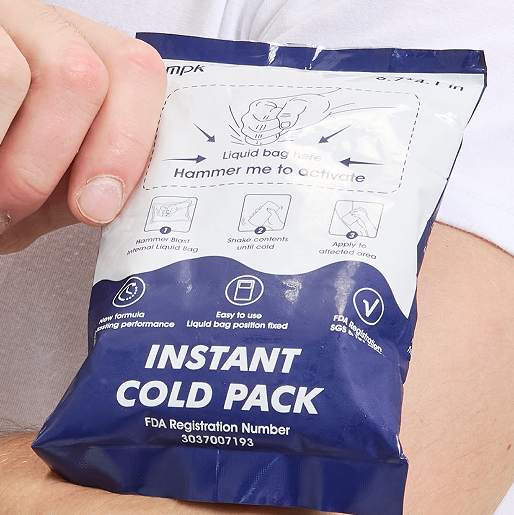
Una mejor guía de compra de paquetes de gel de estilo terapéutico y refrigerantes lácteos de cadena de frío
paquete de gel terapéutico La venta al por mayor de productos lácteos se aborda mejor como una decisión del sistema., no es una compra de productos básicos. Cuando los compradores preguntan por un paquete de gel terapéutico para lácteos al por mayor, el primer paso es confirmar si realmente necesitan una almohadilla reutilizable tipo terapia o un refrigerante de cadena de frío apto para envíos.. Los productos pueden verse similares., pero la distribución de lácteos generalmente requiere una mejor geometría del paquete, comportamiento de condensación más limpio, condicionamiento más predecible, y revisión del contacto con alimentos.
Los compradores más fiables empiezan por la ruta., producto, y perfil de riesgo, luego elija el formato de refrigerante que se ajuste a esas condiciones. Un paquete terapéutico puede ser adecuado en algún momento, aplicaciones controladas alrededor de productos sellados, pero no es automáticamente la mejor opción para el envío de productos lácteos al por mayor.. Este enfoque suele conducir a un mejor control de la temperatura., Manejo más limpio, y menos sorpresas cuando el volumen aumenta.
Qué es el producto y qué no es
Es mejor considerar los paquetes de gel de estilo terapéutico y los refrigerantes de cadena de frío para productos lácteos como fuentes de frío controladas dentro de un transportista pasivo.. No son refrigeración activa., No son certificados de cumplimiento universal., y no compensan una mala disposición del cartón. Su valor radica en brindarle un amortiguador térmico predecible que puede acondicionarse, contado, metido, y evaluado como parte de un sistema de embalaje más amplio.
Esa distinción es importante porque los compradores a menudo se centran demasiado en el refrigerante y no se centran en la ruta.. El control de la temperatura se crea mediante la interacción entre la fuente de frío, el aislamiento, la carga útil, y las condiciones de manejo. Una vez que vea el producto de esa manera, Las preguntas de los proveedores se vuelven más claras y las compensaciones de formato se vuelven más fáciles de juzgar..
Cómo hacer coincidir la fuente de frío con la ruta
Comience con el requisito de carga útil y la duración real del carril., incluido el tiempo de embalaje, permanencia del portador, exposición de última milla, y retraso en la recepción. Luego mira el sistema aislado., no solo el refrigerante. Un paquete más delgado en una caja de cartón aislada y bien ajustada puede superar a un paquete más pesado con una distribución deficiente. El objetivo es mantener la banda correcta durante el tiempo suficiente con la menor complejidad innecesaria..
Próximo, decidir cuánta estandarización necesita la operación. Si la misma caja se ejecuta repetidamente con una mezcla de productos estable, Los formatos rígidos se vuelven más fáciles de justificar porque simplifican el recuento y la ubicación.. Si los tamaños de las cajas o las cargas de productos cambian con frecuencia, Los insertos flexibles o paquetes vinculados pueden proporcionar una mejor eficiencia general del embalaje.. Finalmente, tener en cuenta la estacionalidad. El calor del verano y el frío del invierno pueden indicar diferentes estados de acondicionamiento o incluso diferentes empaques aprobados..
Materiales, construcción, y comportamiento térmico
Las páginas públicas de productos en el mercado de la cadena de frío muestran que no todos los paquetes de gel se comportan de la misma manera. Los paquetes refrigerados se ofrecen comúnmente con formulaciones diseñadas alrededor de un punto de fusión de 0°C., mientras que los productos de distribución congelados pueden usar fórmulas de temperatura suprimida alrededor de -23°C u otros puntos de ajuste más bajos. Algunos formatos sin sudor agregan una capa exterior tejida o absorbente para controlar la condensación.. Los ladrillos rígidos pueden usar una cubierta de plástico duradera alrededor de un núcleo de gel o PCM.. Esas diferencias afectan el tiempo de congelación., dureza superficial, resistencia a la punción, comportamiento de la humedad, y la tasa de transferencia de calor a la carga útil.
La geometría importa tanto como la química. Las inserciones planas maximizan la cobertura de la pared, Las hojas enlazadas se envuelven bien alrededor de contenidos irregulares., y los ladrillos rígidos brindan masa térmica concentrada con un conteo más fácil en la línea de empaque. Ninguno de esos formatos es universalmente mejor.. La elección correcta depende del espacio disponible en la caja., el diseño del producto, si la ruta es refrigerada o congelada, y si sus operadores necesitan velocidad, flexibilidad, o disciplina estricta en el recuento de paquetes.
El condicionamiento es otra variable importante.. Un paquete puede ser técnicamente correcto sobre el papel y aun así fallar en la práctica si no está lo suficientemente congelado, demasiado congelado para la aplicación, o montado demasiado tiempo en ambiente antes del boxeo. En muchos paquetes fallidos, El problema no es la fórmula del gel en sí, sino las condiciones inconsistentes del congelador., instrucciones de trabajo poco claras, o una discrepancia entre el estado del paquete y los requisitos del producto.
Límites de calidad y cumplimiento
Para programas de alimentos y lácteos, La fuente de frío debe respaldar el objetivo de seguridad real del envío.. La guía pública para la entrega directa de alimentos al consumidor enfatiza los envases aislados combinados con paquetes de gel congelado u otros refrigerantes adecuados., y los alimentos refrigerados generalmente necesitan permanecer en una condición fría segura en lugar de caer en la zona de temperatura peligrosa. Eso significa que los compradores deberían evaluar todo el paquete., no solo la caja del refrigerante.
La revisión del material también importa. cuando un paquete, transatlántico, o la superficie adyacente puede entrar en contacto con los alimentos o una capa de contacto con los alimentos, Los compradores deben solicitar la información de contacto de alimentos relevante para el mercado de destino.. En los Estados Unidos, Las sustancias que entran en contacto con los alimentos están reguladas por la FDA., y en la UE, El embalaje que entra en contacto con los alimentos debe cumplir con las normas de seguridad destinadas a evitar la migración dañina o cambios en los alimentos.. Incluso cuando el compresa fría no está en contacto directo con los alimentos, Esos hábitos de documentación generalmente indican un proveedor más disciplinado..
Por qué el costo total de uso es una mejor métrica que el precio por pieza
Una cotización de mayorista generalmente hace visible el precio del paquete unitario y deja el resto oculto.. Pero los operadores siguen pagando por la capacidad de los congeladores, mano de obra, desplazamiento del espacio del producto, volumen extra corrugado, etiquetas dañadas, regresa, y problemas de servicio al cliente causados por una mala presentación o cambio de temperatura. Es por eso que una compresa fría un poco más costosa aún puede reducir el costo total si se ajusta mejor a la caja o reduce los problemas de manipulación..
Por la misma razón, Los compradores deben comparar las familias de paquetes con el sistema aislado que pretenden utilizar.. La fuente de frío de mejor rendimiento o más sostenible en papel puede no ser la más económica una vez que se utiliza el tamaño del cartón., costo de flete, y las condiciones de recepción se añaden a la ecuación. Los buenos distribuidores ayudan a los equipos a ver el panorama más amplio.
¿Qué formato suele tener más sentido??
Los compradores suelen llegar más lejos comparando formatos en términos operativos en lugar de preguntar qué refrigerante es el "mejor" en abstracto.. La elección correcta depende de cómo esté embalada la caja., qué tan sensible es el producto al contacto directo con el frío, y qué tan estandarizados están realmente la ruta y el diseño del cartón.
| Formato | mejor cuando | Fortaleza principal | Precaución principal |
|---|---|---|---|
| Paquete blando estilo terapia | Pequeñas aplicaciones reutilizables y pedidos empaquetados a mano. | Formato flexible y familiar | Puede que no esté optimizado para la eficiencia de la línea, condensación, o documentación de contacto con alimentos |
| Paquete de gel para envío de alimentos | Programas de lácteos en paquetería y cajas refrigeradas mixtas | Diseñado para empacar, transporte, y repetir el acondicionamiento | Puede ser menos cómodo de reutilizar en aplicaciones de manipulación manual de contacto directo. |
| Ladrillo lechero rígido | Diseños de cajas o contenedores repetibles | Apilado limpio, conteo fácil, y colocación estable | Se adapta menos a productos irregulares y puede enfriarse demasiado si no se separan |
Una regla útil es simple.: si el embalaje está altamente estandarizado y el producto puede tolerar un diseño más rígido, Los ladrillos y bloques se vuelven más atractivos.. Si la mezcla de productos cambia con frecuencia o la caja tiene muchos espacios irregulares, Los formatos más planos o más flexibles suelen ofrecer una mejor eficiencia de embalaje..
Una lista de verificación práctica para proveedores
Porque la pregunta detrás de la venta al por mayor de productos lácteos en paquetes de gel terapéutico claramente conlleva una intención de compra al por mayor, La selección de proveedores debe ir más allá del precio básico y la cantidad de cajas.. Una lista corta práctica generalmente se reduce a las siguientes preguntas.
1. Si el producto está destinado a terapia corporal., envío en cadena de frío, o ambos. Una apariencia similar no significa un desempeño idéntico o ajuste regulatorio.
2. Idoneidad para el contacto con alimentos y documentación cuando corresponda, especialmente si el paquete puede tocar las superficies del embalaje primario o secundario de lácteos.
3. Comportamiento de la temperatura objetivo. Los lácteos suelen necesitar refrigeración controlada, congelación no accidental de la crema, yogur, o queso tierno.
Herramientas útiles para tomar decisiones
Comprueba los detalles antes de elegir el embalaje.
Estas herramientas rápidas pueden ayudarle a comparar el riesgo de la ruta, necesidades de dimensionamiento, opciones de refrigerante, y detalles del embalaje antes de solicitar una cotización.
Selector de embalaje
Compare las opciones de embalaje aislado por producto, ruta, y necesidad de temperatura.
encontrar embalajeGenerador de listas de verificación de cumplimiento
Cree una lista de verificación práctica para la revisión del embalaje, envío, y documentación.
Crear lista de verificaciónrefrigerante & Referencia PCM
Compare las opciones de refrigerante y PCM cuando una ruta necesite soporte de temperatura adicional.
Comparar opciones4. Higiene de la película exterior o de la carcasa.. Liso, Las superficies que se limpian con un paño pueden funcionar mejor en sistemas retornables., mientras que los exteriores que absorben la humedad pueden ayudar en los programas de paquetería.
5. Repetibilidad dimensional. Las operaciones lácteas mayoristas a menudo se benefician de paquetes que se ajustan a contenedores y carriles de cartón exactamente de la misma manera cada vez..
6. Rendimiento de condensación y fugas después de repetidos ciclos de congelación y descongelación., no solo en las pruebas de muestra del primer día.
7. Cantidad de casos y economía de retorno. Una mochila reutilizable solo ahorra dinero si sobrevive a la ruta y vuelve a estar en buenas condiciones..
8. Coherencia de la producción y control de cambios.. Un cambio silencioso de material o de relleno puede alterar un envasado de productos lácteos que de otro modo sería estable.
Observe cuántas de esas preguntas tienen realmente que ver con la coherencia y no con el rendimiento de los titulares.. A escala mayorista, dimensiones estables, relleno repetible, instrucciones de acondicionamiento claras, y un soporte técnico receptivo a menudo importan más que los impresionantes pero aislados reclamos de retención de frío.
Puntos de falla que los compradores no deben ignorar
Los puntos débiles más comunes son silenciosos y procesales.: temperatura del congelador inconsistente, paquetes poco acondicionados, película cambiada o relleno sin previo aviso, mala separación del producto al paquete, y paquetes que nunca fueron revisados para detectar extremos estacionales. Estos problemas a menudo se diagnostican erróneamente como una falla general del paquete frío cuando el problema real es el control del proceso..
Otro punto de falla es la falta de coincidencia de la documentación.. El departamento de adquisiciones puede aprobar un paquete según el peso y las dimensiones aproximadas., mientras que las operaciones realmente necesitan instrucciones de acondicionamiento detalladas, control de tolerancia, recibiendo cheques, y claridad sobre dónde debe ubicarse el paquete en la caja. Un proveedor que no puede soportar esos detalles es más difícil de escalar., incluso si la muestra parecía aceptable.
Una forma práctica de revisar el paquete antes de escalar
Imagine un envío normal en la distribución de lácteos.: el producto se envasa a la temperatura inicial prevista, El refrigerante se acondiciona según las instrucciones., Los componentes aislados se ensamblan en línea., y la caja luego pasa por entregas reales del transportista antes de la recepción final. Ese escenario simple es más útil que una afirmación abstracta de retención de frío porque revela si el paquete encaja perfectamente en la caja., si los operadores pueden colocarlo consistentemente, y si la carga útil está protegida donde es más vulnerable.
Antes del lanzamiento completo, Los compradores deben probar más de una condición realista.. Mire un carril de día cálido, un carril de rutina, y cualquier ruta con un traspaso inusual o un retraso en la recepción. Un mayorista que apoya este tipo de revisión práctica generalmente agrega mucho más valor que uno que solo cotiza el siguiente precio en minúscula..
Preguntas frecuentes
¿Se puede utilizar un paquete de gel terapéutico para el envío de productos lácteos??
A veces, Pero sólo después de confirmar el ajuste del material., Consideraciones sobre el contacto con los alimentos cuando sea relevante., comportamiento condicionante, y rendimiento de la ruta. Muchas operaciones lácteas prefieren paquetes diseñados específicamente para el envío..
¿Deberían los compradores de lácteos elegir paquetes de gel blando o ladrillos rígidos??
Las mochilas blandas se adaptan mejor a cargas mixtas, mientras que los ladrillos rígidos son más fáciles de contar y colocar. La mejor elección depende de la estabilidad de la ruta., diseño de cartón, y sensibilidad al producto.
¿Por qué la condensación es un problema tan grande en los envíos de lácteos??
Porque los cartones mojados, etiquetas manchadas, y los componentes del papel ablandado pueden crear problemas de manipulación incluso cuando la temperatura del producto aún es aceptable.
Comida final para llevar
Para la mayoría de los compradores, La elección ganadora no es el paquete más frío ni el ladrillo más grueso.. Es el formato de refrigerante el que proporciona el comportamiento de temperatura adecuado., el manejo más limpio, y el suministro más confiable para los carriles que realmente recorre. Esto es lo que convierte la compra de una compresa fría en un estándar operativo estable..
Acerca de Tempk
Y Tempk, Nos hemos centrado en productos de control de temperatura desde 2011. Nuestra gama incluye bolsas de hielo en gel, bolsas aisladas, cajas de aislamiento, y otros embalaje con temperatura controlada para la comida, farmacéutico, y otros envíos sensibles. También apoyamos soluciones de embalaje personalizadas y publicamos información orientada a la calidad sobre el rendimiento del aislamiento., comportamiento de cambio de fase, y pruebas de productos. Para equipos que evalúan bolsas de hielo en gel, bolsas aisladas, y comida embalaje de cadena de frío, Podemos ayudar a conectar la elección de la fuente de frío con el diseño del transportista., perfil de ruta, y modelo de manejo.
Siguiente paso
Si está revisando un carril actual o planeando uno nuevo, Solicite orientación en función de la banda de temperatura requerida., tiempo de tránsito, y formato de paquete. Para proyectos a granel o personalizados, Ayuda a comparar el refrigerante y el transportador aislado juntos..