Selección de un fabricante de cajas de hielo farmacéuticas con ranura de amarre: Una guía desde el requisito hasta la evidencia
La forma más útil de seleccionar una ranura de amarre fabricante de cajas de hielo farmacéuticas es avanzar a través de una secuencia de requisito a evidencia. Primero defina el producto y la temperatura necesaria.. Luego modele la carga útil y el espacio de refrigerante., mapear la ruta y manejar los riesgos, seleccione construcción, y decidir qué pruebas o documentación deben respaldar la aprobación. Esta secuencia mantiene las discusiones comerciales ancladas a la aplicación en lugar de a afirmaciones amplias sobre los litros., aislamiento, duración, o precio.
Para distribución farmacéutica, suministros clínicos, prestación de atención médica, transporte de vehículos, y entregas controladas, obtención, operaciones, ingeniería, y los equipos de calidad deben trabajar desde el mismo informe controlado. Las ranuras de amarre mejoran la sujeción solo cuando se diseñan y usan correctamente. Ellos mismos no convierten una caja de hielo en un sistema calificado de envío de productos farmacéuticos.. Las secciones siguientes combinan comprador, ingeniería, operacional, y perspectivas de control de proveedores en una sola ruta de decisión, finalizando con controles de implementación que ayudan a que la muestra aprobada siga siendo representativa de la producción y el uso real..
| respuesta de decisión: Seleccione la caja de hielo farmacéutica con ranuras de amarre solo después de confirmar la carga útil, geometría utilizable, requisito de temperatura, ruta, refrigerante, manejo, evidencia, y controles de producción. Las ranuras de amarre mejoran la sujeción solo cuando se diseñan y usan correctamente. Ellos mismos no convierten una caja de hielo en un sistema calificado de envío de productos farmacéuticos.. |
|---|
Pasar de la necesidad a la evidencia en una secuencia controlada
Una decisión controlada se puede organizar en cuatro puertas.. La puerta uno define el producto y la condición requerida.. La puerta dos confirma que la carga útil, refrigerante, geometría interna, manejo, y la ruta se ajusta al cuadro propuesto. La puerta tres evalúa la evidencia, incluyendo dibujos, datos materiales, informes de prueba, controles de fabricación, y límites de aplicación. La puerta cuatro aprueba la implementación, incluyendo instrucciones, escucha, recepción, control de cambios, y responsabilidades del proveedor. Un proyecto no debe avanzar simplemente porque una puerta parece fuerte mientras que otra permanece indefinida..
Las puertas también crean una propiedad útil. Las operaciones pueden definir la ruta y el método de trabajo.; La ingeniería puede repasar la geometría., materiales, y modos de falla; La calidad puede establecer reglas de evidencia y desviación.; La adquisición puede comparar el alcance y los términos comerciales.. Para la logística farmacéutica, calidad, ingenieros de embalaje, operadores de flotas, y equipos de adquisiciones, Esta estructura compartida reduce las aclaraciones repetidas y hace que las citas sean comparables.. También expone cuándo una solicitud sigue siendo un concepto en lugar de una especificación lista para comprar.. El registro de aprobación final debe mostrar lo que se confirmó., por quien, utilizando qué evidencia, y para qué límite de aplicación.
- Puerta 1 - Producto, condición de temperatura, sensibilidad, y consecuencia del fracaso
- Puerta 2 – Sobre de carga útil, refrigerante, ruta, manejo, higiene, y ajuste del usuario
- Puerta 3 – Materiales, dibujos, pruebas, controles de calidad, y limitaciones declaradas
- Puerta 4 - Piloto, instrucciones, escucha, recepción, control de cambios, y aprobación de lanzamiento
Una especificación útil comienza con el trabajo
Escriba un requisito de usuario que otro equipo pueda aplicar sin escuchar la discusión de ventas original.. Identificar la carga útil, embalaje, condición inicial, condición de temperatura requerida, tiempo máximo, subsidio de demora, exposición ambiental, aberturas, vehículo o transportista, manejo, limpieza, y recibir decisión. Para distribución farmacéutica, suministros clínicos, prestación de atención médica, transporte de vehículos, y entregas controladas, También indique las consecuencias de una falla y si el envío puede ser reemplazado., en cuarentena, o investigado sin mayores perturbaciones.
Gire el objetivo principal: combinar un embalaje térmico controlado con una sujeción segura que no dañe la caja., perturbar la tapa, o crear un reclamo de cumplimiento no verificado, en puntos de aceptación medibles. Separar las funciones proporcionadas por el contenedor físico de las proporcionadas por el refrigerante, escucha, instrucciones de trabajo, el transportista, y recibiendo. Luego asigne propietarios para los supuestos no resueltos.. Un requisito de usuario controlado evita que la aprobación final dependa de frases vagas como durable, médico, grado alimenticio, a prueba de fugas, de larga duración, o apto para cadena de frío.
- Carga útil definida, embalaje, cantidad, masa, y condiciones de temperatura
- Carril normal más retraso, estacional, apertura, y supuestos de traspaso
- Componentes de embalaje, acondicionamiento, colocación, y configuración cargada
- Manejo, restricción, higiene, etiquetas, escucha, y recibir decisiones
- Dibujos requeridos, evidencia de prueba, controles de producción, y cambiar de dueño
Convierta los riesgos únicos en criterios de aprobación
El registro de aprobación debe resolver los riesgos específicos del proyecto antes del lanzamiento comercial.: colocando una correa sobre el sello de la tapa, concentrar la carga en paredes débiles, confundir moderación con calificación, y no poder probar el sistema cargado. También debe indicar cómo la configuración propuesta combinará un empaque térmico controlado con una sujeción segura que no dañe la caja., perturbar la tapa, o crear un reclamo de cumplimiento no verificado. Estos no son comentarios de fondo.; son requisitos que necesitan un dueño, evidencia, y una decisión de aceptación. Cuando una condición aún no se puede probar, el registro debe identificar la prueba restante, piloto, o acción de calidad.
Utilice una matriz de aplicación que conecte la geometría de ranura reforzada, distribución de tensiones, rigidez de la pared y la tapa, continuidad del aislamiento, resistencia a la abrasión, y sellar la protección con la ruta, manejo, higiene, escucha, y controles de proveedores. Incluye los tres puntos decisivos.: Enrute las fuerzas de la correa a través de la geometría reforzada sin desalinear la tapa ni aplastar las paredes aisladas.. Validar el ángulo de la correa, tensión, puntos de anclaje, abrasión, vibración, cargas de frenado, y acceso en la configuración real del vehículo. Mantener calificación, escucha, empacar, y responsabilidades del PIB separadas de la característica de restricción mecánica. La elección final debe ser explicable a la contratación., calidad, operaciones, y el proveedor sin depender de una presentación de ventas o memoria personal.
Diseñe la ruta de carga de restricción
El registro de aprobación debe cerrar tres brechas específicas de la aplicación antes de que el proyecto pase a producción o lanzamiento..
- Requisito de aprobación: Enrute las fuerzas de la correa a través de la geometría reforzada sin desalinear la tapa ni aplastar las paredes aisladas..
- Requisito de aprobación: Validar el ángulo de la correa, tensión, puntos de anclaje, abrasión, vibración, cargas de frenado, y acceso en la configuración real del vehículo.
- Requisito de aprobación: Mantener calificación, escucha, empacar, y responsabilidades del PIB separadas de la característica de restricción mecánica.
Asignar un propietario y evidencia de respaldo a cada requisito.. Si uno permanece incierto, mantenerlo como un elemento de aprobación abierto en lugar de ocultar la incertidumbre dentro de un reclamo amplio del proveedor.
| Puerta de decisión | Confirmación específica del proyecto | Evidencia aceptable | Dueño |
|---|---|---|---|
| Requisito del producto | Combine un embalaje térmico controlado con una sujeción segura que no dañe la caja, perturbar la tapa, o crear un reclamo de cumplimiento no verificado | Requisitos de usuario aprobados e información del producto. | Equipos de producto y calidad. |
| Aptitud física y operativa. | Definido por la aplicación; geometría de ranura, ángulo de la correa, ruta de carga, radio del borde, visibilidad de la etiqueta, acceso a la tapa, apilado, y compatibilidad con anclajes de vehículos | Dibujo de embalaje, prueba de muestra, observación de ruta, y revisión de limpieza | Ingeniería y operaciones |
| Límite de desempeño | Las ranuras de amarre mejoran la sujeción solo cuando se diseñan y usan correctamente. Ellos mismos no convierten una caja de hielo en un sistema calificado de envío de productos farmacéuticos.. | Térmica trazable, mecánico, escucha, y evidencia de solicitud | Ingeniería y calidad |
| Control de proveedores | Diseño de sujeción dimensionado, pruebas materiales y estructurales, simulación de transporte cargado, datos de prueba térmica, instrucciones de embalaje, registros de calibración, y control de cambios | plan de control, archivos, evidencia de auditoría, y cambiar de acuerdo | Adquisiciones y calidad |
| Implementación | Validar el ángulo de la correa, tensión, puntos de anclaje, abrasión, vibración, cargas de frenado, y acceso en la configuración real del vehículo. | Piloto aprobado, instrucciones, capacitación, recepción, y plan de escalada | Operaciones y calidad |
| Decisión del ciclo de vida | ingeniería, estampación, pruebas estructurales y térmicas, correas y anclajes, instalación del vehículo, inspección, prevención de daños, y apoyo a la cualificación; reducción de daños durante el transporte, interfaces de sujeción duraderas, correas reemplazables, reutilización controlada, y menos excursiones de productos | Caso de negocio comparable y revisión periódica del desempeño | Adquisiciones y operaciones |
Definir el rendimiento de temperatura con las condiciones adjuntas
Convierta los reclamos térmicos en declaraciones de aprobación con condiciones adjuntas. La especificación debe identificar la gama de productos requerida., revisión del paquete, rango de carga útil, refrigerante y acondicionamiento, perfil ambiental, duración y margen de retraso, aberturas, plan de sensores, y criterio de aceptación. Donde diferentes estaciones usan diferentes paquetes, aprobar cada configuración explícitamente en lugar de tratarlas como ajustes informales del operador.
Crear una escalera de evidencia. Comience con cálculos de diseño o comparación de desarrollo., pasar a pruebas de laboratorio representativas, agregar calificación de carril cuando el riesgo lo requiera, y utilizar el monitoreo operativo para verificar el uso controlado. Cada paso responde a una pregunta diferente.. La aprobación debe basarse en el nivel que coincida con el valor del producto., sensibilidad, contexto regulatorio, recuperabilidad, y variabilidad de rutas, no en el nombre del certificado más impresionante en una propuesta.
La capacidad debe demostrarse con un embalaje
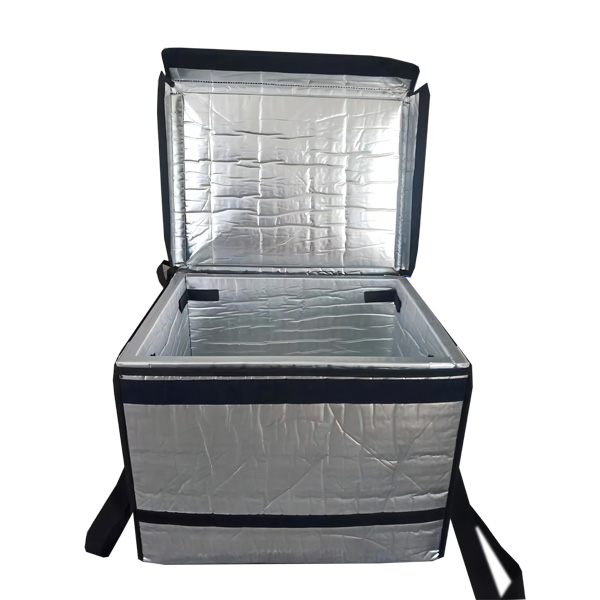
Convierta la descripción del catálogo en un sobre de carga útil controlado. Solicitar longitud interna clara, ancho, y altura en los puntos donde realmente se asienta la carga útil, luego coloque el refrigerante previsto, separadores, bastidores, monitor, y producto en un dibujo o prueba física. Una clasificación de volumen de catálogo describe el espacio nominal.; no indica cuantas unidades vendibles, cajas de vacunas, especímenes, o paquetes de lácteos se pueden cargar sin alterar la disposición aprobada.
La aprobación debe cubrir la huella externa y la masa cargada, así como el ajuste interno.. El contenedor propuesto debe entrar en el vehículo., pasar por puertas, sentarse de forma segura, permitir que la tapa se cierre sin comprimir, y permanecer manejable en el momento del parto. Donde difieren los paquetes de verano e invierno, documentar ambos. La especificación aceptada debe indicar la carga útil utilizable para la configuración definida e identificar cualquier tolerancia dimensional que pueda cambiar el embalaje., restricción, o rendimiento térmico.
Cree una escalera de evidencia para la decisión
Organizar las pruebas de aprobación según la decisión que respalda.. Los planos y registros de materiales establecen cuál es el producto.. Las pruebas mecánicas abordan el manejo y la sujeción.. Las pruebas de desarrollo térmico comparan diseños.. La calificación prueba un paquete definido frente a un requisito aprobado. El monitoreo de ruta muestra cómo se comporta el método controlado bajo variabilidad operativa. El registro de aprobación debe identificar qué nivel se requiere y por qué., en lugar de aceptar una colección de informes no relacionados.
Antes de confiar en cualquier informe, comparar la versión probada, carga útil, refrigerante, acondicionamiento, temperaturas iniciales, perfil ambiental, duración, aberturas, orientación, sensores, criterios de aceptación, y desviaciones con el uso previsto. Registre las lagunas y decida si son aceptables., requieren análisis, o requerir pruebas adicionales. Un nombre de informe o una declaración de aprobación no es suficiente. La conclusión respaldada debe seguir siendo rastreable hasta la configuración que la adquisición y la producción realmente comprarán..
Herramientas útiles para tomar decisiones
Comprueba los detalles antes de elegir el embalaje.
Estas herramientas rápidas pueden ayudarle a comparar el riesgo de la ruta, necesidades de dimensionamiento, opciones de refrigerante, y detalles del embalaje antes de solicitar una cotización.
Calculadora de hielo seco
Calcule las necesidades de hielo seco para envíos congelados o ultrafríos antes de empacar.
Estimar hielo secoResistencia a la caída del material aislante
Revise la resistencia a caídas y los factores de manipulación antes de elegir materiales aislantes..
Comprobar resistenciaGenerador de listas de verificación de cumplimiento
Cree una lista de verificación práctica para la revisión del embalaje, envío, y documentación.
Crear lista de verificaciónSeleccione el proveedor y el sistema de control juntos
Evaluar el fabricante propuesto frente al requisito aprobado., no contra un cuestionario genérico para proveedores. Confirme si la oferta cubre solo la caja o un alcance más amplio que incluye refrigerante, inserciones, dibujos de embalaje, pruebas, apoyo a la calificación, escucha, etiquetas, piezas de repuesto, capacitación, y asistencia de desvío. Solicitar diseño de sujeción dimensionado, pruebas materiales y estructurales, simulación de transporte cargado, datos de prueba térmica, instrucciones de embalaje, registros de calibración, y control de cambios. Cada reclamo importante debe apuntar a un documento controlado., muestra, condición de prueba, o control de producción.
Completar juntos la due diligence comercial y de calidad. Revisar las fuentes de materiales aprobadas, procesos críticos, registros de inspección, calibración, mantenimiento de herramientas, no conformidad, acción correctiva, componentes subcontratados, y notificación de cambios de ingeniería. Acordar quién es el propietario de los dibujos, moldes, revisiones de productos, archivos, y volver a probar las decisiones. Un proveedor está listo para su aprobación cuando puede recrear la configuración aceptada y explicar cómo se evaluarán los cambios antes de que lleguen al envío..
- Alcance del suministro, documentación, pruebas, calificación, y apoyo
- Especificación controlada, muestra aprobada, lista de materiales, y enlace de revisión
- Procesos críticos, inspecciones, archivos, calibración, y acción correctiva
- Control de subcontratistas, mantenimiento de herramientas, sustituciones, y cambiar notificación
- Responsabilidad comercial por defectos, rehacer, piezas de repuesto, y pedidos futuros
Una implementación controlada evita sorpresas costosas
La implementación debe pasar de una muestra representativa a un piloto controlado antes de la producción total o el lanzamiento de la ruta.. Confirmar la lista exacta de materiales., dibujos, bandera, marcas, accesorios, embalaje, e instrucciones. Utilice el piloto para probar el tiempo de embalaje, errores de usuario, ergonomía cargada, ajuste del vehículo, restricción, limpieza, escucha, y recibiendo. Para una aplicación con temperatura controlada, verificar que el piloto siga la configuración prevista de refrigerante y carga útil en lugar de una configuración de demostración más sencilla.
Después de la aprobación, congelar la especificación crítica y definir el control de cambios. Empacadores de trenes, conductores, correos, limpiadores, y receptores sobre las partes del proceso que poseen. Establecer una revisión de la primera producción y monitorear los primeros envíos para detectar problemas recurrentes.. Un lanzamiento debe incluir contactos de escalada y un método para segregar cajas o componentes sospechosos.. La revisión periódica puede generar daños, desviación, devolver, limpieza, y datos de temperatura para refinar el sistema sin debilitar el límite calificado o aprobado.
Construya un modelo de costos en torno al riesgo y la utilización
Cree un caso de negocio ajustado al riesgo con una sola vez, periódico, y costos de falla separados. Los artículos únicos pueden incluir diseño., estampación, muestras, validación, y lanzar. Los elementos recurrentes pueden incluir unidades., refrigerante, escucha, mano de obra, limpieza, transporte, inspección, almacenamiento, y reemplazo. Los costos por fallas pueden incluir la retención del producto., reenvío, investigación de desviación, interrupción del cliente, y pérdida de capacidad de ruta. Utilice datos del proyecto o suposiciones claramente identificadas en lugar de un porcentaje de ahorro genérico..
Comparar alternativas en el mismo alcance aprobado. Un precio unitario más bajo no significa un costo más bajo si el espacio utilizable es deficiente, el cubo de carga es alto, el trabajo de embalaje es lento, o fugas de calidad son frecuentes. Un diseño técnicamente más sólido no es automáticamente mejor si agrega costos sin abordar un riesgo de ruta. El equipo de aprobación debe documentar la compensación que está aceptando y la medida operativa que mostrará si se logra el valor esperado..
Aplicar la ruta de decisión a un proyecto típico
Aplicar la ruta de decisión completa a un proyecto típico. Un equipo de flota añade correas para evitar el movimiento, pero la ruta original colocó compresión a través de la tapa. La sujeción redujo el deslizamiento y al mismo tiempo creó un sello y un riesgo térmico.. El equipo multifuncional primero aprueba el requisito del usuario., luego confirma la carga útil y el ajuste del refrigerante con una muestra física. Registra manipulación cargada, exposición de ruta, higiene, escucha, y recepción de necesidades antes de seleccionar el nivel de evidencia y el alcance comercial.
El fabricante elegido suministra dibujos controlados., materiales, informes de prueba, y un lote piloto. Adquisiciones compara la cotización con el alcance aprobado; controles de calidad control de cambios y criterios de aceptación; Las operaciones ejecutan el piloto con usuarios normales.. El lanzamiento se produce sólo después de que las lagunas no resueltas tengan propietarios y fechas.. El acta final vincula el requisito, configuración, evidencia, instrucciones, y versión de producción para que los cambios futuros puedan evaluarse de forma coherente.
Preguntas finales sobre adquisiciones
Qué se debe aprobar antes de que se publique la orden de compra?
Aprobar el requisito del usuario, revisión del producto, dimensiones internas y externas, materiales, componentes de embalaje, base de prueba o calificación, criterios críticos de inspección, etiquetas, embalaje, documentación, alcance comercial, y responsabilidades de control de cambios. Para uso sensible a la temperatura, también aprobar la carga útil, acondicionamiento del refrigerante, supuestos ambientales y de duración, plan de sensores, instrucciones de funcionamiento, criterios de recepción, y limitaciones no resueltas.
¿Cómo se mantiene una muestra aprobada coherente con la producción??
Vincular la muestra a dibujos controlados, lista de materiales, fuentes de materiales aprobadas, configuración del proceso, dimensiones críticas, métodos de inspección, y un lote piloto. Conserve una muestra de referencia cuando sea útil, pero no confíes sólo en la apariencia. El proveedor debe notificar al comprador antes de realizar cambios en las herramientas., resina, aislamiento, hardware, sello, insertar, refrigerante, subcontratista, proceso, o embalaje que pueda afectar el funcionamiento.
¿A quién pertenecen las decisiones de calificación y cumplimiento??
La responsabilidad debe asignarse en el acuerdo de proyecto.. El proveedor puede proporcionar datos precisos del producto., muestras, informes, y soporte técnico; El comprador normalmente define los límites del producto., carril, criterios de aceptación, sistema de calidad, y obligaciones de mercado aplicables. Un fabricante contratado o un laboratorio de pruebas pueden realizar trabajos, pero eso no elimina la necesidad de que el propietario del producto y el equipo de calidad aprueben la idoneidad..
¿Cuándo se justifica un diseño personalizado??
La personalización se justifica cuando un producto estándar no puede cumplir con la geometría de carga útil crítica., capacidad utilizable, restricción, limpieza, herrada, ruta, accesorio, o necesidades operativas. Compare el valor con las herramientas, tiempo de desarrollo, Cantidad mínima de pedido, riesgo de cambio, requisitos de prueba, piezas de repuesto, y futuras revisiones. Una forma personalizada debe resolver un requisito documentado en lugar de agregar complejidad que se puede manejar con una inserción o un cambio de proceso..
¿Las ranuras de amarre hacen que una caja de hielo cumpla con los requisitos farmacéuticos??
No. Las ranuras de amarre son una característica de sujeción mecánica. Deben transferir cargas de correas sin aplastar el aislamiento., distorsionando la tapa, ocultar etiquetas, o interferir con el embalaje. La idoneidad farmacéutica todavía depende de los límites del producto, una configuración térmica calificada cuando sea necesario, monitoreo calibrado, instrucciones controladas, gestión de riesgos en el transporte, recepción, y el PIB aplicable o los requisitos de calidad locales.
Conclusión: Apruebe un sistema que pueda explicar y repetir
Un fabricante adecuado de cajas de hielo para productos farmacéuticos con ranuras de amarre es el resultado de una especificación disciplinada en lugar de una sola característica.. La decisión más confiable conecta la carga útil., condición de temperatura, ruta, espacio utilizable, construcción, refrigerante, manejo, higiene, evidencia, control de producción, y propiedad operativa. Cuando esos elementos son explícitos, Las adquisiciones pueden comparar ofertas de manera justa y las operaciones pueden repetir el método aprobado sin depender de la memoria o de un lenguaje de ventas amplio..
- Comience con el producto y el carril., luego confirme el estado físico y el embalaje.
- Haga coincidir la evidencia requerida con el riesgo y el límite de aplicación.
- Aprobar controles de proveedores, implementación, escucha, y gestión del cambio juntos.
- Mantenga un vínculo rastreable desde el requisito hasta la evidencia y las instrucciones operativas..
Acerca de Tempk
Tempk trabaja desde Shanghai en embalaje de cadena de frío productos y soluciones y ha operado desde 2011. Las categorías de productos públicos de la empresa incluyen bolsas de hielo, cajas aisladas, vacío-embalaje aislado, bolsas y forros, cubiertas de paletas, y equipos de control de temperatura. En lugar de seleccionar únicamente por capacidad, un comprador puede compartir el producto, condición requerida, carga útil, ruta, estación, manejo, y recibir detalles para una discusión más relevante. Cualquier aplicación sensible a la temperatura aún debe confirmarse mediante las pruebas adecuadas., documentación, y revisión de calidad.
Preparar una consulta útil
Comparte tu carga útil, ruta, requisito de temperatura, y alcance esperado del pedido con Tempk para discutir una práctica caja de hielo farmacéutica con configuración de ranuras de amarre.