¿Cómo protege la calidad la gestión de la cadena de frío de las vacunas??
Actualizado en diciembre 30 2025
Eficaz Gestión de la cadena de frío de las vacunas. protege sus vacunas asegurándose de que permanezcan dentro del rango de temperatura requerido desde la fabricación hasta la administración. Incluso pequeñas desviaciones de temperatura pueden reducir la potencia o provocar deterioro.. Esta guía explica por qué es importante la cadena de frío, cómo implementarlo y qué tecnologías están dando forma a la logística de las vacunas en 2025. Siguiendo estas recomendaciones minimizarás el desperdicio, proteger la seguridad del paciente y cumplir con los estándares regulatorios.
Este artículo responderá:
Qué es la gestión de la cadena de frío de las vacunas y por qué es fundamental: Una definición clara con rangos de temperatura y razones por las que las vacunas requieren un control estricto de la temperatura.
Cómo se puede implementar una cadena de frío efectiva: Guía paso a paso sobre el almacenamiento, escucha, transporte y preparación para emergencias.
¿Qué tecnologías están transformando la logística de las vacunas?: Una descripción general de los sensores de IoT, cadena de bloques, Optimización de rutas de IA y congeladores portátiles.
Retos comunes y soluciones en la gestión de la cadena de frío: Estrategias prácticas para evitar excursiones de temperatura, Fallos de embalaje y errores humanos..
Últimas novedades y tendencias en 2025: Información sobre el crecimiento del mercado, Directrices actualizadas para el almacenamiento de vacunas e innovaciones sostenibles..
¿Qué es la gestión de la cadena de frío de las vacunas y por qué es fundamental??
Respuesta directa
La gestión de la cadena de frío de las vacunas se refiere al sistema de procesos e infraestructura con temperatura controlada que mantiene las vacunas dentro de su rango de temperatura especificado a lo largo de toda la cadena de suministro.. La mayoría de las vacunas de rutina requieren almacenamiento refrigerado entre 2 °C y 8°C (36 °F a 46 °F), mientras que algunos ARNm de COVID 19 y productos biológicos avanzados necesitan condiciones ultrafrías de hasta -60 °C o incluso -150 °C. Si las vacunas se exponen a congelación o calor excesivo, pueden perder potencia permanentemente. Mantener la cadena de frío protege a los pacientes de recibir dosis ineficaces y evita la costosa pérdida de productos..
Explicación expandida
Imagine una vacuna como un ingrediente delicado que se echa a perder si no se mantiene fresco., muy parecido a la leche o los productos frescos. La gestión de la cadena de frío de las vacunas es la serie de pasos que garantizan que la sustancia frágil permanezca dentro de la zona de temperatura segura desde el momento en que sale del fabricante hasta que llega al brazo del paciente.. Según guías farmacéuticas., Las vacunas son parte del segmento de más rápido crecimiento en la logística de la cadena de frío y requieren refrigeración especializada., seguimiento y procesos validados. Vacunas tradicionales contra la influenza., la hepatitis y las vacunas infantiles se mantienen estables en 2–8 ° C, pero las nuevas terapias, como las vacunas de ARNm o las terapias celulares y genéticas, necesitan un almacenamiento criogénico entre -60 °C y -150 °C para preservar sus complejas estructuras biológicas.. Sin estas salvaguardias, cerca de 50 % de vacunas se desperdician cada año debido a una gestión inadecuada de la temperatura, lo que genera miles de millones de dólares en pérdidas y compromete la salud pública.. Mantener una cadena de frío sólida protege la eficacia, garantiza el cumplimiento normativo y demuestra compromiso con la seguridad del paciente.
Rangos de temperatura clave para las vacunas
| Categoría de vacuna | Temperatura recomendada | Importancia de ejemplo |
| Vacunas de rutina (influenza, hepatitis, VPH) | 2 °C-8 °C | Las condiciones de refrigeración evitan daños.; La congelación destruye permanentemente la potencia de las vacunas con adyuvante de aluminio. |
| Vacunas liofilizadas no vivas (p.ej., MMR) | –50 °C a 8 °C | Puede tolerar la refrigeración pero degradarse si hace demasiado calor o demasiado frío.; Se deben seguir instrucciones de almacenamiento específicas. |
| Vacunas de ARNm COVID 19 | –90 °C a –60 °C hasta que se descongele | La vacuna Pfizer BioNTech requiere almacenamiento ultrafrío; una vez descongelado, se puede refrigerar a 2 °C–8 °C durante hasta diez semanas |
| Terapias celulares y genéticas. | –150 °C o menos | CAR T y las terapias génicas requieren temperaturas criogénicas mantenidas mediante nitrógeno líquido; cualquier desviación destruye las células vivas |
Consejos y consejos prácticos
Conozca siempre los requisitos de temperatura de su vacuna: Consulte los prospectos o las instrucciones del fabricante y recuerde que la mayoría de las vacunas refrigeradas nunca deben congelarse..
Utilice refrigeradores o congeladores exclusivos de calidad farmacéutica.: Es posible que las unidades domésticas no mantengan temperaturas estables; invertir en unidades certificadas para el almacenamiento de vacunas para evitar fluctuaciones.
Monitorear las temperaturas continuamente: Registradores de datos digitales (DDL) con sondas amortiguadas registran las temperaturas cada 30 minutos, Proporcionar alertas antes de que se produzcan excursiones..
Inspeccionar los envíos a su llegada.: Examinar la integridad del embalaje., fechas de caducidad e indicadores de temperatura para garantizar que se mantenga la cadena de frío durante todo el tránsito.
Implementar protocolos de emergencia: Planifique cortes de energía o fallas de equipos designando almacenamiento de respaldo y capacitando al personal para responder rápidamente.
Caso del mundo real: Una clínica de salud comunitaria de Estados Unidos utilizó un refrigerador doméstico para almacenar vacunas. Durante un corte de energía de fin de semana, la temperatura cayó por debajo 0 °C y se congeló un lote de vacunas con adyuvante de aluminio, dejándolos inutilizables. La clínica adoptó refrigeración de grado farmacéutico e instaló DDL.. Después de implementar este sistema, ellos mantuvieron 100 % cumplimiento de los registros de temperatura y eliminó la pérdida de vacunas para la próxima 12 meses.
¿Cómo se implementa eficazmente la gestión de la cadena de frío de las vacunas??
Respuesta directa
Implementar la gestión de la cadena de frío de las vacunas implica acciones coordinadas en el almacenamiento, transporte, seguimiento y formación del personal. Comience por designar un coordinador de vacunas principal y de respaldo responsable de gestionar el inventario y los procedimientos de la cadena de frío.. Utilice refrigeradores y congeladores de calidad farmacéutica capaces de mantener 2 °C–8 °C para la mayoría de las vacunas y de −50 °C a −15 °C para las vacunas congeladas. El monitoreo continuo de la temperatura a través de registradores de datos digitales es esencial para detectar desviaciones. Desarrollar procedimientos operativos estándar detallados. (Sops) para recibo de vacunas, almacenamiento, manejo y respuesta a emergencias. Capacitar al personal periódicamente y mantener un inventario documentado con fechas de caducidad., números de lote y condiciones de almacenamiento.
Explicación expandida
Planificación y coordinación: Asignar un coordinador de vacunas y un respaldo para supervisar todos los aspectos de la gestión de la cadena de frío.. Estas personas evalúan las prácticas generales de gestión de vacunas., inspeccionar las condiciones de almacenamiento y garantizar el cumplimiento de las pautas de los CDC.
Equipo de almacenamiento adecuado: Utilice refrigeradores y congeladores independientes de calidad farmacéutica que puedan mantener el rango de temperatura adecuado.. Para instalaciones que no pueden invertir en unidades especializadas, Se pueden utilizar unidades domésticas de alta calidad si están dedicadas exclusivamente a las vacunas y contienen suficiente espacio para evitar el hacinamiento..
Monitoreo de temperatura: Equipar cada unidad de almacenamiento con un dispositivo de monitoreo continuo de temperatura.. Los CDC recomiendan DDL con sondas amortiguadas desmontables que registren temperaturas mínimas y máximas y registren lecturas al menos cada 30 minutos. Calibre periódicamente los dispositivos y documente los controles de temperatura dos veces al día..
Manejo y rotación de vacunas: Guarde las vacunas en su embalaje original y manténgalas alejadas de elementos refrigerantes para evitar la congelación.. Gire el material utilizando un primero expira, primero en salir (FEFO) sistema, Colocar dosis próximas a caducar en la parte delantera.. No almacene vacunas en las puertas del refrigerador porque las temperaturas fluctúan.
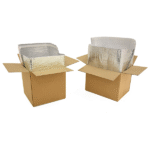
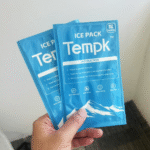
Transporte y embalaje: Al transportar vacunas entre instalaciones, utilice transportistas aislados calificados, Materiales de cambio de fase, paquetes de gel o contenedores activos de temperatura controlada validados para mantener el rango de temperatura requerido. Prepare los transportistas justo antes de cargar, acondicione previamente los paquetes de gel a las temperaturas adecuadas y empaquete las vacunas con monitores de temperatura.
Preparación para emergencias: Desarrollar un plan de emergencia por escrito que describa qué hacer cuando el equipo de almacenamiento falla o la temperatura se sale del rango.. Identificar sitios de almacenamiento alternativos, Generadores de respaldo y refrigeradores portátiles.. Marque cualquier vacuna potencialmente comprometida con etiquetas de "no usar" hasta que se pueda evaluar la viabilidad..
Formación y documentación.: Proporcionar educación continua a todo el personal que manipula vacunas.. Mantener un manual de POE actualizado y capacitar al personal para interpretar los registros de temperatura., manejar las vacunas adecuadamente, documentar el inventario y responder a las alertas. Documentar todas las sesiones de formación., registros de temperatura y acciones correctivas para cumplir con los estándares regulatorios.
Lista de verificación detallada paso a paso
| Paso | Acción | Importancia práctica |
| 1 Plan & asignar roles | Designar un coordinador y respaldo de vacunas. Revisar las pautas y mantener los SOP. | Establece responsabilidad y garantiza que los procedimientos se sigan de manera consistente.. |
| 2 Equipar almacenamiento | Instalar refrigeradores/congeladores de calidad farmacéutica con suficiente capacidad.. | Proporciona temperaturas estables y evita el hacinamiento que puede provocar puntos fríos o calientes.. |
| 3 Monitorear continuamente | Utilice registradores de datos digitales que registren al menos cada 30 minutos; comprobar los registros dos veces al día. | La detección temprana de desviaciones previene el deterioro y garantiza el cumplimiento. |
| 4 Administrar inventario | Registrar los nombres de las vacunas, números de lote, fechas de caducidad y condiciones de almacenamiento; rotar material usando FEFO. | Previene el uso accidental de vacunas caducadas y facilita el seguimiento del retiro. |
| 5 Prepárese para el transporte | Empacar las vacunas en transportadores aislados validados con indicadores de temperatura.; minimizar el tiempo de transporte. | Mantiene el rango de temperatura requerido durante el tránsito y evita la congelación.. |
| 6 Capacitar al personal | Proporcionar capacitación continua sobre los procedimientos de almacenamiento., Dispositivos de monitoreo y respuesta de emergencia.. | Reduce los errores humanos, una de las principales causas de fallos en la cadena de frío. |
| 7 Desarrollar un plan de contingencia | Identificar instalaciones de almacenamiento alternativas, Generadores de respaldo y protocolos para desviaciones de temperatura.. | Garantiza que las vacunas sigan siendo viables durante cortes de energía o fallas en los equipos.. |
Consejos y consejos prácticos
Colocar carteles de “No desenchufar” cerca de unidades de almacenamiento para evitar desconexiones accidentales.
Dejar espacio alrededor de las vacunas para permitir la circulación del aire; Nunca apile cajas pegadas a las paredes del refrigerador..
Calibrar los termómetros anualmente. y verifique la duración de la batería en los dispositivos de monitoreo de temperatura para garantizar la precisión.
Mantenga listos los kits de embalaje de emergencia, incluyendo contenedores aislados, Paquetes de gel e indicadores de temperatura para una evacuación rápida..
Documentar y etiquetar todo; un etiquetado claro acelera la respuesta cuando algo sale mal.
Caso real: Una clínica rural del Sudeste Asiático invirtió en refrigeradores que funcionan con energía solar después de los recurrentes cortes de electricidad.. Las unidades redujeron los costos de energía y proporcionaron almacenamiento en frío continuo incluso durante los apagones.. Las vacunas que antes se estropeaban debido a un corte de energía ahora mantienen temperaturas adecuadas durante todo el año, mejorar la cobertura de vacunación y reducir el desperdicio.
¿Qué tecnologías están transformando la gestión de la cadena de frío de las vacunas en 2025?
Respuesta directa
Tecnologías innovadoras como sensores IoT, cadena de bloques, inteligencia artificial, Los congeladores criogénicos portátiles y los envases sostenibles están revolucionando la gestión de la cadena de frío de las vacunas.. Los sensores habilitados para IoT y los rastreadores GPS brindan monitoreo en tiempo real y alertas instantáneas cuando las temperaturas se desvían. La tecnología Blockchain ofrece registros de datos a prueba de manipulaciones y trazabilidad de extremo a extremo. La optimización de rutas impulsada por IA analiza el tráfico y los datos meteorológicos en tiempo real para acortar los tiempos de tránsito y minimizar las variaciones de temperatura.. Los congeladores criogénicos portátiles mantienen temperaturas ultrabajas para los productos biológicos durante el transporte. Las unidades de almacenamiento en frío alimentadas por energía solar y los embalajes sostenibles reducen los costes energéticos y el impacto medioambiental.
Explicación expandida
Sensores inteligentes y rastreadores GPS habilitados para IoT: Estos dispositivos monitorean continuamente la temperatura., humedad y ubicación. Cuando se detecta una temperatura insegura, envían notificaciones instantáneas por mensaje de texto o correo electrónico, permitiendo una intervención rápida. Los sensores IoT con funcionalidad GPS también proporcionan seguimiento de posición en tiempo real, garantizar que las vacunas lleguen a tiempo y permanezcan dentro del rango de temperatura designado.
Blockchain para una trazabilidad de extremo a extremo: Blockchain crea un libro de contabilidad descentralizado donde cada transacción o evento de envío se registra en un bloque vinculado en orden cronológico.. Este sistema a prueba de manipulaciones protege los datos de las vacunas, incluyendo lecturas de temperatura, marcas de ubicación y hora, facilitando la verificación del cumplimiento y la prevención de vacunas falsificadas. Los registros de datos de blockchain en tiempo real se pueden compartir con las partes interesadas, promoviendo la transparencia y la confianza.
Inteligencia artificial (AI) y análisis predictivo: Los algoritmos de IA optimizan las rutas de transporte analizando los patrones de tráfico, condiciones climáticas y desempeño histórico. El análisis predictivo utiliza datos históricos y en tiempo real para prever variaciones de temperatura y desencadenar respuestas proactivas.. La IA también respalda la previsión de la demanda para garantizar niveles de existencias adecuados sin exceso de existencias ni desperdicio..
Congeladores criogénicos portátiles: Estos dispositivos compactos mantienen temperaturas tan bajas como −80 °C a −150 °C, permitir el transporte seguro de vacunas ultrafrías, terapias biológicas y genéticas. Incluyen sensores y sistemas de alerta para proporcionar seguimiento de la temperatura en tiempo real y notificaciones de cumplimiento., haciéndolos especialmente útiles para ubicaciones remotas.
Soluciones sostenibles y alimentadas por energía solar: Las unidades de almacenamiento en frío alimentadas por energía solar abordan las redes eléctricas poco confiables en las regiones rurales mediante el uso de energía renovable para mantener las condiciones de la cadena de frío.. Innovaciones en envases sostenibles, como contenedores aislados reciclables, Envolturas biodegradables y compresas frías reutilizables: reducen el impacto ambiental y al mismo tiempo protegen los productos sensibles a la temperatura..
Discusión enfocada: sensores de iot
| Aspecto | Detalles | Por que importa |
| Parámetros de seguimiento | Temperatura, humedad, la vibración y la ubicación son monitoreadas continuamente por sensores inteligentes. | Ofrece datos en tiempo real que permiten a los operadores responder rápidamente a problemas potenciales.. |
| Alertas & notificaciones | Los sensores activan alertas por mensaje de texto o correo electrónico cuando las temperaturas salen del rango seguro. | Permite una intervención inmediata para evitar el deterioro y mantener el cumplimiento.. |
| Seguimiento GPS | Los dispositivos proporcionan datos de ubicación en tiempo real para garantizar la entrega oportuna. | Mejora la visibilidad y ayuda a gestionar los desafíos de entrega de última milla. |
| Análisis predictivo | Combinado con IA, Los sensores pueden predecir las próximas variaciones de temperatura y sugerir acciones preventivas.. | Cambia la gestión de la cadena de frío de reactiva a proactiva, reduciendo el riesgo. |
Consejos y consejos prácticos
Invierta en sensores conectados y plataformas de datos: Los dispositivos IoT requieren conectividad celular o de Internet confiable para transmitir datos en tiempo real. Asegúrese de que sus regiones tengan una cobertura adecuada.
Garantizar la integración del sistema: Integrar IoT, sistemas de gestión de almacenes y sistemas de gestión de transporte en un único panel para una visibilidad completa.
Utilice blockchain para proteger los datos: Colaborar con socios de la cadena de suministro para adoptar soluciones blockchain que registren datos de temperatura y eventos de envío., reduciendo el riesgo de manipulación.
Aproveche la IA para la planificación de rutas: Utilice software de logística habilitado para IA que pueda ajustar las rutas dinámicamente en función del tráfico., clima u otros retrasos.
Adoptar tecnologías sostenibles: Los refrigeradores que funcionan con energía solar y los envases reciclables no solo garantizan un almacenamiento en frío confiable sino que también reducen los costos operativos y la huella ambiental..
Ejemplo práctico: Un distribuidor de vacunas implementó una plataforma integrada que combina sensores IoT, Optimización de rutas blockchain e IA. Los sensores monitorearon la temperatura y la ubicación en tiempo real., blockchain registró registros de datos inmutables y la IA sugirió ajustes de ruta cuando se detectaron accidentes de tráfico. Como resultado, la empresa redujo las variaciones de temperatura en 75 % y reducir los tiempos de entrega en 18 % dentro de seis meses.
¿Cuáles son los desafíos y soluciones comunes en la gestión de la cadena de frío de las vacunas??
Respuesta directa
Los desafíos comunes incluyen variaciones de temperatura., visibilidad insuficiente, complejidad regulatoria, embalaje inadecuado, brechas de infraestructura y errores humanos. Para superar estos desafíos, Las organizaciones implementan control de temperatura en tiempo real., sistemas de visibilidad de extremo a extremo, estrategias de cumplimiento sólidas, embalaje térmico avanzado, infraestructura mejorada y capacitación de la fuerza laboral.
Explicación expandida
Excursiones de temperatura: Una desviación de dos horas puede arruinar un envío por valor de cientos de miles de dólares. Monitoreo en tiempo real, Las alertas automatizadas y el análisis predictivo ayudan a detectar desviaciones tempranamente y permiten tomar medidas correctivas..
Visibilidad y trazabilidad limitadas: Muchos operadores todavía dependen de registros manuales o sistemas desconectados, creando puntos ciegos y retrasando la respuesta. Plataformas integradas que combinan la gestión de almacenes (WMS), gestión de transporte (TMS), planificación de recursos empresariales (ERP) y los paneles de IoT brindan visibilidad integral.
Complejidad regulatoria: La logística de la cadena de frío debe cumplir con la FDA, OMS, PIB de la UE y regulaciones locales. Los SOP inconsistentes o la falta de documentación pueden provocar fallas en la auditoría.. Mantener los SOP actualizados, documentar cada paso y realizar auditorías internas periódicas para garantizar el cumplimiento.
Fallos de embalaje: Un aislamiento inadecuado o un embalaje inadecuado pueden provocar un enfriamiento desigual y deterioro.. Utilice contenedores aislados validados, Materiales de cambio de fase y capas de paletas optimizadas para mantener temperaturas constantes.. Embalaje de prueba en los peores escenarios.
Brechas de infraestructura: Instalaciones de almacenamiento en frío envejecidas, Los vehículos refrigerados limitados y las rutas no optimizadas aumentan el riesgo de variaciones de temperatura.. Invertir en unidades de refrigeración modernas, ampliar la capacidad de almacenamiento en frío y optimizar la planificación de rutas abordan estos problemas.
Error humano y lagunas de formación: Leer mal los registros de temperatura, el manejo inadecuado y el incumplimiento de los POE pueden destruir la potencia de la vacuna. Formación continua, Los procedimientos claros y los simulacros regulares reducen los errores y crean una cultura de responsabilidad..
Silos de gestión de datos: Los sistemas fragmentados obstaculizan la intervención proactiva. La integración de fuentes de datos en paneles unificados mejora la toma de decisiones y reduce el riesgo.
Mesa: Desafíos vs.. Soluciones
| Desafío | Por que ocurre | Solución recomendada | Tu beneficio |
| Excursiones de temperatura | Detección retrasada por falta de seguimiento en tiempo real | Utilice sensores de IoT y DDL para activar alertas inmediatas y permitir acciones correctivas rápidas | Minimiza la pérdida de producto y protege la seguridad del paciente. |
| Visibilidad limitada | Sistemas desconectados y registro manual | Integrar WMS, TMS, Datos de ERP e IoT en una sola plataforma | Proporciona trazabilidad en tiempo real, simplifica las auditorías y ayuda a anticipar problemas |
| Complejidad regulatoria | Regulaciones de múltiples niveles en todos los países | Mantener POE completos, documentar todos los procesos y realizar auditorías internas periódicas | Reduce el riesgo de incumplimiento y multas. |
| Fallos de embalaje | Mal aislamiento, embalaje dañado o apilado inadecuado | Utilice embalajes térmicos validados con materiales de cambio de fase y pruebe en los peores escenarios. | Garantiza temperaturas constantes y reduce el deterioro. |
| Brechas de infraestructura | Almacenamiento en frío limitado, Equipos viejos o vehículos refrigerados insuficientes. | Invierta en instalaciones modernas, actualizar flotas y optimizar la planificación de rutas | Mejora la confiabilidad y reduce los retrasos. |
| error humano | Formación insuficiente y procedimientos poco claros. | Proporcionar formación continua., POE y listas de verificación | Minimiza los errores y genera responsabilidad |
| Silos de datos | Sistemas desconectados y procesos manuales | Utilice plataformas de datos y análisis unificados | Permite intervenciones proactivas y una mejor toma de decisiones. |
Consejos y consejos prácticos
Audita tu cadena de frío con frecuencia: Revise periódicamente los registros de temperatura, Rendimiento del embalaje y cumplimiento de SOP para identificar brechas..
Involucrar a las partes interesadas: Involucrar a los fabricantes, Proveedores de logística, trabajadores de la salud y reguladores para garantizar que cada eslabón de la cadena sea consciente de sus responsabilidades..
Elija socios confiables: Colaborar con proveedores de logística que ofrecen servicios especializados en cadena de frío., Embalaje validado y sistemas de seguimiento en tiempo real..
Prepárese para los desafíos de la última milla: Plan para retrasos en el tráfico, condiciones climáticas extremas y otros factores externos mediante el uso de optimización de rutas y protocolos de contingencia.
Invertir en formación: Reconocer que el error humano es responsable de muchos fracasos.; Los programas regulares de capacitación y certificación dan sus frutos..
Ejemplo del mundo real: Una cadena de hospitales regionales experimentó un deterioro frecuente de las vacunas debido al control inconsistente de la temperatura durante el envío nocturno. Después de invertir en sensores IoT integrados con una plataforma central y capacitar al personal para responder a las alertas, redujeron las excursiones de temperatura en 80 % y mejores tasas de entrega a tiempo.
¿Cómo le beneficia una gestión eficaz de la cadena de frío??
Respuesta directa
La gestión adecuada de la cadena de frío de las vacunas protege la salud del paciente, minimiza el desperdicio, garantiza el cumplimiento y fortalece la confianza pública. Manteniendo las vacunas a sus temperaturas recomendadas., evitas administrar dosis ineficaces y reduces los eventos adversos. Las prácticas eficientes de la cadena de frío reducen el costoso desperdicio: actualmente casi la mitad de las vacunas se pierden debido a un control inadecuado de la temperatura.. Mantener una documentación completa y cumplir con los estándares regulatorios evita sanciones financieras y problemas de responsabilidad.. Finalmente, La gestión confiable de la cadena de frío mejora la confianza de la comunidad en los programas de vacunación., Fomentar la adopción y mejorar la salud de la población..
Explicación expandida
Proteger la seguridad y eficacia del paciente: Las vacunas que pierden potencia pueden no generar una respuesta inmune adecuada, dejando a los receptores susceptibles a la enfermedad. Manteniendo temperaturas adecuadas, usted se asegura de que las vacunas produzcan el efecto protector previsto.
Reducir residuos y ahorrar costes: El desperdicio de vacunas debido a las variaciones de temperatura representa una carga financiera significativa. Vacunas tradicionales que requieren 2 El almacenamiento entre °C y 8 °C genera miles de millones de dólares en residuos al año. Las prácticas eficaces de la cadena de frío, incluido el seguimiento y el envasado, preservan las dosis, permitir que más personas sean vacunadas con los suministros existentes.
Garantizar el cumplimiento normativo: Autoridades reguladoras como la FDA, La OMS y la EMA exigen que las vacunas se almacenen y transporten dentro de rangos de temperatura específicos. La documentación adecuada y los procesos validados evitan multas, Cuestiones legales y daños a la reputación.. El cumplimiento también garantiza la elegibilidad para reembolsos de seguros públicos y privados..
Mejorar la confianza pública y la aceptación de la vacunación: Es más probable que las comunidades participen en programas de vacunación cuando confían en la calidad y seguridad de las vacunas.. La gestión constante de la cadena de frío demuestra el compromiso con la calidad y ayuda a disipar los mitos de que las vacunas no son seguras o ineficaces.. En entornos de bajos recursos, Una infraestructura confiable de cadena de frío alienta a los donantes y a los gobiernos a invertir en iniciativas de inmunización..
Apoyar la escalabilidad del programa: Cuando tu cadena de frío es confiable, Puede ampliar las campañas de vacunación rápidamente en respuesta a brotes o a la introducción de nuevas vacunas.. Los sistemas eficaces facilitan la expansión a nuevas regiones, gestionar mayores volúmenes e integrar nuevas vacunas con diferentes requisitos de temperatura.
Consejos y consejos prácticos
Comunicar éxitos: Comparta métricas de desempeño de la cadena de frío, como excursiones de temperatura cero o reducción de desperdicio, con las partes interesadas para generar confianza..
Invertir en redundancia: Energía de respaldo, Los dispositivos de monitoreo de repuesto y los sitios de almacenamiento alternativos garantizan la continuidad..
Aprovechar el análisis de datos: Utilice datos recopilados de temperatura y logística para identificar tendencias, mejorar la eficiencia y demostrar el cumplimiento durante las auditorías.
Educar a los pacientes: Explique por qué es importante el manejo adecuado de las vacunas; Los pacientes aprecian el cuidado que se tiene para proteger su salud..
Ejemplo: Durante un brote de sarampión, un departamento de salud pública dependía de una cadena de frío eficiente para distribuir vacunas rápidamente. El control de la temperatura evitó cualquier deterioro, Permitir la vacunación de miles de niños sin reportar ningún fallo.. Aumentó la confianza de la comunidad en el programa de vacunación, lo que lleva a tasas de cobertura más altas.
Últimos desarrollos y tendencias en la cadena de frío de vacunas en 2025
Descripción general de la tendencia
El año 2025 marca un crecimiento e innovación continuos en la gestión de la cadena de frío de vacunas. Se prevé que el mercado mundial de la cadena de frío farmacéutica crezca de Dólar estadounidense 6.6 mil millones en 2025 a Dólar estadounidense 9.6 mil millones por 2025 y expandirse aún más a través 2035. Los factores impulsores incluyen el aumento de los productos biológicos., el legado del COVID 19, Crecimiento en medicina de precisión., la globalización de los ensayos clínicos y requisitos regulatorios más estrictos. Al mismo tiempo, Las tecnologías sostenibles y la transformación digital están cambiando la forma en que se almacenan y transportan las vacunas..
Último progreso de un vistazo
Monitoreo de IoT en tiempo real: El crecimiento de los sensores y registradores de datos de IoT se está acelerando, Se espera que el segmento de componentes de monitoreo crezca a un ritmo CAGR de 22.5 % a través de 2033. Esto refleja una fuerte demanda de visibilidad en tiempo real y cumplimiento en la logística sensible a la temperatura..
Adopción de cadena de bloques: Las empresas están probando soluciones blockchain para garantizar la trazabilidad de un extremo a otro, proteger los datos y evitar la falsificación. Los organismos reguladores están explorando blockchain para agilizar las auditorías de cumplimiento y la gestión de retiradas.
Logística impulsada por IA: Se integran herramientas de inteligencia artificial en la logística de la cadena de frío para optimizar rutas, predecir variaciones de temperatura y gestionar el inventario.
Almacenamiento con energía solar y sostenibilidad: Las unidades de almacenamiento en frío alimentadas por energía solar están ganando terreno en regiones con electricidad inestable, Reducir los costos operativos y las emisiones de carbono.. Las soluciones de embalaje sostenibles se están generalizando a medida que las empresas buscan reducir los residuos plásticos y la huella de carbono..
Soluciones criogénicas portátiles: El desarrollo de congeladores criogénicos portátiles permite el transporte seguro de terapias celulares y genéticas que requieren temperaturas ultrabajas. Estas unidades incluyen sistemas de alarma y seguimiento en tiempo real..
Directrices actualizadas sobre vacunas: Nuevas directrices en 2025 Continuar perfeccionando los requisitos de almacenamiento.. Por ejemplo, el Pfizer BioNTech COVID 19 (2024–Fórmula 2025) La vacuna debe almacenarse en –90 °C a –60 °C hasta su caducidad y se puede refrigerar a 2 °C–8 °C para arriba a 10 semanas una vez descongelado. La vacuna actualizada de Moderna tiene pautas similares, pero consulte los recursos actuales de los CDC para obtener detalles específicos..
Impacto de la medicina de precisión: La expansión de las terapias celulares y genéticas y la medicina personalizada está impulsando la demanda de almacenamiento criogénico y sistemas sofisticados de cadena de custodia.. Los dispositivos criogénicos portátiles y las tecnologías de etiquetado avanzadas garantizan que cada paciente reciba el producto correcto.
Ideas del mercado
Los analistas de mercado predicen un fuerte crecimiento en los servicios de la cadena de frío debido a la expansión de los productos biológicos y farmacéuticos especializados.. Más que 85 % de biológicos requieren fabricación a temperatura controlada, almacenamiento y distribucion. La pandemia de COVID 19 aceleró la inversión en infraestructura de cadena de frío, y este impulso sigue beneficiando al sector. Las tendencias de subcontratación significan que los desarrolladores de medicamentos se están asociando con proveedores especializados con experiencia en la cadena de frío.. Las agencias reguladoras exigen cada vez más la serialización y la transparencia de la cadena de suministro., motivar aún más la adopción de herramientas digitales y sistemas integrados.
Preguntas frecuentes
Q1: ¿Por qué se mantiene 2 El almacenamiento entre °C y 8 °C es tan importante para las vacunas habituales?
La mayoría de las vacunas tradicionales deben conservarse entre 2 °C y 8 °C; congelarlos destruye permanentemente la potencia, mientras que el sobrecalentamiento acelera la degradación. Mantener este rango garantiza que los destinatarios reciban protección total.
Q2: ¿Qué sucede si una vacuna se expone a temperaturas bajo cero??
Las vacunas que contienen adyuvantes de aluminio pierden potencia permanentemente cuando se congelan, y las vacunas sin adyuvante también pueden verse comprometidas. Cualquier vacuna expuesta a temperaturas inadecuadas debe marcarse como "no usar" hasta que se confirme su viabilidad..
Q3: ¿Qué vacunas requieren almacenamiento ultrafrío??
Se necesitan vacunas de ARNm COVID 19 como las de Pfizer BioNTech –90 °C a –60 °C almacenamiento hasta que se descongela. Algunas terapias celulares y genéticas requieren –150°C almacenamiento usando nitrógeno líquido.
Q4: ¿Con qué frecuencia debo verificar las temperaturas de almacenamiento de las vacunas??
Registre temperaturas continuamente con registradores de datos digitales y revise registros dos veces al día. Si notas una desviación, actuar inmediatamente para corregirlo y documentar el incidente.
Q5: ¿Qué medidas de emergencia deberían implementarse en caso de cortes de energía??
Designar ubicaciones de almacenamiento alternativas, tenga generadores de respaldo listos y tenga refrigeradores portátiles a mano. Si su unidad principal falla y no se puede reparar rápidamente, traslade las vacunas a la unidad de respaldo después de confirmar que está a la temperatura correcta.
Q6: ¿Cómo puede blockchain mejorar la gestión de la cadena de frío de las vacunas??
Blockchain crea un registro inmutable de cada evento de envío, incluyendo datos de temperatura y marcas de tiempo. Esta transparencia ayuda a las partes interesadas a verificar que las vacunas se mantuvieron dentro del rango seguro y evita la manipulación de datos..
P7: ¿Son fiables los refrigeradores que funcionan con energía solar para el almacenamiento de vacunas??
Sí. Las unidades alimentadas por energía solar reducen los costos de energía y brindan almacenamiento en frío confiable en áreas con electricidad inestable. Aún deben validarse para mantener el rango de temperatura requerido y pueden incluir baterías de respaldo para períodos nublados..
P8: ¿Cuál es el futuro de la gestión de la cadena de frío de las vacunas??
El futuro pasa por una mayor integración de IoT, IA y cadena de bloques, Prácticas más sostenibles y soluciones especializadas para terapias avanzadas.. Espere ver una adopción más amplia del análisis predictivo, Tecnologías criogénicas portátiles y envases más ecológicos en los próximos años..
Resumen y recomendaciones
Control de llave
Mantener las vacunas a sus temperaturas recomendadas.: La mayoría de las vacunas requieren 2 °C–8 °C almacenamiento, mientras que las vacunas de ARNm y las terapias celulares necesitan condiciones ultrafrías.
Invierta en equipos y monitoreo adecuados: Las unidades de almacenamiento de grado farmacéutico y los registradores de datos digitales evitan las variaciones de temperatura y garantizan el cumplimiento.
Implementar SOP y capacitación integrales.: Asignar roles, procedimientos de documentos, rotar acciones, planificar emergencias y capacitar al personal periódicamente.
Adoptar tecnologías emergentes: sensores de iot, blockchain y la IA mejoran la visibilidad en tiempo real, trazabilidad y optimización de rutas.
Prepárate para los desafíos: Abordar las excursiones de temperatura., fallas de empaque, brechas de infraestructura y errores humanos a través de estrategias proactivas.
Manténgase informado sobre 2025 tendencias: Monitorear las pautas actualizadas sobre vacunas, Iniciativas de sostenibilidad y crecimiento del mercado., como unidades alimentadas por energía solar y envases reciclables.
Próximos pasos viables
Evalúe su cadena de frío actual: Equipo de auditoría, prácticas de seguimiento y programas de formación. Identifique brechas y priorice las actualizaciones.
Actualizar almacenamiento y monitoreo: Invierta en refrigeración certificada, registradores de datos continuos y plataformas integradas. Reemplace los equipos antiguos y calibre los sensores con regularidad.
Implementar SOP y capacitación.: Crear o actualizar SOP que cubran el almacenamiento, manejo, transporte y preparación para emergencias. Capacitar al personal anualmente y realizar simulacros..
Adoptar tecnologías digitales: Explora los sensores de IoT, Soluciones blockchain y software de logística habilitado con IA para aumentar la visibilidad y la capacidad predictiva.
Plan para emergencias: Establecer fuentes de energía de respaldo, Sitios de almacenamiento alternativos y protocolos de contingencia ante cortes de energía., desastres naturales o fallas de equipos.
Monitorear las actualizaciones regulatorias: Manténgase actualizado sobre los CDC, Directrices de la OMS y del fabricante, especialmente para nuevas formulaciones de vacunas como las vacunas COVID 19 actualizadas.
Involucrar a socios y partes interesadas: Trabajar con fabricantes, Proveedores de logística y autoridades de salud pública para garantizar que cada eslabón de la cadena de frío mantenga los estándares requeridos..
Acerca de Tempk
Tempk se especializa en Soluciones de cadena fría Diseñado para proteger productos sensibles a la temperatura como vacunas., biológicos y alimentos. Nuestro portafolio de productos incluye contenedores isotérmicos, Materiales de cambio de fase y refrigeradores que funcionan con energía solar.. Nosotros centrarse en la innovación: integrar sensores de IoT, registradores de datos y seguimiento en tiempo real en nuestras soluciones de embalaje, para ofrecer confiabilidad, Rendimiento de la cadena de frío energéticamente eficiente.. Con certificaciones como NSF/ANSI 456 y un compromiso con la sostenibilidad, Proporcionamos equipos de calidad que ayudan a los clientes a cumplir con estrictos requisitos reglamentarios y reducir el desperdicio.. Nuestro equipo experimentado ofrece servicios de consulta para diseñar sistemas de cadena de frío personalizados para clínicas., laboratorios y proveedores de logística.
Siguientes pasos: Póngase en contacto con los especialistas de Tempk para analizar sus necesidades de almacenamiento de vacunas., Evalúe sus sistemas actuales o explore nuestra gama de productos certificados para la cadena de frío.. Estamos aquí para ayudarle a salvaguardar la eficacia de las vacunas y apoyar iniciativas de salud pública..