Keeping vaccines effective requires more than just a refrigerator — it demands a carefully managed cadena de frío. Soluciones para la cadena de frío de vacunas Asegúrese de que cada vial se mantenga dentro del rango de temperatura recomendado. (generalmente 2 °C–8 °C para vacunas de rutina) y evitar los millones de dólares en desperdicio que se reportan anualmente. Actualizado para 2025, this guide explains the science and systems behind modern cadena de fríos, destaca tecnologías emergentes como blockchain y congeladores criogénicos portátiles, y ofrece pasos prácticos para tú puede salvaguardar la potencia, reducir los residuos y cumplir con los estándares globales.
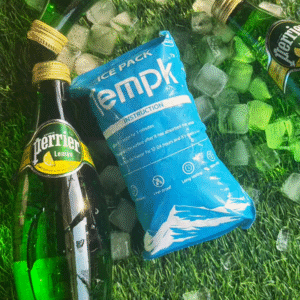
What is the vaccine cadena de frío and why does it matter? Understanding the cadena de frío’s scope and the losses linked to temperature excursions.
¿Qué equipos de almacenamiento y dispositivos de monitoreo son esenciales?? Rangos de temperatura clave, tipos de equipos y por qué los registradores de datos digitales son críticos.
¿Cómo se manejan las emergencias y las variaciones de temperatura?? Pasos prácticos para mantener la potencia de la vacuna durante cortes de energía o transporte.
What innovations are shaping cadena de frío management in 2025? Descripción general de la cadena de bloques, sensores de iot, Optimización de rutas impulsada por IA, Almacenamiento en frío solar y congeladores criogénicos portátiles..
Qué influyen las tendencias y la evolución del mercado 2025 logística de cadena de frío? Información sobre la automatización, sostenibilidad, Visibilidad de extremo a extremo y crecimiento del mercado..
What Are Vaccine cadena de frío Solutions and Why Do They Matter?
Defining the cadena de frío and its significance
A vaccine cadena de frío is a temperaturecontrolled supply chain that extends from the manufacturer’s storage unit to the patient’s arm. Incluye refrigeradores, congeladores, contenedores de transporte y procedimientos que mantienen la potencia. Los CDC enfatizan que los fabricantes, distribuidores, public health officials and providers all share responsibility for preserving this cadena de frío. En África, arriba a 30 % de vacunas se pierden anualmente porque los rangos de temperatura no se mantienen, y las pérdidas globales pueden alcanzar 50 %. Estos fracasos se traducen en brotes de enfermedades prevenibles., Costos de revacunación y pérdida de confianza pública..
Maintaining the cadena de frío is essential because vaccines are biological products; La exposición a temperaturas fuera de sus rangos especificados causa degradación irreversible. Por ejemplo, vacunas de rutina como la influenza y el sarampión, las paperas y la rubéola (MMR) debe permanecer refrigerado y nunca debe congelarse. Las vacunas vivas como la varicela o ciertas vacunas COVID19 requieren condiciones ultrafrías. A damaged cadena de frío is not just a technical issue; significa niños y comunidades desprotegidos.
Una perspectiva centrada en el usuario
Imagine que dirige una clínica que atiende a comunidades remotas.. Si la puerta del frigorífico se deja entreabierta durante la noche, la temperatura mínima puede descender hasta 34 °F (1.1 °C) y máximo a 39 °F (3.9 °C). El personal que detecta una alarma puede actuar rápidamente para trasladar los viales a una unidad de respaldo., previniendo el desperdicio. Sin sensores y protocolos claros, el mismo evento podría requerir descartar vacunas por valor de miles de dólares o revacunar a docenas de pacientes. Cada título importa.
Mantener la potencia: rangos de temperatura y equipos
Pharmaceuticalgrade refrigerators and freezers are the backbone of the cadena de frío. Los CDC y las directrices de la industria describen tres categorías principales de almacenamiento.:
| Tipo de equipo | Rango de temperatura | Implicaciones prácticas | Beneficio para ti |
| Refrigerador (grado farmacéutico) | 2 °C-8 °C (36 °F–46 °F) | Se utiliza para la mayoría de las vacunas de rutina., p.ej., influenza, DTaP, VPH y triple vírica; una unidad independiente evita la congelación accidental. | Garantiza temperaturas estables y reduce el riesgo de congelación de vacunas sensibles.. |
| Congelador (grado medico) | –50 °C a –15 °C (–58 °F a 5 °F) | Requerido para la varicela y algunas vacunas COVID19; unidades separadas evitan la contaminación cruzada. | Permite el almacenamiento seguro de vacunas congeladas y simplifica el seguimiento. |
| Congelador ultrafrío | –90 °C a –60 °C (–130 °F a –76 °F) | Necesario para determinadas vacunas de ARNm y de células; utiliza registradores de datos especializados. | Apoya terapias avanzadas y medicina personalizada.. |
Para instalaciones sin unidades de grado farmacéutico, Se pueden utilizar refrigeradores domésticos independientes., pero las unidades combinadas estilo dormitorio son no recomendado debido a los puntos fríos y al riesgo de congelación. Trate de mantener los electrodomésticos en el punto medio de su alcance. (alrededor 5 °C para refrigeradores) para minimizar las fluctuaciones.
Consejos prácticos para almacenar vacunas
Utilice refrigeradores y congeladores especialmente diseñados. Las unidades de calidad farmacéutica ofrecen mejor uniformidad de temperatura y alarmas.
Evite el hacinamiento y el almacenamiento en la puerta.. Coloque los viales en el estante del medio con espacio para la circulación del aire.; nunca los guarde en las puertas del refrigerador donde las temperaturas fluctúan.
Temperaturas récord dos veces al día. Monitoree y registre temperaturas mínimas y máximas utilizando registradores de datos digitales calibrados (DDL).
Organizar por tipo y fecha de vencimiento. Mantenga las vacunas en sus cajas originales para protegerlas de la luz y realice un seguimiento de las fechas de uso.
Desarrollar y capacitar al personal sobre procedimientos operativos estándar. (Sops). Los POE deben cubrir el almacenamiento de rutina., acciones de emergencia y listas de contactos.
Caso del mundo real: Una farmacia comunitaria notó una alarma de registro de datos digital en 6 SOY. El personal documentó las temperaturas y encontró la puerta del frigorífico entreabierta.. La acción inmediata permitió que las vacunas se mantuvieran dentro de los límites seguros y no se desperdiciaran dosis..
How to Monitor and Manage the Vaccine cadena de frío?
Monitoreo continuo y registradores de datos.
Temperature monitoring is the heart of cadena de frío management. Registradores de datos digitales (DDL) Son dispositivos calibrados que registran la temperatura a intervalos regulares y alertan al personal cuando las lecturas caen fuera del rango seguro.. Son más precisos que los termómetros y proporcionan un historial de temperatura descargable para auditorías.. Al seleccionar DDL, considere las siguientes características:
| característica DDL | Por que importa | Beneficio para sus instalaciones |
| Sonda de temperatura tamponada | Protege el sensor de cambios repentinos de aire cuando se abren las puertas.. | Mide la temperatura real de la vacuna en lugar de solo la temperatura del aire. |
| alarma fuera de rango | Notificación inmediata de excursiones.. | Permite una respuesta rápida para evitar pérdidas.. |
| Intervalo de registro programable (≤ 30 minutos) | Determina la frecuencia con la que se registran las temperaturas.. | Equilibra el detalle de los datos con las necesidades de almacenamiento. |
| Certificado de calibración (incertidumbre ± 0.5 °C) | Verifica que el dispositivo cumpla con los estándares nacionales. | Esencial para auditorías y control de calidad.. |
| Datos descargables y conectividad en la nube | Permite acceso remoto y análisis de tendencias.. | Admite mantenimiento predictivo y cumplimiento normativo. |
Consejos de implementación
Instale un DDL en cada unidad de almacenamiento—incluidos los contenedores de transporte. Utilice sondas tamponadas con glicol o perlas de vidrio para medir con precisión las temperaturas de las vacunas..
Descargue y revise los datos al menos cada dos semanas. y documentar cualquier excursión.
Mantener DDL de respaldo y reemplace las baterías o recalibre los dispositivos de acuerdo con las pautas del fabricante.
Capacitar al personal para responder a las alarmas. y realizar simulacros de práctica. Las responsabilidades claras reducen el error humano.
Manejo de excursiones de temperatura y emergencias.
Incluso con buen equipo, Los cortes de energía o los errores humanos pueden provocar variaciones de temperatura.. El kit de herramientas de los CDC recomienda mantener energía de respaldo durante al menos 72 horas. Prepara tu clínica con los siguientes pasos:
Identificar una instalación de almacenamiento alternativa que mantiene rangos de temperatura adecuados.
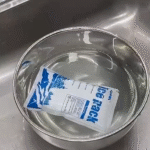
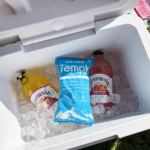
Envasar y transportar vacunas utilizando equipos acondicionados. paquetes fríos o materiales de cambio de fase; Mantenga separados los productos refrigerados y congelados..
Mantener una lista de contactos de gestión de edificios, seguridad, y departamentos de salud locales.
Etiquete claramente las vacunas como "NO usar" hasta que se confirme su viabilidad después de una excursión.
Realizar simulacros para que el personal sepa cómo actuar rápidamente cuando suenan las alarmas.
Escenario práctico: Durante un 2024 Falla en el congelador en el norte del estado de Nueva York, El personal de la clínica siguió su plan de emergencia.. Trasladaron vacunas a una unidad de respaldo y evitaron perder más $20,000 en inventario.
¿Cuáles son los desafíos comunes y cómo superarlos??
Variabilidad de equipos e infraestructura.
Muchas clínicas todavía utilizan unidades de refrigerador/congelador domésticas o combinadas que causan temperaturas inconsistentes y episodios de congelación.. para superar esto:
Actualizar a independiente, unidades de grado médico y planificar presupuestos de capital para reemplazos.
Realizar mantenimiento de rutina. como limpieza de serpentines y revisión de termostatos.
Especificaciones de la unidad de documentos y rendimiento para verificar la estabilidad.
Error humano y flujo de trabajo
El personal puede dejar las puertas abiertas sin darse cuenta o extraviar las vacunas, y el hacinamiento restringe el flujo de aire. Las soluciones incluyen:
Procedimientos operativos estándar (Sops) que asignan responsabilidades para los controles de temperatura, rotación de inventario y acciones de emergencia.
Utilice señales visuales y etiquetas. para organizar el almacenamiento y evitar errores.
Formación periódica y rendición de cuentas. para garantizar la coherencia.
Excursiones de temperatura durante el transporte.
El transporte aumenta el riesgo de fluctuaciones de temperatura. Para mitigar esto:
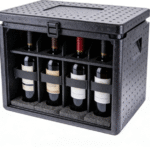
Usar contenedores aislados con condicionado bolsas de hielo o materiales de cambio de fase.
Coloque DDL en cada contenedor de transporte para monitorear las temperaturas continuamente.
Capacitar al personal sobre los procedimientos de embalaje.; Separe las vacunas refrigeradas y congeladas y registre los horarios de apertura de los contenedores..
Innovations Shaping Vaccine cadena de frío Solutions in 2025
Los rápidos avances tecnológicos están transformando la gestión de la cadena de frío. A continuación se muestran las innovaciones clave que están remodelando 2025 y más allá.
Herramientas útiles para tomar decisiones
Comprueba los detalles antes de elegir el embalaje.
Estas herramientas rápidas pueden ayudarle a comparar el riesgo de la ruta, necesidades de dimensionamiento, opciones de refrigerante, y detalles del embalaje antes de solicitar una cotización.
Revestimiento de caja & Dimensionamiento de la cubierta de paleta
Lógica de tamaño de revestimiento de cajas y cubiertas de paletas para proyectos de embalaje aislado.
Estimar el tamañoGenerador de listas de verificación de cumplimiento
Cree una lista de verificación práctica para la revisión del embalaje, envío, y documentación.
Crear lista de verificaciónReferencia del material aislante
Compare opciones de materiales aislantes para diferentes necesidades de embalaje de la cadena de frío.
Comparar materialesBlockchain para trazabilidad de extremo a extremo
Blockchain crea una a prueba de manipulaciones, registro cronológico de cada transacción en la cadena de suministro. En logística de vacunas, blockchain permite a todas las partes interesadas, desde fabricantes hasta clínicas, compartir datos en tiempo real sobre la temperatura, humedad y tiempos de tránsito. Esta transparencia reduce el riesgo de productos falsificados y agiliza las auditorías.. Para ti, La adopción de blockchain significa alertas instantáneas sobre excursiones y un registro inmutable de cumplimiento..
Unidades de almacenamiento en frío alimentadas por energía solar
En regiones con electricidad poco confiable, Las unidades alimentadas por energía solar proporcionan almacenamiento confiable. y menores costos de energía. Los EE. UU.. La Administración de Información Energética informó que los usuarios comerciales pagaron 13.10 centavos por kilovatio hora en 2024, mientras que el almacenamiento en frío solar podría reducir los costos entre 3,2 y 15,5 centavos. Las cámaras frigoríficas solares apoyan la atención sanitaria rural y reducen la huella de carbono. En el simposio africano sobre la cadena de frío de vacunas, Los participantes enfatizaron la ampliación de soluciones solares en los centros de salud rurales para prevenir la pérdida de vacunas..
Sensores inteligentes habilitados para IoT
Internet de las cosas (IoT) sensores conectan refrigeradores, congeladores y contenedores de transporte a la nube. Estos dispositivos recopilan datos en tiempo real sobre temperatura y ubicación y envían alertas cuando las condiciones se salen de los parámetros seguros.. También ofrecen seguimiento por GPS para desviar envíos o responder a retrasos.. Los sensores activos pueden reducir significativamente la pérdida de producto y mejorar la eficiencia operativa.
Inteligencia artificial para optimización de rutas y análisis predictivo
Inteligencia artificial (AI) utiliza datos en tiempo real y tendencias históricas para optimizar las rutas de entrega y predecir el mantenimiento de los equipos. La optimización de rutas impulsada por IA aprovecha los datos meteorológicos y de tráfico para acortar el tiempo de tránsito y evitar la degradación de la calidad.. Los análisis predictivos ayudan a identificar las próximas variaciones de temperatura y permiten una intervención proactiva. En el futuro, Los sistemas de inteligencia artificial pueden incluso analizar eventos geopolíticos y entregar medicamentos a través de vehículos autónomos y drones..
Congeladores criogénicos portátiles
Las innovaciones en tecnología criogénica han producido Congeladores portátiles capaces de mantener temperaturas tan bajas como –80 °C a –150 °C. Estas unidades son vitales para los productos biológicos., terapias celulares y vacunas de ARNm. Los congeladores portátiles suelen incluir seguimiento de la temperatura en tiempo real y notificaciones de alarma., permitir el transporte seguro a zonas remotas con infraestructura limitada. Esta tecnología respalda la medicina personalizada y las terapias genéticas y garantiza que los productos ultrafríos sigan siendo potentes durante la distribución..
Soluciones de embalaje sostenibles
Las empresas están adoptando contenedores aislados reciclables, envolturas térmicas biodegradables y compresas frías reutilizables. Embalaje sostenible Protege los productos sensibles a la temperatura al tiempo que reduce los residuos y las emisiones de carbono.. In broader cadena de frío logistics, La industria del embalaje está cambiando hacia envases reutilizables y diseños más ligeros., con la ayuda de IoT para permitir el seguimiento en tiempo real y la logística de devolución. Estas innovaciones se alinean con la responsabilidad social corporativa y las próximas regulaciones..
Innovaciones adicionales: drones y la integración de One Health
Al 2025 Simposio sobre la cadena de frío de vacunas, Los expertos destacaron innovaciones que incluyen la entrega con drones para acortar los tiempos de transporte., Refrigeración con energía solar para mayor resiliencia durante cortes de energía., Diagnóstico asistido por IA y seguimiento digital en tiempo real. El simposio subrayó que integración de sistemas de vacunación humana y veterinaria bajo el enfoque de Una Salud es esencial para la resiliencia climática. Invertir en formación para ingenieros y trabajadores de primera línea garantiza que estas tecnologías se implementen de forma efectiva.
Comparación de innovaciones de un vistazo
| Innovación | Característica clave | Evidencia | Beneficio práctico |
| cadena de bloques | La cadena inmutable registra la temperatura, datos de humedad y tránsito | Reduce el riesgo de falsificación; proporciona trazabilidad en tiempo real | Mejora el cumplimiento y la confianza; soporta auditorías |
| Almacenamiento con energía solar | Uses renewable energy to maintain cadena de frío | Reduce los costos de energía de 13.10 hasta tan bajo como 3.2 centavos por kWh | Permite una refrigeración confiable en áreas remotas; reduce la huella de carbono |
| sensores de iot | Recopile datos de temperatura y GPS en tiempo real | Alerta a los usuarios sobre desviaciones.; ofrece seguimiento de ruta | Previene la pérdida de producto; mejora la eficiencia |
| Análisis de IA | Utiliza datos para optimizar rutas y predecir fallas. | Analiza el tráfico y el clima para reducir el tiempo de tránsito | Previene las variaciones de temperatura.; ahorra tiempo y dinero |
| Congeladores criogénicos portátiles | Mantenga –80 °C a –150 °C con seguimiento incorporado | Protege los productos biológicos y las terapias genéticas durante el transporte. | Permite distribución de vacunas ultrafrías en regiones remotas |
| Embalaje sostenible | Materiales reciclables y reutilizables. | Reduce el desperdicio; alineado con los objetivos ESG | Apoya la responsabilidad ambiental; reduce costos |
Consejos prácticos para adoptar innovaciones
Evaluar las necesidades de infraestructura antes de invertir. Las unidades solares tienen sentido para clínicas aisladas; blockchain puede requerir un sólido soporte de TI.
Empezar poco a poco—Sensores de IoT piloto en envíos de alto valor, luego amplíe a medida que vea los beneficios.
Entrena a tu equipo sobre nuevas tecnologías; invertir en alfabetización digital y habilidades para resolver problemas.
Integrar datos entre sistemas para crear visibilidad de extremo a extremo, vincular sensores de IoT con su software de gestión de inventario.
2025 cadena de frío Developments and Market Trends
Descripción general de la tendencia
La industria de la cadena de frío está evolucionando rápidamente, impulsado por la innovación tecnológica, Mandatos de sostenibilidad y crecimiento del mercado.. Llave 2025 las tendencias incluyen:
Automatización y robótica.. Sólo sobre 20 % de almacenes actualmente usa la automatización, dejando una ventaja significativa para los sistemas automatizados de almacenamiento y recuperación y los manipuladores robóticos.
La sostenibilidad como valor fundamental. La cadena mundial de frío alimentario contribuye aproximadamente 2 % de las emisiones globales de CO₂; Las empresas están invirtiendo en refrigeración energéticamente eficiente., energías renovables y envases ecológicos.
Visibilidad de extremo a extremo con seguimiento en tiempo real. Hardware contabilizado 76.4 % del mercado de seguimiento de la cadena de frío en 2022, lo que refleja una fuerte adopción de dispositivos IoT y GPS.
Modernización de infraestructura. Envejecimiento instalaciones de almacenamiento en frío se están actualizando con mejores sistemas de aislamiento y energía renovable.
IA y análisis predictivo. La IA ayuda a optimizar las rutas, pronosticar la demanda y predecir el mantenimiento del equipo.
Crecimiento en cadena de frío farmacéutica. Aproximadamente 20 % de nuevas drogas Son terapias genéticas o celulares que requieren un estricto control de la temperatura.. The global pharmaceutical cadena de frío market is projected to reach 1,454 billones de dólares por 2029, creciendo en un 4.71 % Tocón.
Expansión del mercado. El mercado mundial de logística de cadena de frío se valoró en Dólar estadounidense 293.58 mil millones en 2023 y se prevé que crezca hasta Dólar estadounidense 862.33 mil millones por 2032 (13 % Tocón).
Últimos avances destacados
Adopción de automatización: con solo 20 % de almacenes mediante automatización, La robótica experimentará un rápido crecimiento..
Energía renovable: El almacenamiento con energía solar reduce los costos operativos de 13.10 centavos por kilovatio-hora hasta tan solo 3.2 centavos.
Penetración del seguimiento en tiempo real: Hardware contabilizado 76.4 % del mercado de seguimiento en 2022.
Proyecciones de crecimiento: The pharmaceutical cadena de frío market is expected to exceed US$1.4 trillion by 2029 y el mercado logístico general puede superar el dólar 862 mil millones por 2032.
Ideas del mercado
Geopolitical factors and climate change can disrupt cadena de frío logistics. Emerging products such as plantbased proteins and gene therapies create new demands for specialised cadena de frío capabilities. Las regulaciones están eliminando gradualmente los refrigerantes dañinos y fomentando el diseño sustentable. Asociaciones logísticas integradas y estandarización de datos (se espera que alcance 74 % de datos logísticos por 2025) ayudar a las pequeñas empresas a ingresar a los mercados globales.
Perspectivas de futuro: entrega autónoma y embalaje sostenible
Mirando hacia el futuro, Los envases inteligentes serán reciclables, reutilizable e integrado con sensores IoT para monitoreo en tiempo real. La IA permitirá la planificación predictiva de rutas y la gestión de interrupciones mediante el análisis del clima, Tráfico y eventos geopolíticos.. Los vehículos autónomos y los drones podrían entregar vacunas directamente a las clínicas rurales en la próxima década, while sustainable refrigeration technologies and renewable energy will reduce the cadena de frío’s carbon footprint. Estas innovaciones requerirán profesionales capacitados con experiencia digital, destacando la importancia de la formación continua.
Preguntas frecuentes
¿A qué temperatura se deben almacenar las vacunas?? La mayoría de las vacunas de rutina deben almacenarse en un refrigerador de calidad farmacéutica entre 2 °C y 8 °C. Las vacunas contra la varicela y algunas vacunas contra el COVID19 requieren congeladores en –50 °C a –15 °C. Los congeladores ultrafríos mantienen –90 °C a –60 °C para ciertos productos de ARNm. Utilice registradores de datos digitales para confirmar las temperaturas.
¿Por qué no puedo almacenar las vacunas en los refrigeradores domésticos?? Las unidades de estilo dormitorio tienen puntos fríos y corren el riesgo de congelar las vacunas.. Las pautas de los CDC recomiendan unidades de calidad farmacéutica o refrigeradores domésticos independientes. (unidades no combinadas).
¿Cómo mejoran los sensores de IoT el almacenamiento de vacunas?? Los sensores de IoT recopilan datos de temperatura y ubicación en tiempo real y envían alertas cuando las condiciones se desvían. Permiten el seguimiento por GPS y solicitan medidas correctivas., Reducir la pérdida de producto y mejorar la eficiencia..
¿Qué debo hacer durante un corte de energía?? Preparar un plan de emergencia: Mantenga los generadores o la energía de la batería de respaldo durante al menos 72 horas, identificar instalaciones de almacenamiento alternativas, empacar las vacunas usando compresas frías acondicionadas y mantener una lista de contactos para el personal clave.
Why is cadena de frío important for remote areas? En regiones rurales, arriba a 30 % de vacunas se pierden debido a fallas de temperatura. Almacenamiento en frío con energía solar, Los sensores de IoT y la entrega con drones reducen las pérdidas y garantizan una inmunización oportuna.
¿Cómo mejora blockchain la transparencia?? Blockchain crea un registro a prueba de manipulaciones de cada transacción y comparte datos en tiempo real entre las partes interesadas. Te avisa de excursiones al instante y simplifica las auditorías.
Resumen y recomendaciones
Control de llave
The cadena de frío is critical—falta de mantenimiento 2 °C–8 °C para vacunas de rutina o condiciones ultrafrías para productos de ARNm provocan una degradación irreversible y un desperdicio significativo.
Utilice equipos especialmente diseñados como refrigeradores de calidad farmacéutica, congeladores y ultracongeladores; Evite los dormitorios y el hacinamiento..
Registradores de datos digitales proporcionar historiales de temperatura precisos, alarmas y acceso remoto a datos; instalar un DDL en cada unidad de almacenamiento y contenedor de transporte.
Prepárese para emergencias desarrollando POE, planes de respaldo de energía y transporte.
Adoptar tecnologías emergentes como cadena de bloques, sensores de iot, Optimización de rutas de IA, Almacenamiento solar y congeladores criogénicos portátiles para mejorar la trazabilidad., eficiencia y resiliencia.
Manténgase informado sobre las tendencias-automatización, sostenibilidad, realtime tracking and market growth will shape the cadena de frío through 2025 y más allá.
Próximos pasos viables
Assess your current cadena de frío systems. Conduct an audit of equipment, dispositivos de monitoreo y SOP.
Upgrade equipment as needed. Replace dormitory units with standalone pharmaceuticalgrade refrigerators or freezers. Plan budgets for ultracold units if you store mRNA products.
Implement DDLs and IoT sensors. Install digital data loggers on all storage and transport units and explore IoT solutions for realtime tracking.
Entrena a tu equipo. Regularly update staff on SOPs, emergency procedures and new technologies.
Explorar innovaciones. Pilot blockchain solutions for traceability, adopt solarpowered storage in areas with unreliable electricity and consider portable cryogenic freezers for ultracold products.
Monitorear las tendencias de la industria. Manténgase actualizado sobre las regulaciones, Iniciativas de sostenibilidad y crecimiento del mercado.. Engage with professional networks to share best practices.
Acerca de Tempk
Tempk es un cadena de frío technology company Especializado en soluciones de monitoreo y embalaje con temperatura controlada.. Nosotros diseño y fabricación cajas aisladas, bolsas de hielo, cajas de hielo médica and other cadena de frío products that ensure vaccine potency and safety. Nuestro centro de investigación y desarrollo desarrolla envases ecológicos con materiales reutilizables y reciclables, Ayudar a nuestros socios a reducir los residuos y las emisiones de carbono.. Centrándonos en la calidad y la innovación., Tempk provides flexible cadena de frío solutions for pharmaceuticals, entrega de alimentos y logística de ciencias biológicas.
Llamado a la acción
Are you ready to strengthen your vaccine cadena de frío? Los expertos de Tempk pueden ayudarle seleccione el equipo adecuado, diseñar envases sostenibles e integrar soluciones de monitoreo avanzadas. Contact us today to discuss how we can support your cadena de frío strategy and protect every dose.