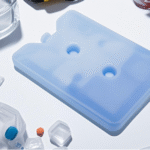
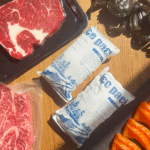
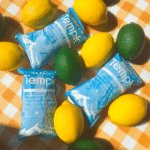
Mantener la cadena de frío es fundamental a la hora de transportar vacunas. A OEM de la caja de hielo de la vacuna proporciona personalizado contenedores aislados que mantienen las vacunas entre +2 °C y +8 °C durante el transporte. Elegir el fabricante adecuado garantiza que su cadena de suministro pueda gestionar campañas de vacunación remotas, resistir temperaturas ambiente extremas y preservar la potencia de la vacuna hasta el último kilómetro. Esta guía explica las características esenciales., consideraciones de diseño y tendencias del mercado para que tú puede tomar decisiones informadas sobre los socios OEM de cajas de hielo para vacunas.
Esta guía cubrirá
¿Qué es una caja de hielo para vacunas OEM?? – Comprender el papel de los fabricantes y cómo cajas aisladas trabajar.
Características y materiales clave – Más información sobre los tipos de aislamiento, Barreras y accesorios de prevención de congelación..
Estándares de rendimiento y vida en frío – Comparar cajas de corto alcance y de largo alcance y requisitos de tiempo de espera.
Cómo seleccionar un socio OEM – Preguntas para hacer sobre la certificación, métodos de personalización y fabricación.
El último 2026 tendencias – Explore innovaciones como paneles de aislamiento al vacío, materiales de cambio de fase y monitoreo de IoT.
Preguntas frecuentes y consejos prácticos – Responder preguntas comunes sobre el almacenamiento, manipulación y cumplimiento normativo.
¿Qué es una caja de hielo para vacunas OEM y por qué la necesita??
Una hielera para vacunas—también llamado portador de vacunas o caja fría—es un recipiente aislado revestido con paquetes de refrigerante para mantener frías las vacunas y los diluyentes durante el transporte. Los transportadores de vacunas son más pequeños y más fáciles de transportar que las cajas frías y suelen ser utilizados por trabajadores sanitarios que viajan a pie o en bicicleta.. Las cajas frías tienen capacidad para volúmenes mayores (5–25 litros) y se utilizan para transferencias masivas entre centros de almacenamiento..
Una caja de hielo para vacunas OEM (“Fabricante de equipos originales”) diseña y produce estos contenedores isotérmicos en nombre de marcas o distribuidores. Los socios OEM le permiten personalizar la capacidad, materiales, Marca y características opcionales sin construir tu propia fábrica.. Elegir un OEM competente garantiza que su equipo cumpla Desempeño de la OMS, Calidad y Seguridad (PQS) estándares, que requieren tiempos de espera de 15 a 30 horas para los transportadores de vacunas y de 48 a 96 horas para las cajas frías en +43 °C temperatura ambiente.
Cómo funciona una hielera para vacunas
Enfriamiento pasivo: Los portadores de vacunas utilizan hielo o paquetes de refrigerante colocados en la caja para absorber el calor.. Porque son dispositivos pasivos, no hay consumo de energía.
Estructura aislada: Carcasas de polímero rígido (p.ej., polipropileno o polietileno de alta densidad) rodear una capa de poliuretano (PU) Paneles de aislamiento de espuma o vacío para minimizar la conductividad térmica..
Sellado hermético: Las tapas con bisagras con juntas y pestillos de compresión producen un sello hermético para bloquear la transferencia de calor por convección..
Barrera y bastidores: Una partición o barrera separa los viales de vacuna de bolsas de hielo, evitando el contacto directo y evitando la congelación accidental.
Paquetes de refrigerante: Las bolsas de hielo se acondicionan a una temperatura de 2 a 8 °C para las vacunas sensibles a la congelación.. Los portadores de prevención de congelación pueden usar paquetes congelados sin acondicionamiento porque la barrera evita que la vacuna toque el hielo..
Estos elementos de diseño garantizan que las vacunas permanezcan dentro del rango seguro de 2 a 8 °C desde la carga hasta la entrega..
Portavacunas versus cajas frías: ¿cuál debería elegir??
| Parámetro | Portador de vacunas | caja fria | Lo que esto significa para ti |
| Capacidad de almacenamiento | 0.8 - 3.4 l | 5 - 25 l | Los transportistas se adaptan a pequeñas sesiones de divulgación; Las cajas frías manejan envíos a granel.. |
| vida fría en +43 °C | Corto alcance: ≥ 15 h; Largo alcance: ≥ 30 h | Corto alcance: ≥ 48 h; Largo alcance: ≥ 96 h | Una vida fría más larga reduce la necesidad de recongelación durante viajes de varios días. |
| Peso | Típicamente < 8 kg completamente cargado (para facilitar su transporte) | Puede pesar hasta 50 kg cuando está completamente cargado (requiere transporte de vehículos) | Elija según el modo de transporte (a pie vs vehículo). |
| Usuarios típicos | Trabajadores de salud individuales, clínicas de extensión | Tiendas regionales de vacunas, equipos móviles de vacunación | Seleccione el equipo según la ruta y el volumen.. |
El OEM adecuado debe ofrecer ambos tipos y ayudarle a elegir según la longitud de la ruta., temperatura ambiente y carga útil.
Materiales y características de diseño que importan
Materiales aislantes
Poliuretano (PU) espuma: Los transportistas tradicionales utilizan espuma de PU como aislamiento porque es liviana y tiene baja conductividad térmica.. Los cuerpos moldeados rotacionalmente con espuma libre de CFC y HFC son resistentes a la corrosión y están diseñados para funcionar en temperaturas ambiente altas. (+5 °C a +43 °C). La espuma de PU es respetuosa con el medio ambiente cuando se fabrica sin productos químicos que agotan la capa de ozono..
Paneles de aislamiento de vacío (personaje): Las cajas OEM premium incorporan paneles de vacío que reducen significativamente la transferencia de calor.. Un transportador de alto rendimiento con VIP y material de cambio de fase puede contener vacunas dentro del rango de 2 a 8 °C durante hasta 72 horas. Los transportadores VIP son más livianos pero logran una vida útil más larga en frío, pero pueden costar más.
Polipropileno expandido (PPE) y polietileno de alta densidad (HDPE): Carcasas resistentes a impactos, como armadura EPP, Protege el aislamiento y resiste caídas desde un metro.. Las carcasas de PP o HDPE de calidad alimentaria no son tóxicas, Resistente a los rayos UV y fácil de limpiar.
Sistemas de barrera y prevención de heladas
Transportistas estándar Requieren acondicionamiento de bolsas de hielo para evitar la congelación de vacunas sensibles.. Portadores preventivos de congelación incluir una barrera aislada que separa el compartimento de la vacuna de las bolsas de hielo. Este diseño permite colocar paquetes congelados directamente en el transportador sin acondicionamiento., simplificando la preparación y ahorrando tiempo. Los modelos preventivos contra la congelación tienen mayor peso y volumen, pero eliminar el riesgo de congelación de la vacuna.
Sistema de tapa y cierre
Bisagra, tapas con juntas: Un sello hermético reduce la entrada de calor..
Pestillos de compresión o cerraduras con llave: Proporcionar cierre y seguridad a prueba de manipulaciones.
Juntas reemplazables: Extender la vida útil; busque diseños de dos capas que puedan reemplazarse fácilmente.
Porta documentos y luces LED: Algunas cajas premium incluyen iluminación LED integrada y soportes para documentos para mayor visibilidad y almacenamiento de registros..
Transporte y manipulación
Los transportadores de vacunas OEM están diseñados para ser transportados durante varias horas por trabajadores de la salud vestidos con ropa tradicional.. Busque transportadores con asas o correas para los hombros cómodas. Los mejores diseños están equilibrados para poder fijarlos a una bicicleta o motocicleta.. Las cajas frías pueden incluir ruedas para facilitar el movimiento o requerir que dos personas las transporten cuando están completamente cargadas..
Accesorios y seguimiento
Registradores de datos y bolsillos: Los estándares PQS de la OMS alientan la creación de bolsillos para registradores de datos que permitan mapear la temperatura.
Indicadores codificados por colores: Los indicadores visuales avisan cuando se rompe la cadena de frío.
sensores de iot: Los OEM premium integran sensores inalámbricos para monitoreo en tiempo real.
Pantallas de temperatura: Algunas cajas OEM incluyen termómetros digitales para que pueda verificar la temperatura interna sin abrir la tapa..
Sistemas EMS alimentados por baterías: Los refrigeradores y cajas avanzados que funcionan con energía solar pueden incluir dispositivos electrónicos, alarmas y pantallas de visualización de datos con baterías reemplazables que duran más de 10 días.
Consideraciones de sostenibilidad
Espuma sin CFC y refrigerantes ecológicos: Busque cajas fabricadas con materiales ecológicos como Refrigerante R600a y aislamiento libre de CFC/HFC.
Carcasas reciclables y aditivos químicos mínimos.: El PP y el HDPE de calidad alimentaria son reciclables.; Evite los plásticos clorados..
Durabilidad: Cuerpos de polietileno rotomoldeado y bisagras robustas. (>10 años) soportar duras condiciones de campo.
Estándares de rendimiento y vida en frío
Entendiendo la vida fría, vida fresca y vida cálida
El vida fría de un portador de vacunas es el tiempo que el dispositivo mantiene las vacunas por debajo +10 °C cuando se carga con bolsas de hielo congeladas y se coloca en un +43 °C ambiente. vida genial Mide cuánto tiempo permanecen las vacunas por debajo +20 °C cuando se utilizan paquetes de agua fría. vida cálida Mide cuánto tiempo permanecen las vacunas congeladas por encima 0 °C en un ambiente de –20 °C.
Las directrices de adquisiciones de UNICEF distinguen entre de corto alcance y de largo alcance dispositivos:
Portadores de vacunas: El corto alcance debe proporcionar una vida en frío mínima de 15 horas a +43 ° C Ambient; largo alcance debe alcanzar al menos 30 horas.
Cajas frías: El corto alcance requiere una vida en frío mínima de 48 horas; largo alcance debe alcanzar 96 horas.
Confirme siempre la vida útil en frío nominal a partir de los resultados de las pruebas de su OEM.. Por ejemplo, a 3 portador de vacunas L con aislamiento de PU y seis agua/paquetes de gel puede mantener las vacunas a continuación +10 °C durante más de 24 horas en +43 ° C Ambient. Las cajas frías premium sin congelación pueden ofrecer 72 horas de vida fría utilizando un aislamiento más grueso y un diseño optimizado.
Consejos para maximizar la vida fría
Paquetes de refrigerante de condición previa: Congelarlos a –20 °C y dejar que se equilibren a 4 °C antes de cargar para evitar el choque por congelación.
Cargar rápidamente: Coloque bloques de PCM o paquetes de agua alrededor del compartimento de la vacuna en una configuración de “aire frío encima”.
Minimizar aberturas: Cada vez que abres la tapa, Reduces el tiempo de espera.. Planificar sesiones para minimizar la apertura de los párpados..
Evite la luz solar directa: Mantenga el transportador a la sombra o utilice cubiertas reflectantes para reducir la entrada de calor..
Utilice registradores de datos: Monitoree la temperatura interna con dispositivos calibrados para garantizar que las vacunas permanezcan dentro del rango.
Cómo seleccionar un socio OEM de cajas de hielo para vacunas
Certificación y cumplimiento
Calificación PQS de la OMS: Garantizar que los diseños del OEM aparezcan en la lista precalificada de la OMS.; Estos modelos se someten a rigurosas pruebas de vida en frío., durabilidad y seguridad.
Certificados reglamentarios: Busque ISO 9001 gestión de calidad, Marcado CE, MSDS y otros certificados relevantes.
Sostenibilidad: Verificar el uso de espuma de PU libre de CFC, Plásticos reciclables y refrigerantes ecológicos..
Herramientas útiles para tomar decisiones
Comprueba los detalles antes de elegir el embalaje.
Estas herramientas rápidas pueden ayudarle a comparar el riesgo de la ruta, necesidades de dimensionamiento, opciones de refrigerante, y detalles del embalaje antes de solicitar una cotización.
Revestimiento de caja & Dimensionamiento de la cubierta de paleta
Lógica de tamaño de revestimiento de cajas y cubiertas de paletas para proyectos de embalaje aislado.
Estimar el tamañoSelector de embalaje
Compare las opciones de embalaje aislado por producto, ruta, y necesidad de temperatura.
encontrar embalajeResistencia a la caída del material aislante
Revise la resistencia a caídas y los factores de manipulación antes de elegir materiales aislantes..
Comprobar resistenciaModelos preventivos de congelación: Pregunte si el OEM ofrece FPVC o FPCB para una preparación más sencilla..
Procesos y materiales de fabricación.
Rotomoldeo versus moldeo por inyección: El moldeo rotacional crea costuras, cuerpos inoxidables con espesor de pared uniforme; El moldeo por inyección ofrece precisión para transportistas más pequeños.. Pregunte sobre el método utilizado y su impacto en la durabilidad..
Opciones de aislamiento: Determine si el OEM ofrece espuma de PU estándar, Paneles compuestos VIP o aislamiento al vacío., y comparar la vida fría y el peso.
Seguridad de materiales: Verifique que las cubiertas exteriores estén hechas de PP o HDPE de calidad alimentaria y que los revestimientos interiores no sean tóxicos y sean resistentes a los rayos UV..
Sellos y cierres: Inspeccionar el diseño de juntas y pestillos.. Juntas reemplazables y bisagras robustas (>10 años) son indicadores de calidad.
Personalización y marca
Una de las principales razones para trabajar con un OEM es la personalización.. Considere lo siguiente:
Personalización de logotipo y color.: Muchos fabricantes de equipos originales ofrecen opciones de serigrafía o pegatinas para mostrar su logotipo..
Capacidad y factor de forma: Elija entre transportistas pequeños (0.8 l), transportistas medianos (1–3 litros) y cajas frías hasta 25 l. Algunos OEM pueden crear capacidades personalizadas para adaptarse a su cadena de suministro..
Integración de accesorios: Pregunte acerca de agregar pantallas de temperatura, registradores digitales o bandejas PCM.
Embalaje y documentación: Los OEM deben proporcionar instrucciones manuales y hojas de datos.; algunos incluirán portadocumentos integrados.
Confiabilidad del proveedor
Capacidad de producción: Confirmar la producción anual del OEM y la disponibilidad de suministro a largo plazo..
Control de calidad: Busque fábricas con estrictos procesos de control de calidad e informes de prueba.. Los artículos deben someterse a pruebas de vida en frío., pruebas de caída y pruebas de fugas.
Soporte posventa: Los OEM confiables proporcionan piezas de repuesto (p.ej., juntas) y ofrecer garantías (la garantía de reemplazo de dos años es típica).
Preguntas para hacer
¿Qué es el vida fría nominal en +43 °C para sus modelos estándar y preventivos de congelación?
Cual materiales ¿Utilizas para la carcasa y el aislamiento?, y son ellos libre de CFC?
Puede personalizar capacidad, color, logotipos y agregar accesorios como pantallas de temperatura?
¿Tus modelos tienen? Certificación PQS de la OMS, ¿Y puede proporcionar informes de prueba??
cual es tu cantidad mínima de pedido (Cantidad mínima de pedido) y tiempo de entrega?
Qué garantía y servicios posventa ¿ofreces??
Consejos prácticos y recomendaciones.
Para pequeñas sesiones de divulgación: Elija un recipiente de vacuna de 1 a 2 litros con una vida mínima en frío de 15 a 30 horas.. Asegúrese de que quepa fácilmente en una bicicleta o que pueda ser transportado por un solo trabajador de la salud..
Para campañas de varios días: Opte por transportadores de largo alcance o cajas frías con vida fría ≥ 48 horas. Los modelos preventivos contra la congelación con barreras permiten colocar directamente los paquetes congelados, ahorrando tiempo de preparación.
Para transporte remoto: Considere operadores VIP/PCM como Armadura Temporal VCT4, que mantienen las vacunas hasta por 72 horas sin poder. Aunque más caro, reducen el riesgo de deterioro.
Temperatura de monitor: Utilice siempre un registrador de datos o un termómetro digital.; Algunos transportadores tienen bolsillos diseñados para registradores..
Capacitar al personal: Asegúrese de que los trabajadores de la salud comprendan la diferencia entre los modelos estándar y preventivos de congelación y utilicen los paquetes de refrigerante correctos..
Estudio de caso: Durante una campaña de divulgación de COVID19 en 2024, un centro de salud regional cambió a transportistas preventivos de congelación. El personal informó que podían cargar bolsas de hielo congeladas directamente en los transportadores., que salvó 30 Minutos de acondicionamiento por sesión y reducción de los incidentes de congelación de vacunas a cero..
El último 2026 Desarrollos y tendencias
Crecimiento y dinámica del mercado.
El mercado mundial de transportadores de vacunas y cajas frías se está expandiendo rápidamente. **Los analistas de mercado proyectan que alcanzará aproximadamente $1.5 mil millones en 2025 con un tasa de crecimiento anual compuesta (Tocón) de 5% de 2019 a 2033. El crecimiento está impulsado por programas generalizados de inmunización, Aumento de la prevalencia de enfermedades prevenibles mediante vacunación., y regulaciones más estrictas sobre la integridad de la cadena de frío. Los avances en la tecnología de aislamiento y el control de la temperatura también contribuyen a la expansión del mercado..
Entre 2025 y 2030, Se prevé que los ingresos aumenten desde $1.575 mil millones en 2025 a más $2 mil millones por 2030. Economías emergentes, particularmente en Asia y África, Representará gran parte de este crecimiento a medida que se amplíe la cobertura de vacunación y mejore la infraestructura de la cadena de frío..
Innovaciones tecnológicas
Paneles de aislamiento al vacío y materiales de cambio de fase.: Los operadores de alto rendimiento ahora combinan tecnologías VIP y PCM. El Armadura Temporal VCT4 utiliza paneles PCM y una caja aislada al vacío para mantener las vacunas hasta por 72 horas sin poder. Los paneles VIP logran conductancia térmica por debajo 0.3 W/m·K y reducir el peso total.
Sensores de IoT integrados: Los OEM integran monitoreo y seguimiento de temperatura en tiempo real. Los registradores de datos con conectividad inalámbrica alertan a los equipos de logística si las temperaturas se desvían del rango seguro.
Accesorios inteligentes: Colorcoded indicators and tamperevident closures help field workers quickly identify whether a cadena de frío breach has occurred.
Materiales ecológicos: Los fabricantes adoptan carcasas de EPP reciclables, Espuma sin CFC y refrigerantes naturales como el R600a para cumplir los objetivos de sostenibilidad.
Ergonomía mejorada: Los transportadores modernos cuentan con asas ergonómicas., correas para los hombros y diseños equilibrados para un transporte cómodo en largas distancias.
Sistemas modulares: Algunos fabricantes de equipos originales ofrecen soportes modulares con paneles intercambiables para refrigeradores. (2–8 ° C) y congelado (< –15 ºC) vacunas.
Tendencias y desafíos del mercado
Diversificación por capacidad: Los productos van desde pequeños portadores monodosis hasta grandes cajas frías multicompartimentos.. También hay una adopción cada vez mayor de soluciones híbridas pasivas-activas que combinan aislamiento pasivo con refrigeración alimentada por baterías para misiones más largas..
Presiones regulatorias: Cumplimiento más estricto de las PQS de la OMS, Buena práctica de distribución (PIB) y las directrices nacionales impulsan la adopción de operadores de alta calidad.
Barreras de accesibilidad: Los altos costos iniciales y la necesidad de capacitación pueden limitar la adopción en regiones con recursos limitados. Colaboraciones entre gobiernos, Las ONG y los OEM son fundamentales para superar estos obstáculos.
Enfoque de sostenibilidad: Los clientes exigen cada vez más materiales ecológicos y diseños reutilizables. Las empresas que reducen las emisiones químicas y ofrecen envases reciclables obtienen una ventaja competitiva.
Preguntas frecuentes
Q1: ¿Qué temperatura debe mantener una hielera para vacunas??
A caja de hielo para vacunas deben mantener las vacunas entre +2 °C y +8 °C. Cuando se carga con bolsas de hielo acondicionadas, las vacunas no deben superar +10 °C durante el transporte. Las vacunas sensibles a la congelación nunca deben tocar directamente los paquetes congelados, por lo que se recomiendan portadores preventivos de congelación.
Q2: ¿Cuánto tiempo puede un transportador de vacunas contener las vacunas de forma segura??
Los portadores de vacunas de corto alcance deben mantener una vida fría durante al menos 15 horas a +43 °C, mientras que los transportistas de largo alcance necesitan 30 horas o más. Algunos operadores premium con paneles VIP y PCM, como Armadura Temporal VCT4, puede contener vacunas para arriba a 72 horas.
Q3: ¿Cuál es la diferencia entre un portador de vacuna estándar y uno preventivo contra la congelación??
Los transportistas estándar requieren bolsas de hielo condicionadas (enfriado a 2–8 °C) para evitar congelar las vacunas, mientras portadores preventivos de congelación tener una barrera aislada que separa las vacunas de las bolsas de hielo. Esto permite el uso de paquetes congelados sin acondicionamiento y reduce el riesgo de congelación accidental..
Q4: ¿Qué materiales se utilizan habitualmente en las hieleras para vacunas??
Las capas exteriores suelen estar hechas de polipropileno de calidad alimentaria o polietileno de alta densidad, tanto no tóxico como resistente a los rayos UV. Usos del aislamiento Espuma de PU sin CFC o paneles de aislamiento al vacío (personaje). Los vehículos preventivos contra la congelación también pueden incorporar material de cambio de fase (PCM) para regular la temperatura.
Q5: ¿Puedo personalizar el diseño al realizar el pedido a un OEM??
Sí. Los OEM generalmente permiten la personalización de capacidad, color, colocación del logotipo, cantidad de bolsas de hielo, Indicadores de temperatura y tipo de aislamiento.. También pueden agregar accesorios como registradores de datos o manijas.. Pregunte sobre las cantidades mínimas de pedido y confirme que los diseños personalizados aún cumplen OMS PQS estándares.
Resumen y recomendaciones
La nevera para vacunas es un eslabón fundamental en el cadena de frio de vacunas. Al asociarse con el OEM adecuado, usted asegura un equipo confiable que cumple con estrictas OMS PQS requisitos, protege la potencia de la vacuna y simplifica la entrega en el último kilómetro. Al evaluar los OEM, centrarse en la calidad del aislamiento, diseño de barrera, vida fría certificada, manejo ergonómico y sostenibilidad. Los modelos preventivos contra la congelación y la tecnología VIP/PCM son cada vez más esenciales para mantener temperaturas seguras durante transportes de varios días..
Para 2026 y más allá, el mercado crecerá de manera constante, impulsado por campañas de vacunación e innovación tecnológica. Para seguir siendo competitivo, comprar materiales ecologicos, Tecnologías de cambio de fase y monitoreo de IoT. Verifique siempre las certificaciones, Solicite informes de prueba y solicite opciones de personalización para alinear el equipo con las necesidades de su programa.. Con una cuidadosa selección, Su fabricante de refrigeradores para vacunas se convertirá en un socio confiable para preservar la eficacia de las vacunas y salvaguardar la salud pública..
Acerca de Tempk
Tempk es un proveedor líder de embalajes aislantes y Soluciones de cadena de frío. Diseñamos y fabricamos alto rendimiento cajas de hielo para vacunas que combinan aislamiento VIP multicapa, Juntas de silicona de calidad alimentaria y carcasas resistentes de EPP.. Nuestros transportistas superan OMS PQS puntos de referencia, ofreciendo tiempos de espera más allá 96 horas a +43 ° C Ambient. Con opciones para Monitoreo de temperatura de IoT, Marca personalizada y materiales respetuosos con el medio ambiente., Ayudamos a las organizaciones a mantener la integridad de la cadena de frío desde la producción hasta la vacunación.. Contáctenos para saber cómo nuestras soluciones pueden respaldar sus programas de vacunación.
Llamado a la acción: Listo para mejorar la logística de sus vacunas? Comuníquese con Tempk para obtener orientación experta, Soluciones OEM personalizadas y equipos confiables de cadena de frío adaptados a sus necesidades..