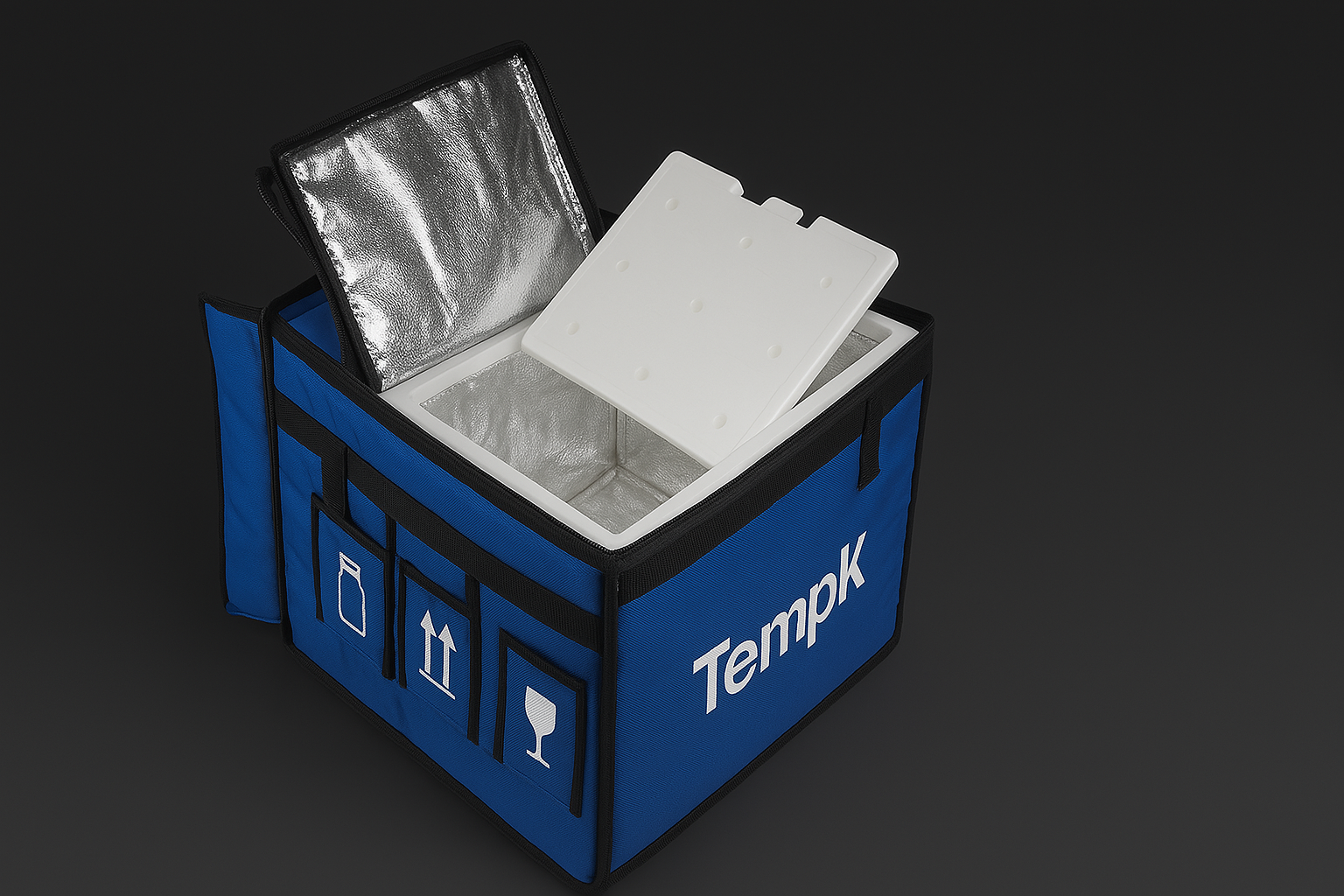
Contenedor de panel aislado al vacío para embalaje de ciencias biológicas.: Notas de selección técnica
A contenedor de panel aislado al vacío para el embalaje de ciencias biológicas es un sistema térmico, no sólo un contenedor con aislamiento avanzado. Los paneles aislados al vacío reducen la transferencia de calor mediante el uso de un núcleo evacuado dentro de una barrera protectora., pero el rendimiento del embalaje acabado aún depende de la protección del panel, diseño de tapa, acondicionamiento del refrigerante, masa de carga útil, espacios de aire, exposición de ruta, y manejar la disciplina. Para envíos regulados o sensibles a la calidad, La pregunta más profunda es cómo la caja soporta el control documentado.. Este artículo explica las ventajas y desventajas técnicas en un lenguaje sencillo y muestra qué parámetros deben verificarse en lugar de asumirse..
Dentro de la lógica térmica de un contenedor de paneles aislado al vacío para envases de ciencias biológicas
La principal ventaja técnica de un panel aislado al vacío es la reducción de la conducción de gas dentro del panel.. En términos simples, El panel elimina gran parte del paso del aire que normalmente transporta el calor a través del aislamiento.. Muchas construcciones VIP utilizan un núcleo poroso protegido por una envoltura de alta barrera.. Es por eso que los paneles VIP pueden ofrecer una fuerte resistencia térmica en una pared compacta. El contenedor terminado, sin embargo, no es sólo una suma de valores del panel. El calor aún puede entrar a través de la tapa., esquinas, brecha, costuras, patrón de carga de carga útil, y cada momento la caja está abierta.
Aquí es donde importan los puentes térmicos. Un puente térmico es un camino por el que el calor puede pasar por alto la capa aislante más fuerte.. Puede aparecer en la unión entre paneles., alrededor de una tapa suelta, a través de un inserto de mango, o donde la colocación del refrigerante crea condiciones desiguales. Si la carga útil es sensible a la congelación, el problema también puede ir en la dirección opuesta: una fuente fría colocada demasiado cerca del producto puede causar congelación local incluso cuando la temperatura promedio de la cámara parece aceptable. Por lo tanto, la selección técnica necesita tanto de la revisión del aislamiento como del diseño del empaque..
Una segunda cuestión técnica es la vida útil del panel dentro de un flujo de trabajo reutilizable.. Los paneles VIP son eficientes pero pueden ser más vulnerables a perforaciones que la espuma gruesa.. Un sistema reutilizable necesita un método de inspección práctico. Los compradores deberían preguntarse qué importa el daño visible., si los paneles se pueden quitar o reemplazar, cómo la capa exterior protege los bordes, y si las instrucciones de embalaje cambian después de la limpieza o de ciclos de devolución repetidos. Estas preguntas son más útiles que pedir un único número de rendimiento sin conocer el estado de la caja..
El paquete terminado importa más que las reclamaciones del panel
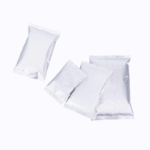
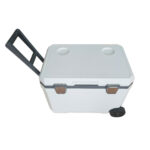
Un contenedor de panel aislado al vacío para embalaje de ciencias biológicas generalmente se refiere a un contenedor pasivo. contenedor aislado que utiliza tecnología de panel aislado al vacío para reducir la transferencia de calor alrededor de una carga útil sensible a la temperatura. Pasivo significa que el contenedor no genera frío por sí solo.. Funciona con condicionado. paquetes de gel, Paquetes de PCM, hielo seco cuando sea apropiado, u otra estrategia de refrigerante. La frase refrigerada, cuando se usa en este contexto, Generalmente significa que el sistema de envío está diseñado para carga refrigerada., No es que la caja contenga una unidad de refrigeración eléctrica..
Esta diferencia es importante porque los compradores a veces comparan las cajas como si el aislamiento fuera el factor de control.. En la práctica, la caja es una parte de un paquete. El refrigerante debe estar acondicionado correctamente., La carga útil debe caber sin aplastar el flujo de aire ni los separadores., y la tapa debe cerrar consistentemente. Si el envío es parte de un producto farmacéutico., diagnóstico, biotecnología, o flujo de trabajo hospitalario, Es posible que su equipo de calidad también necesite procedimientos documentados., registros de temperatura, reglas de desviación, y evidencia de que el sistema elegido es adecuado para el producto y la línea..
Una forma útil de evaluar el embalaje es separar tres preguntas.. Primero, ¿Qué debe experimentar el producto durante el transporte?? Segundo, ¿Qué puede demostrar el sistema de embalaje bajo condiciones de prueba o operación relevantes?? Tercero, ¿Qué debe verificar su equipo en el momento del envío y la recepción?? Mantener estas preguntas separadas evita que afirmaciones amplias reemplacen la evidencia práctica. También le ayuda a comparar proveedores sin asumir que cada palco vip se comporta igual después de empacar, manejado, regresó, y reutilizado.
Parámetros que necesitan verificación
| Parámetro a verificar | ¿Por qué no se debe asumir? | Método de verificación práctico |
|---|---|---|
| Estado del panel | Un panel VIP perforado o doblado puede perder valor de aislamiento. | Inspeccionar la superficie, protección de bordes, y ajuste del panel antes de su reutilización. |
| Diseño de tapa y cierre. | Un cierre débil puede provocar fugas de calor incluso con paneles resistentes.. | Comprobar la repetibilidad del cierre, junta o superposición, e instrucciones de manejo. |
| Compatibilidad con refrigerante | El refrigerante incorrecto puede congelar cargas útiles sensibles o no mantener el rango. | Haga coincidir la selección de paquete de gel o PCM con la gama de productos y el perfil de ruta. |
| Perfil de prueba | Un tiempo de espera establecido sólo tiene sentido bajo condiciones definidas. | Revisar la carga útil, perfil ambiental, criterios de aceptación, y diagrama de embalaje. |
| Documentación | Los flujos de trabajo regulados pueden requerir procedimientos y registros escritos.. | Confirmar qué hojas de datos, instrucciones, y los documentos de respaldo están disponibles. |
La tabla se basa intencionalmente en torno a la verificación en lugar de números fijos.. Muchos valores que parecen simples en una hoja de datos, como el tiempo de espera, volumen, o rango de temperatura, puede cambiar cuando la carga útil, masa refrigerante, perfil ambiental, y las condiciones de manejo cambian. Para envíos sensibles a la calidad, La respuesta de un proveedor debe llevar a una decisión de empaque y a un registro que su equipo pueda repetir..
Límites regulatorios y de calidad
Los envíos de ciencias biológicas y biotecnología a menudo se encuentran entre la flexibilidad de la investigación y la disciplina regulada.. No todos los envíos son productos farmacéuticos comerciales., sin embargo, muchos materiales son caros, inestable, o difícil de reemplazar. Por lo tanto, la decisión sobre el envasado debe basarse en una mentalidad de calidad incluso cuando los requisitos reglamentarios formales varían.. Confirme el rango de temperatura permitido del material., sensibilidad a la congelación, sensibilidad a la luz, riesgo de contaminación, necesidades de documentación, y qué debe inspeccionar el personal de recepción antes de aceptar el envío.
Si el material es un medicamento., biológico, suministro clínico, muestra de diagnóstico, o muestra regulada, pueden aplicarse requisitos adicionales. La caja debe verse como un componente de un proceso de distribución controlado.. Puede ralentizar la transferencia de calor y proteger el entorno de carga útil., pero no puede clasificar el material, crear una cadena de custodia, o decidir si una variación de temperatura es aceptable. Esas decisiones pertenecen a procedimientos escritos y revisión de calidad..
En las adquisiciones cotidianas, Esto significa solicitar documentos que coincidan con el nivel de riesgo del envío.. Una ruta de muestra interna o de alimentos de bajo riesgo puede necesitar instrucciones simples de empaque y controles de recepción.. Un flujo de trabajo farmacéutico o de diagnóstico puede necesitar evidencia más formal, control de cambios, y aprobación de calidad. La frase "cumple" siempre debe dar lugar a una pregunta de seguimiento.: Cumple con qué procedimiento, requisito del producto, base de prueba, ruta, y mercado?
refrigerante, Riesgo de congelación, y colocación del registrador
Se debe redactar un paquete para que un nuevo operador pueda seguirlo bajo presión de tiempo.. Debería mostrar qué refrigerante va a dónde, si se necesita una capa de amortiguación, cómo está orientada la carga útil, donde se coloca cualquier registrador de temperatura, y como se cierra la tapa. Si la caja se reutiliza, Las instrucciones también deben mostrar qué inspeccionar antes de empacar.. No confíe únicamente en la capacitación verbal para envíos que transportan mercancías de alto valor o sensibles a la calidad..
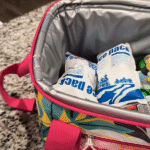
El condicionamiento es igualmente importante. Los paquetes de gel y los paquetes de PCM pueden necesitar un proceso de preparación específico antes de colocarlos en la caja.. Si están demasiado calientes, Es posible que no protejan la carga útil el tiempo suficiente.. Si están demasiado frías o mal colocadas, pueden crear riesgo de congelación local. Por eso el refrigerante forma parte del sistema de embalaje., No es un accesorio agregado en el último minuto..
Los procedimientos de recepción completan el ciclo. El receptor debe saber si debe abrir inmediatamente, dónde encontrar cualquier registrador o indicador, qué condición del paquete registrar, y a quién contactar si hay daños, demora, o aparece preocupación por la temperatura. Un contenedor de paneles bien diseñado con aislamiento al vacío y paneles VIP protegidos, carcasa rígida, sello de tapa, configuración del refrigerante, y los divisores de carga útil le dan al receptor menos decisiones para improvisar. Eso reduce la posibilidad de que se acepte un envío dudoso., rechazado, o almacenado incorrectamente sin revisión.
Donde las especificaciones técnicas pueden engañar a los compradores
Varios errores de compra aparecen una y otra vez cuando los equipos evalúan un contenedor de paneles aislado al vacío para embalaje de ciencias biológicas. La primera es pedir un tiempo de espera prolongado antes de describir el carril real.. Un proveedor sólo puede dar una respuesta significativa cuando conoce la gama de productos., carga útil, tipo de refrigerante, exposición ambiental, y criterios de aceptación. El segundo es ignorar la sensibilidad a la congelación.. Muchos productos refrigerados se dañan al congelarse., por lo que un sistema que permanece frío no es necesariamente seguro si el refrigerante es demasiado agresivo o se coloca demasiado cerca de la carga útil..
Otro error es comprar por volumen de caja en lugar de por volumen de paquete.. Una caja puede ser lo suficientemente grande para el producto y aún demasiado pequeña para el producto más el refrigerante, los separadores y el papeleo.. Los programas de retorno crean un riesgo adicional: una caja que parece reutilizable puede tener daños ocultos en el panel, cierres desgastados, residuo de etiqueta, o preocupaciones de contaminación. Construya un proceso de inspección básico antes de ampliarlo, no después del primer ciclo de devolución fallido.
Herramientas útiles para tomar decisiones
Comprueba los detalles antes de elegir el embalaje.
Estas herramientas rápidas pueden ayudarle a comparar el riesgo de la ruta, necesidades de dimensionamiento, opciones de refrigerante, y detalles del embalaje antes de solicitar una cotización.
Revestimiento de caja & Dimensionamiento de la cubierta de paleta
Lógica de tamaño de revestimiento de cajas y cubiertas de paletas para proyectos de embalaje aislado.
Estimar el tamañoCalculadora de bolsa de hielo
Estimación de la cantidad de bolsas de hielo en gel para envíos refrigerados y planificación práctica de rutas.
Estimar las bolsas de hieloGenerador de listas de verificación de cumplimiento
Cree una lista de verificación práctica para la revisión del embalaje, envío, y documentación.
Crear lista de verificaciónFinalmente, no permita que un registrador de datos genere falsa confianza. El seguimiento es valioso porque proporciona evidencia después del envío., pero no es un sistema de enfriamiento. Si el paquete está mal diseñado, el registrador solo documentará la falla. Utilice el monitoreo para verificar y mejorar un proceso de empaque, no como sustituto del diseño térmico.
Error común: utilizar el tiempo de espera como promesa universal. El tiempo de espera es significativo sólo con un perfil ambiental definido, carga útil, carga de refrigerante, y límite de aceptación. El mejor enfoque es convertir el problema en una pregunta de pedido anticipado y asegurarse de que la respuesta aparezca en las instrucciones de embalaje o en el registro del proveedor..
Error común: ignorando el riesgo de congelación. Los envíos refrigerados pueden fallar por sobreenfriamiento si una carga útil entra en contacto con refrigerante congelado o carece de una capa amortiguadora.. El mejor enfoque es convertir el problema en una pregunta de pedido anticipado y asegurarse de que la respuesta aparezca en las instrucciones de embalaje o en el registro del proveedor..
Error común: compra por volumen bruto. Las dimensiones internas brutas pueden ser engañosas una vez que se, separadores, y los documentos se colocan dentro. El mejor enfoque es convertir el problema en una pregunta de pedido anticipado y asegurarse de que la respuesta aparezca en las instrucciones de embalaje o en el registro del proveedor..
Error común: olvidando los puntos de entrega. El paquete puede quedar expuesto durante el embalaje., recogida del transportista, aduanas, recepción, o transferencia interna. El mejor enfoque es convertir el problema en una pregunta de pedido anticipado y asegurarse de que la respuesta aparezca en las instrucciones de embalaje o en el registro del proveedor..
De la muestra de ingeniería al uso controlado
Una revisión práctica de un proveedor de un contenedor de panel aislado al vacío para embalaje de ciencias biológicas debe ser lo suficientemente específica como para que dos proveedores no puedan responder con el mismo folleto genérico.. Preguntar por dimensiones internas y externas, espacio de carga útil utilizable después del refrigerante, opciones de refrigerante compatibles, diseño de cierre y tapa, guía de limpieza, reutilizar puntos de inspección, y documentación disponible. Si un proveedor presenta un reclamo de tiempo de espera, preguntar qué perfil de prueba, carga útil, carga de refrigerante, y se utilizaron criterios de aceptación. Si la respuesta no está disponible, Trate el reclamo como una estimación inicial en lugar de una decisión de compra..
Para evaluación de muestras, empaquete la muestra con el producto real o un sustituto realista. Utilice el proceso de acondicionamiento de refrigerante previsto.. Deje que las personas que empacarán y recibirán el envío manejen la caja., no sólo el equipo de ingeniería. Pueden notar problemas prácticos que una hoja de datos no muestra.: una tapa que es difícil de cerrar, una cavidad de carga útil que fomenta la colocación incorrecta, un área de etiqueta que es demasiado pequeña, o un paso de limpieza de retorno que no es realista para las operaciones diarias.
Antes de pasar de la muestra a la producción, confirmar las expectativas de control de cambios. ¿Le notificará el proveedor si la estructura del panel, material de la cubierta exterior, especificación del refrigerante, o las dimensiones cambian? ¿Hay piezas de repuesto disponibles?? ¿Pueden las unidades de producción coincidir con la muestra aprobada?? Para carga regulada o sensible a la calidad, Pequeños cambios en los componentes del embalaje pueden afectar el comportamiento térmico.. Por lo tanto, las adquisiciones deben funcionar con calidad., operaciones, y logística antes de aprobar pedidos al por mayor.
Preguntas frecuentes
¿Es un contenedor de panel aislado al vacío para embalaje de ciencias biológicas automáticamente adecuado para todos los envíos refrigerados??
No. Puede ser adecuado para algunos envíos refrigerados., pero la gama de productos, carga útil, refrigerante, ruta, y los criterios de aceptación deben ser confirmados. Una cabina VIP pasiva ralentiza la transferencia de calor; no define el rango de temperatura requerido ni elimina la necesidad de validación del paquete. Los compradores deben solicitar documentación que coincida con su producto y línea..
¿Qué debo preguntar antes de pedir muestras??
Solicite espacio de carga útil utilizable, opciones de refrigerante compatibles, guía de embalaje, detalles de protección del panel, instrucciones de limpieza o reutilización, y la base de cualquier reclamo de tiempo de espera. Comparte tu gama de productos, ruta, carga útil, y recibir requisitos para que el proveedor pueda recomendar un sistema en lugar de una caja genérica.
¿Debo usar paquetes de gel?, Paquetes de PCM, o hielo seco con palco VIP?
La elección depende de la gama de productos y la ruta.. Los paquetes de gel pueden adaptarse a muchas aplicaciones refrigeradas o refrigeradas.; Los paquetes PCM son útiles cuando se necesita un punto de cambio de fase más ajustado; El hielo seco se utiliza para algunas aplicaciones de congelados, pero crea consideraciones de manipulación y etiquetado independientes.. El refrigerante debe coincidir con la sensibilidad del producto y los supuestos de embalaje probados..
¿Dónde se debe colocar un registrador de temperatura??
La ubicación del registrador debe reflejar lo que su equipo de calidad necesita saber. No debe colocarse donde cree una lectura engañosa., bloquea la tapa, o toca el refrigerante de una manera que no representa la carga útil. Para envíos de alto riesgo, Defina la posición del registrador en la instrucción de empaquetado y mantenga el enfoque consistente..
¿Cómo comparo proveedores sin depender de afirmaciones de marketing??
Proporcione a cada proveedor el mismo escenario de envío y solicite la misma información.: volumen utilizable, configuración del refrigerante, supuestos de ruta, base de prueba, documentación disponible, pasos de inspección, y expectativas de control de cambios. un claro, Una respuesta limitada suele ser más útil que una afirmación amplia que promete rendimiento para cada ruta..
Conclusión
Un contenedor de panel aislado al vacío para embalaje de ciencias biológicas puede ser una opción sólida para la cadena de frío cuando se trata como parte de un sistema.. La caja ralentiza la transferencia de calor.; El refrigerante gestiona la fuente térmica.; el diseño de los controles de embalaje; la ruta define la exposición; y el proceso de recepción decide si el envío puede ser aceptado. Los compradores que separan estos roles toman mejores decisiones que los equipos que dependen de etiquetas de productos amplias..
Antes de realizar el pedido, confirmar el rango requerido del producto, espacio de carga útil utilizable, plan de refrigerante, condiciones de la ruta, necesidades de evidencia, y proceso de reutilización o recuperación. Para productos sensibles a la calidad, involucrar operaciones y calidad tempranamente. La elección de embalaje más fiable suele ser la que su equipo puede repetir., inspeccionar, y documentar en condiciones normales de trabajo.
Acerca de Tempk
Tempk trabaja con embalaje de cadena de frío Componentes que incluyen panel aislado al vacío. cajas más frescas, neveras portátiles médicas, Soluciones PPE, paquetes de gel, y paquetes PCM. En debates técnicos sobre embalaje., La función de Tempk es ayudar a los compradores a traducir los requisitos en un sistema viable.: estructura de aislamiento, disposición del refrigerante, ajuste de carga útil, e instrucciones de manejo. Para envíos regulados o sensibles, Los clientes aún deben revisar el embalaje final con sus propios equipos de calidad y logística antes de su uso en producción..
Pídale a Tempk una discusión técnica sobre empaque si necesita combinar un contenedor de panel aislado al vacío para empaque de ciencias biológicas con refrigerante, espacio de carga útil utilizable, y requisitos de documentación.