Caja refrigerada VIP para envío de leche: Guía práctica de selección
A VIP refrigerated box for milk shipping is worth considering when ordinary insulation leaves too little margin for the payload, ruta, o manejar el riesgo. No sustituye a la planificación de rutas., selección de refrigerante, monitoreo de temperatura, o revisión de calidad. La forma correcta de comprarlo es tratar la caja como parte de un sistema pasivo de control de temperatura y verificar cómo se comporta ese sistema con su envío real..
Comience con el trabajo de envío, no la descripción de la caja
The phrase VIP refrigerated box for milk shipping describes a container category, pero no define el trabajo. El trabajo está definido por la carga., el rango de temperatura requerido, la duración de la exposición, el volumen de carga útil, el número de traspasos, y la condición en la que se aceptará el envío al recibirlo. For fresh milk, dairy samples, premium dairy orders, ingredientes refrigerados, and small-batch refrigerated food shipments, esas variables pueden diferir marcadamente de una ruta a otra. Un contenedor que funciona para una entrega planificada a corto plazo puede no ser adecuado para una ruta de envío retrasada o una ruta de temperatura mixta..
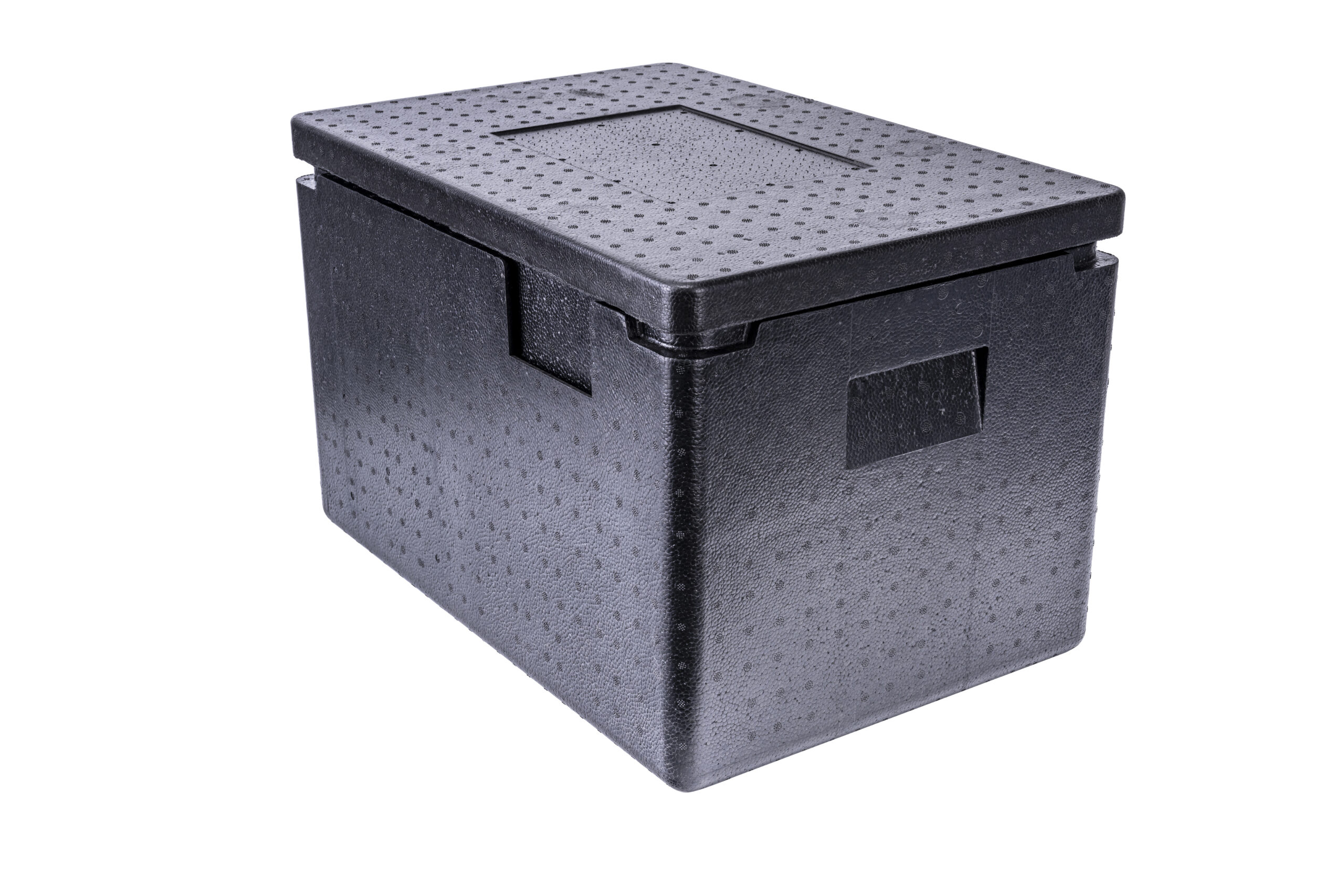
Un proceso de selección práctico comienza con cinco datos: cuál es la carga útil, ¿Cuánto espacio interno utilizable necesita?, qué rango de temperatura debe protegerse, cuánto tiempo puede permanecer el envío fuera del almacenamiento controlado, y quién inspeccionará el paquete en destino. El término refrigerado también debe interpretarse con cuidado.. En muchas búsquedas de compra se refiere a una caja pasiva destinada a cargas útiles refrigeradas., no es una unidad eléctrica que enfríe activamente el contenido.
Esta distinción es importante porque palco vip ralentiza la transferencia de calor; no crea una temperatura correcta por sí solo. La fuente fría, el método de precondicionamiento, La temperatura de la carga útil antes del embalaje., la forma en que se cierra la tapa, y el procedimiento de recepción influyen en el resultado final. Si esos pasos no se controlan, un mayor aislamiento puede ocultar operaciones débiles hasta que un registro de temperatura o el rechazo del producto revela el problema.
Dónde ayuda el aislamiento VIP y dónde no
Se utilizan paneles aislados al vacío porque eliminar gran parte del aire del núcleo del panel puede reducir la transferencia de calor por convección a través de la capa de aislamiento.. En la práctica, el panel es solo una parte de la caja. El calor aún puede entrar a través de la tapa., costuras, esquinas, áreas de pestillo, paneles dañados, y el aire se intercambia cuando se abre la caja. Por eso el envase terminado y el embalaje deben evaluarse juntos..
For fresh milk, dairy samples, premium dairy orders, ingredientes refrigerados, and small-batch refrigerated food shipments, El beneficio suele ser un margen térmico adicional en un paquete más pequeño o más ligero., Más espacio de carga útil que algunos formatos de aislamiento voluminosos., o mejor protección durante períodos cortos de exposición ambiental. El riesgo es tratar el sello VIP como una promesa.. El desempeño declarado por un proveedor debe compararse con las condiciones de prueba., supuestos de carga útil, perfil ambiental, configuración del refrigerante, y criterios de aceptación.
Los sistemas VIP también requieren conocimiento en el manejo. Un panel perforado o aplastado puede perder rendimiento. Un borde mal protegido puede convertirse en un puente térmico. Una tapa que no se cierra de la misma manera cada vez puede generar resultados inconsistentes. Estas no son razones para evitar la tecnología VIP; son razones para incluir la inspección, capacitación, y coherencia entre la muestra y la producción en la decisión de compra..
La mentalidad más útil es preguntar qué está solucionando el aislamiento.. en este tema, the primary risk is confusing insulation with active refrigeration, poor pre-chilling, daño por condensación, retención de olores, limpieza difícil, insufficient gel pack conditioning, y retraso en la recepción. Si la caja no reduce directamente esos riesgos, un contenedor aislado más simple, un vehículo refrigerado, un contenedor activo, o un paquete diferente puede ser más apropiado.
Cuando este tipo de contenedor es la respuesta incorrecta
A VIP refrigerated box for milk shipping is not automatically the safest or most economical choice. It may be the wrong answer when long unrefrigerated lanes, muelles de carga calientes, open package staging, or milk shipped without product-specific food-safety review. También puede ser una mala opción si el equipo necesita una barrera estéril desechable., si el cliente se niega a devolver el embalaje, o si la fuente de frío necesaria para la carga útil no puede manejarse de forma segura en la ruta.
Este control de ajuste negativo es valioso porque evita la compra excesiva.. Algunos envíos solo necesitan un revestimiento aislante simple, un vehículo refrigerado, a cubierta térmica para palés, o un cambio en el procedimiento de entrega. Otros envíos necesitan un sistema de envío térmico calificado con monitoreo y criterios de aceptación documentados.. El contenedor debe seleccionarse después de definir el riesgo., no antes.
Los compradores deben pedir a los proveedores que indiquen el uso previsto con tanta claridad como las ventajas del producto.. Un proveedor útil puede explicar para qué está diseñada la caja., ¿Qué supuestos respaldan su desempeño?, y qué condiciones requieren pruebas adicionales. Ese tipo de establecimiento de límites suele ser más útil que una larga lista de características promocionales..
Las especificaciones que realmente cambian la decisión de compra
A VIP refrigerated box for milk shipping can look technically strong and still fail in a real route if the packout does not match the payload. El espacio interno debe permitir que el producto, refrigerante, separadores, documentación, y cualquier registrador de datos para encajar sin forzar la tapa o colocar el producto contra una pared cálida. Los compradores deben solicitar volumen utilizable., no sólo dimensiones exteriores.
La exposición de rutas debe dividirse en partes prácticas: preenfriamiento, embalaje, primera recogida, traslado de vehiculo, puesta en escena del almacén, Manipulación aérea o de paquetes., intento de entrega, y recibir inspección. Muchas excursiones ocurren en estas interfaces porque la responsabilidad cambia de manos.. Por lo tanto, la selección de casilla debe estar conectada al mapeo de rutas., no sólo a una duración de envío nominal.
| Punto de control del comprador | Que confirmar | Por qué afecta el rendimiento |
|---|---|---|
| Sensibilidad de carga | Límites de temperatura y manipulación específicos del producto | Evita el uso de un paquete para productos incompatibles |
| Exposición de ruta | Tiempo previsto fuera del almacenamiento controlado y puntos probables de permanencia | Determina el margen térmico necesario más allá del tiempo de tránsito normal |
| Ajuste de carga útil | Volumen útil después del refrigerante, revestimiento, y divisores | Evita aplastar la carga o reducir el flujo de aire de refrigeración. |
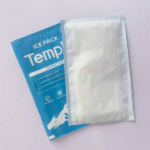
| Plan de refrigerante | Paquete de gel, PCM, hielo seco, u otra fuente de frío si corresponde | La caja ralentiza la ganancia de calor.; El refrigerante suministra la energía térmica. |
| Evidencia | Informe de prueba, prueba de muestra, o información de calificación de carril | Reduce la dependencia de las afirmaciones de marketing. |
La tabla se presenta deliberadamente como una verificación en lugar de un desempeño garantizado.. Esa es la forma más segura de comparar proveedores. Si un proveedor puede explicar las suposiciones detrás de un reclamo, Los compradores pueden decidir si esos supuestos se parecen a su ruta.. Si faltan los supuestos, El reclamo debe ser tratado como un punto de partida para preguntas., no es una base de compra.
Para carriles cortos para paquetes, lab sample moves, local refrigerated delivery, and direct-to-consumer chilled dairy shipments, el proceso de recepción también importa. Una caja bien construida puede perder valor si el destinatario la deja sin abrir en una zona cálida., descarta el registro de temperatura, o devuelve el contenedor sin inspección. Incluir el equipo de destino cuando se diseñe el paquete..
La documentación convierte una caja en un proceso controlable
Para envíos de alimentos, Las decisiones sobre empaque rara vez se juzgan solo por la apariencia.. El comprador normalmente necesita pruebas de que el envío se embaló correctamente., movido bajo las condiciones esperadas, y recibido en un estado que admita la liberación o aceptación. Los compradores de alimentos deben considerar prácticas sanitarias de transporte, superficies limpiables, segregación, control de fugas, y prácticas de temperatura que eviten que los alimentos se vuelvan inseguros o inaceptables. Los productos orgánicos también necesitan una disciplina de manejo que proteja la integridad orgánica y evite la contaminación con residuos no orgánicos..
Un contenedor VIP pasivo puede respaldar este proceso, pero no hace que el envío cumpla automáticamente, calificado, o aceptable para cada mercado. El cumplimiento depende de la categoría del producto., ruta, transportador, procedimientos del remitente, regulaciones locales, y el acuerdo de calidad entre las partes. Por eso es importante una redacción cautelosa: la caja puede ser adecuada para un uso definido después de la revisión, pero no debe describirse como universalmente aprobado..
Los documentos útiles pueden incluir una hoja de especificaciones del producto., descripción del material, guía de limpieza, instrucción de embalaje, instrucción de precondicionamiento, resumen de la prueba, mapa de ubicación del registrador, lista de verificación de recepción, y un proceso para informar excursiones o daños. Para una muestra de alimentos de bajo riesgo, esto puede ser simple. Para biológicos o vacunas, La carga de documentación suele ser mucho mayor y debe ser revisada por el equipo de calidad..
Herramientas útiles para tomar decisiones
Comprueba los detalles antes de elegir el embalaje.
Estas herramientas rápidas pueden ayudarle a comparar el riesgo de la ruta, necesidades de dimensionamiento, opciones de refrigerante, y detalles del embalaje antes de solicitar una cotización.
Selector de embalaje
Compare las opciones de embalaje aislado por producto, ruta, y necesidad de temperatura.
encontrar embalajeCalculadora de bolsa de hielo
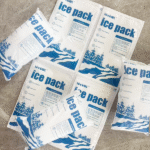
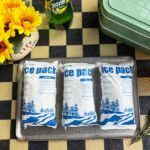
Estimación de la cantidad de bolsas de hielo en gel para envíos refrigerados y planificación práctica de rutas.
Estimar las bolsas de hieloResistencia a la caída del material aislante
Revise la resistencia a caídas y los factores de manipulación antes de elegir materiales aislantes..
Comprobar resistenciaEl objetivo práctico no es el papeleo por sí solo. It is to prevent disputes when confusing insulation with active refrigeration, poor pre-chilling, daño por condensación, retención de olores, limpieza difícil, insufficient gel pack conditioning, y retraso en la recepción. Un proceso claro le dice al almacén, transportador, receptor, y el equipo de compras qué debe suceder antes de que la caja se considere lista para su uso repetido.
Qué confirmar antes de pasar de muestra a producción
For food buyers comparing passive VIP shippers against refrigerated vehicles, bolsas aisladas, and single-use cajas de espuma, La decisión de compra debe incluir preguntas operativas que sean fáciles de pasar por alto durante la comparación de muestras.. Una muestra que se ve fuerte en un escritorio puede comportarse de manera diferente después de repetidas manipulaciones por parte del mensajero., puesta en escena de la cámara frigorífica, condensación, o transporte de regreso.
- Ask whether the supplier can explain the packout for fresh milk, dairy samples, premium dairy orders, ingredientes refrigerados, and small-batch refrigerated food shipments rather than only quote outside dimensions.
- Confirmar si el rendimiento declarado se basa en un perfil de prueba específico, carga útil, cantidad de refrigerante, y criterio de aceptación.
- Compare el espacio utilizable interno con la carga útil real después del refrigerante, divisores, y dispositivos de monitoreo están incluidos.
- Revisa cómo las tapas, bisagras, sellos, esquinas, y las manijas sobreviven a la manipulación repetida si el contenedor se va a reutilizar.
- Definir quién inspecciona los contenedores devueltos y qué daños requieren reparación o retirada del servicio..
- Verifique si las unidades de producción coinciden con la muestra aprobada en la estructura de aislamiento., diseño de cierre, material, y área de etiquetado.
Estas preguntas son intencionalmente prácticas.. Los compradores no necesitan que todos los proveedores elijan el mismo diseño. Necesitan suficiente claridad para comparar el riesgo. Un contenedor ligeramente más pesado puede ser aceptable si mejora la durabilidad del retorno.. Una caja más compacta puede ser mejor si el costo del flete importa, pero sólo si el refrigerante y la carga útil aún encajan sin compresión. Una estructura VIP premium puede estar justificada para cargas de alto valor, pero sólo si la operación puede proteger los paneles durante la reutilización.
La aprobación de la muestra también debe incluir una expectativa de control de cambios.. Si el proveedor cambia posteriormente el diseño del panel, material de revestimiento, estilo de pestillo, inserto de espuma, o recomendación de refrigerante, El comprador debe saberlo antes de entregar los lotes de producción.. Para envíos regulados o de alto valor, Incluso los pequeños cambios físicos pueden requerir revisión..
Ejemplo práctico: cómo un comprador puede utilizar la lista de verificación
Imagine a dairy QA team sending chilled milk samples to a regional lab while trying to avoid water leakage and odor carryover in reusable boxes. The team may begin by asking for a VIP refrigerated box for milk shipping, pero el nombre del contenedor es solo la primera capa de la decisión. Necesitan decidir cuánto producto va en cada envío., donde se colocará el refrigerante, cómo se preacondicionará la caja, ¿Cuánto tiempo puede esperar durante la entrega?, y qué registro debe mantener el receptor.
Durante la primera revisión de la muestra, El equipo debe empacar el contenedor exactamente como lo haría en operación.. Eso significa utilizar la carga real del producto o un equivalente térmico razonable., la configuración real del refrigerante, el mismo forro o divisor, y la posición del registrador de datos planificada para la producción. Si un equipo de mensajería o almacén se encargará del envío, Deben incluirse en el ensayo porque el tiempo de apertura de la tapa y el manejo brusco pueden cambiar los resultados..
La decisión puede revelar compensaciones. La caja VIP puede proteger la temperatura mejor que un contenedor de espuma básico, pero es posible que necesite etiquetas de devolución, espacio de limpieza, y una forma de reemplazar componentes desgastados. Un contenedor más pequeño puede reducir el costo del flete, pero si no deja espacio para el refrigerante o crea presión sobre la carga útil, el ahorro aparente es falso. La opción más sólida es aquella que coincide tanto con la evidencia térmica como con el comportamiento operativo diario..
Errores que crean riesgo en la cadena de frío después de la orden de compra
Many failures connected with a VIP refrigerated box for milk shipping are not caused by the material aislante sí mismo. Provienen de decisiones tomadas alrededor de la caja.: embalaje apresurado, etiquetado débil, falta precondicionamiento, sin propiedad de las devoluciones, o no hay ningún plan para la entrega retrasada. Estos son riesgos manejables si son visibles temprano.
- Tratar un tiempo de espera publicado como una promesa universal en lugar de preguntar qué perfil ambiental, carga útil, y se utilizaron paquetes.
- Ignorar la temperatura de la carga útil antes de empacar. Un producto caliente colocado en una caja pasiva puede consumir capacidad térmica rápidamente.
- Suponiendo que un registrador de datos o un rastreador GPS proteja la temperatura. El monitoreo proporciona evidencia y alertas; no reemplaza el aislamiento ni el refrigerante.
- Usar una caja reutilizable sin una regla de inspección de devolución. Un panel VIP dañado o un componente faltante de la tapa pueden cambiar el rendimiento.
- Elegir las dimensiones exteriores antes de comprobar el espacio utilizable. El refrigerante y los divisores internos pueden reducir significativamente el espacio de carga útil.
- Dejar que el equipo receptor decida la aceptación de manera informal. Los controles de recepción deben definirse antes de que el envío salga de origen..
El hilo común es la suposición.. Un comprador asume que la caja cubrirá la incertidumbre de la ruta., el almacén asume que el refrigerante ha sido acondicionado correctamente, El mensajero asume que el destinatario estará listo., y el receptor asume que los datos del registrador son responsabilidad de otra persona. Para carriles cortos para paquetes, lab sample moves, local refrigerated delivery, and direct-to-consumer chilled dairy shipments, Cada supuesto debe convertirse en un simple paso., dueño, o regla de aceptación.
Preguntas frecuentes
Is a VIP refrigerated box for milk shipping the same as an active refrigerated container?
No. En la mayoría de los contextos de compra de cadena de frío, un palco VIP o Contenedor de envío refrigerado VIP es un paquete con aislamiento pasivo. Ralentiza la transferencia de calor y funciona con una carga útil condicionada., refrigerante, PCM, paquetes de gel, hielo seco cuando corresponda, o una ruta controlada. No enfría activamente como un refrigerador eléctrico a menos que se especifique un sistema activo separado..
¿Qué información debo darle a un proveedor antes de pedir presupuesto??
Compartir el tipo de carga útil, rango de temperatura requerido, duración del envío, exposición ambiental esperada, dimensiones de carga útil, traspasos de ruta, plan de reutilización, y requisitos de recepción. For fresh milk, dairy samples, premium dairy orders, ingredientes refrigerados, and small-batch refrigerated food shipments, El proveedor también necesita entender si el envío es de bajo riesgo., relacionado con la comida, relacionado con la salud, o sujeto a revisión de calidad.
¿Puede un contenedor VIP garantizar el cumplimiento de la cadena de frío??
Ningún componente del embalaje puede garantizar el cumplimiento por sí solo.. El cumplimiento depende de los requisitos del producto., procedimientos del remitente, manejo del transportista, escucha, documentación, y reglas locales. Un contenedor VIP puede ser parte de un proceso conforme o calificado cuando es seleccionado, probado, lleno, y utilizado bajo condiciones definidas.
¿Cómo se deben inspeccionar los palcos VIP reutilizables??
Las cajas devueltas deben revisarse para detectar paneles dañados., conchas rotas, pestillos rotos, revestimientos sucios, etiquetas faltantes, olor, zonas humedas, y cambios que podrían afectar el cierre. Las reglas de inspección deben ser lo suficientemente simples como para que las sigan los equipos del almacén., y cualquier unidad dañada debe ser reparada, probado si es necesario, o retirado del servicio.
What matters most for milk shipping besides temperature?
Higiene, control de fugas, control de olores, carga rapida, superficies limpiables, and receiving inspection all matter. Milk and dairy residues can create practical reuse problems, so a reusable VIP box should include liners, instrucciones de limpieza, and a process for retiring boxes that cannot be cleaned properly.
Conclusión
A VIP refrigerated box for milk shipping should be chosen as a shipment system, no como un objeto independiente. Comience con la carga útil, rango de temperatura requerido, exposición de ruta, traspasos, plan de refrigerante, y proceso de recepción. Luego compare proveedores según la evidencia., volumen utilizable, claridad del paquete, y consistencia desde la muestra hasta la producción.
La decisión más fuerte suele ser conservadora.: verificar las afirmaciones que afectan la seguridad o aceptación del producto, evitar promesas universales, y definir cómo se empacará el contenedor, monitoreado, recibió, limpiado, y reutilizado. Una caja mejor puede crear más margen térmico, pero sólo un proceso controlado convierte ese margen en un rendimiento confiable de la cadena de frío..
Acerca de Tempk
Tempk admite embalaje de cadena de frío Debates para compradores que necesitan una protección térmica pasiva práctica en lugar de un lenguaje de embalaje genérico.. Para este tema, our role is to help teams review passive insulated box and coolant selection for chilled dairy shipments that need practical temperature protection and clean handling. Podemos discutir el tamaño de la carga útil., exposición de ruta, Ajuste de refrigerante o PCM, manipulación reutilizable, y qué se debe verificar antes de aprobar una muestra o un pedido al por mayor. El objetivo no es afirmar que una caja cabe en cada envío., sino para ayudarle a limitar el contenedor y el embalaje que se ajusten a sus condiciones operativas reales..
Comparte tu ruta, carga útil, rango de temperatura objetivo, y reutilizar expectativas con Tempk. We can help you compare whether a VIP refrigerated box for milk shipping is a sensible option or whether another passive packaging approach should be reviewed first.