Caja VIP con Temperatura Controlada para Transporte de Biológicos – 2025 Guía
Transporting biologics is a race against time and temperature. A VIP temperature controlled box for biologics transport keeps vaccines, terapias celulares y otros materiales de alto valor dentro de ventanas de temperatura ajustadas. personaje (panel aislado de vacío) La tecnología reduce drásticamente la conductividad térmica., lo que significa tiempos de espera más largos y más pequeños, paquetes más livianos en comparación con los refrigeradores de espuma. Con regulaciones más estrictas y objetivos de sostenibilidad en 2025, elegir la caja correcta es importante. Esta guía explica cómo funcionan los palcos VIP., qué buscar y las últimas tendencias para ayudarle a proteger cada envío.
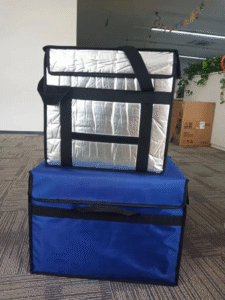
Cómo el aislamiento VIP preserva la integridad de la cadena de frío para productos biológicos y vacunas, usando paneles aislados al vacío with thermal conductivity around 0.005 W/m·K.
Qué criterios considerar al seleccionar una caja de temperatura controlada, incluido el tamaño de la carga útil, rango de temperatura y duración del envío.
Normas reglamentarias clave para el hielo seco, etiquetado y registro de datos que se aplican a los envíos biológicos en 2025.
Tendencias emergentes en la logística de la cadena de frío, como monitoreo en tiempo real, reusable systems and market growth projections.
Practical tips and FAQs to keep your biologics safe, sostenible y compatible.
How Do VIP Temperature Controlled Boxes Work for Biologics?
Paneles aislados al vacío (VIP) deliver superior thermal performance by limiting heat transfer. Each panel consists of a porous core material (a menudo sílice pirógena) sealed inside a gas barrier film and evacuated to create a near vacuum. Sin aire, thermal conductivity drops to around 5 mW/m·K—about ten times lower than expanded polystyrene (EPS). This super insulating property allows VIP boxes to maintain required temperatures for seven to ten days, compared to one to three days for foam coolers. Porque la capa aislante es más delgada., more payload space is available and the overall shipping weight decreases, reduciendo los costos de flete.
Comprensión de los paneles aislados al vacío (personaje)
VIPs are built on the principle of eliminating the air that normally conducts heat. A typical VIP panel uses an open cell silica or polymer foam wrapped in multi layer films that block oxygen and water vapour penetration. The vacuum reduces thermal conductivity to between 3 y 7 mW/m·K, giving an insulation ratio two to three times better than traditional materials. Because the panels are thin, they maximize usable space while minimizing the weight and thickness of the box. Sin embargo, VIPs are fragile and expensive; they often require protective outer shells and careful handling to avoid punctures or thermal bridges.
Comparación de materiales aislantes
| Tipo de aislamiento | Conductividad térmica típica (W/m·K) | Duración* | Lo que significa para ti |
| Panel aislado al vacío (personaje) | ≈0.005 | 7–10 días | Ultra low conductivity means longer hold times and thinner walls, freeing payload space. Ideal para envíos de alto valor o de larga distancia. |
| Poliuretano (PU) | 0.02–0,025 | 2–4 días | Good insulation but thicker walls increase package size and weight. Suitable for mid range shipments. |
| Poliestireno expandido (EPS) | 0.03–0,045 | 1–3 días | Cheap and bulky; requires more refrigerant and often an outer shell. Use for short distances or low risk shipments. |
*Durations depend on payload mass, ambient conditions and phase change material (PCM) cantidad.
Why VIP Boxes Matter for Biologics
Biologics are often temperature sensitive molecules, como las vacunas, antibodies or gene therapies, that lose efficacy when exposed to heat or freezing. Many vaccines must stay between +2 °C y +8 °C, while some lyophilized or viral vaccines need –15 °C to –25 °C. Biológicos ultrafríos, like certain mRNA therapeutics, require –60 °C to –90 °C storage. VIP boxes enable these ranges by combining vacuum insulation with PCMs or dry ice, maintaining stable conditions during long transits and delays. Their high performance reduces the amount of coolant needed and increases usable space, making them efficient and cost effective.
Selecting the Right VIP Box for Biologic Shipments
Choosing the ideal temperature controlled box involves balancing payload dimensions, rango de temperatura, duración y presupuesto. There is no one size fits all solution, but asking the right questions will guide your decision.
Assess Payload, Temperatura y duración
- Estimate your payload volume and weight.VIP boxes come in sizes ranging from a few litres to more than 96 l. Por ejemplo, the Crēdo Cube™ Series 4 offers payload sizes from 3 l a 96 L and maintains +2 °C a +8 °C for 96–168 hours. The Greenbox® system, por otro lado, accommodates 1 l a 20 L payloads and supports 2–8 °C, 15–25 °C and below –15 °C temperature ranges. Match the box size to your shipment; oversized containers waste refrigerant and space, while undersized boxes risk thermal excursions.
- Determine el rango de temperatura requerido.Refrigerated biologics typically need 2–8 °C, controlled room temperature shipments require 15–25 °C and frozen products must stay below –18 °C or even –40 °C. Ultra cold products may need –60 °C or colder. Choose a VIP system with PCMs formulated for your target range; some systems offer interchangeable PCM bricks to switch between temperature modes.
- Choose a duration that covers worst case transit times.Passive VIP systems can maintain temperature for 72, 96, 120 o 144 horas. Always add a buffer for delays; if your transit time is 72 horas, optar por un 96 hour system. Crēdo Cube™ units provide 96–168 hour protection across multiple temperature ranges, while Greenbox® can hold temperatures up to 144 horas.
- Evaluate reusability and cost.Reusable systems reduce waste and may be rented or leased, spreading the investment across multiple shipments. Crēdo Cube™ is designed for repeated use and offers asset tracking, which reduces total cost of ownership. Greenbox® emphasizes sustainability and uses VIP insulation with PureTemp™ PCMs to minimize components and weight.
Product Comparison: VIP Boxes for Biologics
| Producto | Volumen de carga útil | Rango de temperatura | Duración* | Características notables |
| Crēdo Cube™ Series 4 | 3 L – 96 l | +2 °C a +8 °C | 96–168 horas | Passive reusable design; uses high performance PCM and VIPs; qualified to industry standards. |
| Crēdo Cube™ Series 22 (Revisado) | 3 L – 96 l | 15 °C a 25 °C | 96–168 horas | For controlled room temperature (CRT) envío; maintains stability during predictable transport routes. |
| Crēdo Cube™ Series 22 (Universal) | 9 l, 24 l, 49 l | 15 °C a 25 °C | 96–168 horas | Designed for lanes with variable climate; provides consistent protection. |
| Crēdo Cube™ Series 20M | 3 L – 96 l | –25 °C a –15 °C | 96–168 horas | Ideal for frozen biologics; available in multiple sizes. |
| Crēdo Cube™ Series 50M | 4 L – 96 l | Below –40 °C | 96–168 horas | Para envíos ultrafríos; ensures product integrity at extreme temperatures. |
| Crēdo Cube™ Dry Ice Variant | 5 l, 17 l | Below –60 °C | 96–168 horas | Uses dry ice to achieve ultra cold conditions for special shipments. |
| Greenbox® by ThermoSafe | 1 L – 20 l | 2–8 ° C, 15–25°C, <–15 ºC | Arriba a 144 h | VIP insulation with PureTemp™ PCMs; same pack out configuration can be used for 72 hour or 120 hour durations by swapping the outer shipper. |
*Durations depend on ambient temperature, payload mass and PCM conditioning.
Consejos prácticos de embalaje
Precondition PCMs and containers by freezing or chilling them at the target phase change temperature for at least the manufacturer’s recommended time; this ensures the PCM will absorb or release heat precisely when needed.
Assemble insulation layers carefully. Fit VIP panels tightly with no gaps or punctures; leaks will reduce efficiency.
Place PCMs uniformly around the payload to create an even thermal buffer. Some systems simplify this with identical modular bricks.
Use leak proof secondary packaging and absorbent pads to contain spills or condensation.
Sello y etiqueta containers per regulatory requirements (p.ej., UN3373 for diagnostic specimens) and attach IoT data loggers for real time temperature monitoring.
Caso real: A gene therapy company shipping viral vectors internationally used a 15 L Crēdo Cube™. La combinación VIP y PCM mantuvo entre 2 y 8 °C durante 120 horas a pesar de los retrasos en los vuelos, Preservar la viabilidad de la muestra y eliminar la pérdida de producto.. Leasing the container reduced upfront costs and supported sustainability goals.
Regulatory and Compliance Considerations in 2025
Regulators worldwide have tightened oversight on biologic transport. Compliance now demands digital traceability, proper packaging and strict adherence to dry ice and hazard labeling rules. Failing to comply can lead to product seizure, multas y daños a la reputación.
Understanding Dry Ice Limitations
hielo seco (dióxido de carbono sólido) is widely used to achieve temperatures below –40 °C or –60 °C, pero está clasificado como material peligroso. En 2025, international rules limit the amount of dry ice per package and specify ventilation requirements:
| Modo de envío | Hielo seco máximo por paquete | Requisitos de embalaje | Por que importa |
| Vuelos de pasajeros | 2.5 kilos (5.5 lb) | Packages must be vented and labeled “Dry Ice” with the net weight and hazard symbol. Se requiere aprobación de la aerolínea. | Limits prevent CO₂ buildup and asphyxiation risk in cabins. |
| Cargo flights | 200 kilos (440 lb) | Ventilated containers with clear hazard labels and proper documentation. | Larger cargo areas allow greater amounts but still require venting to avoid pressure buildup. |
| Transporte terrestre | Arriba a 200 kilos | Ventilation and hazard labels are essential. | Regulations are more relaxed but still ensure safety. |
| Sea transport | Varía | Must follow International Maritime Dangerous Goods (Imdg) Código; similar venting and labeling rules apply. | Extended transit times require careful labeling and packaging. |
Packages containing dry ice must never be airtight; venting prevents pressure buildup and allows CO₂ gas to escape. Always check airline or carrier policies, as additional restrictions may apply. Proper documentation—including hazard labels and net weight—and training are mandatory.
Lista de verificación de cumplimiento
Verificar calificaciones: Ensure your chosen container is qualified to ISTA 7D or GDP standards and matches the desired temperature range.
Document pack out procedures: Mantener procedimientos operativos estándar (Sops) detailing PCM conditioning, container assembly and sealing.
Utilice registradores de datos calibrados: Continuous monitoring with IoT sensors and calibrated loggers is essential for DSCSA compliance and audits.
Prepare customs documents: Understand destination specific regulations, including dry ice limits and hazard declarations.
Capacitar al personal: Educate everyone involved in packing and courier handling on VIP systems, PCM conditioning and labeling requirements.
Caso real: Durante el lanzamiento de la vacuna COVID 19, las clínicas remotas carecían de almacenamiento ultrafrío. Portable cryogenic units that maintained –80 °C enabled safe delivery to rural communities. This underscores the importance of selecting equipment based on product requirements and anticipating supply chain challenges.
2025 Tendencias e innovaciones en la logística de la cadena de frío
La industria de la cadena de frío está experimentando una rápida transformación impulsada por la tecnología, sostenibilidad y expansión del mercado. Understanding these trends will help you future proof your operations.
Sostenibilidad y reutilización
Companies are replacing single use EPS coolers with durable, reusable passive systems. By switching to reusable containers, a pharmaceutical firm can eliminate hundreds of foam boxes over the system’s life. Advanced insulation technologies—including VIPs, graphite composites and improved PCMs—enable long haul, multi leg transport while reducing waste. Although reusable systems have higher upfront costs, the savings from reduced waste and lower total cost of ownership are substantial.
Digitalization and Real Time Monitoring
IoT sensors and data analytics are transforming cold chain visibility. Connected devices record temperature, humedad, shock and location every minute, enabling immediate intervention when shipments drift outside safe ranges. Continuous monitoring is not just a compliance requirement; aggregated data reveals inefficiencies and helps optimize routes and packaging performance. Blockchain and AI analytics provide tamper proof records and predictive maintenance, cutting unplanned downtime by up to 50 %.
Crecimiento del mercado e inversión
The global temperature controlled packaging market is projected to grow from USD 218.9 mil millones en 2025 a USD 985.8 billion by 2034—a compound annual growth rate of 18.2 %. La creciente demanda de productos biológicos, plant based foods and cell therapies drives this expansion. En 2025, companies invested heavily to expand capacity and develop modular, soluciones reutilizables. New products such as Celsure® VIP multi use shippers and TailorTemp pallet systems illustrate the push toward scalable and sustainable packaging.
Colaboración y flexibilidad
Collaborative supply chains are crucial in 2025. Partnerships between logistics providers, contract manufacturers and research institutions share resources and expertise. Flexible systems like Greenbox® allow users to switch between 72 hour and 120 hour durations by changing the outer shell, and to shift from refrigerated to controlled room temperature by swapping PCM bricks. This adaptability supports unpredictable shipping lanes and decentralised clinical trials.
Innovations in Energy Efficiency
Rising energy costs and environmental regulations are pushing the industry toward eco friendly equipment. Solar powered storage units and renewable refrigerants reduce reliance on the grid. Portátil, modular systems built from lightweight materials lower fuel consumption and support last mile delivery. Mantenimiento predictivo, enabled by IoT sensors, cuts repair costs by 10–20 %.
Resumen de tendencias
Sistemas reutilizables: Replace single use EPS boxes with durable, modular containers to cut waste.
Embalaje habilitado para sensores: Utilice sensores de IoT, blockchain and AI analytics for real time monitoring and predictive maintenance.
Expansión del mercado: Anticipate rapid growth in biologics, plant based foods and cell therapies, leading to increased demand for VIP packaging.
Collaborative networks: Partner with logistics providers and contract manufacturers for expertise and shared resources.
Eficiencia energética: Adoptar refrigerantes naturales, solar power and lightweight materials to reduce carbon footprint.
Preguntas frecuentes
Q1: How long can a VIP temperature controlled box maintain biologics within range?
High quality VIP boxes maintain set temperatures for 5–10 days, depending on PCM quantity, Condiciones ambientales y masa de carga útil.. Productos como Greenbox® ofrecen hasta 144 horas, while Crēdo Cube™ systems achieve 96–168 hours.
Q2: What temperature ranges do VIP containers support?
VIP systems cover a wide range: refrigerado (2–8 ° C), temperatura ambiente controlada (15–25°C), congelado (por debajo de –18 °C) y ultra frio (below –40 °C or even –60 °C). Los usuarios pueden seleccionar formulaciones de PCM apropiadas para cada rango.
Q3: ¿Los palcos VIP son reutilizables??
Muchos modelos están diseñados para ser reutilizables.. Systems like Crēdo Cube™ and Greenbox® are durable and can be leased or rented for multiple journeys. Reusable models reduce waste and total cost of ownership.
Q4: How do I decide between VIP and conventional insulation?
Considere la duración del envío, valor de la carga útil y riesgo regulatorio. Los VIP son ideales para envíos de alto valor o de larga distancia que requieren un control de temperatura extendido, although they are more expensive and fragile. For short distances or low risk shipments, poliuretano o EPS puede ser suficiente.
Q5: What regulations apply to shipping biologics with dry ice?
Key rules include a maximum of 2.5 kg of dry ice per package on passenger flights and up to 200 kg on cargo or ground shipments. Los paquetes deben ser ventilados., labeled with “Dry Ice” and hazard symbols, and accompanied by proper documentation.
Sugerencia
Control de llave
VIP temperature controlled boxes use vacuum insulated panels to achieve ultra low thermal conductivity, enabling hold times of seven to ten days while reducing package size and refrigerant needs. Selecting the right box involves matching payload volume, temperature range and duration, and considering reusability. Compliance with dry ice regulations and Good Distribution Practice guidelines is essential. Industry trends in 2025 enfatizar la sostenibilidad, real time monitoring and rapid market growth.
Action Plan for You
Evaluate your shipment profile. Determine payload dimensions, temperature requirements and maximum transit time. Use this information to decide whether a VIP box is necessary or if conventional insulation suffices.
Select a VIP system. Compare products like Crēdo Cube™ and Greenbox® based on size, rango, duration and reusability.
Desarrollar procedimientos operativos estándar. Document PCM conditioning, packing sequence and sealing steps to ensure consistent performance.
Implementar monitoreo. Utilice sensores de IoT y registradores de datos para realizar un seguimiento de la temperatura, humedad y ubicación. This not only ensures compliance but provides insights for improvement.
Plan para la sostenibilidad. Opt for reusable systems and assess the total life cycle cost. Incorporate renewable energy and efficient logistics to reduce carbon footprint.
Acerca de Tempk
Tempk is a leading provider of cold chain solutions dedicated to scientific integrity and sustainability. Diseñamos y suministramos envases con temperatura controlada, incluidos refrigeradores VIP., PCM refrigerants and data logging systems—that meet rigorous quality standards. Nuestra R&D team continually develops innovative solutions to extend hold times and reduce environmental impact. With a global presence and a commitment to customer support, nosotros help laboratories, hospitals and logistics providers deliver biologics safely and efficiently.
Siguiente paso
Ready to protect your biologics? Consult a Tempk specialist to determine the best VIP solution for your shipment. Our experts will help you design custom pack outs, comply with regulations and implement monitoring systems.