Introducción: Por qué es importante el transporte de vacunas en cadena de frío 2025
Las vacunas salvan vidas, pero su potencia depende de un estricto control de la temperatura desde la fábrica hasta el paciente.. Por 2024 apenas 35 % de dosis de vacuna se vieron comprometidos debido al mal manejo de la temperatura. Incluso una sola hora arriba +8 °C puede reducir la potencia mediante 20 %, y congelar las vacunas refrigeradas a continuación +2 °C hace que los adyuvantes se aglutinen, forzar la eliminación. A medida que se amplían las campañas mundiales de inmunización, UNICEF por sí solo ofrece casi tres mil millones de dosis anualmente-cadena de frío vaccine transportation se vuelve misión crítica. Esta guía explica los sistemas e innovaciones que garantizan que las vacunas mantengan su eficacia durante el tránsito., Aprovechando los últimos datos y tendencias de 2025.
Por qué cadena de frio de vacunas La integridad es crucial para la salud y la seguridad públicas., incluidas las consecuencias de las variaciones de temperatura y los desechos globales.
Qué Rangos de temperatura que requieren los diferentes tipos de vacunas y cómo mantenerlos durante el almacenamiento y el transporte..
Cual Las innovaciones en embalaje, como los soportes que previenen la congelación y los materiales de cambio de fase, están revolucionando la entrega de última milla..
Cómo sensores de iot, La IA y blockchain mejoran el seguimiento, optimización y trazabilidad de rutas.
Qué regulaciones y pautas (Centros para el Control y la Prevención de Enfermedades, OMS, Unicef, DSCSA) aplicar en 2025 y como cumplir.
Cómo sustainability and evolving market forces affect vaccine cadena de frío logistics.
Cual consejos prácticos, Los estudios de casos y ejemplos del mundo real pueden ayudarle a optimizar su estrategia de transporte de vacunas..
Why is vaccine cadena de frío integrity so critical?
La potencia de la vacuna es frágil. Muchas vacunas son productos biológicos sensibles que deben conservarse entre 2 °C y 8 °C durante el almacenamiento y el tránsito. Superando este rango, Incluso brevemente, puede causar una degradación irreversible. Los estudios muestran que una hora arriba +8 °C reduce la potencia en aproximadamente 20 %, mientras congela una vacuna refrigerada debajo +2 °C provoca que los adyuvantes a base de aluminio se aglomeren, haciendo que todo el lote sea inutilizable. Estas variaciones de temperatura contribuyen a la estimación 35 % de vacunas desperdiciadas en el mundo cada año.
El mal transporte erosiona la confianza pública. Cuando las vacunas pierden eficacia, Los programas de inmunización fallan., dejando a las poblaciones vulnerables y socavando la confianza en la salud pública. Las dosis desperdiciadas también aumentan los costos y tensan las cadenas de suministro.. Reliable cadena de frío systems ensure that vaccines delivered to patients retain their intended potency, salvaguardar la salud y preservar la confianza.
Comprender los requisitos de temperatura de la vacuna
Las vacunas tienen diferentes necesidades de temperatura según su formulación.. Para la mayoría de las vacunas infantiles de rutina y contra la influenza, almacenamiento en 2 °C-8 °C es esencial. Vacunas vivas atenuadas como la varicela o el sarampión, las paperas y la rubéola a menudo requieren almacenamiento congelado entre –15 °C y –50 °C. Vacunas de ARNm ultrafrías, incluyendo algunos refuerzos de COVID19, debe mantenerse en –90 °C a –60 °C hasta que se descongele, después de lo cual pueden permanecer en 2 °C–8 °C por un período limitado. Comprender estos rangos le permitirá seleccionar el equipo y el embalaje adecuados.
| Categoría de vacuna | Rango de temperatura típico | Por qué te importa |
| Vacunas de rutina (gripe, hepatitis B, autoedición) | 2 °C-8 °C | Gama estándar; Utilice refrigeradores y registradores de datos de calidad médica.. |
| Vacunas vivas atenuadas (varicela, MMR) | –15°C– –50°C | Requiere congeladores especiales; Evite congelar vacunas que no estén diseñadas para este rango.. |
| Vacunas de ARNm (ciertos refuerzos de COVID19) | –90 °C– –60 °C | Necesita congeladores criogénicos portátiles y hielo seco.; una vez descongelado, debe usarse rápidamente. |
Consejos prácticos para mantener la potencia de la vacuna
Utilice equipos certificados: Los refrigeradores y congeladores de grado médico mantienen temperaturas constantes e incluyen alarmas.
Monitorear continuamente: Implementar registradores de datos con sondas almacenadas en búfer para 24/7 escucha; Evite los termómetros domésticos simples.
Capacitar al personal: Asegúrese de que el personal comprenda la carga adecuada., leer registros de temperatura y responder a alarmas.
Planificar contingencias: Mantenga generadores de respaldo, Hielo seco y planes de reubicación en caso de emergencia..
ejemplo real: Un centro de salud comunitario implementó transportadores de vacunas habilitados para IoT que ajustaban automáticamente la configuración del refrigerante cuando las temperaturas externas subían a 35 °C. Los sensores alertaron al personal, permitiendo ajustes en ruta, y todas las dosis llegaron dentro del rango seguro.
¿Qué equipos y embalajes mantienen seguras las vacunas durante el transporte??
La combinación adecuada de equipo de almacenamiento y embalaje aislado es clave para prevenir desviaciones de temperatura.
Refrigeradores y congeladores certificados: Los refrigeradores farmacéuticos mantienen 2 °C–8 °C y, a menudo, cuentan con termostatos digitales., alarmas y registro continuo de datos. Los congeladores especiales soportan –15 °C– –50 °C para vacunas vivas, mientras que portátil congeladores criogénicos mantener –80 °C o menos para las vacunas de ARNm.
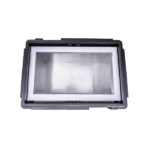
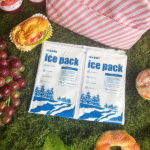
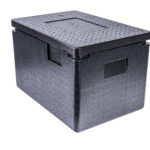
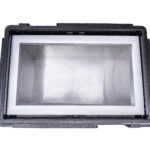
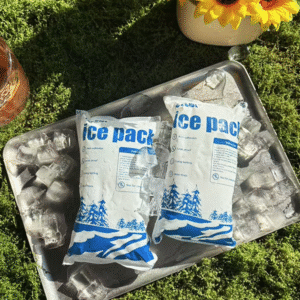
Cargadores aislados y portadores de vacunas: Pasivo contenedores aislados con paquetes de gel o materiales de cambio de fase (PCM) Son ampliamente utilizados para el transporte de corta distancia.. Los PCM absorben y liberan calor a temperaturas específicas, mantener el contenido dentro de rangos estrechos durante más tiempo que el estándar bolsas de hielo. Avanzado paneles de aislamiento al vacío (VIP) reducir aún más la conductividad térmica, permitiendo paquetes más pequeños con tiempos de espera más largos. Por ejemplo, Los PCM combinados con VIP pueden mantener 2 °C–8 °C hasta 120 horas.
Portadores de vacunas preventivas contra la congelación: Los transportistas tradicionales de vacunas corren el riesgo de congelarlas si paquetes de refrigerante contactar los viales directamente. Los nuevos diseños incorporan barreras aisladas que separan el compartimento de la vacuna del refrigerante.. Estos portadores preventivos de congelación reducir el riesgo de congelación accidental durante el transporte de última milla. Estos transportistas son cruciales para la entrega remota, donde los trabajadores de la salud viajan en bicicleta, camello o a pie.
Contenedores frigoríficos activos: Para envíos de larga distancia o de alto valor, Los contenedores activos con compresores incorporados mantienen temperaturas precisas.. Funcionan con baterías o energía externa y cuentan con monitoreo y alarmas en tiempo real.. Los sistemas híbridos combinan PCM con refrigeración activa para soportar condiciones extremas.
Tabla de selección de envases
| Tipo de embalaje | Características | Beneficios del mundo real |
| Portador pasivo con paquetes de gel. | Paredes aisladas y refrigerantes en gel. | Sencillo y rentable; adecuado para entregas locales cortas. |
| Operador basado en PCM | Los materiales de cambio de fase mantienen una temperatura constante. | Tiempo de espera más largo; reduce el riesgo de ciclos de congelación-descongelación. |
| Transportador híbrido VIPPCM | Paneles de aislamiento al vacío con PCM | Duración extendida (arriba a 5 días); tamaño compacto; reduce el peso del refrigerante. |
| Portador de vacuna preventiva contra la congelación | Barrera aislada que separa la vacuna del refrigerante | Evita la congelación accidental durante la entrega de última milla; ideal para áreas remotas. |
| Contenedor activo | Compresor incorporado y fuente de energía. | Control preciso para envíos de larga distancia; puede ajustarse a las condiciones ambientales. |
Consejos para seleccionar el embalaje de las vacunas
Haga coincidir el embalaje con la sensibilidad de la vacuna y el tiempo de tránsito: Las vacunas de rutina enviadas localmente pueden necesitar portadores pasivos, mientras que las vacunas de ARNm que cruzan continentes requieren contenedores activos o cajas criogénicas.
Validar desempeño: Realizar mapas de temperatura en los peores escenarios, p., climas calientes, retrasos en la ruta: para garantizar que el embalaje mantenga el rango objetivo.
Considere la reutilización y la sostenibilidad: Los transportadores reutilizables reducen los residuos y los costos con el tiempo; algunos modelos ofrecen servicios de pooling.
¿Cómo funciona la IoT?, La IA y blockchain mejoran el transporte de vacunas?
The cadena de frío is no longer solely about refrigeration; se trata de datos y visibilidad. La logística moderna se integra sensores de iot, inteligencia artificial (AI) y cadena de bloques para monitorear las condiciones, anticipar problemas y garantizar la trazabilidad.
Sensores inteligentes de IoT medir continuamente la temperatura, humedad, shock y ubicación. Transmiten datos a través de redes celulares o satelitales a paneles de control en la nube.. Cuando las lecturas se acercan a los umbrales, el sistema envía alertas en tiempo real a los conductores o responsables de logística. Esta visibilidad inmediata permite intervenciones rápidas, como agregar bolsas de hielo o redirigir envíos, antes de que las vacunas se echen a perder..
Optimización de rutas de IA utiliza el tráfico, datos meteorológicos y de rendimiento históricos para planificar las rutas más eficientes. La IA puede predecir posibles retrasos o desvíos y sugerir caminos alternativos para minimizar el tiempo de tránsito y mantener el control de la temperatura.. El análisis predictivo también pronostica fallas en los equipos, permitiendo el mantenimiento preventivo.
Plataformas de cadena de bloques crear un registro inmutable de cada traspaso en la cadena de suministro. Los datos de temperatura y ubicación de cada envío se registran en un libro de contabilidad distribuido al que todas las partes interesadas pueden acceder.. Esta transparencia evita la manipulación de datos., apoya las auditorías regulatorias y mejora la confianza entre los fabricantes, proveedores de logística y agencias de salud.
Comparación de tecnologías y beneficios
| Innovación | Función | Beneficio |
| sensores de iot | Medir la temperatura, humedad, shock y ubicación en tiempo real | Proporciona visibilidad continua y permite acciones correctivas inmediatas.. |
| Optimización de rutas de IA | Analiza el tráfico, datos meteorológicos e históricos | Minimiza retrasos y reduce el riesgo de desviaciones de temperatura.. |
| Trazabilidad de la cadena de bloques | Registra los datos de cada envío en un libro mayor distribuido | Garantiza registros a prueba de manipulaciones, genera confianza y agiliza las auditorías. |
| Almacenamiento con energía solar | Genera electricidad fuera de la red para almacenamiento en frío | Apoya la distribución de vacunas en zonas rurales que carecen de un suministro eléctrico fiable. |
| Congeladores criogénicos portátiles | Mantener temperaturas ultrabajas (–80 °C a –150 °C) con seguimiento | Permite el transporte seguro de vacunas de ARNm y terapias celulares a sitios remotos. |
Consejos de implementación
Elija sensores clasificados para el rango de temperatura requerido, especialmente para envíos ultrabajos.
Garantizar la conectividad: Utilice dispositivos multired con opciones alternativas; El almacenamiento de datos fuera de línea es crucial en regiones de baja cobertura..
Integrar datos con sistemas de calidad.: Vincule los datos de los sensores con los números de lote y los envíos para simplificar las auditorías y la documentación..
Utilice análisis predictivos: Aproveche la IA para anticipar excursiones y necesidades de mantenimiento.
Estudio de caso: Durante el lanzamiento de COVID19, DHL estima que se requiere la cobertura global necesaria 200,000 envíos de paletas, 15 millones de cajas de refrigeración y 15,000 vuelos. Empleando equipos validados, seguimiento continuo y planes de contingencia, Los proveedores de logística se aseguraron de que las vacunas llegaran potentes y listas para su uso..
¿Qué normas y directrices debes seguir??
El transporte de vacunas se rige por normas estrictas para garantizar la eficacia y la seguridad.. Comprender estos requisitos le ayuda a diseñar procesos que cumplan con las normas.
Organización Mundial de la Salud (OMS) pautas
El OMS provides standards for cadena de frío equipment and storage procedures. Portadores de vacunas, Las cajas frías y los refrigeradores utilizados en los programas de vacunación deben cumplir con las especificaciones de rendimiento.. La orientación de la OMS también cubre los transportadores de vacunas que previenen la congelación para evitar la congelación involuntaria durante el transporte..
Centros para el Control y la Prevención de Enfermedades (Centros para el Control y la Prevención de Enfermedades) guía
El Centros para el Control y la Prevención de Enfermedades describe las mejores prácticas para el almacenamiento y manipulación de vacunas. Recomienda verificar y registrar las temperaturas del refrigerador al menos dos veces al día o utilizar registradores de datos continuos., mantener las vacunas entre 2 °C y 8 °C, y stock rotativo para minimizar el desperdicio. Para vacunas ultrafrías, Los CDC recomiendan el uso de congeladores calificados y la documentación de los plazos de descongelación..
Ley de seguridad de la cadena de suministro de medicamentos (DSCSA) y Buenas Prácticas de Distribución (PIB)
El DSCSA en los Estados Unidos exige la serialización y trazabilidad de los productos farmacéuticos, incluyendo vacunas. El cumplimiento requiere registrar cada transacción y mantener identificadores de productos a lo largo de toda la cadena de suministro.. PIB Las directrices en Europa y otras regiones establecen estándares para las condiciones de almacenamiento., documentación, operaciones de transporte y formación, Asegurar que los productos permanezcan dentro de sus rangos de temperatura especificados..
UNICEF y las normas logísticas internacionales
UNICEF entrega casi tres mil millones de dosis de vacunas al año y sigue protocolos rigurosos. Normalmente envían vacunas como carga refrigerada por aire y por carretera., con un cuidadoso control de la temperatura. En julio 2025 UNICEF llevó a cabo su primer envío de vacunas por mar, llevando sobre 500,000 dosis de vacuna neumocócica de Bélgica a Costa de Marfil. El transporte marítimo puede reducir las emisiones de gases de efecto invernadero hasta en hasta 90 % y costos de flete por 50 % por envío en comparación con el aire. Una vez que lleguen las vacunas, Se almacenan en cámaras frigoríficas y se distribuyen mediante vehículos frigoríficos a clínicas regionales y rurales..
¿Cómo están dando forma la sostenibilidad y las fuerzas del mercado a la logística de las vacunas en 2025?
The vaccine cadena de frío is expanding rapidly as governments and organisations pursue mass immunisation and prepare for future pandemics. Market research indicates that the global vaccine cadena de frío logistics market was valued at approximately 3.500 millones de dólares en 2024 y se prevé que alcance 5.900 millones de dólares por 2034, reflejando un 5.3 % tasa de crecimiento anual compuesta (Tocón). The broader healthcare cadena de frío logistics market grew from 59.970 millones de dólares en 2024 a 65.140 millones de dólares en 2025, y se espera que alcance 137.130 millones de dólares por 2034.
Impulsores del crecimiento
Programas de vacunación ampliados: Vacunas de refuerzo para COVID19, Nuevas vacunas contra el virus respiratorio sincitial. (RSV) y malaria, and catchup campaigns increase demand for cadena de frío capacity.
Medicina personalizada y ensayos clínicos.: Los envíos cada vez mayores de terapias celulares y genéticas requieren un almacenamiento a temperatura ultrabaja.
Globalización y subcontratación: Pharmaceutical companies rely on specialist logistics providers and invest in crossborder cadena de frío networks.
Innovación tecnológica: IoT, AI, Los sistemas blockchain y de almacenamiento solar mejoran la confiabilidad y reducen los costos..
Iniciativas de sostenibilidad: Los envases reutilizables y el transporte marítimo reducen las emisiones de carbono y los residuos.
Herramientas útiles para tomar decisiones
Comprueba los detalles antes de elegir el embalaje.
Estas herramientas rápidas pueden ayudarle a comparar el riesgo de la ruta, necesidades de dimensionamiento, opciones de refrigerante, y detalles del embalaje antes de solicitar una cotización.
Comprobador de riesgos de ruta
Revise las condiciones del carril antes de seleccionar el embalaje para requisitos operativos reales..
Comprobar riesgo de rutaReferencia del material aislante
Compare opciones de materiales aislantes para diferentes necesidades de embalaje de la cadena de frío.
Comparar materialesrefrigerante & Referencia PCM
Compare las opciones de refrigerante y PCM cuando una ruta necesite soporte de temperatura adicional.
Comparar opcionesSostenibilidad en acción
La sostenibilidad es fundamental para la logística de las vacunas.. Envío marítimo, utilizado por UNICEF en 2025, puede reducir las emisiones de gases de efecto invernadero 90 % y menores costos de flete 50 % por envío. Transportadores aislados reutilizables Disminuir los residuos de un solo uso y reducir los costos a largo plazo.. Unidades de almacenamiento con energía solar proporcionar refrigeración fuera de la red en comunidades remotas. Mientras tanto, innovaciones como la Pasar a la Coalición –15 °C aim to standardise cadena de frío temperatures to reduce global emissions without compromising product safety.
Consejos prácticos y mejores prácticas para el transporte de vacunas
Para instalaciones de almacenamiento
Segregar por zona de temperatura: Asignar refrigeradores y congeladores separados para 2 °C-8 °C, –15 °C– –50 °C y vacunas ultrabajas.
Realizar calibración y mantenimiento periódicos.: Programe mantenimiento preventivo y calibre las sondas de temperatura para garantizar la precisión..
Temperaturas del mapa: Identificar puntos fríos y calientes en refrigeradores para ajustar los patrones de carga..
Documentar todo: Mantenga registros de las lecturas de temperatura, calibración, Formación y desvíos para facilitar las auditorías..
Capacitar al personal: Proporcionar capacitación frecuente sobre procedimientos de manejo y acciones de emergencia..
Planificar arreglos de contingencia: Prepare energía de respaldo y opciones de almacenamiento alternativas para cortes de energía o fallas del equipo..
Para transporte y entrega de última milla
Paquetes de refrigerante de condición previa: Congele los paquetes de gel o acondicione los PCM a la temperatura correcta antes de empacarlos..
Utilice portadores preventivos de congelación: Emplear transportadores con barreras aislantes para evitar la congelación accidental..
Monitorear continuamente: Adjunte registradores de datos o dispositivos IoT a los envíos; establecer umbrales de alerta y listas de contactos.
Optimizar rutas: Aprovecha la IA para evitar el tráfico y las condiciones climáticas extremas, reduciendo el tiempo de tránsito.
Validar el embalaje para el clima local: Embalaje de prueba en temperaturas extremas de alta o baja temperatura previstas a lo largo de la ruta.
Capacitar al personal de campo: Educar a los trabajadores de la salud sobre el uso de cajas frías., portadores de vacunas e indicadores de congelación; Haga hincapié en no exponer los soportes a la luz solar directa ni a fuentes de calor..
Rotar el inventario y reducir el tiempo de permanencia: Usar primero que expira primero en salir (FEFO) Métodos para minimizar los residuos y evitar la exposición prolongada..
Ejemplo de caso: Durante el lanzamiento de la vacuna COVID19, Un proveedor de logística utilizó transportadores de vacunas que previenen la congelación y sensores de IoT para la entrega de última milla en África rural.. Cuando los envíos pasaron por ambientes cálidos, Los sensores enviaron alertas a los ciclistas.. Reubicaron los transportistas en áreas sombreadas y agregaron paquetes PCM adicionales., garantizar que las vacunas se mantengan dentro 2 °C-8 °C. No se perdieron dosis, y mejoró la cobertura de vacunación local.
2025 developments and future trends in vaccine cadena de frío transportation
Descripción general de la tendencia
The vaccine cadena de frío continues to evolve rapidly. Tendencias clave para 2025 incluir:
Diseños preventivos de congelación: Los transportadores con barreras aisladas separan las vacunas del refrigerante, evitando la congelación durante el transporte.
Optimización de rutas impulsada por IA: Los proveedores de logística adoptan inteligencia artificial y aprendizaje automático para predecir retrasos y desviar envíos en tiempo real.
Adopción de cadena de bloques: Las cadenas de suministro inmune utilizan libros de contabilidad distribuidos para registros de temperatura y pruebas de autenticidad.
Solar Soluciones de cadena de frío: Los programas de vacunación rural implementan refrigeradores y congeladores de accionamiento solar directo para mantener la temperatura sin energía de la red.
Ampliación del transporte marítimo: El envío marítimo piloto de UNICEF allana el camino para el transporte marítimo rutinario de vacunas, reduciendo costos y emisiones.
Pasar a la coalición de –15 °C: Businesses and NGOs explore standardising cadena de frío temperatures around –15 °C to reduce energy consumption without compromising product quality.
Automatización de almacenes: Los sistemas robóticos automatizan el almacenamiento y la recuperación en almacenes frigoríficos, mejorar la eficiencia y reducir la exposición humana a temperaturas extremas.
Ideas del mercado
A medida que aumenta la demanda de vacunas, La industria logística ve consolidación e inversión.. Los proveedores de la cadena de frío se están fusionando o asociando con innovadores de embalaje y empresas de tecnología.. Regiones como Asia y el Pacífico están experimentando un rápido crecimiento debido a la ampliación de los programas de vacunación y la mejora de la infraestructura.. América del Norte y Europa continúan liderando la adopción de tecnologías de monitoreo avanzadas y embalaje sostenible. Los mercados emergentes invierten en soluciones solares y refrigeración móvil para llegar a las poblaciones rurales.
Preguntas frecuentes
¿Qué causa la pérdida de potencia de la vacuna durante el transporte??
Excursiones de temperatura: calor por encima +8 °C o congelación por debajo +2 °C: provoca que los antígenos de la vacuna se degraden o que los adyuvantes se aglutinen. Embalaje adecuado, El monitoreo continuo y los manipuladores capacitados previenen estos problemas..
¿Puedo utilizar refrigeradores domésticos para almacenar vacunas??
No. Los refrigeradores domésticos a menudo fluctúan mucho y tienen una distribución desigual de la temperatura.. Unidades de grado médico con termómetros calibrados., Se requieren alarmas y registro de datos..
¿Con qué frecuencia debo registrar las temperaturas de almacenamiento de las vacunas??
Los CDC recomiendan verificar y registrar las temperaturas al menos dos veces al día o usar registradores de datos continuos para 24/7 escucha.
¿Por qué son importantes los transportadores que previenen la congelación??
Utilizan barreras aisladas para separar el compartimento de la vacuna del refrigerante, reducir el riesgo de congelación durante la entrega de última milla. Esto es vital cuando se realizan entregas en áreas remotas donde las condiciones de las carreteras y los tiempos de tránsito varían..
¿Es seguro el transporte marítimo para las vacunas??
Sí. UNICEF envió con éxito 500,000 dosis por mar en julio 2025. El transporte marítimo puede reducir las emisiones de gases de efecto invernadero hasta en 90 % y costos de flete por 50 % comparado con el aire, siempre que existan contenedores refrigerados y monitoreo.
¿Qué papel juega blockchain en el transporte de vacunas??
Blockchain proporciona un registro a prueba de manipulaciones de datos de temperatura y ubicación en toda la cadena de suministro., Garantizar la autenticidad y respaldar el cumplimiento normativo..
Resumen y recomendaciones
Puntos clave: Vaccine cadena de frío transportation preserves the efficacy of lifesaving immunisations. Excursiones de temperatura: arriba +8 °C o menos +2 °C: puede destruir la potencia de la vacuna. La mayoría de las vacunas requieren almacenamiento en 2 °C-8 °C, mientras que las vacunas vivas atenuadas necesitan congelación y las vacunas de ARNm requieren condiciones ultrafrías. Portadores preventivos de congelación, Los PCM y VIP protegen las vacunas durante la entrega de última milla. sensores de iot, La IA y blockchain proporcionan monitoreo en tiempo real, análisis predictivo y trazabilidad. Las prácticas sostenibles, como los envases reutilizables y los envíos marítimos, reducen las emisiones y los costos.. El crecimiento del mercado es fuerte, with the vaccine cadena de frío logistics sector expected to reach US$5.9 billion by 2034.
Pasos de acción:
Evalúe su inventario de vacunas: Identifique los requisitos de temperatura para cada tipo de vacuna y separe las zonas de almacenamiento en consecuencia..
Invierta en equipos certificados: Asegurar refrigeradores, Los congeladores y transportadores cumplen con los estándares de la OMS/CDC.; calibrar regularmente.
Implementar un monitoreo continuo: Utilice sensores de IoT y registradores de datos; establecer umbrales y protocolos de alerta.
Elija el embalaje adecuado: Seleccione portadores preventivos de congelación, PCM o contenedores activos según la duración del tránsito y el clima.
Entrena a tu equipo: Llevar a cabo capacitaciones periódicas sobre el manejo., procedimientos de seguimiento y contingencia.
Planificar una logística sostenible: Explore los envases reutilizables y, donde sea viable, Transporte marítimo para reducir emisiones..
Mantente informado: Monitorear las actualizaciones regulatorias, new technologies and market trends to adapt your cadena de frío strategy.
Siguiendo estos pasos, puedes reducir el desperdicio de vacunas, Cumplir con las regulaciones y entregar vacunas potentes a comunidades de todo el mundo..
Sugerencias de enlaces internos
Logística de la cadena de frío en el sector sanitario 2025 – Learn about the broader cadena de frío landscape, incluidos los impulsores del mercado y las tendencias tecnológicas.
cadena de frío Pharmaceutical Storage Guide – Descubra las mejores prácticas para almacenar productos biológicos, Insulinas y terapias genéticas..
cadena de frío Drug Innovations – Explore cómo los materiales de cambio de fase y los paneles de aislamiento al vacío mejoran el embalaje.
Soluciones IoT para monitoreo de temperatura – Comprender cómo los datos en tiempo real mejoran el cumplimiento y reducen las excursiones.
Sustainable Packaging in cadena de frío – Investigar materiales ecoamigables y contenedores reutilizables para logística.
Acerca de Tempk
Tempk specialises in advanced cadena de frío solutions tailored for pharmaceuticals and vaccines. Diseñamos portavacunas reutilizables, Transportistas basados en PCM y sistemas de monitoreo de IoT que cumplen con los estrictos estándares de la OMS y el PIB. Nuestros productos incluyen portadores preventivos de congelación con barreras aisladas para evitar la congelación accidental e híbridos VIPPCM que mantienen 2 °C–8 °C para viajes de varios días. También proporcionamos dispositivos de seguimiento en tiempo real y paneles de control en la nube., permitiendo visibilidad y cumplimiento de extremo a extremo. Combinando experiencia en ingeniería con materiales sostenibles, Ayudamos a los proveedores de atención médica a administrar vacunas potentes y al mismo tiempo reducir los residuos y la huella de carbono..
Da el siguiente paso: Si necesita mejorar sus procesos de cumplimiento o transporte de vacunas, contáctenos para una evaluación personalizada. We’ll show you how our integrated packaging and monitoring solutions can secure your cadena de frío and protect patient safety.