La exportación de bolsas de hielo con inyección de agua ya no es una venta de “simple accesorio de refrigerante”. Actualizado: Febrero 11, 2026. Los compradores ahora tratan la exportación de paquetes de hielo con inyección de agua como un componente controlado de la cadena de frío.. Esperan un embalaje disciplinado, etiquetado, y documentación, porque los retrasos y el mal manejo destruyen rápidamente el valor. Tus mercados objetivo, volúmenes de exportación, y los detalles de la empresa no están especificados, por lo que esta guía es independiente del mercado y muestra dónde debe localizar.
Este artículo responderá
Cómo funcionan las bolsas de hielo en gel con inyección de agua y cómo falla la exportación de bolsas de hielo con inyección de agua en carriles reales
¿Qué enfoques del código HS de exportación de paquetes de hielo con inyección de agua reducen las demoras y las disputas en el despacho de aduanas?
Cómo validar la exportación de paquetes de hielo por inyección de agua con perfiles térmicos ISTA 7E y ciclos de distribución ASTM D4169
Qué se aplican las expectativas sobre los plásticos en contacto con alimentos de la UE y los polímeros de EE. UU. a las reclamaciones de exportación de bolsas de hielo con inyección de agua
¿Qué documentos debe agrupar para que la exportación de paquetes de hielo con inyección de agua esté lista para el comprador?
¿Cómo funciona la exportación de paquetes de hielo con inyección de agua en envíos reales??
Tipos de productos de exportación de bolsas de hielo con inyección de agua y modos de falla
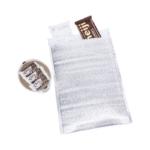
Exportación de paquetes de hielo con inyección de agua., a menudo envías la bolsa vacía y la hidratas más tarde. Muchos diseños utilizan un polímero superabsorbente. (SAVIA) Núcleo que convierte el agua inyectada en un gel.. Los sistemas de gel SAP se describen comúnmente como agua más polímero superabsorbente., y SAP puede retener grandes volúmenes de agua. Esto da una estabilidad, masa de enfriamiento lista para congelar cuando el usuario sigue las instrucciones.
Una diferencia clave en la exportación de paquetes de hielo con inyección de agua es dónde reside el riesgo de calidad.. El paquete puede estar fabricado correctamente., pero falla después de un llenado o congelación inadecuados. El llenado excesivo elimina el espacio libre y tensiona las uniones a medida que el agua se expande durante la congelación.. Los materiales de formación de la OMS sobre la cadena de frío hacen hincapié en dejar espacio para la expansión y comprobar si hay fugas, que se asigna directamente a su especificación de espacio de cabeza.
La mayoría de los fallos en la exportación de paquetes de hielo por inyección de agua se agrupan en torno a tres factores desencadenantes. Primero viene la deriva del proceso en el llenado, incluyendo sobrellenado y eliminación de aire inconsistente. En segundo lugar viene la congelación, lo que reduce la capacidad de frío utilizable y aumenta la variabilidad. En tercer lugar viene el manejo del estrés., porque cae, vibración, y la compresión amplifican los sellos débiles y provocan fugas. Estas categorías de peligro se alinean con la práctica de simulación de distribución estándar..
Para reducir la ambigüedad, tratar la exportación de paquetes de hielo con inyección de agua como “producto + preparación." Muchos proveedores instruyen a los compradores a llenar hasta una línea guía y congelar durante un tiempo definido.. Si el receptor cambia el nivel de llenado, temperatura del congelador, o duración de congelación, tus resultados pueden cambiar. La página de su producto debe indicar esas suposiciones tan claramente como indica el tamaño y el material..
Estudio de caso (62 palabras)
Un operador de kits de comida importó bolsas de exportación de paquetes de hielo con inyección de agua para agilizar el almacenamiento entrante. Un nuevo supervisor aumentó el peso del relleno para “mejorar el enfriamiento,”pero los paquetes se expandieron y tuvieron microfugas después de congelarse. Las cajas llegaron húmedas y las etiquetas fallaron, desencadenar devoluciones de cargo. El exportador agregó una tolerancia de llenado estricto., una verificación del espacio de cabeza, y un AQL de fuga post-congelación. Los rechazos disminuyeron después de dos semanas de reentrenamiento.
Comparación del formato del refrigerante con las opciones de exportación de paquetes de hielo con inyección de agua en el marco
| Opción de refrigerante | Uso óptimo | Principal factor de riesgo | Implicaciones prácticas para las exportaciones |
|---|---|---|---|
| Bolsa de exportación de bolsa de hielo con inyección de agua | comida de comercio electrónico, kits de comida, programas de llenado locales | Llenar y congelar la disciplina | Requiere instrucciones de trabajo y tolerancias del comprador. |
| Paquete de gel precargado | Compradores que quieran “listo para usar” | Peso de la carga y claridad de la composición del gel. | A menudo se necesitan declaraciones de composición claras para la aduana. |
| Paquete frío de PCM | Objetivos de temperatura estrictos (por ejemplo 2–8°C) | El rango de fase incorrecto provoca excursiones | Normalmente se trata como un componente refrigerante pasivo.; valida tu paquete |
| hielo seco (UN1845) | Los envíos congelados necesitan un enfriamiento fuerte | Reglas de marcado y acumulación de presión. | Activa los requisitos de ventilación y etiquetado por aire |
Términos en lenguaje sencillo que debes definir en la página
Acondicionamiento: calentar paquetes congelados brevemente para evitar congelar cargas útiles sensibles.
Perfil térmico: un programa ambiental repetible utilizado durante la validación de laboratorio.
Ciclo de distribución: una secuencia de peligros que simula el estrés del transporte.
¿Qué especificaciones y pruebas hacen defendible la exportación de bolsas de hielo con inyección de agua??
Especificaciones de embalaje y pila de prueba de exportación de paquetes de hielo con inyección de agua
La “definición de hecho” de exportación de su paquete de hielo con inyección de agua debe combinar especificaciones, validación, y control de cambios. Una referencia útil es la mentalidad de plan de transporte en las normas ISO para envíos controlados.. Estos estándares destacan la verificación, validación, comunicación, y documentación asociada como entregables principales. Esa mentalidad se transfiere bien a los componentes del refrigerante en las cadenas de frío auditadas..
Comience con una especificación que su comprador pueda ejecutar en una línea de embalaje. Separa lo que fabricas de lo que debe hacer el comprador. Luego agregue un método de aprobación/rechazo auditable para fugas y preparación.. Esto convierte los argumentos en medidas y protege su margen..
| Campo de especificaciones que publicas | lo que dices (listo para exportar) | Implicaciones prácticas para la exportación de paquetes de hielo con inyección de agua |
|---|---|---|
| Película de bolsa y calibre | Familia de materiales más espesor nominal | Impacta el riesgo de pinchazo bajo compresión. |
| Volumen de llenado de agua | ml nominales + tolerancia + regla del espacio de cabeza | Controla el estrés de expansión y la probabilidad de fugas. |
| Puerto o cierre | Tipo de puerto más guía de cierre | Los puertos concentran el estrés y fallan primero |
| Protocolo de congelación | rango de congelador + horas mínimas + Cheque "completamente congelado" | Impulsa la capacidad térmica repetible |
| regla de condicionamiento | Cuándo acondicionar o usar congelado | Evita congelar cargas útiles sensibles |
| Aceptación de fugas | AQL, plan de muestreo, y pasar criterios | Convierte la “calidad” en resultados controlados |
El espacio de cabeza no es un detalle "agradable de tener". La guía de la OMS sobre la cadena de frío muestra la misma física: Deje espacio para la expansión del agua y revise si hay fugas.. Utilice ese principio para justificar sus requisitos de espacio libre y prueba de fugas en los contratos de exportación de paquetes de hielo con inyección de agua.. También le ayuda a explicar por qué el sobrellenado anula las garantías..
Próximo, publicar una pila de validación de dos partes: térmica más mecánica. Para validación térmica en carriles de paquetería, La Asociación Internacional de Tránsito Seguro describe los perfiles térmicos ISTA 7E como un estándar desarrollado a partir de datos de temperatura del transporte del mundo real.. Esto hace que ISTA 7E sea útil cuando los compradores desean resultados comparativos entre proveedores..
Para validación mecánica, alinearse con un método de simulación de distribución reconocido. ASTM International ASTM D4169 proporciona un enfoque basado en laboratorio utilizando un plan de prueba elaborado con elementos de peligro anticipados a lo largo de los ciclos de distribución.. Estos conceptos se corresponden con los mismos desencadenantes de fugas que se ven en las reclamaciones de campo.. Utilice la lógica D4169 para justificar capas de contención o sellos más fuertes.
Un práctico, El paquete de prueba fácil de usar para el comprador para la exportación de paquetes de hielo con inyección de agua se ve así:
Informe térmico bajo un perfil elegido. (Por ejemplo, Ista 7e) con registradores de datos calibrados.
Ciclos de congelación y descongelación, seguido de una verificación de fugas definida y evidencia fotográfica.
Simulación de distribución alineada con el carril del comprador y la configuración del transportista..
Especificaciones de embalaje y prueba que puede publicar con la exportación de paquetes de hielo con inyección de agua (manténgalos mensurables):
Fuga: "0 fugas visibles" después de un método de inspección y congelación definido que usted describe.
Mecánico: sobrevivir a una secuencia de simulación de distribución definida antes de la inspección.
Térmico: horas dentro del rango bajo un perfil definido, expedidor, y masa de carga útil.
¿Qué normas y documentos de cumplimiento controlan la exportación de bolsas de hielo con inyección de agua??
Paquete de documentación y listas de verificación para la exportación de paquetes de hielo con inyección de agua
El cumplimiento de la exportación de bolsas de hielo con inyección de agua es más fácil cuando se trata como tres capas: aduanas, sustancias, y ley de embalaje. Para aduanas, La Organización Mundial de Aduanas explica que HS 2022 entró en vigor en enero 1, 2022, y el SA se utiliza en todo el mundo para clasificar los bienes comercializados. Su país de destino puede agregar dígitos, pero la estructura del SA todavía determina el camino.
La clasificación depende de la construcción y la composición., entonces debes documentar ambos. En la práctica de Estados Unidos, Las resoluciones de la CBP muestran que los paquetes de gel se clasifican comúnmente en la partida HS 3824. Eso significa que el tratamiento puede seguir la lógica de los “preparados químicos”, no la intuición de la “bolsa de plástico”. Las compresas frías cubiertas de tela se pueden evaluar de diferentes maneras, solo alinea BIEN, redacción de la factura, y fotos.
Si comercializa exportación de paquetes de hielo con inyección de agua para logística de alimentos., Las expectativas de contacto con los alimentos se convierten en una puerta de entrada para los compradores.. La Comisión Europea describe el Reglamento (CE) No 1935/2004 como marco de la UE para materiales en contacto con alimentos. También apunta al Reglamento (UE) No 10/2011 como medida específica clave para los plásticos, y señala el papel de una Declaración de Cumplimiento y la documentación de respaldo..
Para EE.UU.. compradores, Las preguntas sobre cumplimiento de polímeros comúnmente hacen referencia a EE. UU.. Reglas de la Administración de Alimentos y Medicamentos en el Código de Regulaciones Federales. Por ejemplo, 21 CFR 177.1520 cubre polímeros de olefina e incluye condiciones para usos de polietileno en artículos en contacto con alimentos. Su comprador puede solicitar declaraciones de cumplimiento de grado de resina a los proveedores de resina..
Si coloca artículos en el mercado de la Unión Europea, Se pueden aplicar flujos de trabajo SVHC. La Agencia Europea de Productos Químicos explica las obligaciones de la lista de candidatos y los deberes de comunicación de la cadena de suministro según REACH. También opera el marco de base de datos SCIP para artículos que contienen sustancias de la Lista de Candidatos por encima de los umbrales.. Cree una declaración SVHC en su paquete de incorporación, y actualizarlo cuando cambies de material.
La ley de embalaje es una verdadera 2026 restricción de las exportaciones para los programas orientados a la UE. Los resúmenes de la UE explican que el Reglamento de Envases y Residuos de Envases se aplica a partir de agosto 12, 2026, y entró en vigor en febrero 11, 2025. Incluso cuando su refrigerante está "dentro del embalaje,“Los compradores pueden solicitar datos de embalaje y posicionamiento de reciclabilidad.. Trate el cumplimiento del embalaje como un insumo de diseño y un factor de costo..
Las normas de transporte influyen en la exportación de bolsas de hielo con inyección de agua, especialmente para cadenas de suministro de transporte aéreo. La Asociación de Transporte Aéreo Internacional publica el Reglamento de Carga Perecedera (PCR) y el Reglamento de Control de Temperatura (TCR). Su documento de logística de productos perecederos dice que la documentación y las etiquetas deben estar preparadas para evitar retrasos en los procesos y aduanas.. El mismo documento destaca programas de digitalización como ONE Record para compartir datos de envíos..
Si el comprador utiliza hielo seco como refrigerante, entender el contraste. A NOSOTROS. Las reglas de peligro establecen que el dióxido de carbono, sólido (hielo seco) enviados por avión o barco deben estar embalados para permitir la liberación de gas. Este no es su artículo de exportación de bolsa de hielo con inyección de agua., pero le ayuda a explicar por qué la elección del refrigerante cambia el cumplimiento y el etiquetado..
Los términos comerciales evitan disputas que no puedes resolver después de la entrega.. La Cámara de Comercio Internacional publica los Incoterms® 2020, y estados unidos. La guía comercial resume la estructura de dos grupos de las once reglas.. Cuando cotiza la exportación de bolsas de hielo con inyección de agua, indicar el incoterm, lugar nombrado, y “Incoterms® 2020” consistentemente.
| Área de requisitos de exportación | Lo que te piden los compradores | Qué cambia en la exportación de paquetes de hielo con inyección de agua |
|---|---|---|
| Aduanas | Enfoque HS + declaración de composición | Reduce las retenciones y los argumentos de reclasificación. |
| Sustancias del producto | Declaración SEP + control de cambios | Acelera la incorporación en la UE y la preparación para las auditorías |
| Reclamaciones de logística alimentaria | UE y EE.UU.. base de cumplimiento | Limita la exposición legal de los compradores |
| Reglamento de embalaje | Nota de preparación de PPWR | Fuerza el rediseño del packaging y la captura de datos. |
| Manejo de carga aérea | Documentos y etiquetas alineados con PCR/TCR | Reduce los fallos y retrasos en la aceptación. |
Elementos de la lista de verificación de cumplimiento de exportación para la exportación de paquetes de hielo con inyección de agua
Alinear la descripción de la factura, lista de materiales, y enfoque HS; mantener la redacción coherente en todos los documentos.
Proporcionar una declaración de composición y una hoja de especificaciones dirigida al comprador con tolerancias y pasos de preparación..
Si vendes a cadenas alimentarias., explica tu UE y EE.UU.. base regulatoria, y mantenga los documentos de soporte rastreables.
Preparar la comunicación de SVHC para las cadenas de suministro de la UE y actualizarla sobre los cambios de formulación..
Preparar la preparación de los datos de embalaje de la UE antes de la 2026 fecha de aplicabilidad.
LISTA DE VERIFICACIÓN DE EMBALAJE DE MUESTRA PARA LA EXPORTACIÓN DE PAQUETES DE HIELO CON INYECCIÓN DE AGUA
1) Verificar SKU, calibre de bolsa, y el diseño del puerto coinciden con la orden de compra.
2) Confirmar control de calidad entrante: inspección visual del sello más prueba aleatoria de puntos de fuga.
3) Si está lleno: verificar el volumen de llenado, espacio para la cabeza, y método de cierre.
4) Congelar y acondicionar según las instrucciones de trabajo; récord de tiempo y temperatura del congelador.
5) Utilice contención secundaria y absorbente según el paquete validado..
6) Empacar cajas según las especificaciones; Evite bordes afilados y compresión excesiva..
7) Aplicar etiquetas: lote/lote, recuento de cajas, manejo de notas, y marcas del comprador.
8) Insertar documentos: Lista de embalaje, factura, declaración de composición, resumen de la prueba.
9) Aprobación de control de calidad y registro fotográfico antes de la paletización y recogida..
Ideas de elementos interactivos para la exportación de paquetes de hielo con inyección de agua.
Herramienta de decisión de embalaje: horas de carril + carga útil kg + rango objetivo → sugerencia de recuento del paquete inicial.
Autoevaluación de cumplimiento: destino + reclamo alimentario + lleno/sin llenar → lista de paquetes de documentos.
Puntuación de riesgo de fuga: tipo de puerto + tolerancia de llenado + riesgo de caída → muestreo de control de calidad recomendado.
Preguntas frecuentes sobre la exportación de bolsas de hielo con inyección de agua
¿Cómo se reducen las reclamaciones por fugas en la exportación de bolsas de hielo con inyección de agua??
Controlar la tolerancia de llenado, espacio para la cabeza, y tiempo de congelación, luego validar la fuga después del estrés de congelación-descongelación. Agregue simulación de distribución para exponer las debilidades del sello antes de realizar el envío.. Mantenga las instrucciones de trabajo del comprador simples, y auditar su primera ejecución. La orientación de la OMS sobre el espacio de cabeza y las comprobaciones de fugas respalda la misma lógica de prevención.
¿Qué código HS es típico para la exportación de paquetes de hielo con inyección de agua a los Estados Unidos??
No existe un código único, porque la clasificación depende de la construcción y la composición.. Las sentencias de la CBP muestran que muchos paquetes de gel están clasificados en la partida HS 3824 como productos o preparados químicos. Las compresas frías cubiertas de tela se pueden clasificar de manera diferente. Utilice un corredor, alinear el texto de la factura con su lista de materiales, y mantener descripciones consistentes en todos los envíos.
¿Necesita documentos de contacto con alimentos para la exportación de bolsas de hielo con inyección de agua??
Si comercializas los packs para logística de alimentos, esperar solicitudes de documentación. Los compradores de la UE suelen hacer referencia al Reglamento (CE) 1935/2004 y normas sobre plásticos según el Reglamento (UE) 10/2011, incluida la Declaración de expectativas de cumplimiento. A NOSOTROS. Los compradores pueden solicitar el cumplimiento de la resina en virtud de 21 Disposiciones sobre polímeros CFR. Aclare si su paquete toca el embalaje primario, cajas secundarias, o ninguno.
¿Qué pruebas hacen que las afirmaciones sobre el rendimiento de las exportaciones de paquetes de hielo con inyección de agua sean creíbles??
Vincular reclamos a un transportista definido, carga útil, y perfil ambiental. Para carriles de paquetería, ISTA 7E proporciona perfiles térmicos estandarizados creados a partir de datos reales de carriles. Combine pruebas térmicas con simulación de distribución mecánica, como ASTM D4169, luego realice verificaciones de fugas posteriores a la prueba. Publique únicamente afirmaciones que pueda reproducir después de cambios en el proceso o en los materiales..
¿Qué cambios debería prever en la exportación de paquetes de hielo con inyección de agua a la UE??
Las expectativas de cumplimiento de los envases se endurecen a medida que se aplica el reglamento de envases de la UE a partir de agosto 2026. Los compradores pueden solicitar datos de embalaje., alineación de reciclabilidad, y declaraciones de proveedores en etapas anteriores de la adquisición.. Incorpore el cumplimiento del embalaje en los costos y plazos de entrega en lugar de tratarlo como “papeleo posterior”. Documente lo que está dentro de su alcance y lo que no..