Fábrica de bolsas de hielo con inyección de agua: 2026 Lista de verificación?
A fábrica de bolsas de hielo con inyección de agua La decisión es realmente una decisión de riesgo.. Si los paquetes tienen fugas, explosión, o llegar insuficientemente lleno, pierdes producto, tiempo, y confiar en. Los paquetes de agua también se expanden aproximadamente 9% al congelarse, Los sellos tan débiles fallan rápidamente. Cuando se hace bien, a fábrica de bolsas de hielo con inyección de agua te da lotes estables, enfriamiento predecible, y menos reclamaciones por “cartón mojado”.
Esta guía te ayudará:
Elija un Lista de verificación de control de calidad de fábrica de bolsas de hielo con inyección de agua que adquisiciones y control de calidad pueden compartir
Verificar Sellado de fábrica de bolsas de hielo con inyección de agua y prueba de fugas sin conjeturas
Definir Personalización de fábrica de paquetes de hielo con inyección de agua y etiqueta privada especificaciones que reducen los errores
Controlar Capacidad de la fábrica de bolsas de hielo con inyección de agua y planificación del tiempo de entrega. para temporada alta
Validar el rendimiento para 2–8 ° C y carriles congelados usando pruebas repetibles
Utilice herramientas de decisión rápida para preseleccionar proveedores con confianza
¿Qué hace una fábrica de bolsas de hielo con inyección de agua??
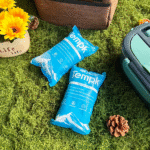
A fábrica de bolsas de hielo con inyección de agua produce bolsas flexibles selladas llenas de agua (o mezclas a base de agua). Los formatos son simples.. Los modos de falla no son.
Formatos de paquetes comunes que puede obtener:
Paquetes de almohadas (fácil de colocar en cajas de cartón)
Paquetes de ladrillos (Estabilidad de apilamiento para carriles más largos.)
Hojas de varias celdas (mejor cobertura, menos cambios)
Paquetes de tapones reutilizables (bucles de retorno, si tienes el proceso)
Piense en cada paquete como un pequeño batería fría. El hielo absorbe aproximadamente 334 kJ por kilogramo mientras se funde a 0°C. Esa “absorción de energía” ayuda a estabilizar la temperatura durante el tránsito. Su trabajo es asegurarse de que la “carcasa de la batería” (película + sello) nunca falla.
Fábrica de bolsas de hielo con inyección de agua frente a bolsas de gel: que cambios?
Dos paquetes pueden parecer idénticos y comportarse de manera muy diferente. El agua es menos indulgente porque la expansión por congelación tensiona los sellos y las esquinas..
| Área de enfoque de fábrica | Paquetes de inyección de agua | paquetes de gel | Lo que significa para ti |
|---|---|---|---|
| Congelar la tensión de expansión | Más alto | Medio | Los paquetes de agua necesitan sellos más fuertes y diseño de esquinas |
| Precisión de llenado | Crítico | Importante | Relleno insuficiente = tiempo de espera débil y resultados inestables |
| Modo de falla | División de costura, microcanales | División de costura, punción | El control de las focas se convierte en su #1 filtro de cribado |
| Sensibilidad del proceso | Alto | Medio | Una pequeña desviación en el sellado aparece en fallas invernales |
Consejos prácticos que puedes usar
Si se producen fugas después de la congelación: priorizar el diseño y la consistencia del sello, no marca.
Si congelas en casa: Alinee las especificaciones de la película y el sello con la temperatura y manipulación de su congelador..
Si realiza el envío mediante clasificación automática: priorizar la resistencia a las perforaciones y el embalaje de cartón protector.
ejemplo real: Una marca cambió a un proveedor más barato y vio "cajas húmedas al azar". La causa principal fueron los microcanales en los sellos que solo aparecieron después de la expansión por congelación.. Los controles de sellado hermético detuvieron las fugas.
Lista de verificación de control de calidad de fábrica de bolsas de hielo con inyección de agua
Un calificado fábrica de bolsas de hielo con inyección de agua debería probar tres cosas: consistencia, durabilidad, y escalabilidad. Las muestras son fáciles. La repetibilidad es difícil.
Cómo se ve lo "bueno" en producción
Quieres un control estable de:
Peso de llenado (tolerancia estricta, cheques registrados)
Ancho del sello + integridad (mesurado, documentado, corregido al derrapar)
Espesor de la película (estabilidad del lote, registros de inspección entrantes)
Dimensiones (para que tu paquete no se desvíe)
Trazabilidad (códigos de lote + registros de lotes)
| Capacidad | que pedir | señal fuerte | Lo que significa para ti |
|---|---|---|---|
| control de llenado | Peso objetivo + tolerancia | Controles en línea + registros | Duración de enfriamiento predecible |
| Control de sello | Ancho del sello + parámetros | Grabado por turno | Menos fugas y explosiones |
| Trazabilidad | Códigos de lote + archivos | Registros de lotes disponibles | Análisis de causa raíz más rápido |
| Durabilidad | Gota + compresión + congelar-descongelar | Evidencia de varios ciclos | Menos fallos retrasados |
| Protección del embalaje | Forros interiores / divisores | Método de cartón consistente | Menos daño antes de recibirlo. |
Consejos prácticos y sugerencias.
Solicite un mapa de procesos: quieres ver dónde ocurren los controles, no promesas.
Pregunte cómo manejan el retrabajo: Los sellos reelaborados pueden crear puntos débiles..
Preguntar por el control de cambios: “No se permiten cambios de película sin previo aviso por escrito” es una regla estricta.
Sellado de fábrica de bolsas de hielo con inyección de agua y prueba de fugas (el paso decisivo)
El sellado es el latido del corazón de un fábrica de bolsas de hielo con inyección de agua. La mayoría de las fallas se remontan a la deriva del sello, contaminación, presión desigual, o geometría débil.
Defectos de sello comunes que usted debe detectar:
División de costura: energía de sello débil o desalineación
Fuga de microcanal: Pequeño camino que aparece después de la congelación.
Desgarro de esquina: Concentración de tensiones durante el apilamiento y caídas.
Poros: daño de la película, contaminación, o abrasión
| Problema con el sello | Causa probable | Control de fábrica que ayuda | Lo que significa para ti |
|---|---|---|---|
| División de costura | Baja energía de sellado | Monitoreo de parámetros | Menos cajas mojadas |
| Microcanal | Contaminación | Proceso limpio + presión uniforme | Menos “filtraciones misteriosas” |
| Desgarro de esquina | Esquinas afiladas, película delgada | redondeo de esquinas + película más fuerte | Mejor manejo de la supervivencia |
| Poros | Abrasión / manejo | Película más dura + mejor embalaje | Menor tasa de fuga en tránsito |
Consejos prácticos y sugerencias.
Requiere una especificación de sello: objetivo de ancho de sello y rango aceptable.
Controles de congelación de la demanda: los sellos deben pasar después congelación, no sólo a temperatura ambiente.
Agregar pruebas de compresión: Los paquetes apilados crean estrés real en las cajas..
ejemplo real: Un distribuidor de productos del mar vio fugas solo en invierno. Los paquetes se congelaron más, se expandió más, y costuras débiles estresadas. Los sellos ligeramente más anchos eliminaron el pico estacional.
Cómo auditar una fábrica de bolsas de hielo con inyección de agua en 2026
No necesitas un recorrido perfecto.. Necesita pruebas de sistemas y registros.. Si la fábrica no puede explicar la prevención., te conviertes en su laboratorio de pruebas.
El plan de auditoría de 60 minutos (rápido pero efectivo)
0–10 minutos: película entrante
Identificación de la película y condiciones de almacenamiento.
Registros de inspección entrantes
Cuarentena / área de rechazo
10–25 minutos: Relleno + caza de focas
Controles de repetibilidad de llenado
Registros de parámetros de sello (tiempo, temperatura, presión)
Herramientas de medición calibradas
25–40 minutos: Control de calidad en proceso
Método de detección de fugas y frecuencia de muestreo.
Enfoque de medición de la fuerza del sello
Flujo de trabajo de manejo de defectos
40–55 minutos: Productos terminados
Disciplina de codificación de lotes
Método de embalaje de cartón y patrón de paleta.
FIFO y condiciones de almacenamiento.
55–60 minutos: Cultura de acción correctiva
Un ejemplo real de defecto y su solución
Proceso de reciclaje
Cómo se previene la recurrencia
Preguntas que exponen la capacidad real
"Muéstrame tu último cuadro de seguimiento de focas."
"Lo que sucede cuando los resultados del sello se desvían?"
“¿Cómo detener un lote sospechoso desde el envío?"
“¿Cómo se prueban los paquetes? después de caídas y compresión?"
Autoevaluación interactiva: Puntuación de ajuste de control de calidad de fábrica
Puntuación de cada elemento 0–2 agujas (0 = sin evidencia, 2 = documentado y rutinario):
Codificación de lote en cada caja y lote.
Inspección de película entrante con registros.
Llenar controles de peso a intervalos definidos
Detección de fugas con reglas de muestreo claras
Rango de aceptación y medición del ancho del sello
Herramientas útiles para tomar decisiones
Comprueba los detalles antes de elegir el embalaje.
Estas herramientas rápidas pueden ayudarle a comparar el riesgo de la ruta, necesidades de dimensionamiento, opciones de refrigerante, y detalles del embalaje antes de solicitar una cotización.
01Riesgo de rutaComprobador de riesgos de ruta
Revise las condiciones del carril antes de seleccionar el embalaje para requisitos operativos reales..
Comprobar riesgo de ruta02Elección de embalajeSelector de embalaje
Compare las opciones de embalaje aislado por producto, ruta, y necesidad de temperatura.
encontrar embalaje03Estimación de la bolsa de hieloCalculadora de bolsa de hielo
Estimación de la cantidad de bolsas de hielo en gel para envíos refrigerados y planificación práctica de rutas.
Estimar las bolsas de hieloComprobaciones de durabilidad en congelación y descongelación (multiciclo)
Manejo claro de retrabajo y rechazo
Regla escrita de notificación de cambios para materiales.
guía de puntuación
13–16: candidato fuerte, listo para escalar
8–12: factible, pero el piloto debe ser más estricto
0–7: alto riesgo; requieren actualizaciones o cambiar de proveedor
Personalización y etiqueta privada de fábrica de paquetes de hielo con inyección de agua
La personalización sólo ayuda cuando reduce el riesgo o el costo.. Demasiados SKU crean errores de selección y caos.
Opciones de personalización de alto valor:
Tamaño de paquete que se adapta al interior de su envío
Dos pesos de relleno (carriles cortos vs largos)
Diseños de láminas multicelulares para una mejor cobertura.
Actualizaciones de películas para rutas de manipulación dura
Codificación de colores para clasificación de carriles
etiqueta privada + ubicación clara de codificación de lote
| Opción personalizada | Mejor caso de uso | Riesgo si se usa en exceso | Lo que significa para ti |
|---|---|---|---|
| Hoja de varias celdas | Cobertura uniforme | Más SKU | Enfriamiento más consistente |
| Dos pesos de relleno | Coincidencia de carriles | Errores de inventario | Menos embalaje excesivo |
| Película más gruesa/resistente | Portadores rudos | Mayor costo | Menos pinchazos |
| Codificación de colores | Embalaje más rápido | Confusión si no se gestiona | Menos errores de embalaje |
| etiqueta privada + código de lote | Necesidades de auditoría | Desorden si es desordenado | Trazabilidad más rápida |
Consejos prácticos y sugerencias.
Limitar formatos: 2–3 formatos de paquete cubren la mayoría de los programas.
Usar color para el flujo de trabajo: un color por carril reduce los errores.
Mapas de empaquetado de documentos: la personalización falla cuando los empacadores improvisan.
ejemplo real: Una marca de comestibles tenía paquetes de seis tamaños y selecciones incorrectas constantemente. Cortan en dos tallas y mejoran el aislamiento. Los errores disminuyeron rápidamente.
Capacidad de la fábrica de bolsas de hielo con inyección de agua y planificación del tiempo de entrega
A fábrica de bolsas de hielo con inyección de agua Puedes tener muestras perfectas y aun así fallar a escala.. Los paquetes tardíos provocan sustituciones apresuradas y resultados inestables.
Que verificar:
Capacidad mensual y capacidad máxima
Plazo de entrega estándar y plazo de entrega en el peor de los casos
Estabilidad del abastecimiento de películas y planes de respaldo.
Opciones sobre acciones de seguridad
Apoyo a la planificación y proceso de previsión.
Embalaje protector que evita daños antes de la llegada.
| Factor de confiabilidad | Que verificar | señal fuerte | Lo que significa para ti |
|---|---|---|---|
| Capacidad | Límites de producción semanal | Números claros | Menos desabastecimientos |
| Tiempo de entrega | Historial puntual | ventana estable | Planes de embalaje predecibles |
| Abastecimiento de respaldo | Alternativas cinematográficas | Planos documentados | Menos riesgo de interrupción |
| control de cambios | Política de notificación por escrito | regla formal | Menos sorpresas |
| Embalaje | Protección de tránsito | método consistente | Menos fugas al recibir |
Consejos prácticos y sugerencias.
Solicite reglas de “no cambios silenciosos”: Los cambios de película y sello deben documentarse..
Requerir etiquetado de lotes: Acelera las investigaciones y la resolución de reclamaciones..
Inspeccionar lotes recibidos: La detección temprana de defectos evita daños posteriores.
Cómo validar una fábrica de bolsas de hielo con inyección de agua para tu carril
La validación convierte las afirmaciones de los proveedores en resultados repetibles. Tu objetivo es un paquete que tu equipo pueda realizar todos los días..
Un plan de validación práctico (simple, repetible)
Correr tres repeticiones para cada perfil:
Prueba de carril típica (condiciones normales)
Cálido peor de los casos (ambiente pico + tiempo de permanencia en la puerta)
El peor caso frío (riesgo de sobrecongelación, manejo de invierno)
Colocación del registrador (mínimo dos registradores):
Cerca de la zona central del producto
Cerca de la esquina cálida o de la zona de la tapa
Si mides solo un punto, te pierdes la zona de falla.
| Elemento de validación | Buena practica | Por que importa | Lo que significa para ti |
|---|---|---|---|
| Perfil de carril | Incluye tiempos de permanencia | Coincide con la realidad | Menos sorpresas |
| Repetir carreras | 3+ pruebas | Muestra variabilidad | Confianza a escala |
| Paquetes de fotos | Siempre documentado | Detiene la “desviación del empacador” | Resultados estables |
Mini herramienta de decisión: Coincidencia de carril a fábrica
Paso 1 — Tiempo de tránsito: 0- 24 horas / 24-48h / 48-72h / 72h+
Paso 2 — Intensidad de manejo: B2B de bajo contacto / paquete de mensajería / clasificación automatizada
Paso 3 — Riesgo del producto: no debe congelarse / se puede congelar / debe permanecer congelado
Guía de salida
Si 48-72h + clasificación automatizada: priorizar el embalaje con película más resistente y cartón protector.
Si no debe congelarse: priorice las reglas de ubicación y las capas de amortiguación en su SOP.
Si picos ambientales calientes: Mejorar el aislamiento antes de agregar masa al paquete..
ejemplo real: Una marca de suscripción pasó una prueba de laboratorio pero fracasó en la puerta. Agregar tiempo de permanencia a la validación solucionó el problema rápidamente.
Fallas comunes y cómo las previene la fábrica de bolsas de hielo con inyección de agua adecuada
La mayoría de los defectos son predecibles.. El proveedor adecuado los previene con el control de procesos, no clasificar.
| síntoma que ves | Causa probable | Control de proveedores | Lo que significa para ti |
|---|---|---|---|
| Fugas después de la congelación | Debilidad del sello | Monitoreo de sellos + congelar cheques | Menos cajas mojadas |
| Las mochilas se sienten "ligeras" | Llenado insuficiente | Controles de peso en línea | Tiempo de espera predecible |
| Explosiones en tránsito | Sobrellenado o película débil | control de llenado + película más dura | Menos reemplazos |
| Fallos aleatorios de empaquetado | Variación de lote | Trazabilidad + control de cambios | Soluciones de causa raíz más rápidas |
| Agujeros en las esquinas | Geometría afilada | Esquinas redondeadas | Mejor supervivencia en gotas |
Consejos prácticos y sugerencias.
Establecer muestreo de aceptación: Defina cuántos paquetes inspecciona por lote..
Primero inspeccione las costuras y esquinas.: la mayoría de los fracasos comienzan ahí.
Tienda inteligente: El calor y la presión pueden deformar los paquetes antes de congelarlos..
2026 Tendencias para el abastecimiento de fábricas de bolsas de hielo con inyección de agua.
En 2026, Los compradores se están alejando del “precio unitario más bajo” y hacia costo total del fracaso. Eso significa menos fugas, documentación más clara, y mejor control de cambios.
Última instantánea del progreso
Más inspección en línea: Los controles de peso y el monitoreo de sellos reducen la variabilidad..
Mejor “ciencia de las focas”: menos conjeturas del operador, puntos de ajuste más controlados.
Conjuntos de SKU simplificados: menos tallas, paquetes más repetibles por carril.
Mayores expectativas de auditoría: Los minoristas y los compradores empresariales quieren una incorporación más rápida..
Más presión de reciclabilidad: El pensamiento monomaterial influye en la elección y el etiquetado de las películas..
Insight del mercado que puede usar
Los equipos de adquisiciones miden cada vez más el valor de los proveedores según los resultados:
Menos reclamaciones por fugas
Menos excursiones de temperatura
Ciclos de acción correctiva más rápidos
Entrega estable durante la temporada alta
Preguntas frecuentes
Q1: ¿Cuál es el mayor riesgo al elegir una fábrica de bolsas de hielo con inyección de agua??
El mayor riesgo es la variabilidad oculta en los sellos y el peso del relleno.. Eso provoca fugas y tiempos de espera impredecibles.. Requerir especificaciones de sello, llenar tolerancias, y registros de lotes por escrito. Luego valide con carreras repetidas utilizando condiciones de carril reales..
Q2: ¿Cómo sé si los sellos son lo suficientemente fuertes??
Pregunte por objetivos de ancho de sello, controles de resistencia del sello, y congelar la validación. Muchos sellos se ven bien a temperatura ambiente y fallan después de congelarse.. Una fábrica confiable controla el tiempo de sellado, temperatura, y presión, no solo apariencia.
Q3: ¿Debo elegir paquetes con tapas reutilizables o paquetes termosellados??
Los paquetes termosellados se adaptan a programas de un solo uso de gran volumen. Los paquetes de tapas reutilizables pueden funcionar en bucles de retorno, pero debes encargarte de la limpieza, inspección, y disciplina de ajuste de gorras. Elige según las operaciones, no solo preferencia de producto.
Q4: ¿Cómo puedo reducir las fugas en las rutas marítimas reales??
Comience con la consistencia del sello, diseño de esquina, y embalaje de cartón protector. Luego alinee la dureza de la película con la intensidad de manipulación.. También capacite a los empacadores para que eviten objetos punzantes y apilamiento excesivo.. Los buenos proveedores apoyan las mejoras con cambios documentados..
Q5: ¿Cuántos formatos de paquete debo ejecutar??
La mayoría de las operaciones tienen éxito con dos o tres formatos.. Demasiados SKU aumentan los errores de recolección y el embalaje lento. Estandarizar primero, luego ajuste el rendimiento con la ubicación y el aislamiento antes de agregar nuevos tamaños de paquetes.
Q6: ¿Qué debo probar antes de aprobar una fábrica??
Ejecute al menos tres repeticiones en un carril con el mismo transportista y mapa de embalaje. Incluir condiciones cálidas en el peor de los casos y frías en el peor de los casos.. Utilice dos ubicaciones de registrador, y colocación del paquete de documentos con fotografías para evitar la deriva.
P7: ¿Por qué algunas mochilas fallan sólo en invierno o sólo en verano??
en invierno, los paquetes se congelan más y se expanden más, enfatizar los sellos débiles. en verano, La carga de calor aumenta y los paquetes insuficientemente llenos fallan antes de tiempo.. Las fallas estacionales generalmente indican un control de proceso débil, no “mala suerte”.
P8: ¿Puede una fábrica de bolsas de hielo con inyección de agua ayudar con el diseño del paquete??
Muchos pueden ofrecer orientación sobre las formas y la ubicación de las mochilas.. Aún debes validar con tu propio perfil de carril y SOP. Los mejores resultados se obtienen al combinar la coherencia de la fábrica con la disciplina del almacén..
Resumen y recomendaciones
A fábrica de bolsas de hielo con inyección de agua es parte de su sistema de calidad de la cadena de frío. En 2026, el enfoque ganador es simple: bloquear especificaciones medibles, verificar los controles de sellado y llenado, Exige trazabilidad y control de cambios., y validar el rendimiento mediante pruebas basadas en carriles. Mantenga la personalización enfocada, y reduzca los SKU para que su equipo pueda ejecutar de manera consistente.
Plan de acción (CTA)
Definir un carril: temperatura objetivo, duración, y picos ambientales en el peor de los casos.
Escribe una especificación de una página.: dimensiones, tolerancia de llenado, película, ancho del sello.
Requerir prueba: monitoreo de sellos, controles de peso, registros de lotes, avisos de cambio.
ejecutar un piloto: tres repeticiones con registradores y mapas de empaquetado fotográfico.
Escale con cuidado: agregue carriles solo después de que se repitan los resultados.
Acerca de Tempk
Tempk apoya a los equipos de la cadena de frío con programas de embalaje que escalan. Te ayudamos a definir las especificaciones del pack, construir SOP de empaque repetibles, y reducir el riesgo de fugas alineando la película, caza de focas, y manejo en condiciones reales del carril. Nuestro enfoque es la confiabilidad: menos cajas mojadas, menos fallas de temperatura, y operaciones más fluidas a medida que crece su volumen.
Siguiente paso: Comparte la duración de tu carril, tamaño del listón, y banda de temperatura objetivo. Le recomendaremos un cuadro de mando de fábrica y una plantilla de RFQ que puede utilizar inmediatamente.