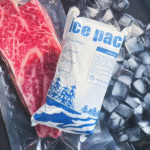
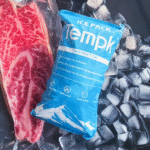
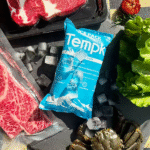
Imagine una vacuna delicada o una caja de bayas viajando cientos de kilómetros hasta su puerta.. Sin control constante de temperatura, both would spoil long before they reached you. That system of refrigeration, monitoring and careful handling is called the cadena de frio, and it’s the backbone of modern food and medicine distribution. En 2025 the global cold chain logistics market is booming—estimates suggest it will grow from about US$293 billion in 2023 a más de 862 mil millones de dólares 2032—and keeping up means understanding how it works. esta guía, actualizado el 13 Noviembre 2025, demystifies the cold chain, explica sus componentes, explores emerging trends and shows you how it can benefit your business.
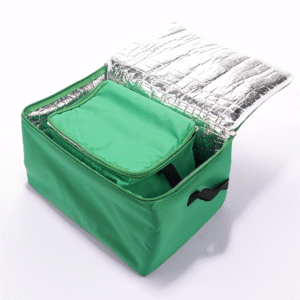
¿Qué cadena de frio is and how it works, including its role in food, pharmaceuticals and other sensitive products.
Key components of cold chain logistics—cooling systems, almacenamiento, transporte y seguimiento.
Benefits and challenges of maintaining a cold chain, with practical examples and solutions.
How to implement cold chain best practices, covering compliance, temperature standards and staff training.
2025 tendencias e innovaciones como sensores de IoT, AI and blockchain that are reshaping temperature controlled logistics.
Preguntas frecuentes and answers about cold chain management.
What is the cold chain and how does it work?
El cadena de frio is a specialised supply chain designed to handle, store and transport temperature sensitive goods under strict temperature controls. Instead of a regular chain where goods may sit in ambient conditions, cold chain logistics use refrigeration, insulated packaging and real time monitoring to protect products from spoilage. An industry guide defines it succinctly as the process of manejo, storing and transporting perishable goods under temperature controlled conditions. A 2025 report further explains that this continuous refrigeration—from manufacturing through warehousing and distribution—preserves product quality from production to consumption.
En la práctica, the cold chain combines science, technology and process discipline. Alimento, vacunas, biológicos, quimicos, cosmetics and even musical instruments may require refrigeration or controlled humidity to stay safe. Unlike an ordinary supply chain, the cold chain relies on continuous refrigeration and monitoring across every stage. Minor temperature deviations can degrade vaccines or cause seafood to spoil. To prevent such losses, the cold chain is built from several interconnected components: sistemas de enfriamiento, almacenamiento en frío, temperature controlled transport and sophisticated monitoring.
Components of the cold chain: enfriamiento, almacenamiento y transporte
Sistemas de refrigeración. Cooling equipment lowers product temperatures to safe ranges and keeps them there. Contenedores refrigerados, blast freezers and liquid nitrogen systems are common; they maintain constant temperatures during transit and pre cool products quickly. Cryogenic freezers can reach ultra low temperatures below −80 °C for biologics and gene therapies. These technologies prevent spoilage and maintain potency.
almacenamiento en frío. Warehouses and cold rooms provide controlled environments for long term storage. Large refrigerated warehouses use insulated panels, compresores, condensers and automated storage and retrieval systems to prevent cold air leakage and temperature spikes. Smaller cold rooms house specific products at set temperatures. Facilities maintain several temperature ranges: ambiente (15–30 ºC), Frío (10–15 ºC), refrigerado (0–10 ºC) y congelado (−30°C a 0 °C). Ultra low ranges below −80 °C are used for cell and gene therapies.
Transport and distribution. Specialised vehicles—refrigerated trucks, ships and aircraft—keep goods within the proper temperature during transit. For everyday food shipments, fresh goods travel at +2 °C a +8 °C while frozen foods require about −20 °C; some pharmaceuticals demand −60 °C or lower. Transport isn’t limited to food and medicine; cortar flores, productos cosméticos, varnishes, musical instruments and certain electronics also need controlled temperatures. Containers may also need humidity or pressure control, and sometimes even heating—for example, oils or wooden instruments can warp if they get too cold.
Seguimiento y control. Sensors and data loggers continuously record temperature and humidity, sending alerts if readings stray from safe ranges. Modern systems use sensores de iot, GPS and RFID tags to provide real time visibility across the supply chain. In advanced facilities, telematics and emergency cooling systems automatically correct deviations or alert personnel. Monitoring ensures early detection of issues and proof of compliance.
Typical cold chain temperature ranges
| Rango de temperatura | Ejemplos de productos | Por que importa |
| Ambiente (15–30 ºC / 59–86 °F) | alimentos secos, algunos productos farmaceuticos | Minimal refrigeration needed; still requires ventilation to avoid heat buildup. |
| Fresco (10–15 ºC / 50–59 °F) | Queso, productos frescos | Conserva el sabor y la textura.; uses insulated containers and short transport times. |
| Refrigerado (0–10 ºC / 32–50 °F) | Vacunas, productos lácteos | Previene el crecimiento bacteriano y mantiene la frescura.. |
| Congelado (−30°C a 0 °C / −22 °F a 32 °F) | Carne, mariscos, postres congelados | Provides long term preservation; requires deep freezing equipment and backup power. |
| Ultrabajo (below −80 °C / below −112 °F) | Biológicos, Vacunas de ARNm | Demands cryogenic freezers and redundant power to avoid catastrophic loss. |
Consejos prácticos y escenarios de usuario.
For farm to table food businesses: Use insulated packaging and gel packs for shipments under 48 horas, and choose carriers with refrigerated trucks. Ensure the temperature remains between +2 °C y +8 °C for fresh produce. Implement IoT sensors to alert you if the temperature rises.
Para farmacias y clínicas: Almacene las vacunas entre +2 °C y +8 °C and avoid exposing them to freezing temperatures. Use medical grade refrigerators and digital data loggers to monitor conditions.
For flower shops or art handlers: mantener un fresco, slightly humid environment when shipping cut flowers or artwork; temperatures that are too cold can damage them. Pack items with moisture absorbent materials and monitor humidity alongside temperature.
Estudio de caso: During the distribution of mRNA COVID 19 vaccines, logistics providers had to maintain temperatures of −60 °C to −70 °C durante el transporte. Using specialised cryogenic containers and continuous monitoring, they kept the vaccines within range, ensuring doses remained effective when administered.
Benefits and challenges of cold chain logistics
Implementing a robust cold chain yields significant benefits. By keeping products within safe temperature ranges, negocios reduce spoilage and increase revenue per shipment. Customers receive better quality goods, leading to higher satisfaction and loyalty. The cold chain also opens access to new markets—fresh produce from another continent or pharmaceuticals delivered to remote communities—while helping companies comply with strict regulations such as those enforced by the Food and Drug Administration and the World Health Organization.
Sin embargo, cold chain logistics also pose challenges. Temperature fluctuations can occur during loading, power failures or long transit times. Inadequate packaging may allow products to warm or freeze unexpectedly. Contamination risks are heightened when goods share space with incompatible materials. Además, the need for specialised equipment, trained staff and documentation increases operational complexity and cost.
Desafíos y soluciones comunes
| Desafío | Risk to your product | How to mitigate |
| Disrupted temperature control | Even brief exposure outside the safe range can render vaccines or food unusable. | Use scalable refrigeration systems and redundant power; equip vehicles with backup cooling and continuously monitor temperatures. |
| Inadequate packaging | Damaged packaging exposes goods to heat or moisture; shipments arrive spoiled. | Choose insulation that matches product needs (paquetes de gel, paneles de vacío); apply RFID tracking to detect incidents and act quickly. |
| Contamination and cross contact | Exposure to other chemicals or bacteria can compromise products. | Segregate storage areas, follow sanitation protocols and train staff in handling procedures. |
| Incumplimiento normativo | Failing to meet Good Distribution Practices can lead to recalls, multas y daños a la reputación. | Maintain accurate records, use validated equipment and calibrate devices regularly. |
Cold chain breaches carry serious consequences: degradación del producto, public health risks, pérdidas financieras, acción regulatoria, daños a la reputación e interrupciones en el suministro. Por ejemplo, one study cited that arriba a 35 % de las vacunas se ven comprometidas por un mal manejo de la temperatura—a costly waste and a threat to public health. Recognising the risks helps organisations implement preventive measures.
User tips for overcoming challenges
Realizar mapas periódicos de temperatura.: Periodically test storage areas to identify hot and cold spots, perform power failure simulations and adjust procedures accordingly.
Siga el primero en entrar, Primero en salir (FIFO) método: Sell or distribute older stock first to minimise waste and ensure compliance.
Label and organise inventory: Clearly mark expiry dates and storage conditions; arrange shelves to allow proper airflow.
Entrena a tu equipo: Everyone handling cold chain goods should understand temperature requirements, emergency procedures and record keeping.
Plan para emergencias: Prepare contingency plans for power outages, Fallos de equipos y retrasos en el transporte.; stock emergency generators and backup ice packs.
Ejemplo del mundo real: A regional dairy cooperative cut spoilage by 25 % after implementing IoT temperature sensors and switching to thicker insulated cartons. Real time alerts enabled drivers to correct issues before products warmed, and the investment paid for itself within a season.
Cold chain compliance and best practices: your step by step guide
Compliance with national and international standards is essential. Organismos reguladores como el FDA, el Agencia Europea de Medicamentos (EMA) y el Organización Mundial de la Salud enforce Good Distribution Practices (PIB) that cover temperature control, sistemas validados, trazabilidad y personal capacitado. Compliance also involves calibration standards like NIST o UKAS, electronic data integrity guidelines (Anexo GMP de la UE 11) and country specific rules.
Core cold chain requirements
Meeting compliance standards requires attention to several elements:
Mantenimiento preciso de la temperatura: Keep products within tightly controlled ranges—typically 2 °C a 8 °C para productos refrigerados, −20°C for standard freezing and por debajo de −70 °C for ultra low storage.
24/7 escucha: Use automated data loggers and real time systems to track temperatures continuously. Choose devices with alarms for excursions.
Infraestructura validada: Invest in certified refrigeration units, transport containers and monitoring tools that perform consistently.
Entornos de almacenamiento seguros: Restrict access and maintain separate zones for different products.
Embalaje especializado: Use thermal packaging such as insulated shippers, phase change materials and gel packs to maintain temperatures during transit.
Mantenimiento de registros detallados: Log temperature data, certificados de calibración, training records and any deviations.
Planes de contingencia: Prepare protocols for power failures, equipment breakdowns and temperature excursions.
Personal capacitado: Ensure personnel are trained in handling, seguimiento y respuesta a emergencias.
Best practice checklist
Utilice equipo de grado médico: Domestic fridges fluctuate too much for sensitive vaccines; choose equipment designed for pharmacy use.
Monitor temperatures in real time: Digital data loggers and wireless alert systems provide live updates and alarms.
Calibrar y mantener equipos.: Calibrate thermometers and freezers at least twice a year and document maintenance.
Adopt FIFO inventory management: Rotate stock to avoid expired goods.
Etiqueta claramente: Include expiry and receiving dates on all packages.
Train regularly: Hold short, focused training sessions every few months to keep staff aware of proper procedures.
Plan para emergencias: Keep backup power sources and SOPs for power cuts or transport delays.
Documentar todo: Maintain digital records of temperatures, maintenance and incidents for audits.
Cold chain readiness checklist
Use this self assessment to see how prepared your organisation is. Para cada pregunta, respuesta Sí o No:
Do you know the exact temperature range your products require?
Are all your storage units fitted with calibrated thermometers and data loggers?
Do you monitor temperatures continuously and receive alerts for excursions?
Are your packaging materials rated for the transit conditions you expect?
Does your team receive ongoing training on cold chain handling and emergency procedures?
Do you have documented contingency plans for power failures and transport delays?
Do you perform regular temperature mapping and equipment maintenance?
Do you keep detailed records of temperatures, calibration and corrective actions?
si respondiste No a cualquier pregunta, that area deserves attention. Addressing gaps now will protect product quality and help you comply with regulations.
Consejo: Consider partnering with an experienced cold chain provider if maintaining your own infrastructure is impractical. Specialists can offer validated equipment, trained personnel and real time monitoring services tailored to your needs.
2025 cold chain trends and innovations
The cold chain landscape is evolving quickly. Market analysts report that the global cold chain logistics market was valued at Dólar estadounidense 293.58 mil millones en 2023 y se proyecta que llegar a USD 862.33 mil millones por 2032. Otro estudio estima el mercado en 436,30 mil millones de dólares en 2025, expecting it to surpass 1,3 billones de dólares por 2034. These figures reflect rising demand for fresh food, biológicos, vaccines and other temperature sensitive products across the world.
Emerging trends shaping the cold chain
Resiliencia geopolítica y planificación de capacidades. Disruptions such as geopolitical unrest, trade tariffs and black swan events have affected transit times and capacity. Cold chain operators are investing in flexible capacity and diversified routes to maintain service, and experts note that the market is ready to cope with future disruptions.
Enhanced visibility through software. Real time data platforms improve tracking and temperature monitoring, giving stakeholders the insights needed to act quickly. Visibility is crucial when handling temperature sensitive cargo; continuous data enables immediate responses to deviations and better inventory planning.
Nuevos productos y cambios dietéticos.. El auge de las proteínas de origen vegetal, gluten free and organic foods is reshaping refrigerated transportation. Los alimentos de origen vegetal podrían compensar 7.7 % del mercado mundial de proteínas por 2030, bringing with them new temperature requirements and supply chain complexities.
Modernisation of cold storage facilities. Ageing warehouses—some built 40–50 years ago—are being replaced or upgraded to improve energy efficiency, automation and integration. Regulatory pressure to phase out environmentally harmful refrigerants (HCFC y HFC) accelerates these upgrades.
IoT y tecnología de sensores. IoT devices provide real time monitoring of temperature, humedad y ubicación, allowing businesses to detect and address issues promptly. These sensors reduce waste and ensure product quality.
Cadena de bloques para la transparencia. Blockchain crea un inmutable, transparent ledger of transactions. It improves traceability and helps guarantee that products remain within safe temperature ranges. En las cadenas de frío farmacéuticas, blockchain reduces data manipulation and enhances compliance.
Inteligencia artificial y análisis predictivo. La IA optimiza las rutas, forecasts demand and identifies potential disruptions before they occur. Combining AI with historical temperature data lets operators prevent excursions and schedule maintenance proactively.
Almacenamiento en frío con energía solar. Remote regions with unstable electricity supply are adopting solar powered cold rooms to protect vaccines and perishable goods. These units cut energy costs and provide reliable refrigeration.
Congeladores criogénicos portátiles. For biologics and cell therapies requiring temperatures as low as −150°C, portable cryogenic freezers offer mobility and continuous ultra cold conditions.
Sustainable packaging and reduced temperatures. Businesses are shifting to biodegradable insulation, reusable containers and energy efficient designs. Some cold storage operators aim to change frozen storage standards from −18 °C a −15 °C para reducir el consumo de energía.
Market growth visualised
To illustrate the rapid expansion of cold chain logistics, the chart below plots projected market size from 2021 a 2034. The trend shows exponential growth, reflecting increased demand across industries.
Innovations and their impact
| Innovación | Beneficio práctico | Caso de uso típico |
| Sensores IoT y seguimiento GPS | Datos de temperatura y ubicación en tiempo real.; immediate alerts prevent spoilage. | Monitoring vaccine shipments, perishable foods and floral products. |
| Trazabilidad de la cadena de bloques | Immutable record of every transaction; improved accountability and trust. | Tracking pharmaceuticals from manufacturer to patient; ensuring authenticity of organic foods. |
| Optimización de rutas impulsada por IA | Reduced transit time and predictive identification of temperature excursions. | Planning delivery routes for remote clinics or congested urban areas. |
| Almacenamiento en frío con energía solar | Confiable, refrigeración fuera de la red; lower energy costs and emissions. | Storing vaccines in rural communities without stable electricity. |
| Congeladores criogénicos portátiles | Mantener temperaturas ultrabajas (down to −150 °C) para productos biológicos y terapias celulares. | Transporting gene therapies or mRNA vaccines to remote hospitals. |
| Embalaje sostenible & reduced temperature standards | Cuts waste and carbon footprint; new standards like −15 °C reduce energy use. | Envío de alimentos congelados, pharmaceuticals and specialty products. |
Mirando hacia el futuro
As technology matures and regulatory standards evolve, the cold chain is poised for further growth. Businesses adopting IoT, AI and sustainable practices will enhance transparency, reduce waste and meet consumer expectations for quality and environmental responsibility. Companies that modernise their infrastructure and invest in training and compliance will be better positioned to serve the expanding market for temperature sensitive goods.
Preguntas frecuentes
- What temperature range should vaccines be stored at?La mayoría de las vacunas deben conservarse entre +2 °C y +8 °C; frozen vaccines like varicella require −50 °C a −15 °C, and ultra cold vaccines such as mRNA boosters need −80 °C a −60 °Cpara almacenamiento a largo plazo. Una vez descongelado, many vaccines can be kept at +2 °C a +8 °C for a limited period. Always consult manufacturer guidelines and use digital data loggers to monitor temperatures.
- How is a cold chain different from a normal supply chain?A traditional supply chain moves goods without strict temperature control. En contraste, the cold chain uses specialised refrigeration equipment, insulated packaging and continuous monitoring to maintain products within precise temperature ranges. It also requires detailed documentation, validated infrastructure and compliance with regulatory standards.
- ¿Qué industrias dependen de la cadena de frío??Food and beverage companies use cold chain logistics to keep produce, lácteos, meat and seafood fresh from farm to table. The pharmaceutical industry relies on it to maintain vaccine potency and drug efficacy. Other users include biotechnology firms, chemical manufacturers, florists, museums and electronics producers.
- What happens when the cold chain is breached?A breach—or temperature excursion—occurs when products stray from their designated range. Consequences include degradación del producto, public health risks, pérdidas financieras, Acción regulatoria y daño reputacional.. Para vacunas, even brief exposure above +8 °C can degrade up to 20 % of potency. Prevent breaches with redundant systems, continuous monitoring and training.
- How can a small business start using cold chain logistics?Begin by identifying your products’ temperature requirements. Use insulated packaging and gel packs for short shipments and partner with carriers that offer refrigerated transport. Invest in affordable data loggers and cloud based monitoring. Train staff in handling procedures and maintain a record keeping system to demonstrate compliance.
Resumen y recomendaciones prácticas
This guide explored the fundamentals of the cold chain, explaining how continuous temperature control preserves vaccines, alimento, chemicals and more. We examined the key components—cooling systems, almacenamiento en frío, transport and monitoring—and highlighted typical temperature ranges from ambient to ultra low. The benefits of cold chain logistics include reduced spoilage, higher customer satisfaction and access to new markets, while challenges involve temperature disruptions, inadequate packaging and regulatory complexity. Compliance requires accurate temperature maintenance, infraestructura validada, escucha, documentación, contingency planning and trained staff.
Plan de acción:
Evalúe las necesidades de su producto. Identify the exact temperature requirements for each product.
Invierta en la infraestructura adecuada. Use certified refrigeration equipment, embalajes isotérmicos y vehículos validados.
Implementar monitoreo en tiempo real. Deploy IoT sensors and data loggers to track temperature, humedad y ubicación continuamente.
Entrena a tu equipo. Educar periódicamente al personal sobre los procedimientos de manipulación., emergency response and compliance requirements.
Adoptar prácticas sostenibles. Explore eco friendly packaging, energy efficient systems and lower temperature standards where appropriate.
Adopte la innovación. Evaluate new technologies like AI driven route optimisation, blockchain and solar powered storage.
Crear planes de contingencia. Prepárese para cortes de energía, Fallos de equipos y retrasos en el transporte.; maintain backup systems and emergency protocols.
Siguiendo estos pasos, you can build a resilient cold chain that protects product quality, meets regulatory standards and satisfies customers.
Acerca de Tempk
Tempk se especializa en innovative cold chain packaging and logistics solutions. We design and manufacture a wide range of insulated boxes, paquetes de gel, ice packs and electric cooler bags for food delivery, pharmaceuticals and biotech applications. Our products use high performance materials such as vacuum insulation panels and phase change media to maintain stable temperatures for extended periods. We prioritise sustainability by offering reusable and recyclable options and continually invest in research and development to reduce carbon footprints. With strict quality control and Sedex certification, we help clients navigate regulatory requirements and ensure that temperature sensitive goods arrive safely and on time.
Llamado a la acción: Whether you’re shipping artisanal cheese or life saving vaccines, our experts can help you design a temperature controlled solution tailored to your needs. Contáctenos hoy to discuss your cold chain challenges and explore our range of packaging and monitoring solutions.