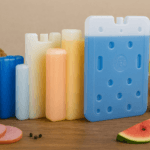
Si envía productos fríos, Una caja aislante reciclable es una de las formas más rápidas de reducir el desperdicio de espuma sin poner en riesgo la calidad del producto.. Cuando está empaquetado correctamente, Muchos carriles pueden permanecer en la «zona segura» de 2 a 8 °C durante 24 a 48 horas., y algunos pueden alcanzar 72 horas con validacion. En 2026, La parte "verde" también importa más, porque las regulaciones y los clientes esperan cada vez más que los envases sean reciclables en la vida real., no solo en una etiqueta.
Esta guía te ayudará:
Elija una caja aislante reciclable para la entrega de alimentos que reduzca el derretimiento, fugas, y quejas
Utilice reciclable embalaje aislado para productos farmacéuticos sin tener que adivinar el cumplimiento
Aprende a reciclar cajas de envío aisladas con claro, pasos simples
Compare el costo de la caja aislada reciclable con el enfriador de EPS, actuación, y eliminación
Crea un paquete repetible que puedas entrenar en minutos (no horas)
Una caja aislante reciclable sólo es «reciclable» si su cliente (o equipo receptor) puede separar, clasificar, y reciclar las piezas principales rápidamente. Si el reciclaje requiere diez pasos, no sucederá. Tu objetivo es un paquete que parezca obvio: «quitar esto, recicla eso.»
Piense en la reciclabilidad como una lista de verificación del mundo real:
Recopilación: ¿Lo recogen? (en la acera o aceptado localmente)?
Clasificación: ¿Pueden las instalaciones separarlo sin especial esfuerzo??
Mercados finales: ¿Se procesa realmente en material nuevo??
Tabla de puntos de control de reciclabilidad (use esto durante el abastecimiento)
| Componente | Elegir | Evitar | Lo que significa para ti |
|---|---|---|---|
| Remitente | Cartón corrugado liso | Superficies plastificadas o enceradas | Mayor éxito en el reciclaje, menos disputas |
| Aislamiento | Fibra, pulpa moldeada, paneles de papel, monomaterial separable | Espuma pegada a las paredes. | Menos resultados de «basura por defecto» |
| Transatlántico | Despegar, doblado, o forro interior | Laminado permanente multicapa | Separación más rápida y mejor comportamiento de reciclaje |
| Cinta/etiquetas | Mínimo, fácil de quitar | Cinta plástica pesada por todas partes | Flujo de fibra más limpio y menos fallos de clasificación |
| Refrigerantes | Paquetes de gel/PCM claramente etiquetados | «Gel misterioso» sin etiqueta | Menos preguntas de clientes y tickets de soporte |
La prueba de la «persona ocupada» de 60 segundos (interactivo)
Entregar un envío sin abrir a alguien fuera de su equipo. Pídales que lo reciclen en menos 60 segundos sin buscar en internet.
Aprobar: separan piezas correctamente y con confianza
Límite: ellos dudan, hacer las cuestiones, o desgarrar componentes
Fallar: lo tiran porque es confuso
Por qué esto importa: La mejor caja aislante reciclable es la que se recicla cuando la gente tiene prisa..
¿Cómo mantiene una caja aislante reciclable los productos fríos mientras están en movimiento??
Una caja aislante reciclable no «hace frío». Retrasa el calentamiento. Imagina una chaqueta de invierno: Atrapa el aire quieto para que el calor exterior entre más lentamente..
Su tiempo de espera está determinado por cinco conceptos básicos:
Temperatura exterior (el tiempo de verano en el porche es brutal)
Tamaño de la caja (Un mayor volumen de aire se calienta más rápido.)
Temperatura inicial del producto (Un producto cálido quema tu presupuesto frío)
Tipo y masa de refrigerante. (gel frente a PCM frente a hielo seco)
Calidad de embalaje (vacíos, brecha, La mala ubicación crea esquinas calientes.)
Enfoques de aislamiento comunes (y lo que significan para ti)
| Enfoque de aislamiento | Materiales típicos | Beneficio práctico | Rutas adecuadas |
|---|---|---|---|
| Estructuras de fibras que atrapan aire. | pulpa moldeada, fibra de papel | Historia sencilla de reciclaje. + amortiguación | entrega de comida, carriles D2C |
| Paneles ajustados densos | Paneles de papel, formas moldeadas | Menos brechas, temperatura más estable | 2–8°C carriles farmacéuticos |
| Inserciones monomateriales separables | Diseños basados en PP | Durable, rendimiento repetible | Programas de reutilización o devoluciones controladas |
| Sistemas híbridos «se separan fácilmente» | Caja de cartón + forro removible | Mejor control de la humedad | Temporada mixta, productos mixtos |
Consejos prácticos para la estabilidad de la temperatura (puedes aplicar hoy)
Preacondicionar el producto a la temperatura objetivo antes de empacar
Bloquee el flujo de aire llenando el espacio vacío (el aire vacío se calienta rápidamente)
Centre la carga útil para que no toque las paredes exteriores.
Coloque el refrigerante por donde entra el calor. (a menudo arriba y a los lados)
Entrene un diseño estándar para que los paquetes no se desvíen según la persona o el turno
Patrón del mundo real: cuando un transportista llega «mayormente frío» pero no cumple, la solución es a menudo la disciplina de empaquetar, aislamiento no más grueso.
Caja aislada reciclable versus enfriador de espuma EPS versus reutilizables: cual gana?
No hay un ganador universal. La elección correcta depende de si controlas las devoluciones, cómo sus clientes eliminan los embalajes, y qué tan estricto es su riesgo de temperatura.
Comparación rápida (actuación + operaciones)
| Factor | Caja aislante reciclable | Enfriador de espuma EPS | Transportador reutilizable |
|---|---|---|---|
| Experiencia en eliminación de clientes | Generalmente más simple | A menudo frustrante | Mezclado (debe regresar) |
| Se necesita logística inversa | No | No | Sí |
| Almacenamiento en almacén | A menudo se envía plano / modular | Voluminoso | Moderado |
| Comportamiento de la humedad | Necesita planificación de revestimiento | Naturalmente resistente al agua | Depende del diseño |
| Riesgo de cumplimiento (etiquetado/reclamaciones) | Se puede gestionar con claridad | Escrutinio cada vez mayor | Bucle fuerte si está controlado |
| Rutas adecuadas | D2C, rendimientos mixtos, enfoque de marca | Aislamiento de menor costo | Carriles cerrados B2B |
herramienta de decisión: elige tu carril en 3 minutos (interactivo)
Responde estas:
Tiempo de espera necesario: 0- 24 horas / 24-48h / 48-72h
rango objetivo: 2–8 ° C / 15–25°C / congelado
peor temporada: verano / invierno / ambos
Riesgo de última milla: bajo / medio / alto (hora del porche, entrega fallida)
Herramientas útiles para tomar decisiones
Comprueba los detalles antes de elegir el embalaje.
Estas herramientas rápidas pueden ayudarle a comparar el riesgo de la ruta, necesidades de dimensionamiento, opciones de refrigerante, y detalles del embalaje antes de solicitar una cotización.
Calculadora de acumuladores de frío
Estimación de la cantidad de bolsas de hielo en gel para envíos refrigerados y planificación práctica de rutas.
Estimar las bolsas de hieloRevestimiento de caja & Dimensionamiento de la cubierta de paleta
Lógica de tamaño de revestimiento de cajas y cubiertas de paletas para proyectos de embalaje aislado.
Estimar el tamañoResistencia a la caída del material aislante
Revise la resistencia a caídas y los factores de manipulación antes de elegir materiales aislantes..
Comprobar resistenciaRealidad de eliminación: fuerte / mezclado / débil
Regla general sencilla (no matemáticas de laboratorio):
Si realiza el envío entre 48 y 72 h, Trátelo como de alto riesgo hasta que tenga datos sobre el carril..
Si los hábitos de eliminación son mixtos, favorecer los diseños que prioricen la fibra con pasos obvios.
| Perfil de carril | Estilo de caja aislada reciclable sugerido | Estrategia de refrigerante | Lo que significa para ti |
|---|---|---|---|
| Local 0–24h refrigerado | Forro de fibra delgada | Paquetes de gel pequeños | El más bajo costo + historia de reciclaje más simple |
| Regional 24–48h refrigerado | Ajuste medio de fibra/panel | paquetes de gel + embalaje apretado | El mejor equilibrio de rendimiento + sencillez |
| 48–72h enfriado | Sistema validado de mayor rendimiento | PCM o gel en capas | Necesita validación + POE más estricto |
| Congelado | Aislado + hielo seco o PCM | Hielo seco o PCM congelado | Más complejidad, mayor riesgo |
Cómo construir un SOP de paquete estándar (y por qué es más importante que las especificaciones de la caja)
Una caja aislante reciclable es tan buena como el embalaje. Si cada turno se empaqueta de manera diferente, Verá temperaturas inconsistentes y quejas de los clientes..
Plantilla de SOP de embalaje (adaptarse a su operación)
| Paso | Acción | Por que importa |
|---|---|---|
| 1 | Preenfriar el producto a la temperatura objetivo | Un producto cálido quema tu presupuesto frío |
| 2 | ensamblar caja + transatlántico | El revestimiento controla la humedad y la separación. |
| 3 | Coloque refrigerante inferior (si es necesario) | Protege del calor del suelo |
| 4 | Producto central con buffer | Evite el contacto con la pared y el riesgo de congelación |
| 5 | Rellenar los huecos con material de estiba | El aire vacío se calienta rápidamente |
| 6 | Coloque refrigerante superior | El calor entra por arriba y por los lados. |
| 7 | Cerrar trazador de líneas, luego caja | Sellar la zona fría |
| 8 | Agregar panel o etiqueta de eliminación | Le dice al cliente qué hacer |
Consejo de entrenamiento: POE basados en fotografías
Toma fotos de cada paso.. Imprímelos en una tarjeta laminada en la estación de embalaje.. Los nuevos empleados pueden seguir el proceso en minutos.
Etiquetado, cumplimiento, y qué significa realmente «reciclable» en 2026
Las afirmaciones sobre el reciclaje están bajo más escrutinio. Si dices «reciclable» pero la caja acaba en el vertedero, corres el riesgo de quejas, regresa, y atención regulatoria.
Regulaciones y orientaciones clave (lenguaje sencillo)
California SB 343: Esta ley está diseñada para restringir el etiquetado de «reciclables» a menos que los materiales se recopilen y procesen a escala en sistemas reales..
Orientación de marketing en EE. UU.: Las guías verdes de la FTC (16 Parte CFR 260) describir cómo evitar afirmaciones ambientales engañosas y cómo calificar las afirmaciones adecuadamente.
EPR Momentum: Los programas EPR de embalaje se han expandido a siete estados (últimamente 2025), que puede cambiar los informes, honorarios, e incentivos al diseño de envases.
Simple, pasos de etiquetado defendibles (haz esto incluso si no estás «regulado»)
Escriba instrucciones de eliminación por componente. (caja / aislamiento / transatlántico / refrigerante)
Evite afirmaciones absolutas como "100% reciclable en todas partes" a menos que pueda demostrarlo.
Mantenga una carpeta de documentación: especificaciones, declaraciones de proveedores, y notas de prueba
Poner instrucciones donde ocurre la acción.: dentro de la solapa superior
Nota: esta es una guía práctica, no asesoramiento legal. Su medida más segura son “pasos claros + verdad a nivel de componente.»
2026 Tendencias que dan forma al diseño de cajas aislantes reciclables.
En 2026, Los mejores diseños de cajas aisladas reciclables parecen más simples., pero funcionan mejor porque están diseñados para un comportamiento real:
El último progreso que verás con más frecuencia
Aislamiento de fibra primero a escala: Las opciones de pulpa moldeada y fibra de papel son más fáciles de explicar y clasificar.
Revestimientos despegables y adhesivos de baja adherencia: la separación se vuelve rápida y satisfactoria
Emparejamiento de refrigerantes más inteligente: más equipos usan PCM cuando el riesgo de congelación es alto
Diseño de packaging «UX»: Los grandes paneles dentro de la tapa reducen la confusión al desembalar
Tamaño correcto basado en datos: los paquetes ajustados a los perfiles de los carriles reducen el costo y la variabilidad
Insight del mercado (lenguaje sencillo)
«Sostenible» ya no es un eslogan. Los compradores quieren simplicidad, prueba, y repetibilidad. La caja aislante reciclable que gana es aquella que su trabajador más ocupado puede empacar correctamente un lunes por la mañana..
Preguntas comunes sobre una caja aislante reciclable
Q1: ¿Puede una caja aislante reciclable reemplazar completamente los refrigeradores de espuma?? A menudo sí para carriles cortos a medios, especialmente de 0 a 48 horas. La clave es el tamaño adecuado y un embalaje repetible. Durante 48 a 72 horas, valide primero con registradores de temperatura antes de escalar.
Q2: son reciclables cajas aisladas Más caro? El precio unitario puede ser ligeramente superior., pero el costo total puede bajar. Cuando se tiene en cuenta la fricción de eliminación, espacio de almacenamiento, Quejas del cliente, y riesgo de reenvío, una caja aislante reciclable a menudo sale ganando.
Q3: ¿Cuánto tiempo puede contener una caja aislante reciclable entre 2 y 8 °C?? Muchos sistemas pueden soportar entre 24 y 48 horas cuando el producto está preenfriado y la masa de refrigerante está dimensionada para la peor temporada.. Es posible realizar retenciones más largas, pero debe probarse en sus carriles reales.
Q4: ¿Cómo evito la congelación en una caja aislante reciclable?? Evite el contacto directo con el hielo.. Agregue una capa de amortiguación y considere los paquetes PCM ajustados cerca de su rango objetivo. Piense en el PCM como "hielo que resiste el enfriamiento excesivo".
Q5: ¿Cuál es el mayor error al cambiar a una caja aislante reciclable?? Cambiando la caja pero manteniendo el paquete antiguo.. Los sistemas basados en fibra a menudo necesitan un ajuste más ajustado, mejor relleno de huecos, y colocación consistente para evitar esquinas calientes.
Q6: Cómo reciclar cajas de envío aisladas si el aislamiento está mojado? Déjalo secar si es posible.. Reciclar piezas de fibra limpias, pero deseche el aislamiento que esté empapado, manchado de comida, o contaminado con gel. Mejores revestimientos reducen este problema..
Resumen y recomendaciones
Una caja aislante reciclable le ayuda a proteger los envíos fríos y, al mismo tiempo, reduce la fricción con los residuos y la eliminación.. Las mayores ganancias provienen de la simple separación, tamaño correcto, y un SOP de embalaje repetible. Si prueba con registradores de temperatura en la peor temporada y estandariza lo que funciona, reduces los reembolsos, desviaciones, y confusión del cliente, sin exagerar el embalaje.
Tu próximo paso (borrar CTA)
Elija un carril de alto volumen y ejecute una validación de una semana:
bloquear un tamaño de caja
bloquear un SOP de paquete con fotos
agregue un panel de eliminación simple dentro de la tapa. Luego expanda al siguiente carril con el mismo método.
Acerca de Tempk
Y Tempk, nosotros construimos embalaje de cadena de frío que funciona en operaciones reales, no sólo en perfectas condiciones. Te ayudamos a elegir una caja aislante reciclable que coincida con tu tiempo de carril, riesgo de temporada, y eliminación de la realidad. También apoyamos la estandarización de paquetes y la planificación de validación., para que su equipo pueda realizar envíos con confianza y al mismo tiempo reducir el desperdicio de embalaje.
Llamado a la acción: Comparta su rango de temperatura objetivo, tener tiempo (24/48/72h), y región de envío, y le sugeriremos un paquete inicial práctico para probar.