Actualizado en diciembre 30 2025
El mercado mundial de comidas preparadas está en auge, y la infraestructura de la cadena de frío detrás de ella debe seguir el ritmo. En 2025 the prepared meals sector is worth around US$190 billion and is forecast to exceed US$301 billion by 2032. This growth comes with heightened consumer expectations: you want convenient, healthy meals delivered to your door without compromising safety or quality. To make
confident choices, you need to understand how cold chain prepared food companies operate, which players dominate the market and what trends will shape the next decade.
What does “cold chain” mean for prepared meals and how does it protect your food? Explore the critical temperature ranges, packaging methods and monitoring tools that keep meals safe from kitchen to doorstep.
Which companies dominate the cold chain prepared food market? Learn about the leading logistics providers and prepared meal brands, their strengths and how they serve different customer needs.
What drives market growth and why is it accelerating? Understand the economic and demographic factors behind the surge in demand and how innovations such as high pressure processing and modified atmosphere packaging extend shelf life.
How should you evaluate a prepared meal service? Get a practical checklist for comparing packaging, abastecimiento, precio y sostenibilidad, along with a case study showing the impact of IoT monitoring.
What trends will shape 2025 y más allá? See how FSMA 204 requisitos de trazabilidad, Análisis predictivo de IA, electrified vehicles and renewable energy are transforming the cold chain.
How Does the Cold Chain Keep Prepared Foods Safe and Fresh?
Respuesta directa
The cold chain for prepared foods is a meticulously controlled process designed to stop bacterial growth and preserve quality. Después de cocinar, meals are rapidly cooled to bring them out of the “danger zone” of 40–140 °F where bacteria thrive. Industry guidelines recommend storing dairy components at about 4 °C, leafy greens at 0–2 °C and frozen items at −18 °C. Insulated boxes lined with recyclable foam or plant fibres and filled with gel packs or dry ice absorb heat during transport; real time sensors record temperature and alert teams to any excursions. Maintaining these conditions from the kitchen to your refrigerator is essential for safety.
Explicación expandida
When a chef finishes preparing a meal, time becomes the enemy. Rapid cooling brings cooked food through the high risk range between 135 °F y 70 °F within two hours and then down to 41 °F (5 °C) within another four hours. This cooling step is critical because bacterial pathogens multiply most quickly between 40 °F y 140 °F. Meals are then transferred into vacuum sealed or modified atmosphere packaging that reduces oxygen and preserves texture. Dairy based sauces or protein dishes are chilled around 4 °C, delicate greens such as spinach are kept near freezing (0–2 ºC), and frozen entrées remain solid at −18 °C. The temperature ranges are not arbitrary; they reflect scientific evidence of microbial growth and nutrient preservation.
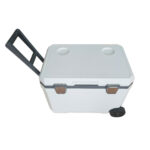
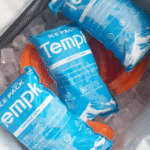
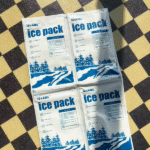
Packaging is the unsung hero of cold chain logistics. Insulated boxes with foam or plant fibre linings create a barrier against ambient heat, while gel packs or dry ice absorb energy and maintain a stable environment. Water based gel packs are non toxic and durable but not foolproof: researchers found that 93 % of deliveries using gel packs still had at least one product above the safety threshold. The number and placement of coolants, the length of transit and the season all influence performance. Premium services may layer multiple materials and schedule deliveries for cooler times of day, whereas budget providers rely on rapid last mile transport to limit temperature spikes.
Real time monitoring has become a cornerstone of modern cold chains. Data loggers and IoT sensors record temperature, humedad y golpes durante el tránsito, transmitting alerts if conditions drift out of range. These devices support compliance with regulations such as the U.S. Ley de modernización de la seguridad alimentaria (FSMA) and provide documentation during audits. When you unpack your delivery, the cold chain ends; but your responsibility begins. To keep meals safe, transfer them immediately to your refrigerator or freezer and reheat to 165 °F (74 °C) before eating.
What are safe temperature ranges for prepared meals?
Prepared foods encompass a wide variety of ingredients, from dairy rich sauces to crisp salads and frozen entrées. Each component has an ideal temperature range that balances safety, texture and shelf life. The table below summarizes recommended ranges, storage durations and what these numbers mean for you:
| Categoría de alimentos | Rango de temperatura | Storage Duration | Implicación práctica |
| Salsas lácteas & proteínas | 4 °C (39 °F) | 3–4 days refrigerated | Mantiene las bacterias a raya mientras conserva la cremosidad.. Move to freezer if not consumed within 3–4 days. |
| Verdes de hoja & ensaladas | 0–2 ºC (32–36 °F) | 3–5 days refrigerated | Near freezing temperatures prevent wilting and bacterial growth without damaging cell structure. |
| Entradas congeladas | ≤ −18°C (0 °F) | 2–3 meses o más | Frozen items remain safe indefinitely at −18 °C, but quality may decline after a few months. |
| Comidas envasadas refrigeradas | ≤ 41 °F (5 °C) | 7 days maximum | Mechanical refrigeration maintains safety; a thermometer is required at market stands. |
| Enfriamiento después de cocinar | 135 °F a 41 °F dentro 6 horas | N / A | Dividing food into shallow containers, using blast chillers or ice baths speeds up cooling. |
| Recalentar antes del consumo | ≥ 165 °F (74 °C) | N / A | Reheat thoroughly to kill pathogens and follow label instructions. |
Acción
Check the temperature on arrival: Use a kitchen thermometer to measure the internal temperature of your meal as soon as it arrives. Si algún elemento está arriba 40 °F, consume it immediately or contact the provider.
Unpack and store promptly: Prepared meals are perishable. Transfer chilled items to the refrigerator (≤ 5 °C) or freezer (≤ −18°C) within one hour of delivery.
Evaluate the packaging: Busque un aislamiento grueso, multiple gel packs and clearly marked “Keep Refrigerated” or “Keep Frozen” instructions. Inferior packaging may lead to temperature excursions.
caso: A regional meal prep company introduced smart temperature sensors into its packaging. The sensors sent real time data to the operations team, who rerouted shipments experiencing delays. Más de seis meses, spoilage claims dropped by 35 %, and customers reported consistently colder deliveries even in summer. This case illustrates how investing in monitoring technology pays off in both safety and customer satisfaction.
Which Companies Dominate Cold Chain Prepared Food Logistics and Delivery in 2025?
Respuesta directa
A handful of logistics specialists and dozens of prepared meal brands drive the cold chain prepared food market. Major 3PL providers such as Americold Logistics, Logística de linaje, United States Cold Storage and Burris Logistics manage refrigerated warehousing and transportation for many meal companies. Los análisis de mercado clasifican a Buske Logistics, Linaje, americold, Cadena de suministro de DHL, XPO, Kuehne + Nagel and Penske Logistics among the top food logistics companies in North America. Del lado del consumidor, prepared meal services like Cook Unity, Comidas de procedencia, Factor, Fresco y magro, Alimentos del territorio, Recién, Engullir, Cocina Mágica, Daily Harvest and Splendid Spoon cater to different diets and budgets. Understanding who does what helps you select partners that align with your needs.
Explicación expandida
Prepared meal companies rarely handle the entire cold chain alone. They partner with specialist logistics providers (3PL) that offer temperature controlled warehousing, transportation and value added services. Logística Americana operates extensive cold storage facilities across North America and provides end to end distribution solutions. Logística de linaje differentiates itself with real time tracking, data science driven optimization and sustainability initiatives. Almacenamiento en frío de Estados Unidos draws on more than a century of experience to manage high volume frozen and refrigerated goods, mientras Logística Burris offers flexible distribution solutions and forced air cooling systems that can bring product temperatures down in under four hours. These partnerships allow prepared meal companies to focus on recipe development and marketing while ensuring that products travel safely from kitchen to consumer.
Food logistics experts emphasize that size alone does not guarantee performance. El Logistica Buske ranking identifies five factors that define top providers: strict food safety compliance under FDA and USDA regulations, comprehensive temperature controlled capabilities (ambiente, enfriado, frozen and multi temperature), strong network coverage across the U.S. y Canadá, advanced technology for real time inventory and temperature tracking, and industry specific experience across categories such as dairy, meat and specialty foods. Logistica Buske, Linaje, americold, Cadena de suministro de DHL, Logística XPO, Kuehne + Nagel and Penske Logistics all score highly across these metrics. En otras regiones, global players like AGRO Merchants Group and Henningsen Cold Storage also compete.
Del lado del consumidor, the landscape is equally dynamic. Unidad de cocina partners with renowned chefs to deliver fresh, restaurant quality dishes that rotate weekly. Comidas de procedencia emphasizes organic, plant forward recipes tailored to wellness programs. vida sakara serves detox oriented, premium plant based meals with coaching and high price points. Factor offers dietitian designed menus across Keto, Paleo, Low Carb and High Protein plans. Fresco y magro stands out for its organic, non GMO ingredients and compostable insulation. Alimentos del territorio works with local chefs and dietitians to create regionally inspired menus and delivers twice weekly for freshness. Recién provides comfort leaning meals at budget prices, mientras Gobble Prepared & Ready flash freezes meals for extended shelf life. Cocina Mágica targets seniors and special diets, shipping frozen dinners tailored to diabetic, renal and low sodium requirements. Cosecha diaria y Espléndida Cuchara offer plant based bowls and smoothies, shipping them frozen in compostable packaging. Each brand uses different packaging materials, delivery schedules and price points, making it important to align your preferences with the service’s strengths.
Major logistics providers – at a glance
| Proveedor | Sede | Mejor para | Fortalezas clave |
| Logistica Buske | A NOSOTROS. | Enterprise and growing brands needing flexibility | Grado alimenticio, Instalaciones que cumplen con la FDA; ambiente, chilled and frozen warehousing; fuerte servicio al cliente. |
| Logística de linaje | A NOSOTROS. | Grandes productores de congelados y refrigerados | Massive cold storage network; automation and data science; iniciativas de sostenibilidad. |
| americold | A NOSOTROS. | Requisitos de almacenamiento en frío de gran volumen | Almacenamiento integrado, warehousing and transportation solutions across North America. |
| Cadena de suministro de DHL | Global / América del norte | Marcas globales con cadenas de suministro complejas | Tecnología avanzada, strong compliance, almacenamiento y transporte escalables. |
| Logística XPO | A NOSOTROS. | Brands needing strong transportation & retail distribution | Red de transporte a nivel nacional, última milla y transporte gestionado. |
| Kuehne + Nagel | Global / América del norte | Importadores y exportadores | transporte de carga internacional, cold chain expertise, cumplimiento regulatorio. |
| Logística Penske | A NOSOTROS. | Grandes marcas nacionales | Integrated warehousing and transportation, dedicated fleets. |
Leading prepared meal services – at a glance
| Servicio | Enfocar & Plans | Embalaje & Sostenibilidad | Target Customer |
| Unidad de cocina | Chef crafted, rotating menus; fresh not frozen | Insulated packaging keeps meals cold; emphasis on restaurant quality meals | Foodies seeking gourmet experiences at home |
| Comidas de procedencia | Organic, integrative nutrition programs | Uses cold chain packaging to preserve nutrients | Wellness focused consumers and detox enthusiasts |
| vida sakara | Premium plant based detox and weight management plans | Fresh delivery with curated wellness coaching | High income consumers seeking luxury and health coaching |
| Factor | Dietitian designed Keto, Paleo, Low Carb, High Protein meals | Delivered fresh; microwavable; includes smoothies and add ons | Busy professionals following structured diets |
| Fresco y magro | Organic, gluten free and non GMO meals | Sellado al vacío; aislamiento compostable; nationwide delivery | Environmentally conscious consumers |
| Alimentos del territorio | Regionally inspired menus delivered twice weekly | Transparent nutrition info; deliveries timed for freshness | Local food lovers and athletes |
| Recién | Comfort leaning meals at budget prices | Microwave ready packages; weekly menu changes | Budget conscious shoppers |
| Gobble Prepared & Ready | Flash frozen meals with long shelf life | Improved packaging and portion sizes | Families needing longer storage time |
| Cocina Mágica | Meals for seniors and special diets | Frozen dinners tailored to diabetic, renal, low sodium needs | Older adults and caregivers |
| Cosecha diaria & Espléndida Cuchara | Plant based smoothies, bowls and snacks | Compostable packaging; items arrive frozen | Vegan and clean eating communities |
Acción
Match provider to your product or diet: If you care about organic ingredients and environmental impact, Fresh N Lean or Daily Harvest may suit you. If you want gourmet dishes, Cook Unity or Sakara Life offer chef crafted menus.
Ask the right questions when choosing a logistics provider: Do they operate food grade facilities? What certifications (pies cuadrados, BRCG) do they maintain? How do they handle recalls and traceability? Can they scale as your volume grows?
Evite los servicios de talla única: Los grandes proveedores pueden ser inflexibles. Consider mid sized companies like Buske Logistics that tailor solutions for specific product types and volumes.
caso: A regional organic meal company contracted with a large 3PL that lacked experience with plant based products. Temperature excursions during transit caused greens to wilt, leading to customer complaints. After switching to a provider with multi temperature capabilities and real time sensors, spoilage dropped by 40 %. The company also co branded with the logistics provider, boosting consumer trust and cross promoting sustainability initiatives.
What Is Driving the Prepared Meals Market and Cold Chain Growth?
Respuesta directa
Demand for convenience, demographic changes and technology innovations are fueling explosive growth in the prepared meals market, forcing cold chain networks to expand. The global prepared meals market is expected to grow from US$190.7 billion in 2025 to US$301.6 billion by 2032 en una CAGR de 6.3 %. Europa representa aproximadamente 33.5 % of the market and Asia Pacific is projected to be the fastest growing region with a CAGR above 7 %. Frozen meals dominate the product mix with a 42.6 % value share, while supermarkets and hypermarkets remain the primary distribution channel at 54.8 %. These figures underscore the need for robust cold storage, transportation and last mile capabilities.
Explicación expandida
Convenience is the underlying driver of the prepared meals boom. Urbanización, higher female workforce participation and smaller households have increased demand for ready to eat meals that save time and reduce food waste. Rising disposable incomes in Asia and consumer willingness to pay for premium, clean label products are expanding the addressable market. The pandemic entrenched habits of online grocery shopping and subscription meal services, further shifting sales from foodservice to retail and direct to consumer channels. Manufacturers are expanding their SKU portfolios to offer healthy, plant based and premium offerings to meet diverse dietary preferences.
Technological innovations are extending shelf life and enabling market expansion. Procesamiento de alta presión (central hidroeléctrica) y modified atmosphere packaging allow brands to create chilled meals with a longer shelf life without heavy preservatives. Automated cook chill systems improve consistency and reduce labour costs. Adopción de sensores de iot, IA y cadena de bloques provides real time visibility, predictive analytics and end to end traceability, satisfying FSMA 204 requirements that mandate comprehensive tracking of high risk foods by January 2026. International trade and cross border shipping are also increasing: China’s Ministry of Commerce aims to raise cold chain circulation rates for fruits to 25 % and meat to 45 % por 2027, driving global capacity investments.
Sin embargo, growth comes with challenges. Cold chain infrastructure demands significant capital: specialized construction materials, energy efficient designs and reefer vehicles can cost three to four times more than conventional systems. High operational costs—from energy consumption to equipment maintenance—pressurize margins. Presiones regulatorias, including California’s SB 1383 requiriendo 75 % organic waste reduction and zero emission mandates, compel operators to invest in controlled atmosphere storage and electric refrigerated vans. These investments create opportunities for providers offering renewable energy integration and predictive maintenance solutions.
Acción
Recognize your role in sustainability: Elija servicios que utilicen aislamiento compostable, programas de energía renovable o compensación de carbono. Consumer preferences influence industry practices.
Consider shelf life when ordering: Frozen meals may be more flexible for busy weeks, while fresh meal services require you to eat within a shorter window.
Look for transparency: The best providers share sourcing information, manufacturing locations and delivery schedules. Transparency signals accountability and supports E E A T.
caso: A national supermarket chain invested in a high pressure processing facility and modified atmosphere packaging for its private label prepared meals. The new technology extended chilled product shelf life from five days to two weeks, permitiendo una distribución más amplia. Sales of the private label meals grew by 40 % dentro de un año, and customer satisfaction scores improved due to fewer spoilage complaints.
What Best Practices Should Cold Chain Prepared Food Companies Follow?
Respuesta directa
Best practices include rapid cooling, embalaje adecuado, continuous monitoring and strict regulatory compliance. Companies should chill cooked foods from 135 °F a 41 °F within six hours, store dairy and protein dishes around 4 °C and keep leafy greens near 0 °C. Packaging must combine insulation with gel packs or dry ice, and real time sensors should monitor temperature throughout transit. Partnering with reputable 3PLs ensures access to food grade facilities, multi temperature zones and compliance expertise.
Explicación expandida
Enfriamiento rápido & almacenamiento: Immediately after cooking, divide meals into shallow containers, use blast chillers or ice baths to bring the temperature down quickly and evenly. Una vez refrigerada, store meals in covered containers at or below 41 °F (5 °C) for a maximum of seven days. Para un almacenamiento más prolongado, freeze meals solid at −18 °C or lower. Al recalentar, bring internal temperature to 165 °F (74 °C) and consume promptly.
Embalaje & refrigerantes: Choose packaging that provides effective insulation and uses the right coolant for transit time. Water based gel packs are durable but may not hold temperatures long enough for extended transit; dry ice can maintain colder temperatures but requires careful handling and may crack certain plastics. Layered liners, vacuum sealed pouches and modified atmosphere packaging further reduce oxygen and prevent spoilage. Record temperature data for every shipment; más que 76 % of meal kit deliveries contained at least one item above 40 °F, highlighting the importance of monitoring.
Escucha & cumplimiento: Implement IoT sensors and data loggers to capture real time temperature, humidity and vibration data during storage and transport. Integrate software that can alert logistics teams to excursions and produce audit ready reports. Comply with FSMA 204 traceability requirements by documenting critical tracking events and key data elements for high risk foods. Ensure facilities meet certifications such as SQF, BRCGS or HACCP. Provide training for staff on safe handling, sanitation and documentation.
Selección de socios & network design: When choosing a logistics partner, evaluate their facility certifications, capacidades de temperatura múltiple, technology stack and network coverage. Look for 3PLs that offer ambient, zonas refrigeradas y congeladas, paneles en tiempo real, recall readiness and flexible distribution models. Multi temperature routing (ambiente, chilled and frozen on one truck) reduces emissions and improves delivery efficiency. For national brands, an extensive network with cross docking hubs can minimize transit times and maintain product integrity.
How to Evaluate a Prepared Meal Service
When comparing prepared meal companies, consider more than just flavour. Use this checklist to make an informed decision:
Menu variety and nutrition: Check whether the service offers menus that suit your diet (p.ej., Keto, vegano, bajo en sodio). Look for transparency in ingredient sourcing and nutrition information.
Embalaje y sostenibilidad: Examine the insulation materials, number of gel packs and whether the packaging is recyclable or compostable. Services like Fresh N Lean use compostable insulation.
Delivery schedule and shelf life: Determine how often meals are delivered (weekly vs. twice weekly) and whether they arrive fresh or frozen. Gobble offers flash frozen meals that last up to two months.
Price and flexibility: Comparar precios por comida, subscriptions and ability to skip or customize orders. Freshly offers budget friendly options starting around US$9 per meal.
Socio logístico: Investigue qué 3PL o red interna utiliza el servicio. Reputable logistics providers like Americold and Lineage ensure consistent cold chain performance.
caso: A meal subscription service offered two packaging options: standard gel packs and an upgraded “eco insulated” package with layered plant fibre liners. Customers who chose the upgraded package reported fewer warm deliveries and better texture retention. The company analyzed temperature data and found that the eco package reduced excursions above 40 °F by 50 % durante los meses de verano. Based on the findings, the company shifted all shipments to the eco insulated packaging and raised prices slightly to cover costs. La satisfacción del cliente mejoró, and churn decreased by 15 %.
Trends Shaping the Cold Chain Prepared Food Market in 2025
The cold chain prepared food market sits at the intersection of technological innovation, regulatory evolution and shifting consumer values. Adopción de tecnología se acelera: sensores de iot, AI and blockchain provide real time visibility and predictive analytics across the supply chain, supporting FSMA 204 requisitos de trazabilidad. Electrification and sustainability are gaining momentum as zero emission mandates push logistics providers to adopt electric refrigerated vans and renewable energy sources. Advanced packaging methods such as high pressure processing (central hidroeléctrica) and modified atmosphere packaging extend shelf life without added preservatives. Consumer expectations for convenience, health and environmental responsibility continue to rise, reshaping product development and delivery models.
IA y análisis predictivo: Providers are using machine learning to forecast temperature excursions and optimize routing. AI identifies patterns that lead to spoilage and suggests preventive actions, mejorar la entrega a tiempo y reducir el desperdicio.
Blockchain y trazabilidad: FSMA 204 compels companies to implement systems that record critical tracking events. Blockchain ensures data integrity and transparency, enabling quick recalls and building consumer trust.
Electrified transport and renewable energy: In response to zero emission mandates, carriers are investing in electric refrigerated vans and integrating solar panels into warehouses. These initiatives reduce carbon footprints and operating costs over time.
High pressure processing (central hidroeléctrica) and modified atmosphere packaging: These technologies extend shelf life and preserve nutrients, enabling chilled meals to be distributed over wider areas.
Micro fulfillment and multi temperature routing: To meet growing e commerce demand, companies are building micro fulfillment centers within 10 millas de clientes. Trucks equipped with ambient, chilled and frozen zones deliver various products in one trip, Mejora de la eficiencia.
Plant based and functional meals: Rising health awareness spurs demand for plant based prepared meals and functional ingredients such as probiotics and adaptogens. Companies like Daily Harvest and Splendid Spoon continue to innovate with smoothie bowls and nutrient dense snacks.
The prepared meals market’s healthy growth is tied to the cold chain’s ability to deliver safe, productos de alta calidad. Según la investigación de mercado de persistencia, Europe maintains roughly one third of global market share thanks to dense urban areas and strong retailer penetration. Asia Pacífico es la región de más rápido crecimiento, driven by expanding cold chain infrastructure and rising disposable incomes. En América del Norte, regulatory changes and sustainability mandates accelerate investment in advanced warehousing and electrified fleets. The market’s competitive landscape includes both multinational logistics giants and nimble regional players, which creates opportunities for partnerships and specialization. Frozen meals continue to dominate the product mix, but chilled meals and plant based options are gaining share.
Preguntas frecuentes
Pregunta 1: How long can prepared meals stay fresh during shipping?
Prepared meal shipments should arrive with internal temperatures below 40 °F (4 °C). The combination of rapid cooling, insulated packaging and gel packs or dry ice can maintain safe temperatures for up to 48 horas. Sin embargo, a North Carolina State University study found that more than 76 % of meal kit deliveries had at least one item above 40 °F, so always refrigerate or freeze meals immediately upon arrival and measure the temperature if possible.
Pregunta 2: What is the difference between chilled and frozen prepared meals?
Chilled meals are stored at 0–4 °C and typically have a shelf life of 3–7 days. They preserve texture and are ready to eat after reheating. Frozen meals are held at −18 °C or below and can be stored for months without loss of safety. They may require more preparation time but offer greater flexibility.
Pregunta 3: Why is FSMA 204 important for prepared meal companies?
La Ley de Modernización de la Seguridad Alimentaria (FSMA) Sección 204 requires companies to keep records of critical tracking events for high risk foods by January 2026. For prepared meal providers, this means implementing digital systems—often blockchain based—to trace ingredients and finished products from sourcing through delivery. The regulation aims to improve recall efficiency and protect public health.
Pregunta 4: How should I store prepared meals at home?
Follow safe food handling guidelines: refrigerate meals at or below 41 °F (5 °C) and consume within 3–7 days for chilled items. Freeze meals at −18 °C for longer storage. Al recalentar, llevar la temperatura interna a 165 °F (74 °C) and follow any specific instructions on the label.
Pregunta 5: What should I look for in a prepared meal service’s packaging?
Busque un aislamiento grueso, multiple gel packs or dry ice, vacuum sealed pouches and clear instructions. Services that invest in upgraded eco insulation often maintain temperatures better than those using minimal packaging.
Sugerencia
The cold chain prepared food market is booming, impulsado por la conveniencia, urbanization and technological progress. To enjoy safe, delicious meals delivered to your door, choose providers that prioritize rapid cooling, proper storage temperatures and robust packaging. Major logistics companies like Americold, Lineage and Buske offer the infrastructure needed to support this growth, while meal brands such as Cook Unity, Factor and Fresh N Lean cater to diverse diets. The industry’s future rests on smart monitoring, sustainable transport and packaging innovations that extend shelf life without compromising nutrition.
Acción
Evalúa tus necesidades: Determine whether you prefer fresh or frozen meals, and whether organic or plant based options matter to you. Use the evaluation checklist above.
Check for transparency: Choose services that disclose sourcing, nutrición, packaging materials and logistics partners. Transparent providers are more likely to prioritize safety and sustainability.
Mantente informado: Manténgase al tanto de FSMA 204 implementation and market trends. Demand for AI enabled monitoring and renewable energy will reshape the industry; selecting providers that embrace these innovations ensures long term reliability.
Actúa ahora: Consider trialing a prepared meal service or consulting a cold chain packaging expert to optimize your own product line. The earlier you adapt to evolving standards, the better positioned you’ll be to meet customer expectations.
Acerca de Templ
Tempk is a pioneer in eco friendly cold chain solutions. Desarrollamos cajas aisladas, paquetes de gel, dry ice alternatives and temperature monitoring technologies that help prepared meal companies, pharmacies and food producers deliver products safely and sustainably. Our research and development center focuses on recyclable and reusable materials, while our quality assurance protocols ensure compliance with global food safety standards. With a global network and a commitment to innovation, we are your trusted partner for cold chain excellence.
Acción: Listo para mejorar sus operaciones de cadena de frío? Contact Tempk for a free consultation on packaging design, temperature monitoring and regulatory compliance. We’ll help you choose the right solutions for your products and growth goals.