


Detalle del blog
El conflicto en Oriente Medio interrumpe la cadena de frío farmacéutica y aumenta la demanda de soluciones de envasado térmico
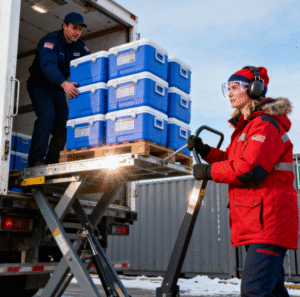
Las recientes tensiones geopolíticas en Medio Oriente están creando nuevos desafíos para la logística de la cadena de frío farmacéutica, La cobertura de la industria destaca los crecientes riesgos para el transporte de medicamentos sensibles a la temperatura en las regiones afectadas..
Según informes comerciales recientes, Las interrupciones en el espacio aéreo regional y las rutas de transporte están obligando a los envíos de productos farmacéuticos a tomar caminos más largos y complejos.. Esto es particularmente crítico para los productos biológicos., vacunas, y medicamentos especializados que requieren un estricto control de temperatura durante el tránsito.
Desde la perspectiva del envasado con temperatura controlada, La situación está aumentando la dependencia de soluciones de refrigeración pasiva, como cajas de envío aisladas., paquetes de hielo seco, y sistemas de envasado con temperatura controlada. A medida que los tiempos de tránsito se extienden, El rendimiento del embalaje se convierte en un factor clave para mantener la integridad del producto..
El informe también indica una creciente presión sobre la disponibilidad de hielo seco y la capacidad de la cadena de frío., ya que las rutas más largas requieren un mayor uso de refrigerante y una protección térmica más sólida. Esto agrega costos y complejidad operativa para los proveedores y distribuidores de logística farmacéutica..
Para compradores B2B y proveedores de embalajes, Este desarrollo pone de relieve una clara tendencia: La resiliencia de la cadena de frío está cambiando hacia soluciones impulsadas por el embalaje.. Es probable que crezca la demanda de cajas aisladas, Sistemas basados en PCM, paquetes de gel, y embalaje térmico validado capaz de mantener el rendimiento en condiciones de envío prolongadas e impredecibles.
Desde una perspectiva de mercado, La situación refuerza la importancia de los envases térmicos de larga duración., Diseño de embalaje para rutas específicas., y planificación integrada de la cadena de frío. Mientras continúan las interrupciones, El rendimiento del embalaje seguirá siendo un factor crítico para garantizar la entrega farmacéutica segura y conforme a las normas..




