


L’IA et l’interopérabilité transforment l’avenir des chaînes du froid pharmaceutiques
L’IA et l’interopérabilité transforment l’avenir des chaînes du froid pharmaceutiques
La transformation numérique pousse les chaînes du froid pharmaceutiques au-delà de la surveillance de la température
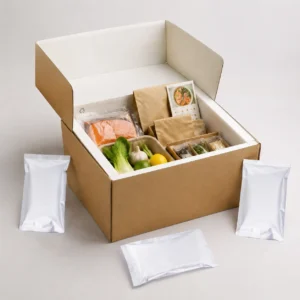
Ce qui s'est passé
Les opérations de la chaîne du froid pharmaceutique entrent dans une nouvelle étape de transformation numérique alors que les fabricants et les prestataires logistiques adoptent une surveillance continue., plateformes technologiques d’automatisation et interopérables.
Historiquement, la gestion de la chaîne du froid pharmaceutique vise principalement à prouver que les produits restent dans les plages de température approuvées.
La prochaine génération de systèmes se concentre sur la prévention des pannes avant qu'elles ne surviennent.
L'analyse du secteur met en évidence plusieurs orientations technologiques émergentes:
- surveillance continue
- automation
- interopérabilité numérique
- analyse prédictive
Ces technologies visent à réduire les excursions de température, améliorer la visibilité des expéditions et créer des liens plus solides entre la fabrication, logistique et prestation de soins de santé.
Comment ça marche
Les systèmes traditionnels de chaîne du froid pharmaceutique comprennent généralement:
- Logueurs de données de température
- stockage réfrigéré
- emballage validé
- PIB transport
Ces systèmes fournissent des preuves importantes mais fonctionnent souvent séparément.
Les chaînes du froid numériques modernes combinent plusieurs sources d'informations:
Surveillance continue
Au lieu de consulter l'historique des températures après la livraison, une surveillance continue fournit:
- données de température en temps réel
- informations de localisation
- état de l'expédition
- notifications d'alarme
Cela permet aux équipes de répondre pendant que l'envoi est encore en transit..
Automation
L'automatisation est de plus en plus appliquée dans:
- entrepôts pharmaceutiques
- centres de distribution
- centres de distribution
Les exemples incluent:
- systèmes de stockage automatisés
- manipulation robotique
- suivi automatisé des stocks
L'automatisation réduit:
- erreurs de manipulation manuelle
- exposition inutile au produit
- inexactitudes d'inventaire
Interopérabilité des données
L'un des plus grands défis de la logistique pharmaceutique est la fragmentation des informations..
Un envoi peut impliquer:
- systèmes du fabricant
- 3Plateformes PL
- systèmes aériens
- logiciel d'entrepôt
- systèmes clients
L'interopérabilité permet à ces systèmes d'échanger des informations.
L'objectif est de créer une vue unique de:
- identité du produit
- état de l'expédition
- historique de la température
- événements de garde
Pourquoi ça compte
Les produits pharmaceutiques deviennent de plus en plus complexes.
Les domaines de croissance comprennent:
- biologique
- vaccins
- thérapies cellulaires
- médicaments spécialisés
Ces produits ont souvent:
- valeur plus élevée
- fenêtres de stabilité plus étroites
- un plus grand impact sur les patients
Une défaillance de la chaîne du froid peut entraîner:
- perte de produit
- retards de traitement
- enquête réglementaire
À mesure que les produits deviennent plus spécialisés, les systèmes logistiques doivent devenir plus intelligents.
Le contrôle de la température seul ne suffit plus.
Les entreprises doivent savoir:
- où se trouve le produit
- dans quel état il est
- si une intervention est nécessaire
Impact B2B
Pour les fabricants de produits pharmaceutiques:
Les futures stratégies de chaîne du froid devraient inclure:
- visibilité numérique
- gestion prédictive des risques
- gestion automatisée des exceptions
Pour les fournisseurs 3PL:
Les avantages concurrentiels dépendront de plus en plus de:
- Capacité PIB
- plateformes connectées
- réponse proactive
Pour les exploitants d’entrepôts frigorifiques:
La demande va augmenter pour:
- entrepôts intelligents
- manutention automatisée
- surveillance connectée
Pour les fournisseurs d'emballages:
Les chaînes du froid numériques créent une demande de:
- expéditeurs intelligents
- capteurs intégrés
- systèmes réutilisables à température contrôlée
Pour les fournisseurs de technologie:
Les futures plateformes combineront:
- IoT
- Analyse de l'IA
- automation
- documentation numérique
Aperçu final
La chaîne du froid pharmaceutique passe de:
« enregistrement de l'historique des températures »
vers:
« prédire et contrôler les risques liés aux produits ».
La future chaîne du froid ne gardera pas seulement les produits au froid.
Il comprendra l'état du produit, prédire les problèmes et prendre automatiquement de meilleures décisions.
La croissance des aliments surgelés renforce les arguments d’investissement du Canada dans la chaîne du froid
Source: Financement agricole Canada
https://www.fcc-fac.ca/fr/connaissance/economie/aliments-surgeles-canada
La croissance des aliments surgelés remodèle les arguments d’investissement dans la chaîne du froid du Canada
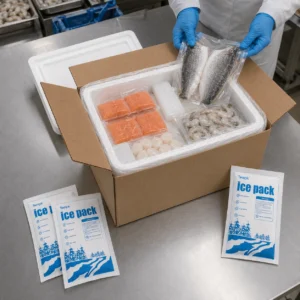
Ce qui s'est passé
Les aliments surgelés occupent une place de plus en plus importante dans le système alimentaire canadien, créer une nouvelle demande de transformation, entrepôt réfrigéré, transport et automatisation.
Une nouvelle analyse de Financement agricole Canada montre que les ventes au détail canadiennes d'aliments surgelés ont augmenté de 63% entre 2019 et 2025. Sur la même période, les ventes de produits frais ont augmenté de 39%.
Cette différence suggère que les aliments surgelés vont au-delà de leur rôle traditionnel d'alternative moins pratique aux produits frais.. Les consommateurs achètent une gamme plus large de fruits surgelés, légumes, fruit de mer, articles de boulangerie, ingrédients préparés et plats prêts à cuisiner.
La demande d’exportation augmente également.
Entre 2020 et 2025, Les exportations canadiennes de fruits surgelés ont augmenté de 14% en volumes, tandis que les exportations de légumes surgelés ont augmenté de 38%.
Ce changement crée des arguments commerciaux plus solides en faveur d’un investissement dans la technologie de congélation., rangement froid, distribution réfrigérée et transformation à valeur ajoutée.
FCC a également identifié une expansion dans les infrastructures réfrigérées.
La capacité réfrigérée déclarée par trois grands exploitants d'entrepôts frigorifiques canadiens est passée d'environ 145 millions de pieds cubes dans 2018 à 187 millions de pieds cubes dans 2025, une augmentation d'environ 29%.
Près des deux tiers de cette expansion ont eu lieu après 2023.
La tendance montre que la croissance des aliments surgelés affecte déjà la capacité physique de la chaîne du froid, plutôt que de rester seulement un changement de comportement d’achat des consommateurs.
Comment ça marche
La congélation modifie la situation économique des produits agricoles périssables en prolongeant la période pendant laquelle ils peuvent être stockés, transporté et vendu.
Les produits frais sont très sensibles au facteur temps.
Une fois récolté, les fruits et légumes continuent de perdre en qualité à cause de la respiration, perte d'humidité et activité microbienne. Même lorsque la réfrigération ralentit ces processus, la durée de conservation commerciale reste limitée.
La congélation déplace le produit vers une fenêtre de conservation beaucoup plus longue.
Des technologies telles que la surgélation individuelle, ou IQF, le traitement congèle rapidement des morceaux de produit individuels plutôt que de créer un gros bloc congelé.
Pour les produits tels que les baies, petits pois, maïs, fruits de mer et ingrédients préparés, IQF peut aider à préserver la texture, portionnabilité et qualité des produits tout en offrant aux transformateurs une plus grande flexibilité dans le conditionnement et la distribution.
Cependant, la capacité de congélation seule ne suffit pas.
La chaîne d'approvisionnement complète nécessite plusieurs étapes connectées:
- Réception des produits bruts
- Lavage, classement ou transformation
- Congélation rapide
- Stockage congelé
- Gestion des stocks
- Transport réfrigéré
- Distribution au détail ou en restauration
Si une partie de la chaîne manque de capacité, l'avantage commercial de l'opération de congélation peut être réduit.
Par exemple, un transformateur peut installer un équipement IQF supplémentaire mais se trouver toujours confronté à un goulot d'étranglement si l'espace d'entrepôt congelé n'est pas disponible pendant le pic de récolte.
De même, un entrepôt frigorifique peut avoir suffisamment de positions de palettes mais manquer de capacité de transport frigorifique pour déplacer les produits pendant les pics de demande saisonniers.
Les investissements modernes dans la chaîne du froid combinent donc de plus en plus stockage physique et automatisation, robotique et contrôle numérique des stocks.
La FCC note que les installations réfrigérées adoptent la manipulation automatisée, des systèmes d'inventaire numérique et des technologies de réfrigération plus économes en énergie pour améliorer la productivité et gérer la hausse des coûts d'exploitation.
Pour les entrepôts congelés, la densité de stockage est particulièrement importante.
Chaque mètre cube d'air réfrigéré nécessite de l'énergie pour maintenir. Stockage de palettes haute densité, la récupération automatisée et le flux d'air bien conçu peuvent réduire le volume de congélateur requis par unité d'inventaire.
Le résultat est une chaîne du froid non seulement plus longue, mais plus productif.
Pourquoi ça compte
Le Canada a une saison de croissance nationale relativement courte pour de nombreux fruits et légumes, alors que la demande des consommateurs existe tout au long de l'année.
Historiquement, cet écart a été comblé en partie grâce aux importations.
Une capacité de congélation supplémentaire offre une autre option: préserver davantage la production nationale pendant les périodes de pointe des récoltes et la répartir progressivement tout au long de l’année.
FAC a utilisé l’estimation d’Environnement et Changement climatique Canada selon laquelle environ 13% des fruits et légumes canadiens ne sont pas récoltés ou sont jetés après la récolte et ce pourcentage est appliqué à la production de cultures sélectionnées.
La comparaison qui en résulte est significative.
Les pertes estimées équivalaient à environ:
- 66% des importations canadiennes de pois
- 55% des importations de maïs
- 24% des importations de myrtilles
- 6% des importations de brocolis
- 5% des importations de fraises
Ces chiffres ne signifient pas que toutes les récoltes perdues peuvent simplement être gelées et remplacées par des importations..
Certains produits peuvent être impropres à la transformation. Moment de la récolte, qualité, l’économie et la demande des consommateurs comptent également.
Mais les chiffres illustrent l’ampleur de la valeur qui pourrait être disponible si davantage de production agricole nationale pouvait être captée via les infrastructures de transformation et de chaîne du froid..
Pour les robots culinaires, la congélation crée également des opportunités au-delà de la réduction des déchets.
Un produit agricole brut peut avoir des marges relativement faibles pendant le pic de récolte. Une fois nettoyé, portionné, chevronné, congelé et emballé, il peut devenir un produit alimentaire de plus grande valeur avec une saison de vente plus longue.
Cela crée une activité économique supplémentaire dans:
- traitement
- conditionnement
- rangement froid
- transport
- distribution au détail
La catégorie croissante des surgelés peut donc renforcer à la fois la fabrication alimentaire et la logistique de la chaîne du froid..
Impact B2B
Pour les producteurs agricoles, une infrastructure de congélation plus solide peut créer des débouchés supplémentaires pendant les périodes de pointe des récoltes.
Les producteurs pourraient être en mesure de vendre des produits dans des circuits de transformation qui, autrement, auraient une valeur limitée parce que la demande du marché du frais a déjà été satisfaite..
Cependant, les transformateurs ont besoin d’une qualité et d’un volume prévisibles.
Les producteurs devraient coordonner le moment de la récolte, spécifications des produits et modalités de transport avec les transformateurs plutôt que de supposer que les produits excédentaires peuvent automatiquement entrer dans la production congelée.
Pour les robots culinaires, le marché crée des opportunités d’investissement dans:
- Systèmes IQF
- congélateurs rapides
- congélateurs à spirale
- tri et classement
- portionnement
- emballage automatisé
La capacité de transformation doit être adaptée à la capacité d’entreposage frigorifique en aval.
L'installation d'une ligne de congélation plus rapide sans suffisamment de positions de palettes congelées peut simplement déplacer le goulot d'étranglement de la production vers l'entreposage..
Pour les développeurs d’entrepôts frigorifiques, La catégorie croissante des aliments surgelés au Canada soutient la demande continue de biens immobiliers réfrigérés.
Les futures installations devraient être évaluées sur plus que le nombre de palettes.
Les variables importantes comprennent:
- Consommation d'énergie
- Densité de stockage
- Capacité d'automatisation
- Débit du quai
- Redondance frigorifique
- Disponibilité de l'alimentation
- Connectivité des transports
Pour les fournisseurs de réfrigération, la croissance des aliments surgelés soutient la demande de systèmes efficaces à basse température.
Les opérateurs sont de plus en plus intéressés par les technologies de réfrigération qui réduisent la consommation d'énergie et les risques à long terme liés aux réfrigérants tout en maintenant des conditions de congélation fiables..
La récupération de chaleur peut également améliorer la rentabilité des installations lorsque la chaleur de réfrigération rejetée peut être utilisée pour produire de l'eau chaude., applications de chauffage ou de traitement des locaux.
Pour les fournisseurs d’automatisation d’entrepôt, les environnements gelés créent une solide analyse de rentabilisation pour la robotique.
L'automatisation peut réduire l'exposition du travail à des températures très basses tout en augmentant la densité de stockage et la précision des stocks..
L'équipement doit être conçu spécifiquement pour les environnements froids, y compris les capteurs appropriés, lubrifiants, câbles, piles et commandes.
Pour les fournisseurs d'emballages, la croissance des aliments surgelés augmente la demande de matériaux qui conservent leur résistance dans des conditions humides et à basse température.
Cartons, films, les étiquettes et les adhésifs doivent tolérer le gel, stockage et décongélation sans perte de performances structurelles ou d'identification.
Pour les transporteurs réfrigérés, des stocks congelés plus importants signifient une plus grande demande de capacité reefer fiable.
Les prestataires de transport ont besoin de TRU fiables, inspection avant le départ, gestion du carburant, procédures télématiques et de température documentées.
Pour les détaillants, les produits surgelés offrent un modèle d'inventaire différent des aliments frais.
Une durée de conservation plus longue peut réduire la détérioration et offrir plus de flexibilité lors des perturbations saisonnières., mais le marchandisage des congélateurs et la capacité de stockage en arrière-boutique doivent suivre le rythme de la croissance de la catégorie..
Pour les décideurs politiques, l'analyse suggère que l'infrastructure de sécurité alimentaire ne se limite pas à la production agricole.
Un pays peut produire d’importantes quantités de produits alimentaires tout en dépendant fortement des importations si sa capacité nationale de transformation et de conservation ne peut pas répondre à la production saisonnière et à la demande tout au long de l’année..
La leçon plus large est que les aliments surgelés sont en train de devenir une histoire d’infrastructure..
Le Canada 63% la croissance du commerce de détail surgelé et l'augmentation de la capacité des entrepôts réfrigérés montrent comment le comportement des consommateurs, la transformation agricole et les investissements dans la chaîne du froid sont de plus en plus connectés.
Les opportunités futures viendront de l’intégration de la production, gel, stockage, le transport et l’emballage dans un système alimentaire national plus efficace.
L'USDA ouvre un programme de subventions pour la chaîne du froid de 7,5 millions de dollars pour l'aide alimentaire
Source: NOUS. Ministère de l’Agriculture – Service de commercialisation agricole
Ouverture de l'USDA $7.5 Programme de subventions d'un million de dollars pour la chaîne du froid pour l'aide alimentaire d'urgence

Ce qui s'est passé
Les États-Unis. Le Service de commercialisation agricole du ministère de l’Agriculture a ouvert les candidatures pour le nouveau 2026 Subventions pour la chaîne du froid pour le programme d'aide alimentaire d'urgence, ou GCC.
Environ $7.5 un million est disponible grâce au programme. L'USDA sélectionnera de manière compétitive une ou plusieurs organisations à but non lucratif éligibles qui pourront administrer des sous-subventions pour les équipements d'entreposage frigorifique et de distribution utilisés par les banques alimentaires., garde-manger et autres opérations d’aide alimentaire d’urgence. Les candidatures pour les prix principaux doivent être déposées en octobre 1, 2026.
Le programme vise spécifiquement à améliorer la capacité des organismes d'aide alimentaire à recevoir et à distribuer des aliments périssables de meilleure qualité., y compris la viande, œufs, fruit de mer, produits laitiers et fruits et légumes frais ou peu transformés.
La Global Cold Chain Alliance a publiquement salué ce financement en août 19, affirmant qu'une meilleure infrastructure d'entreposage frigorifique et de distribution peut aider davantage de nourriture à parvenir aux familles plutôt que d'être limitée par une capacité de réfrigération insuffisante.
Le programme est différent d'un achat fédéral direct de réfrigérateurs ou de véhicules réfrigérés pour les banques alimentaires individuelles.. L'USDA financera d'abord un ou plusieurs bénéficiaires principaux à but non lucratif capables de gérer un programme de sous-subventions compétitif.. Les informations destinées aux organisations souhaitant bénéficier des sous-subventions ultérieures pour l'entreposage frigorifique seront publiées séparément..
Comment ça marche
Le programme CCG utilise une structure de financement à deux niveaux.
Au premier niveau, les organisations à but non lucratif éligibles postulent directement à l'USDA. Ces candidats doivent démontrer qu'ils peuvent gérer un programme de sous-subventions compétitif., y compris la sollicitation de candidatures, évaluer des projets, décerner des récompenses, surveiller les bénéficiaires et rendre compte des résultats. L'USDA déclare qu'au moins une société à but non lucratif éligible sera financée de manière compétitive.
Le ou les premiers bénéficiaires sélectionnés financeront ensuite des projets de chaîne du froid menés par les banques alimentaires., garde-manger et autres organisations d'aide alimentaire d'urgence admissibles.
L’objectif est de renforcer l’infrastructure physique nécessaire à la gestion des aliments périssables plutôt que de limiter la distribution alimentaire d’urgence principalement aux produits de longue conservation..
En fonction des éventuelles règles de sous-subvention et de la portée du projet approuvé, ce type d'infrastructure peut inclure des équipements de stockage réfrigérés ou congelés et des actifs de distribution nécessaires pour préserver l'état du produit entre les dons, recevoir, entreposage et distribution finale.
Une banque alimentaire recevant des protéines fraîches ou des produits laitiers a besoin d'un système d'exploitation très différent d'une banque alimentaire traitant uniquement des produits en conserve ou secs..
Les stocks réfrigérés nécessitent une réception contrôlée, transfert rapide dans la bonne zone de température, surveillance continue, rotation des stocks et capacité de distribution suffisante pour empêcher les produits de rester hors de la réfrigération pendant l'assemblage des commandes.
Les produits surgelés introduisent des exigences supplémentaires concernant le stockage à basse température, discipline de porte, gestion du dégivrage et matériel de manutention compatible congélateur.
Les produits frais créent un autre profil opérationnel. De nombreux fruits et légumes bénéficient d'un contrôle de la température mais peuvent également être sensibles au froid excessif., conditions d'humidité et débit d'air. Une seule chambre froide n’est donc peut-être pas la bonne solution pour chaque produit..
Le programme de subventions peut aider à surmonter l’obstacle de l’équipement, mais l’efficacité de la chaîne du froid dépendra toujours de la manière dont les équipements financés seront sélectionnés, installé et exploité.
Une nouvelle glacière walk-in, le congélateur ou le véhicule réfrigéré doit être dimensionné en fonction du débit attendu plutôt que de l'espace au sol disponible uniquement. Un équipement sous-dimensionné peut créer de la congestion lors des pics de dons, tandis qu'un équipement surdimensionné peut imposer des coûts d'investissement et d'énergie inutiles.
Le suivi doit également être inclus dans la planification du projet. Les opérateurs ont besoin de capteurs de température calibrés, procédures d'alarme et enregistrements montrant que les produits sont restés dans leurs conditions requises.
Pourquoi ça compte
L’aide alimentaire d’urgence comprend de plus en plus de produits qui sont nutritionnellement précieux mais difficiles à distribuer sur le plan opérationnel..
Viande, fruit de mer, laitier, les œufs et les produits frais peuvent améliorer la qualité et la diversité des aliments disponibles, mais ils ne peuvent pas se déplacer en toute sécurité à travers un réseau conçu uniquement pour le stockage ambiant.
Sans infrastructure réfrigérée suffisante, une banque alimentaire peut ne pas être en mesure d'accepter un don même lorsque la nourriture elle-même est disponible.
Cela crée une inadéquation structurelle: producteurs, processeurs, les détaillants ou les distributeurs peuvent avoir des surplus alimentaires sûrs disponibles, alors que les organisations à but non lucratif manquent de chambres froides, congélateurs ou transports réfrigérés nécessaires pour le recevoir.
Le résultat peut être des opportunités de dons perdues et un gaspillage alimentaire évitable..
La capacité de la chaîne du froid peut donc changer ce que les organisations d’aide alimentaire sont en mesure d’offrir.
Une installation dotée d'un espace réfrigéré adéquat peut accepter des produits laitiers ou de la viande frais qui devaient auparavant être refusés.. Un congélateur peut permettre aux organisations de conserver des protéines congelées jusqu'à la date de distribution appropriée plutôt que de forcer un déplacement immédiat.. Les véhicules réfrigérés peuvent étendre la zone de service au-delà des endroits accessibles dans une courte fenêtre de transport ambiant.
Le financement est également important car les réseaux d’aide alimentaire sont confrontés à une volatilité de la demande..
Un entrepôt peut fonctionner normalement pendant des semaines et recevoir ensuite un don important, allocation d’urgence ou afflux saisonnier de produits agricoles. La capacité flexible d’entreposage frigorifique fournit un tampon opérationnel pendant ces pics.
Cependant, l'équipement à lui seul ne garantit pas la réussite du programme.
L’entreposage frigorifique augmente les coûts d’électricité, exigences d'entretien, procédures de nettoyage, obligations en matière de sécurité alimentaire et dépendance technique vis-à-vis des entreprises de réfrigération. Les organisations ont besoin de suffisamment de fonds de fonctionnement pour que les nouveaux actifs restent fonctionnels une fois l'achat financé par la subvention terminé..
Il en va de même pour les véhicules réfrigérés. L'acquisition n'est que le premier coût. Carburant ou électricité, entretien préventif, entretien d'unités de réfrigération, assurance, la surveillance des conducteurs et de la température se poursuit tout au long de la vie du véhicule.
Pour cette raison, l'évaluation du projet devrait considérer la capacité totale du cycle de vie plutôt que de simplement compter le nombre de réfrigérateurs, des congélateurs ou des camions sont achetés.
Impact B2B
Pour les fabricants d’équipements de stockage frigorifique, le programme pourrait créer une demande pour des chambres froides, congélateurs, chambres réfrigérées modulables, unités de condensation, évaporateurs, panneaux isolés et commandes associées.
Les fournisseurs au service de clients à but non lucratif doivent donner la priorité à la maintenabilité. L'équipement doit utiliser des composants pouvant être réparés localement et doit inclure des instructions claires de maintenance préventive..
L’efficacité énergétique est également importante car les banques alimentaires fonctionnent avec des budgets serrés.. Une consommation moindre d’énergie de réfrigération peut faire la différence entre une installation financée par une subvention qui reste durable et une exploitation coûteuse..
Pour les fournisseurs de véhicules frigorifiques et de transport-réfrigération, les futures sous-subventions pourraient créer des opportunités pour les camionnettes, camions, caisses isothermes et systèmes de réfrigération de transport conçus pour la distribution alimentaire locale et régionale.
La sélection du véhicule doit refléter la longueur réelle de l'itinéraire, charge utile, fréquence de livraison et profil de température plutôt que de supposer que chaque banque alimentaire a besoin du même type de camion frigorifique.
Pour les prestataires de surveillance de la température, les infrastructures financées devraient inclure un suivi pratique dès le début.
Les organisations d'aide alimentaire peuvent avoir besoin de systèmes simples fournissant des enregistrements continus de température., alarmes hautes/basse et notifications à distance sans créer de complexité logicielle excessive ni de frais d'abonnement.
Pour les fournisseurs d'emballages, le programme pourrait augmenter la demande de bacs isothermes réutilisables, packs de gel, Systèmes PCM, housses et doublures de palettes utilisées entre les chambres froides fixes et les sites de distribution.
L'emballage passif peut être particulièrement utile lorsque le point de distribution final ne dispose pas de véhicules réfrigérés dédiés ou lorsque les produits transitent par des événements communautaires temporaires..
Pour les 3PL et les exploitants d’entrepôts frigorifiques commerciaux, le financement crée des opportunités de partenariat.
Certaines banques alimentaires pourraient bénéficier davantage de l’achat d’équipement dédié, tandis que d'autres peuvent parvenir à une meilleure utilisation en contractant une capacité de réfrigération commerciale qualifiée ou en utilisant des centres régionaux partagés..
Un modèle hybride pourrait permettre aux organisations à but non lucratif de conserver des chambres froides plus petites sur site tout en utilisant des installations commerciales pour les stocks excédentaires et les pics saisonniers..
Pour les fabricants et détaillants de produits alimentaires, l'amélioration de la capacité de la chaîne du froid à but non lucratif peut faciliter la mise à l'échelle des programmes de dons.
Les entreprises doivent toujours fournir des informations précises sur les lots, détails des allergènes, codage des dates, exigences en matière de stockage des produits et documentation sur la chaîne de traçabilité. Les produits donnés nécessitent la même discipline en matière de sécurité alimentaire que les produits circulant via les circuits commerciaux..
Pour les fournisseurs de logiciels, les systèmes d'inventaire utilisés par les banques alimentaires devront peut-être relier les dates d'expiration, enregistrements de lots, zones de température et destinations de distribution.
Un meilleur contrôle numérique peut aider les organisations à faire tourner les produits selon les principes FEFO et à réduire la détérioration au sein même de l'infrastructure destinée à prévenir le gaspillage..
Pour les entrepreneurs en réfrigération, les équipements financés par des subventions créeront une exigence de service à long terme.
Accords de soutien d’urgence, la disponibilité des pièces de rechange et les calendriers de maintenance préventive doivent être pris en compte lors de l'approvisionnement plutôt qu'après la première panne du système.
La leçon plus large est que l’accès à la nourriture dépend en partie de la capacité logistique.
Le nouveau de l'USDA $7.5 Le programme d'un million de dollars de la GCC reconnaît que les organisations d'aide alimentaire ne peuvent pas élargir l'accès aux produits frais et surgelés sans l'infrastructure nécessaire pour protéger ces produits..
Les projets les plus réussis combineront des équipements de réfrigération, transport, surveillance, conditionnement, un personnel formé et des budgets de fonctionnement durables dans un seul système de chaîne du froid pratique.
Puerto Bolívar est sur le point d'achever un entrepôt frigorifique de 30 millions de dollars
Source: L'Univers
Puerto Bolívar est sur le point d'achever $30 Millions de centres de stockage frigorifique automatisés

Ce qui s'est passé
Un nouvel entrepôt réfrigéré automatisé à Puerto Bolívar en Équateur a atteint 93% achèvement et est entré dans la phase de tests techniques.
L'installation est développée par YilportEcu S.A.. dans le cadre de la convention de gestion déléguée du port. Il couvre environ 17,000 mètres carrés et fournira plus de 15,000 positions des palettes pour les bananes et autres produits d'exportation sensibles à la température.
L'investissement dédié à l'entrepôt réfrigéré est d'environ 30 millions de dollars américains. Les techniciens testent actuellement l'installation de réfrigération industrielle, matériel de détection et d'extinction d'incendie, les systèmes automatisés de manutention et les logiciels qui géreront les mouvements internes des marchandises.
La structure physique est en grande partie terminée, avec un travail final axé sur l'intégration des systèmes, qualification des équipements et préparation opérationnelle. L'achèvement est prévu entre octobre et novembre 2026.
Le projet vise à changer la façon dont les exportateurs coordonnent la récolte, livraisons au port et horaires des navires. Les producteurs de bananes doivent actuellement aligner étroitement la coupe et le transport intérieur sur les heures d'arrivée des navires.. Une fois que la nouvelle chambre froide sera opérationnelle, la cargaison pourra entrer dans un environnement contrôlé plusieurs jours avant le chargement sans interrompre l’intégrité de la chaîne du froid.
Cela pourrait donner aux exportateurs plus de flexibilité pour gérer la production, congestion des ports et changements d'horaires des navires tout en protégeant la qualité des produits.
Comment ça marche
L'entrepôt est conçu comme un point de contrôle automatisé de la chaîne du froid côté port plutôt que comme un bâtiment de stockage manuel conventionnel..
Les palettes seront placées dans des rayonnages à haute densité grâce à des systèmes de manutention robotisés contrôlés par un logiciel d'entrepôt spécialisé.. La plateforme numérique attribuera à chaque chargement une position de stockage en fonction de l'identité de la cargaison, exportateur, marque, calendrier des compagnies maritimes et des navires.
Ce modèle d'allocation automatisée vise à réduire les mouvements manuels des palettes, améliorer la densité de stockage et faciliter la récupération de la bonne cargaison lorsqu'un navire est prêt à être chargé.
Le système devrait également permettre à l'entrepôt de servir plusieurs exportateurs, marques de bananes et compagnies maritimes sans dépendre de zones clients fixes. La gestion du fret sera numérisée, permettant aux emplacements des palettes et aux priorités de sortie de changer en fonction des calendriers d'expédition.
Un flux d'exportation typique pourrait commencer avec des fruits arrivant de fermes ou d'installations de conditionnement dans des conditions de transport contrôlées.. La cargaison serait reçue, identifié et affecté à un lieu de stockage qualifié. Le système de gestion d'entrepôt relierait alors le dossier de palette au navire concerné., calendrier de réservation et d'expédition.
Lorsque le chargement approche, le système automatisé récupérerait les palettes requises et les déplacerait vers la zone de préparation de sortie. Cela peut réduire le temps d'attente des produits près du quai et limiter la circulation inutile des chariots élévateurs à l'intérieur des zones réfrigérées..
L'installation disposera de sa propre sous-station électrique, équipement de réfrigération industrielle, systèmes de détection et d'extinction d'incendie et infrastructures de secours destinés à soutenir la continuité opérationnelle.
La sous-station dédiée est particulièrement importante car une installation de cette taille crée une charge électrique continue importante. Réfrigération, automation, contrôles, éclairage, la protection contre les incendies et les communications dépendent toutes d’une alimentation électrique stable.
L'équipement de secours peut réduire le risque qu'une brève interruption électrique se transforme en incident de température du produit.. Cependant, la résilience totale de la chaîne du froid nécessitera également des procédures testées avec un générateur ou une alimentation alternative, escalade d'alarme, redondance en réfrigération et accès à des techniciens qualifiés.
Le logiciel d'entrepôt sera tout aussi important. Le rayonnage automatisé offre une valeur limitée si l'identité du produit, les instructions du navire ou les dossiers des clients sont incomplets. L'opérateur doit maintenir des liens fiables entre les palettes physiques et les informations numériques tout au long de la réception., stockage et expédition.
Le contrôle de la température doit également être vérifié en plus d'un point.
L'affichage d'une pièce peut montrer un état moyen acceptable tandis que des palettes individuelles près des portes, murs, les plafonds ou les évaporateurs subissent des températures différentes. Cartographie de température chargée, des capteurs calibrés et des procédures de réponse aux alarmes seront donc nécessaires avant que l'installation puisse traiter des marchandises commerciales à grande échelle..
Pour les exportations de bananes, la gestion de la température ne se limite pas à maintenir la pièce froide.
Les bananes restent biologiquement actives après la récolte et nécessitent un contrôle de la température spécifique au produit., débit d'air et temps de manipulation. Une chaleur excessive accélère la maturation, tandis que des températures trop basses peuvent provoquer des blessures par le froid. La plage de fonctionnement correcte doit donc être adaptée à la maturité du produit, variété, exigences en matière d'emballage et de destination.
Pourquoi ça compte
Puerto Bolívar est une porte d'exportation majeure pour les produits périssables équatoriens, surtout les bananes et les crevettes.
Les exportations de produits frais dépendent fortement de la synchronisation. Fermes, installations d'emballage, transporteurs intérieurs, les terminaux portuaires et les navires doivent fonctionner dans une fenêtre de durée de conservation commerciale limitée.
Lorsque la capacité de stockage est insuffisante, les producteurs pourraient être obligés de planifier la récolte en fonction de l'arrivée des navires. Cela crée un modèle opérationnel rigide dans lequel les conditions météorologiques, embouteillage routier, les retards dans les ports ou les changements de navire peuvent perturber l'ensemble du plan d'exportation.
Le nouvel entrepôt réfrigéré introduit un tampon entre la production et le chargement des navires.
Les producteurs peuvent préparer la cargaison plus tôt, placez-le dans des conditions contrôlées et attendez la fenêtre d'expédition confirmée. Cela sépare une partie du calendrier agricole du calendrier des navires et peut contribuer à réduire la congestion de dernière minute au port..
Le projet pourrait également améliorer l'utilisation des navires.
Si la marchandise est déjà stockée, identifié et attribué numériquement avant l'arrivée du navire, les équipes de chargement peuvent récupérer les palettes dans l’ordre requis. Une meilleure organisation peut réduire le temps d'attente des navires et rendre les opérations portuaires plus prévisibles.
L'automatisation peut renforcer cet avantage en réduisant le temps nécessaire pour localiser et déplacer des groupes de palettes individuels.. Pour les envois mixtes exportateurs ou mixtes, la récupération dirigée par logiciel peut prendre en charge un chargement plus précis et réduire le risque d'envoyer la mauvaise cargaison au mauvais navire ou à la mauvaise destination.
L’entrepôt frigorifique renforce également la résilience du réseau d’exportation de produits périssables de l’Équateur.
Un port qui dépend uniquement du transfert direct camion-navire a une flexibilité limitée lors des inspections., l'accostage ou la documentation du navire est retardé. Le stockage contrôlé offre aux opérateurs plus d'options pour protéger la cargaison pendant que le problème est résolu.
Cependant, l'installation n'éliminera pas tous les risques liés à la chaîne du froid.
La qualité du produit dépend encore d’une récolte correcte, pré-refroidissement, conditionnement, transport intérieur et température de réception. Un entrepôt moderne ne peut pas récupérer complètement la qualité déjà perdue avant que la cargaison n'atteigne le port..
Le résultat final dépendra également de l'utilisation opérationnelle. Une installation de 15 000 palettes doit attirer un volume suffisant toute l’année pour supporter sa réfrigération, automation, entretien, coûts de main d'œuvre et de financement.
L’importance commerciale du projet ne se mesurera donc pas seulement à la capacité, mais par rotation des palettes, performances de chargement, consommation d'énergie, respect de la température et nombre d’exportateurs qui adoptent le service.
Impact B2B
Pour les producteurs et exportateurs de bananes, la nouvelle installation pourrait offrir plus de flexibilité dans la planification de la récolte et des navires.
Les exportateurs peuvent être en mesure de déplacer les fruits vers un entrepôt contrôlé avant la date de chargement finale., réduire la dépendance à l’égard d’une fenêtre étroite entre camion et navire. Cela pourrait être particulièrement utile lors des pics de volume saisonniers, perturbation de la route ou modification des horaires des navires.
Pour bénéficier de l'installation, les exportateurs auront toujours besoin de processus disciplinés en amont. Les fruits doivent arriver à la bonne température et à maturité, avec un emballage conçu pour la circulation de l'air, humidité et transport maritime longue distance.
Pour les exportateurs de crevettes et de produits surgelés, l'installation peut offrir une capacité de transit supplémentaire à proximité du port. Les utilisateurs doivent vérifier les zones de température disponibles, capacité de congélation ou de conservation, recevoir des limites et des procédures pour la manipulation des produits qui arrivent en dehors des spécifications.
Pour les lignes maritimes, l'entrepôt peut prendre en charge une préparation de fret plus prévisible et un chargement plus rapide. Les transporteurs doivent coordonner les données de réservation, disponibilité des conteneurs, les horaires des navires et les instructions de libération des marchandises avec la plateforme numérique de l’entrepôt.
Pour les transitaires et les 3PL, le projet crée une opportunité d'offrir des services intégrés combinant le transport intérieur, stockage réfrigéré, documents d'exportation, coordination des conteneurs et visibilité des expéditions.
Le modèle de service le plus précieux reliera les enregistrements de l'entrepôt au parcours d'expédition plus large au lieu de traiter le stockage portuaire comme une activité isolée..
Pour les fournisseurs d’emballages sous chaîne du froid, l’augmentation du stockage côté port pourrait changer la façon dont les exportateurs conçoivent leurs emballages.
Les cartons de bananes et les emballages de produits doivent conserver leur résistance structurelle dans des environnements réfrigérés humides tout en permettant une ventilation appropriée.. Les crevettes et les produits surgelés peuvent nécessiter des cartons compatibles avec le congélateur, doublures, stabilisation des palettes et étiquettes résistantes à l'humidité.
Pour les fournisseurs d'automatisation, le projet démontre une demande croissante de stockage robotisé à haute densité dans les chaînes du froid portuaires.
L'équipement doit être adapté au fonctionnement réfrigéré, y compris les moteurs, capteurs, câbles, lubrifiants, procédures de contrôle et de maintenance. L'accès pour la récupération d'urgence des palettes doit rester disponible si le système automatisé devient indisponible.
Pour les fournisseurs de réfrigération, la phase finale de mise en service sera cruciale. L'installation doit démontrer des performances de température stables sous des charges de palettes représentatives, activité des portes et climat ambiant de l’Équateur.
Les tests pertinents doivent inclure le pull-down, mappage chargé, récupération après ouvertures de portes, vérification d'alarme, interruption de courant et réponse du système de secours.
Pour les éditeurs de logiciels et de surveillance, le projet crée une opportunité de combiner l'identité du produit, emplacement de la palette, conditions des salles et horaires des navires dans un seul enregistrement opérationnel.
Une alarme de température devient plus utile lorsque l'opérateur peut identifier immédiatement quelles palettes ont été affectées., quel exportateur en est propriétaire et quel navire ou client attend la cargaison.
Pour les assureurs et les gestionnaires de risques, l'entrepôt crée une grande concentration de stocks périssables de grande valeur. Les évaluations des risques devraient examiner la redondance de la réfrigération, continuité de puissance, protection incendie, cyber-résilience, accès d’urgence et modalités de stockage alternatives.
Pour les aménageurs portuaires et publics, l'entrepôt doit être soutenu par un accès fiable côté ville. Une capacité de stockage accrue peut attirer plus de marchandises, mais la congestion routière peut limiter les bénéfices si les camions ne peuvent pas entrer et sortir efficacement.
Puerto Bolívar travaille déjà sur un projet North Access destiné à améliorer le mouvement des véhicules lourds et à réduire les temps d'entrée et de sortie du port.. La performance de l’entrepôt et celle du réseau routier seront donc étroitement liées.
La leçon plus large est que la performance de la chaîne du froid portuaire ne dépend pas seulement de l’ajout d’espace réfrigéré..
Le modèle le plus puissant connecte les exploitations agricoles, opérations d'emballage, transport intérieur, stockage automatisé, les horaires des navires et les enregistrements numériques dans un seul système d'exportation contrôlé.
Le nouvel entrepôt de Puerto Bolívar constitue un ajout majeur à l’infrastructure. Sa valeur à long terme dépendra de la question de savoir si cette capacité physique se traduira par un flux de marchandises plus rapide., réduction des pertes de produits et accès plus flexible aux marchés internationaux.
Maersk ajoute de la capacité Reefer alors que les importations de Rotterdam augmentent
Source: Mise à jour du marché européen de Maersk
Maersk ajoute de la capacité Reefer alors que Rotterdam fait face à la chaleur et à la pression des importations
Ce qui s'est passé
Maersk a signalé une augmentation significative des volumes d'importations réfrigérées au port de Rotterdam, ajouter de la pression à la manutention des conteneurs frigorifiques, opérations d'inspection des aliments et de distribution ultérieure.
Le mois d’août du transporteur 14 Europe Market Update indique que le terminal Maasvlakte II de Rotterdam a également connu des perturbations opérationnelles pendant les périodes où les températures dépassaient 30°C.. Des températures extrêmement élevées ont entraîné la fermeture temporaire des portes du terminal, obliger les clients à surveiller les mises à jour opérationnelles et à ajouter plus de temps tampon aux plans de transport.
En même temps, les importations réfrigérées ont augmenté avant une restriction de l'UE sur certaines importations de viande en provenance du Brésil qui, selon Maersk, entrerait en vigueur en septembre 3. L’arrivée concentrée de marchandises réfrigérées a accru la demande de services de manutention et d’inspection des navires frigorifiques, avec des délais d'attente plus longs signalés pour les autorités néerlandaises responsables des contrôles des aliments et des produits de consommation.
Pour prendre en charge le volume supplémentaire, Maersk a obtenu une capacité supplémentaire de prise de conteneurs réfrigérés à Maasvlakte II tout au long du mois d'août. Le transporteur a conseillé aux clients utilisant les services Europe-Amérique du Sud de se préparer à d'éventuels retards lors de l'inspection et de la manutention ultérieure et d'organiser la documentation et le transport intérieur avant l'arrivée de la cargaison..
Ce développement est important car il combine trois pressions différentes de la chaîne du froid en un seul point d'entrée.: températures ambiantes élevées, une augmentation à court terme des importations réfrigérées et un système d'inspection limité qui doit traiter les marchandises alimentaires réglementées avant de pouvoir continuer sur le marché européen.
Comment ça marche
Une expédition maritime réfrigérée reste dépendante de plusieurs points de contrôle connectés une fois le navire arrivé au port..
Une fois qu’un conteneur frigorifique est déchargé, il doit normalement être connecté à l'alimentation électrique du terminal. Il peut alors attendre le dédouanement, inspection vétérinaire ou de sécurité alimentaire, examen des documents, instructions de mainlevée et collecte par un transporteur intérieur.
Une capacité supplémentaire de prise frigorifique permet de préserver l'énergie électrique pendant cette période d'attente. Cela réduit le risque qu'un conteneur reste déconnecté parce que les positions des fiches de borne ne sont pas disponibles.. Cependant, les bouchons supplémentaires ne suppriment pas automatiquement l'inspection, goulots d'étranglement en matière de documentation ou de camionnage.
Un conteneur peut rester alimenté et maintenir sa consigne programmée tout en accumulant plusieurs jours d'arrêt au port.. Pour la viande congelée, cela peut augmenter le stockage, frais de surestaries et d'équipement. Pour produits réfrigérés et frais, un temps supplémentaire peut réduire la durée de conservation commerciale restante, même en l'absence d'excursion formelle de température.
Les températures ambiantes élevées rendent l'environnement d'exploitation plus exigeant. Plus de chaleur pénètre dans le conteneur par ses parois et ses portes, et le groupe frigorifique doit supprimer une charge thermique plus importante pour maintenir le point de consigne. Les employés du terminal et les opérations aux portes peuvent également être affectés par les procédures de sécurité liées à la chaleur., comme le démontrent les fermetures de portes Maasvlakte II signalées.
L’inspection introduit un autre transfert critique.
Les expéditions de produits alimentaires réglementées peuvent nécessiter des contrôles de scellés, vérification des documents, échantillonnage ou examen physique avant la libération. Si la zone d'inspection, le système de dotation en personnel ou de nomination ne peut pas absorber une augmentation rapide du volume, les conteneurs frigorifiques peuvent s'accumuler à l'intérieur du terminal même lorsque la capacité du navire et de la prise reste disponible.
La planification de la chaîne du froid doit donc connecter plusieurs systèmes qui sont souvent gérés séparément: l'horaire du navire, affectation des fiches de borne, documentation douanière et vétérinaire, rendez-vous d'inspection, capacité de camionnage intérieur et de réception à l'entrepôt frigorifique de destination.
Une plate-forme de visibilité des conteneurs peut afficher l'emplacement, données sur les équipements liées à la température et jalons portuaires, mais les données doivent conduire à une décision opérationnelle. Si un conteneur approche d'une période de séjour coûteuse ou critique pour la qualité, l'importateur devra peut-être donner la priorité à la documentation, sécuriser un créneau d’inspection, reprogrammer l'entrepôt de réception ou organiser un transport intérieur alternatif.
Pourquoi ça compte
La situation de Rotterdam montre pourquoi l'intégrité de la chaîne du froid ne peut pas être mesurée uniquement par le maintien de la valeur de consigne de l'unité frigorifique..
Le temps est également une variable de qualité du produit.
Les produits surgelés peuvent tolérer un transit plus long que les produits frais, mais un séjour prolongé au port peut toujours affecter la disponibilité des stocks, engagements de livraison client et fonds de roulement. Les produits réfrigérés peuvent arriver dans leur plage de température, mais avec une durée de conservation restante inférieure pour le traitement., affichage ou redistribution au détail.
L'événement démontre également comment les changements réglementaires peuvent créer une demande concentrée en matière de chaîne du froid avant qu'une politique formelle n'entre en vigueur..
Les importateurs peuvent accélérer l’arrivée des expéditions avant qu’une nouvelle condition de restriction ou d’approbation ne commence. Cela peut créer une poussée à court terme qui affecte l'espace du navire., disponibilité des conteneurs frigorifiques, fiches de bornes, services d'inspection et capacité de stockage frigorifique en même temps.
Un port peut disposer d’une capacité annuelle suffisante en matière de chaîne du froid, mais être néanmoins confronté à une congestion opérationnelle lorsque de nombreuses charges réfrigérées arrivent dans un délai restreint..
Les conditions météorologiques extrêmes ajoutent une autre couche d’incertitude. La chaleur peut augmenter la charge de réfrigération, affecter la main-d’œuvre des terminaux et réduire la marge opérationnelle disponible lorsque les équipements ou les infrastructures électriques sont déjà sous pression. Cela signifie que les hypothèses historiques de séjour au port pourraient ne plus être suffisantes pour la qualification des voies d'été..
L’événement est particulièrement pertinent pour les routes gastronomiques Europe-Amérique du Sud.. Viande, fruit, les fruits de mer et autres produits sensibles à la température se déplacent souvent sur de longues distances océaniques avant d'entrer dans des réseaux de distribution européens très programmés. Une perturbation au niveau de la passerelle d'importation peut affecter les entrepôts frigorifiques, processeurs, grossistes, les détaillants et les opérateurs de restauration bien au-delà du port lui-même.
Impact B2B
Pour les importateurs de produits alimentaires, la priorité immédiate est la préparation avant l'arrivée.
Déclarations en douane, certificats vétérinaires, documents de santé, les dossiers de produits et les exigences d’inspection doivent être examinés avant l’arrivée du navire. Une divergence dans les documents découverte après le déchargement peut prolonger le séjour au port pendant que le conteneur continue d'utiliser l'alimentation du terminal et d'accumuler des charges..
Les importateurs doivent également organiser le transport intérieur et les rendez-vous pour l'entreposage frigorifique à l'avance.. Un conteneur qui reçoit une autorisation réglementaire mais qui n'a pas d'emplacement de camion ou d'entrepôt disponible reste exposé à des retards supplémentaires..
Pour les exportateurs en Amérique du Sud, la documentation sur l'origine doit être traitée dans le cadre de la performance de la chaîne du froid. Identification correcte du produit, certification, les informations sur les scellés et les instructions d'expédition peuvent réduire le risque que la cargaison entre dans une cale évitable après avoir atteint l'Europe.
Pour les transitaires et les 3PL, l'événement souligne la nécessité d'une gestion portuaire basée sur les exceptions. Les équipes doivent surveiller l'arrivée des navires, état de sortie, connexion par fiche, planification des inspections, publier les jalons et la disponibilité des camions dans le cadre d'un seul flux de travail plutôt que sous forme de mises à jour de service distinctes.
Pour les transporteurs réfrigérés, la flexibilité de réservation et la disponibilité des équipements deviennent importantes lorsque de nombreux conteneurs sont libérés sur une courte période. Les entreprises de camionnage peuvent avoir besoin de châssis supplémentaires, groupes électrogènes ou équipements réfrigérés pour les charges se déplaçant au-delà de la région portuaire immédiate.
Pour les exploitants d’entrepôts frigorifiques, les poussées d’importations peuvent créer une demande entrante concentrée. Les installations doivent comparer les arrivées prévues avec les rendez-vous disponibles au quai, positions des palettes, capacité de travail et de réfrigération. Les accords de débordement avec des entrepôts alternatifs peuvent empêcher les conteneurs de rester au terminal car l'installation principale est pleine.
Pour les opérateurs de conteneurs frigorifiques et de terminaux, une capacité de prise supplémentaire est une mesure d’urgence précieuse, mais la disponibilité de l'énergie doit être soutenue par une surveillance, procédures d'entretien et d'urgence. Les opérateurs doivent savoir si chaque conteneur connecté est alimenté et si les alarmes sont examinées..
Pour les fournisseurs de surveillance, les données indépendantes sur le fret restent précieuses même lorsque la télémétrie du transporteur frigorifique est disponible. Les données de l’équipement frigorifique décrivent l’environnement d’exploitation du conteneur, tandis que les enregistreurs au niveau de l'expédition peuvent fournir des preuves supplémentaires sur les conditions rencontrées à des endroits représentatifs du chargement..
Pour les fournisseurs d'emballages, des transferts prolongés et imprévisibles peuvent justifier une protection thermique secondaire pour certaines marchandises. Couvertures de palettes, les doublures isolées et autres systèmes peuvent réduire les courtes expositions lors des inspections ou des transferts, bien qu'ils ne puissent pas compenser indéfiniment une manipulation incontrôlée prolongée.
Pour les équipes risques et assurances, la congestion portuaire devrait être intégrée dans la qualification des voies et la planification de la continuité des activités. Le profil le plus défavorable devrait inclure la chaleur, retard d'inspection, le transport routier limité et la disponibilité limitée des entrepôts frigorifiques se conjuguent plutôt que de traiter chaque risque indépendamment.
La leçon plus large est que la capacité des bouchons des navires frigorifiques n’est qu’un élément de la résilience de la chaîne du froid portuaire..
La mise à jour de Maersk à Rotterdam montre que l'intégrité des produits dépend de la puissance, inspection, documentation, les capacités de transport et de réception restent coordonnées. Quand les importations de produits réfrigérés explosent en période de chaleur extrême, les chaînes du froid les plus solides sont celles qui préparent chaque transfert en aval avant que le conteneur n'atteigne le port.
CSafe lance une application mobile pour le contrôle en temps réel de la chaîne du froid pharmaceutique
source: Sortie officielle de CSafe
https://csafeglobal.com/csafe-launches-mobile-app-for-csafe-connect-bringing-real-time-shipment-visibility-and-control-to-the-field/
L'application mobile CSafe Connect amène les décisions relatives à la chaîne du froid pharmaceutique au sol et au tarmac de l'entrepôt
Ce qui s'est passé
CSafe a lancé l'application mobile CSafe Connect, étendre sa plateforme cloud de chaîne du froid pharmaceutique des systèmes de bureau aux appareils mobiles.
L'application donne aux fabricants de produits pharmaceutiques, les transitaires et les compagnies aériennes accèdent aux informations sur les expéditions, données sur l'état du conteneur, Fonctions de localisation GPS et de gestion des baux lors du travail dans les entrepôts, aéroports et autres environnements opérationnels.
CSafe Connect prend déjà en charge la gestion des expéditions de conteneurs actifs et passifs à température contrôlée. Avant la sortie mobile, les utilisateurs accédaient principalement à ces fonctionnalités via des systèmes de bureau. La nouvelle application est destinée à rapprocher les mêmes informations opérationnelles du personnel manipulant les conteneurs et répondant aux exceptions d'expédition..
Les fonctions disponibles incluent la passation de nouvelles commandes de location, affichage des données de location et d'expédition, surveillance des conditions des conteneurs et de la localisation GPS en temps réel, et récupération des informations d'expédition sur demande. L'application est disponible pour iOS et Android et est incluse pour les clients CSafe Connect existants, tandis que les nouveaux utilisateurs reçoivent l'accès après leur intégration.
CSafe décrit l'application comme la première solution mobile de ce type spécialement conçue pour les opérations de la chaîne du froid pharmaceutique.. Cette déclaration est une affirmation de l'entreprise, mais le changement opérationnel est clair: les informations critiques sur les expéditions ne sont plus limitées à un bureau de tour de contrôle ou à un poste de travail de bureau.
Comment ça marche
CSafe Connect fonctionne comme une couche numérique autour des actifs d'expédition à température contrôlée.
La plateforme plus large regroupe la commande de produits, suivi des expéditions, surveillance de l'état, alertes, rapport, support client et gestion des baux sous une seule connexion. CSafe indique également que la plateforme peut prendre en charge les alertes automatisées, analyse historique, données prédictives et intégration via des API.
Dans un flux de travail de fret aérien pharmaceutique typique, plusieurs équipes peuvent interagir avec le même conteneur.
Un fabricant pharmaceutique peut préparer et libérer l'expédition. Un transitaire peut organiser la location et coordonner la livraison à l'aéroport. Les manutentionnaires au sol peuvent réceptionner le conteneur, les compagnies aériennes peuvent le charger, et les équipes de destination peuvent gérer le déchargement, dédouanement et distribution ultérieure.
Chaque transfert crée un retard potentiel d'information.
Un employé des opérations peut constater un problème de manutention à l'aéroport mais ne pas avoir un accès immédiat aux données du conteneur. Une équipe de la tour de contrôle peut constater une irrégularité mais avoir besoin de plus de temps pour contacter la personne physiquement la plus proche de l'expédition..
L'accès mobile peut réduire ce manque d'information. Le personnel présent dans l'entrepôt ou sur le tarmac peut consulter l'état des conteneurs et les informations d'expédition sans retourner à un terminal de bureau ni demander des captures d'écran à un autre service..
L'application peut également prendre en charge la coordination des équipements.
Les conteneurs pharmaceutiques actifs sont fréquemment loués plutôt que détenus en permanence par l'expéditeur. Statut du bail, disponibilité des équipements, les exigences de retour et l'historique des commandes affectent donc si le bon conteneur est disponible pour la prochaine voie qualifiée.
Permettre aux équipes opérationnelles de passer et d'examiner les commandes de location à partir d'un appareil mobile peut réduire les retards causés par des informations incomplètes sur les actifs ou une communication fragmentée entre les responsables des achats., équipes logistique et entrepôt.
Cependant, la visibilité numérique ne contrôle pas directement tous les risques physiques.
Une application mobile peut montrer qu'un conteneur est en retard, déconnecté ou rencontrant des conditions anormales, mais il ne peut pas effectuer lui-même l'intervention. L'organisation a encore besoin de personnel formé, procédures de remontée d'informations définies et autorité pour agir.
Les interventions possibles peuvent inclure le transfert de l'envoi vers un stockage contrôlé, vérifier la puissance du conteneur, organiser le réapprovisionnement en liquide de refroidissement, contacter la compagnie aérienne, modifier la séquence de livraison ou lancer une revue de qualité formelle.
Pourquoi ça compte
Les défaillances de la chaîne du froid pharmaceutique se produisent fréquemment lors des transferts opérationnels plutôt que lors d'un transport stable sur longue distance..
Un conteneur actif qualifié peut maintenir la bonne température pendant le vol, mais être exposé à des risques en attendant dans un terminal de fret., lors du contrôle douanier ou avant le ramassage du dernier kilomètre. Un expéditeur passif peut encore être dans sa durée thermique validée, mais un retard inattendu peut rapidement consommer sa marge de protection restante.
La possibilité d'accéder aux données d'expédition au point de manutention peut améliorer la vitesse de réponse.
Cela ne garantit pas que toute excursion de température sera évitée.. C'est le cas, cependant, réduire le temps entre l'identification d'un problème potentiel et la fourniture à l'employé concerné de suffisamment d'informations pour y répondre.
Cette différence peut être commercialement importante pour les produits biologiques, vaccins, matériel d'essais cliniques et produits de thérapie cellulaire et génique.
Ces expéditions peuvent avoir une valeur financière élevée, inventaire de remplacement limité ou fenêtres de livraison spécifiques au patient. Pour certaines thérapies avancées, un envoi retardé ou inutilisable ne peut pas simplement être remplacé à partir du stock ordinaire de l'entrepôt.
L'application illustre également un changement plus large dans la conception numérique de la chaîne du froid.
Les systèmes de visibilité antérieurs étaient souvent utilisés principalement pour l'examen après expédition.. Les équipes qualité ont téléchargé les enregistrements après la livraison et ont vérifié si la cargaison était restée conforme aux spécifications..
Les systèmes modernes soutiennent de plus en plus les interventions pendant le transit. L'objectif est de passer de la collecte de preuves après un événement à la gestion des risques alors que le produit peut encore être récupéré..
L'accès mobile est un élément pratique de ce changement, car le travail sous la chaîne du froid ne se déroule pas uniquement à l'intérieur des tours de contrôle.. Cela arrive aux quais de chargement, à l'intérieur des entrepôts, à côté de l'avion et lors de la livraison finale.
Impact B2B
Pour les fabricants de produits pharmaceutiques, l'application peut améliorer l'accès au statut de l'expédition, mais une utilisation réussie dépend de la gouvernance.
Les fabricants doivent définir quelle température, les alarmes d'emplacement ou de conteneur nécessitent une action, à qui appartient chaque réponse, à quelle vitesse l'événement doit être examiné et quelles interventions sont autorisées sans approbation de qualité supplémentaire.
Une alerte en temps réel sans propriétaire de décision attribué peut toujours rester non résolue.
Les accords de qualité avec les transitaires et les compagnies aériennes devraient donc préciser la responsabilité du contrôle., escalade, intervention physique, documentation des écarts et décisions finales concernant l'élimination des produits.
Pour les transitaires, l'interface mobile peut faciliter la coordination des conteneurs loués entre plusieurs clients et gares aéroportuaires. Les transitaires doivent connecter les données de gestion des baux au statut de la réservation, acceptation de la compagnie aérienne, exigences douanières et calendriers de retour des conteneurs.
Pour les compagnies aériennes et les prestataires au sol, l'accès mobile peut prendre en charge une vérification plus rapide lors de l'acceptation du fret, transfert et chargement. Cela peut également réduire la dépendance à l'égard de la communication manuelle entre les équipes de piste et les coordinateurs d'expédition basés au bureau..
Pour les équipes de la tour de contrôle, la valeur n'est pas simplement d'ajouter un autre écran. La plateforme doit créer un enregistrement opérationnel partagé afin que les utilisateurs mobiles, les équipes du service client et le personnel qualité examinent les mêmes données sur l'identité et l'état de l'expédition..
Pour les équipes qualité pharmaceutique, les données mobiles doivent être traitées dans le cadre d’un flux de travail numérique contrôlé.
Les organisations doivent évaluer les autorisations des utilisateurs, authentification, sécurité des appareils, cohérence de l'horodatage, conservation des données, auditabilité et procédures pour les appareils mobiles perdus ou compromis. Une interface pratique ne doit pas affaiblir le contrôle d'accès ni créer de copies incontrôlées des informations sur les expéditions réglementées..
L'application ne remplace pas non plus la qualification d'emballage ou la qualification de voie.
Un conteneur actif validé, expéditeur passif, un enregistreur de données et un itinéraire de transport qualifié restent nécessaires selon le profil de stabilité approuvé du produit. La visibilité mobile aide les utilisateurs à gérer le système, mais il ne crée pas à lui seul des performances thermiques.
Pour les fournisseurs de conditionnement et de suivi de la chaîne du froid, le développement suscite des attentes en matière d’interopérabilité. Les clients veulent de plus en plus de données de conteneurs, enregistrements de l'enregistreur, Jalons GPS, le statut de l'expédition et l'historique des interventions doivent rester connectés plutôt que stockés dans des portails séparés.
La leçon plus large est que la visibilité en temps réel de la chaîne du froid doit être utilisable là où les décisions sont prises..
Le lancement mobile de CSafe rapproche l’intelligence des expéditions des opérations physiques. Sa valeur à long terme dépendra de la question de savoir si les entreprises associent cette visibilité à des SOP claires., intervenants formés et processus d’intervention documentés.
Les conditions météorologiques extrêmes obligent les chaînes du froid alimentaire à repenser la résilience climatique
La pression climatique change la façon dont les chaînes du froid alimentaire sont conçues
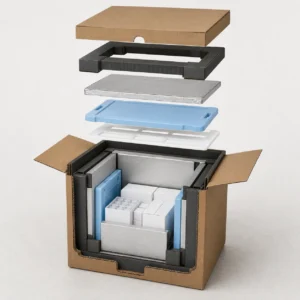
Ce qui s'est passé
Les températures estivales extrêmes créent de nouveaux défis pour les chaînes d’approvisionnement alimentaire, pression croissante sur les systèmes de réfrigération, entrepôts frigorifiques et réseaux de distribution de produits frais.
Une analyse récente souligne que la volatilité climatique n’est plus seulement un problème agricole.
Cela devient un défi en matière d’infrastructure de la chaîne du froid.
Les détaillants alimentaires et les opérateurs logistiques sont confrontés à une pression croissante de la part de:
- températures ambiantes plus élevées
- pics de demande en réfrigération
- incertitude sur la disponibilité des produits
- complexité du transport
Comment ça marche
Les systèmes de chaîne du froid sont conçus en fonction des conditions environnementales attendues.
Cependant, la chaleur extrême modifie l’environnement de fonctionnement.
Des températures plus élevées augmentent:
Charge de réfrigération
Les chambres froides et les congélateurs doivent évacuer davantage de chaleur:
- bâtiments
- produits
- air entrant
Pression du transport
Face aux véhicules frigorifiques:
- temps de récupération du refroidissement plus longs
- demande plus élevée de carburant ou d’énergie
- plus grand risque pendant le chargement
Les défis du refroidissement des commerces de détail
Expérience en systèmes de réfrigération de supermarché:
- cycles de fonctionnement plus longs
- charge de travail plus élevée du compresseur
- risque d'échec accru
La chaîne du froid dépend donc non seulement de la capacité des équipements de réfrigération mais aussi de:
- isolation du bâtiment
- systèmes de sauvegarde
- disponibilité énergétique
- planification opérationnelle
Pourquoi ça compte
La conception traditionnelle de la chaîne du froid repose souvent sur des conditions climatiques historiques.
Cependant, des événements météorologiques extrêmes plus fréquents remettent en question ces hypothèses.
Un entrepôt conçu pour des modèles de température antérieurs peut connaître:
- marge de réfrigération réduite
- des coûts d'exploitation plus élevés
- plus grande probabilité d'échec
Les produits frais sont particulièrement sensibles.
Même lorsque les produits restent techniquement réfrigérés, les retards et le stress thermique peuvent réduire:
- durée de conservation
- apparence
- qualité
- valeur au détail
Impact B2B
Pour les exploitants d’entrepôts frigorifiques:
Les installations futures pourraient nécessiter:
- marges de réfrigération plus élevées
- isolation améliorée
- alimentation de secours
- conceptions adaptées au climat
Pour les détaillants alimentaires:
La planification de la chaîne d'approvisionnement doit inclure:
- approvisionnement alternatif
- flexibilité supplémentaire en matière d'inventaire
- surveillance renforcée de la réfrigération
Pour les prestataires logistiques:
La planification du transport réfrigéré doit prendre en compte:
- itinéraires météorologiques extrêmes
- capacité de refroidissement du véhicule
- délai de livraison
Pour les fournisseurs de réfrigération:
La demande pourrait augmenter pour:
- systèmes à haut rendement
- commandes intelligentes
- maintenance prédictive
Pour les fournisseurs de technologie:
Les futures plateformes intégreront:
- données météorologiques
- données de réfrigération
- informations sur l'inventaire
prédire les risques de la chaîne du froid.
Aperçu final
Le changement climatique transforme la conception de la chaîne du froid.
La future chaîne du froid ne doit pas seulement maintenir la température dans des conditions normales.
Il doit rester fiable pendant:
- canicules
- pression de puissance
- ruptures d'approvisionnement
La résilience de la chaîne du froid devient une exigence fondamentale de la sécurité alimentaire mondiale.
La chaîne du froid pharmaceutique évolue vers une visibilité basée sur l'IA et une gestion prédictive des risques
La chaîne du froid pharmaceutique passe de la surveillance de la température au contrôle prédictif de la chaîne d’approvisionnement

Ce qui s'est passé
L’industrie de la chaîne du froid pharmaceutique entre dans une nouvelle étape de transformation numérique à mesure que la demande de produits biologiques augmente, Thérapies GLP-1, vaccins et médicaments avancés.
L'analyse du secteur souligne que les fournisseurs de chaînes du froid s'étendent au-delà de la surveillance traditionnelle de la température pour se tourner vers des systèmes intégrés combinant:
- visibilité en temps réel
- analyse prédictive
- alertes automatisées
- renseignements sur la chaîne d'approvisionnement
Ce changement reflète la complexité croissante de la distribution pharmaceutique.
Les produits de santé modernes nécessitent souvent:
- plages de température étroites
- procédures de manipulation strictes
- processus logistiques validés
Par conséquent, maintenir la température seul ne suffit plus.
Comment ça marche
Les chaînes du froid pharmaceutiques traditionnelles reposent sur:
- emballage isolé
- transport réfrigéré
- Logueurs de données de température
- Entrepôts du PIB
Ces systèmes confirment si les produits sont restés conformes aux spécifications.
Cependant, les futures chaînes du froid se concentrent de plus en plus sur la prévention.
Les plateformes numériques se combinent:
Surveillance en temps réel
Y compris:
- température
- emplacement
- état de l'expédition
- état de l'équipement
Analyse prédictive
Utilisé pour identifier:
- risques de retard
- probabilité d'excursion de température
- problèmes d'itinéraire
Intervention automatisée
Les systèmes peuvent recommander:
- déroutement
- traitement prioritaire
- support de refroidissement supplémentaire
- transfert d'entrepôt
Pourquoi ça compte
Les thérapies avancées créent de nouveaux défis en matière de chaîne du froid.
Exemples:
- thérapies cellulaires
- thérapies géniques
- biologique
- médicaments injectables
Ces produits ont souvent:
- valeur plus élevée
- fenêtres de stabilité plus courtes
- un plus grand impact sur les patients
Une défaillance logistique peut entraîner:
- perte de produit
- retards de traitement
- enquête réglementaire
En même temps, les réseaux pharmaceutiques mondiaux impliquent:
- plusieurs pays
- plusieurs transporteurs
- environnements réglementaires complexes
Cela rend la gestion manuelle de plus en plus difficile.
Impact B2B
Pour les fabricants de produits pharmaceutiques:
Les futures chaînes d’approvisionnement nécessitent:
- visibilité plus large
- gestion prédictive des risques
- une planification d’urgence plus solide
Pour les prestataires logistiques:
Les avantages concurrentiels comprendront:
- surveillance numérique
- Capacité PIB
- intervention proactive
Pour les exploitants d’entrepôts frigorifiques:
La demande va augmenter pour:
- installations de qualité pharmaceutique
- entrepôts automatisés
- surveillance connectée
Pour les fournisseurs d'emballages:
Les opportunités de croissance comprennent:
- expéditeurs intelligents
- Systèmes PCM
- emballage réutilisable
Pour les entreprises technologiques:
Les solutions futures intégreront:
- IA
- IoT
- jumeaux numériques
- systèmes de décision automatisés
Aperçu final
La chaîne du froid pharmaceutique passe de:
« enregistrement de l'historique des températures »
à:
« prévoir et prévenir les risques liés aux produits ».
La prochaine génération de logistique de soins de santé combinera l’infrastructure physique de la chaîne du froid et l’intelligence numérique.
Le contrôle de la réfrigération piloté par l'IA crée des opérations d'entreposage frigorifique plus intelligentes
Génie thermique appliqué / Elsevier
L’optimisation de la réfrigération basée sur l’IA relie les opérations d’entrepôt à l’efficacité énergétique de la chaîne du froid

Ce qui s'est passé
Les chercheurs ont proposé une nouvelle approche pour l'optimisation des entrepôts frigorifiques industriels en reliant les activités logistiques des entrepôts aux stratégies de contrôle de la réfrigération..
L'étude présente un cadre de planification de la température de supervision axé sur la logistique, conçu pour améliorer l'efficacité énergétique tout en maintenant les conditions de stockage requises..
Les entrepôts frigorifiques traditionnels exploitent généralement des systèmes de réfrigération utilisant des stratégies de température fixe.
Cependant, la demande thermique réelle change tout au long de la journée en fonction:
- mouvement des palettes
- ouvertures de portes
- activité de chargement
- horaires de déchargement
- opérations d'entrepôt
La recherche explore si la réfrigération peut devenir plus intelligente en répondant à l'activité logistique plutôt qu'en fonctionnant de manière indépendante..
Comment ça marche
Les systèmes de stockage frigorifique industriels maintiennent normalement la température en continu.
Cependant, chaque instant ne nécessite pas la même intensité de refroidissement.
Par exemple:
Pendant les périodes de forte activité dans les entrepôts:
- les portes s'ouvrent plus fréquemment
- l'air chaud pénètre dans les zones de stockage
- le mouvement des produits augmente
Pendant les périodes d'inactivité:
- la charge thermique diminue
- la demande de refroidissement diminue
Le système proposé combine:
Informations logistiques
Y compris:
- plannings d'entrepôt
- mouvement de matière
- calendrier opérationnel
Contrôle de la réfrigération
Ajustement:
- consignes de température
- demande de refroidissement
- consommation d'énergie
Algorithmes d'optimisation
Équilibrage:
- économies d'énergie
- stabilité de la température
- exigences opérationnelles
Les résultats de la simulation ont montré:
- réduction d'énergie d'environ 5,78 % à 6,23 %
- réduction de la puissance maximale d'environ 8,75 % à 9,45 %
- aucune violation de température
Pourquoi ça compte
L’entreposage frigorifique est l’un des plus gros consommateurs d’énergie dans la logistique alimentaire et pharmaceutique.
Les opérateurs sont confrontés à une pression croissante de la part:
- frais d'électricité
- objectifs de durabilité
- exigences de réduction des émissions de carbone
Les améliorations traditionnelles de l’efficacité se concentrent sur:
- isolation
- compresseurs
- équipement de réfrigération
L'optimisation de l'IA introduit une autre voie:
utiliser l’intelligence opérationnelle pour réduire la demande de refroidissement inutile.
Ceci est important car les entrepôts frigorifiques sont des environnements dynamiques.
Une installation traitant des centaines de mouvements de palettes par jour a un comportement thermique très différent d'un entrepôt de stockage à faible activité..
Impact B2B
Pour les exploitants d’entrepôts frigorifiques:
Les futures installations pourraient intégrer:
- Données WMS
- commandes de réfrigération
- systèmes de gestion de l'énergie
Pour les fournisseurs de réfrigération:
Les opportunités de croissance comprennent:
- contrôleurs intelligents
- Modules d'optimisation de l'IA
- systèmes de maintenance prédictive
Pour les fournisseurs d’automatisation d’entrepôt:
Intégration entre:
- robots
- mouvement des stocks
- réfrigération
peut devenir un nouvel avantage concurrentiel.
Pour les équipes de développement durable:
L’optimisation de la réfrigération par l’IA peut prendre en charge:
- réduction d'énergie
- reporting carbone
- efficacité opérationnelle
Pour les entreprises de technologie de la chaîne du froid:
Les futurs entrepôts intelligents pourraient fonctionner comme des systèmes connectés où:
- les données logistiques contrôlent la réfrigération
- les données sur la réfrigération améliorent les décisions logistiques
Aperçu final
Le futur entrepôt frigorifique ne se contentera pas de maintenir la température.
Il coordonnera dynamiquement:
- mouvement du produit
- demande de refroidissement
- consommation d'énergie
- horaires opérationnels
Le contrôle de la réfrigération piloté par l'IA représente une transition du maintien passif de la température vers une gestion intelligente de la chaîne du froid..
La croissance de la chaîne du froid pharmaceutique crée une nouvelle demande de visibilité et de résilience
La chaîne du froid pharmaceutique va au-delà du contrôle de la température vers la résilience de la chaîne d’approvisionnement
Ce qui s'est passé
Le marché de la chaîne du froid pharmaceutique continue de croître à mesure que la demande de produits biologiques augmente, médicaments spécialisés, vaccins et thérapies avancées.
Cependant, L'analyse du secteur souligne que la croissance s'accompagne d'une complexité croissante de la chaîne d'approvisionnement..
Les réseaux logistiques pharmaceutiques modernes sont désormais confrontés à des défis, notamment:
- perturbations géopolitiques
- instabilité des transports
- changements réglementaires
- visibilité limitée des expéditions
L'industrie passe d'une approche traditionnelle axée sur le maintien de la température à un objectif plus large.:
protéger l’intégrité des produits sur l’ensemble du réseau d’approvisionnement.
Comment ça marche
Une chaîne du froid pharmaceutique moderne implique plusieurs étapes connectées:
- installations de fabrication
- opérations de conditionnement
- Entrepôts du PIB
- aéroports
- prestataires de transport
- hôpitaux et établissements de santé
Chaque transition crée un risque potentiel.
La gestion traditionnelle de la chaîne du froid se concentre principalement sur:
- maintenir la plage de température
- enregistrer l'historique des expéditions
Les systèmes de nouvelle génération combinent de plus en plus:
Surveillance en temps réel
Y compris:
- capteurs de température
- suivi de localisation
- état de l'expédition
Analyse prédictive
Utilisé pour identifier:
- risques de retard
- probabilité d'excursion de température
- problèmes d'itinéraire
Visibilité de la chaîne d'approvisionnement
Aller au-delà des fournisseurs directs pour inclure:
- sous-traitants
- aéroports
- ports
- pôles logistiques
Pourquoi ça compte
Les produits pharmaceutiques deviennent de plus en plus sensibles.
Les exemples incluent:
- anticorps monoclonaux
- vaccins
- thérapies cellulaires
- thérapies géniques
Ces produits nécessitent souvent:
- plages de température strictes
- emballage validé
- procédures de manipulation contrôlées
Un échec d'expédition peut entraîner:
- perte de produit
- enquête réglementaire
- traitement du patient retardé
En même temps, les réseaux logistiques mondiaux deviennent plus vulnérables.
Un produit peut rester dans les limites de température tout en étant exposé à des risques liés:
- retards de transport
- problèmes de douane
- perturbations d'itinéraire
Donc, le contrôle de la température seul ne suffit plus.
Impact B2B
Pour les fabricants de produits pharmaceutiques:
Les futures chaînes d'approvisionnement nécessiteront:
- visibilité plus large des fournisseurs
- itinéraires logistiques alternatifs
- une planification d’urgence plus solide
Pour les prestataires logistiques:
Les clients du secteur de la santé exigent de plus en plus:
- Conformité au RGPD
- surveillance numérique
- intervention proactive
Pour les exploitants d’entrepôts frigorifiques:
La demande continue d'augmenter pour:
- entrepôts de qualité pharmaceutique
- stockage multi-température
- surveillance numérique
Pour les fournisseurs d'emballages:
Les opportunités de croissance comprennent:
- Expéditeurs PCM
- contenants réutilisables
- indicateurs de température intelligents
Pour les entreprises technologiques:
Les futures chaînes du froid pharmaceutiques dépendront:
- Prédiction de l'IA
- jumeaux numériques
- systèmes de surveillance connectés
Aperçu final
La chaîne du froid pharmaceutique évolue.
L'industrie passe de:
"maintien de la température"
vers:
« gérer les risques tout au long de la chaîne d’approvisionnement. »
Les futurs leaders de la chaîne du froid uniront:
- protection thermique
- visibilité numérique
- analyse prédictive
- résilience opérationnelle
dans un écosystème intégré de logistique de soins de santé.