Détail du blog
Le chemin de fer Chine-Laos augmente la capacité des trains de la chaîne du froid pour la logistique des fruits tropicaux
Ce qui s'est passé
Le chemin de fer Chine-Laos joue un rôle plus important dans la logistique transfrontalière de la chaîne du froid pour les fruits tropicaux d'Asie du Sud-Est. Selon un mois de mai 9, 2026 rapport, le train international de la chaîne du froid Lancang-Mékong Express permet désormais un déplacement plus rapide des durians thaïlandais vers la Chine, avec des expéditions atteignant Kunming dans environ 26 heures et distribué à plus de 30 Villes chinoises à l'intérieur 48 heures grâce au transport intermodal route-rail.
La route est devenue particulièrement importante pendant la haute saison des importations de durian.. Dans 2026, le train international sous chaîne du froid Lancang-Mékong Express a augmenté sa fréquence de deux trains par jour en exploitation normale à six trains par jour en haute saison. Dès avril 26, le chemin de fer Chine-Laos avait transporté 50,300 tonnes de durians importés cette année, en haut 94.2% année après année.
Comment ça marche
Le train sous chaîne du froid fonctionne à une température constante de 13 °C et utilise une technologie de conservation intelligente pour maintenir la fraîcheur pendant le transport ferroviaire transfrontalier.. Au port, les produits frais bénéficient d'un accès prioritaire, inspection, et tests, réduire le risque de retard lors du dédouanement.
Les opérateurs douaniers et ferroviaires partagent également des données pour créer une filière verte pour les produits frais de la chaîne du froid.. D'après le rapport, le délai de dédouanement pour les durians et produits similaires a été réduit d'environ 40 heures au début à environ cinq heures.
Pourquoi ça compte
Cette évolution montre comment la logistique ferroviaire de la chaîne du froid peut remodeler le commerce des produits alimentaires frais. Pour les fruits tropicaux, la vitesse et la stabilité de la température affectent directement la durée de conservation, taux de perte, et prix de vente final. Une liaison ferroviaire de 26 heures vers Kunming, suivi d'une distribution sous 48 heures dans les grandes villes, offre aux importateurs une alternative plus prévisible au transport routier traditionnel sur de longues distances.
Le chemin de fer Chine-Laos relie également les régions de production d’Asie du Sud-Est aux marchés de consommation intérieurs de Chine.. Cela réduit la dépendance à l’égard des points d’entrée côtiers et crée un corridor terrestre de chaîne du froid plus solide pour les fruits., fruit de mer, et autres produits agricoles sensibles à la température.
Impact B2B
Pour les importateurs de fruits, distributeurs, et les acheteurs au détail, l'amélioration de la fréquence des trains de la chaîne du froid pourrait améliorer la fiabilité de l'approvisionnement pendant les pics saisonniers. Des trains plus fréquents peuvent contribuer à réduire les embouteillages, stabiliser les cycles de réapprovisionnement, et prendre en charge les achats de plus gros volumes.
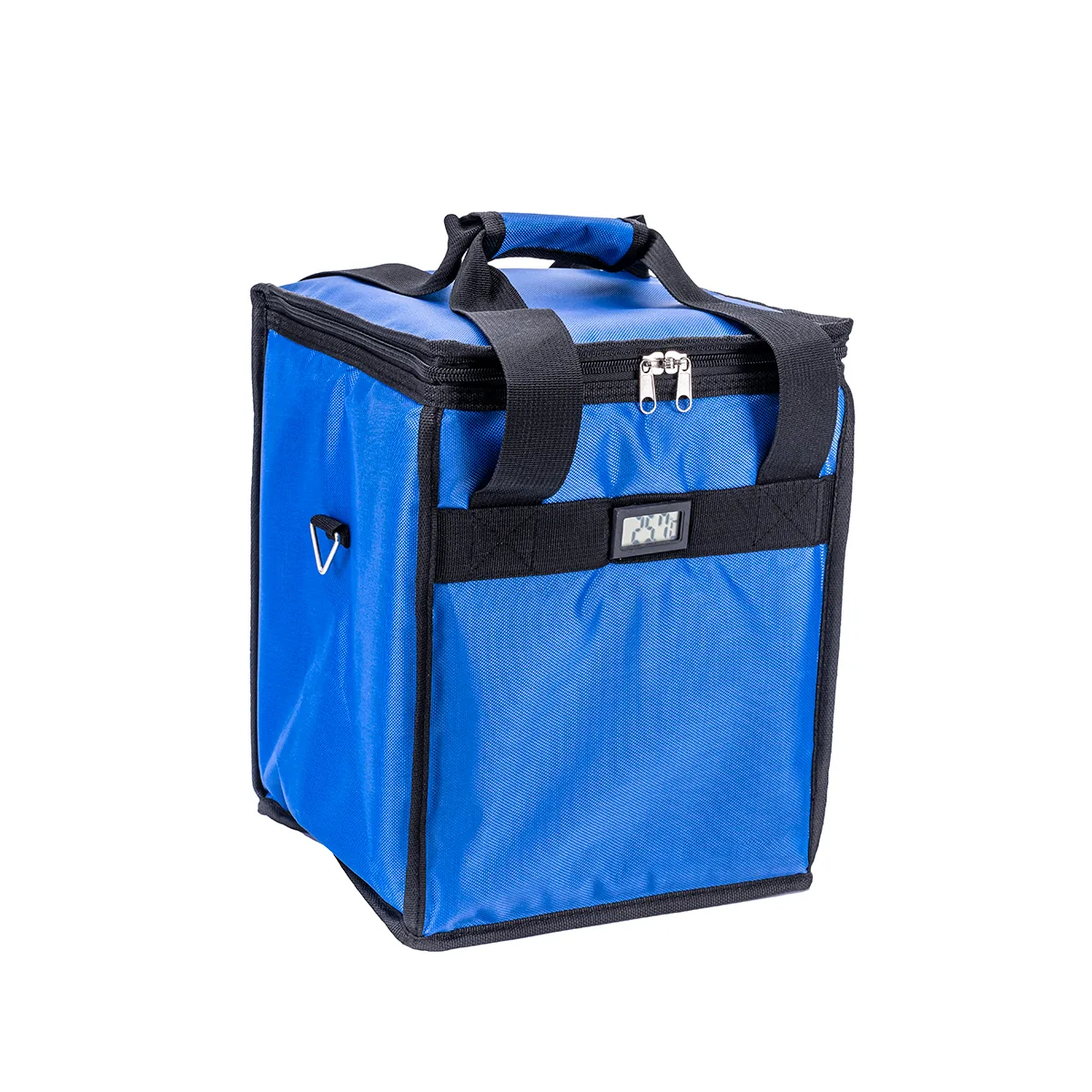
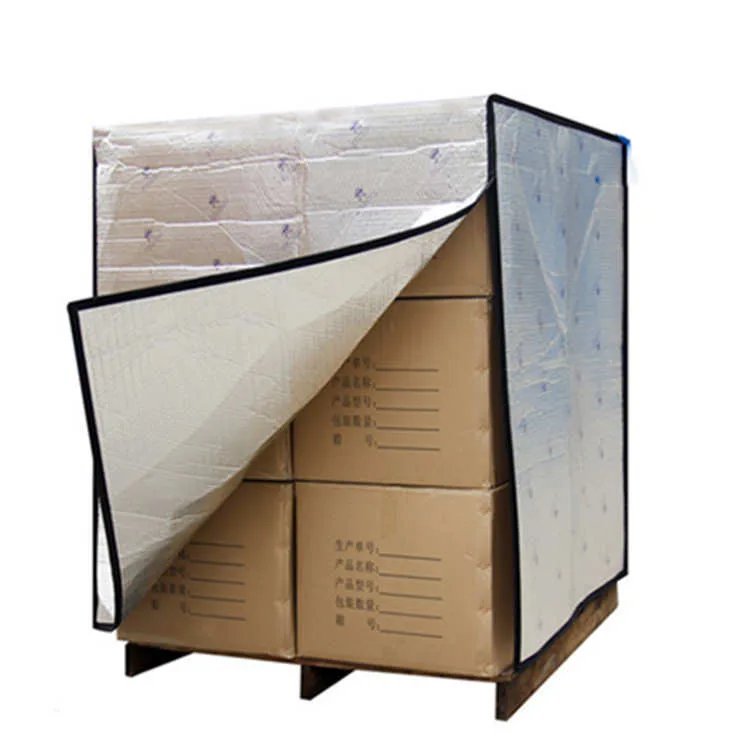
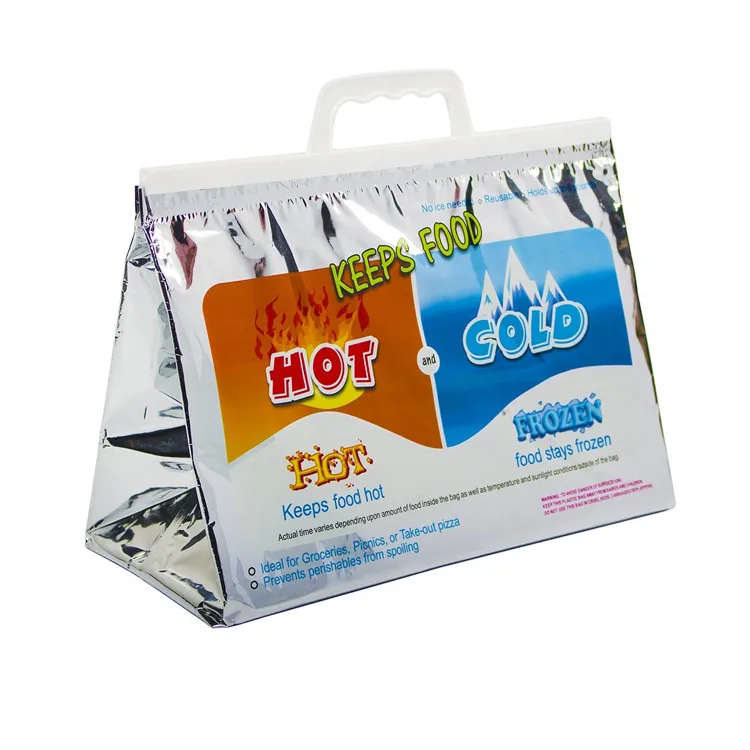
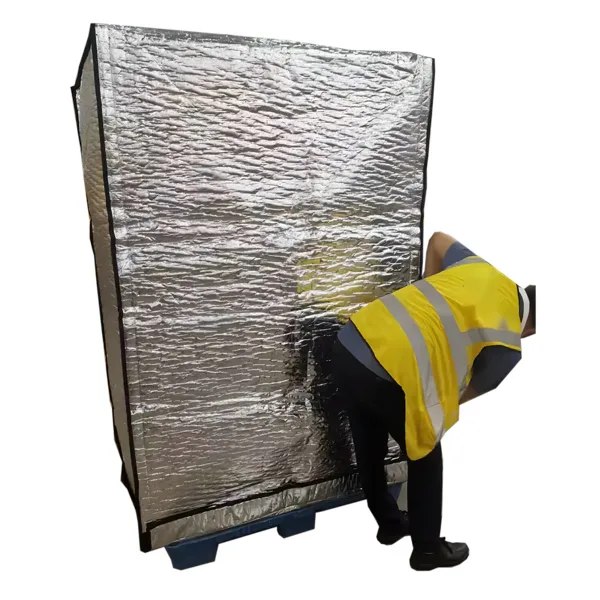
Pour les fournisseurs de conditionnement et de suivi de la chaîne du froid, cette route crée une demande de conteneurs isothermes, protection de palette, bûcherons de température, services de conteneurs frigorifiques, et validation de la chaîne du froid intermodale. L'opportunité commerciale n'est pas seulement le transport, mais aussi le système de contrôle complet qui protège la qualité du produit depuis l'origine jusqu'à la distribution au détail.
Pour les prestataires de services de chaîne du froid B2B, le message clé est clair: la logistique transfrontalière des produits frais évolue vers des réseaux intégrés de chaîne du froid rail-route. Entreprises pouvant combiner le contrôle de la température, coordination douanière, surveillance, et la distribution du dernier kilomètre sera mieux positionnée sur les voies commerciales agricoles à fort volume.