


Comment qualifier les emballages passifs en chaîne du froid pour les produits de santé et vétérinaires
Comment qualifier les emballages passifs en chaîne du froid pour les produits de santé et vétérinaires

A passive cold-chain packout should be qualified against the product it protects, not against a generic refrigerant claim. Healthcare and veterinary shipments may both use insulated shippers and gel-based coolants, but their products, conditions de stockage étiquetées, market requirements, and quality processes can differ. The shared principle is simple: identify the product requirement first, design the complete packout around it, and document the evidence and limits of the result.
Begin With the Product Requirement
The relevant quality owner should define the storage condition, the permitted handling and shipping deviations, whether direct coolant contact is allowed, the duration and route profile to be evaluated, and the method used to decide whether a shipment is acceptable. The packaging team then translates that information into an insulated shipper, disposition du liquide de refroidissement, instruction de conditionnement, plan de surveillance, and packout procedure.
FDA material for biological products advises handlers to consult the product label and record time and temperature conditions when assessing possible excursions. FDA VICH stability guidance also discusses the need to address short-term deviations outside labelled storage conditions during shipping or handling. These sources do not qualify any particular gel pack; they reinforce why the packout needs to be product-specific and documented.
Référence: FDA guidance on storage conditions and excursion records for biological products.
Référence: FDA VICH GL51 stability guidance.
Build the Whole Packout
| Élément | Qualification question | Preuve à conserver |
|---|---|---|
| Charge utile | What condition and physical protection does the product require? | Product requirement and defined acceptance criteria. |
| Liquide de refroidissement | Which format, montant, état de conditionnement, and placement are intended? | Approved component specification and packout drawing. |
| Insulation and carton | How do dimensions, matériel, and closure affect usable volume and heat gain? | Configuration record including internal layout. |
| Profil d'itinéraire | Which ambient, transfert, retard, and orientation conditions are represented? | Test profile and reason it represents the intended lane. |
| Surveillance | What sensors or indicators are used and where are they placed? | Carte des capteurs, data review method, and decision rule. |
Keep Healthcare and Veterinary Contexts Separate
The same technical framework can be used for both applications, but product and regulatory conclusions should not be copied from one to the other. A hospital shipment may involve medicines, biologiques, échantillons, or other materials with specific product labelling and site procedures. A veterinary shipment may involve medicines, biologiques, matériel de laboratoire, or other products governed by different product and market conditions. The responsible quality team should confirm the applicable requirements for the product and destination before the packaging claim is finalized.
Make the Test Reproducible
A chamber or route simulation is most useful when another team can repeat it. Record the sample lot, expéditeur, isolation, type et quantité de liquide de refroidissement, méthode de conditionnement, masse et géométrie de la charge utile, séquence d'assemblage, conditions de départ, capteurs, profil ambiant, orientation, delay condition, et résultat. If an assumption changes, decide whether the change is minor enough to document or large enough to require a repeat evaluation.
Avoid Misleading Claims
Do not describe a gel block, poche, or logger as proof of compliance. Un enregistreur enregistre les conditions; il n'offre pas de protection. An insulated carton can reduce heat gain, but it is not automatically qualified.
Define the Scope of Evidence
A successful test under one ambient profile is evidence for those conditions, not a promise for every season or destination. Clear wording protects both the reader and the quality process.
Release Checklist
- Product requirement and test acceptance criteria are documented before trial work begins.
- Component data and full-packout results are labelled separately.
- The test profile represents the intended route and an agreed contingency condition.
- The final work instruction shows coolant placement, barrières, fermeture, et recevoir des actions.
- Any product-specific regulatory or stability decision remains with the responsible quality owner.
Gels réfrigérants pour emballage d'expédition de crème glacée et tests d'itinéraire

Ice cream shipping design should begin with the condition that the product must retain at receipt, not with a generic claim that a carton stays cold. A gel refrigerant can be part of an effective frozen-dessert packout, but the outcome depends on product starting condition, isolation, disposition du liquide de refroidissement, profil de transit, retards, and the standard used to judge the delivery. The most useful packaging plan turns those variables into a repeatable route test.
Define the Product Acceptance Condition
The product owner should identify the condition that defines an acceptable delivery. This may include product temperature, physical appearance, texture, evidence of thawing or refreezing, intégrité du colis, and applicable food-safety controls. The packaging supplier or designer should not invent these limits from a coolant product sheet. Une fois la condition d’acceptation claire, the packout can be designed to challenge it.
USDA guidance lists frozen gel packs and dry ice as possible cold sources for mail-order perishable foods. That is useful context, but it is not a qualification method for an ice cream carton. A selected coolant must still be tested within the intended shipper, charge utile, voie, and handling scenario.
Référence: USDA FSIS mail order food safety guidance.
Choose a Gel Refrigerant Layout
| Décision de conception | Pourquoi ça compte | Test observation |
|---|---|---|
| Format du liquide de refroidissement | Pochettes, coussinets, and blocks occupy space and contact the payload differently. | Does the format fit without crushing product or creating large voids? |
| Placement du liquide de refroidissement | Haut, côté, base, and distributed arrangements change the heat path. | Are there warmer zones or direct-contact risks inside the carton? |
| Isolation | The liner or shipper changes both thermal behavior and usable interior volume. | Does the insulation fit the stated payload without reducing the intended load? |
| Conditionnement | Frozen, glacé, or partly conditioned coolant changes the starting heat balance. | Can the packing team consistently achieve the specified condition? |
| Delay allowance | A realistic contingency defines whether the packout is resilient enough. | How does the product condition change after the agreed delay profile? |
Why a Stand Alone Hold Time Is Not Enough
A stated number of hours is meaningful only when the test setup is known. Dimensions des cartons, isolation, masse du produit, quantité de liquide de refroidissement, températures de départ, exposition ambiante, flux d'air, orientation, manutention, and sensor placement can all change the result. A low-payload test in a controlled chamber cannot be assumed to represent a full carton moving through a parcel network.
Run a Route Relevant Trial
A useful pilot uses the proposed shipment configuration rather than an idealized version of it. Pack the intended product or a justified simulator in the intended carton. Condition the coolant according to the proposed work instruction. Place sensors where they answer the real question, not only where temperature appears most favorable. Challenge the packout with a representative transit scenario and a pre-agreed delay condition if it is part of the design requirement.
Inspect More Than Temperature
The test result should record physical observations as well as temperature data. Check container damage, migration d'humidité, déformation du colis, état du joint, apparence du produit, and the signs that the product-quality team has defined as unacceptable. A carton can produce a reasonable logger trace while still creating a handling or product-quality problem.
Plan for Seasonal Change
A packout that works in a mild test window may require a different coolant configuration during hot weather or on a more demanding lane. Keep the original test assumptions visible, then define when the configuration will be rechecked. A seasonal review is more useful than updating a page with an unqualified universal claim.
Practical Checklist
- Define delivery acceptance before selecting coolant size or quantity.
- Test the full carton, charge utile, isolation, and coolant layout together.
- Record conditioning and sensor placement so the trial can be repeated.
- Separate food-handling guidance from route-specific packaging evidence.
- Review the configuration when the product, carton, voie, or seasonal risk changes.
Comment sélectionner les formats de packs de gel pour les expéditions sensibles à la température
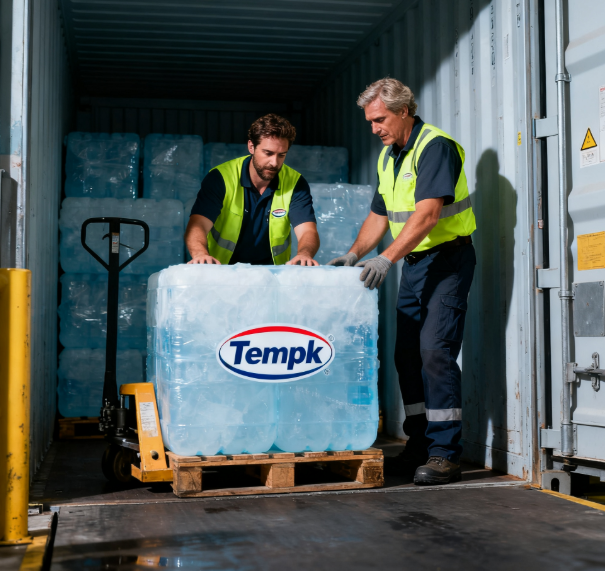
The right gel pack format is chosen by the shipment it must support, not by a generic claim about how cold or how long a pack lasts. Une pochette, tampon, bloc, or super absorbent polymer gel pack can all be useful in the right configuration. The real question is whether the coolant, isolation, carton, charge utile, méthode de conditionnement, and route work together under defined conditions.
Treat the Gel Pack as a Component
A gel pack absorbs heat and can help slow temperature change inside a passive shipper. It does not establish the allowable product range, qualify the carton, or guarantee a delivery outcome on its own. Product owners should first define the allowable temperature range, sensitivity to direct cold contact, état initial du produit, expected transit profile, et critères d'acceptation. That information makes the cooling component easier to select and test.
Super absorbent polymer is used in some gel-pack formulations to retain water in a manageable gel structure. The name of the absorbent material does not by itself establish a temperature range or route duration. Formulation, quantité de remplissage, construction de la pochette, état de conditionnement, and the complete packout all influence the result.
Background reference: an example of SAP supplied for gel-pack manufacturing. Product-specific claims on that page should not be treated as industry-wide performance values.
Match the Format to the Packing Task
| Format | Where it can help | Question to answer before use |
|---|---|---|
| Flexible pouch | Conforms around irregular payloads and can fit variable headspace. | Will close contact create a local cold risk or damage labels and packaging? |
| Coussin plat | Supports layered packouts with limited vertical space. | Can the pad be positioned without blocking airflow or creating large voids? |
| Block or brick | Provides repeatable geometry and can simplify operator placement. | Does the fixed shape fit the interior layout without reducing usable payload volume? |
| Multi-unit layout | Allows coolant to be distributed around a large or irregular shipment. | Can the packing team reproduce the same placement every time? |
Conditioning Is Part of the Specification
A coolant’s starting condition can change the packout outcome as much as its nominal weight. A pack frozen solid, glacé, or prepared for a controlled range will not behave in the same way. The work instruction should state the equipment, point de consigne, conditioning duration, limite de mise en scène, and the action to take when the required condition has not been achieved. This converts conditioning from informal freezer practice into a controllable step.
Ask What the Test Actually Represents
A useful test record names the shipper, isolation, payload or payload simulator, quantité de liquide de refroidissement, températures de départ, méthode de conditionnement, emplacements des capteurs, profil ambiant, orientation, et plage d'acceptation. Sans ces détails, a hold-time number cannot be transferred safely to another carton or route. Component tests can still be valuable, but they should be labelled as component tests rather than proof of full system performance.
Control Sample to Production Consistency
Once a packout is approved, the production specification should protect the assumptions behind it. Confirm how dimensions, fill targets, construction de films, intégrité du joint, identification du lot, and change notification are controlled. A small change in pouch thickness or fill distribution can affect fit, manutention, and thermal behavior even when the product looks similar.
Batteries de refroidissement au gel pour l’expédition de fleurs coupées
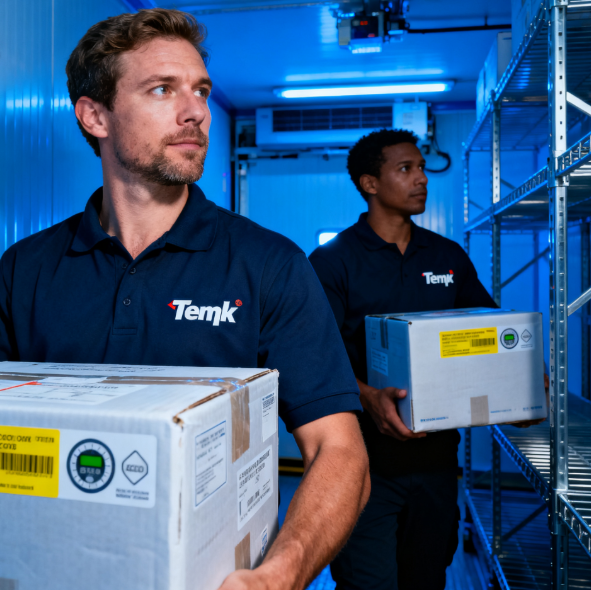
A gel cooling battery can help reduce heat gain during flower transport, but floral shipping requires more than making the carton cold. Flower type, état de récolte, pré-refroidissement, hydratation, sleeve design, condensation, exposition par voie, and direct contact with the coolant can all influence the arrival condition. The packaging goal is to support floral quality without creating cold injury, endommager l'eau, or mechanical damage inside the carton.
Start With the Flower and the Process
Temperature management for cut flowers is species dependent. Mississippi State University notes that most cut flowers are commonly refrigerated around 35–40°F, while some tropical flowers are held warmer, and temperatures near freezing can damage plant tissue. These figures are handling context rather than a universal shipment target. A mixed floral box should be evaluated against the most sensitive flowers in the load.
Référence: Mississippi State University guidance on handling fresh flowers.
Cooling should also begin before the shipper is closed. Oklahoma State University recommends prompt cooling to remove field heat and explains that higher storage temperatures can reduce vase life. A gel battery is most effective when it supports a defined cold-chain process rather than attempting to remove all field heat after flowers are packed.
Référence: Oklahoma State University guidance on cut flower care and cooling.
Identify the Main Floral Risk
| Risque | Packout response | What to inspect after transit |
|---|---|---|
| Warm flowers at packing | Pre-cool before packing and avoid treating the coolant as the only cooling step. | Starting condition and visible heat stress at receipt. |
| Cold sensitive flowers | Use separation and a temperature plan that protects the most sensitive product. | Water-soaked tissue, décoloration, and other cold-injury signs. |
| Condensation | Use appropriate barriers, placement, and moisture-management design. | Wet sleeves, étiquettes endommagées, moisture on blooms, et ramollissement des cartons. |
| Long narrow cartons | Match coolant geometry and location to the box shape and airflow path. | Temperature variation between the ends of the carton. |
| Mixed species orders | Group or separate flowers when one cooling approach could compromise another. | Appearance and handling outcome for each product group. |
Position the Cooling Battery Carefully
A cooling battery should not be pressed directly against blooms or fragile foliage unless the exact configuration has been evaluated. Une doublure, diviseur, poche, or dedicated compartment can help manage local temperature and water. The placement of the coolant changes the heat path: an overhead pack, side pack, and distributed layout can produce different results in the same carton.
Measure the Visual Outcome
A floral test should record more than a temperature trace. Include dehydration, ecchymoses, condensation, état des manches, flower opening, and any water-soaked or transparent tissue. Where the process permits, compare vase-life observations after arrival. These details help the team understand whether the coolant arrangement supports product quality rather than simply producing a cold reading.
Use a Trial That Represents Operations
Use the actual flower mix, carton, manche, doublure, cooling-battery format, routine de conditionnement, and order-packing sequence. Record the starting condition, placement du liquide de refroidissement, profil d'itinéraire, and delivery observations. If the shipment includes a hot-weather lane or a handoff risk, define the additional challenge before the trial begins. The result should be expressed as evidence for that configuration and condition, not as a universal flower-life guarantee.
Practical Checklist
- Confirm the species mix and identify cold-sensitive flowers before choosing a coolant condition.
- Pre-cool flowers and pack them in the intended operating environment.
- Use barriers or dedicated spaces when direct coolant contact could harm blooms or packaging.
- Assess moisture and visual quality alongside temperature data.
- Retest when flower mix, conception de cartons, disposition du liquide de refroidissement, itinéraire, ou changements de saison.
Instructions d'emballage sous chaîne du froid: Une séquence reproductible pour chaque envoi

Instructions d'emballage sous chaîne du froid: Une séquence reproductible pour chaque envoi
Les instructions d'emballage sous chaîne du froid convertissent une configuration d'emballage approuvée en une séquence qu'un opérateur peut suivre à la station d'emballage.. Les instructions doivent identifier les composants corrects, expliquer comment ils sont préparés et positionnés, montrer où appartiennent la charge utile et l'enregistreur, et définir les contrôles nécessaires avant expédition.
Ils ne remplacent pas la qualification ou l'approbation du système de conditionnement.. La configuration définit l'agencement testé ou approuvé; les instructions d'emballage préservent cet arrangement lors d'une utilisation de routine. Si un opérateur doit deviner la quantité de liquide de refroidissement à utiliser, à quoi appartient une barrière, ou si un composant de remplacement est acceptable, les consignes ne sont pas suffisamment maîtrisées.
Avant l'emballage: confirmer la bonne configuration
Commencez par faire correspondre l'envoi à la configuration approuvée. Vérifier l'identité du produit ou de la commande, taille et quantité de la charge utile, destination ou itinéraire, et révision de la configuration actuelle. Confirmer que la charge utile prévue se situe dans la plage approuvée et que la méthode de surveillance requise est disponible.
Ne commencez pas l'assemblage si l'envoi ne respecte pas les conditions documentées.. Les exemples incluent une charge utile inhabituellement importante, une disposition différente des produits, un itinéraire non approuvé, ou un délai de livraison demandé qui dépasse le plan pris en charge. Conservez l'envoi et contactez l'emballage désigné, logistique, ou propriétaire de qualité.
Préparez le kit de composants complet
Utiliser la nomenclature actuelle ou la liste de sélection. En fonction du système approuvé, le kit peut inclure l'expéditeur externe, doublure isolante, éléments de refroidissement, barrières internes, inserts, remplissage de vide, enregistreur, étiquettes, scellés, et les documents d'expédition. Chaque composant critique doit être identifiable par un numéro de pièce ou une étiquette contrôlée.
Vérifiez la quantité et l’état avant d’assembler l’expéditeur. Séparer endommagé, fuite, contaminé, ou des objets non identifiés. Un composant qui ressemble à l'article approuvé ne doit pas être traité comme interchangeable sans autorisation..
Confirmer le conditionnement du liquide de refroidissement
La préparation du liquide de refroidissement dépend de la configuration. Different gel packs or phase-change materials may require different conditioning procedures, il n’existe donc pas de durée de congélation ni d’état de préparation universels qui s’appliquent à chaque système. Suivez les instructions approuvées pour connaître le liquide de refroidissement et la configuration exacts..
L'instruction doit expliquer comment l'état de préparation est confirmé et comment le liquide de refroidissement dans différents états est identifié et stocké.. Ne mélangez pas de liquide de refroidissement prêt à l'emploi avec des packs en cours de conditionnement ou en attente d'inspection.. Si l'état requis ne peut pas être vérifié, ne l'estimez pas au toucher ou à l'apparence; suivre le processus de mise en attente et d'escalade.
Pour les systèmes qui utilisent différentes variantes saisonnières, la règle de sélection approuvée doit être claire. Le personnel ne doit pas ajouter ou retirer de manière indépendante du liquide de refroidissement parce que la journée semble plus chaude ou plus froide que d'habitude..
Assemblez l'expéditeur dans l'ordre approuvé
Utilisez un diagramme numéroté ou une photographie annotée montrant l'orientation de l'emballage et l'emplacement des composants.. La séquence exacte varie selon le système, mais l'instruction doit définir chaque action critique:
- Préparez l'expéditeur extérieur et l'isolation. Vérifiez que le conteneur et le revêtement sont des types approuvés, correctement orienté, et exempt de dommages qui pourraient affecter l'ajustement ou la fermeture.
- Installer les composants de base. Placez l'isolation de base spécifiée, insérer, ou du liquide de refroidissement dans la position exacte indiquée.
- Ajouter les barrières requises. Installer des séparateurs ou des barrières de contact aux endroits spécifiés. Ne les coupez pas plus petits, pliez-les différemment, ou remplacez-les par un rembourrage générique à moins que le changement n'ait été approuvé.
- Positionner le liquide de refroidissement. Utilisez le nombre et l'emplacement de composants approuvés. Si la configuration interdit le contact direct entre le liquide de refroidissement et la charge utile, vérifier que la barrière les sépare complètement.
- Chargez la charge utile. Vérifier l'identité et la quantité du produit, utiliser l'orientation spécifiée, et maintenez la charge dans la plage de remplissage approuvée. Ne forcez pas d'unités supplémentaires dans l'expéditeur et ne réorganisez pas la disposition pour fermer le couvercle..
- Ajouter les composants restants. Installer la couche supérieure spécifiée, remplissage de vide, contraintes, ou des barrières supplémentaires. Assurez-vous que la charge utile ne peut pas se déplacer dans une position involontaire pendant la manipulation.
- Placez l'enregistreur. Positionner et activer le dispositif de surveillance homologué selon le plan de surveillance. Enregistrez son identifiant sur l’envoi si nécessaire.
- Fermer l'expéditeur. Placez complètement le couvercle ou la fermeture et appliquez le ruban adhésif spécifié., joint, ou méthode de verrouillage.
- Appliquer des étiquettes et des documents. Confirmez que l'identité de l'envoi et les étiquettes de manutention requises sont lisibles et que tous les documents requis sont inclus.
Cette séquence est un cadre opérationnel, ce n'est pas un modèle de calque universel. Le schéma de configuration approuvé contrôle la commande réelle, emplacement du liquide de refroidissement, et disposition des barrières pour chaque système.
Placez l'enregistreur conformément à sa destination
Un enregistreur de données de température enregistre les conditions à l'emplacement de sa sonde; il ne refroidit pas la charge utile et ne garantit pas que chaque produit dans l'expéditeur subit la même température. La position du capteur doit donc correspondre au plan de surveillance approuvé. Déplacer la sonde pour la rendre plus facile à atteindre peut modifier ce que représente la lecture.
L'instruction doit identifier l'appareil, afficher l'emplacement exact de la sonde, définir toute étape d'activation ou de démarrage, et expliquer comment le dossier est associé à l'expédition. Si l'appareil est manquant, endommagé, non activé, ou afficher une erreur, arrêter et suivre le processus d'exception défini plutôt que d'expédier sans décision approuvée.
Complétez la vérification de la version
Le contrôle final doit être basé sur des critères observables. Selon le système, vérifier:
- Corriger la révision de la configuration et les identités des composants.
- État et quantité requis du liquide de refroidissement.
- Couverture correcte de la barrière et placement du liquide de refroidissement.
- Identité de la charge utile, orientation, et plage de remplissage autorisée.
- Emplacement de l'enregistreur, activation, et association d'expédition.
- Fermeture, joint, étiquette, et l'exhaustivité du document.
- Achèvement des dossiers et approbations requis.
Une déclaration générale telle que « inspecter le colis avant l'expédition » n'est pas suffisante si les détails critiques ne sont pas spécifiés.. Lorsqu’une vérification à la deuxième personne est requise, définir exactement les éléments que le vérificateur doit confirmer.
Expédition et transfert
Après la libération, déplacer le colis vers la zone d'expédition désignée et le protéger contre toute ouverture ou exposition non autorisée en dehors des conditions de préparation approuvées. Enregistrez les informations d'expédition requises et effectuez le transfert du transporteur. Si le transporteur est en retard, le colis est ouvert, l'expéditeur est endommagé, or the route changes, ne présumez pas que la version originale reste valide. Suivre la règle d'escalade approuvée.
Le processus de réception doit également être défini. Le destinataire devra peut-être inspecter l'emballage extérieur, transférer rapidement le produit vers son environnement de stockage requis, examiner les données de surveillance, et signaler un dommage ou une excursion de température suspectée. Les instructions d'emballage doivent identifier les documents de réception ou les étiquettes nécessaires pour prendre en charge ce transfert..
Que faire lorsque le colis ne peut pas être complété tel qu'écrit
Arrêter et escalader lorsqu'un composant requis est manquant, l'état du liquide de refroidissement est incertain, la charge utile ne correspond pas, une barrière est endommagée, l'enregistreur échoue, ou une substitution non approuvée semble nécessaire. Enregistrez l’identifiant de l’envoi, révision de la configuration, composant concerné, temps, et la raison de la retenue. Le propriétaire désigné doit décider s'il doit remplacer les matériaux, remballer, effectuer une évaluation plus approfondie, ou annuler l'envoi.
Ne laissez pas un opérateur résoudre un problème de conception en ajoutant plus de liquide de refroidissement, changer l'ordre des calques, ou supprimer une barrière. De tels changements peuvent altérer les performances thermiques et rendre l'expédition réelle différente de la configuration qui a été évaluée..
Comment rendre les instructions utilisables à grande échelle
Une feuille d'instructions solide combine un texte contrôlé avec des visuels clairs. Inclure le nom de la configuration et la révision, une liste de composants, la séquence d'actions, référence de conditionnement du liquide de refroidissement, limites de charge utile, Placement de l'enregistrement, exigences de fermeture, liste de contrôle de sortie, et conditions d'arrêt et d'escalade. Utilisez des schémas distincts pour les variantes approuvées véritablement différentes.
Avant la sortie, tester le document auprès d'un opérateur qui ne l'a pas rédigé. Fournissez le matériel approuvé et demandez à l'opérateur de compléter un emballage représentatif sans encadrement.. Observez où la personne hésite ou devine, comparer l'assemblage fini avec le schéma approuvé, et réviser l'instruction pour lever toute ambiguïté. Retirez les copies obsolètes et formez le personnel concerné chaque fois que la version contrôlée change.
Pour les médicaments, les directives de distribution applicables et le système qualité de l’organisation peuvent imposer des exigences supplémentaires pour la sélection des emballages, surveillance de la température, entraînement, et des enregistrements. D'autres applications de la chaîne du froid peuvent suivre des règles différentes. Dans tous les cas, les instructions d'emballage doivent correspondre à la configuration approuvée et ne doivent pas impliquer qu'une durée ou une température particulière est garantie, à moins que les preuves ne soutiennent cette affirmation..
Le but est simple: chaque opérateur formé doit être capable d'assembler le colis approuvé de la même manière, vérifier les détails critiques, et reconnaître quand un envoi doit être retenu. Des instructions d'emballage claires protègent à la fois les performances thermiques et l'intégrité du dossier opérationnel.
Dépannage à la station d'emballage
L'instruction doit donner aux opérateurs un bref, réponse sans ambiguïté aux problèmes courants:
- Il manque un composant requis: mettre l'emballage en pause et obtenir le composant approuvé; ne le remplacez pas par un article visuellement similaire.
- La préparation du liquide de refroidissement est incertaine: séparer le pack et confirmer son statut en utilisant la méthode approuvée avant utilisation.
- La charge utile ne correspond pas: arrêtez-vous et vérifiez la plage de charge utile autorisée; ne forcez pas la fermeture du couvercle et ne retirez pas une barrière.
- L'enregistreur échoue ou n'est pas disponible: retenir l'envoi et suivre le processus d'exception de surveillance.
- L'expéditeur est endommagé ou a été ouvert après la libération: protéger le produit et demander une évaluation autorisée avant expédition.
- La prise en charge est retardée ou l'itinéraire change: comparer l'événement avec le plan d'expédition approuvé et faire remonter l'événement lorsqu'il ne respecte pas les conditions indiquées.
Ces réponses doivent pointer vers des rôles et des enregistrements réels dans le processus de l'entreprise. Une instruction générique pour « contacter un superviseur » est moins utile que de nommer le rôle responsable et de préciser les détails de l'expédition nécessaires à une décision.. La fiche d'emballage ne doit pas tenter de résoudre chaque événement inhabituel; cela devrait aider l'opérateur à reconnaître la limite de la méthode approuvée et à s'arrêter avant qu'un changement improvisé ne devienne une configuration non documentée.
SOP sur l'emballage de la chaîne du froid: Rendre chaque pack approuvé reproductible
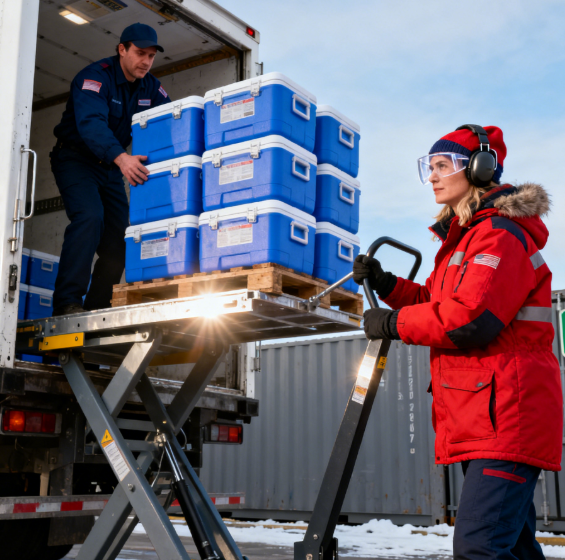
SOP sur l'emballage de la chaîne du froid: Rendre chaque pack approuvé reproductible
A cold chain packaging SOP defines how an approved temperature-controlled shipping system is prepared, à carreaux, libéré, et documenté. Its purpose is to make the approved method repeatable across operators, changements, installations, and shipment dates. It should not ask packers to design a thermal solution on the spot or decide whether an improvised substitution is acceptable.
The SOP connects three different forms of control: the packaging configuration defines what the system contains; qualification or test evidence supports its use under stated conditions; and the SOP controls how people execute the approved process. A complete process needs all three. A test report cannot ensure that the correct materials are used every day, and a detailed SOP cannot prove that an untested package is suitable for a route.
Define the scope and document hierarchy
Begin by stating which products, plages de charge utile, Sites, voies de navigation, and packaging systems the SOP covers. Identify exclusions, such as emergency shipments, oversized payloads, unapproved destinations, or damaged reusable containers. These cases should follow a separate approved procedure or be escalated to the responsible quality or technical role.
Reference controlled documents by title, identifiant, and revision. Depending on the operation, the document set may include:
- Product shipping requirements and any approved temperature limits.
- Packaging configuration specification and bill of materials.
- Protocole de qualification, rapport d'essai, or other performance evidence.
- Packout work instruction with diagrams or photographs.
- Temperature-monitoring instructions and data-review process.
- Listes de contrôle, dossiers d'expédition, deviation forms, et enregistrements de contrôle des modifications.
Keep critical parameters under document control. If coolant quantity, position du composant, limites de charge utile, or logger location is copied into several documents, the organization must ensure that every reference stays synchronized when the configuration changes.
Assign responsibilities before work begins
The SOP should identify who owns the procedure, who may pack shipments, who verifies critical steps, who reviews monitoring records, and who can authorize a deviation or configuration change. The same person may hold more than one role in a small operation, but the responsibilities should remain explicit.
A typical division of responsibility is:
- Packaging or engineering owner: maintains the approved configuration and assesses technical changes.
- Packing operator: checks materials, follows the current work instruction, and records required steps.
- Verifier or release role: confirms critical checks are complete when a second-person check is required.
- Quality or designated decision-maker: assesses deviations, rapports d'excursions, and proposed changes.
- Shipping or logistics role: confirms route, transfert du transporteur, calendrier d'expédition, et modalités de réception.
Adapt the roles to the organization’s actual workflow. Do not assign approvals to a job title that does not exist at the facility.
Establish prerequisites and material controls
Before opening the shipper, the operator should confirm the order identity, configuration approuvée, plage de charge utile, and current instruction revision. Required components must be available and identifiable. The packing area should be suitable for the work and allow the operator to complete the sequence without avoidable interruption.
The SOP should define how to check each critical item:
- Correct outer shipper, isolation, liquide de refroidissement, barrières, remplissage de vide, and closure materials.
- Coolant prepared according to the approved conditioning procedure.
- Identité de la charge utile, quantité, état de l'emballage, and permitted loading arrangement.
- Required temperature logger or monitoring device, including its status and identification.
- Étiquettes obligatoires, paperasserie, scellés, and handling marks.
- Cleanliness and physical condition of reusable components, le cas échéant.
State what happens when an item fails inspection. Damaged or unapproved components should be segregated so that they cannot be returned to usable stock by mistake. Do not use vague instructions such as “select suitable coolant”; refer to the approved component list and conditioning procedure.
Write the packout steps as observable actions
A practical SOP should point to a controlled packout instruction and define the sequence at a level that allows the operator to verify completion. The exact technical arrangement must come from the approved configuration, but the operational flow commonly includes the following stages:
- Verify the order and configuration. Match the shipment to the approved product, charge utile, itinéraire, and configuration revision.
- Inspect and stage components. Confirmer l'identité, condition, quantité, and any required conditioning status.
- Prepare the shipper. Assemble the specified insulation and internal components in the required orientation.
- Load coolant and barriers. Follow the approved diagram and keep coolant away from the payload where the design requires a separator.
- Load and secure the payload. Use the specified orientation, plage de remplissage, espacement, and restraint method.
- Place the monitoring device. Use the defined sensor location and complete the required start or activation steps.
- Fermer et étiqueter. Apply the specified closure, scellés, étiquettes, et documents.
- Complete release checks. Verify the final arrangement and record any required identifiers and results.
- Transfer to dispatch. Protect the closed package from unauthorized opening and follow the approved staging and carrier handoff process.
The SOP should not rely on “pack carefully” or “use enough coolant.” Those phrases leave design decisions to the operator. Use controlled component IDs, a diagram, clear sequence words, and objective checks for the steps that affect performance.
Define monitoring and release decisions
A temperature data logger records temperature at the probe location; it does not actively protect the payload. The SOP should state who activates the device, how its identifier is linked to the shipment, where the probe is placed, how the record is retrieved, et qui examine les résultats. Monitoring requirements depend on the product, l'évaluation des risques, exigences du client, and applicable quality framework.
Before dispatch, the release gate should confirm that the approved configuration was followed, the payload is within the permitted range, required components and barriers are present, the package is closed correctly, and labels are complete. If the process requires a second-person check, identify exactly which items must be verified. Do not collect signatures without defining what the signer is confirming.
Make deviations and delays actionable
The SOP should tell staff when to stop rather than improvise. Common triggers include missing components, incorrect coolant preparation, a damaged shipper, an out-of-range payload, a failed logger, un itinéraire non approuvé, un ramassage manqué, or a package that has been opened after release.
Pour chaque écart, définir:
- Confinement immédiat: stop packing, hold the shipment, or segregate affected materials.
- Notification: name the role that must be contacted.
- Required information: numéro d'expédition, révision de la configuration, temps, composant concerné, données de surveillance, and description of the event.
- Disposition authority: who decides whether to repack, remplacer, further assess, libérer, ou rejeter.
- Documentation: how the decision and any corrective action are recorded.
A late dispatch should not be handled by guessing how long the package will remain effective. The responsible role should assess the delay against the approved configuration, hypothèses d'itinéraire, et les preuves applicables. If the existing evidence does not cover the situation, the shipment should follow the organization’s escalation process.
Control seasonal variants and reusable components
If multiple approved configurations exist, define the rule for selecting each variant, who makes that selection, and how the choice is recorded. Avoid vague seasonal directions such as “add more coolant when it is hot.” A variant must be a controlled configuration with defined components and assembly instructions.
Pour les médicaments, European Good Distribution Practice guidance addresses training for seasonal insulated-box configurations and control of coolant reuse, including preventing incompletely cooled packs from being used in error. The precise requirements depend on the product and jurisdiction, but the operating principle is broadly useful: distinguish component states clearly and prevent uncontrolled reuse.
Pour les expéditeurs réutilisables, define return handling, inspection, cleaning where required, critères de dommages, and release back into service. A visual inspection can identify some damage, but it does not automatically prove that a reusable container retains its original thermal performance.
Train operators and retain useful records
Training should cover both the sequence and the reasons behind critical controls. Operators should understand why a barrier may be required, why coolant position matters, why the logger has a defined location, and why a substitute component cannot be assumed equivalent. Reassess training when the procedure or configuration changes, and retain evidence according to the applicable quality system.
Shipment records should allow an investigation to reconstruct what happened. En fonction du risque, record the shipment identifier, révision de la configuration, operator and verifier, date and time, component or lot identifiers where required, identifiant de l'enregistreur, release checks, transfert du transporteur, et tout écart. Define retention periods in the applicable records procedure rather than assuming one universal duration.
Review the SOP when the process changes
Review the SOP after a change to the payload, itinéraire, packaging component, méthode de conditionnement du liquide de refroidissement, dimensions de l'expéditeur, fournisseur, packing area, méthode de surveillance, ou processus de réception. The packaging owner should assess whether the change affects the approved configuration or the evidence supporting it. Update the controlled documents and train affected staff before the revised method is used.
Pour les expéditions pharmaceutiques, applicable GDP requirements and the organization’s quality system determine the required controls. Other product categories may follow different rules. Avoid claiming that a single SOP automatically guarantees global compliance.
A strong cold chain packaging SOP is concise at the point of use, technically aligned with the approved configuration, and explicit about release and exception decisions. Review it by observing a real packout, not only by proofreading the document. If a trained operator cannot complete the process correctly using the current instructions alone, improve the procedure before relying on it at scale.
Check whether the SOP is working
Review the procedure using evidence from routine operations, not only the document’s approval status. Useful signals include incomplete checklists, repeated component substitutions, erreurs de conditionnement du liquide de refroidissement, logger activation failures, damage found at receiving, and recurring temperature deviations. Look for patterns by shift, site, révision de la configuration, and shipment type where the records allow that comparison.
A recurring error may indicate that a control is difficult to perform, a component is poorly identified, or the packing station encourages shortcuts. Corrective action should address the cause. When a change affects the approved configuration, hypothèses d'itinéraire, ou plan de surveillance, route it through technical and quality review before updating the SOP. Once the revised procedure is approved, withdraw obsolete copies and confirm that affected operators understand the changed steps.
This feedback loop helps keep the SOP aligned with actual work while preserving the distinction between improving an operational instruction and changing the underlying packaging design.
Configuration de l'emballage de la chaîne du froid: Conception autour de l'itinéraire et de la charge utile
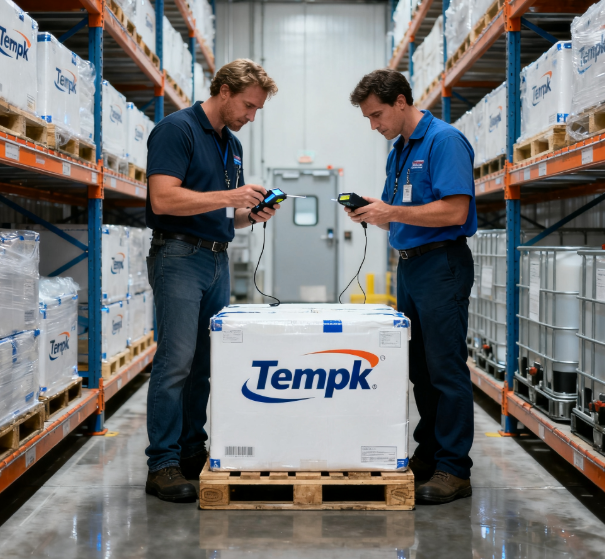
Configuration de l'emballage de la chaîne du froid: Conception autour de l'itinéraire et de la charge utile
A cold chain packaging configuration is the approved combination of shipper, isolation, liquide de refroidissement, disposition interne, limites de charge utile, surveillance, fermeture, and handling instructions used to protect a specific shipment. The configuration should be selected around the product’s temperature requirements and the conditions it may encounter—not around a box size or a supplier’s generic hold-time claim.
The distinction matters because the performance of a temperature-controlled package comes from the assembled system. Un pack de gel est un composant liquide de refroidissement. L'isolation ralentit le transfert de chaleur. A temperature data logger records conditions at its sensor location. None of these elements alone demonstrates that the shipment will remain within its required temperature range. That conclusion depends on the complete configuration, conditions d'essai, et l'itinéraire prévu.
Define the shipping task before choosing components
Start with a design brief that captures the intended use and the decisions the package must support. Inclure:
- Limites de produit: plage de température acceptable, sensitivity to freezing or overheating, and product-owner handling requirements.
- Charge utile: dimensions, masse, number of units, emballage secondaire, densité de chargement, and expected variation between shipments.
- Itinéraire: origine, destination, modes de transport, temps de transit prévu, likely dwell periods, points de transfert, and possible delays.
- Environnement: expected seasonal exposure and the conditions at pickup, moyeux, douane, et livraison.
- Opération: who packs the shipper, où se produit l'emballage, whether the package is reusable, and what the receiver must do.
- Preuve: surveillance requise, critères d'acceptation, documentation des tests, traçabilité, et gestion des écarts.
The product owner or quality function should determine the acceptable shipping conditions. A labeled storage range is an important input, but it should not automatically become the packout design target without considering product stability and the risks of distribution.
Build the configuration as a coupled system
A passive temperature-controlled package usually combines an outer container, isolation, liquide de refroidissement, separators or barriers, remplissage de vide, emballage de charge utile, un enregistreur, and closure and labeling elements. Each component contributes a different function, and changes to one component can affect the others.
Insulation slows heat transfer but does not compensate for every weak point in the enclosure. A lid that does not seat consistently, a damaged panel, or a poorly controlled opening may undermine the design. Coolant provides thermal capacity, but its effect depends on its mass, préparation, emplacement, and contact with the payload. Internal barriers can reduce direct contact, while also changing the thermal path. Payload arrangement influences both heat transfer and physical stability.
This is why a coolant datasheet, insulation specification, or empty-box test cannot independently establish shipment performance. The relevant evidence must represent the assembled package and its intended load.
Make the trade-offs explicit
There is rarely one configuration that maximizes every desirable attribute. More insulation may reduce heat transfer but increase outer dimensions and reduce usable payload space. More coolant may extend thermal capacity under some conditions but increase shipping weight and create a local freezing risk. A larger shipper may simplify loading but allow a partial payload to move or leave uncontrolled air spaces. A reusable container may reduce recurring packaging consumption but introduce return logistics, inspection, nettoyage, and refurbishment requirements.
| Choix de conception | Potential benefit | Trade-off to evaluate |
|---|---|---|
| Increased insulation | Slower heat transfer through package walls | Larger dimensions, less usable volume, coût |
| Additional coolant | Greater thermal reserve in some configurations | Poids, charge de manutention, risque de contact direct |
| More internal barriers | Better control of contact and position | Added steps, possible change to heat transfer |
| Larger shipper | Easier loading or more payload capacity | More empty space and possible product movement |
| Reusable system | Repeated use when properly managed | Flux de retour, inspection, nettoyage, component-life control |
The best choice is the configuration that meets the defined requirements and can be assembled consistently. Avoid optimizing a single specification while ignoring the complete shipping task.
Specify the internal arrangement so it can be repeated
A controlled configuration should define the exact components and how they fit together. Include component identifiers, dimensions de l'expéditeur, coolant type and approved conditioning procedure, quantité et position du liquide de refroidissement, matériaux barrières, orientation de la charge utile, allowed fill range, emplacement de l'enregistreur, méthode de fermeture, et placement des étiquettes.
Show the sequence in a diagram or annotated photograph when spatial relationships matter. A written instruction such as “place coolant around the product” may be too vague to reproduce. Specify which faces receive coolant, where a barrier is required, whether products may touch one another, and how empty space is managed.
The specification should also identify prohibited substitutions. A different gel pack, doublure isolante, séparateur, or box may look similar while having different thermal behavior. Any substitution should follow a documented assessment and approval process rather than an informal decision at the packing station.
Use route conditions to define the test
The planned carrier transit time is not the entire exposure. A shipment may wait at a collection point, remain on a loading dock, transfer between vehicles, be delayed at a border, or arrive after a receiving site has closed. Seasonal exposure and route variability should be considered when selecting the test conditions.
WHO technical supplements treat transport-route profiling and shipping-container qualification as related but distinct activities. Route information helps characterize the external environment; package qualification evaluates whether a defined system can perform under specified conditions. Neither should be casually substituted for the other.
Pour les médicaments, European Good Distribution Practice guidance says packaging selection should consider the product’s transport requirements, space needed for the shipment, températures extérieures extrêmes anticipées, maximum transport time including transit storage, et le statut de validation de l'emballage. Other product categories may be governed by different requirements, so the applicable quality and regulatory framework should be confirmed.
If a new route is longer, more variable, or exposed to different temperatures than the route represented in the existing evidence, documenter l'écart. Decide whether the current evidence remains applicable, whether additional testing is needed, or whether operational controls must change.
Define monitoring around the risk question
A temperature logger is an evidence tool, not a cooling device. Its reading represents the temperature at the probe location, which may differ from the temperature experienced by products elsewhere in the package. The sensor location should therefore be selected to answer a defined question: represent the payload environment, investigate a potential cold spot, or characterize a known warm area.
The monitoring plan should identify the device, calibration or verification status where required, placement, start and stop steps, sampling settings, examen des données, and response to missing or abnormal records. Pour les envois réglementés, the user requirement and applicable procedures determine what monitoring is needed. Avoid placing the sensor wherever it is easiest to reach if that location does not represent the risk being assessed.
Build evidence that another team can reproduce
A defensible configuration file should contain:
- The approved bill of materials, dessins, and configuration revision.
- A packout diagram and controlled assembly instructions.
- Dimensions de la charge utile, masse, permitted load range, and loading arrangement.
- Coolant conditioning and handling requirements.
- The test protocol, profil ambiant, emplacements des capteurs, critères d'acceptation, et rapporter.
- Any route assumptions or limitations on where the configuration may be used.
- Réception de chèques, escalade d'excursion, et les exigences en matière de contrôle des changements.
A statement that a package “passed testing” is incomplete without the tested configuration, conditions d'essai, et critères d'acceptation. ISTA’s thermal packaging resources distinguish development tests used to compare designs from qualification processes intended to support defined claims. The selected method should fit the decision being made.
Keep the approved configuration under control
Performance can change when the payload, itinéraire, liquide de refroidissement, isolation, dimensions de la boîte, fournisseur, processus de fabrication, or packing method changes. The change may appear minor, but the team should assess whether it affects heat transfer, masse thermique, ajuster, or handling before use. A documented change-control process should identify who assesses the impact, quelles preuves sont requises, and who authorizes release.
Pour les systèmes réutilisables, add inspection criteria for damaged insulation, fermetures usées, pièces manquantes, contamination, and coolant condition. European Good Distribution Practice guidance also highlights the need to control coolant reuse so that incompletely cooled packs are not mistakenly used and different pack states can be distinguished. The exact controls should match the system design and applicable procedures.
Approval checklist for buyers and engineers
Before approving a cold chain packaging configuration, confirm that the team can answer these questions clearly:
- What product and payload range is covered?
- Which routes and environmental conditions are represented by the evidence?
- What exact components, état du liquide de refroidissement, barrières, and loading sequence are approved?
- Où est placé l'enregistreur, and what does its reading represent?
- What are the acceptance criteria and the response to an excursion?
- Which changes require reassessment or requalification?
- Can trained operators pack the shipment correctly using the controlled instructions alone?
A cold chain packaging configuration is ready for operational use when the design, preuve, and work instructions agree. If the configuration depends on an undocumented packing trick or a component substitution that has never been assessed, it is not yet a controlled system. Define the route and payload requirements first, review the complete configuration with the relevant quality and logistics teams, and request a proposal that makes its assumptions and evidence explicit.
Verify consistency from sample to routine production
The sample used during review should represent the components and assembly method that will be supplied and packed in routine operation. Confirm that the same insulation, coolant model, barrières, dimensions de l'expéditeur, closure materials, and instructions are used. If the supplier changes a material source or manufacturing process, the change should be assessed for its potential effect rather than accepted because the external appearance is unchanged.
A practical operator trial is valuable before release. Ask trained packers to assemble the configuration using only the controlled instruction, then compare the finished packout with the approved drawing. Record any ambiguity, component-fit issue, or step that requires an undocumented workaround. Correct those issues before scaling up. Après la libération, use incoming inspection and periodic record review to check that routine shipments continue to match the approved configuration.
The configuration is strongest when its technical evidence, physical components, and operating instructions all describe the same system.
Choisir un fournisseur d'emballages sous chaîne du froid pour l'expédition

Choisir un fournisseur d'emballages sous chaîne du froid pour l'expédition
cold chain packaging supplier should be approached as a shipment-system decision. Un fournisseur d’emballages pour chaîne du froid est précieux lorsque ses matériaux, documentation, et les contrôles de production s'adaptent à la manière dont votre expédition est réellement préparée et traitée.. Le paquet, réfrigérant, disposition des produits, protection extérieure, étiquettes, et les instructions de manipulation ont chacune un rôle distinct; l'expédition ne réussit que lorsqu'ils travaillent ensemble dans l'hypothèse d'un itinéraire réel. C'est pourquoi le choix le plus utile est rarement effectué à partir d'une liste de matériaux ou d'une revendication de performance globale.. Cela vient d'un brief clair, des preuves qui correspondent à l'utilisation prévue, et un packout que les gens peuvent exécuter à plusieurs reprises.
Commencez par le produit et l'itinéraire
La première question de conception n’est pas de savoir quelle boîte ou quel liquide de refroidissement acheter. C'est ce qu'il faut protéger, pendant combien de temps, et à travers quelle séquence de conditions. Confirmer les exigences du produit auprès des personnes responsables de la qualité du produit. Cartographiez ensuite la charge utile, itinéraire, mode de transport, calendrier prévu, et les points où l'envoi peut attendre ou changer de mains. Le but n’est pas de prédire chaque perturbation. Il s’agit de rendre visibles les hypothèses importantes, afin que l'équipe de sourcing puisse juger si une configuration proposée est pertinente ou simplement pratique.
Construire le package en tant que système de fonctions
Une configuration robuste attribue des fonctions claires. L'isolation réduit le transfert de chaleur. Les composants réfrigérants ou à changement de phase contribuent au tampon thermique lorsqu'ils sont préparés et positionnés correctement.. Les séparateurs et les contraintes gèrent le contact, mouvement, et placement reproductible. La protection extérieure répond à l'exposition à la compression et à la manipulation. Les étiquettes et les instructions aident l'expéditeur, transporteur, et le récepteur reconnaît la charge. La surveillance peut documenter les conditions mais ne protège pas le produit en soi. Une fois ces limites claires, un fournisseur d'emballages peut être discuté comme un système plutôt que comme une réclamation matérielle isolée.
Les preuves doivent correspondre à l'envoi prévu
Les preuves n’ont de sens que lorsque leurs hypothèses sont visibles. Lorsqu'un fournisseur fait référence à un bilan thermique ou à une configuration testée, demander quelle charge utile, disposition du liquide de refroidissement, méthode de préparation, exposition ambiante, et les critères d'acceptation étaient impliqués. Demandez si l'itinéraire et la configuration considérés sont suffisamment proches pour que le résultat soit informatif. Un profil thermique structuré peut être utile, mais cela n'élimine pas la nécessité d'un jugement attentif aux voies.. Si une condition importante a changé, il est préférable d'identifier l'écart le plus tôt possible plutôt que de présenter un résultat historique comme une assurance globale.
Pour les produits réglementés ou très sensibles, les exigences en matière d'emballage et de distribution peuvent varier selon la catégorie de produit, marché, service de transporteur, et système qualité interne. L'examen de l'emballage devrait donc soutenir, ne pas remplacer, la décision qualité de l’organisation. Utilisez un langage prudent concernant les normes et la conformité: une approche de composant ou de test peut être pertinente, mais les acheteurs doivent vérifier comment cela s'applique à leur produit et à leur itinéraire spécifiques..
Points d'examen des fournisseurs qui modifient la décision
L’approvisionnement ne doit pas se limiter à l’évaluation de la gamme de produits et du prix.. Examiner les dimensions internes utilisables, compatibilité des composants, conception de fermeture, protection lors de la manipulation, cohérence de l'échantillon, et la clarté des instructions de montage. Demandez comment les changements de production sont contrôlés et communiqués. Si un programme nécessite une documentation ou une approbation de qualité interne, demander quelles informations peuvent être examinées et quelles déclarations nécessitent une confirmation spécifique à un itinéraire. Ces questions permettent de distinguer une offre commercialement intéressante d'une option opérationnellement adaptée..
Une comparaison ciblée des achats peut être organisée autour de questions qui affectent l'exécution. L'espace interne correspond-il à la charge utile réelle? Les composants du liquide de refroidissement et de l'isolation sont-ils compatibles avec la configuration requise? L'emballage extérieur est-il suffisamment solide pour une manipulation normale? Les opérateurs peuvent-ils l'assembler sans improvisation? Le fournisseur explique-t-il la portée de toute information sur les performances? Ces questions sont plus utiles que d'essayer de comparer des produits uniquement par le nom du matériau ou une allégation générique..
Intégrer l'exécution de routine à la conception
L'exécution de routine détermine si une conception soigneusement sélectionnée offre la valeur attendue. Définir où les composants sont stockés et conditionnés, qui assemble le paquet, comment le produit est positionné, ce qu'il faut vérifier avant la fermeture, et ce que le destinataire doit inspecter. L’objectif est un processus qui reste compréhensible lorsque la charge de travail augmente ou que le personnel change. Contrôles simples – une séquence de montage claire, identification des composants, une référence visuelle d'emballage, et une étape de remontée convenue – évite souvent plus de problèmes que d'ajouter de la complexité sans améliorer la répétabilité.
Quand un package familier ne suffit pas
Un emballage isolé familier peut ne pas suffire lorsque la charge utile change de forme, le parcours s'allonge, la saison change, ou de nouveaux transferts sont introduits. Elle peut également s'avérer insuffisante si la sensibilité du produit, attentes en matière de documentation, ou les besoins en matière de protection physique augmentent. Cela ne signifie pas automatiquement que le programme nécessite la solution la plus complexe. Cela signifie que les hypothèses initiales doivent être revues. Un examen approfondi peut révéler si un changement mineur de configuration, une stratégie réfrigérante différente, un boîtier extérieur plus robuste, ou une évaluation supplémentaire est la prochaine étape appropriée.
Points d'évaluation des acheteurs
- État et sensibilité du produit: confirmer le besoin et les contraintes spécifiques au produit.
- Charge utile et géométrie: vérifier l'espace interne utilisable, répartition du poids, et la retenue des produits.
- Itinéraire et transferts: identifier le mode de transport, délais d'attente, gérer les transferts, et exposition saisonnière.
- Contrôle des emballages: confirmer la préparation des composants, placement, fermeture, étiquettes, et recevoir des chèques.
- Contrôle des preuves et des changements: examiner la documentation pertinente et demander comment les changements de matériel ou d'itinéraire sont évalués.
FAQ
Quelle est la première étape dans une décision d’emballage sous chaîne du froid?Confirmer les exigences du produit et cartographier l'expédition réelle. Inclure la charge utile, itinéraire, mode de transport, transferts, délais d'attente probables, contraintes de placement de produit, et tout besoin d'évaluation de la qualité. Cela empêche l'équipe de choisir un package avant de comprendre les conditions que ce package doit répondre..
Que doit vérifier un acheteur avant de passer des échantillons à la production?Vérifiez que les matériaux de production, dimensions, notice de montage, étapes de stockage et de conditionnement, et les contrôles de qualité correspondent à l'échantillon examiné. Demandez comment les changements sont gérés et comment l'équipe de réception inspectera les expéditions de routine.. La cohérence entre l'échantillon et la production est une exigence opérationnelle, pas une formalité.
Les tests suppriment-ils le besoin de revoir l'itinéraire?Non. Les tests peuvent fournir des preuves précieuses dans des conditions définies, mais il ne peut pas transformer chaque itinéraire en le même environnement. Vérifier si les hypothèses de test ressemblent à la charge utile prévue, configuration du liquide de refroidissement, exposition ambiante, et séquence de manipulation. Quand les conditions importantes diffèrent, une évaluation supplémentaire peut être appropriée.
Point de contrôle de décision supplémentaire
Avant qu’une décision d’achat soit approuvée, enregistrer les hypothèses derrière la recommandation en un seul endroit. Il peut s'agir d'un bref mémoire interne plutôt que d'un rapport complexe.. Son intérêt est qu'il permet à un réviseur ultérieur de voir pourquoi la configuration a été sélectionnée et quelles conditions ont été considérées comme importantes.. Cela rend également les changements plus faciles à reconnaître. Si la destination, disposition des produits, ou changements de modèle de transporteur, l'équipe peut comparer la nouvelle situation avec les hypothèses initiales au lieu de s'appuyer sur la mémoire.
Point de contrôle opérationnel
Ne négligez pas la protection physique. Un produit peut rester dans sa condition de température prévue et rester inacceptable si la charge se déplace, fuites, est écrasé, ou arrive avec une fermeture endommagée. Résistance du boîtier extérieur, retenue interne, gestion de l'humidité, placement d'étiquette, et la capacité d'identifier l'orientation souhaitée méritent tous une place dans l'examen.. Le meilleur concept thermique est affaibli si l'emballage ne peut pas survivre aux événements mécaniques ordinaires de distribution..
Point de contrôle opérationnel
Le processus de réception est une partie informative de la conception. Décidez ce que le destinataire doit rechercher: état du colis, preuve de fuite ou de dommage, clarté de l'étiquette, placement de produit, et tout dispositif de surveillance qui doit être récupéré ou lu. Une observation de réception ne remplace pas une décision de qualité, mais cela peut aider l'organisation à détecter les faiblesses récurrentes dans la gestion, exécution de l'emballage, ou le format d'emballage choisi.
Point de contrôle opérationnel
Le contrôle des modifications mérite un langage simple. Si un fournisseur modifie une source de matières, dimension, détail de fermeture, remplissage de liquide de refroidissement, fabrication de cartons, ou instructions de montage, l'acheteur doit savoir si ce changement pourrait affecter la configuration approuvée. De même, si l'expéditeur modifie le produit, charge utile, itinéraire, ou modèle de distribution, les preuves existantes devront peut-être être réexaminées. Traiter les changements comme des points de décision visibles maintient un programme de packaging crédible dans le temps.
Point de contrôle opérationnel
Le prix doit être lu parallèlement au coût opérationnel et au risque. Le prix d'achat le plus bas peut créer un travail caché si l'emballage prend plus de temps, les composants sont confus, les taux de dégâts augmentent, ou les équipes qualité doivent résoudre à plusieurs reprises les exceptions. Inversement, une configuration plus complexe peut être inutile pour un système stable, itinéraire à faible risque. La question utile est de savoir si l’approche choisie est parfaitement adaptée à l’expédition plutôt que si elle utilise le plus ou le moins de matériaux..
Point de contrôle opérationnel
Avant qu’une décision d’achat soit approuvée, enregistrer les hypothèses derrière la recommandation en un seul endroit. Il peut s'agir d'un bref mémoire interne plutôt que d'un rapport complexe.. Son intérêt est qu'il permet à un réviseur ultérieur de voir pourquoi la configuration a été sélectionnée et quelles conditions ont été considérées comme importantes.. Cela rend également les changements plus faciles à reconnaître. Si la destination, disposition des produits, ou changements de modèle de transporteur, l'équipe peut comparer la nouvelle situation avec les hypothèses initiales au lieu de s'appuyer sur la mémoire.
Point de contrôle opérationnel
Ne négligez pas la protection physique. Un produit peut rester dans sa condition de température prévue et rester inacceptable si la charge se déplace, fuites, est écrasé, ou arrive avec une fermeture endommagée. Résistance du boîtier extérieur, retenue interne, gestion de l'humidité, placement d'étiquette, et la capacité d'identifier l'orientation souhaitée méritent tous une place dans l'examen.. Le meilleur concept thermique est affaibli si l'emballage ne peut pas survivre aux événements mécaniques ordinaires de distribution..
Point de contrôle opérationnel
Le processus de réception est une partie informative de la conception. Décidez ce que le destinataire doit rechercher: état du colis, preuve de fuite ou de dommage, clarté de l'étiquette, placement de produit, et tout dispositif de surveillance qui doit être récupéré ou lu. Une observation de réception ne remplace pas une décision de qualité, mais cela peut aider l'organisation à détecter les faiblesses récurrentes dans la gestion, exécution de l'emballage, ou le format d'emballage choisi.
Point de contrôle opérationnel
Le contrôle des modifications mérite un langage simple. Si un fournisseur modifie une source de matières, dimension, détail de fermeture, remplissage de liquide de refroidissement, fabrication de cartons, ou instructions de montage, l'acheteur doit savoir si ce changement pourrait affecter la configuration approuvée. De même, si l'expéditeur modifie le produit, charge utile, itinéraire, ou modèle de distribution, les preuves existantes devront peut-être être réexaminées. Traiter les changements comme des points de décision visibles maintient un programme de packaging crédible dans le temps.
Point de contrôle opérationnel
Le prix doit être lu parallèlement au coût opérationnel et au risque. Le prix d'achat le plus bas peut créer un travail caché si l'emballage prend plus de temps, les composants sont confus, les taux de dégâts augmentent, ou les équipes qualité doivent résoudre à plusieurs reprises les exceptions. Inversement, une configuration plus complexe peut être inutile pour un système stable, itinéraire à faible risque. La question utile est de savoir si l’approche choisie est parfaitement adaptée à l’expédition plutôt que si elle utilise le plus ou le moins de matériaux..
Point de contrôle opérationnel
Avant qu’une décision d’achat soit approuvée, enregistrer les hypothèses derrière la recommandation en un seul endroit. Il peut s'agir d'un bref mémoire interne plutôt que d'un rapport complexe.. Son intérêt est qu'il permet à un réviseur ultérieur de voir pourquoi la configuration a été sélectionnée et quelles conditions ont été considérées comme importantes.. Cela rend également les changements plus faciles à reconnaître. Si la destination, disposition des produits, ou changements de modèle de transporteur, l'équipe peut comparer la nouvelle situation avec les hypothèses initiales au lieu de s'appuyer sur la mémoire.
Point de contrôle opérationnel
Ne négligez pas la protection physique. Un produit peut rester dans sa condition de température prévue et rester inacceptable si la charge se déplace, fuites, est écrasé, ou arrive avec une fermeture endommagée. Résistance du boîtier extérieur, retenue interne, gestion de l'humidité, placement d'étiquette, et la capacité d'identifier l'orientation souhaitée méritent tous une place dans l'examen.. Le meilleur concept thermique est affaibli si l'emballage ne peut pas survivre aux événements mécaniques ordinaires de distribution..
Conclusion
Un fournisseur d’emballages pour chaîne du froid est précieux lorsque ses matériaux, documentation, et les contrôles de production s'adaptent à la manière dont votre expédition est réellement préparée et traitée.. Une bonne décision commence par le produit et le parcours, attribue un rôle clair à chaque élément d’emballage, et traite les preuves du fournisseur comme utiles uniquement dans les conditions indiquées.. Il reconnaît également que l'assemblage de routine, gestion des transferts, et l'inspection à la réception font partie de la conception de l'expédition. Lorsque ces éléments sont examinés ensemble, l'équipe peut faire un choix plus défendable sans s'appuyer sur des allégations de performances exagérées.
Et tempk, nous abordons les conversations avec les fournisseurs comme une opportunité de rendre plus clair le transfert d'un échantillon à une expédition reproductible. Les apports utiles sont opérationnels: le produit, charge utile, condition cible, itinéraire, configuration de l'emballage, et la documentation qui doit être examinée. Cela crée une base plus solide pour comparer les options et décider quelles questions doivent être réglées avant qu'un bon de commande ne devienne un programme de routine..
Demandez à Tempk une discussion centrée sur votre produit, emballage, itinéraire, et les points d'examen des achats avant de s'engager dans une commande d'emballages pour chaîne du froid plus importante.
Comment évaluer une entreprise d'emballage sous chaîne du froid

Comment évaluer une entreprise d'emballage sous chaîne du froid
cold chain packaging company should be approached as a shipment-system decision. Une entreprise d'emballage sous chaîne du froid doit être évaluée en tant que partenaire d'un système d'expédition, pas comme un catalogue de cartons et de réfrigérants. Le paquet, réfrigérant, disposition des produits, protection extérieure, étiquettes, et les instructions de manipulation ont chacune un rôle distinct; l'expédition ne réussit que lorsqu'ils travaillent ensemble dans l'hypothèse d'un itinéraire réel. C'est pourquoi le choix le plus utile est rarement effectué à partir d'une liste de matériaux ou d'une revendication de performance globale.. Cela vient d'un brief clair, des preuves qui correspondent à l'utilisation prévue, et un packout que les gens peuvent exécuter à plusieurs reprises.
Commencez par le produit et l'itinéraire
La première question de conception n’est pas de savoir quelle boîte ou quel liquide de refroidissement acheter. C'est ce qu'il faut protéger, pendant combien de temps, et à travers quelle séquence de conditions. Confirmer les exigences du produit auprès des personnes responsables de la qualité du produit. Cartographiez ensuite la charge utile, itinéraire, mode de transport, calendrier prévu, et les points où l'envoi peut attendre ou changer de mains. Le but n’est pas de prédire chaque perturbation. Il s’agit de rendre visibles les hypothèses importantes, afin que l'acheteur puisse juger si une configuration proposée est pertinente ou simplement pratique.
Construire le package en tant que système de fonctions
Une configuration robuste attribue des fonctions claires. L'isolation réduit le transfert de chaleur. Les composants réfrigérants ou à changement de phase contribuent au tampon thermique lorsqu'ils sont préparés et positionnés correctement.. Les séparateurs et les contraintes gèrent le contact, mouvement, et placement reproductible. La protection extérieure répond à l'exposition à la compression et à la manipulation. Les étiquettes et les instructions aident l'expéditeur, transporteur, et le récepteur reconnaît la charge. La surveillance peut documenter les conditions mais ne protège pas le produit en soi. Une fois ces limites claires, un partenaire d'emballage peut être discuté comme un système plutôt que comme une revendication matérielle isolée.
Les preuves doivent correspondre à l'envoi prévu
Les preuves n’ont de sens que lorsque leurs hypothèses sont visibles. Lorsqu'un fournisseur fait référence à un bilan thermique ou à une configuration testée, demander quelle charge utile, disposition du liquide de refroidissement, méthode de préparation, exposition ambiante, et les critères d'acceptation étaient impliqués. Demandez si l'itinéraire et la configuration considérés sont suffisamment proches pour que le résultat soit informatif. Un profil thermique structuré peut être utile, mais cela n'élimine pas la nécessité d'un jugement attentif aux voies.. Si une condition importante a changé, il est préférable d'identifier l'écart le plus tôt possible plutôt que de présenter un résultat historique comme une assurance globale.
Pour les produits réglementés ou très sensibles, les exigences en matière d'emballage et de distribution peuvent varier selon la catégorie de produit, marché, service de transporteur, et système qualité interne. L'examen de l'emballage devrait donc soutenir, ne pas remplacer, la décision qualité de l’organisation. Utilisez un langage prudent concernant les normes et la conformité: une approche de composant ou de test peut être pertinente, mais les acheteurs doivent vérifier comment cela s'applique à leur produit et à leur itinéraire spécifiques..
Points d'examen des fournisseurs qui modifient la décision
L’approvisionnement ne doit pas se limiter à l’évaluation de la gamme de produits et du prix.. Examiner les dimensions internes utilisables, compatibilité des composants, conception de fermeture, protection lors de la manipulation, cohérence de l'échantillon, et la clarté des instructions de montage. Demandez comment les changements de production sont contrôlés et communiqués. Si un programme nécessite une documentation ou une approbation de qualité interne, demander quelles informations peuvent être examinées et quelles déclarations nécessitent une confirmation spécifique à un itinéraire. Ces questions permettent de distinguer une offre commercialement intéressante d'une option opérationnellement adaptée..
Une comparaison ciblée des achats peut être organisée autour de questions qui affectent l'exécution. L'espace interne correspond-il à la charge utile réelle? Les composants du liquide de refroidissement et de l'isolation sont-ils compatibles avec la configuration requise? L'emballage extérieur est-il suffisamment solide pour une manipulation normale? Les opérateurs peuvent-ils l'assembler sans improvisation? Le fournisseur explique-t-il la portée de toute information sur les performances? Ces questions sont plus utiles que d'essayer de comparer des produits uniquement par le nom du matériau ou une allégation générique..
Intégrer l'exécution de routine à la conception
L'exécution de routine détermine si une conception soigneusement sélectionnée offre la valeur attendue. Définir où les composants sont stockés et conditionnés, qui assemble le paquet, comment le produit est positionné, ce qu'il faut vérifier avant la fermeture, et ce que le destinataire doit inspecter. L’objectif est un processus qui reste compréhensible lorsque la charge de travail augmente ou que le personnel change. Contrôles simples – une séquence de montage claire, identification des composants, une référence visuelle d'emballage, et une étape de remontée convenue – évite souvent plus de problèmes que d'ajouter de la complexité sans améliorer la répétabilité.
Quand un package familier ne suffit pas
Un emballage isolé familier peut ne pas suffire lorsque la charge utile change de forme, le parcours s'allonge, la saison change, ou de nouveaux transferts sont introduits. Elle peut également s'avérer insuffisante si la sensibilité du produit, attentes en matière de documentation, ou les besoins en matière de protection physique augmentent. Cela ne signifie pas automatiquement que le programme nécessite la solution la plus complexe. Cela signifie que les hypothèses initiales doivent être revues. Un examen approfondi peut révéler si un changement mineur de configuration, une stratégie réfrigérante différente, un boîtier extérieur plus robuste, ou une évaluation supplémentaire est la prochaine étape appropriée.
Points d'évaluation des acheteurs
- État et sensibilité du produit: confirmer le besoin et les contraintes spécifiques au produit.
- Charge utile et géométrie: vérifier l'espace interne utilisable, répartition du poids, et la retenue des produits.
- Itinéraire et transferts: identifier le mode de transport, délais d'attente, gérer les transferts, et exposition saisonnière.
- Contrôle des emballages: confirmer la préparation des composants, placement, fermeture, étiquettes, et recevoir des chèques.
- Contrôle des preuves et des changements: examiner la documentation pertinente et demander comment les changements de matériel ou d'itinéraire sont évalués.
FAQ
Quelle est la première étape dans une décision d’emballage sous chaîne du froid?Confirmer les exigences du produit et cartographier l'expédition réelle. Inclure la charge utile, itinéraire, mode de transport, transferts, délais d'attente probables, contraintes de placement de produit, et tout besoin d'évaluation de la qualité. Cela empêche l'équipe de choisir un package avant de comprendre les conditions que ce package doit répondre..
Que doit vérifier un acheteur avant de passer des échantillons à la production?Vérifiez que les matériaux de production, dimensions, notice de montage, étapes de stockage et de conditionnement, et les contrôles de qualité correspondent à l'échantillon examiné. Demandez comment les changements sont gérés et comment l'équipe de réception inspectera les expéditions de routine.. La cohérence entre l'échantillon et la production est une exigence opérationnelle, pas une formalité.
Les tests suppriment-ils le besoin de revoir l'itinéraire?Non. Les tests peuvent fournir des preuves précieuses dans des conditions définies, mais il ne peut pas transformer chaque itinéraire en le même environnement. Vérifier si les hypothèses de test ressemblent à la charge utile prévue, configuration du liquide de refroidissement, exposition ambiante, et séquence de manipulation. Quand les conditions importantes diffèrent, une évaluation supplémentaire peut être appropriée.
Point de contrôle de décision supplémentaire
Avant qu’une décision d’achat soit approuvée, enregistrer les hypothèses derrière la recommandation en un seul endroit. Il peut s'agir d'un bref mémoire interne plutôt que d'un rapport complexe.. Son intérêt est qu'il permet à un réviseur ultérieur de voir pourquoi la configuration a été sélectionnée et quelles conditions ont été considérées comme importantes.. Cela rend également les changements plus faciles à reconnaître. Si la destination, disposition des produits, ou changements de modèle de transporteur, l'équipe peut comparer la nouvelle situation avec les hypothèses initiales au lieu de s'appuyer sur la mémoire.
Point de contrôle opérationnel
Ne négligez pas la protection physique. Un produit peut rester dans sa condition de température prévue et rester inacceptable si la charge se déplace, fuites, est écrasé, ou arrive avec une fermeture endommagée. Résistance du boîtier extérieur, retenue interne, gestion de l'humidité, placement d'étiquette, et la capacité d'identifier l'orientation souhaitée méritent tous une place dans l'examen.. Le meilleur concept thermique est affaibli si l'emballage ne peut pas survivre aux événements mécaniques ordinaires de distribution..
Point de contrôle opérationnel
Le processus de réception est une partie informative de la conception. Décidez ce que le destinataire doit rechercher: état du colis, preuve de fuite ou de dommage, clarté de l'étiquette, placement de produit, et tout dispositif de surveillance qui doit être récupéré ou lu. Une observation de réception ne remplace pas une décision de qualité, mais cela peut aider l'organisation à détecter les faiblesses récurrentes dans la gestion, exécution de l'emballage, ou le format d'emballage choisi.
Point de contrôle opérationnel
Le contrôle des modifications mérite un langage simple. Si un fournisseur modifie une source de matières, dimension, détail de fermeture, remplissage de liquide de refroidissement, fabrication de cartons, ou instructions de montage, l'acheteur doit savoir si ce changement pourrait affecter la configuration approuvée. De même, si l'expéditeur modifie le produit, charge utile, itinéraire, ou modèle de distribution, les preuves existantes devront peut-être être réexaminées. Traiter les changements comme des points de décision visibles maintient un programme de packaging crédible dans le temps.
Point de contrôle opérationnel
Le prix doit être lu parallèlement au coût opérationnel et au risque. Le prix d'achat le plus bas peut créer un travail caché si l'emballage prend plus de temps, les composants sont confus, les taux de dégâts augmentent, ou les équipes qualité doivent résoudre à plusieurs reprises les exceptions. Inversement, une configuration plus complexe peut être inutile pour un système stable, itinéraire à faible risque. La question utile est de savoir si l’approche choisie est parfaitement adaptée à l’expédition plutôt que si elle utilise le plus ou le moins de matériaux..
Point de contrôle opérationnel
Avant qu’une décision d’achat soit approuvée, enregistrer les hypothèses derrière la recommandation en un seul endroit. Il peut s'agir d'un bref mémoire interne plutôt que d'un rapport complexe.. Son intérêt est qu'il permet à un réviseur ultérieur de voir pourquoi la configuration a été sélectionnée et quelles conditions ont été considérées comme importantes.. Cela rend également les changements plus faciles à reconnaître. Si la destination, disposition des produits, ou changements de modèle de transporteur, l'équipe peut comparer la nouvelle situation avec les hypothèses initiales au lieu de s'appuyer sur la mémoire.
Point de contrôle opérationnel
Ne négligez pas la protection physique. Un produit peut rester dans sa condition de température prévue et rester inacceptable si la charge se déplace, fuites, est écrasé, ou arrive avec une fermeture endommagée. Résistance du boîtier extérieur, retenue interne, gestion de l'humidité, placement d'étiquette, et la capacité d'identifier l'orientation souhaitée méritent tous une place dans l'examen.. Le meilleur concept thermique est affaibli si l'emballage ne peut pas survivre aux événements mécaniques ordinaires de distribution..
Point de contrôle opérationnel
Le processus de réception est une partie informative de la conception. Décidez ce que le destinataire doit rechercher: état du colis, preuve de fuite ou de dommage, clarté de l'étiquette, placement de produit, et tout dispositif de surveillance qui doit être récupéré ou lu. Une observation de réception ne remplace pas une décision de qualité, mais cela peut aider l'organisation à détecter les faiblesses récurrentes dans la gestion, exécution de l'emballage, ou le format d'emballage choisi.
Point de contrôle opérationnel
Le contrôle des modifications mérite un langage simple. Si un fournisseur modifie une source de matières, dimension, détail de fermeture, remplissage de liquide de refroidissement, fabrication de cartons, ou instructions de montage, l'acheteur doit savoir si ce changement pourrait affecter la configuration approuvée. De même, si l'expéditeur modifie le produit, charge utile, itinéraire, ou modèle de distribution, les preuves existantes devront peut-être être réexaminées. Traiter les changements comme des points de décision visibles maintient un programme de packaging crédible dans le temps.
Point de contrôle opérationnel
Le prix doit être lu parallèlement au coût opérationnel et au risque. Le prix d'achat le plus bas peut créer un travail caché si l'emballage prend plus de temps, les composants sont confus, les taux de dégâts augmentent, ou les équipes qualité doivent résoudre à plusieurs reprises les exceptions. Inversement, une configuration plus complexe peut être inutile pour un système stable, itinéraire à faible risque. La question utile est de savoir si l’approche choisie est parfaitement adaptée à l’expédition plutôt que si elle utilise le plus ou le moins de matériaux..
Point de contrôle opérationnel
Avant qu’une décision d’achat soit approuvée, enregistrer les hypothèses derrière la recommandation en un seul endroit. Il peut s'agir d'un bref mémoire interne plutôt que d'un rapport complexe.. Son intérêt est qu'il permet à un réviseur ultérieur de voir pourquoi la configuration a été sélectionnée et quelles conditions ont été considérées comme importantes.. Cela rend également les changements plus faciles à reconnaître. Si la destination, disposition des produits, ou changements de modèle de transporteur, l'équipe peut comparer la nouvelle situation avec les hypothèses initiales au lieu de s'appuyer sur la mémoire.
Conclusion
Une entreprise d'emballage sous chaîne du froid doit être évaluée en tant que partenaire d'un système d'expédition, pas comme un catalogue de cartons et de réfrigérants. Une bonne décision commence par le produit et le parcours, attribue un rôle clair à chaque élément d’emballage, et traite les preuves du fournisseur comme utiles uniquement dans les conditions indiquées.. Il reconnaît également que l'assemblage de routine, gestion des transferts, et l'inspection à la réception font partie de la conception de l'expédition. Lorsque ces éléments sont examinés ensemble, l'équipe peut faire un choix plus défendable sans s'appuyer sur des allégations de performances exagérées.
Et tempk, nous nous concentrons sur des discussions pratiques sur l'emballage de la chaîne du froid qui commencent dès l'expédition plutôt que sur une réclamation générique concernant un produit.. Une conversation utile peut réunir la condition requise, forme de la charge utile, itinéraire, séquence de manipulation, et les preuves qu'une équipe qualité ou d'approvisionnement doit examiner. Cela permet de maintenir la décision liée à l'environnement opérationnel réel et facilite la comparaison des approches d'emballage sur une base comparable..
Partager le type de produit, itinéraire prévu, points de manutention, et les exigences de température avec Tempk pour discuter d'une approche d'emballage qui peut être revue avant de passer des échantillons aux expéditions de routine.
Conception d'emballages sous chaîne du froid pour une expédition adaptée à l'itinéraire
Conception d'emballages sous chaîne du froid pour une expédition adaptée à l'itinéraire
la conception des emballages sous chaîne du froid pour l’expédition doit être considérée comme une décision concernant le système d’expédition. La conception des emballages de la chaîne du froid pour l'expédition est la disposition disciplinée du produit, isolation, réfrigérant, protection, et instructions de manutention autour d'un itinéraire défini. Le paquet, réfrigérant, disposition des produits, protection extérieure, étiquettes, et les instructions de manipulation ont chacune un rôle distinct; l'expédition ne réussit que lorsqu'ils travaillent ensemble dans l'hypothèse d'un itinéraire réel. C'est pourquoi le choix le plus utile est rarement effectué à partir d'une liste de matériaux ou d'une revendication de performance globale.. Cela vient d'un brief clair, des preuves qui correspondent à l'utilisation prévue, et un packout que les gens peuvent exécuter à plusieurs reprises.
Commencez par le produit et l'itinéraire
La première question de conception n’est pas de savoir quelle boîte ou quel liquide de refroidissement acheter. C'est ce qu'il faut protéger, pendant combien de temps, et à travers quelle séquence de conditions. Confirmer les exigences du produit auprès des personnes responsables de la qualité du produit. Cartographiez ensuite la charge utile, itinéraire, mode de transport, calendrier prévu, et les points où l'envoi peut attendre ou changer de mains. Le but n’est pas de prédire chaque perturbation. Il s’agit de rendre visibles les hypothèses importantes, afin que l'équipe de conception puisse juger si une configuration proposée est pertinente ou simplement pratique.
Construire le package en tant que système de fonctions
Une configuration robuste attribue des fonctions claires. L'isolation réduit le transfert de chaleur. Les composants réfrigérants ou à changement de phase contribuent au tampon thermique lorsqu'ils sont préparés et positionnés correctement.. Les séparateurs et les contraintes gèrent le contact, mouvement, et placement reproductible. La protection extérieure répond à l'exposition à la compression et à la manipulation. Les étiquettes et les instructions aident l'expéditeur, transporteur, et le récepteur reconnaît la charge. La surveillance peut documenter les conditions mais ne protège pas le produit en soi. Une fois ces limites claires, un colis d'expédition peut être discuté comme un système plutôt que comme une réclamation matérielle isolée.
Les preuves doivent correspondre à l'envoi prévu
Les preuves n’ont de sens que lorsque leurs hypothèses sont visibles. Lorsqu'un fournisseur fait référence à un bilan thermique ou à une configuration testée, demander quelle charge utile, disposition du liquide de refroidissement, méthode de préparation, exposition ambiante, et les critères d'acceptation étaient impliqués. Demandez si l'itinéraire et la configuration considérés sont suffisamment proches pour que le résultat soit informatif. Un profil thermique structuré peut être utile, mais cela n'élimine pas la nécessité d'un jugement attentif aux voies.. Si une condition importante a changé, il est préférable d'identifier l'écart le plus tôt possible plutôt que de présenter un résultat historique comme une assurance globale.
Pour les produits réglementés ou très sensibles, les exigences en matière d'emballage et de distribution peuvent varier selon la catégorie de produit, marché, service de transporteur, et système qualité interne. L'examen de l'emballage devrait donc soutenir, ne pas remplacer, la décision qualité de l’organisation. Utilisez un langage prudent concernant les normes et la conformité: une approche de composant ou de test peut être pertinente, mais les acheteurs doivent vérifier comment cela s'applique à leur produit et à leur itinéraire spécifiques..
Points d'examen des fournisseurs qui modifient la décision
L’approvisionnement ne doit pas se limiter à l’évaluation de la gamme de produits et du prix.. Examiner les dimensions internes utilisables, compatibilité des composants, conception de fermeture, protection lors de la manipulation, cohérence de l'échantillon, et la clarté des instructions de montage. Demandez comment les changements de production sont contrôlés et communiqués. Si un programme nécessite une documentation ou une approbation de qualité interne, demander quelles informations peuvent être examinées et quelles déclarations nécessitent une confirmation spécifique à un itinéraire. Ces questions permettent de distinguer une offre commercialement intéressante d'une option opérationnellement adaptée..
Une comparaison ciblée des achats peut être organisée autour de questions qui affectent l'exécution. L'espace interne correspond-il à la charge utile réelle? Les composants du liquide de refroidissement et de l'isolation sont-ils compatibles avec la configuration requise? L'emballage extérieur est-il suffisamment solide pour une manipulation normale? Les opérateurs peuvent-ils l'assembler sans improvisation? Le fournisseur explique-t-il la portée de toute information sur les performances? Ces questions sont plus utiles que d'essayer de comparer des produits uniquement par le nom du matériau ou une allégation générique..
Intégrer l'exécution de routine à la conception
L'exécution de routine détermine si une conception soigneusement sélectionnée offre la valeur attendue. Définir où les composants sont stockés et conditionnés, qui assemble le paquet, comment le produit est positionné, ce qu'il faut vérifier avant la fermeture, et ce que le destinataire doit inspecter. L’objectif est un processus qui reste compréhensible lorsque la charge de travail augmente ou que le personnel change. Contrôles simples – une séquence de montage claire, identification des composants, une référence visuelle d'emballage, et une étape de remontée convenue – évite souvent plus de problèmes que d'ajouter de la complexité sans améliorer la répétabilité.
Quand un package familier ne suffit pas
Un emballage isolé familier peut ne pas suffire lorsque la charge utile change de forme, le parcours s'allonge, la saison change, ou de nouveaux transferts sont introduits. Elle peut également s'avérer insuffisante si la sensibilité du produit, attentes en matière de documentation, ou les besoins en matière de protection physique augmentent. Cela ne signifie pas automatiquement que le programme nécessite la solution la plus complexe. Cela signifie que les hypothèses initiales doivent être revues. Un examen approfondi peut révéler si un changement mineur de configuration, une stratégie réfrigérante différente, un boîtier extérieur plus robuste, ou une évaluation supplémentaire est la prochaine étape appropriée.
Points d'évaluation des acheteurs
- État et sensibilité du produit: confirmer le besoin et les contraintes spécifiques au produit.
- Charge utile et géométrie: vérifier l'espace interne utilisable, répartition du poids, et la retenue des produits.
- Itinéraire et transferts: identifier le mode de transport, délais d'attente, gérer les transferts, et exposition saisonnière.
- Contrôle des emballages: confirmer la préparation des composants, placement, fermeture, étiquettes, et recevoir des chèques.
- Contrôle des preuves et des changements: examiner la documentation pertinente et demander comment les changements de matériel ou d'itinéraire sont évalués.
FAQ
Quelle est la première étape dans une décision d’emballage sous chaîne du froid?Confirmer les exigences du produit et cartographier l'expédition réelle. Inclure la charge utile, itinéraire, mode de transport, transferts, délais d'attente probables, contraintes de placement de produit, et tout besoin d'évaluation de la qualité. Cela empêche l'équipe de choisir un package avant de comprendre les conditions que ce package doit répondre..
Que doit vérifier un acheteur avant de passer des échantillons à la production?Vérifiez que les matériaux de production, dimensions, notice de montage, étapes de stockage et de conditionnement, et les contrôles de qualité correspondent à l'échantillon examiné. Demandez comment les changements sont gérés et comment l'équipe de réception inspectera les expéditions de routine.. La cohérence entre l'échantillon et la production est une exigence opérationnelle, pas une formalité.
Les tests suppriment-ils le besoin de revoir l'itinéraire?Non. Les tests peuvent fournir des preuves précieuses dans des conditions définies, mais il ne peut pas transformer chaque itinéraire en le même environnement. Vérifier si les hypothèses de test ressemblent à la charge utile prévue, configuration du liquide de refroidissement, exposition ambiante, et séquence de manipulation. Quand les conditions importantes diffèrent, une évaluation supplémentaire peut être appropriée.
Point de contrôle de décision supplémentaire
Avant qu’une décision d’achat soit approuvée, enregistrer les hypothèses derrière la recommandation en un seul endroit. Il peut s'agir d'un bref mémoire interne plutôt que d'un rapport complexe.. Son intérêt est qu'il permet à un réviseur ultérieur de voir pourquoi la configuration a été sélectionnée et quelles conditions ont été considérées comme importantes.. Cela rend également les changements plus faciles à reconnaître. Si la destination, disposition des produits, ou changements de modèle de transporteur, l'équipe peut comparer la nouvelle situation avec les hypothèses initiales au lieu de s'appuyer sur la mémoire.
Point de contrôle opérationnel
Ne négligez pas la protection physique. Un produit peut rester dans sa condition de température prévue et rester inacceptable si la charge se déplace, fuites, est écrasé, ou arrive avec une fermeture endommagée. Résistance du boîtier extérieur, retenue interne, gestion de l'humidité, placement d'étiquette, et la capacité d'identifier l'orientation souhaitée méritent tous une place dans l'examen.. Le meilleur concept thermique est affaibli si l'emballage ne peut pas survivre aux événements mécaniques ordinaires de distribution..
Point de contrôle opérationnel
Le processus de réception est une partie informative de la conception. Décidez ce que le destinataire doit rechercher: état du colis, preuve de fuite ou de dommage, clarté de l'étiquette, placement de produit, et tout dispositif de surveillance qui doit être récupéré ou lu. Une observation de réception ne remplace pas une décision de qualité, mais cela peut aider l'organisation à détecter les faiblesses récurrentes dans la gestion, exécution de l'emballage, ou le format d'emballage choisi.
Point de contrôle opérationnel
Le contrôle des modifications mérite un langage simple. Si un fournisseur modifie une source de matières, dimension, détail de fermeture, remplissage de liquide de refroidissement, fabrication de cartons, ou instructions de montage, l'acheteur doit savoir si ce changement pourrait affecter la configuration approuvée. De même, si l'expéditeur modifie le produit, charge utile, itinéraire, ou modèle de distribution, les preuves existantes devront peut-être être réexaminées. Traiter les changements comme des points de décision visibles maintient un programme de packaging crédible dans le temps.
Point de contrôle opérationnel
Le prix doit être lu parallèlement au coût opérationnel et au risque. Le prix d'achat le plus bas peut créer un travail caché si l'emballage prend plus de temps, les composants sont confus, les taux de dégâts augmentent, ou les équipes qualité doivent résoudre à plusieurs reprises les exceptions. Inversement, une configuration plus complexe peut être inutile pour un système stable, itinéraire à faible risque. La question utile est de savoir si l’approche choisie est parfaitement adaptée à l’expédition plutôt que si elle utilise le plus ou le moins de matériaux..
Point de contrôle opérationnel
Avant qu’une décision d’achat soit approuvée, enregistrer les hypothèses derrière la recommandation en un seul endroit. Il peut s'agir d'un bref mémoire interne plutôt que d'un rapport complexe.. Son intérêt est qu'il permet à un réviseur ultérieur de voir pourquoi la configuration a été sélectionnée et quelles conditions ont été considérées comme importantes.. Cela rend également les changements plus faciles à reconnaître. Si la destination, disposition des produits, ou changements de modèle de transporteur, l'équipe peut comparer la nouvelle situation avec les hypothèses initiales au lieu de s'appuyer sur la mémoire.
Point de contrôle opérationnel
Ne négligez pas la protection physique. Un produit peut rester dans sa condition de température prévue et rester inacceptable si la charge se déplace, fuites, est écrasé, ou arrive avec une fermeture endommagée. Résistance du boîtier extérieur, retenue interne, gestion de l'humidité, placement d'étiquette, et la capacité d'identifier l'orientation souhaitée méritent tous une place dans l'examen.. Le meilleur concept thermique est affaibli si l'emballage ne peut pas survivre aux événements mécaniques ordinaires de distribution..
Point de contrôle opérationnel
Le processus de réception est une partie informative de la conception. Décidez ce que le destinataire doit rechercher: état du colis, preuve de fuite ou de dommage, clarté de l'étiquette, placement de produit, et tout dispositif de surveillance qui doit être récupéré ou lu. Une observation de réception ne remplace pas une décision de qualité, mais cela peut aider l'organisation à détecter les faiblesses récurrentes dans la gestion, exécution de l'emballage, ou le format d'emballage choisi.
Point de contrôle opérationnel
Le contrôle des modifications mérite un langage simple. Si un fournisseur modifie une source de matières, dimension, détail de fermeture, remplissage de liquide de refroidissement, fabrication de cartons, ou instructions de montage, l'acheteur doit savoir si ce changement pourrait affecter la configuration approuvée. De même, si l'expéditeur modifie le produit, charge utile, itinéraire, ou modèle de distribution, les preuves existantes devront peut-être être réexaminées. Traiter les changements comme des points de décision visibles maintient un programme de packaging crédible dans le temps.
Point de contrôle opérationnel
Le prix doit être lu parallèlement au coût opérationnel et au risque. Le prix d'achat le plus bas peut créer un travail caché si l'emballage prend plus de temps, les composants sont confus, les taux de dégâts augmentent, ou les équipes qualité doivent résoudre à plusieurs reprises les exceptions. Inversement, une configuration plus complexe peut être inutile pour un système stable, itinéraire à faible risque. La question utile est de savoir si l’approche choisie est parfaitement adaptée à l’expédition plutôt que si elle utilise le plus ou le moins de matériaux..
Point de contrôle opérationnel
Avant qu’une décision d’achat soit approuvée, enregistrer les hypothèses derrière la recommandation en un seul endroit. Il peut s'agir d'un bref mémoire interne plutôt que d'un rapport complexe.. Son intérêt est qu'il permet à un réviseur ultérieur de voir pourquoi la configuration a été sélectionnée et quelles conditions ont été considérées comme importantes.. Cela rend également les changements plus faciles à reconnaître. Si la destination, disposition des produits, ou changements de modèle de transporteur, l'équipe peut comparer la nouvelle situation avec les hypothèses initiales au lieu de s'appuyer sur la mémoire.
Point de contrôle opérationnel
Ne négligez pas la protection physique. Un produit peut rester dans sa condition de température prévue et rester inacceptable si la charge se déplace, fuites, est écrasé, ou arrive avec une fermeture endommagée. Résistance du boîtier extérieur, retenue interne, gestion de l'humidité, placement d'étiquette, et la capacité d'identifier l'orientation souhaitée méritent tous une place dans l'examen.. Le meilleur concept thermique est affaibli si l'emballage ne peut pas survivre aux événements mécaniques ordinaires de distribution..
Conclusion
La conception des emballages de la chaîne du froid pour l'expédition est la disposition disciplinée du produit, isolation, réfrigérant, protection, et instructions de manutention autour d'un itinéraire défini. Une bonne décision commence par le produit et le parcours, attribue un rôle clair à chaque élément d’emballage, et traite les preuves du fournisseur comme utiles uniquement dans les conditions indiquées.. Il reconnaît également que l'assemblage de routine, gestion des transferts, et l'inspection à la réception font partie de la conception de l'expédition. Lorsque ces éléments sont examinés ensemble, l'équipe peut faire un choix plus défendable sans s'appuyer sur des allégations de performances exagérées.
Et tempk, nous voyons que les conversations sur l'emballage les plus utiles commencent par les conditions réelles d'expédition. Géométrie du produit, condition de température souhaitée, durée, points de transfert, préparation du liquide de refroidissement, et les pratiques de réception changent toutes à quoi ressemble une conception réalisable. En encadrant la tâche autour de ces entrées, les équipes peuvent comparer les options d'isolation et de réfrigérant sans supposer qu'un seul composant prouve à lui seul les performances d'expédition.
Apportez à Tempk le profil du produit, itinéraire prévu, contraintes d'emballage, et les exigences de température pour discuter d'une conception d'emballage sous chaîne du froid pour l'expédition qui soit adaptée à l'examen et aux tests..