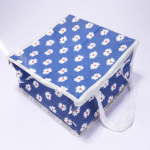
20 fabricant de glacières pour chaîne du froid d'un litre: Du volume nominal à l’expédition répétable
Un programme d'achat défendable pour 20 litre de chaîne du froid fabricant de glacières suit une séquence: définir le produit et la voie, convertir la taille nominale en une carte de chargement, sélectionnez le pack complet, examiner les preuves spécifiques à la configuration, lancer un projet pilote et verrouiller les contrôles de production. Cette séquence est conçue pour traiter vingt litres comme enveloppe de départ et calculer la charge utile utilisable après le liquide de refroidissement et les séparateurs tout en conservant l'approvisionnement., qualité, opérations et finance sur les mêmes faits.
Le cadre intégré ci-dessous traite chaque réclamation importante comme conditionnelle au 20 litre glacière à chaîne du froid, liquide de refroidissement, charge utile, profil ambiant et mode opératoire. Il établit également des barrières de changement afin qu'une substitution à moindre coût ou une révision de la production ne puisse pas éloigner silencieusement le produit livré des preuves utilisées pour l'approbation..
Créez une exigence d'expédition d'une page avant l'examen du fournisseur
La température cible doit être définie pour le produit réel. Pour les produits réfrigérés nécessitant un format nominal de vingt litres, le cahier des charges doit indiquer les limites du produit, exposition par voie, charge utile et la décision de réception avant le 20 une glacière de la chaîne du froid d'un litre est comparée. Une boîte décrite comme emballage chaîne du froid n'est pas automatiquement adapté à tous les produits réfrigérés, envoi congelé ou à température ambiante contrôlée. Définir la plage de température acceptable, règles d'excursion, sensibilité au gel, orientation de la charge utile et réception de la décision avant de demander aux fournisseurs de recommander une configuration. Sans ces limites, un devis ne peut décrire que le matériel, pas d'adéquation.
Cartographier l'itinéraire comme une séquence d'expositions plutôt que comme un seul temps de transit. Inclure le conditionnement et la mise en scène avant l'expédition, retards de chargement, remise du véhicule ou du fret aérien, séjour dans l'entrepôt, douane, livraison du dernier kilomètre et délai avant que le destinataire ouvre le colis. La durée maximale estimée doit inclure des perturbations réalistes, non seulement le temps de trajet prévu par le transporteur. Désigner un propriétaire pour approuver l'exigence avant le début des travaux de conception.
Enregistrez le résultat dans le bordereau d'expédition utilisé pour les marchandises réfrigérées nécessitant un format nominal de vingt litres.. Pour les produits réfrigérés nécessitant un format nominal de vingt litres, enregistrer également les dimensions de la charge utile, masse thermique, fragilité de l'emballage primaire, orientation requise et nombre de fois où le couvercle peut être ouvert. La taille nominale de 20 litres n'est pas la charge utile utilisable. Liquide de refroidissement, séparateurs, coussinets de protection, l'espace aérien et un enregistreur de données consomment du volume, et la géométrie restante peut avoir plus d'importance que les litres globaux.
Geler la configuration approuvée avant la mise à l'échelle
Un système passif à température contrôlée stocke l'énergie thermique dans le liquide de refroidissement et ralentit le transfert de chaleur avec l'isolation. Packs de gel, Packs PCM, briques de glace ou d'autres sources froides doivent être sélectionnées et conditionnées pour la plage cible. Leur placement, la quantité et la condition de départ sont importantes. Plus de liquide de refroidissement peut augmenter la capacité thermique, mais cela peut également réduire l'espace de charge utile, augmenter le poids du fret ou créer un risque de contact froid. Pour les produits réfrigérés nécessitant un format nominal de vingt litres, la source froide, séparateur, la charge utile et la position de l'enregistreur créent le pack de travail; l'enceinte vide ne.
Séparer le produit des sources froides lorsqu'un contact direct pourrait l'endommager, et maintenez le modèle de chargement stable avec des diviseurs ou un contrôle des vides. Publier un pack contrôlé et définir quelle modification nécessiterait un examen. Le bon séparateur n’est pas simplement une isolation supplémentaire; il doit éviter les points froids locaux sans bloquer le chemin du flux de chaleur prévu. Vérifiez l'effet en testant plutôt qu'en jugeant au toucher.
La surveillance devrait représenter un risque de charge utile. Un capteur contre le mur, au dessus d'un pack de liquide de refroidissement ou à l'intérieur d'une poche d'air vide peut signaler un extrême qui ne représente pas le produit, ou il peut manquer l'endroit où le réchauffement est le plus lent. Utiliser des études cartographiques pour sélectionner des postes, documenter le placement, protéger l'appareil des mouvements et définir la manière dont le récepteur télécharge, examine et fait remonter les données. Maintenir l'état de la source de froid et l'ordre de chargement cohérents avec les produits réfrigérés évalués qui nécessitent une configuration nominale de format de vingt litres..
| Porte d'approbation | Décision à prendre | Communiquer des preuves |
|---|---|---|
| Grille 1: exigences | Produit approuvé, dossier d'itinéraire et de charge utile pour les marchandises réfrigérées nécessitant un format nominal de vingt litres | Propriétaire nommé et entrée signée |
| Grille 2: choix de conception | Intention de production 20 glacière chaîne du froid d'un litre et emballage complet | Dessin, liste des composants et examen des risques |
| Grille 3: preuve | La configuration de test correspond aux spécifications commerciales | Protocole, données et rapport |
| Grille 4: pilote | Les opérateurs et les récepteurs peuvent exécuter le processus | Dossier d'essai, déviations et actions |
| Grille 5: mise à l'échelle | Les contrôles de production et les règles de changement restent connectés | Spécification de la version et révision continue |
Ce parcours d'approbation intègre les décisions commerciales et techniques pour le 20 fabricant de glacières pour chaîne du froid d'un litre; la profondeur de la porte doit rester proportionnelle au risque d'expédition.
Approuver la charge utile utilisable, pas l'étiquette de 20 litres
La taille nominale de 20 litres décrit normalement une enveloppe interne brute ou une classe de commercialisation., pas l'espace disponible pour le produit après la construction d'un emballage fonctionnel. Capacité pour le 20 une glacière d'un litre de la chaîne du froid doit être approuvée à partir d'une carte de chargement physique, pas uniquement à partir du volume du catalogue. Demander la longueur intérieure, largeur et hauteur aux points utilisables les plus étroits, y compris les intrusions dans le couvercle, murs effilés, passages de roues, poignées ou séparateurs. Créez ensuite une carte de chargement à l'échelle avec les packages principaux et le liquide de refroidissement réels..
La capacité utilisable a une dimension thermique. Le remplacement du produit par de l'air vide modifie la capacité thermique et le mouvement de l'air.; le suremballage peut bloquer l’exposition prévue au liquide de refroidissement ou écraser l’emballage primaire. La charge utile de test représentative doit correspondre à la livraison de production en termes de géométrie, masse et condition de départ aussi fidèles que possible. Une bouteille d'eau ou un bloc métallique peuvent être pratiques, mais il ne doit pas être traité comme équivalent sans justification. Publier la carte de chargement en tant que partie contrôlée de la spécification commerciale.
Conservez le plan de chargement approuvé avec le 20 spécification de la glacière de la chaîne du froid en litres. Pour distribution commerciale, confirmer si la charge utile est un grand assemblage, plusieurs cartons ou une commande mixte. Diviseurs, les fonctionnalités d'orientation et la visibilité des étiquettes peuvent améliorer la manipulation mais réduire la capacité. Le dessin approuvé doit montrer ce qui peut changer et ce qui est corrigé, car un petit changement de position du liquide de refroidissement ou de la charge utile peut affecter les résultats et la répétabilité du capteur.
Lier les conditions de test aux spécifications commerciales
Un rapport thermique utile identifie la révision exacte de la boîte, méthode de refroidissement et de conditionnement, charge utile ou simulant, emplacements des capteurs, profil ambiant, durée de l'essai, plage d'acceptation et résultat. Preuve pour le 20 une glacière pour chaîne du froid d'un litre n'a de sens que lorsque la révision testée et la configuration commerciale sont les mêmes. Sans ces détails, un temps de maintien indiqué ne peut pas être comparé équitablement. Demandez si le rapport représente un test de conception, un test de qualification, une vérification sur le terrain ou une démonstration marketing; chacun prend en charge un niveau de confiance différent.
Les profils thermiques standard peuvent prendre en charge la comparaison en laboratoire, mais ils ne reproduisent pas automatiquement les pires conditions sur une voie spécifique. Arrêt sur route, retards de douane, l’exposition saisonnière et les pratiques de transfert doivent encore être revues, et les programmes à haut risque peuvent nécessiter une qualification spécifique à la voie. ISTA 7E peut prendre en charge les tests et la comparaison de conteneurs d'expédition isolés, lors de l'utilisation avec Standard 20 ajoute un cadre de qualification et de documentation défini. Il est encore nécessaire de décider si un profil de parcelle standard correspond au mode et au risque réels.. Relier le rapport de test aux dessins, identités des composants et contrôles des achats.
Lier le rapport, les données brutes et la carte des capteurs sont exactes 20 révision de la glacière de la chaîne du froid d'un litre. Les exigences réglementaires et clients varient selon le produit, itinéraire et marché. Les acheteurs devraient traduire ces exigences en critères d'acceptation mesurables plutôt que de s'appuyer sur une déclaration de conformité générique.. L'équipement de surveillance de la température doit être adapté à la décision prise., maintenu et calibré selon le système qualité de l'organisation. Le fichier de données, base de temps, identité du capteur, les limites d'alarme et le dossier d'examen doivent être conservés lorsque la valeur de l'expédition ou le contexte réglementaire nécessite des preuves.
Une échelle de preuve pratique pour les fournisseurs
Un fabricant compétent devrait demander des détails sur l'itinéraire et la charge utile avant de promettre des performances. L'examen du fabricant doit clarifier ce qui est fourni, ce qui est seulement recommandé et ce qui reste de la responsabilité de qualification de l'acheteur. Un support utile peut inclure des dessins, descriptions des matériaux, listes de composants, exemples de suggestions d'emballage, explications des conditions de test, spécifications de production et communication de contrôle des modifications. La portée exacte varie, l'acheteur doit donc définir les livrables requis plutôt que de supposer que chaque fabricant fournit le même service d'ingénierie..
Outils de décision utiles
Vérifiez les détails avant de choisir l'emballage
Ces outils rapides peuvent vous aider à comparer le risque d'itinéraire, besoins de dimensionnement, choix de liquide de refroidissement, et les détails de l'emballage avant de demander un devis.
Sélecteur d'emballage
Comparez les options d'emballage isotherme par produit, itinéraire, et besoin de température.
Trouver un emballageGénérateur de liste de contrôle de conformité
Créer une liste de contrôle pratique pour l'examen des emballages, expédition, et documentation.
Construire une liste de contrôleCalculateur de glace carbonique
Estimer les besoins en glace carbonique pour les envois congelés ou ultra-froids avant l'emballage.
Estimation de la neige carboniqueDemander au fournisseur de distinguer les faits vérifiés des recommandations. Un dessin coté peut être vérifié directement. Une réclamation thermique a besoin de la charge utile, configuration du liquide de refroidissement, méthode de conditionnement, emplacements des capteurs, profil ambiant, limites d'acceptation et rapport d'essai. Une déclaration telle que « qualité pharmaceutique » n'est pas suffisante à moins qu'elle ne soit liée à un matériau défini., demande et document justificatif. Approuver le fournisseur sur les preuves de produit et la communication sur les changements continus.
Écrivez les limites de support convenues dans le dossier d'appel d'offres et d'approbation du fournisseur.. La question la plus révélatrice est souvent de savoir ce qui amènerait le fournisseur à rejeter sa propre recommandation.. Les réponses crédibles peuvent inclure un itinéraire indéfini, charge utile excessive, préconditionnement inadéquat, contact direct avec du liquide de refroidissement gelé, une durée requise au-delà des preuves disponibles, ou un produit chimique de nettoyage incompatible avec le matériau. Les limites montrent un jugement technique; les allégations d'adéquation universelle le cachent.
Connectez les commandes des fournisseurs aux commandes de l'opérateur
L'utilisation courante du 20 litre de glacière pour chaîne du froid dépend du conditionnement, assemblée, remettre, étapes de réception et d’inspection que les opérateurs peuvent répéter. Commencez avec un échantillon représentatif, pas une unité de salle d'exposition. Vérifier les dimensions, alignement du couvercle, force de verrouillage, contact de joint, défauts de surface, odeur, accès nettoyage, drainage si présent, adhérence des étiquettes et ajustement de chaque composant de l'emballage. Charger la charge utile réelle ou un équivalent justifié, puis exécutez le conditionnement planifié, processus de conditionnement et de suivi avec les opérateurs qui l'utiliseront.
L'instruction de travail doit définir le conditionnement du liquide de refroidissement, conditionnement des boîtes si nécessaire, ordre de chargement, position du séparateur, emplacement du capteur, contrôles de fermeture, placement d'étiquette, remettre, réception d'une inspection et d'une escalade des écarts. Utiliser des photographies ou des diagrammes lorsqu'ils réduisent l'ambiguïté. La formation doit inclure les mauvais assemblages courants afin que le personnel puisse les reconnaître, non seulement la séquence correcte. Fermez la boucle d’approbation grâce à la formation des opérateurs et à la réception de commentaires.
A la réception, inspecter l’état physique avant l’ouverture, capturer l'état de l'enregistreur, vérifier le sceau ou l'indicateur d'inviolabilité s'il est utilisé et enregistrer les séjours inhabituels ou les dommages. Rendre la procédure pratique pour les personnes qui font leurs valises, porter, nettoyer et recevoir la boîte. Une excursion de température est une décision de qualité, ce n'est pas une raison pour que l'exploitant de l'entrepôt devine. Les règles de quarantaine et de remontée d'informations doivent identifier qui examine les données., informations sur le produit et historique des expéditions.
Approuver la valeur via une vue globale du programme
Le coût commercial comprend plus que la boîte vide. Le modèle de coût pour le 20 Une glacière d'un litre pour chaîne du froid devrait séparer le travail ponctuel du projet des dépenses récurrentes d'emballage et d'exploitation.. Les éléments récurrents peuvent inclure le liquide de refroidissement, séparateurs, doublures, étiquettes, bûcherons de données, cartons extérieurs, palettisation, nettoyage, inspection, transport de retour, stockage et remplacement. Les coûts ponctuels ou de projet peuvent inclure des travaux de conception, outillage, échantillons, dessins, moules, montages d'essai, études thermiques, documentation qualité et cycles de qualification. Demandez au fournisseur de séparer ces catégories.
Un boîtier moins cher peut entraîner un coût de programme plus élevé lorsqu'il utilise plus de liquide de refroidissement, réduit la charge utile, arrive de manière incohérente, pauses lors de la manipulation ou nécessite plus de temps de l'opérateur. Inversement, une construction plus coûteuse n’est pas automatiquement meilleure si le trajet est court, aller simple et faible risque. Comparez les options avec la même charge utile, profil ambiant, cycle de manipulation et critères d’acceptation. Utiliser des barrières de coûts afin que les changements commerciaux tardifs n'invalident pas le travail technique.
Normalisez les cotations avant de comparer la valeur totale du 20 litre de glacière pour chaîne du froid. Pour les programmes réutilisables, calculer le coût par achèvement, expédition acceptable plutôt que coût par boîte. Inclure le taux de retour, perte, travail de nettoyage, inspection, réparation, stockage, repositionnement et départ à la retraite. Les allégations de durabilité doivent utiliser la même limite du système. Un conteneur durable qui est rarement retourné ou transporté de manière inefficace peut ne pas apporter les avantages financiers ou environnementaux escomptés..
Questions fréquemment posées
Quelles sont les principales portes d’approbation pour 20 Approvisionnement d'un fabricant de glacières pour chaîne du froid en litres?
Utilisez des portes séparées pour les exigences en matière de produits et d'itinéraires, sélection de conception, examen des preuves, exécution pilote et sortie de production. Chaque portail doit identifier le propriétaire, exact 20 configuration de glacière pour chaîne du froid en litres, dossier requis et risque non résolu. Cela empêche le progrès commercial d’aller plus vite que l’approbation technique..
Comment le pack testé peut-il rester connecté au pack acheté 20 glacière chaîne du froid d'un litre pour les produits réfrigérés nécessitant un format nominal de vingt litres?
Lier le rapport de test aux dessins contrôlés par révision, nomenclature, spécification de source froide, chargement de la carte et des contrôles de production pour le 20 litre de glacière pour chaîne du froid. Les bons de commande et les plans d'inspection pour les produits réfrigérés nécessitant un format nominal de vingt litres doivent faire référence à la même configuration.. Toute substitution ou changement de processus doit être évalué avant acceptation.
Que devrait démontrer un projet pilote avant la mise à l’échelle?
Le pilote doit montrer que les opérateurs peuvent conditionner les composants, assembler le pack, charger la charge utile, placer l'enregistreur, ferme la boîte, gérer les transferts et effectuer l'examen de réception des produits réfrigérés qui nécessitent un format nominal de vingt litres. Enregistrez les écarts et convertissez les leçons en instructions contrôlées avant la production de routine.
Comment approuver le plan de chargement d'un carton de 20 litres?
Afficher l'orientation exacte du produit, sources froides, séparateurs, pièces de contrôle du vide et position du capteur, en utilisant l'intention de production 20 litre de glacière pour chaîne du froid. Liez le dessin à la nomenclature et au rapport de test. Changements qui modifient la masse de la charge utile, l'espacement ou le contact avec une source froide doivent faire l'objet d'un examen des risques avant une utilisation de routine.
Quelle est la décision commerciale finale pour le 20 litre de glacière chaîne du froid après agrément technique?
Normaliser la configuration, portée du service, preuve, base d'emballage et de livraison, puis comparez la valeur totale du programme. Sélectionnez le fabricant qui peut fournir le produit approuvé 20 litre de glacière sous chaîne du froid de manière constante, communiquer les changements et soutenir le modèle opérationnel sans étendre les réclamations au-delà des preuves disponibles.
Conclusion
Le parcours d’approbation intégré pour 20 Le fabricant de glacières pour chaîne du froid en litres est séquentiel: définir les limites des produits et des itinéraires, construire la carte de chargement, choisissez le pack complet, examiner les preuves, exécuter un pilote, verrouiller les contrôles de production et surveiller l’utilisation courante. Chaque porte doit préserver le lien entre spécifications commerciales et performances techniques.
Traitez chaque réclamation importante comme spécifique à la configuration et chaque matériau, processus, charge utile ou changement d'itinéraire comme raison d'examiner le risque. Cette discipline rend le 20 litre de glacière pour chaîne du froid plus facile à former, audit, évoluer et s’améliorer sans s’appuyer sur des affirmations universelles non étayées.
À propos du tempk
Tempk aide les acheteurs à passer d'un briefing d'itinéraire et de charge utile à un briefing plus précis. 20 Échantillon de glacière pour chaîne du froid d'un litre et spécifications commerciales. Sa portée de produits comprend glacières médicales, Formats refroidisseurs EPP et VIP, sources de froid à gel et à changement de phase, sacs et doublures isothermes, et protection thermique au niveau des palettes. La discussion utile commence par la condition cible, géométrie de la charge utile, itinéraire, méthode d'emballage, modèle de nettoyage ou de retour et les preuves requises avant la mise à l’échelle. Pour ça 20 Projet de fabricant de glacières pour chaîne du froid d'un litre, toute recommandation finale doit toujours être confirmée par rapport aux limites de produits du client, conditions de test et processus qualité.
Envoyez à Tempk le 20 carte de chargement des glacières de la chaîne du froid en litres, acheminer les hypothèses et les documents requis pour établir un examen plus précis de l'échantillon à la production.