Sélection d'un 25 Fabricant de glacières industrielles en litres: Un guide des exigences en matière de preuves
La manière la plus utile de sélectionner un 25 litre fabricant de glacières industrielles consiste à passer par une séquence allant de l'exigence à la preuve. Définir d’abord le besoin en produit et en température. Modélisez ensuite la charge utile et l'espace du liquide de refroidissement, cartographier l'itinéraire et gérer les risques, sélectionner une construction, et décider quels tests ou quels documents doivent appuyer l'approbation. Cette séquence maintient les discussions commerciales ancrées dans l'application plutôt que dans de larges affirmations sur les litres., isolation, durée, ou le prix.
Pour le service technique, échantillons industriels, entretien mobile, opérations alimentaires, et une logistique courte distance maîtrisée, approvisionnement, opérations, ingénierie, et les équipes qualité doivent travailler à partir du même brief contrôlé. Une glacière industrielle protège du transfert de chaleur; il n'établit pas de condition de température validée sans un système de refroidissement et de garniture défini. Les sections ci-dessous combinent l'acheteur, ingénierie, opérationnel, et les perspectives de contrôle des fournisseurs dans un seul chemin de décision, se terminant par des contrôles de mise en œuvre qui aident l'échantillon approuvé à rester représentatif de la production et de l'utilisation réelle.
| Réponse décisionnelle: Sélectionnez la glacière industrielle uniquement après avoir confirmé la charge utile, géométrie utilisable, exigence de température, itinéraire, liquide de refroidissement, manutention, preuve, et contrôles de production. Une glacière industrielle protège du transfert de chaleur; il n'établit pas de condition de température validée sans un système de refroidissement et de garniture défini. |
|---|
Passer du besoin à la preuve dans une séquence contrôlée
Une décision contrôlée peut être organisée en quatre portes. La première porte définit le produit et la condition requise. La porte deux confirme que la charge utile, liquide de refroidissement, géométrie interne, manutention, et l'itinéraire correspond à la boîte proposée. La troisième porte évalue les preuves, y compris les dessins, données matérielles, rapports de tests, contrôles de fabrication, et limites d'application. La porte quatre approuve la mise en œuvre, y compris les instructions, surveillance, recevoir, changer de contrôle, et responsabilités des fournisseurs. Un projet ne doit pas avancer simplement parce qu’une porte semble solide tandis qu’une autre reste indéfinie..
Les portes créent également une propriété utile. Les opérations peuvent définir l'itinéraire et la méthode de travail; l'ingénierie peut revoir la géométrie, matériels, et modes de défaillance; la qualité peut établir des règles de preuve et d'écart; les achats peuvent comparer la portée et les conditions commerciales. Pour les acheteurs industriels, distributeurs, responsables des opérations, et équipes d'approvisionnement OEM, cette structure partagée réduit les clarifications répétées et rend les citations comparables. Il montre également quand une demande est encore un concept plutôt qu'une spécification prête à l'achat.. Le dossier d'approbation final doit montrer ce qui a été confirmé, par qui, en utilisant quelles preuves, et pour quelle limite d'application.
- Grille 1 - Produit, état de température, sensibilité, et conséquence de l'échec
- Grille 2 – Enveloppe de charge utile, liquide de refroidissement, itinéraire, manutention, hygiène, et l'adéquation de l'utilisateur
- Grille 3 – Matériaux, dessins, essais, contrôles de qualité, et les limites indiquées
- Grille 4 - Pilote, instructions, surveillance, recevoir, changer de contrôle, et approbation du lancement
Commencez par une exigence utilisateur claire
Rédigez une exigence utilisateur qu'une autre équipe pourrait appliquer sans entendre la discussion commerciale initiale. Identifiez la charge utile, conditionnement, état initial, condition de température requise, durée maximale, indemnité de retard, exposition ambiante, ouvertures, véhicule ou transporteur, manutention, nettoyage, et recevoir la décision. Pour le service technique, échantillons industriels, entretien mobile, opérations alimentaires, et une logistique courte distance maîtrisée, indiquer également les conséquences d'une panne et si l'envoi peut être remplacé, mis en quarantaine, ou enquête sans perturbation majeure.
Transformez l’objectif principal – fournir un conteneur isotherme compact mais robuste avec une géométrie prévisible et une qualité de production reproductible – en points d’acceptation mesurables. Fonctions distinctes fournies par le conteneur physique de celles fournies par le liquide de refroidissement, surveillance, instructions de travail, le transporteur, et recevoir. Attribuez ensuite des propriétaires aux hypothèses non résolues.. Une exigence contrôlée de l'utilisateur évite que l'approbation finale ne dépende de phrases vagues telles que durable, médical, qualité alimentaire, étanche, longue durée, ou adapté à la chaîne du froid.
- Charge utile définie, conditionnement, quantité, masse, et conditions de température
- Voie normale plus retard, saisonnier, ouverture, et hypothèses de transfert
- Composants d'emballage, conditionnement, placement, et configuration chargée
- Manutention, retenue, hygiène, étiquettes, surveillance, et recevoir des décisions
- Dessins requis, preuve de test, contrôles de production, et changer de propriétaire
Comblez les lacunes d’approbation spécifiques à l’application
Le dossier d'approbation doit résoudre les risques spécifiques au projet avant la sortie commerciale: achat en litres nominaux, sous-estimer le poids chargé, choisir une construction fragile, et accepter des murs ou des joints de production incohérents. Il doit également indiquer comment la configuration proposée fournira un conteneur isolé compact mais robuste avec une géométrie prévisible et une qualité de production reproductible.. Ce ne sont pas des commentaires de fond; ce sont des exigences qui ont besoin d'un propriétaire, preuve, et une décision d'acceptation. Lorsqu'une condition ne peut pas encore être prouvée, le dossier doit identifier le test restant, pilote, ou une action de qualité.
Utiliser une matrice d'application qui relie le comportement d'impact, contrôle de la densité de la mousse, consistance des murs moulés, ajustement du couvercle, conception de charnière, et gestion des ponts thermiques avec le tracé, manutention, hygiène, surveillance, et contrôles des fournisseurs. Incluez les trois points décisifs: Vérifiez la position de levage chargée et le dégagement des poignées dans le véhicule et sur le lieu de travail réels.. Inspecter l'épaisseur des coins, fixation de charnière, alignement du couvercle, et compression des joints sur des échantillons de production. Définir si la boîte est destinée à une manipulation réfrigérée générale ou à une application documentée à température contrôlée. Le choix final doit pouvoir être expliqué aux responsables des achats, qualité, opérations, et le fournisseur sans s'appuyer sur une présentation commerciale ou une mémoire personnelle.
Convertir le volume nominal en espace utilisable
Convertir la description du catalogue en une enveloppe de charge utile contrôlée. Demander une longueur interne claire, largeur, et la hauteur aux points où se trouve réellement la charge utile, puis placez le liquide de refroidissement prévu, séparateurs, supports, moniteur, et produit dans un dessin ou un essai physique. Une capacité de 25 litres décrit l'espace nominal; il n'indique pas combien d'unités vendables, cartons de vaccins, spécimens, ou les paquets de produits laitiers peuvent être chargés sans perturber l'arrangement approuvé.
L'approbation doit couvrir l'empreinte externe et la masse chargée ainsi que l'ajustement interne. Le conteneur proposé doit entrer dans le véhicule, passer les portes, asseyez-vous en toute sécurité, permettre au couvercle de se fermer sans compression, et restent gérables à la livraison. Où les packs d'été et d'hiver diffèrent, documenter les deux. La spécification acceptée doit indiquer la charge utile utilisable pour la configuration définie et identifier toute tolérance dimensionnelle qui pourrait modifier l'emballage., retenue, ou performances thermiques.
| Porte de décision | Confirmation spécifique au projet | Preuve acceptable | Propriétaire |
|---|---|---|---|
| Exigence du produit | Livrer un conteneur isotherme compact mais robuste avec une géométrie prévisible et une qualité de production reproductible | Exigences des utilisateurs approuvées et informations sur le produit | Équipes produit et qualité |
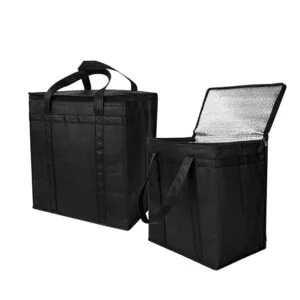
| Aptitude physique et opérationnelle | 25-litre; transport ergonomique, empreinte stable, sécurité de fermeture, résistance à l'abrasion, et dispositif de retenue du véhicule en option | Dessin d'emballage, exemple d'essai, observation d'itinéraire, et revue de nettoyage | Ingénierie et opérations |
| Limite de performances | Une glacière industrielle protège du transfert de chaleur; il n'établit pas de condition de température validée sans un système de refroidissement et de garniture défini. | Thermique traçable, mécanique, surveillance, et les preuves de candidature | Ingénierie et qualité |
| Contrôle des fournisseurs | Dessins, spécifications de résine et d'isolation, échantillons dimensionnels, méthodes de test de chute ou de manipulation, et les dossiers d'inspection des lots | Plan de contrôle, enregistrements, éléments probants, et modifier l'accord | Approvisionnement et qualité |
| Mise en œuvre | Inspecter l'épaisseur des coins, fixation de charnière, alignement du couvercle, et compression des joints sur des échantillons de production. | Pilote agréé, instructions, entraînement, recevoir, et plan d'escalade | Opérations et qualité |
| Décision relative au cycle de vie | allocation d'outillage, matériels, quantité commandée, efficacité du fret, remplacement des dommages, et adéquation opérationnelle; construction durable, matériel remplaçable, emboîtement ou empilage efficace, et en évitant des charges de liquide de refroidissement surdimensionnées | Analyse de rentabilisation comparable et évaluation périodique des performances | Achats et opérations |
La taille compacte ne supprime pas les exigences industrielles
Le dossier d'approbation doit combler trois lacunes spécifiques à l'application avant que le projet ne passe à la production ou au lancement..
- Exigence d'approbation: Vérifiez la position de levage chargée et le dégagement des poignées dans le véhicule et sur le lieu de travail réels..
- Exigence d'approbation: Inspecter l'épaisseur des coins, fixation de charnière, alignement du couvercle, et compression des joints sur des échantillons de production.
- Exigence d'approbation: Définir si la boîte est destinée à une manipulation réfrigérée générale ou à une application documentée à température contrôlée.
Attribuez un propriétaire et des preuves à l’appui à chaque exigence. Si l'on reste incertain, conservez-le comme un élément d'approbation ouvert plutôt que de cacher l'incertitude dans une vaste réclamation du fournisseur.
Définir les performances de température avec les conditions associées
Convertissez les réclamations thermiques en déclarations d'approbation avec des conditions attachées. La spécification doit identifier la gamme de produits requise, révision du pack, plage de charge utile, liquide de refroidissement et conditionnement, profil ambiant, durée et marge de retard, ouvertures, plan de capteur, et critère d'acceptation. Où différentes saisons utilisent différents emballages, approuver chaque configuration explicitement plutôt que de les traiter comme des ajustements informels de l'opérateur.
Créer une échelle de preuves. Commencez par des calculs de conception ou une comparaison de développement, passer aux tests de laboratoire représentatifs, ajouter une qualification de voie lorsque le risque l'exige, et utiliser la surveillance opérationnelle pour vérifier l'utilisation contrôlée. Chaque étape répond à une question différente. L'approbation doit être basée sur le niveau qui correspond à la valeur du produit, sensibilité, contexte réglementaire, récupérabilité, et la variabilité des itinéraires, pas sur le nom de certificat le plus impressionnant dans une proposition.
L’approvisionnement doit tester le processus du fournisseur
Évaluer le fabricant proposé par rapport aux exigences approuvées, pas contre un questionnaire fournisseur générique. Confirmez si l'offre couvre uniquement la boîte ou une portée plus large incluant le liquide de refroidissement, inserts, dessins d'emballage, essai, aide à la qualification, surveillance, étiquettes, des pièces de rechange, entraînement, et aide à la déviation. Demander des dessins, spécifications de résine et d'isolation, échantillons dimensionnels, méthodes de test de chute ou de manipulation, et les dossiers d'inspection des lots. Chaque réclamation importante doit pointer vers un document contrôlé, échantillon, condition d'essai, ou contrôle de production.
Compléter ensemble les due diligences commerciales et qualité. Examiner les sources de matériaux approuvées, processus critiques, dossiers d'inspection, étalonnage, entretien des outillages, non-conformité, action corrective, composants sous-traités, et notification de modifications techniques. Convenez à qui appartient les dessins, moules, révisions du produit, enregistrements, et retester les décisions. Un fournisseur est prêt à être approuvé lorsqu'il peut recréer la configuration acceptée et expliquer comment les modifications seront évaluées avant qu'elles n'atteignent une expédition..
Outils de décision utiles
Vérifiez les détails avant de choisir l'emballage
Ces outils rapides peuvent vous aider à comparer le risque d'itinéraire, besoins de dimensionnement, choix de liquide de refroidissement, et les détails de l'emballage avant de demander un devis.
Sélecteur d'emballage
Comparez les options d'emballage isotherme par produit, itinéraire, et besoin de température.
Trouver un emballageGénérateur de liste de contrôle de conformité
Créer une liste de contrôle pratique pour l'examen des emballages, expédition, et documentation.
Construire une liste de contrôleCalculateur de glace carbonique
Estimer les besoins en glace carbonique pour les envois congelés ou ultra-froids avant l'emballage.
Estimation de la neige carbonique- Etendue de la livraison, documentation, essai, qualification, et un soutien
- Spécification contrôlée, échantillon approuvé, nomenclature, et lien de révision
- Processus critiques, inspections, enregistrements, étalonnage, et actions correctives
- Contrôle des sous-traitants, entretien des outillages, substitutions, et notification de changement
- Responsabilité commerciale des défauts, retravailler, des pièces de rechange, et commandes futures
Créer une échelle de preuves pour la décision
Organiser les preuves d'approbation en fonction de la décision qu'elles soutiennent. Les dessins et les enregistrements de matériaux établissent ce qu'est le produit. Les tests mécaniques portent sur la manipulation et la contention. Les tests de développement thermique comparent les conceptions. La qualification teste un emballage défini par rapport à une exigence approuvée. La surveillance des itinéraires montre comment la méthode contrôlée se comporte en cas de variabilité opérationnelle. Le dossier d'approbation doit identifier quel niveau est requis et pourquoi, plutôt que d'accepter une collection de rapports sans rapport.
Avant de se fier à un rapport, comparer la version testée, charge utile, liquide de refroidissement, conditionnement, températures initiales, profil ambiant, durée, ouvertures, orientation, capteurs, critères d'acceptation, et écarts par rapport à l'utilisation prévue. Enregistrer les lacunes et décider si elles sont acceptables, nécessiter une analyse, ou nécessiter des tests supplémentaires. Un nom de rapport ou une déclaration de réussite ne suffit pas. La conclusion étayée doit rester traçable à la configuration que les achats et la production achèteront réellement.
Pilote, Approuver, Lancement, et examen
La mise en œuvre doit passer d'un échantillon représentatif à un pilote contrôlé avant la production complète ou le lancement de la route.. Confirmer la nomenclature exacte, dessins, couleurs, marques, accessoires, conditionnement, et les instructions. Utilisez le pilote pour tester le temps d'emballage, erreurs de l'utilisateur, ergonomie chargée, ajustement du véhicule, retenue, nettoyage, surveillance, et recevoir. Pour une application à température contrôlée, vérifier que le pilote suit la configuration prévue du liquide de refroidissement et de la charge utile plutôt qu'une configuration de démonstration plus simple.
Après approbation, geler la spécification critique et définir le contrôle des modifications. Former les emballeurs, conducteurs, courants, nettoyants, et les récepteurs sur les parties du processus qui leur appartiennent. Établir un examen de la première production et surveiller les premières expéditions pour déceler les problèmes récurrents. Un lancement doit inclure des contacts d'escalade et une méthode de séparation des boîtes ou des composants suspects. Un examen périodique peut entraîner des dommages, déviation, retour, nettoyage, et des données de température pour affiner le système sans affaiblir la limite qualifiée ou approuvée.
Construire un modèle de coûts autour du risque et de l'utilisation
Élaborez une analyse de rentabilisation ajustée au risque avec des, récurrent, et les coûts d'échec séparés. Les éléments ponctuels peuvent inclure du design, outillage, échantillons, validation, et lancer. Les éléments récurrents peuvent inclure des unités, liquide de refroidissement, surveillance, travail, nettoyage, fret, inspection, stockage, et remplacement. Les coûts d'échec peuvent inclure la rétention du produit, réexpédition, enquête sur les écarts, perturbation des clients, et perte de capacité de route. Utiliser des données de projet ou des hypothèses clairement identifiées plutôt qu'un pourcentage d'économies générique.
Comparez les alternatives sur le même périmètre approuvé. Un prix unitaire inférieur n’est pas un coût inférieur si l’espace utilisable est faible, le cube de fret est élevé, le travail d'emballage est lent, ou les évasions de qualité sont fréquentes. Une conception techniquement plus solide n’est pas automatiquement meilleure si elle ajoute des coûts sans prendre en compte le risque lié à l’itinéraire.. L'équipe d'approbation doit documenter le compromis qu'elle accepte et la mesure opérationnelle qui montrera si la valeur attendue est atteinte..
Application du chemin de décision à un projet typique
Appliquer le chemin de décision complet à un projet typique. Une organisation de services souhaite une boîte de vingt-cinq litres pouvant être placée derrière un siège de véhicule et pouvant être transportée dans une usine., Pourtant, la forme de la charge utile et la disposition de la banquise laissent moins d'espace utilisable que prévu.. L'équipe interfonctionnelle approuve d'abord les besoins de l'utilisateur, confirme ensuite l'adéquation de la charge utile et du liquide de refroidissement avec un échantillon physique. Il enregistre la manipulation chargée, exposition par voie, hygiène, surveillance, et recevoir les besoins avant de sélectionner le niveau de preuve et la portée commerciale.
Le fabricant choisi fournit des dessins contrôlés, matériels, rapports de tests, et un lot pilote. L'approvisionnement compare le devis à la portée approuvée; contrôles de qualité contrôle des modifications et critères d'acceptation; les opérations exécutent le pilote avec des utilisateurs normaux. Le lancement n'a lieu qu'une fois que les lacunes non résolues ont des propriétaires et des dates. Le dossier final relie l'exigence, configuration, preuve, instructions, et la version de production afin que les changements futurs puissent être évalués de manière cohérente.
Questions finales sur l'approvisionnement
Ce qui doit être approuvé avant que le bon de commande soit émis?
Approuver le besoin de l'utilisateur, révision du produit, dimensions internes et externes, matériels, composants d'emballage, base de test ou de qualification, critères d'inspection critiques, étiquettes, conditionnement, documentation, portée commerciale, et responsabilités en matière de contrôle des changements. Pour une utilisation sensible à la température, approuver également la charge utile, conditionnement du liquide de refroidissement, hypothèses ambiantes et de durée, plan de capteur, mode d'emploi, critères de réception, et limitations non résolues.
Comment un échantillon approuvé reste-t-il cohérent avec la production?
Lier l'échantillon aux dessins contrôlés, nomenclature, sources de matériaux approuvées, paramètres de processus, dimensions critiques, méthodes d'inspection, et un lot pilote. Conserver un échantillon de référence lorsque cela est utile, mais ne vous fiez pas uniquement à l'apparence. Le fournisseur doit informer l'acheteur avant toute modification de l'outillage, résine, isolation, matériel, joint, insérer, liquide de refroidissement, sous-traitant, processus, ou un emballage qui pourrait affecter le fonctionnement.
À qui appartiennent les décisions de qualification et de conformité?
La responsabilité doit être attribuée dans l’accord de projet. Le fournisseur peut fournir des données produit précises, échantillons, rapports, et support technique; l'acheteur définit normalement les limites du produit, voie, critères d'acceptation, système de qualité, et obligations de marché applicables. Un fabricant sous contrat ou un laboratoire d'essais peut effectuer des travaux, mais cela ne supprime pas la nécessité pour le propriétaire du produit et l'équipe qualité d'approuver l'adéquation.
Quand une conception personnalisée est-elle justifiée?
La personnalisation est justifiée lorsqu'un produit standard ne peut pas répondre à la géométrie critique de la charge utile, capacité utilisable, retenue, nettoyage, marque, itinéraire, accessoire, ou besoins opérationnels. Comparez la valeur avec l'outillage, temps de développement, Quantité minimale de commande, changement de risque, exigences des tests, des pièces de rechange, et révisions futures. Une forme personnalisée doit répondre à une exigence documentée plutôt que d'ajouter une complexité qui peut être gérée avec une insertion ou un changement de processus..
Quelle est la limitation la plus importante d'une glacière industrielle?
Une glacière industrielle protège du transfert de chaleur; il n'établit pas de condition de température validée sans un système de refroidissement et de garniture défini. L'acheteur doit donc éviter de traiter une étiquette de capacité, nom du matériau, ou durée générique comme déclaration de performance complète. Confirmez la charge utile, liquide de refroidissement, itinéraire, ouvertures, exposition ambiante, manutention, surveillance, conditions d'essai, et réception d'une décision définissant l'utilisation prévue.
Conclusion: Approuvez un système que vous pouvez expliquer et répéter
Un adapté 25 Le fabricant de glacières industrielles d'un litre est le résultat d'une spécification disciplinée plutôt que d'une seule caractéristique.. La décision la plus fiable connecte la charge utile, état de température, itinéraire, espace utilisable, construction, liquide de refroidissement, manutention, hygiène, preuve, contrôle de production, et propriété opérationnelle. Quand ces éléments sont explicites, les achats peuvent comparer les offres de manière équitable et les opérations peuvent répéter la méthode approuvée sans s'appuyer sur la mémoire ou sur un langage commercial large.
- Commencez par le produit et la voie, puis confirmez la forme physique et l'emballage.
- Faites correspondre les preuves requises au risque et à la limite de l'application.
- Approuver les contrôles des fournisseurs, mise en œuvre, surveillance, et conduite du changement ensemble.
- Maintenir un lien traçable entre l'exigence, la preuve et les instructions d'utilisation.
À propos du tempk
Tempk est une société basée à Shanghai emballage chaîne du froid société établie en 2011. Sa gamme présentée publiquement comprend du gel et blocs de glace à base d'eau, PPE et plastique boîtes isolées, solutions isolées sous vide, sacs isolés et doublures, couvertures de palettes, et produits de surveillance de la température. Pour un projet, Tempk peut examiner le type de produit, condition de température requise, charge utile, itinéraire, saison, manutention, et processus de réception avant de discuter d'une configuration standard ou personnalisée. L’adéquation finale dépend toujours de l’examen de la demande par l’acheteur, essai, qualification, et contrôles opérationnels.
Préparer une enquête utile
Discutez du produit prévu, liquide de refroidissement, itinéraire, saison, surveillance, et processus de réception avec Tempk avant de passer de l'échantillon à la production.