Comment les packs de glace carbonique en Asie améliorent la logistique de la chaîne du froid en 2025?
L’expédition de marchandises sensibles à la température dans de vastes et diverses régions asiatiques nécessite bien plus que de la glace : cela nécessite des solutions de refroidissement puissantes., durable et conforme. Asia dry ice packs answer that challenge by keeping products cold for up to 96 heures tout en s'alignant sur les réglementations internationales comme IATA PI954. Alors que le marché des emballages réutilisables pour la chaîne du froid devrait croître d’USD 4.97 milliards en 2025 en USD 9.13 milliards 2034, comprendre ces packs n'a jamais été aussi important. Dans ce guide, vous apprendrez comment ils fonctionnent, comment les dimensionner correctement et comment les dernières innovations changent la logistique de la chaîne du froid.
Que sont les packs de glace sèche en Asie et en quoi diffèrent-ils des méthodes de refroidissement traditionnelles? Comprendre leur composition et pourquoi ils durent plus longtemps que les packs de gel.
Comment dimensionner et utiliser les packs de glace carbonique Asie pour 24, 48 et expéditions en 72 heures? Apprenez les formules et les stratégies de placement pour assurer la sécurité des marchandises.
Which safety rules and regulations apply to shipping dry ice in Asia? Discover IATA PI954 requirements and best practices from industry experts.
Que sont les 2025 trends and innovations in Asia’s cold chain market? Explorez les capteurs IoT, Logistique basée sur l'IA et matériaux durables.
What are Asia dry ice packs and why are they essential?
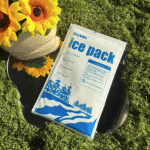
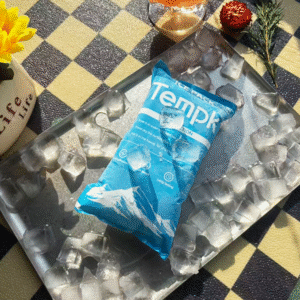
Asia dry ice packs sont flexibles, reusable sheets that provide ultra cold temperatures by harnessing the sublimation of frozen carbon dioxide. Their design combines a permeable membrane, absorbent polymer core and composite film to hold water, freeze quickly and release cold steadily. Unlike traditional ice or gel packs that melt and leave residue, la neige carbonique se sublime directement en gaz CO₂, preventing mess and maintaining product integrity. These packs can stay cold for up to 96 heures et sont réutilisables, making them cost effective and sustainable.
Their appeal lies in several key advantages:
Durée de refroidissement prolongée: Dry ice packs maintain extremely low temperatures for longer periods, preserving vaccines, seafood and other sensitive items.
Reusability and eco friendliness: Because they can be rehydrated and frozen repeatedly, they reduce waste compared with single use ice packs.
Conformité réglementaire: High quality Asia dry ice packs meet international standards like IATA PI954 and DOT §173.217, ensuring safe transport on aircraft and over land.
Customizable and flexible: Multi grid designs allow cutting along seams to create custom sizes, making them ideal for irregularly shaped shipments.
Explication élargie
À la base, Asia dry ice packs use superabsorbent polymers that soak up water before freezing. Lorsqu'il est placé au congélateur, the water freezes and the polymer structure holds it in place, delivering a stable cold release during transit. The outer membrane is often a tissu non tissé or permeable film that allows gas to escape as the dry ice sublimates while preventing leaks. Many products incorporate matériau à changement de phase (PCM) granulés inside each cell, enabling them to maintain subzero temperatures yet remain flexible. These cells can be arranged in 9 , 12 or 24 cell sheets.
Because the packs are thin when dry and expand after hydration, they take up minimal space in warehouses and reduce shipping weight. Eco conscious manufacturers use biodegradable outer bags and non toxic materials that pass acute oral toxicity tests. Some packs even allow you to cut along perforated seams without breaking the integrity of neighboring cells, perfect for customizing for irregular packages like sushi trays or pharmaceuticals. These features make Asia dry ice packs indispensable for modern cold chain operations.
How Asia dry ice pack sheets work and what sets them apart
Une fois hydraté, Asia dry ice pack sheets are stored in freezers set about 10 °C lower than the PCM freezing point. The water inside each cell freezes solid, forming glace carbonique (co₂ solide) when placed at extremely low temperatures. When the pack is later exposed to ambient conditions, the dry ice sublimates directly to gas, absorbing latent heat and keeping surrounding products cold. Parce qu'il n'y a pas de phase liquide, they leave no water behind, reducing risk for moisture sensitive electronics or pharmaceuticals.
Another distinguishing feature is their versatilité. You can fold, wrap or layer these sheets around products, and they’re safe for direct contact with food thanks to non toxic materials. Multi cell structures distribute cold evenly and maintain structural integrity even if one cell ruptures. Par rapport aux packs de gel, which typically keep temperatures between 0 °C and 10 °C, dry ice packs achieve temperatures down to –78.5 °C. They outlast gel packs (often less than 24 heures) by sustaining cold for up to 96 heures, making them ideal for long distance shipments across Asia.
| Solution de refroidissement | Plage de température | Durée | Réutilisabilité | Exemple d'utilisation |
| Asia Dry Ice Packs | –78.5 °C for up to 96 heures | 3–4 jours | Oui | Vaccins, fruits de mer gelés, biologique |
| Packs de gel | 0–10 °C | < 24 heures | Yes but less durable | Produits frais, fleurs |
| Eutectic Plates | –25 °C à 0 °C depending on PCM | 24–48 heures | Réutilisable | Glace, laitier |
| Azote liquide | –196 °C | Varie | Usage unique | Cryogenics, échantillons biologiques |
| Insulated Quilts | Maintains ambient temperature | Varie | Réutilisable | Protecting against external heat |
User tips and practical guidance
Shipping vaccines across borders: For long distance shipments to remote Asian clinics, wrap vials with two layers of Asia dry ice packs and place them inside an insulated cooler. Calculer 1.2 kilograms of dry ice pack per kilogram of product for 48 hour transit.
Delivering seafood in tropical climates: Place a sheet under and over the fish to create a sandwich, then surround the package with more packs on all sides. Utiliser 1.5 kg per kg of seafood for 72 hour journeys and choose packs with biodegradable liners to reduce waste.
Sending electronics or lab samples: For humidity sensitive items, insert a barrier film around the product and then wrap with a dry ice sheet. The sublimation prevents condensation, and the low weight keeps shipping costs down.
Cas pratique: A Japanese sushi exporter shipping sashimi to Singapore used customized Asia dry ice pack sheets to wrap each tray and line the shipping box. The packs’ 96 hour cooling capacity ensured the fish arrived fresh despite a 60 hour transit, Réduire la détérioration de 90 % compared with gel packs and cutting packaging waste thanks to reusable materials.
How to size and use Asia dry ice packs for different shipping durations?
Sizing your dry ice packs correctly is critical for maintaining the required temperature without wasting resources. An effective rule of thumb is a 1:1 rapport de poids—one kilogram of dry ice pack per kilogram of product—for shipments up to 24 heures. For longer trips or hotter climates, you should increase this ratio accordingly.
Réponse directe et lignes directrices
Pour les expéditions en 24 heures, un 1:1 ratio provides sufficient cooling for most frozen items. Pour 48 heures, increase to approximately 1.2:1 by weight to account for higher sublimation rates. Pour 72 heures ou plus, un 1.5:1 le rapport est recommandé, especially in tropical regions where ambient temperatures accelerate CO₂ loss. Always pre chill both the product and the packs to maximize efficiency. Place packs above, below and around the items to ensure even cooling.
Explication élargie
Proper placement enhances performance. Top loaded layout: Place most of the dry ice packs on top of the product; puits d'air froid, so this setup is efficient for relatively short shipments. Disposition Surround: Encircle the cargo with dry ice sheets on all sides; this is ideal for fragile items that require uniform temperature. Disposition hybride: Combine top and surrounding strategies for maximum security during long journeys. Par exemple, a vaccine shipment from China to India might use a hybrid layout with 1.5 kg of dry ice packs per kg of vaccines to maintain –20 °C for 72 heures.
Temperature requirements also vary by product. Frozen seafood typically needs temperatures below –18 °C, while vaccines like mRNA require –20 °C or colder. Use loggers or IoT sensors to monitor temperature in real time. In multi modal shipments (route, air et mer), factor in potential delays and ambient temperature variations. Packaging with reflective insulation and vacuum panels further slows sublimation.
Recommended ratios and layouts
| Durée | Dry ice pack weight per kilogram of product | Recommended layout | Cas d'utilisation |
| Jusqu'à 24 heures | 1:1 | Top loaded or surround | Overnight delivery of frozen meat |
| 24–48 heures | 1.2:1 | Hybride (dessus et côtés) | Intercity shipment of vaccines across Asia |
| 48–72 heures | 1.5:1 | Surround with extra insulation | International seafood exports from Japan to Southeast Asia |
| 72+ heures | 1.5–2:1 | Hybrid with reflective liners | Extended cross continental transport in tropical climates |
Conseils et suggestions pratiques
Pre hydrate correctly: Soak dry ice sheets for 15 minutes avant de congeler; ensure the polymer fully absorbs water.
Congeler à la bonne température: Set freezers at least 10 °C below the pack’s PCM freezing point to achieve solid CO₂ formation.
Choose insulation wisely: Combine dry ice packs with vacuum insulated panels or EPS foam to slow heat transfer.
Planifier les retards de transport: When shipping across countries with customs inspections, allocate extra dry ice to cover unplanned delays.
Cas pratique: A biotech firm in South Korea shipping gene therapy samples to Malaysia used a 1.5:1 ratio and a hybrid layout. By pre chilling everything and including 10 % extra dry ice packs for potential delays, the shipment maintained –25 °C for 80 heures, meeting strict stability requirements.
Safety and regulatory considerations for shipping with Asia dry ice packs
Shipping dry ice is subject to international and local regulations because CO₂ gas release can build pressure and displace oxygen. Dry ice is classified as a miscellaneous Class 9 hazardous material for air transport. Donc, compliance with Voici pi954 et DOT §173.217 is mandatory for shipments leaving or entering Asia.
Direct answer and rules
Packages must allow gas to escape: Under PI954, packaging must be designed to vent CO₂ during sublimation. This prevents pressure buildup that could cause rupture during flight. Avoid sealing all seams with tape; plutôt, leave a vent or use packaging with permeable membranes..
Marquage et étiquetage: Each package must display the Étiquette UN1845, the proper shipping name “Dry Ice” (ou «dioxyde de carbone, Solide"), et le poids net de la neige carbonique. When multiple packages are packed in an overpack, the total weight must be noted on the exterior.
Documentation: The waybill should state “Dry Ice, UN1845” along with the number of packages and net weight. A shipper’s declaration is not required for non hazardous contents, but employees must be trained per 49 CFR 172.704.
Conseils élargis
In addition to IATA and DOT rules, many Asian countries adhere to Bonne pratique de distribution (PIB) guidelines for pharmaceuticals. GDP requires maintaining a validated cold chain, recording temperature excursions and using qualified packaging. When shipping dry ice packs domestically within Asia by road or sea, regulations may be less stringent, but best practices still apply: assurer la ventilation, use insulated containers and provide hazard communication to handlers.
Protective equipment is essential during packing. The extremely low temperature of dry ice can cause frostbite within seconds. Wear insulated gloves and eye protection and avoid direct skin contact. Work in ventilated areas to prevent CO₂ accumulation, ce qui peut déplacer l’oxygène et provoquer une asphyxie. Ne stockez jamais de la glace sèche dans des conteneurs hermétiques; l'accumulation de gaz peut provoquer des explosions.
Safety tips and recommendations
La ventilation est importante: Keep packing stations open or use fans to disperse CO₂ gas. Never transport dry ice in sealed vehicles without ventilation.
Use durable outer packaging: Rigid cartons or coolers capable of withstanding stacking and drop tests reduce the risk of damage.
Former le personnel: All employees involved in packaging, labeling or documentation must receive hazmat training on dry ice handling.
Étiqueter clairement: Include handling instructions like “Do Not Touch Without Gloves” and “Contains Dry Ice – Vent During Storage.”
Cas pratique: A regional airline in Thailand once refused a shipment because the consignor failed to mark the net weight of dry ice on the package. After adding the UN1845 label and net weight and confirming that the package could vent gas, the shipment was accepted and delivered without incident, demonstrating the importance of proper documentation.
Asia dry ice packs vs gel packs, PCM sheets and other alternatives
Choosing the right refrigerant depends on your product’s temperature needs, shipment duration and handling capabilities. Packs de glace sec are best for extremely low temperatures and long transit times. Packs de gel, en revanche, maintain temperatures between 0 °C and 10 °C and are safer to handle. Feuilles PCM and eutectic plates hold specific temperatures (Par exemple, –25 °C or +5 °C) et sont réutilisables. Azote liquide provides ultra cold conditions for cryogenic samples but is less practical due to safety and cost.
When should you choose Asia dry ice packs?
Pour les besoins ultra froids: If your cargo must stay below –18 °C for more than a day (Par exemple, mRNA vaccines or sashimi), dry ice packs are the most reliable solution.
Pour les longues distances: When shipping across Asian countries where transit times exceed 48 heures, the extended cooling duration of dry ice packs reduces the risk of temperature excursions.
For flexible packaging needs: If you need to wrap irregularly shaped products or adjust the cooling capacity, the cuttable, multi grid design of dry ice sheets offers unmatched customization.
When alternatives are better
Gel packs for chilled products: Choose gel packs for fresh produce, flowers or cosmetics that only require moderate cooling. They are safer to handle and more cost effective for short journeys.
PCM sheets for targeted temperatures: Use eutectic plates or PCM sheets when you need to maintain a specific temperature range, tel que +5 °C for insulin or 0 °C for dairy. These plates release heat slowly and can be reused multiple times.
Solutions hybrides: Many shippers combine dry ice packs with gel packs or PCMs. Par exemple, layering gel packs around the walls and placing dry ice on top protects goods from freezing while still providing ultra low temperatures in the center. This hybrid approach is gaining popularity in Asia’s logistics hubs to address diverse climate conditions.
Comparative advantages and disadvantages
| Solution | Pros | Inconvénients | Mieux pour |
| Asia Dry Ice Packs | Température ultra basse; longue durée; réutilisable; personnalisable | Requires safety handling; regulated for air | Vaccins, fruits de mer gelés, scientific samples |
| Packs de gel | Sûr à manipuler; abordable; refroidissement modéré | Durée plus courte; risque de fuites | Produits frais, produits de beauté, short transit |
| PCM/Eutectic Plates | Contrôle précis de la température; réutilisable | Plus lourd; coût plus élevé | Fournitures médicales, biens de grande valeur |
| Azote liquide | Extremely low temperatures for cryogenics | Dangereux; cher; à usage unique | Stem cells, cryopreservation |
| Couettes | Insulation against external temperature fluctuations | Do not provide active cooling | Stabilizing chilled goods in transit |
2025 Asia cold chain market trends and innovations
Aperçu de la tendance
Asia’s cold chain sector is experiencing rapid growth driven by e commerce, pharmaceuticals and rising consumer demand for fresh foods. The cold chain logistics market in Asia Pacific is complex, involving interconnected services that preserve perishable goods while navigating varied climates and infrastructure challenges. Rapid urbanization and a growing middle class are increasing demand for fresh produce and pharmaceuticals, while cross border trade requires robust cold chain networks. Pour répondre à ces besoins, companies are integrating Capteurs IoT, blockchain technology and advanced analytics for real time monitoring and data driven decisions.
Dernier progrès en un coup d'œil
Intégration IoT: Cold chain solutions now include sensors that transmit temperature and location data in real time, allowing shippers to intervene before a product exceeds safe limits.
Initiatives de durabilité: Companies are adopting biodegradable outer bags and using CO₂ captured from industrial processes to produce dry ice, Réduire l'impact environnemental.
Automatisation et AI: AI driven logistics platforms optimize routes, predict delays and suggest corrective actions, améliorer l’efficacité et réduire les déchets.
Refroidissement hybride: Combining dry ice with PCMs or gel packs provides extended cooling while preventing product freeze damage; this approach is increasingly popular for mixed cargo.
Expansion du marché: The reusable cold chain packaging market is forecast to grow at a CAGR of 6.98 % depuis 2025 à 2034, with Asia Pacific being a key growth driver due to e commerce and meal kit delivery demand.
Insistance au marché
The Asia Pacific cold chain logistics market is segmented by applications such as pharmaceuticals, produits laitiers et desserts glacés, fruits et légumes, boulangerie, processed food and others. Each segment has distinct temperature requirements: pharmaceuticals demand precise temperature control, dairy and desserts require steady cold to preserve taste and texture, while fruits and vegetables need cooling that prevents premature ripening. Understanding these nuances helps shippers choose the right refrigerant and packaging for each product.
Countries within the region also present unique opportunities. China’s vast geography necessitates robust infrastructure, Japan leverages advanced technology and efficient transport networks, and India is rapidly expanding cold chain facilities to serve its growing population. South Korea and other nations are investing in IoT enabled logistics to track shipments and ensure compliance. Businesses that adopt modern dry ice pack solutions and integrated monitoring systems are better positioned to meet the region’s diverse requirements.
Questions fréquemment posées
Q1: How long do Asia dry ice packs last?
Depending on the pack size, température ambiante et isolation, Asia dry ice packs can keep products frozen for 48 à 96 heures. Always calculate the ratio of dry ice to product weight and adjust for hotter climates.
Q2: Are Asia dry ice packs reusable?
Oui. These packs are designed to be soaked, congelé et réutilisé plusieurs fois. Après chaque utilisation, rinse and dry them thoroughly; discard any damaged cells.
Q3: What regulations govern shipping dry ice in Asia?
International air shipments must comply with Voici pi954, qui nécessite un emballage ventilé, UN1845 labeling and net weight markings. Domestic regulations may vary, but always follow hazard communication and training requirements.
Q4: Can Asia dry ice packs be used with food?
Absolument. They are made from non toxic materials tested for acute oral toxicity. Ensure the outer membrane is intact and use a barrier film if direct contact with unpackaged food is a concern.
Q5: When should I use gel packs instead of dry ice packs?
Utiliser packs de gel for items that require moderate cooling (0–10 °C) and shorter transit times. They are safer to handle and more cost effective for fresh produce or cosmetics.
Q6: Do dry ice packs produce carbon emissions?
Dry ice is manufactured from reclaimed CO₂ and sublimates back into gas. Alors que le CO₂ est un gaz à effet de serre, using captured CO₂ and choosing reusable packs minimizes environmental impact.
Résumé et recommandations
Asia dry ice packs provide a powerful, reusable and sustainable solution for keeping temperature sensitive products safe across diverse climates. Their combination of refroidissement prolongé jusqu'à 96 heures, compliance with PI954 et personnalisable, eco friendly design makes them ideal for pharmaceuticals, frozen seafood and high value biological materials. Dimensionnement approprié (1:1 à 1.5:1 ratios), strategic placement and adherence to safety protocols ensure optimal performance. When paired with IoT monitoring and hybrid cooling strategies, these packs help businesses meet the growing demands of Asia’s cold chain market while reducing waste.
Prochaines étapes réalisables
Evaluate your shipment’s temperature requirements: Determine whether your products need sub zero or chilled conditions to choose between dry ice packs, gel packs or PCM plates.
Calculez la bonne quantité de glace sèche: Use the recommended ratios and consider travel time, ambient temperature and packaging insulation.
Formez votre équipe: Provide hazmat training on handling dry ice, labeling and documentation to ensure compliance.
Investissez dans la surveillance: Adopt IoT sensors and data loggers to track temperature and location in real time.
Contact a specialist: Consult with cold chain experts like Tempk to design custom solutions and stay abreast of 2025 tendances.
À propos du tempk
Tempk is a leading innovator in cold chain logistics with a strong presence across Asia. Nous sommes spécialisés dans flexible, packs de glace carbonique réutilisables that offer superior cooling performance, eco friendly materials and compliance with international regulations. Our products are backed by rigorous testing, y compris non toxic materials and biodegradable packaging, and we continuously integrate advanced technologies such as IoT monitoring and AI driven logistics planning. Que vous expédié les vaccins, fruits de mer ou produits frais, our team can tailor a solution to meet your unique needs.
Appel à l'action: Vous souhaitez optimiser votre chaîne du froid? Reach out to Tempk’s experts for personalized advice and discover how Asia dry ice packs can enhance your shipping operations.