Garder les liquides à bonne température lors des voyages ou des déplacements quotidiens est devenu essentiel, que vous soyez un parent transportant du lait maternel ou un randonneur transportant de l'hydratation. Un sac isotherme pour bouteille est conçu pour maintenir la température des boissons à l'aide de matériaux superposés comme de la mousse et des doublures réfléchissantes. Le marché mondial des sacs isothermes, valeur $2.9 milliards en 2020 et devrait atteindre $4.3 milliards 2028, continue de se développer grâce à la demande croissante de livraison de nourriture, activités de plein air et modes de vie durables. Ce guide, mis à jour pour 2025, explique le fonctionnement des sacs isothermes pour bouteilles, quelles fonctionnalités rechercher, et les dernières tendances pour vous aider à choisir le bon sac.
Cet article répondra:
Comment les sacs isothermes pour bouteilles maintiennent-ils la température? Une explication simple de la science derrière l'isolation multicouche et des matériaux utilisés.
Quelles caractéristiques sont les plus importantes lors du choix d'un sac à bouteilles? Capacité, performance d'isolation, durabilité, fermetures et confort, avec tableaux et exemples.
Quels matériaux et conceptions sont durables et sûrs? Des options comme le rPET, néoprène et coton biologique et fabrication respectueuse de l'environnement.
Quelles sont les tendances émergentes dans 2025? Aperçu de la croissance du marché, des technologies innovantes telles que des panneaux à vide et des fonctionnalités intelligentes, et comment les préférences des consommateurs évoluent.
FAQ et conseils pratiques sur l'utilisation, entretenir et prolonger la durée de vie des sacs isothermes pour bouteilles.
Qu'est-ce qu'un sac isotherme pour bouteilles et comment ça marche?
Un sac isotherme pour bouteilles est une glacière à parois souples conçue pour garder les bouteilles ou flacons chauds ou froids en ralentissant le transfert de chaleur.. La chaleur se déplace par conduction, convection et rayonnement, et les sacs de qualité utilisent plusieurs couches pour minimiser chaque mécanisme. Une section transversale typique se compose de:
Coque extérieure – des tissus durables comme le nylon, polyester ou PET recyclé (rPET) fournir de la structure et résister à l’usure. Tissus à denier élevé (Par exemple, 600Tissu Oxford D ou 900D) améliorer la résistance à l'abrasion et la longévité.
Couche d'isolation – mousse à cellules fermées type polyéthylène expansé (EPE), polyuréthane (Unité centrale) ou éthylène-acétate de vinyle (Eva) emprisonne de minuscules poches d’air, réduire la conduction. L'épaisseur de la mousse influence fortement les performances; niveau d'entrée 3 mm L'EPE peut garder le contenu au froid pendant six heures, alors que 8 La mousse de mm combinée à la doublure en aluminium peut maintenir la température pendant 12 à 24 heures.
Barrière réfléchissante – les films métallisés ou les feuilles d'aluminium réfléchissent la chaleur rayonnante vers le contenu. Lorsqu'il est associé à de la mousse, les doublures réfléchissantes augmentent la valeur R globale à environ R5-10.
Doublure intérieure – sécurité alimentaire, matériaux imperméables comme le PEVA, la polaire ou le nylon fin empêchent les fuites et permettent un nettoyage facile.
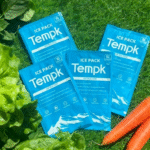
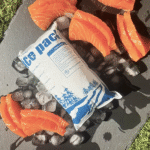
Gel ou packs de glace en option – des inserts réfrigérants qui absorbent la chaleur et prolongent la durée de refroidissement.
L'effet combiné de ces couches crée une barrière qui ralentit les échanges thermiques., garder le lait froid ou le thé chaud pendant des heures. Les sacs premium peuvent incorporer des panneaux d'isolation sous vide (VIP) ou matériaux à changement de phase (PCM), qui absorbent et libèrent de la chaleur latente pour maintenir une température stable.
Infographie: Anatomie d'un sac de bouteille isotherme
Matériaux et technologies
Différents matériaux isolants offrent des compromis entre performances, coût et durabilité. Le tableau ci-dessous résume les principales options:
| Matériel d'isolation | Caractéristiques | Sens pratique |
| Mousse EPE ou PU (Cellule fermée) | Emprisonne les poches d'air pour résister à la conduction; une mousse plus épaisse augmente la valeur R. | Équilibre l'isolation et le poids; 5 La mousse de mm maintient le contenu au froid pendant 8 à 12 heures. |
| Film aluminium/métallisé | Reflète la chaleur rayonnante, augmenter la résistance thermique globale. | Améliore la rétention du froid, surtout au soleil ou dans des véhicules chauds. |
| Panneaux d'isolation sous vide (VIP) | Créer un vide proche pour éliminer la convection. | Très efficace mais coûteux; utilisé dans le transport médical ou dans les sacs isothermes premium. |
| Matériaux à changement de phase (PCM) | Absorber ou libérer de la chaleur à des températures spécifiques. | Maintenir une température quasi constante; idéal pour les aliments sensibles et les produits pharmaceutiques. |
| Néoprène (Moulé d'une seule pièce) | Élastique, matériau résistant à l'eau qui fournit une isolation sans couches séparées. | Léger, style sportif; bon pour une hydratation occasionnelle mais moins isolant que les sandwichs en mousse. |
| rPET recyclé ou coton biologique | Alternatives écologiques dérivées de plastiques recyclés ou de fibres naturelles. | Réduire l’empreinte environnementale tout en offrant une isolation et une durabilité suffisantes. |
Conseils pratiques de refroidissement
Pour maximiser les performances:
Pré-refroidir le sac et son contenu—refroidir le sac et congeler les packs de gel pendant la nuit pour réduire la charge thermique initiale.
Remplissez le sac efficacement-un sac presque plein retient mieux le froid qu'un sac à moitié vide car moins d'air circule à l'intérieur.
Limiter les ouvertures-à chaque fois que tu ouvres le sac, L'air chaud entre; planifier les repas pour minimiser les ouvertures fréquentes.
Utilisez plusieurs packs de gel—répartissez-les autour des bouteilles pour une température uniforme.
Conserver à l'ombre— la lumière directe du soleil accélère le réchauffement; conserver le sac dans un endroit frais.
Principales caractéristiques à rechercher lors du choix d’un sac isotherme pour bouteilles
L’achat d’un sac isotherme pour bouteilles n’est pas seulement une question de prix ou d’apparence; il s'agit de sélectionner un outil qui correspond à vos besoins. Considérez les fonctionnalités suivantes, adapté des guides professionnels de sacs isothermes:
Capacité et disposition
- Capacité de la bouteille– Les sacs vont des manchons pour une seule bouteille aux refroidisseurs pour plusieurs bouteilles. Pour les parents, des sacs qui contiennent quatre à six bouteillesavec des séparateurs réglables et un espace pour les collations, ils vous sauvent la vie. Pour les navetteurs, un 1–2 élingues à bouteilles peut être suffisant.
- Dimensions internes– L’épaisseur de l’isolation réduit l’espace utilisable; un 30 Le sac isotherme L avec mousse épaisse ne peut fournir que 25 L de volume intérieur. Vérifiez les dimensions intérieures plutôt que les valeurs nominales en litres.
- Compartiments et poches– Recherchez des poches extérieures pour les blocs de glace, téléphones ou clés et séparateurs internes en maille pour séparer les bouteilles.
Performance d'isolation
- Épaisseur de la mousse– Utilisation de sacs d’entrée de gamme 3 mm mousse EPE (R≈1,2), conserver la température pendant six heures. Sacs haut de gamme avec 5 Les doublures en mousse et en aluminium de 3 mm prolongent les performances jusqu'à 8 à 12 heures, et 8 mm de mousse peut maintenir la température jusqu'à 24 heures en combinaison avec des packs de gel.
- Doublure réfléchissante– Les films aluminium ou métallisés réfléchissent la chaleur rayonnante et améliorent la rétention du froid. Les doublures en PEVA ou autres doublures sans danger pour les aliments sont flexibles mais offrent moins de réflectivité.
- Joints et fermetures– Fermetures éclair étanches, les rabats ou le velcro créent des joints hermétiques qui empêchent la pénétration de l'air chaud. Des fermetures faibles peuvent annuler l’isolation même avec une bonne mousse.
Durabilité et matériaux
- Tissu extérieur– Nylon haut denier ou tissu Oxford (600D ou 900D) résiste à l'abrasion et aux pliages répétés. Le néoprène offre flexibilité et style décontracté mais peut être moins robuste.
- Couture renforcée– Recherchez des coutures doubles et des points de tension renforcés; les coutures à base de colle peuvent échouer sous l'effet de la chaleur ou du poids.
- Qualité du matériel– Fermetures éclair résistantes à la rouille et boucles robustes (UTX Duraflex, YKK) assurer la longévité.
Confort et portabilité
- Conception de sangle– Les bretelles réglables répartissent le poids uniformément et réduisent la fatigue. Élargi, les sangles rembourrées sont idéales pour les livraisons à plusieurs arrêts.
- Poignées et clips– Les clips de poussette ou les poignées à pression permettent un transport mains libres pendant les courses. Les panneaux de base renforcés empêchent l'affaissement et améliorent la stabilité sur les tables.
- Facteur de forme- Grand, les emballages de bouteilles étroits doivent inclure des parois structurées pour empêcher le verre de tinter, tandis que les conceptions pliables à plat sont les meilleures pour les cas d'utilisation légers.
Détails de conception et types de fermeture
La méthode de fermeture influence à la fois la commodité et les performances thermiques:
| Type de fermeture | Caractéristiques | Effet sur l'isolation | Meilleure utilisation |
| Cordon de serrage | Faible coût et facile à régler | Moins hermétique; l'isolation diminue rapidement | Sorties décontractées où l'accès rapide compte |
| Fermeture éclair | Les fermetures éclair latérales ou supérieures offrent une étanchéité et une protection supérieures. | Maintient la température plus longtemps; les fermetures éclair résistantes à l'eau sont idéales pour une utilisation en extérieur | Livraison professionnelle, transport médical |
| Crochet & boucle ou boutons-pression | Prévoir une fixation semi-détachable ou une fixation supplémentaire | Étanchéité modérée; utile pour attacher à l'équipement ou aux poussettes | Équipement de remise en forme, poussettes |
Matériaux et durabilité: Des choix écologiques
Les consommateurs privilégient de plus en plus la durabilité lorsqu’ils choisissent des sacs isothermes pour bouteilles. Les constructeurs réagissent en adoptant matériaux recyclés et biodégradables:
rPET (polyester recyclé) – Fabriqué à partir de bouteilles en plastique recyclées; offre des performances comparables au polyester vierge avec une empreinte carbone plus faible. Idéal pour les acheteurs soucieux de l'environnement.
Coton biologique & liège – Fibres naturelles ou mousses végétales (PLA) réduire l'impact environnemental mais peut sacrifier l'isolation ou la durabilité.
La durabilité comme durabilité – Un sac durable réduit les déchets. Les coutures et les matériaux de haute qualité prolongent la durée de vie.
Pour les soucieux de l'environnement, choisissez un sac fabriqué avec des tissus recyclés, construction durable et composants réparables. Évitez les blocs de glace à usage unique lorsque cela est possible; optez pour des packs de gel réutilisables ou des parois congelables intégrées.
Conception et expérience utilisateur: Confort, Style et fonction
Les détails de conception font d'un sac isotherme pour bouteille plus qu'un simple contenant.. Les sacs de haute qualité sont cousus en 3D pour s'adapter à la courbe d'une bouteille et inclure une base épaissie pour éviter tout basculement. Rechercher:
Formes ergonomiques – Des conceptions 3D qui stabilisent les bouteilles et évitent les déversements ou les basculements sur les tables.
Bretelles et poignées réglables - Large, les bretelles rembourrées réduisent la tension sur les épaules; les anneaux amovibles ou les boutons-pression ajoutent de la polyvalence.
Poches supplémentaires – Les poches latérales pour les clés ou les collations et les pochettes pour téléphone intégrées améliorent la commodité.
Matériaux à la mode - Toile, le velours côtelé ou le TPU transparent créent une esthétique différente; choisissez un style qui correspond à votre identité personnelle ou de marque.
Fonctionnalités intelligentes – Les modèles émergents incluent des parois de gel intégrées qui gèlent pendant la nuit (Par exemple, Sac à lunch congelable PackIt) et même des éléments chauffants électriques. Les capteurs intelligents et le suivi GPS restent une niche mais laissent présager des innovations futures.
Tendances du marché et innovations dans 2025
Le marché des sacs isothermes pour bouteilles évolue rapidement. Voici les principales tendances à connaître:
Demande croissante et croissance du marché
Expansion du marché – Le marché mondial des sacs isothermes, valorisé à $2.9 milliards en 2020, devrait atteindre $4.3 milliards 2028 avec un TCAC de 5 %. Les ventes de sacs isothermes destinées uniquement aux parents devraient augmenter USD 2.7 milliards en 2023 en USD 4.4 milliards 2031.
Boom d’accessoires d’hydratation – Les sacs à bandoulière pour bouteilles d’eau ont gagné en popularité en tant qu’articles de mode fonctionnels. Les doublures isolées des sacs à bandoulière maintiennent la température des boissons pour les activités de plein air, et les dépenses des consommateurs en accessoires de qualité augmentent.
Santé et durabilité – La croissance est alimentée par le mouvement du bien-être, augmentation des activités de plein air et préférence des consommateurs pour les produits respectueux de l'environnement.
Innovations technologiques et matérielles
Isolation avancée – Les panneaux sous vide et les matériaux à changement de phase offrent une rétention de température plus longue à un coût plus élevé.
Systèmes de refroidissement intégrés – Les parois de gel congelables ou les blocs de glace intégrés éliminent le besoin de blocs de glace externes et simplifient l'emballage..
Fonctionnalités intelligentes – Bien que cela reste une niche, certaines marques expérimentent le suivi GPS, capacités de surveillance de la température et de chargement du téléphone dans les sacs d'hydratation.
Tissus durables – PET recyclé, les mousses à base de plantes et les doublures biodégradables réduisent l'impact environnemental.
Personnalisation – Les marques proposent des options de marque privée avec des matériaux sur mesure, finitions matérielles et image de marque pour la différenciation.
Préférences des consommateurs
Multifonctionnalité – Les consommateurs veulent des sacs contenant des bouteilles ainsi que des objets essentiels comme les téléphones, clés et collations.
Confort mains libres – Les bretelles réglables et les clips pour poussette conviennent aux modes de vie actifs.
Design élégant – L’esthétique est aussi importante que la performance; impressions sur toile, la quincaillerie métallique et les panneaux transparents sont populaires.
Auto-évaluation: Quel sac isotherme pour bouteilles vous convient le mieux?
Utilisez cette matrice de décision rapide pour identifier vos priorités et sélectionner les fonctionnalités en conséquence:
| Besoins des utilisateurs | Capacité recommandée | Caractéristiques clés | Matériaux suggérés |
| Petites sorties (course à l'école, salle de sport) | 1–2 bouteilles | Fermeture à cordon, manchon mince en néoprène, poche intégrée pour téléphone | Néoprène léger ou toile recyclée |
| Déplacements quotidiens | 2–3 bouteilles | Fermeture à glissière, plusieurs poches, sangle réglable rembourrée, poche pour sac de glace | Isolation en mousse EPE avec doublure réfléchissante, extérieur en rPET |
| Longs voyages ou pique-niques | 4–6 bouteilles | 5–8 mm de mousse, fermetures éclair étanches, base renforcée, pinces pour poussette | Nylon à denier élevé avec doublure en feuille d'aluminium et packs de gel |
| Orientation écologique | 1–3 bouteilles | Extérieur en coton biologique ou rPET, Doublure PEVA, composants réparables | Tissus durables et coutures durables |
| Livraison professionnelle ou usage médical | Variable | Isolation VIP ou PCM, fermetures éclair résistantes à l'eau, doublure désinfectable, bretelles ergonomiques | Mousse PU à cellules fermées, doublure en aluminium, 600Extérieur d'Oxford |
FAQ
Q1: Combien de temps un sac isotherme pour bouteille peut-il garder le lait au frais?
Un sac bien conçu avec 5 La mousse EPE de mm et une doublure réfléchissante peuvent garder le lait ou le lait maternisé au froid pendant 8–12 heures. Utiliser une mousse plus épaisse (8 mm) et plusieurs packs de gel prolongent le refroidissement de 12 à 24 heures. La rétention de température dépend également des conditions ambiantes et de la fréquence d'ouverture du sac..
Q2: Les sacs isothermes pour biberons sont-ils sans danger pour le lait maternel et les aliments ??
Oui. Cherchez des sacs avec doublures sans danger pour les aliments comme le PEVA, polaire ou plastiques sans BPA. Coutures thermoscellées et fermetures éclair étanches pour éviter les fuites et la contamination.. Nettoyez toujours le sac après utilisation et suivez les instructions du fabricant..
Q3: Puis-je utiliser le même sac pour les boissons chaudes et froides?
Les sacs isothermes pour bouteilles sont polyvalents; ils ralentissent le transfert de chaleur dans les deux sens. La même mousse et les mêmes couches réfléchissantes qui gardent le lait froid peuvent garder le café au chaud, bien que vous ayez peut-être besoin de packs de gel séparés ou de pochettes PCM pour des résultats optimaux.
Q4: Comment nettoyer et entretenir mon sac isotherme pour bouteilles?
La plupart des sacs avec Doublures PEVA ou nylon peut être essuyé avec de l'eau et du savon doux. Les sacs en néoprène sont souvent lavables en machine sur cycles délicats, tandis que les extérieurs en cuir ou en toile nécessitent des soins spécialisés. Séchez régulièrement le sac à l'air libre et évitez de stocker des packs de gel humides à l'intérieur..
Q5: Une fermeture à cordon est-elle suffisante pour les longs voyages?
Les fermetures à cordon sont pratiques mais sont moins hermétiques, les performances d'isolation diminuent donc plus rapidement. Pour les longs voyages, choisissez un sac avec une fermeture éclair ou un rabat pour maintenir la température et éviter les fuites.
Résumé et recommandations
Dans 2025, Choisir le meilleur sac isotherme pour bouteilles implique d'équilibrer capacité, performance d'isolation, durabilité, confort et durabilité. Les conceptions multicouches avec mousse à cellules fermées et doublures réfléchissantes ralentissent le transfert de chaleur et maintiennent les boissons à des températures sûres jusqu'à 24 heures. Tissus extérieurs durables, les coutures renforcées et les fermetures éclair de haute qualité assurent la longévité. Les acheteurs soucieux de l'environnement devraient envisager les matériaux en rPET ou en coton biologique.. Enfin, choisissez le facteur de forme qui correspond à votre style de vie, qu'il s'agisse d'une écharpe fine pour l'hydratation quotidienne ou d'une glacière plus grande pour les pique-niques en famille.
Étapes suivantes
Évaluez vos besoins: Identifiez le nombre de bouteilles que vous devez transporter, combien de temps tu seras absent, et si vous appréciez le style, respect de l'environnement ou isolation maximale.
Comparez les options: Utilisez la matrice de décision ci-dessus pour faire correspondre vos besoins avec la bonne capacité, matériaux et caractéristiques.
Inspecter la qualité: Examiner le denier du tissu, construction des coutures et qualité de la fermeture éclair avant l'achat. Lisez les avis des utilisateurs pour connaître les performances réelles.
Investissez dans des accessoires réutilisables: Choisissez des packs de gel recongelables et évitez les packs de glace jetables. Entretenez correctement votre sac pour prolonger sa durée de vie et réduire les déchets.
Rester informé: Surveiller les nouveautés proposant une isolation sous vide, Technologie PCM ou surveillance intelligente pour pérenniser votre achat.
À propos du tempk
Nous sommes Rotation, une entreprise spécialisée dans l'emballage sous chaîne du froid et les solutions isothermes. Notre recherche et développement se concentre sur les matériaux durables, technologies d'isolation avancées et contrôle qualité. Nous proposons une gamme de produits, des sacs à lunch isothermes et sacs isothermes aux conteneurs de transport médical, conçus pour maintenir le contenu à la température souhaitée tout en minimisant l'impact sur l'environnement.. En combinant une construction durable avec des matériaux respectueux de l'environnement, nous nous efforçons de fournir des solutions fiables qui protègent vos biens et la planète.
Prêt à trouver votre sac à bouteille isotherme idéal? Contactez notre équipe pour des conseils personnalisés ou explorez notre catalogue de produits réutilisables, sacs haute performance.