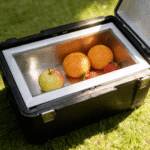
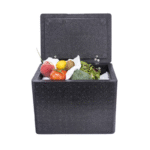
Introduction: If you ship perishables or medicines, maintaining temperature is critical. A bulk insulated box can stabilize internal temperatures over long routes, reducing temperature excursions by 30–40 %. Unlike single-use cartons, bulk solutions handle pallet-level loads and withstand delays. This guide explains how multi-layer insulation works, compares materials like EPS, Pur, EPP and VIP, and shows you how to select the right box and stay compliant. You’ll gain practical tips to protect quality, cut costs and support sustainability.
本文将为你解答:
What is a bulk insulated box and how does it work? Understand multi-layer insulation and why high-density foam, EPP or vacuum-enhanced panels slow heat transfer.
How to choose the right bulk insulated box for your product? Learn how temperature range, payload capacity and reusability cycles influence your decision.
Why choose bulk insulated boxes over single-use packaging? Discover cost savings, reduced excursions and sustainability benefits.
What are the latest materials and technologies in 2026? Explore phase-change materials, Panneaux d'isolation sous vide, IoT sensors and regulatory trends.
How to optimize orders and manage suppliers? Understand bulk ordering benefits and how to evaluate suppliers by material and customization.
What Is a Bulk Insulated Box and How Does It Work?
Répondre: A bulk insulated box is a large thermal container designed for palletized or consolidated shipments. It uses multi-layer insulation to slow heat flow; materials like high-density foam, polypropylène expansé (PPE) or vacuum-enhanced panels trap air and resist conduction. La coque extérieure (20–40mm) protects against compression, the core insulation (30–80 mm) provides thermal resistance, and the inner liner (5–10 mm) ensures hygiene and sealing. By combining these layers with coolant packs or dry ice, internal temperatures change gradually, buying time during delays. Real-world users report 30–40 % fewer temperature excursions after switching to bulk boxes.
Explication élargie: Think of a bulk insulated box as a thermal buffer. Heat moves slowly through layered materials, so your goods stay within the desired range longer. High-density foam and EPP are closed-cell materials with low thermal conductivity; they trap air pockets and prevent moisture ingress. Panneaux isolés sous vide (Vips) take this further: laboratory studies report thermal conductivities around 0.004–0.008 W/m·K, whereas standard EPS foam ranges from 0.03–0.04 W/m·K. Because VIP walls are thinner but more efficient, they provide more payload space and longer hold times. Multi-layer designs also include moisture barriers to prevent condensation. When paired with coolant packs or dry ice, the effect is amplified—temperature drift occurs slowly, giving you flexibility during customs checks or last-mile handovers.
Comparative Insulation Materials
Different insulation materials offer varying performance, coût et durabilité. Understanding these differences helps you choose the right bulk insulated box.
| Matériel | Thermal Conductivity* | Caractéristiques clés | Impact pratique |
|---|---|---|---|
| Polystyrène élargi (PSE) | 0.03–0.04 W/m·K | Léger, cost-effective foam; closed-cell structure traps air; good shock absorption | Maintains sub-zero temperatures for vaccines or fresh produce for days; facile à recycler; low cost but thicker walls required. |
| Polyuréthane (Pur) | Significantly lower conductivity than EPS | Rigid foam with superior insulation; customized shapes via molds; works well with dry ice | Holds tighter temperature ranges for longer periods; reduces dry-ice usage; enables longer shipping cycles and potential switch from overnight to two-day service. |
| Panneaux isolés sous vide (VIP) | 0.004–0.008 W/m·K | Super-insulation with evacuated core; thin walls and high performance; requires careful handling to avoid puncture | Offers the longest hold times and maximizes payload space; ideal for unpredictable lanes and high-value goods; plus cher et fragile; requires venting for CO₂ release when used with dry ice. |
| Polypropylène expansé (PPE) | Modéré (better than EPS) | Non-hygroscopic closed-cell foam; hydrophobic surface repels water, oils and chemicals; durable and resilient with high shock absorption | Provides both thermal and moisture control; lightweight and reusable; supports multiple shipments, Réduire les coûts à long terme; 100 % recyclable. |
| Other Foams (Pe, Pp) | Modéré | Durable, léger; available in sustainable or biodegradable variants | Suitable for short-distance or less sensitive shipments; can be paired with gel packs or phase-change materials for extended performance. |
*Thermal conductivity values are approximate and depend on density and temperature.
Astuces et conseils pratiques
Choose the right material for your route: If your shipments face long delays or extreme climates, VIP panels or PUR foam provide better protection. Pour des durées moyennes, high-density EPS or EPP may suffice.
Use multi-layer designs: Outer shells prevent crushing, cores provide insulation and inner liners ease cleaning. Avoid air gaps and ensure lids fit tightly to prevent thermal bridging.
Pre-condition your box and products: Pre-chill goods and shippers to maximize coolant effectiveness.
Validate pack-outs: Use pilot tests to determine the amount of dry ice or gel packs needed and standardize your process.
Cas réel: A frozen seafood exporter switched to bulk insulated boxes and saw spoilage rates drop from 6 % sous 2 % during summer transport. By increasing insulation thickness and monitoring temperature, they protected the product through delays.
How to Choose the Right Bulk Insulated Box for Your Product?
Répondre: Selecting a bulk insulated box starts with understanding your product’s temperature sensitivity, taille de l'envoi et durée du transit. Congelé, chilled and ambient-controlled goods require different insulation performance. Oversized boxes waste coolant energy, while undersized boxes complicate handling. Consider payload capacity, temperature range and reusability cycles when comparing options.
Explication élargie: Begin by determining the temperature range your goods must maintain. Par exemple, les vaccins ont souvent besoin +2 °C à +8 °C; frozen seafood may require −20 °C; high-value biologics might need ultra-cold conditions. Match these ranges with the insulation material’s thermal resistance. Suivant, calculate payload capacity: weigh or measure how many cartons or kilograms need shipping. Bulk boxes are designed for pallet-level loads, so choose a size that maximizes efficiency without leaving large empty spaces. Enfin, examine reusability: some containers last for hundreds of cycles, reducing long-term cost and waste. Evaluate ease of cleaning, lid design and regulatory compliance, especially if transporting pharmaceuticals.
Critères de sélection clés
| Critère | Que vérifier | Pourquoi ça compte |
|---|---|---|
| Plage de température | Ensure the box’s insulation maintains your required stability window (Par exemple, −20 °C to −10 °C, +2 °C à +8 °C) | Prevents product rejection and ensures regulatory compliance |
| Payload capacity | Check internal dimensions and weight limits; match box size to shipment volume | Optimizes logistics efficiency and avoids wasted cooling energy |
| Durée du transit | Estimate the longest potential journey, including delays; choose insulation thickness and coolant type accordingly | Ensures temperature stability throughout the entire route |
| Matériel & isolation | Evaluate EPS, Pur, VIP or EPP based on thermal performance and cost | Determines how long temperatures stay in range and how much coolant you need |
| Cycles de réutilisation | Ask suppliers for expected number of uses and inspect durability | Lower long-term cost and waste; s'aligne sur les objectifs de développement durable |
| Hygiène & scellage | Look for smooth, non-porous surfaces and tight-fit lids | Facilitates cleaning and prevents contamination, crucial for pharma and food |
| Conformité & étiquetage | Ensure boxes allow proper venting and markings (Par exemple, UN1845 for dry ice shipments) | Avoids regulatory delays, ensures safety and traceability |
Practical Tips for Choosing
Test across seasons: Validate boxes in both summer and winter; performance can vary.
Consider customization: Custom-sized boxes and liners minimize air gaps and improve insulation.
Check supplier certifications: Look for ISTA or ISO certification for performance consistency. If shipping pharmaceuticals, ensure compliance with FDA, EMA or WHO guidelines.
Équilibrer coût et performances: EPS and EPP are cost-effective for moderate durations, while VIP and PUR offer superior insulation at higher cost. Factor in coolant savings and potential shipping method changes (Par exemple, from overnight to two-day service with PUR foam).
Cas réel: A clinical research organization shipping cell therapies between the U.S. et l'Asie ont adopté un emballage hybride avec une isolation VIP et des modules PCM. The system maintained temperatures within ±1 °C for 96 heures et économisé environ $300,000 annually by avoiding spoilage and return shipments.
Why Choose Bulk Insulated Boxes Over Single-Use Packaging?
Répondre: Bulk insulated boxes offer superior performance and sustainability compared with single-use solutions. They reduce temperature excursions by up to 40 % and support pallet-level shipments, minimizing handling events. Reusable designs cut long-term costs, while durable materials like EPP and PUR withstand repeated use. By consolidating shipments and maintaining consistent temperatures, you waste less coolant and deliver higher product quality.
Explication élargie: Single-use foam coolers often rely on thick EPS walls and large quantities of dry ice, leading to heavy, bulky shipments. They may crack or leak after one trip, generating waste and compliance challenges. Bulk insulated boxes use robust shells, high-performance insulation and tight-fit lids that survive multiple cycles. Because they maintain temperatures longer, you can choose slower, cheaper transport modes without risking product integrity. Reusability aligns with sustainability goals and reduces carbon footprint—EPP boxes are 100 % recyclable and support circular economy initiatives. For high-value goods, fewer excursions mean fewer rejects and customer complaints. Consolidated pallet shipments also simplify tracking and reduce per-unit packaging cost.
Coût, Quality and Sustainability Comparison
| Facteur | Single-Use EPS Cooler | Boîte isolée en vrac | Bénéficier à vous |
|---|---|---|---|
| Coût initial | Faible | Plus haut | Upfront cost is higher for bulk boxes but long-term cost per shipment drops with reuse |
| Durabilité | Fragile; often cracks or warps after one use | Rugged materials like PUR and EPP withstand multiple cycles | Reduced replacement costs and fewer delays |
| Stabilité de la température | Idéal pour les courts trajets; thick walls needed | Superior hold times with VIP or PUR; stable across longer routes | Enables slower, cheaper transport methods and fewer excursions |
| Poids & shipping cost | Lightweight but bulky; dry ice adds weight | Slightly heavier but optimized; less coolant needed | Potential switch from overnight to two-day shipping, réduire les coûts |
| Déchets & durabilité | Generates single-use waste; limited recyclability | Réutilisable; EPP is recyclable; soutient l’économie circulaire | Enhances corporate ESG metrics and reduces landfill waste |
Astuces et conseils pratiques
Calculer le coût total de possession: Include packaging, liquide de refroidissement, transport, compliance and disposal costs. Reusable boxes often win over time.
Former le personnel à la manutention: Durable boxes still require proper handling to avoid puncture (especially VIP panels).
Intégrer la surveillance: Use IoT sensors and data loggers to track temperature and humidity; this is easier with consolidated shipments and reduces manual checks.
Leverage palletization: Pack multiple orders into one bulk box for high-volume lanes. This cuts labor and reduces packaging waste.
Exemple réel: A meal-kit company replaced single-use coolers with reusable EPP bulk boxes. Over a year they reduced packaging waste by 70 %, enregistré 20 % on shipping due to lower dry-ice needs and improved customer satisfaction.
How to Optimize Bulk Orders and Work With Suppliers
Ordering bulk insulated boxes or liners in large quantities can lower costs and improve operational efficiency. Bulk orders typically provide volume discounts and ensure consistency across all shipments. They also simplify inventory management and reduce the risk of stockouts during peak seasons. Lors de l'évaluation des fournisseurs, pay attention to material selection: EPS is cost-effective for short shipments, VIP offers high performance for long distances and PUR foam provides durable insulation. Options de personnalisation (taille, épaisseur, résistance à l'humidité) help tailor boxes to your products.
Bulk Ordering Tips
Assess your demand forecast: Estimate annual shipment volumes to determine how many boxes or liners you need. Avoid over-ordering to prevent storage issues.
Negotiate MOQs and pricing: Work with suppliers to optimize minimum order quantity (Quantité minimale de commande) and secure bulk discounts without sacrificing quality.
Request material samples: Tester l'EPS, Pur, EPP and VIP options before committing to large orders. Use pilot shipments to validate performance.
Check lead times and supply chain resilience: Ensure your supplier can meet demand during peak seasons or disruptions.
Consider sustainability and compliance: Choose suppliers with recycling programs, certifications and transparent sourcing.
2026 Developments and Trends in Bulk Insulated Boxes and Cold Chain Packaging
Aperçu de la tendance: Le marché de l’emballage sous chaîne du froid est en pleine expansion, motivé par les vaccins, biologics and global e-commerce. Analysts estimate the market will reach about USD 27.7 milliards en 2025 et grandir en USD 102.1 milliards 2034. Within insulated packaging, the global market valued at USD 17.44 milliards en 2025 devrait atteindre USD 33.67 milliards 2035, with North America holding roughly 40 % partager. Increasing demand for safe, eco-friendly packaging and innovation in materials are key drivers.
Aperçu des derniers progrès
AI-Powered Route Optimization: Artificial intelligence dynamically adjusts delivery routes based on traffic, météo et fenêtres de livraison, improving consistency and reducing fuel use.
Solar-Powered Refrigeration: Solar-powered cold chain units offer off-grid cooling solutions, surtout dans les régions où l'électricité est limitée, Réduire les déchets alimentaires.
Traçabilité de la blockchain: La technologie Blockchain fournit un enregistrement immuable des parcours des produits, améliorer la transparence et la conformité.
Lightweight Smart Containers: Insulated containers with IoT sensors monitor humidity, température et emplacement en temps réel. Lightweight materials reduce fuel consumption.
Solutions d'emballage durables: Manufacturers are developing recyclable and biodegradable materials, such as jute and corrugated cardboard with reflective laminates, to replace EPS.
Systèmes réutilisables & Rental Models: Reusable cold boxes with VIP insulation and phase-change materials offer ultra-low temperature stability over 144 heures; utilisation rates are projected to rise from 30 % à 70 %.
Regulatory Push for Circularity: New regulations like the EU Packaging and Packaging Waste Regulation encourage a shift from single-use EPS to reusable, circular systems.
Integration of Phase-Change Materials (PCMS): Passive thermal solutions harness PCMs or gel packs to maintain specific temperatures for extended periods. Sub-zero and +5 °C PCMs are now standard for vaccines.
Insistance au marché: Cold chain packaging solutions maintain the temperature of goods across global supply chains. The global cold chain packaging market was valued at USD 30.41 milliards en 2024 et devrait atteindre USD 75.93 milliards 2033. Europe currently leads the market, while North America shows the fastest growth. Increased demand for pharmaceutical delivery and perishable foods drives this growth, while government regulations push companies toward low-carbon materials and recyclable systems. Innovative solutions like corrugated boxes with metallized polyester laminates and wool insulators offer eco-friendly alternatives.
Questions fréquemment posées
Q1: How long can a bulk insulated box maintain temperature stability?
The duration depends on insulation thickness, material and external conditions. High-performance boxes using PUR or VIP panels can maintain temperature for 72–144 hours. EPP or EPS boxes typically hold temperatures for shorter durations (24–72 heures), but pre-conditioning and proper coolant use can extend this. Always validate on your specific routes.
Q2: Is EPP better than EPS for cold chain shipping?
EPP offers both thermal and moisture control; it is non-hygroscopic, hydrophobic and retains shape after impacts. It is also lightweight, réutilisable et recyclable. EPS is cheaper and widely available but requires thicker walls and is less durable. The choice depends on your budget, durée de l’expédition et objectifs de durabilité.
Q3: Can I reuse a bulk insulated box that has been used with dry ice?
Oui, many bulk boxes are designed for reuse. Cependant, ensure the container is vented to allow CO₂ escape and inspect for damage. VIP panels can be punctured; following handling rules (no box cutters near insulation, protect edges) preserves performance.
Q4: What is the difference between passive and active cold chain systems?
Passive systems rely on insulation and refrigerants such as PCMs or gel packs to maintain temperatures; they are cost-effective and suitable for most shipments. Active systems use powered refrigeration (compressors or thermoelectric modules) to maintain precise temperatures and are used for ultra-sensitive products. Les systèmes hybrides combinent les deux, offering redundancy.
Q5: How do phase-change materials improve insulation?
PCMs absorb and release latent heat as they transition between phases, maintaining a stable temperature within a narrow range. Par exemple, un PCM conçu pour fondre à +5 °C keeps vaccines within +2 °C à +8 °C for long periods. PCMs reduce reliance on dry ice and lower the risk of temperature excursions.
Résumé et recommandations
Points clés: Bulk insulated boxes use multi-layer insulation to slow heat transfer and maintain temperatures over long routes. Materials such as EPS, Pur, VIP and EPP offer different trade-offs between performance, coût et durabilité. Choosing the right box requires considering temperature range, payload capacity, transit duration and reusability. Bulk boxes reduce excursions by up to 40 % and support sustainability through reuse and recyclability. Le marché de la chaîne du froid connaît une croissance rapide, et 2026 innovations include AI route optimization, PCMS, Vips, IoT sensors and circular packaging.
Plan d'action:
Évaluez vos besoins: Determine your product’s temperature range and transit duration. Use this to select the appropriate insulation material and box size.
Pilot and Validate: Run pilot shipments with different materials (PSE, Pur, VIP, PPE) and coolants. Measure internal temperatures and adjust insulation thickness accordingly.
Invest in Reusable Packaging: Calculate total cost of ownership over multiple cycles. Bulk insulated boxes often save money long term and support ESG targets.
Intégrer la surveillance: Add IoT sensors or data loggers to track temperature, humidité et emplacement. Use AI route optimization to reduce delays and fuel consumption.
Restez à jour: Follow regulatory developments and emerging materials like biodegradable foams and jute-based insulation. Work with suppliers who offer customization and recycling programs.
À propos du tempk
Nous sommes Tempk, a leading developer of cold chain packaging solutions. Our team combines material science expertise with real-world logistics experience to deliver bulk insulated boxes, Conteneurs VIP, EPP boxes and gel packs that meet stringent temperature requirements. We focus on sustainability—many of our products are reusable and recyclable—and invest in R&D to integrate IoT sensors and phase-change materials. Que vous expédiiez des produits pharmaceutiques, biologics or gourmet food, we can help you design a reliable cold chain solution.
Appel à l'action: Ready to safeguard your cold chain? Reach out to our experts for a free consultation and discover how our bulk insulated boxes can reduce spoilage and cut costs. Let’s protect your products and the planet together.