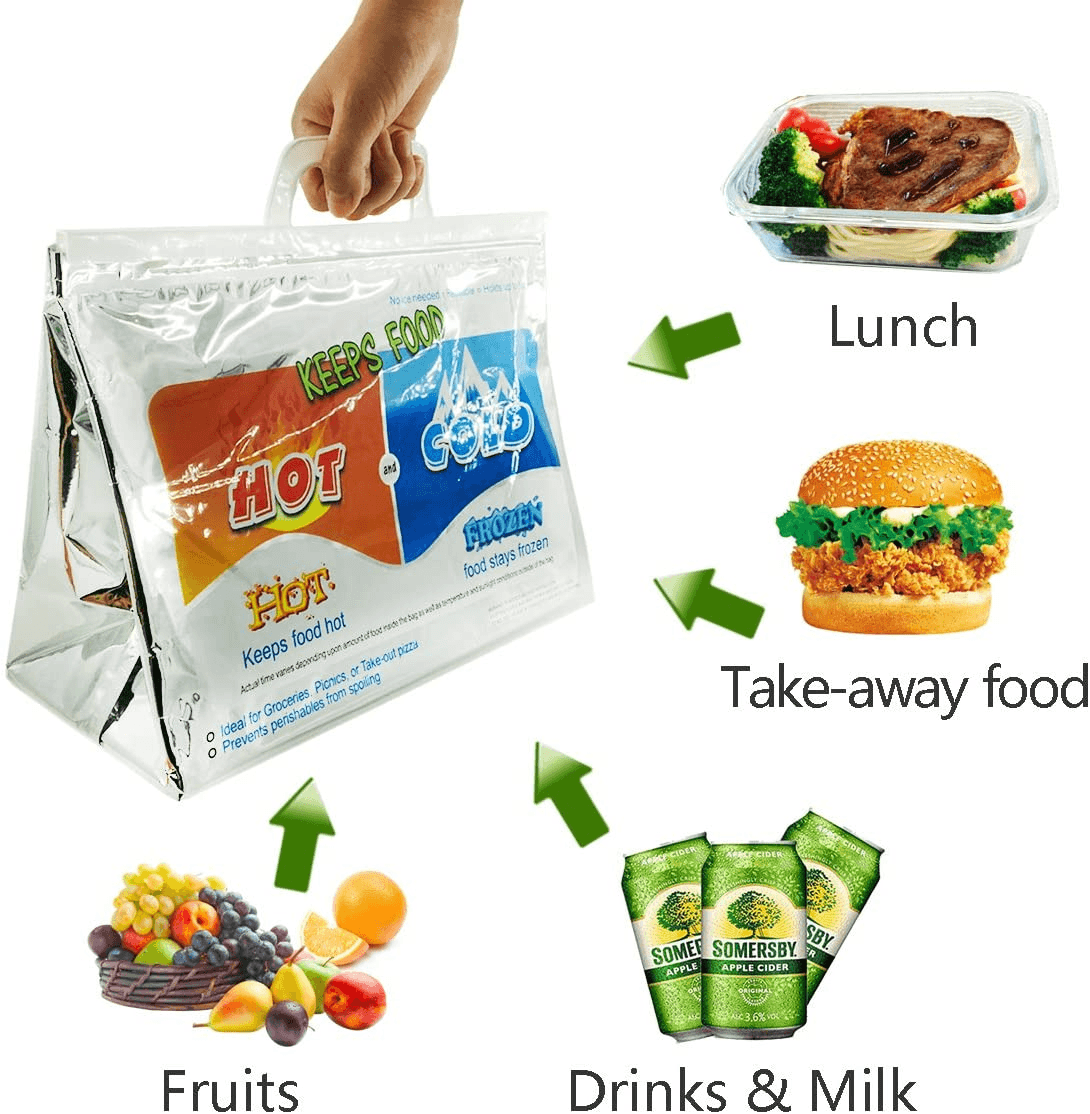
Fournisseur de sacs réfrigérés Chine: Un parcours d'approvisionnement clair pour les acheteurs
UN fournisseur de sacs réfrigérés la demande en Chine doit se terminer par une spécification commerciale claire, pas seulement une liste restreinte de fournisseurs. Le meilleur processus d'achat commence par la définition de la charge utile, itinéraire, modèle de manipulation, attente de nettoyage, besoin de marque, et preuve requise avant la mise à l'échelle. Cette version finale regroupe la décision d'achat en une seule voie pratique pour les importateurs., propriétaires de marques, et les équipes d'approvisionnement comparant les fournisseurs d'usine qui ont besoin de moins de surprises entre l'échantillonnage et la production.
Un meilleur parcours d'achat: Définir, Test, Puis échelle
L'achat d'un fournisseur de sacs réfrigérés en Chine devient plus facile lorsque les acheteurs divisent la décision en trois étapes: définir le travail, tester l'échantillon, et contrôler l'ordre de fabrication. Définir le travail signifie écrire la charge utile, itinéraire, sensibilité à la température, modèle de manipulation, routine de nettoyage, et le besoin de branding dans un langage simple. Tester l'échantillon signifie le charger et l'utiliser comme les opérateurs l'utiliseront. La mise à l'échelle signifie verrouiller les spécifications et vérifier la production par rapport à l'échantillon approuvé..
Pour les importateurs, propriétaires de marques, et les équipes d'approvisionnement comparant les fournisseurs d'usine, ce processus est plus fiable que la comparaison des catalogues fournisseurs page par page. Cela réduit également le risque qui compte le plus dans ce mot-clé: confondre un sac isotherme avec un réfrigérateur électrique ou accepter les réclamations de durée de conservation sans emballage correspondant. Un acheteur n’a pas besoin de connaître tous les détails importants au début, mais l'acheteur a besoin de savoir à quoi le sac doit survivre en utilisation réelle.
La spécification finale doit être suffisamment pratique pour la passation des marchés, assez clair pour le fournisseur, et assez honnête pour les équipes qualité ou opérationnelles. Il ne doit pas promettre trop de réfrigération ou de conformité. Il doit expliquer le rôle du produit dans un flux de travail plus vaste prenant en compte la température..
Ce que le sac peut faire et ce qu'il ne peut pas faire
La catégorie de produits derrière le fournisseur de sacs réfrigérés en Chine est généralement l'isolation passive, à moins qu'un système de refroidissement alimenté ne soit spécifiquement inclus.. L'isolation passive aide à ralentir le transfert de chaleur. Il peut supporter du froid, chaud, ou des transferts sensibles à la température lorsque le produit démarre dans les bonnes conditions et que l'itinéraire est approprié. Il ne peut pas corriger un mauvais pré-refroidissement, de longs retards incontrôlés, ou un itinéraire qui nécessite une réfrigération active.
Cette distinction protège les acheteurs des réclamations irréalistes. Pour l'épicerie et la livraison de nourriture, un sac isotherme peut aider à réduire les changements de température pendant de courtes périodes de manipulation, mais l'opération a encore besoin de procédures de sécurité alimentaire, chargement correct, et une séparation appropriée. Pour les aliments surgelés, le sac a souvent besoin de liquide de refroidissement et d'un plan d'itinéraire; il ne doit pas être traité comme un congélateur. Pour les produits de santé ou réglementés, qualification supplémentaire, surveillance, et des documents peuvent être requis.
Les acheteurs sur le marché d'exportation chinois devraient inscrire ces limites dans leur demande de prix.. Une déclaration claire telle qu'un sac isotherme passif pour la livraison de repas préparés ou une enveloppe isotherme à utiliser avec des produits réfrigérés. packs de gel est plus utile qu'une expression générale telle que sac réfrigéré. Un langage précis conduit à de meilleures recommandations de fournisseurs et à moins de malentendus lors de l'approbation.
La spécification qui évite la plupart des problèmes
Une spécification utile n’a pas besoin d’être longue. Il doit identifier le type de sac, dimensions internes utiles, charge utile attendue, matériau extérieur, matériau de revêtement, structure d'isolation, fermeture, style de poignée ou de sangle, méthode de logo, attente de nettoyage, emballage en carton, et les preuves requises pour les allégations de performance. Si les valeurs exactes ne sont pas connues, rédigez-les sous forme de questions pour la confirmation du fournisseur.
Pour la livraison de nourriture, livraison en pharmacie, vente au détail d'épicerie, fruit de mer, et kits repas, les détails les plus importants sont souvent physiques et opérationnels. Le sac peut-il se fermer une fois chargé? La forme supporte-t-elle le produit? La doublure peut-elle être essuyée et séchée? La poignée reste-t-elle confortable avec la charge attendue? L'emballage en carton protège-t-il la forme du sac? L'échantillon approuvé correspondra-t-il à la production de masse? Ces questions sont simples, mais ils évitent de nombreux échecs d'achat courants.
Le cahier des charges doit également indiquer ce qui sera vérifié à la réception. Les exemples incluent les dimensions, piqûre, fonction de fermeture éclair, emplacement du logo, état de la doublure, odeur, nombre de cartons, et dommages visuels. Une relation avec un fournisseur s'améliore lorsque les deux parties savent ce qui est acceptable avant l'expédition de la commande..
Tableau de contrôle des achats
Utilisez ce tableau pour que le processus de sourcing soit pratique, de la première demande à la deuxième commande..
| Étape d'approvisionnement | Action pratique | Risque réduit | Des preuves à conserver |
|---|---|---|---|
| Définir le travail | Écrire la charge utile, itinéraire, manutention, nettoyage, et exigences en matière de marque | Empêche les devis trop larges des fournisseurs | Présentation du cas d'utilisation interne |
| Approuver l'échantillon | Chargez-le avec de vrais produits et vérifiez la fermeture, manutention, et nettoyage | Empêche les échantillons beaux mais inutilisables | Exemple de liste de contrôle d'approbation |
| Vérifier les réclamations | Demandez combien de temps de maintien, durabilité, et la résistance aux fuites ont été évaluées | Empêche les hypothèses de performances non prises en charge | Résumé du test du fournisseur ou note de vérification |
| Contrôler la production | Congeler les matériaux approuvés, couleurs, dimensions, et méthode d'emballage | Empêche la dérive de qualité après PO | Spécifications signées et critères d’inspection |
| Déploiement de la révision | Recueillir les commentaires de l'entrepôt, cavaliers, magasins, ou utilisateurs finaux | Détecte les problèmes avant une deuxième commande groupée | Enregistrement de réception et de retour sur le terrain |
Le tableau rend le processus d'achat moins dépendant du langage de vente. Il donne également aux équipes internes une liste de contrôle partagée. Les achats peuvent comparer les offres, la qualité peut examiner les réclamations, et les opérations peuvent tester la convivialité sans attendre l'arrivée de la livraison complète.
Comment comparer les fournisseurs sans rechercher le prix le plus bas
Le prix compte, surtout dans les commandes groupées, programmes de distribution, et projets de marque privée. Le problème est que le prix unitaire le plus bas peut omettre des détails importants. Un sac moins cher peut utiliser une doublure plus fine, poignée plus faible, coutures plus lâches, isolation plus légère, ou un emballage en carton moins protecteur. Ces différences peuvent n'apparaître qu'une fois le produit chargé, nettoyé, ou expédié via plusieurs succursales.
Une meilleure comparaison place la citation à côté de la spécification. Les matériaux sont-ils les mêmes? Les dimensions sont-elles internes ou externes? La méthode du logo est-elle incluse? L'emballage en carton est-il inclus? Le fournisseur s'engage-t-il à respecter l'échantillon approuvé? Y a-t-il des substitutions autorisées? Le fournisseur fournit-il suffisamment de documentation pour votre examen interne? Ces questions donnent du sens au prix.
Les acheteurs doivent également penser au coût du changement. Si la première commande arrive avec une dérive de qualité, le coût de la correction comprend le temps, plaintes, retravailler, inventaire, et déploiement retardé. Payer un peu plus pour une production contrôlée peut être moins cher que de réparer une mauvaise expédition en vrac. Le but n’est pas d’acheter le sac le plus cher; c'est acheter le sac le moins ambigu qui convient au travail.
Lorsqu'un échantillon semble bon mais n'est pas prêt
Un bel échantillon peut encore être inachevé. Le sac peut bien photographier mais ne pas se fermer lorsqu'il est emballé avec le produit réel. Il peut sembler fort lorsqu'il est vide mais se déformer lorsqu'il est chargé. Il peut avoir une doublure qui se nettoie sur les zones planes mais qui emprisonne les résidus dans les coutures.. Il peut afficher joliment un logo sur un panneau mais se froisser lors de l'emballage du carton. Ce sont des résultats normaux lors de l'examen des échantillons., pas de raisons de sauter les tests.
Un acheteur qui s'approvisionne en sacs de type réfrigéré isolés ou activement refroidis doit tester l'échantillon avec des charges utiles réelles., ne remplace pas une taille similaire. Si l'utilisation concerne des articles réfrigérés ou congelés, inclure la méthode de refroidissement ou d'espacement prévue pour la production. Si l'utilisation implique des coureurs, magasins, ou les équipes des agences, demandez-leur de manipuler l'échantillon. Si le produit est destiné au client, examiner l'apparence après le pliage, emballage, et ouverture répétée.
L'étape d'échantillonnage doit se terminer par une décision écrite: approuvé tel quel, approuvé avec des modifications, rejeté, ou a besoin d'un autre échantillon. Cela évite que les commentaires informels ne se transforment en instructions de production peu claires.. Cela donne également au fournisseur un chemin contrôlé pour améliorer le produit avant la mise à l'échelle..
Exemple pratique: Examen de l'importateur avant une commande groupée
Imaginez un importateur achetant des sacs isothermes ou réfrigérés activement pour la livraison de nourriture., livraison en pharmacie, vente au détail d'épicerie, fruit de mer, et kits repas. Le fournisseur propose trois options: un style léger à moindre coût, un sac milieu de gamme avec des poignées plus solides, et une version premium avec un tissu extérieur plus attrayant. Au lieu de choisir immédiatement, l'importateur rédige un bref exposé opérationnel: type de produit, plage de poids de charge à confirmer, voie d'exposition à vérifier, attente de nettoyage, méthode de logo, et exigence d'emballage.
Outils de décision utiles
Vérifiez les détails avant de choisir l'emballage
Ces outils rapides peuvent vous aider à comparer le risque d'itinéraire, besoins de dimensionnement, choix de liquide de refroidissement, et les détails de l'emballage avant de demander un devis.
Liquide de refroidissement & Référence PCM
Comparez les options de liquide de refroidissement et de PCM lorsqu'un itinéraire nécessite une prise en charge supplémentaire de la température.
Comparez les optionsCalculateur de banquise
Estimation de la quantité de pain de glace pour les expéditions réfrigérées et planification pratique des itinéraires.
Estimer les packs de glaceDoublure de boîte & Dimensionnement des couvertures de palettes
Vérifiez la logique de dimensionnement du revêtement de boîte et du couvercle de palette pour les projets d'emballage isotherme.
Dimensionnement estiméLes échantillons sont ensuite examinés par différentes personnes. Un employé de l'entrepôt vérifie l'emballage et le stockage des cartons. Un opérateur de livraison vérifie le chargement et le transport. Un examinateur qualité vérifie la doublure et le libellé de la revendication. Un chef de marque vérifie l'apparence du logo. Le sac milieu de gamme peut devenir la meilleure option car il répond à la plupart des exigences opérationnelles, même si ce n'est pas le moins cher ou le plus premium.
Cet exemple est hypothétique, mais le modèle est courant. Un bon achat n'est pas seulement une recherche de fournisseurs; c'est un processus permettant de transformer des exigences incertaines en un produit pouvant être commandé, reçu, utilisé, et réorganisé avec moins de surprises.
Questions sur la présélection des fournisseurs
Lors de la présélection des fournisseurs pour le fournisseur de sacs réfrigérés en Chine, poser des questions qui révèlent du contrôle plutôt que seulement de l'enthousiasme. Le fournisseur peut-il expliquer la différence entre les styles proposés? Peuvent-ils fournir des échantillons de type production? Peuvent-ils confirmer le matériel, doublure, isolation, fermeture, et méthode de logo avant le prix final? Peuvent-ils décrire comment l'échantillon approuvé est protégé pendant la production de masse? Peuvent-ils expliquer sur quoi reposent les allégations de performance et ce qui nécessite encore une vérification de l'acheteur?
Le meilleur fournisseur n’est pas toujours celui qui possède le plus grand catalogue. C'est le fournisseur qui peut répondre à votre cas d'usage sans transformer chaque question en slogan. Une bonne réponse peut inclure des limites. Par exemple, le fournisseur peut dire qu'un sac passif a besoin de liquide de refroidissement pour un itinéraire particulier d'aliments surgelés, ou qu'un certain liner est plus facile à essuyer mais change la sensation du produit. Des limites honnêtes sont utiles dans le sourcing B2B.
Une liste restreinte doit inclure des facteurs à la fois commerciaux et opérationnels. Prix, Quantité minimale de commande, et le délai de livraison compte, mais la précision des échantillons aussi, emballage en carton, communication, changer de contrôle, et la volonté du fournisseur de documenter la spécification finale. Conservez une carte de pointage qui reflète la manière dont votre entreprise utilisera réellement le sac..
Pensée de second ordre: Récommandes, Changements, et remplacement
La première commande n'est qu'une partie de la décision d'approvisionnement. Si le produit réussit, vous pourriez avoir besoin de nouvelles commandes, nouvelles couleurs, logos spécifiques à la branche, tailles révisées, ou une méthode d'emballage différente. Un fournisseur capable de gérer ces changements avec soin a plus de valeur que celui qui remporte seulement le premier devis.. Demandez comment les modifications futures seront documentées et comment les anciennes et les nouvelles versions seront séparées si les deux restent en stock..
Pour l'approvisionnement en usine, la planification du remplacement peut être aussi importante que la planification du lancement. Sacs utilisés lors de la livraison, épicerie, et le commerce des boissons peut être perdu, endommagé, ou usé. Décidez si les unités de remplacement doivent correspondre exactement à l'original ou si une version mise à jour est acceptable. Un contrôle de version clair protège la cohérence de la marque et facilite la gestion des stocks.
FAQ
Q: Que dois-je inclure dans une demande de prix auprès d'un fournisseur de sacs réfrigérés en Chine?
UN: Inclure l'utilisation prévue, charge utile, besoins de taille interne, exposition par voie, attentes en matière de nettoyage, méthode de logo, plage de quantités commandées si disponible, besoins d'emballage en carton, et les preuves requises pour les allégations de performance. Si vous ne connaissez pas un paramètre exact, demander au fournisseur de confirmer les options au lieu de deviner.
Q: Est-ce un sac isotherme souple adapté aux aliments surgelés?
UN: Il peut prendre en charge certains transferts d'aliments surgelés lorsqu'il est utilisé avec le bon liquide de refroidissement, état initial du produit, durée de l'itinéraire, et contrôle de la manipulation. Il ne doit pas être traité comme un congélateur. Les acheteurs doivent vérifier l'itinéraire, emballage, et critères d'acceptation avant de formuler des allégations de performance gelées.
Q: Comment puis-je éviter la dérive de la qualité dans la production en vrac?
UN: Conserver un échantillon approuvé et une spécification écrite. Confirmer les matériaux, dimensions, doublure, isolation, fermeture, logo, et emballage en carton. Demandez au fournisseur de vous avertir avant les substitutions. Utiliser l'inspection à la réception pour comparer l'envoi à l'échantillon approuvé.
Q: Quelle est la fonctionnalité la plus négligée?
UN: Le nettoyage et le séchage sont souvent négligés. Un sac qui semble durable peut néanmoins créer des problèmes de fonctionnement si la doublure emprisonne les résidus., absorbe les odeurs, ou reste mouillé. Pour la nourriture, épicerie, et utilisation en livraison, le comportement de nettoyage doit être examiné avant de commander.
Conclusion
Le bon choix de fournisseur de sacs réfrigérés en Chine provient d'un processus d'approvisionnement pratique. Définir le travail, comprendre les limites du sac, tester avec des charges utiles réelles, comparer les fournisseurs par rapport à une spécification écrite, et contrôler la production par rapport à l'échantillon approuvé. Cette approche est plus fiable que l'achat uniquement sur la base de l'apparence du catalogue ou du prix unitaire..
Pour les acheteurs préparant une commande commerciale, l'étape suivante consiste à créer un itinéraire court et un briefing sur la charge utile. Partagez ce brief avec le fournisseur et demandez un échantillon qui reflète les matériaux de production et l'emballage.. Le résultat est une conversation plus claire et une commande groupée à moindre risque.
Note de l'acheteur final
Avant de publier ou d'utiliser cet article comme brief d'achat, l'éditeur ou le responsable de l'approvisionnement doit ajuster toutes les hypothèses spécifiques à l'itinéraire au programme réel. Pour les sacs de style réfrigéré isolés ou activement refroidis, les détails pratiques sont généralement plus importants que les noms de produits génériques: charge utile, méthode de chargement, routine de nettoyage, stockage, emballage en carton, méthode de logo, et contrôle des changements de fournisseurs. Un brief plus clair produit de meilleurs échantillons, moins de malentendus dans les devis, et un chemin plus fiable depuis la commande d'essai jusqu'à l'achat répété.
À propos du Tempk
Tempk prend en charge emballage isolé acheteurs avec des discussions pratiques sur les produits autour de la taille, matériels, conditions d'itinéraire, exigences en matière de logo, quantité commandée, et les besoins de nettoyage ou de réutilisation. Pour le marché d'exportation de la Chine, la conversation la plus utile commence généralement par le produit transporté et la manière dont le sac sera utilisé. De là, Tempk peut vous aider à examiner les structures de sacs isothermes appropriées et les questions auxquelles il convient de répondre avant de passer une commande commerciale..
Utilisez votre prochaine conversation avec le fournisseur pour confirmer l'adéquation de l'itinéraire, structure matérielle, attentes en matière de nettoyage, et contrôle de l'échantillon à la production pour le fournisseur de sacs réfrigérés en Chine. Tempk peut vous aider à organiser cet examen.