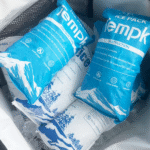
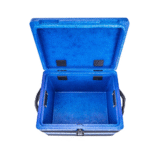
Comment utiliser des packs de glace carbonique bon marché pour le transport de médicaments?
Introduction: Le maintien des médicaments à des températures précises pendant le transport est essentiel pour leur qualité et leur efficacité.. Packs de glace carbonique bon marché pour le transport de médicaments fournir des températures ultra froides en sublimant le CO₂ solide à –78,5 ° C, offrant un refroidissement constant sans eau salissante. Cet article vous guide dans le choix et l'utilisation en toute sécurité de blocs de glace carbonique à faible coût pour les produits pharmaceutiques., vaccins et produits biologiques, s'appuyant sur le dernier 2025 connaissances. Vous apprendrez pourquoi ces packs sont essentiels, comment ils se comparent aux alternatives au gel ou au PCM, et comment optimiser les coûts et la sécurité.

Pourquoi les packs de glace carbonique bon marché sont-ils idéaux pour le transport de médicaments? Découvrez leurs températures ultra basses et leur sublimation sans gâchis..
Quels facteurs affectent le coût des blocs de glace carbonique dans le transport médical? Comprendre les facteurs de prix comme la taille, type et taux de sublimation.
Comment les packs de glace carbonique se comparent-ils aux packs de gel et aux matériaux à changement de phase? Explorer les plages de température, potentiel de réutilisation et considérations réglementaires.
Comment emballer les médicaments en toute sécurité avec de la neige carbonique? Instructions étape par étape pour une manipulation en toute sécurité, étiquetage et conformité réglementaire.
Quelles sont les dernières 2025 tendances de la logistique de la chaîne du froid? Découvrez des innovations telles que les solutions hybrides PCM/glace carbonique et les emballages durables.
Pourquoi les packs de glace carbonique bon marché sont-ils idéaux pour le transport de médicaments?
Réponse directe: Les packs de glace carbonique bon marché offrent des températures ultra froides et ne laissent aucun résidu liquide, ce qui les rend idéaux pour conserver les médicaments congelés. Glace sèche, ou dioxyde de carbone solide, reste à –78,5 ° C et se sublime directement en gaz. Ce processus absorbe la chaleur et maintient les produits pharmaceutiques et les vaccins congelés sans dommage causé par l'eau ou la fonte.. Pour les expéditions de vaccins, comme celles nécessitant –70 °C— Des pépites de neige carbonique de 10 mm assurent un stockage correct et évitent les excursions de température.
Explication plus approfondie: De nombreux médicaments, comme les produits biologiques, thérapies géniques et certains vaccins, doivent rester figés tout au long de leur voyage. Quand les blocs de glace carbonique se subliment, ils évacuent la chaleur de l'envoi, créer une couverture froide qui peut durer 24–72 heures. Contrairement aux packs de glace ou de gel qui fondent dans l'eau, la glace carbonique ne laisse aucun résidu, prévenir la contamination par l'humidité ou les dommages aux étiquettes. Ceci est particulièrement crucial pour les kits de diagnostic et les échantillons biologiques qui ne peuvent pas être mouillés.. Les packs de glace carbonique offrent des températures ultra basses constantes (en dessous de –70 °C) pour les charges utiles sensibles, tandis que les packs de gel ou d'eau ne maintiennent que 2–8 ° C. Parce que la glace carbonique est peu coûteuse par expédition et largement disponible, c'est un moyen rentable de maintenir l'intégrité des produits pharmaceutiques de grande valeur.
Puissance de sublimation et de refroidissement
La puissance de refroidissement de la glace sèche provient de la sublimation, la transition directe du solide au gaz. Quand les molécules de CO₂ absorbent la chaleur de l’environnement, ils libèrent du dioxyde de carbone froid, créer un environnement ultra froid. Chaque livre de glace carbonique peut fournir environ trois fois la puissance réfrigérante de la glace ordinaire., et les colis bien isolés peuvent rester froids pendant trois à cinq jours. Contrairement aux packs de gel qui fondent et fuient, la sublimation ne laisse aucun liquide. Grâce à cette efficacité, moins de glace carbonique est souvent nécessaire pour obtenir la même durée de refroidissement, réduire le poids et les coûts d'expédition.
| Méthode de refroidissement | Plage de température | Durée de refroidissement | Ce que cela signifie pour vous |
| Packs de glace sec | Autour de –78,5 °C (–109,3 ° F) | 24–72 heures, jusqu'à 5 jours avec une bonne isolation | Idéal pour les vaccins congelés, produits biologiques et produits sanguins; les maintient en dessous de –70 °C sans eau de fonte |
| Packs de gel | 2–8 ° C (cuisinière réfrigérée) | 24–48 heures | Convient aux médicaments réfrigérés et aux diagnostics; ne peut pas maintenir des températures de congélation profondes |
| Packs d'eau (Glace) | 2–8 ° C | Expéditions courtes | Faible coût mais risque de fuite ou de refroidissement excessif; ne convient pas aux matériaux congelés |
| Packs PCM | –20 °C à +2 °C | Jusqu'à 96 heures | Réutilisable et stable; bon pour les vaccins et les produits biologiques nécessitant 2 à 8 °C; pas assez froid pour les produits ultra surgelés |
Conseils pratiques pour la sélection des packs de glace carbonique
Déterminer les exigences de température: Utilisez de la neige carbonique pour tout ce qui nécessite une température inférieure à -70 °C (Par exemple, Vaccins à ARNm ou thérapies géniques). Pour les médicaments nécessitant uniquement une réfrigération, du gel ou du PCM peuvent suffire.
Faites correspondre la taille du paquet au temps de transit: Chaque 5–10 livres de glace carbonique sublimera chaque 24 heures. Estimez le temps de transit plus une journée supplémentaire pour les retards afin de déterminer la quantité requise.
Choisissez Nugget vs. Dalle vs. Feuille: Les pépites assurent un refroidissement rapide et remplissent l'espace plus uniformément; les dalles offrent des temps de maintien plus longs; les feuilles rainurées sont flexibles pour les charges irrégulières. Sélectionnez en fonction de la forme et de la durée de la charge utile.
Assurer une bonne ventilation: La sublimation sur glace carbonique peut créer de la pression. L'emballage doit permettre au gaz de s'échapper (Jamais hermétique).
Cas du monde réel: Pendant la distribution du vaccin contre la COVID-19, entreprises de logistique utilisées 10 mm de pépites de glace sèche pour entretenir –70 °C températures d'expédition. Ce formulaire s'adapte aux flacons, livré à froid constant, et n'a laissé aucun résidu d'eau, permettre aux vaccins d’arriver puissants et sans contamination.
Quels facteurs affectent le coût des packs de glace carbonique dans le transport médical?
Réponse directe: Le coût des packs de glace carbonique est influencé par la taille du pack, taux de sublimation, dépenses de tarification et de conformité des fournisseurs. Les achats en gros font souvent baisser le prix au kilo, mais tu dois considérer le type (dalle, pellet ou feuille), exigences d'emballage et étiquetage des dangers, qui s'ajoutent aux coûts totaux.
Explication plus approfondie: La glace carbonique elle-même est relativement peu coûteuse : les fabricants compressent le gaz CO₂ sous forme solide, rendre le matériel largement disponible. Cependant, le prix que vous payez dépend de quelques facteurs clés:
Format de pack: Les dalles ou les briques assurent un refroidissement prolongé pour 24–72 heures mais sont plus lourds et coûtent plus cher à expédier. Les pellets et les nuggets assurent un refroidissement rapide et peuvent remplir efficacement les espaces vides, mais ils se subliment plus vite.
Quantité: Acheter en plus grandes quantités diminue le coût par livre. Les fournisseurs offrent souvent des rabais à 100 livres ou plus.
Matériaux d'emballage: Pour utiliser la neige carbonique en toute sécurité, vous avez besoin de conteneurs en mousse isolés et de boîtes extérieures en carton ondulé. Les matériaux écologiques ou recyclables peuvent coûter plus cher au départ, mais réduisent l'impact environnemental et les frais d'élimination..
Conformité et étiquetage: La neige carbonique est classée comme matière dangereuse pour le transport aérien selon les réglementations IATA et DOT.. Les chargeurs doivent investir dans la formation, étiquettes de danger et documentation. Le non-respect peut entraîner des amendes.
Manipulation et formation: Le personnel a besoin d'un équipement de protection individuelle (EPP) comme des gants et des lunettes pour éviter les brûlures et les engelures. Cela ajoute un petit coût mais est essentiel pour la sécurité.
Dalle, Comparaison des coûts des granulés et des feuilles
| Forme de glace carbonique | Coût approximatif par kg* | Taux de sublimation | Implications pour vous |
| Dalles/briques | Modéré; une masse plus grande réduit le coût par kilogramme | Lent: 24–72 heures | Idéal pour les expéditions longue distance; plus de poids augmente les frais d'expédition |
| Granulés/Nuggets | Faible; largement disponible | Modéré: 24–48 heures | Flexible pour combler les vides; idéal pour les expéditions à court terme et la congélation rapide |
| Feuilles notées | Légèrement plus élevé en raison de la fabrication | Variable: 24–72 heures | Les sections cassables s'adaptent aux charges irrégulières; idéal pour les expéditions de palettes mixtes |
*Les coûts approximatifs varient selon la région et le fournisseur. Les commandes plus importantes bénéficient généralement de remises sur volume.
Conseils pratiques pour la budgétisation
Calculer la sublimation pendant le transit: Multipliez le taux de sublimation estimé (5–10 livres par jour) par le nombre de jours de transit plus un tampon de 24 heures pour les retards.
Comparez à usage unique et. Réutilisable: Les packs de glace carbonique sont à usage unique; si vous avez une logistique de retour, les packs PCM réutilisables pourraient permettre de réaliser des économies au fil du temps.
Prendre en compte les réglementations sur les risques: Budget pour les étiquettes de danger, formation et documentation requises par IATA/DOT.
Comment les packs de glace carbonique se comparent-ils aux packs de gel et PCM?
Réponse directe: Les packs de glace carbonique offrent des températures ultra froides mais s'accompagnent de complexités réglementaires et de manipulation., tandis que les matériaux en gel et à changement de phase (PCM) offrir des températures modérées avec une conformité et une réutilisation plus faciles. Les packs de gel gardent les objets à l'intérieur 2–8 ° C pendant 24 à 48 heures et ne sont pas dangereux. Les packs PCM maintiennent des plages spécifiques (–20 °C à +2 °C) et peut être réutilisé mais nécessite un investissement initial plus élevé.
Explication plus approfondie: Lors de l'expédition de médicaments, vous devez adapter la technologie de la chaîne du froid à la plage de stabilité du produit. La glace carbonique est exceptionnelle pour les expéditions surgelées et possède une capacité de refroidissement élevée. (trois fois plus que de la glace d'eau). Cependant, il est classé comme matière dangereuse; les transporteurs nécessitent un étiquetage spécial, formation et documentation. C'est aussi à usage unique, générant des émissions de CO₂ et des déchets. Packs de gel, rempli de réfrigérants sûrs, sont moins chers et plus faciles à manipuler, mais ne peuvent pas maintenir des températures inférieures à zéro et peuvent fuir en cas de perforation. Packs PCM, conçu pour changer de phase à des températures définies, fournissent des températures moyennes stables et sont réutilisables, réduire les déchets à long terme.
Comparaison détaillée des supports de refroidissement
| Fonctionnalité | Packs de glace sec | Packs de gel | Packs PCM | Sens pratique |
| Plage de température | En dessous de –70 °C | 2–8 ° C | –20 °C à +2 °C | Utilisez de la glace carbonique pour les produits biologiques ultra froids; gel pour vaccins réfrigérés; PCM pour un milieu de gamme stable |
| Potentiel de réutilisation | Usage unique | Usage unique; une certaine réutilisation possible si non perforé | Multi-usage; pochettes durables | Le PCM réduit les déchets mais coûte plus cher au départ |
| Complexité réglementaire | Matières dangereuses; nécessite un étiquetage et une conformité IATA | Réglementations minimales | Non dangereux mais peut nécessiter des enregistreurs de données | Le gel et le PCM sont plus faciles à expédier à l’international |
| Impact sur les coûts | Faible par envoi mais récurrent en raison d'un usage unique | Faible à modéré; le coût dépend du type de gel | Plus élevé dès le départ; coût inférieur à long terme | Choisissez PCM pour les livraisons répétées; glace carbonique pour les envois ponctuels |
| Impact environnemental | La sublimation ne laisse pas d'eau mais libère du gaz CO₂ | Certains gels ne sont pas recyclables | Réutilisable; Moins de déchets | Tenir compte des objectifs de durabilité lors de la sélection |
Conseils pour choisir entre un support de refroidissement
Correspondre aux besoins de température: Pour les médicaments nécessitant des températures ultra basses (–70 °C ou moins), la glace carbonique est la seule option abordable. Pour les expéditions entre 2 et 8 °C, du gel ou du PCM suffit.
Pensez à la logistique de retour: Si vous disposez d'un réseau de distribution en boucle fermée (Par exemple, essais cliniques avec emballage de retour), Les packs PCM peuvent offrir un coût total inférieur et moins de déchets.
Peser la charge réglementaire: Les expéditions de glace carbonique nécessitent des étiquettes de danger et une formation, ce qui peut ralentir la livraison internationale. Le gel et le PCM évitent bon nombre de ces obstacles.
Cas réel: Une entreprise de biotechnologie est passée des packs de gel aux conteneurs PCM réutilisables et a constaté un 40 % réduction des coûts après dix expéditions. Pour les charges utiles ultra froides, une autre entreprise de thérapie génique a utilisé des expéditeurs de glace carbonique validés et a dédouané sans problèmes HAZMAT.
Comment emballer des médicaments en toute sécurité avec de la neige carbonique?
Réponse directe: L'emballage des médicaments avec de la neige carbonique nécessite l'utilisation de conteneurs isothermes, séparer le médicament de la glace, permettre l'évacuation des gaz et respecter les règles d'étiquetage des dangers. Utiliser du polystyrène expansé (PSE) des contenants isolés en mousse ou écologiques dans une boîte solide et ne les fermez jamais hermétiquement. Conservez les flacons de médicaments dans une boîte intérieure secondaire pour éviter tout contact direct avec de la neige carbonique et assurez-vous que le gaz peut s'échapper pour éviter l'accumulation de pression..
Explication plus approfondie: Un emballage sûr protège non seulement le médicament mais également ceux qui le manipulent. La glace carbonique est extrêmement froide (–109,3 ° F) et peut provoquer des brûlures cutanées en cas de contact; EPI approprié, y compris des gants cryogéniques, lunettes et vêtements de protection, est essentiel. Suivez ces étapes:
Contenu du pré-refroidissement: Assurez-vous que les médicaments sont déjà à leur température cible avant de les emballer afin de réduire la consommation de neige carbonique et les chocs thermiques..
Préparez le conteneur: Utilisez un contenant en PSE ou isolé sous vide à l'intérieur d'une boîte en carton ondulé.. Évitez les récipients en verre ou entièrement scellés.
Séparer la glace carbonique et les médicaments: Placez de la neige carbonique au fond ou autour de la charge utile, séparés par du carton ou de la mousse. Cela évite de geler des pièces qui ne devraient pas geler.
Ajouter de la glace carbonique supplémentaire: Pour les expéditions internationales, ajoutez suffisamment de glace carbonique pour un supplément 24 heures pour couvrir les retards.
Évent et étiquette: Ne collez pas la boîte de manière hermétique : laissez des trous d'aération ou des rabats desserrés pour que le gaz puisse s'échapper.. Apposez les étiquettes de danger et les documents d'expédition conformément 49 CFR 173.217 et instructions d'emballage IATA 954.
Formation et SOP: Assurez-vous que toutes les personnes manipulant l'envoi sont formées à la sécurité de la glace sèche et conscientes des procédures appropriées de chargement/déchargement..
Tableau: Liste de contrôle d'emballage sûr
| Étape | Action | Pourquoi c'est important |
| Médicaments de pré-refroidissement | Amener les articles à la température souhaitée avant de les emballer | Empêche le gel soudain et réduit la consommation de glace carbonique |
| Utiliser un contenant isotherme | Isolation EPS ou sous vide plus boîte extérieure | Minimise l’afflux de chaleur et prolonge le temps de refroidissement |
| Charge utile séparée | Placez le médicament dans un récipient intérieur à l'écart de la neige carbonique | Empêche le gel direct ou la contamination |
| Ventilation | Ne pas fermer hermétiquement le récipient; laisser des trous d'aération | Évite les explosions dues à l'accumulation de CO₂ |
| Étiqueter correctement | Apposer les étiquettes de danger et la documentation | Conforme aux règles IATA/DOT |
| Portez un EPI | Utilisez des gants, lunettes et vêtements de protection | Prévient les brûlures et les blessures |
Conseils supplémentaires
Utiliser des enregistreurs de données: Pour les produits pharmaceutiques de grande valeur, inclure un enregistreur de données de température pour surveiller les conditions de transport. Cela garantit la conformité et fournit des preuves des réclamations d’assurance..
Plan de réapprovisionnement: Si le temps de transit dépasse 72 heures, organiser des services de garniture de glace carbonique ou des conteneurs hybrides PCM/glace carbonique.
Vérifier les règles du transporteur: Différents transporteurs ont des exigences spécifiques en matière d'étiquetage et d'emballage.. UPS propose des emballages spécialisés pour la chaîne du froid et peut vous conseiller sur la quantité de neige carbonique à utiliser..
Cas réel: Une cargaison d'essais cliniques de réactifs de thérapie génique a voyagé pendant 96 heures à travers plusieurs points de contrôle douanier. En ajoutant une journée supplémentaire de neige carbonique et en utilisant un emballage ventilé, l'envoi a été maintenu à –78,5 °C sans intervention manuelle et dédouané sans délai.
Quel est le meilleur type de pack de glace carbonique pour vos médicaments?
Réponse directe: Le meilleur sac de glace carbonique dépend de la sensibilité de votre médicament à la température, durée d'expédition et géométrie du colis. Les dalles assurent un refroidissement durable pour les trajets de plusieurs jours; les pellets ou les nuggets offrent un refroidissement rapide et une adaptabilité; les feuilles rainurées sont flexibles pour les charges utiles de forme irrégulière.
Explication plus approfondie: Les packs de glace carbonique se présentent sous plusieurs formes:
Dalles/briques: Grand, les blocs denses offrent le temps de maintien le plus long—24–72 heures— et sont idéaux pour les expéditions nécessitant des températures ultra froides constantes. En raison de leur masse, ils se subliment lentement et peuvent réduire le poids total de neige carbonique requis. Cependant, ils sont rigides et peuvent ne pas se conformer à des charges irrégulières.
Granulés/Nuggets: De petites pièces cylindriques ou en forme de pépite remplissent les espaces autour des flacons, créant plus de zone de contact et un refroidissement plus rapide. Ils se subliment plus rapidement que les dalles mais peuvent être mesurés avec précision, Réduire les déchets. Les pépites sont souvent recommandées pour les expéditions de vaccins car elles s'adaptent facilement autour des flacons et assurent une distribution uniforme..
Feuilles notées: Ce sont des dalles minces avec des perforations, vous permettant de casser des morceaux plus petits. Ils allient la durabilité des dalles à la flexibilité des pellets, s'adapter à des conteneurs de forme irrégulière sans nécessiter plusieurs types d'emballages.
Tableau: Choisir le bon pack de glace carbonique
| Type de pack | Tenir le temps | Utilisation idéale | Avantages pour vous |
| Dalles/briques | Long (24–72 heures) | Expéditions internationales longues, grosses charges utiles | Moins de pièces à manipuler; un refroidissement prolongé réduit le réapprovisionnement |
| Granulés/Nuggets | Moyen (24–48 heures) | Flacons de vaccins, échantillons de diagnostic | Remplissage flexible; refroidissement rapide; quantité facile à mesurer |
| Feuilles notées | Variable (dépend de la taille de la rupture) | Charges mixtes, formes irrégulières | Ajuster à la taille; réduit l'espace vide et le poids |
Recommandations basées sur le type de médicament
Vaccins: Utilisez des pellets ou des nuggets (autour 10 mm en diamètre) pour entourer les flacons sans les écraser.
Produits biologiques à grande échelle: Opter pour des dalles pour maintenir la stabilité sur de longues distances; envisagez d'utiliser des packs PCM secondaires pour une mise en mémoire tampon supplémentaire.
Kits irréguliers: Les feuilles rainurées ou une combinaison de granulés et de petites dalles peuvent s'adapter à des formes inhabituelles et minimiser l'espace mort.
Cas réel: Lors d’un envoi d’anticorps de grande valeur, les ingénieurs ont utilisé un mélange de feuilles rainurées et de pépites pour remplir un récipient moulé sur mesure. La combinaison maximise le contact avec la surface et empêche la stratification de la température, assurant un refroidissement uniforme pour 60 heures.
2025 Tendances en matière de transport de médicaments sous chaîne du froid
Aperçu de la tendance: L'industrie de la chaîne du froid en 2025 se concentre sur la durabilité, technologies de refroidissement hybrides et suivi amélioré des données. Les entreprises intègrent des matériaux à changement de phase (PCM) avec de la neige carbonique pour créer des conteneurs hybrides offrant une stabilité 2–8 ° C environnements et un tampon ultra froid. Les conteneurs réutilisables réduisent les déchets et les coûts récurrents, tandis que la surveillance numérique garantit la conformité et réduit la détérioration.
Aperçu des dernières avancées
Systèmes hybrides PCM/glace carbonique: L'emballage hybride combine des panneaux PCM pour des températures moyennes stables avec des compartiments de glace carbonique pour les pics de froid ultra. Cela réduit la quantité de neige carbonique nécessaire et prolonge la durée d'expédition., réduire les coûts et les émissions.
Matériaux écologiques: Les entreprises adoptent des isolants recyclables et des contenants réutilisables pour minimiser les déchets. Les packs PCM réutilisables réduisent les dépenses à long terme et l'empreinte carbone.
Enregistrement de données avancé: Le suivi de la température et de la localisation en temps réel avec des capteurs IoT garantit que les expéditions restent dans des plages de sécurité et permet une intervention rapide si les températures dérivent..
Optimisation de l'apprentissage automatique: Les modèles prédictifs calculent la quantité exacte de neige carbonique ou de PCM nécessaire en fonction de l'itinéraire, météo et temps de transit, Réduire les déchets.
Numérisation réglementaire: La documentation électronique et les contrôles de conformité automatisés rationalisent les expéditions internationales, s'assurer que l'étiquetage des dangers et la documentation sont exacts et à jour.
Insistance au marché: Le marché mondial de la logistique de la chaîne du froid devrait connaître une croissance significative en raison de la demande croissante de produits biologiques et de médecine personnalisée.. La glace carbonique reste essentielle pour les expéditions ultra froides, mais l'adoption des solutions PCM et hybrides s'accélère. Selon les prestataires logistiques, la glace carbonique est efficace mais doit être réapprovisionnée à chaque utilisation, ajouter des coûts récurrents et des émissions de CO₂. Les investissements PCM sont plus élevés au départ, mais génèrent des économies de coûts et des avantages en matière de durabilité au fil du temps.. Les expéditeurs sont susceptibles d’adopter une combinaison de technologies pour équilibrer les coûts, objectifs de conformité et environnementaux.
FAQ
Question 1: Combien de temps durent les packs de glace carbonique bon marché lors du transport de médicaments?
Les blocs de glace carbonique peuvent conserver les médicaments à des températures ultra froides pendant 24–72 heures, et jusqu'à cinq jours lorsqu'il est utilisé dans des conteneurs bien isolés. La durée exacte dépend de la taille du paquet, isolation du conteneur et conditions ambiantes.
Question 2: Les packs de glace carbonique sont-ils sans danger pour les envois médicaux?
Oui, lorsqu'il est correctement manipulé et emballé. La glace carbonique se sublime sans laisser de liquide et maintient des températures ultra basses, préserver les vaccins et les produits biologiques. Utilisez des gants de protection et assurez-vous que les conteneurs sont ventilés pour éviter l'accumulation de pression..
Question 3: Puis-je réutiliser les packs de glace sec?
Les packs de glace carbonique sont à usage unique car la glace carbonique se sublime complètement. Envisagez des packs PCM réutilisables pour les envois nécessitant une température comprise entre 2 et 8 °C ou –20 °C si la logistique de retour est réalisable..
Question 4: Quelles alternatives existent pour les produits réfrigérés (2–8 ° C) expéditions de médicaments?
Les packs de gel et les packs d'eau sont rentables pour les envois réfrigérés. Les packs de gel offrent une rétention thermique modeste mais peuvent fuir en cas de perforation. Les packs d'eau sont très bon marché mais moins efficaces et fuient également. Les packs PCM offrent des plages de température stables et sont réutilisables.
Question 5: Quelle quantité de neige carbonique dois-je utiliser?
Une règle générale est 5–10 lb de glace carbonique par 24 heures de transit. Ajoutez une journée supplémentaire en cas de retard. La quantité peut varier en fonction de l'isolation du conteneur et de la température ambiante..
Résumé
Principaux à retenir: Des packs de glace carbonique bon marché pour le transport de médicaments sont fournis températures ultra froides (–78,5 ° C) et peut conserver les produits pharmaceutiques congelés jusqu'à cinq jours. Leur sublimation ne laisse aucun liquide, conserver les médicaments sensibles. Le coût dépend du type de pack, exigences de quantité et de conformité, et la glace carbonique reste l'option la plus abordable pour les expéditions surgelées.. Dalles, les pellets et les feuilles rainurées répondent à différents besoins. La sécurité est primordiale: utiliser des conteneurs ventilés, séparer la charge utile, et suivez les règles d'étiquetage des dangers.
Conseils exploitables: Pour les médicaments ultra froids, choisissez le format de bloc de glace carbonique qui correspond à la durée et à la forme de votre envoi. Estimer la quantité à l'aide du 5–10 livres par jour règle et inclure une journée supplémentaire de tampon. Former le personnel à la manipulation et à la conformité de la glace carbonique; investir dans un emballage isotherme approprié pour maximiser l’efficacité du refroidissement. Pour des expéditions récurrentes ou des températures moyennes, évaluer les solutions PCM ou hybrides pour réduire les coûts et les déchets à long terme. Surveillez toujours les températures avec des enregistreurs de données et consultez les transporteurs ou les experts de la chaîne du froid pour connaître les dernières directives réglementaires..