Qu'est-ce qui fait un Cold Chain Logistics Provider Great in 2025?
The role of a prestataire logistique chaîne du froid goes far beyond hauling refrigerated goods. With the global cold chain logistics market projected to grow from about USD 384 milliards en 2024 en USD 1,535 milliards 2035 et North America expected to generate the highest demand, selecting the right partner can make or break your supply chain. Dans 2025, consumers demand fresher foods, biologics and pharmaceuticals require stringent temperature control, and environmental regulations are tightening. This guide helps toi navigate the latest trends and pick a provider that ensures product integrity, durabilité et efficacité.
What qualities define a reliable cold chain logistics provider? Learn about temperature control, conformité, traceability and advanced packaging.
How are technologies like IoT, AI and automation transforming cold chain logistics providers? Understand how real time visibility and predictive analytics boost efficiency and reduce waste.
Why does sustainability matter when choosing a cold chain partner? Discover initiatives such as natural refrigerants, renewable energy and the Move to −15 °C coalition that lower carbon footprints.
What market trends and opportunities should you know in 2025? Explorer les moteurs de croissance, top companies and emerging product categories like plant based foods and gene therapies.
How can you apply these insights? Conseils exploitables, case studies and FAQs help you make informed decisions and optimize your cold chain.
What Qualities Should a Cold Chain Logistics Provider Have?
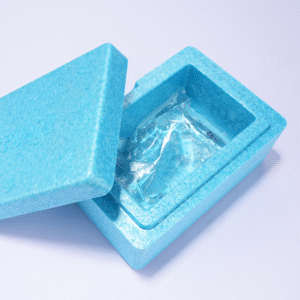
A dependable cold chain logistics provider must maintain precise temperature control, assurer la conformité réglementaire, provide end to end traceability, and offer robust packaging solutions. Selon la recherche sur l'industrie, inadequate temperature control causes à propos 20 % of temperature sensitive goods to be damaged in transit and up to 40 % of global food waste. To protect fragile products like vaccines or fresh produce, providers should deploy IoT sensors and real time alerts. Complying with Good Distribution Practice (PIB) et bonnes pratiques de fabrication (GMP) for pharmaceuticals builds trust, while blockchain based traceability prevents counterfeiting. Enfin, emballage avancé (active cooling systems, matériaux à changement de phase) preserves temperature throughout long journeys.
Beyond the basics, look for providers with validated processes and trained personnel. Modern partners integrate digital documentation and predictive analytics to detect anomalies before they become crises. Packaging should be right sized and sustainable, employing natural refrigerants and reusable containers to reduce waste. By choosing a provider that aligns with your product requirements and sustainability goals, you safeguard customer satisfaction and brand reputation.
Why Real Time Visibility and Blockchain Matter in Cold Chain
Maintaining a seamless cold chain demands more than periodic checks. IoT sensors and blockchain technology enable continuous monitoring, predictive alerts and tamper proof records that guarantee product integrity. Les appareils IoT mesurent la température, humidité et localisation en temps réel, providing verifiable data for compliance and proactive intervention. Predictive analytics built on these data streams can foresee equipment failures and optimize routes to avoid congestion and delays. Blockchain adds a secure, decentralized ledger that tracks each hand off, reducing fraud and verifying authenticity, especially for high value biologics. Ensemble, real time visibility and blockchain create a transparent chain of custody and build consumer trust.
| Essential Capability | Données/Description | Avantage pratique |
| Contrôle de la température | Plus que 20 % of temperature sensitive goods are damaged during transit without proper control. | Precise cooling systems and sensors maintain product quality and reduce spoilage. |
| Traçabilité & Chaîne de blocs | Blockchain provides tamper proof records across the supply chain. | Empêche la contrefaçon, ensures regulatory compliance and builds customer confidence. |
| Emballage avancé | Active cooling systems and phase change materials stabilize temperature. | Protects fragile products over long journeys and reduces packaging waste. |
| Initiatives de durabilité | Réfrigérants naturels, solar powered storage and reusable packaging reduce emissions. | Cuts energy costs and meets eco friendly consumer preferences. |
| Analyse prédictive | AI forecasts equipment failures and optimizes routes. | Minimizes downtime, reduces fuel consumption and enhances service reliability. |
Practical Tips for Selecting a Provider
Assess compliance credentials: Verify that the provider follows GDP/GMP for pharmaceuticals and HACCP or ISO 22000 standards for food safety. Certified facilities reduce regulatory risks.
Implement IoT and AI: Choose partners that use sensors and predictive analytics to monitor temperature in real time and adjust routes proactively.
Demand sustainable practices: Ask about natural refrigerants (Par exemple, CO₂ ou ammoniac), énergie renouvelable, and reusable packaging to align with sustainability goals.
Review traceability systems: Ensure they provide immutable blockchain records and integrate with your own systems for end to end visibility.
Test their contingency plans: Evaluate how providers handle power outages, equipment failures or border delays—predictive maintenance and built in redundancies indicate resilience.
Étude de cas: Americold partnered with Canadian Pacific Kansas City (CPKC) to open a 335,000centre d'import-export de pieds carrés à Kansas City. The facility co locates cold storage with rail access, reducing cross border transit times and offering USDA inspection services. Americold plans to expand this model across North America to improve supply chain speed and reliability.
How Are Technologies Shaping Cold Chain Logistics Providers?
Automation, robotique, AI and IoT are transforming cold chain logistics providers from reactive warehouses into proactive, data driven ecosystems. Dans 2025, seulement environ 20 % des entrepôts sont automatisés, leaving massive room for productivity gains. Systèmes automatisés de stockage et de récupération (AS/RS) and robotic handling streamline operations, réduire les coûts de main d’œuvre et minimiser les erreurs. La durabilité est tout aussi importante: réfrigération économe en énergie, renewable power and eco friendly packaging are no longer optional but essential to meet consumer expectations and regulations.
Real time tracking is widely adopted. IoT devices enable unbroken visibility of goods’ location, température et état, while AI and predictive analytics optimize routes, forecast demand and anticipate maintenance needs. Infrastructure upgrades—better insulation, data rich refrigeration systems and on site renewable energy—modernize aging facilities. Véhicules autonomes, drones and advanced telematics promise to revolutionize last mile delivery. The convergence of AI with IoT allows for smarter operations, route optimization and immediate response to anomalies.
Emerging technologies also power new services: demand for pharmaceutical cold chain is surging, with gene and cell therapies requiring ultra cold storage. The rise of e commerce fuels investments in fresh food logistics and last mile distribution. Providers must integrate data across supply chain partners to ensure standardized and interoperable networks.
How Automation and AI Improve Efficiency
Automation reduces reliance on manual labor and mitigates workforce shortages. Les robots fonctionnent en continu, improve throughput and reduce order picking errors. AI driven predictive maintenance identifies equipment failures before they occur, cutting unplanned downtime and reducing repair costs by 10–20 %. AI route optimization leverages traffic and weather data to reduce fuel use and delays. Integrating AI with real time sensor data allows operators to adjust conditions instantly, prévenir la détérioration et assurer la conformité.
| Technologie | Description | Avantage |
| Entreposage automatisé | AS/RS and robotic handling systems operate continuously and minimize human error. | Augmente le débit, reduces labor costs and improves order accuracy. |
| IA & Analyse prédictive | Demande de prévisions, optimizes routes and predicts equipment maintenance. | Lowers fuel consumption, avoids disruptions and enhances decision making. |
| Real Time IoT Tracking | Les capteurs capturent la température, données d'humidité et de localisation, enabling live monitoring. | Empêche la détérioration, ensures compliance and enhances customer satisfaction. |
| Emballage intelligent | Incorporates IoT enabled temperature indicators and phase change materials. | Protects sensitive goods and offers data for quality assurance. |
| Autonomous Vehicles & Drones | Self driving trucks and drones equipped with refrigeration systems ensure efficient transportation. | Reduces delivery times, lowers emissions and improves last mile service. |
User Focused Tips and Recommendations
Utiliser la maintenance prédictive: Ask providers about AI tools that predict equipment failures; this can cut unplanned downtime by 50 % and save 10–20 % in repair costs.
Tirer parti des capteurs IoT: Deploy sensors that provide real time alerts every 1–5 minutes, a standard rapidly adopted across the industry.
Adopt route optimization software: Implement AI driven routing to reduce fuel consumption and ensure goods arrive within temperature thresholds.
Intégrer des plateformes de données: Choose providers that offer standardized, interoperable data platforms for easier integration with your own systems.
Test autonomous solutions: Pilot autonomous vehicles or drones for remote or congested areas to enhance last mile delivery reliability.
Étude de cas: Lignée, the world’s largest temperature controlled warehouse REIT, expanded its Hobart, Indiana facility in Novembre 2025, ajout 188,000 sq ft of space and 58,000 positions des palettes. The fully automated expansion is part of its Velocities multivendor freight consolidation program, which consolidates shipments from multiple vendors into shared truckloads on fixed schedules. This project reduces transportation costs, meets strict delivery windows and increases reliability by using automation and predictive analytics. The facility now serves as Lineage’s largest North American site.
How Sustainability and Regulations Are Changing Cold Chain Logistics Providers
Environmental sustainability has moved from optional to mandatory. Les opérations de la chaîne du froid sont gourmandes en énergie, et 2025 brings heightened pressure to reduce carbon footprints while maintaining efficiency. Green logistics focuses on renewable energy, gestion de l’énergie et résilience au changement climatique. Companies are adopting biofuels and electricity from clean sources for refrigerated fleets, integrating solar and wind power at facilities and investing in EDGE certified buildings. Le Move to −15 °C initiative advocates energy efficient refrigeration technologies and sustainable practices. Reducing food loss and waste also remains pivotal—more than one billion tonnes of food is wasted annually, comptabilité 8–10 % des émissions mondiales de gaz à effet de serre.
Regulatory changes accelerate this shift. High global warming potential (PRP) HFC refrigerants are being phased out under the Kigali Amendment and local policies. Les États-Unis. EPA’s 2025 rule restricts manufacturing and import of products containing high GWP HFCs. The EU intends to ban high GWP refrigerants for some applications by 2027, though the truck sector remains temporarily exempt. These bans encourage the adoption of natural refrigerants such as CO₂ and ammonia and drive innovation in low GWP systems. Companies must also consider the risk of extreme weather, such as floods and droughts, and invest in resilient infrastructure.
Sustainability Strategies for Providers
Intégration des énergies renouvelables: Use on site solar or wind power to run refrigeration units and invest in energy efficient lighting and insulation. Rooftop solar installations at new facilities, such as Americold’s Jebel Ali hub with 27 docks and multi temperature capability, reduce grid reliance.
Réfrigérants naturels: Adopt CO₂ or ammonia systems with lower GWPs. The Move to −15 °C campaign encourages energy efficient refrigeration that minimizes environmental impact.
Emballage réutilisable: Transition from single use expanded polystyrene to reusable, recyclable packaging with high recycled content. New EU packaging regulations demand greater recyclability and interoperability.
Food waste prevention: Implement real time monitoring and predictive analytics to reduce spoilage and align with global goals to cut waste.
Community partnerships: Align corporate social responsibility with local communities. Lignée, Par exemple, contributed $50,000 in grants to local non profits at its Hobart facility opening, demonstrating commitment to social sustainability.
Étude de cas: Americold’s Jebel Ali import export hub in Dubai ouvert dans Septembre 2025. The facility offers 40,000 positions des palettes, stockage multi-température, 27 docks and rooftop solar panels pour réduire l'empreinte carbone. It serves quick service restaurants and grocery retailers, integrates piece , case and pallet level handling and meets ISO 22000 and HACCP standards. This strategic investment addresses inefficiencies in global food flows and demonstrates how sustainability and operational excellence can coexist.
What Are the Latest Market Trends and Opportunities for Cold Chain Logistics Providers in 2025?
Several forces shape the market landscape:
Growing demand for perishable products: Rising consumption of fresh and frozen foods, plant based alternatives and organic products drives new logistics requirements. Les aliments à base de plantes pourraient représenter 7.7 % du marché mondial des protéines par 2030, prompting partnerships with providers that can handle varied temperature profiles.
Expansion pharmaceutique: Thérapies géniques et cellulaires, vaccines and biologics require ultra cold storage. Environ 20 % de nouveaux médicaments under development are gene or cell based therapies, and the pharmaceutical cold chain market could reach 1 454 000 milliards de dollars américains d’ici 2029.
Regional growth differences: Asie-Pacifique shows the fastest growth due to increasing consumption of perishable foods and investments in cold storage infrastructure. Amérique du Nord generates the highest demand thanks to strong pharmaceutical production and advanced healthcare.
Partenariats et intégration: More businesses integrate supply chains through strategic partnerships, co locating cold storage with ports or rail access to reduce transit times and dwell time. Outsourcing to third party logistics providers (3Pls) remains a key strategy.
Modernization of facilities: Aging cold storage infrastructure prompts investment in automation, energy efficiency and upgraded visibility. New facilities incorporate advanced robotics and data systems to meet stricter regulations.
Derniers développements et tendances dans 2025
Automatisation et robotique: More cold storage providers invest in AS/RS and robotic handling to offset labor shortages and improve throughput.
La durabilité comme valeur fondamentale: Environmental concerns and regulations push sustainable refrigeration, renewable energy and eco friendly packaging to the forefront.
Visibilité en temps réel: IoT enabled tracking devices and software solutions become mainstream, providing continuous location and condition data.
Moderniser les infrastructures: Providers renovate aging facilities with better insulation, renewable power and data driven refrigeration systems.
IA & Analyse prédictive: L'IA optimise les itinéraires, forecasts demand and anticipates maintenance needs, réduire les coûts et améliorer la fiabilité.
Croissance pharmaceutique: Ultra cold storage capacity expands to support gene therapies and biologics.
Innovation du dernier kilomètre: Autonomous vehicles and drones are tested for last mile deliveries, improving access to remote areas.
Partenariats stratégiques: Co location of logistics hubs with ports and rail networks accelerates cross border trade and improves resilience.
Insistance au marché
The global cold chain logistics market’s growth—expected to expand at a 13.42 % TCAC entre 2025 et 2035—reflects rising demand for perishable foods and biologics. Investment flows into Asia Pacific due to rapid urbanization and e commerce adoption, while North America leads consumption because of its pharmaceuticals sector. Top companies include Amérique Logistique, Logistique de la lignée, DHL International, UPS et FedEx, all of which operate global networks and invest heavily in automation, IA et durabilité. Smaller providers can carve niches by specializing in regional markets, unique temperature regimes or advanced packaging solutions.
Questions fréquemment posées
What should I look for when evaluating a cold chain logistics provider? Choose providers with proven temperature control capabilities, robust traceability (including blockchain records), compliance with GDP/GMP and food safety standards, pratiques durables (réfrigérants naturels et énergies renouvelables), and advanced packaging. Renseignez-vous sur les capteurs IoT, predictive analytics and contingency plans.
How does real time data improve cold chain logistics? Real time data from IoT sensors allows providers to monitor temperature, humidité et emplacement en continu. AI analyses these data to optimize routes and detect anomalies, enabling proactive responses that prevent spoilage and ensure compliance.
Pourquoi la durabilité est-elle importante dans la logistique de la chaîne du froid? Les opérations de la chaîne du froid consomment beaucoup d’énergie. Sustainable practices—like using natural refrigerants, énergie renouvelable, and reusable packaging—reduce carbon footprints and operational costs while meeting regulatory requirements and consumer expectations.
What are the biggest trends impacting cold chain providers in 2025? Key trends include automation and robotics, IA et analyse prédictive, visibilité en temps réel, initiatives de développement durable, modernization of aging facilities, pharmaceutical growth, last mile innovations, et partenariats stratégiques.
Résumé & Recommandations
Dans 2025, choosing a cold chain logistics provider means balancing technologie, conformité, sustainability and strategic alignment. Ensure your partner offers precise temperature control, advanced traceability, validated processes and eco friendly practices. Effet de levier automation and AI to reduce costs and improve reliability, and demand visibilité en temps réel grâce aux capteurs IoT. Support providers investing in énergie renouvelable, natural refrigerants and reusable packaging pour s'aligner sur les objectifs mondiaux de développement durable. Consider regional strengths and market trends—Asia Pacific’s rapid growth versus North America’s high demand—to inform your strategy.
Plan d'action: Prochaines étapes pour votre entreprise
Audit your requirements: Identifier les plages de température, regulatory needs and volume projections for your products.
Évaluer les partenaires potentiels: Compare providers on compliance certifications, adoption de la technologie, sustainability credentials and geographic coverage.
Solutions technologiques pilotes: Test IoT sensors, predictive analytics and route optimization tools with your chosen partner.
Negotiate contracts: Include service level agreements (SLA) pour le contrôle de la température, data sharing and sustainability metrics.
Moniteur & adapter: Continuously review performance data and collaborate with your provider to refine processes and implement new innovations.
À propos du tempk
Rotation specializes in advanced cold chain packaging and monitoring solutions. Nous develop insulated boxes, IoT enabled sensors and sustainable refrigerants to ensure perishable goods arrive safely and efficiently. Our products support temperatures from cryogenic ranges for biologics to chilled levels for fresh foods. We continually invest in renewable energy and eco friendly materials to help clients reduce carbon footprints and comply with evolving regulations.
Appel à l'action: Prêt à optimiser votre chaîne froide? Reach out to Tempk’s experts for personalized solutions that integrate smart packaging, surveillance en temps réel et pratiques durables. Nous sommes là pour vous aider toi build a resilient, efficient and environmentally friendly cold chain.