Choisir les bons packs de gel pour la chaîne du froid pour l'expédition des vaccins
Si vous évaluez chaîne du froid gel packs pour l'expédition de vaccins, le bon point de départ est de définir le problème d'expédition avant de définir le pack. Dans la plupart des situations d'achat, l'objectif est de maintenir les vaccins réfrigérés dans la plage de température requise pendant la manipulation, transport court, et transfert du dernier kilomètre sans exposer les flacons aux dommages causés par le gel. Un bon format de réfrigérant devrait offrir cette protection sans poids inutile, désordre évitable, ou complexité opérationnelle cachée.
Un pack de gel vaccinal n’est pas un système d’expédition complet, Pourtant, cela influence fortement la performance d'un expéditeur isolé qualifié comme prévu.. Les produits sensibles au gel peuvent être endommagés si le liquide de refroidissement surgelé se trouve trop près des cartons ou des plateaux., la conception des emballages et la discipline de conditionnement sont donc aussi importantes que la durée de vie nominale au froid.. Les décisions d'achat les plus fiables consistent à traiter le pack de gel comme une partie d'un système complet, puis à vérifier si le fournisseur peut maintenir cette pièce cohérente à grande échelle..
Cela signifie regarder l'objectif de température, géométrie du paquet, méthode de conditionnement, placement des paquets, exposition par voie, et contrôle des changements de fournisseurs ensemble. Une fois que ces pièces sont claires, il devient beaucoup plus facile de décider si une pochette de gel standard, une brique rigide, ou un format basé sur PCM est le meilleur choix.
Commencez par la bonne définition
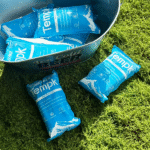
Un pack de gel pour chaîne du froid destiné aux expéditions de vaccins est un composant de refroidissement conçu pour ralentir l'augmentation de la température ou pour soutenir une fenêtre d'expédition définie à l'intérieur d'un emballage plus grand.. En pratique, il peut s'agir d'une pochette de gel standard, un insert fin, une brique rigide, ou un format de changement de phase choisi pour une température cible plus spécifique.
Ce n'est pas la même chose qu'un expéditeur isolé pleinement qualifié.. Le pack aide, mais le résultat final dépend encore de l'isolation, charge de produit, exposition ambiante, conditionnement, et placement des packs. Les bonnes décisions d'achat permettent de garder la vision du système au centre dès le départ.
Comportement thermique et limites de conformité
Avant d'approuver un fournisseur, assurez-vous que la stratégie en matière de réfrigérant correspond réellement à la fenêtre d'expédition cible. Pour cette catégorie, cela signifie généralement soutenir des aliments réfrigérés, souvent autour 2-8 C, avec une forte protection contre le gel accidentel avec un pack qui peut être conditionné de manière répétée et chargé de la même manière par les opérateurs à chaque quart de travail.
Il est également important de séparer la capacité thermique des conclusions réglementaires ou de qualité.. Un pack bien fait peut toujours ne pas convenir à l'itinéraire, et un emballage techniquement approprié peut encore nécessiter une qualification supplémentaire de l'emballage., surveillance, ou la documentation avant son utilisation dans un programme sensible.
Les directives publiques sur la manipulation des vaccins mettent l'accent sur l'utilisation de conteneurs qualifiés et d'un liquide de refroidissement correctement conditionné pendant le transport..
Pour les vaccins réfrigérés, la conception du conditionnement doit empêcher tout contact direct entre le produit sensible au gel et les surfaces de liquide de refroidissement excessivement froides.
Pratiques de surveillance, qualification d'itinéraire, et la réception de l'inspection est toujours importante même lorsque le liquide de refroidissement lui-même est bien conçu.
Formats, matériels, et stratégie de température
Les formats et les matériaux doivent être jugés ensemble, car un emballage de bonne taille contenant le mauvais film peut toujours échouer., tandis qu'un sac durable avec une mauvaise géométrie peut gaspiller de l'espace et de la masse froide.
La plupart des packs de gel réfrigérés utilisent un remplissage à base d'eau épaissi avec des agents à base de polymère ou de cellulose afin que le liquide de refroidissement reste flexible et tolérant aux fuites plutôt que de se comporter comme de l'eau libre..
Certains packs de vaccins bénéficient de packs PCM conçus pour changer de phase ci-dessus 0 C, ce qui peut réduire le risque de gel pour les produits qui doivent rester réfrigérés mais pas congelés.
Les films extérieurs utilisent souvent du polyéthylène ou des structures stratifiées plus résistantes lorsque la résistance à la perforation et aux manipulations répétées est importante..
Dans la plupart des projets de sourcing, le meilleur échantillon est celui qui équilibre le devoir thermique, facilité de conditionnement, et résistance aux dommages en même temps. Un pack qui excelle dans un seul de ces domaines devient souvent cher plus tard.
Applications et contextes opérationnels les mieux adaptés
La meilleure adaptation à l'application réside dans l'adaptation du liquide de refroidissement au modèle d'expédition., il ne faut pas supposer qu'un test réussi peut couvrir toutes les voies. Ce sont les cas d'utilisation les plus courants que les acheteurs évaluent en premier.
De nombreuses entreprises finissent par découvrir que les stratégies à double SKU ou saisonnières surpassent une approche universelle., surtout lorsque les conditions d'itinéraire sont variables.
Réapprovisionnement des cliniques et transferts de centre à site pour les vaccins réfrigérés. Dans ces expéditions, le conditionnement et le placement reproductibles du pack comptent généralement plus que la simple maximisation de la masse froide.
Transport de sauvegarde pendant une interruption temporaire du stockage ou des fenêtres de maintenance. Dans ces expéditions, le conditionnement et le placement reproductibles du pack comptent généralement plus que la simple maximisation de la masse froide.
Distribution régionale en caisses isothermes, fourre-tout, ou expéditeurs de colis. Dans ces expéditions, le conditionnement et le placement reproductibles du pack comptent généralement plus que la simple maximisation de la masse froide.
Transport à température dirigée de produits biologiques auxiliaires circulant dans la même gamme réfrigérée. Dans ces expéditions, le conditionnement et le placement reproductibles du pack comptent généralement plus que la simple maximisation de la masse froide.
Scénarios pratiques et décisions d'itinéraire
Les décisions d'achat réelles s'améliorent lorsque le pack est jugé dans son contexte. Les scénarios suivants capturent les questions que les acheteurs doivent généralement résoudre.
En pratique, une voie régionale de vaccination peut utiliser un 5 C Liquide de refroidissement de type PCM autour d'un carton isolé afin que les cartons restent tamponnés pendant le chargement et le transfert sans s'appuyer sur une surface gelée..
Lors d'un court transfert en clinique, les équipes se soucient souvent moins de la durée de vie maximale à froid sur le papier que du conditionnement reproductible, placement des paquets, et recevoir des chèques.
Quand les programmes s’étendent aux itinéraires saisonniers mixtes, les acheteurs qualifient généralement plus d'un pack plutôt que de forcer la même masse de liquide de refroidissement dans chaque voie.
Une liste de contrôle pratique des fournisseurs pour les commandes groupées
Si l'achat est destiné au fabricant, fournisseur, ou utilisation en gros, la liste restreinte la plus utile vient du fait de poser des questions opérationnelles dès le début. Cela fait gagner du temps, réduit le taux de désabonnement des échantillons, et évite les surprises tardives.
Au minimum, votre évaluation des fournisseurs doit couvrir les dimensions internes et externes, masse froide utilisable, construction matérielle, méthode de conditionnement, empilabilité ou efficacité de stockage, hygiène ou nettoyabilité le cas échéant, support à l’étiquetage et à la traçabilité, et la cohérence des résultats de l'échantillon à la production. Si le fournisseur ne peut pas répondre clairement à ces points, le risque d’essais et d’erreurs coûteux augmente rapidement.
Outils de décision utiles
Vérifiez les détails avant de choisir l'emballage
Ces outils rapides peuvent vous aider à comparer le risque d'itinéraire, besoins de dimensionnement, choix de liquide de refroidissement, et les détails de l'emballage avant de demander un devis.
Référence du matériau isolant
Comparez les choix de matériaux d'isolation pour différents besoins d'emballage de la chaîne du froid.
Comparez les matériauxRésistance aux chutes du matériau isolant
Examinez la résistance aux chutes et les facteurs de manipulation avant de choisir des matériaux d'isolation..
Vérifier la résistanceCalculateur de glace carbonique
Estimer les besoins en glace carbonique pour les envois congelés ou ultra-froids avant l'emballage.
Estimation de la neige carboniqueDemandez si le fabricant propose du gel standard à base d’eau, options PCM conçues autour 5 C, ou les deux. Il s'agit d'un filtre pratique pour séparer les fournisseurs compétents des offres similaires..
Vérifier la construction du film, résistance à la perforation, qualité des coutures, et des tests d'étanchéité, car de petites défaillances peuvent ruiner l'intégralité d'un paquet de vaccins.. Il s'agit d'un filtre pratique pour séparer les fournisseurs compétents des offres similaires..
Demander des instructions de conditionnement que les opérateurs peuvent suivre systématiquement dans les centres de distribution et les cliniques. Il s'agit d'un filtre pratique pour séparer les fournisseurs compétents des offres similaires..
Vérifier les tolérances de taille, tolérances de poids, et traçabilité des lots afin que les performances thermiques ne dérivent pas d'un lot à l'autre. Il s'agit d'un filtre pratique pour séparer les fournisseurs compétents des offres similaires..
Confirmer si le fournisseur prend en charge le développement de packs, cartographie de la température, ou des conseils sur le placement de l'enregistreur de données. Il s'agit d'un filtre pratique pour séparer les fournisseurs compétents des offres similaires..
Demandez comment la formule change, substitutions de résine, ou les changements dans l'usine sont contrôlés et communiqués. Il s'agit d'un filtre pratique pour séparer les fournisseurs compétents des offres similaires..
Des erreurs qui créent des coûts, dommage, et excursions
La façon la plus simple de gaspiller de l'argent emballage chaîne du froid c'est corriger le mauvais problème. De nombreux envois sont suremballés, sous-testé, ou adapté à la mauvaise famille de réfrigérants. Ce sont les erreurs qui comptent le plus.
En pratique, de meilleurs résultats proviennent généralement de spécifications plus strictes et d'instructions d'utilisation plus simples, pas en ajoutant sans cesse plus de masse froide.
Un pack de gel à lui seul ne rend pas un pack conforme, qualifié, ou adapté à chaque ligne de vaccination. Une bonne conception du pack et une communication claire avec les fournisseurs devraient réduire ce risque avant le lancement, pas après l'apparition des plaintes.
Le liquide de refroidissement gelé peut créer des points froids localisés et des vaccins sensibles au gel si l'espacement et le conditionnement des emballages sont mal contrôlés.. Une bonne conception du pack et une communication claire avec les fournisseurs devraient réduire ce risque avant le lancement, pas après l'apparition des plaintes.
Produit, itinéraire, exposition ambiante, et la géométrie de l'expéditeur changent tous les performances, donc un format de pack s'adapte rarement à toutes les voies. Une bonne conception du pack et une communication claire avec les fournisseurs devraient réduire ce risque avant le lancement, pas après l'apparition des plaintes.
Le liquide de refroidissement réutilisable peut être pratique dans les boucles fermées, mais l'hygiène, inspection, et le contrôle du conditionnement doit être géré. Une bonne conception du pack et une communication claire avec les fournisseurs devraient réduire ce risque avant le lancement, pas après l'apparition des plaintes.
Efficacité, durabilité, et coût total d'exploitation
Les discussions sur la durabilité autour des packs de gel de la chaîne du froid pour les expéditions de vaccins deviennent plus pratiques. Les acheteurs se demandent non seulement de quoi est fait le pack, mais aussi si le format réduit la taille de la boîte, évite la réexpédition, s'adapte aux boucles de retour, et coupe la masse froide inutile.
De nombreux acheteurs comparent désormais le liquide de refroidissement unidirectionnel aux options réutilisables seulement après avoir confirmé le contrôle de l'itinéraire., logistique de retour, et faisabilité de l'assainissement.
Réduction matérielle, meilleure utilisation des cubes, et moins d'envois endommagés comptent souvent plus que les grandes allégations en matière de durabilité.
Certains fournisseurs proposent désormais des films recyclables ou à plus forte teneur en matières recyclées, mais l’adéquation opérationnelle vient généralement en premier dans la logistique des vaccins.
À travers le transport biopharmaceutique réfrigéré, les acheteurs demandent de plus en plus une meilleure protection contre le gel, des SOP de conditionnement plus claires, et un contrôle plus strict des changements de la part des fabricants de liquides de refroidissement.
FAQ
Ces réponses courtes couvrent les questions qui ralentissent le plus souvent une décision de sourcing.
Un pack de gel congelé standard peut-il être utilisé pour les vaccins réfrigérés?
Pas toujours. De nombreux emballages de vaccins réfrigérés nécessitent un liquide de refroidissement conditionné ou un PCM qui réduit le risque de gel, plus une disposition qui évite les chocs directs dus au froid.
Un pack de gel est-il suffisant pour qualifier un expéditeur de vaccins?
Non. La qualification dépend du système complet: récipient isolé, disposition du réfrigérant, méthode de chargement, profil d'itinéraire, et plan de surveillance.
Ce qui compte le plus lors du changement de fournisseur de packs de gel pour vaccins?
Les plus grands risques sont les changements de formule, remplir le poids, dimensions, et la qualité du film car ils peuvent modifier les performances thermiques et la répétabilité de l'emballage..
Points à retenir
Le moyen le plus efficace de se procurer des packs de gel sous chaîne du froid pour l’expédition de vaccins est de définir d’abord l’expédition., puis le réfrigérant. Une fois que vous connaissez l'objectif réel de température, exposition par voie, géométrie de l'emballage, et méthode de manipulation, la comparaison des fournisseurs devient beaucoup plus précise.
Pour les vaccins, les bons résultats proviennent généralement de packs faciles à conditionner, de taille et de remplissage constants, assez durable pour l'itinéraire, et honnête sur ce qu'ils peuvent et ne peuvent pas faire. Cette combinaison a généralement plus de valeur que la réclamation à froid la plus agressive du marché..
Pourquoi les tests sur échantillons doivent refléter les opérations réelles
L’examen des échantillons doit toujours aller au-delà d’un simple test de gel et de sensation. Pour les vaccins, l'approche la plus utile consiste à tester le pack dans l'expéditeur réel avec un produit réel ou des substituts de charge utile réalistes., en utilisant la même fenêtre de conditionnement et le même modèle de chargement prévus pour les opérations en direct.
Ce genre d'essai montre rapidement si le format est trop volumineux, trop fragile, trop froid au début, ou trop incohérent sur la ligne. Il révèle également des détails pratiques tels que si le pack gêne la fermeture., changements de transit, ou crée de la condensation évitable à la livraison.
Quand les fournisseurs accompagnent bien cette démarche, ils fournissent généralement des instructions de conditionnement plus claires, dimensions plus stables, et un meilleur alignement entre le matériel d'échantillon et le matériel de production. Ces détails réduisent les surprises coûteuses plus tard.
À propos du Tempk
Et Tempk, nous nous concentrons sur emballage à température contrôlée et expédition sous chaîne du froid matériels. Fondée en 2011, nous proposons des produits tels que packs de glace, briques de glace, packs de glace sec, Matériaux PCM, sacs isolés, doublures de boîte, glacières, et housses de palettes pour la logistique alimentaire et pharmaceutique. Nous travaillons avec des clients qui ont besoin d'un emballage adapté à la plage de température réelle, durée du transit, et conditions de manutention de l'envoi, avec personnalisation disponible lorsque les formats standards ne conviennent pas.
Prochaine étape
Si vous comparez les options de packs de gel sous chaîne du froid pour les expéditions de vaccins, demandez-nous votre température cible, durée du transit, format d'emballage, et les besoins d'approvisionnement en gros. Nous pouvons vous aider à affiner une approche d'emballage pratique avant de vous engager dans une commande importante..