Corps de l'article
Choisir le bon Compresse froide en gel Fournisseur en Espagne
Un bon résultat d'un fournisseur de compresses froides en gel en Espagne devrait rendre l'opération plus simple, pas plus fragile. Que vous protégiez Produits sensibles à la température, soutenir une demande de thérapie, ou améliorer les performances de livraison par temps chaud, le bon pack est celui qui correspond au véritable itinéraire, le véritable processus de traitement, et les réelles contraintes d'achat derrière la commande.
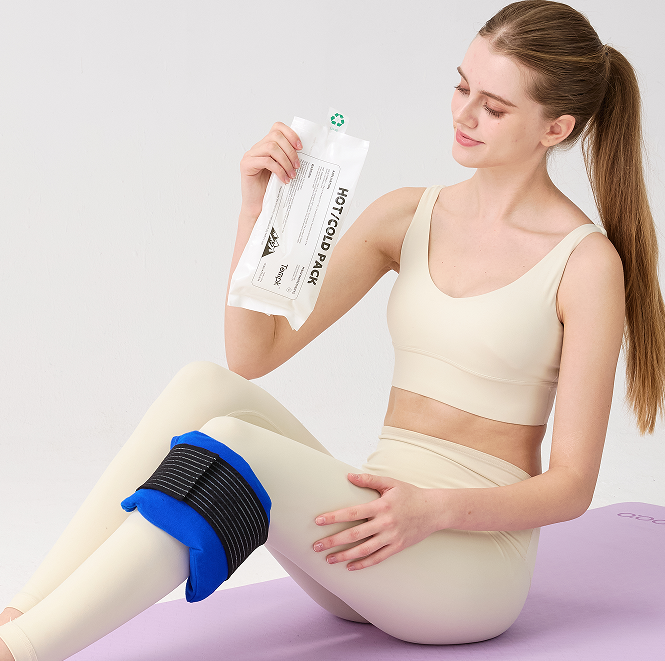
Les packs thérapeutiques commerciaux mettent souvent en avant des caractéristiques telles qu'un gel non toxique, flexibilité une fois congelé, et compatibilité micro-ondes. Ces allégations ne sont utiles que si le fournisseur peut les associer à des matériaux et des instructions cohérents..
Ce que le produit devrait faire et ce qu'il ne devrait pas faire
Une compresse froide en gel est un pack thérapeutique réutilisable destiné au contact direct ou indirect avec le corps après un conditionnement au congélateur ou au micro-ondes., en fonction de la conception du produit. Contrairement à un réfrigérant d'expédition, il doit également être suffisamment confortable pour être placé contre la peau, suffisamment flexible pour envelopper la zone cible, et clairement étiqueté afin que l'utilisateur final comprenne combien de temps l'appliquer et si une barrière en tissu est recommandée.
C'est pourquoi la sélection des fournisseurs dans cette catégorie est plus large que la seule chimie des gels.. Les acheteurs doivent penser à la qualité des soudures, sensation de film, contrôle des odeurs, finition de l'emballage, présentation au détail, et la stabilité du produit lors des commandes répétées. En Espagne et dans l’UE au sens large, ces détails comptent souvent autant que le simple coût unitaire.
Si le produit est vendu dans les circuits de santé ou porte des allégations thérapeutiques, les pièces justificatives sont plus importantes que pour une simple compresse froide promotionnelle. Les exigences diffèrent selon le marché et l'utilisation prévue, les acheteurs espagnols doivent donc confirmer quels documents d'étiquetage et quels documents techniques le fournisseur peut réellement prendre en charge.. Si un pack est commercialisé simplement comme un article général de bien-être ou de récupération, le fardeau de la documentation peut être plus léger qu'il ne le serait pour un produit vendu avec des allégations thérapeutiques ou cliniques plus solides. Les acheteurs en Espagne doivent donc confirmer l'utilisation prévue, langage d'étiquetage, et les documents techniques effectivement livrés avec le produit.
Comment le bon format est choisi
Les packs thérapeutiques fonctionnent différemment des réfrigérants en colis car l'expérience utilisateur est importante. Le pack doit rester suffisamment froid pour une application utile tout en restant souple et confortable.. Les produits commerciaux de cette catégorie mettent généralement en avant le gel non toxique, réutilisabilité, et flexibilité après congélation, et beaucoup permettent également l'application de chaleur après le réchauffement au micro-ondes. Ces affirmations dépendent de la viscosité du gel, sélection de films, qualité de soudure, et la présence ou non d'une housse de protection.
Pour un fournisseur, la question n'est pas seulement de savoir si le pack devient froid. Il s'agit de savoir s'il reste suffisamment souple pour s'adapter à une épaule, genou, cheville, mâchoire, ou autre zone du corps; si les coutures restent intactes après des cycles répétés de gel-dégel; et si la surface extérieure est propre et cohérente lors d'une utilisation commerciale ou clinique.. Un pack techniquement froid mais difficile à utiliser ne fonctionnera pas bien sur le marché.
La demande typique provient des pharmacies de détail et des programmes de premiers secours saisonniers., distribution de rééducation sportive et de physiothérapie, et des gammes de produits de bien-être ou de récupération de marque privée. Ces chaînes valorisent des choses légèrement différentes. Les acheteurs au détail peuvent se soucier de l'emballage d'affichage, couleur, forme, et facilité d'enseignement. Les acheteurs cliniques se soucient davantage de la cohérence des sensations, durabilité, et des performances prévisibles. Les programmes de marques privées ont besoin de tout cela, ainsi que d'une exécution fiable en matière d'impression et d'emballage..
Où les acheteurs gagnent de la valeur et où commencent les erreurs
Un pack thérapeutique puissant vous permet une utilisation répétée, manipulation agréable, Stockage facile, et une proposition de valeur simple pour les utilisateurs finaux. Les sacs qui restent flexibles une fois congelés sont généralement plus faciles à positionner et sont moins durs pour le corps.. Les conceptions compatibles avec les micro-ondes peuvent élargir l'utilité du produit si les instructions sont claires et si le système de matériaux est adapté aux cycles chauds et froids..
Les principaux points de défaillance sont évitables: coutures fragiles après des cycles répétés, migration de gel qui crée des grumeaux durs, forte odeur, instructions de conditionnement peu claires, emballage de vente au détail faible, ou une forme qui semble belle sur les photos mais qui fonctionne mal sur le corps. En termes d'approvisionnement, la limitation est rarement le concept. C'est l'écart entre un échantillon de pré-production et une fabrication répétée stable.
L'évaluation technique doit inclure la durabilité au gel et au dégel, qualité des coutures, sensation de surface, et le comportement du pack après des cycles répétés. Si le produit prend également en charge la thérapie thermique, le système matériel doit tolérer ce deuxième modèle d'utilisation sans dérouter l'utilisateur. Des tests sur de petits échantillons avec une manipulation réaliste peuvent révéler si le gel s'agglutine, fuites, durcit de manière inégale, ou développe des défauts de surface.
L'échec le plus courant est une inadéquation entre l'échantillon du showroom et la réalité de la production.. Une bonne unité de pré-production ne dit pas grand-chose à moins que le fournisseur ne puisse conserver le même film, viscosité du gel, imprimer, et discipline d'emballage à grande échelle. C'est pourquoi un échantillonnage répété ou une production pilote valent souvent la peine d'une étape supplémentaire..
Une liste pratique de fournisseurs
Pour les produits thérapeutiques, la sélection des fournisseurs doit couvrir à la fois la sensation du produit et la discipline de fabrication. Pour l'Espagne, la discussion avec le fournisseur s'étend souvent au-delà du coût du produit. Les acheteurs veulent un emballage en espagnol, réapprovisionnement stable au sein de l’UE, et un format qui peut survivre au stockage et au transport par temps chaud sans perdre en apparence ou en convivialité.
La bonne liste restreinte repose sur la répétabilité, ajuster, et des limites opérationnelles honnêtes. Demandez au fournisseur de répondre aux points ci-dessous par écrit afin que l'approbation des échantillons et l'approbation groupée restent alignées..
- Confirmer les dimensions internes et externes, remplir le poids, et quantités de caisses afin que le pack s'adapte à votre expéditeur actuel sans gaspillage d'espace aérien.
- Demandez quel film ou matériau extérieur est utilisé, comment sont formés les sceaux, et quels contrôles sont en place pour empêcher la dérive d'un lot à l'autre.
- Demandez des instructions de conditionnement écrites au lieu de vous fier à des habitudes informelles de congélation au banc d'emballage..
- Vérifiez si les packs d'échantillons et les packs de production proviennent de la même nomenclature., la même routine de remplissage, et le même standard de qualité.
- Demandez comment le fournisseur communique toute formulation, film, imprimer, ou changement de dimension du paquet avant expédition.
- Dans quelle mesure le pack reste-t-il flexible après le conditionnement au congélateur
- Si le produit comprend une housse textile, sangle, ou enveloppement façonné pour une zone corporelle cible
- Instructions en espagnol, étiquetage, et support pour les illustrations d'emballage
- Sensation du film extérieur ou du tissu, nettoyabilité, et déclarations liées au latex le cas échéant
- Qualité de soudure et performances de répétition après des cycles chaud/froid répétés
- Vérifier si le gel reste souple après congélation, si l'utilisation du micro-ondes est autorisée, et comment ces instructions sont communiquées sur l'emballage et le carton.
- Examiner l'emballage de vente au détail, versions linguistiques, placement du code à barres, et des contrôles d'impression de marques privées si le produit passera par les canaux de pharmacie ou de bien-être.
Comment valider avant la mise à l'échelle
Avant d'approuver une commande importante de packs thérapeutiques, effectuer une simple évaluation d'utilisation réelle avec des échantillons destinés à la production. Gelez les packs de la même manière que les utilisateurs finaux ou le personnel les gèleront réellement. Vérifier la flexibilité, résistance des coutures, confort, odeur, sensation de surface, et état du carton après transport.
Outils de décision utiles
Vérifiez les détails avant de choisir l'emballage
Ces outils rapides peuvent vous aider à comparer le risque d'itinéraire, besoins de dimensionnement, choix de liquide de refroidissement, et les détails de l'emballage avant de demander un devis.
Vérificateur de risque d'itinéraire
Examinez les conditions des pistes avant de sélectionner l'emballage en fonction des exigences opérationnelles réelles..
Vérifier le risque d'itinéraireRéférence du matériau isolant
Comparez les choix de matériaux d'isolation pour différents besoins d'emballage de la chaîne du froid.
Comparez les matériauxCalculateur de glace carbonique
Estimer les besoins en glace carbonique pour les envois congelés ou ultra-froids avant l'emballage.
Estimation de la neige carboniqueRépétez ensuite le test après plusieurs cycles, pas juste une fois. Cette étape révèle souvent si le pack semble toujours utilisable après une manipulation de routine ou si le premier échantillon était flatteur mais pas durable..
Cela ne veut pas dire trop compliquer l’achat. Cela signifie garder le fournisseur honnête. S'ils décrivent le pack comme médical, professionnel, sportif, vente au détail, et promotionnel à la fois, demandez-leur de définir quelle version du produit vous approuvez réellement.
Une liste restreinte solide devient généralement évidente après cet exercice. Le meilleur fournisseur n’est pas toujours celui qui possède le catalogue le plus large; c'est celui dont les échantillons, documentation, et la discipline de commande répétée s'aligne tous.
Vers où se dirigent les priorités d’approvisionnement actuelles
Dans toute l’Espagne et dans l’ensemble de l’UE, l'approvisionnement en compresses froides évolue vers des packs mieux finis, présentation en marque privée, et des emballages avec moins de déchets. Les acheteurs demandent de plus en plus si le fournisseur peut conserver les matériaux, couleur, imprimer, et comportement du gel stable lors des commandes répétées. En Europe, les déchets d'emballage et la transparence des matériaux deviennent des critères d'achat de plus en plus visibles, en particulier pour les programmes de marques privées et de pharmacie. Même si le pack thérapeutique lui-même reste un simple produit réutilisable, emballage extérieur, efficacité des cartons, et les normes de documentation peuvent influencer la liste restreinte des fournisseurs.
Le marché évolue également vers une exécution de conception plus propre. Les acheteurs veulent des packs qui semblent finis, se sentir fiable, et arriver dans un état prêt à être vendu au détail. Cela pousse les décisions d'approvisionnement vers des fournisseurs capables de contrôler l'impression., couleur, et la cohérence de l'emballage plutôt que de proposer uniquement un prix départ usine bas.
Finition au détail, instructions, et stabilité des commandes répétées
Pour les packs thérapeutiques en gros, la présentation extérieure mérite une revue dédiée. Une mise en page graphique épurée, instructions de conditionnement claires, placement du code à barres, emballage multilingue si nécessaire, et la résistance du carton déterminent si le produit arrive prêt à la vente ou s'il doit être retravaillé.. Les acheteurs en Espagne et en Europe sous-estiment souvent la rapidité avec laquelle un emballage de vente au détail fragile peut donner l'impression qu'un pack de gel par ailleurs acceptable semble de mauvaise qualité..
C’est aussi là que les projets de marque privée peuvent échouer. L'échantillon approuvé peut paraître soigné, mais le premier grand tirage peut montrer une dérive des couleurs, impression fine, apparence de soudure incohérente, ou un emballage qui ne protège plus le produit lors de la distribution. Un fournisseur sérieux doit être à l'aise pour discuter des contrôles d'impression, épreuves d'emballage, et comment ils verrouillent la version approuvée avant la production complète.
Comment juger un échantillon avant d'approuver le volume
N'évaluez pas l'échantillon uniquement lorsqu'il est fraîchement sorti du carton.. Congelez-le, gérer le, appliquez-le à travers la barrière recommandée, et vérifiez ce que vous ressentez après une période d'utilisation réaliste. Puis répétez le cycle. Les acheteurs qui testent de cette façon voient rapidement si le pack reste souple, si les coutures restent soignées, et si le produit ressemble toujours à quelque chose d'une clinique, pharmacie, ou le client au détail ferait confiance.
La même logique s’applique aux emballages en vrac. Ouvrir le carton de transport, examiner si les unités collent ensemble, si l'impression s'efface, et si les emballages conservent leur forme après le transport. Ces détails ne semblent pas techniques, mais ils décident souvent si une nouvelle commande est douce ou douloureuse.
Conclusion
Un achat solide de pack thérapeutique équilibre le confort de l’utilisateur final, documentation, et stabilité de fabrication. Si l'un de ces éléments est faible, le produit peut créer des plaintes même si le gel lui-même est acceptable.
Le meilleur fournisseur est donc celui dont la qualité des échantillons, instructions, conditionnement, et la cohérence des commandes répétées vont toutes dans la même direction.
À propos du Tempk
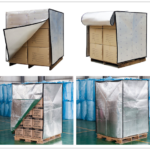
Et Tempk, nous nous concentrons sur la chaîne du froid emballage à température contrôlée plutôt que le marketing du bien-être des consommateurs. Notre gamme de produits publics comprend packs de glace en gel, briques de glace pour congélateur, doublures de boîtes isolées, Boîtes EPP, couvertures de palettes, et matériaux d'emballage associés pour le transport sensible à la température. Nous décrivons également le R interne&Prise en charge des tests D et thermiques. Ainsi, lorsqu'un acheteur a besoin d'un pack plus proche d'une protection d'expédition que d'une thérapie par contact corporel, nous pouvons vous aider à évaluer la façon dont le réfrigérant et le conditionnement plus large fonctionnent ensemble.
Prochaine étape
Si votre besoin se situe entre une utilisation thérapeutique au détail et un transport sensible à la température, commencez par clarifier l’utilisation finale exacte. Demandez ensuite des échantillons qui correspondent au format d'emballage final avant de vous engager sur le volume..
FAQ
Ce sont les questions qui demeurent le plus souvent une fois la comparaison initiale terminée..
Les compresses froides thérapeutiques et les packs de gel d'expédition sont-ils interchangeables ??
Non. Une compresse thérapeutique est conçue pour le contact avec le corps, confort, et une utilisation contrôlée. Un pack de gel d'expédition est conçu pour la protection thermique des colis et peut avoir une forme incorrecte., surface, ou comportement thermique pour la thérapie. Une réponse utile doit toujours être liée à la zone du corps prévue, confort d'utilisation, et attentes en matière d'utilisation répétée.
Que doit fournir un fournisseur pour les canaux espagnols de pharmacies ou de cliniques?
Demandez des instructions d'utilisation claires, options d'emballage, dimensionnement de la zone corporelle, détails des matériaux pour la couche extérieure, et une documentation qui correspond au canal de vente au détail ou professionnel prévu. Dans les programmes de marque privée, la réponse doit également correspondre à l'emballage final et au mode d'emploi.
Comment choisir le bon assortiment de tailles?
Commencez par les zones du corps que vous souhaitez couvrir. Les petits formats conviennent au visage, poignet, ou usage pédiatrique; costume enveloppant le genou de taille moyenne, cheville, et le coude; des bretelles ou des couvertures plus grandes fonctionnent mieux pour les épaules, hanche, ou retour. Le véritable test est de savoir si la même réponse est toujours valable après des cycles répétés de gel-dégel et de transport..