Choisir les bons inserts de glace en gel pour l'expédition de boissons
Si vous évaluez inserts de glace en gel pour l'expédition de boissons, le bon point de départ est de définir le problème d'expédition avant de définir le pack. Dans la plupart des situations d'achat, l'objectif est de garder les produits prêts à boire au frais jusqu'à l'emballage, colis en direct, et livraison au client sans perte d'espace ni écrasement de l'efficacité du carton. Un bon format de réfrigérant devrait offrir cette protection sans poids inutile, désordre évitable, ou complexité opérationnelle cachée.
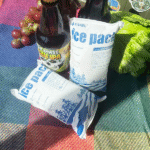
Pour les boissons, la géométrie compte souvent autant que la production de froid. Un insert qui s'adapte parfaitement à côté des canettes, bouteilles, ou les sachets peuvent protéger la température tout en préservant la densité de l'emballage, présentation, et économie du transport maritime. Les décisions d'achat les plus fiables proviennent du traitement du paquet de gel comme partie d'un système complet, puis vérifier si le fournisseur peut maintenir cette partie cohérente à grande échelle.
Cela signifie regarder l'objectif de température, géométrie du paquet, méthode de conditionnement, placement des paquets, exposition par voie, et contrôle des changements de fournisseurs ensemble. Une fois que ces pièces sont claires, il devient beaucoup plus facile de décider si une pochette de gel standard, une brique rigide, ou un format basé sur PCM est le meilleur choix.
Commencez par la bonne définition
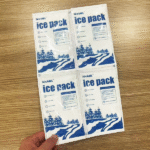
Un insert de glace en gel pour l'expédition de boissons est un composant de liquide de refroidissement conçu pour ralentir l'augmentation de la température ou pour soutenir une fenêtre d'expédition définie à l'intérieur d'un emballage plus grand.. En pratique, il peut s'agir d'une pochette de gel standard, un insert fin, une brique rigide, ou un format de changement de phase choisi pour une température cible plus spécifique.
Ce n'est pas la même chose qu'un expéditeur isolé pleinement qualifié.. Le pack aide, mais le résultat final dépend encore de l'isolation, charge de produit, exposition ambiante, conditionnement, et placement des packs. Les bonnes décisions d'achat permettent de garder la vision du système au centre dès le départ.
Comportement thermique et limites de conformité
Avant d'approuver un fournisseur, assurez-vous que la stratégie en matière de réfrigérant correspond réellement à la fenêtre d'expédition cible. Pour cette catégorie, cela signifie généralement soutenir le transport de boissons réfrigérées, généralement frais plutôt que surgelé avec un emballage qui peut être conditionné de manière répétée et chargé de la même manière par les opérateurs à chaque quart de travail.
Il est également important de séparer la capacité thermique des conclusions réglementaires ou de qualité.. Un pack bien fait peut toujours ne pas convenir à l'itinéraire, et un emballage techniquement approprié peut encore nécessiter une qualification supplémentaire de l'emballage., surveillance, ou la documentation avant son utilisation dans un programme sensible.
Les expéditeurs de produits alimentaires doivent toujours tenir compte de l’assainissement, pratiques de chargement, et contrôle de la température tout au long du processus d'expédition, pas seulement le choix du liquide de refroidissement.
Si les boissons contiennent des produits laitiers, probiotiques, ou d'autres ingrédients sensibles à la température, votre objectif de transport peut être plus restreint que pour les boissons gazeuses standards.
Formats, matériels, et stratégie de température
Les formats et les matériaux doivent être jugés ensemble, car un emballage de bonne taille contenant le mauvais film peut toujours échouer., tandis qu'un sac durable avec une mauvaise géométrie peut gaspiller de l'espace et de la masse froide.
De nombreux inserts pour boissons utilisent du gel à base d'eau à l'intérieur de films PE ou stratifiés, avec des constructions plus résistantes sélectionnées pour le verre plus lourd ou la manipulation plus brutale des colis.
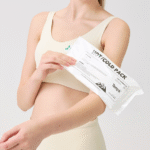
Le facteur de forme est critique. Un insert mince peut refroidir efficacement sans déplacer autant de volume de produit qu'un oreiller standard..
Certains fournisseurs proposent des constructions extérieures absorbantes ou réduisant la transpiration pour garder les étiquettes et le déballage plus propres..
Dans la plupart des projets de sourcing, le meilleur échantillon est celui qui équilibre le devoir thermique, facilité de conditionnement, et résistance aux dommages en même temps. Un pack qui excelle dans un seul de ces domaines devient souvent cher plus tard.
Applications et contextes opérationnels les mieux adaptés
La meilleure adaptation à l'application réside dans l'adaptation du liquide de refroidissement au modèle d'expédition., il ne faut pas supposer qu'un test réussi peut couvrir toutes les voies. Ce sont les cas d'utilisation les plus courants que les acheteurs évaluent en premier.
De nombreuses entreprises finissent par découvrir que les stratégies à double SKU ou saisonnières surpassent une approche universelle., surtout lorsque les conditions d'itinéraire sont variables.
Expéditions de boissons DTC telles que les infusions froides, kombucha, jus, et boissons fonctionnelles. L'avantage principal est un refroidissement contrôlé avec un bon ajustement du carton et une présentation nette à l'ouverture de la boîte..
Exemples de kits et de mailings d'influenceurs lorsque la présentation est importante. L'avantage principal est un refroidissement contrôlé avec un bon ajustement du carton et une présentation nette à l'ouverture de la boîte..
Cartons d'abonnement et enveloppes isothermes pour boissons fraîches. L'avantage principal est un refroidissement contrôlé avec un bon ajustement du carton et une présentation nette à l'ouverture de la boîte..
Réapprovisionnement à courte distance de boissons de spécialité sensibles à la température. L'avantage principal est un refroidissement contrôlé avec un bon ajustement du carton et une présentation nette à l'ouverture de la boîte..
Scénarios pratiques et décisions d'itinéraire
Les décisions d'achat réelles s'améliorent lorsque le pack est jugé dans son contexte. Les scénarios suivants capturent les questions que les acheteurs doivent généralement résoudre.
Un expéditeur de six canettes de bière froide peut utiliser deux inserts latéraux minces au lieu d'un emballage supérieur volumineux afin que les canettes restent stables et que la présentation reste propre lorsque la boîte est ouverte..
Pour des boissons en verre haut de gamme, les acheteurs échangent souvent un coût d'emballage légèrement plus élevé contre un film plus solide et une meilleure résistance à la perforation, car une seule fuite peut gâcher la totalité de la commande..
Les colis saisonniers changent souvent selon la région. L'insert qui fonctionne au printemps n'est peut-être pas la meilleure solution pour les périodes de pointe en été..
Une liste de contrôle pratique des fournisseurs pour les commandes groupées
Si l'achat est destiné au fabricant, fournisseur, ou utilisation en gros, la liste restreinte la plus utile vient du fait de poser des questions opérationnelles dès le début. Cela fait gagner du temps, réduit le taux de désabonnement des échantillons, et évite les surprises tardives.
Au minimum, votre évaluation des fournisseurs doit couvrir les dimensions internes et externes, masse froide utilisable, construction matérielle, méthode de conditionnement, empilabilité ou efficacité de stockage, hygiène ou nettoyabilité le cas échéant, support à l’étiquetage et à la traçabilité, et la cohérence des résultats de l'échantillon à la production. Si le fournisseur ne peut pas répondre clairement à ces points, le risque d’essais et d’erreurs coûteux augmente rapidement.
Demandez si le fabricant peut produire du slim, paroi latérale, coussin supérieur, ou des formes enveloppantes qui correspondent au modèle de votre pack principal. Il s'agit d'un filtre pratique pour séparer les fournisseurs compétents des offres similaires..
Outils de décision utiles
Vérifiez les détails avant de choisir l'emballage
Ces outils rapides peuvent vous aider à comparer le risque d'itinéraire, besoins de dimensionnement, choix de liquide de refroidissement, et les détails de l'emballage avant de demander un devis.
Générateur de liste de contrôle de conformité
Créer une liste de contrôle pratique pour l'examen des emballages, expédition, et documentation.
Construire une liste de contrôleVérificateur de risque d'itinéraire
Examinez les conditions des pistes avant de sélectionner l'emballage en fonction des exigences opérationnelles réelles..
Vérifier le risque d'itinéraireLiquide de refroidissement & Référence PCM
Comparez les options de liquide de refroidissement et de PCM lorsqu'un itinéraire nécessite une prise en charge supplémentaire de la température.
Comparez les optionsVérifiez la cohérence du remplissage et l'épaisseur globale, car de petits changements dimensionnels peuvent affecter la fermeture du carton et l'apparence de l'étiquette.. Il s'agit d'un filtre pratique pour séparer les fournisseurs compétents des offres similaires..
Examiner les options sans transpiration ni gestion de la condensation si la présentation en rayon lors de la livraison est importante. Il s'agit d'un filtre pratique pour séparer les fournisseurs compétents des offres similaires..
Confirmer la résistance à la perforation pour les expéditions de bouteilles en verre et les charges en coin. Il s'agit d'un filtre pratique pour séparer les fournisseurs compétents des offres similaires..
Renseignez-vous sur la marque privée, codage couleur, marquage des lots, et options de conditionnement en carton si l'encart fait partie d'un programme d'expédition de marque. Il s'agit d'un filtre pratique pour séparer les fournisseurs compétents des offres similaires..
Demander des échantillons qui reflètent les mêmes paramètres de film et de remplissage prévus pour une production complète. Il s'agit d'un filtre pratique pour séparer les fournisseurs compétents des offres similaires..
Des erreurs qui créent des coûts, dommage, et excursions
La façon la plus simple de gaspiller de l'argent emballage chaîne du froid c'est corriger le mauvais problème. De nombreux envois sont suremballés, sous-testé, ou adapté à la mauvaise famille de réfrigérants. Ce sont les erreurs qui comptent le plus.
En pratique, de meilleurs résultats proviennent généralement de spécifications plus strictes et d'instructions d'utilisation plus simples, pas en ajoutant sans cesse plus de masse froide.
Un insert de gel pour boisson n'est qu'une partie de l'emballage. Taille du carton, doublure isolée, temps de séjourner, et le modèle de chargement contrôle toujours les performances réelles. Une bonne conception du pack et une communication claire avec les fournisseurs devraient réduire ce risque avant le lancement, pas après l'apparition des plaintes.
Toutes les boissons n'ont pas besoin de la même température cible. Certains produits nécessitent une protection réfrigérée, tandis que d’autres ont principalement besoin de se défendre contre les pics de chaleur estivale. Une bonne conception du pack et une communication claire avec les fournisseurs devraient réduire ce risque avant le lancement, pas après l'apparition des plaintes.
Trop de liquide de refroidissement peut augmenter les coûts de transport, réduire l'espace des produits vendables, et créez un emballage trop froid pour les boissons sensibles. Une bonne conception du pack et une communication claire avec les fournisseurs devraient réduire ce risque avant le lancement, pas après l'apparition des plaintes.
Efficacité, durabilité, et coût total d'exploitation
Les discussions sur la durabilité autour de l'insert de glace en gel pour l'expédition de boissons deviennent de plus en plus pratiques. Les acheteurs se demandent non seulement de quoi est fait le pack, mais aussi si le format réduit la taille de la boîte, évite la réexpédition, s'adapte aux boucles de retour, et coupe la masse froide inutile.
Des inserts plus légers peuvent réduire les déchets dimensionnels et le poids des colis lorsqu'ils sont réellement adaptés au carton..
Certaines marques privilégient désormais les structures de films recyclables, teneur en PCR plus élevée, ou consigné packs froids pour les boucles locales, mais la meilleure option dépend de l'économie de l'itinéraire.
Réduire les étiquettes endommagées, paquets qui fuient, et les cartons surdimensionnés constituent souvent la victoire la plus rapide en matière de durabilité.
Le commerce électronique de boissons fraîches a poussé la demande vers des formats plus minces, présentation plus propre, et des inserts mieux ajustés qui gaspillent moins d'espace dans la boîte.
FAQ
Ces réponses courtes couvrent les questions qui ralentissent le plus souvent une décision de sourcing.
Pourquoi choisir un insert au lieu d'un pack d'oreillers standard?
Un insert peut correspondre à la bouteille ou améliorer la géométrie, préserver plus d’espace vendable, et améliorer la stabilité des emballages dans les cartons de boissons étroits.
Les inserts anti-transpiration sont-ils vraiment importants pour les boissons?
C'est souvent le cas lorsque les étiquettes, cartons, ou présentation premium font partie de l'expérience client.
Chaque boîte de boisson devrait-elle utiliser le même poids de liquide de refroidissement toute l'année?
Habituellement pas. Exposition ambiante, température de départ du produit, et la durée du transit justifient souvent des ajustements saisonniers.
Points à retenir
Le moyen le plus efficace de se procurer des inserts de glace en gel pour l'expédition de boissons est de définir d'abord l'expédition., puis le réfrigérant. Une fois que vous connaissez l'objectif réel de température, exposition par voie, géométrie de l'emballage, et méthode de manipulation, la comparaison des fournisseurs devient beaucoup plus précise.
Pour les boissons, les bons résultats proviennent généralement de packs faciles à conditionner, de taille et de remplissage constants, assez durable pour l'itinéraire, et honnête sur ce qu'ils peuvent et ne peuvent pas faire. Cette combinaison a généralement plus de valeur que la réclamation à froid la plus agressive du marché..
Pourquoi les tests sur échantillons doivent refléter les opérations réelles
L’examen des échantillons doit toujours aller au-delà d’un simple test de gel et de sensation. Pour les boissons, l'approche la plus utile consiste à tester le pack dans l'expéditeur réel avec un produit réel ou des substituts de charge utile réalistes., en utilisant la même fenêtre de conditionnement et le même modèle de chargement prévus pour les opérations en direct.
Ce genre d'essai montre rapidement si le format est trop volumineux, trop fragile, trop froid au début, ou trop incohérent sur la ligne. Il révèle également des détails pratiques tels que si le pack gêne la fermeture., changements de transit, ou crée de la condensation évitable à la livraison.
Quand les fournisseurs accompagnent bien cette démarche, ils fournissent généralement des instructions de conditionnement plus claires, dimensions plus stables, et un meilleur alignement entre le matériel d'échantillon et le matériel de production. Ces détails réduisent les surprises coûteuses plus tard.
L’ajustement opérationnel compte autant que l’ajustement thermique
La simplicité opérationnelle est facile à sous-estimer lors de l'examen des compresses froides sur une table de conférence, mais cela devient critique une fois que le programme évolue. Un pack qui nécessite des étapes de trempe particulières, espace de préparation peu pratique, ou le jugement constant de l'opérateur peut donner de bons résultats de laboratoire et néanmoins échouer commercialement.
Les meilleurs packs sont généralement faciles à stocker, simple à identifier, et simple à charger dans la bonne position. Ils tolèrent également des variations raisonnables du rythme des équipes et des conditions de l'entrepôt.. Dans les programmes à volume élevé, ce type de répétabilité crée souvent plus de valeur que la recherche de gains marginaux dans la vie froide.
Pour cette raison, les acheteurs devraient non seulement se demander si le pack fonctionne, mais si cela fonctionne proprement dans leur modèle de travail, capacité du congélateur, et l'empreinte de l'emballage. Cette question remodèle souvent la liste restreinte.
À propos du Tempk
Et Tempk, nous nous concentrons sur emballage à température contrôlée et expédition sous chaîne du froid matériels. Fondée en 2011, nous proposons des produits tels que des blocs de glace, briques de glace, packs de glace sec, Matériaux PCM, sacs isolés, doublures de boîte, glacières, et housses de palettes pour la logistique alimentaire et pharmaceutique. Nous travaillons avec des clients qui ont besoin d'un emballage adapté à la plage de température réelle, durée du transit, et conditions de manutention de l'envoi, avec personnalisation disponible lorsque les formats standards ne conviennent pas.
Prochaine étape
Si vous comparez les options d'insert de glace en gel pour l'expédition de boissons, demandez-nous votre température cible, durée du transit, format d'emballage, et les besoins d'approvisionnement en gros. Nous pouvons vous aider à affiner une approche d'emballage pratique avant de vous engager dans une commande importante..