Choisir le bon pack de gel réfrigérant pour l'expédition en laboratoire
Si vous évaluez pack de gel réfrigérant options pour l'expédition en laboratoire, l'ajustement compte plus que les gros titres. Le produit doit s'adapter à la charge utile, l'expéditeur, l'itinéraire, et la discipline d'emballage que votre équipe peut réellement répéter.
Quand ces éléments s'alignent, un pack de gel réfrigérant peut être une source de froid très pratique. Quand ils ne le font pas, même un pack bien fait peut décevoir sur le terrain.
Qu'est-ce que ce produit et où il s'adapte
Un pack de gel réfrigérant est mieux compris comme une source de froid contrôlée pour les emballages passifs.. Il peut être très efficace lors du transport en laboratoire lorsque la charge utile nécessite une protection thermique temporaire et que l'opération peut être préconditionnée., lieu, et gérer le pack de manière cohérente.
Ce n'est pas automatiquement un complet système d'expédition à température contrôlée, et il n'est pas automatiquement adapté à chaque charge utile. Le choix du fournisseur est important car les opérations du laboratoire dépendent de la répétabilité. Petits changements dans le poids de remplissage, film, ou les conseils de conditionnement peuvent modifier les performances sur le terrain. La bonne décision vient de l'adaptation du réfrigérant, isolation, itinéraire, et discipline opérationnelle.
Les programmes de laboratoire et d’échantillonnage de tissus ajoutent un autre niveau de discipline. Les directives publiques utilisées pour l'expédition des échantillons placent le réfrigérant en dehors de l'emballage secondaire et soulignent que le choix entre les emballages réfrigérés, paquets congelés, et la glace carbonique dépend des exigences en matière d'échantillon, durée prévue, et conditions ambiantes. C'est pourquoi les acheteurs de laboratoire expérimentés ne demandent généralement pas seulement un échantillon de pack., mais aussi pour des instructions de montage claires et répétables par les équipes réceptrices, courants, et le personnel d'assemblage des kits.
Comment les performances sont réellement déterminées
Les produits commerciaux sur le marché montrent à quel point la catégorie est large. Les gels réfrigérés standards sont généralement construits autour d'un profil de phase 0°C pour une distribution réfrigérée, tandis que les formules surgelées spécialisées peuvent réduire le point de congélation à environ -23 °C pour les programmes à basse température.. La littérature sur les produits publics montre également des différences dans la construction: certains emballages utilisent des films de polyéthylène épais autour 4 mil, d'autres utilisent des stratifiés en nylon résistants à la perforation, et certains modèles sans transpiration ajoutent une couche extérieure absorbante pour gérer la condensation. Des gels de type PCM plus précis sont également disponibles sur le marché autour de points de consigne de refroidissement contrôlé tels que 3°C., 5°C, 7°C, voire 17°C quand l’objectif est de se protéger du surrefroidissement plutôt que de simplement rester au froid.
Le conditionnement compte plus que ce à quoi de nombreux acheteurs s’attendent. Un bon pack de gel peut toujours mal fonctionner s'il est congelé de manière inégale, chargé à chaud, ou mis en scène trop longtemps avant le montage. Les directives opérationnelles publiées sur le marché recommandent souvent des packs de congélation à plat à environ -18°C ou moins pour 12 à 24 heures, puis construire l'expéditeur selon un modèle d'emballage défini. Ce processus semble basique, mais c'est là que la cohérence se gagne ou se perd. Deux fournisseurs peuvent proposer des packs de dimensions similaires, pourtant, on peut donner des instructions de conditionnement plus claires, contrôle plus strict du poids de remplissage, et des performances de répétition plus stables.
La géométrie modifie le comportement thermique autant que la chimie. Un paquet très fin permet un contact rapide avec la surface mais fond également plus rapidement. Une brique plus épaisse stocke plus d'énergie froide mais prend plus de place et peut créer des gradients de température plus marqués à proximité de la charge utile.. C'est pourquoi le bon pack de gel réfrigérant est généralement celui qui correspond à la disposition du produit à l'intérieur de l'expéditeur.. Si le carton présente des espaces latéraux serrés, un panneau latéral plat peut fonctionner mieux qu'une pochette d'oreiller trop remplie. Si la charge utile est lourde et empilée, une brique semi-rigide peut créer des couches plus propres et une séparation plus prévisible.
Pour les envois réglementés ou de grande valeur, le liquide de refroidissement doit être évalué dans le cadre de l'ensemble du système passif. Cela signifie la boîte extérieure, isolation, charge utile, matériau d'espacement, et le placement de l'enregistreur appartiennent tous à la même conversation. Les lignes directrices de l'OMS et de l'UE relatives à la distribution de médicaments mettent l'accent sur le maintien de la température requise pendant le transport et sur l'évitement du contact direct entre les packs réfrigérants et les produits susceptibles de geler.. Autrement dit, un pack solide est utile, mais elle ne devient une solution fiable que lorsqu'elle est adaptée au parcours réel et à la sensibilité réelle du produit.
Comment comparer les formats et les constructions
Le choix des matériaux n’est pas cosmétique. Sur le marché, Les produits de packs réfrigérants à gel réfrigéré sont souvent construits autour de systèmes de gel à base d'eau épaissis avec des agents tels que des dérivés de cellulose ou des stabilisants similaires afin que le remplissage reste distribué au lieu de ballotter comme un liquide libre.. Cette formulation est ensuite associée à un film ou un stratifié qui doit survivre au gel., contrainte du joint, abrasion des cartons, et manipulations répétées. Une simple pochette en polyéthylène peut suffire pour une utilisation à faible risque, tandis qu'une structure en nylon laminé peut offrir une meilleure résistance à la perforation sur les itinéraires les plus difficiles.. Certains packs ajoutent une couche extérieure absorbante pour gérer l'humidité de la surface. Les acheteurs doivent les considérer comme des choix de conception fonctionnels, pas de petites différences esthétiques.
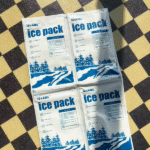
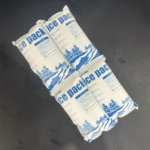
Les pochettes flexibles utilisent généralement bien l'espace et s'adaptent à la charge utile. Les briques apportent un empilement plus propre et une séparation plus définie. Les formats de couverture ou d'emballage peuvent couvrir une plus grande surface et convenir aux bouteilles ou aux cartons étroits. Aucun format ne gagne dans tous les couloirs. La meilleure question est de savoir quelle construction prend en charge la manière dont votre emballage est réellement assemblé et ouvert..
Ce qui compte dans votre candidature
Pour les expéditions de laboratoire telles que la logistique des échantillons, kits de test, distribution de réactifs, et fournitures de diagnostic, les packs de réfrigérants sont généralement sélectionnés pour leur propreté, répétabilité, et facilité de montage. Un pack réfrigérant en gel est attrayant car il évite la manipulation de l'eau de fonte et peut être dimensionné pour s'adapter aux boîtes de kits., expéditeurs de mousse, ou inserts moulés avec des tolérances relativement serrées. Dans de nombreux programmes de laboratoire, cette répétabilité réduit les erreurs d'assemblage et donne aux équipes de réception un processus de déballage plus cohérent.
Les acheteurs de laboratoires portent également une attention particulière à la documentation. Un fournisseur qui peut décrire la tolérance de remplissage, type de film, instructions de conditionnement, et la traçabilité des lots est plus facile à intégrer dans des flux de travail réglementés ou gérés par la qualité. Cela est particulièrement vrai lorsque le même format de pack sera utilisé sur plusieurs kits ou sur plusieurs sites et que toute modification inopinée des spécifications pourrait affecter le travail de validation..
Le prix du boîtier compte, mais le coût rendu change souvent le classement. Un pack moins cher qui nécessite plus d'unités par expéditeur, produit un poids de fret plus élevé, ou conduit plus de modules complémentaires d'été peuvent finir par coûter plus cher qu'un format mieux adapté. Il en va de même lorsque l'exploitation nécessite une main d'œuvre supplémentaire pour séparer les paquets., essuyer la condensation, ou retravailler les cartons endommagés. Les équipes d'approvisionnement obtiennent souvent une réponse plus claire en comparant le coût total de conditionnement et le coût des exceptions au lieu du seul prix unitaire..
Ce que les acheteurs doivent vérifier avant de passer une commande groupée
Pour une décision de production, la liste restreinte doit répondre à des questions pratiques, pas seulement des questions sur les produits:
Dimensions internes et externes: vérifie les deux, parce que de petites dérives dimensionnelles modifient l'ajustement du carton, espacement des produits, et placement de l'enregistreur.
Masse thermique utilisable: demander le poids de remplissage nominal, tolérance, et si le fournisseur vérifie automatiquement le poids pendant la production.
Construction matérielle: confirmer le type de film ou de stratifié, épaisseur, disposition des joints, et résistance à la perforation, surtout si les packs frottent contre les bouteilles, coins, ou inserts.
Comportement de conditionnement: demandez combien de temps le paquet doit geler, s'il doit être congelé à plat, et comment le fournisseur gère les conseils de conditionnement pour les voies d'été et d'hiver.
Cohérence de l'échantillon à la production: vérifier que le pack de production utilisera la même formulation de gel, film, et les joints comme échantillon approuvé.
Outils de décision utiles
Vérifiez les détails avant de choisir l'emballage
Ces outils rapides peuvent vous aider à comparer le risque d'itinéraire, besoins de dimensionnement, choix de liquide de refroidissement, et les détails de l'emballage avant de demander un devis.
Doublure de boîte & Dimensionnement des couvertures de palettes
Vérifiez la logique de dimensionnement du revêtement de boîte et du couvercle de palette pour les projets d'emballage isotherme.
Dimensionnement estiméVérificateur de risque d'itinéraire
Examinez les conditions des pistes avant de sélectionner l'emballage en fonction des exigences opérationnelles réelles..
Vérifier le risque d'itinéraireRéférence du matériau isolant
Comparez les choix de matériaux d'isolation pour différents besoins d'emballage de la chaîne du froid.
Comparez les matériauxChanger le contrôle: exiger un préavis avant toute modification de la formulation du gel, film, dimensions, ou poids du paquet, parce que ces changements peuvent modifier les performances sur le terrain.
Hygiène et contrôle des fuites: pour la nourriture, médical, et travaux de laboratoire, demandez comment le paquet est nettoyé, emballé, et protégé des fuites ou de la contamination avant utilisation.
Étiquetage et traçabilité: demander le codage du lot, étiquettes de carton, et une documentation qui vous permet de retracer le pack jusqu'à un lot de production.
Quantité minimale de commande, délai de mise en œuvre, et options personnalisées: comprendre les commandes minimales, options d'impression, et comment le fournisseur gère les réapprovisionnements urgents ou les volumes pilotes.
Ajustement de l'itinéraire: donnez au fournisseur votre objectif de température réel, durée du transit, type d'isolation, et la disposition de la charge utile au lieu de demander une recommandation générique.
Prise en charge de la conformité des emballages: demander si le fournisseur peut prendre en charge les instructions d'assemblage qui maintiennent le réfrigérant hors de l'emballage secondaire et à l'écart des charges utiles sensibles au gel lorsque cela est nécessaire.
Discipline de mise à l’échelle: comparer la façon dont le fournisseur gère les commandes pilotes, premières séries de production, et des contrôles de qualité continus plutôt que de regarder uniquement le prix des caisses.
Une liste restreinte doit provenir de preuves, pas de photographie de catalogue. La meilleure séquence est généralement simple: vérifier les dimensions et les poids de remplissage, tester le comportement du conditionnement, exécuter un petit essai de voie basé sur un enregistreur, puis comparez la façon dont les performances de l'échantillon correspondent à la documentation de production. Ce processus filtre rapidement les fournisseurs qui peuvent vendre des packs en stock mais ne peuvent pas prendre en charge une exécution reproductible de la chaîne du froid..
Avant de passer une commande groupée, il est utile de traiter l'échantillon comme un échantillon de processus plutôt que comme un échantillon de vente. Mesurez-le, pesez-le, gèlez-le de la même manière que votre site le gèlera réellement, et emballez-le dans l'expéditeur exact que vous prévoyez d'utiliser. Cette étape de vérification rapide permet de détecter rapidement de nombreux problèmes: pochettes trop remplies, marges de scellement incohérentes, ajustement du carton difficile, et hypothèses irréalistes en matière de redressement des congélateurs.
Des erreurs opérationnelles à éviter
La première erreur courante est d’acheter uniquement au poids. Un paquet plus lourd n’est pas automatiquement meilleur si sa forme gaspille du volume, pousse le produit contre une paroi de carton, ou crée un gel de contact. La deuxième erreur est de supposer que le même emballage fonctionnera toute l'année.. Dans des itinéraires réels, hiver, saison intermédiaire, et l'été nécessitent souvent un conditionnement ou un placement de sac différent. La troisième erreur consiste à approuver un échantillon puis à oublier de verrouiller les spécifications de production..
En travail de laboratoire, une erreur fréquente est d'ignorer le processus d'assemblage. Même un réfrigérant techniquement solide peut échouer sur le terrain si l'assembleur du kit le place dans la mauvaise couche., saute le matériau de séparation, ou le conditionne différemment sur chaque site.
Les principaux modes de défaillance sont prévisibles. Les paquets peuvent être sous-congelés, chargé à chaud, perforé par des coins pointus, empilés trop serrés dans le congélateur, ou placé directement contre une charge utile sensible au gel. La rigidité du film peut changer à basse température, et une réutilisation répétée peut éventuellement affaiblir les joints. La condensation peut ramollir les inserts imprimés ondulés ou mouillés.. Aucun de ces problèmes n'est inhabituel, mais chacun doit être planifié avant que la commande groupée ne soit approuvée.
Une première commande de production doit se comporter comme un déploiement contrôlé. Confirmer la capacité du congélateur, temps de conditionnement, instructions de montage du carton, formation des travailleurs, et recevoir des chèques avant l'augmentation du volume. Si plusieurs sites assembleront l'envoi, assurez-vous que chaque site utilise la même fenêtre de conditionnement et la même carte de placement. Cette simple discipline empêche souvent le schéma selon lequel un site signale de bonnes performances et un autre voit des écarts évitables..
Les décisions en matière de développement durable fonctionnent mieux lorsqu'elles restent pratiques. Les packs réutilisables ont du sens lorsqu'une boucle fermée, retour interne, ou un itinéraire local répété existe réellement. Pour le trafic de colis à sens unique, les acheteurs peuvent envisager d'éviter les égouts, transfert de papier, ou options à faible plastique, mais ces alternatives doivent encore protéger la charge utile et survivre à une manipulation normale. L’objectif n’est pas de choisir l’allégation de durabilité la plus en vogue. L’objectif est de réduire les déchets évitables sans créer de perte de produit, plaintes de température, ou plus de reconditionnement.
Questions fréquemment posées
Quelle est la première question à laquelle il faut répondre avant de choisir un pack de gel?
Définissez d'abord les exigences en matière de température de la charge utile. Sans ça, format du paquet, nombre de packs, et les instructions de conditionnement ne sont que des suppositions.
Un format de pack peut-il gérer chaque saison?
Parfois pour faire court, itinéraires à faible risque, mais de nombreux programmes nécessitent des ajustements saisonniers du nombre de paquets, placement, ou conditionnement pour rester fiable.
Qu'est-ce qui différencie un fournisseur solide d'un vendeur de stock basique?
Un fournisseur solide peut expliquer la construction du pack, maintenir une production cohérente, prendre en charge un déploiement contrôlé, et réagir clairement lorsque l'itinéraire ou le produit change.
Une conclusion pratique
Le pack de gel réfrigérant le plus utile n’est pas celui qui fait l’objet des revendications les plus bruyantes. C'est celui qui correspond à la charge utile, le pack-out, et la réalité opérationnelle de votre itinéraire. C'est la norme à utiliser lorsque vous comparez les fabricants, grossistes, ou options personnalisées.
La meilleure décision en matière de pack de gel réfrigérant est généralement celle qui relie trois éléments: le bon comportement thermique, le bon format physique, et la bonne discipline opérationnelle. Expédition en laboratoire, les acheteurs obtiennent de meilleurs résultats lorsqu'ils comparent les fournisseurs sur le contrôle des spécifications, conditionner la clarté, et un itinéraire adapté plutôt que sur un langage froid seul.
À propos du tempk
Nous sommes Tempk, une marque de Shanghai Tempk Industrial Co., Ltd., axé sur les produits de contrôle de la température pour un usage professionnel et quotidien. Notre gamme comprend packs de glace en gel, packs de glace sec, briques de glace pour congélateur, sacs isolés, Boîtes de refroidisseur EPP, doublures de boîtes thermiques, couvertures de palettes, et emballages de transport médical. Cette étendue est utile lorsqu'un projet nécessite que le format du réfrigérant et l'emballage extérieur fonctionnent ensemble au lieu de faire l'objet de décisions distinctes..
Prochaine étape
Si vous examinez une nouvelle voie ou un achat groupé, demander des conseils en fonction de la plage de température, temps de transit, et la structure d'emballage que vous utilisez réellement. Une spécification plus claire au départ évite généralement des essais et des erreurs coûteux par la suite..