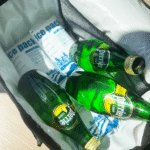
Garder le pain, les gâteaux et pâtisseries frais passent du four à votre table n'est plus une tâche simple. Les clients modernes attendent un glaçage brillant et une mie moelleuse même après un long voyage, et les régulateurs exigent la preuve que les aliments sont restés en dessous des températures définies. Ce guide, mis à jour en janvier 2026, plonge profondément dans transport de boulangerie sous chaîne du froid, expliquant pourquoi un contrôle strict de la température et de l'humidité est important et comment vous pouvez protéger à la fois la qualité des produits et la sécurité des consommateurs. Il s'appuie sur des recherches récentes montrant que le marché mondial de la chaîne du froid devrait passer de USD 278 milliards en 2023 en USD 428 milliards 2028 et explique comment les technologies intelligentes, les nouveaux emballages et l’évolution des réglementations remodèlent la logistique des boulangeries.
Ce guide répondra:
Pourquoi le transport de boulangerie sous chaîne du froid est-il essentiel? Un aperçu concis des risques d’abus de température et des avantages d’une chaîne du froid continue.
Quelles sont les plages de température et d'humidité idéales pour les différentes étapes de la boulangerie? Plages recommandées pour la préparation, stockage réfrigéré, afficher, transport et congélation, ainsi que des directives sur la durée de conservation.
Comment transporter des produits de boulangerie en toute sécurité? Conseils pratiques sur les véhicules de pré-refroidissement, emballage isolé, planification d'itinéraire et suivi en temps réel.
Quelles réglementations s'appliquent dans 2026? Points clés de la règle de transport sanitaire de la FSMA, Exigences du BRCGS et directives de l’UE/du Royaume-Uni.
Quelles technologies et tendances émergentes façonnent l’avenir? Aperçu des capteurs IoT, traçabilité de la blockchain, analyse météorologique prédictive, automatisation et emballage durable.
Pourquoi le transport des boulangeries sous chaîne du froid est important 2026
La zone dangereuse pour la sécurité alimentaire
Les produits de boulangerie peuvent sembler inoffensifs, mais ils peuvent abriter des microbes dangereux s’ils ne sont pas manipulés correctement. Les régulateurs définissent une « zone de danger » entre 5 °C et 63 °C où les bactéries se multiplient rapidement. Gâteaux fourrés à la crème, les tartelettes à la crème et les gâteaux aux fruits frais entrent dans la catégorie des aliments à haut risque car ils contiennent de l'humidité, protéines et sucre. Lorsque ces articles quittent le four, ils doivent entrer rapidement dans un environnement à température contrôlée, sinon ils se détérioreront, un glaçage détrempé et même des maladies d'origine alimentaire peuvent en résulter. Loi sur la modernisation de la sécurité alimentaire mise à jour (FSMA) les règles de transport nécessitent des capteurs calibrés, enregistreurs de données et procédures écrites, obliger les boulangeries et les transporteurs à documenter les températures à chaque étape. Une chaîne du froid continue protège la santé des consommateurs, réduit les déchets et protège la réputation de votre marque.
Qualité, cohérence et confiance des clients
Au-delà de la sécurité, le contrôle de la température préserve la texture et la saveur. Pain stocké à –18 °C (0 °F) avec une humidité élevée conserve la qualité pendant deux à trois mois, tandis que les bagels peuvent durer jusqu'à six mois. Stockage à court terme à 0–4 °C (32–39 °F) ralentit la croissance microbienne sans geler et convient aux livraisons locales. Sans chaîne du froid ininterrompue, les pâtisseries délicates se dessèchent, les garnitures à la crème se séparent et les croûtes deviennent coriaces. Une fraîcheur constante encourage la fidélité des clients et renforce la confiance des clients.
Facteurs réglementaires et du marché
Les lois sur la sécurité alimentaire se durcissent à l’échelle mondiale. La règle de transport sanitaire de la FSMA s'applique aux expéditeurs, récepteurs, chargeurs et transporteurs, exiger que les véhicules maintiennent des températures appropriées et que le personnel soit formé. Au Royaume-Uni, la Food Standards Agency exige que les aliments à haut risque soient stockés à ou en dessous 5 °C et congélateurs conservés à –18 °C ou plus froid. Les programmes de certification tels que BRCGS et SQF mettent l'accent sur les certificats d'étalonnage, relevés de température et formation du personnel. Les forces du marché sont tout aussi puissantes: l’essor du commerce électronique a stimulé les volumes d’expédition de produits périssables, et les marques investissent dans les canaux directs auprès des consommateurs pour se démarquer sur un marché encombré. Par conséquent, la proximité des clients finaux et la rapidité de livraison sont devenues essentielles à la rentabilité.
Température et humidité optimales: La science derrière le stockage en boulangerie
Étapes de température tout au long de la chaîne d'approvisionnement de la boulangerie
Différentes étapes de la chaîne du froid de la boulangerie exigent des plages de température et d'humidité spécifiques.. Comprendre ces plages empêche la croissance microbienne, problèmes de rassissement et de texture.
| Scène | Température recommandée | Humidité | Ce que cela signifie pour vous |
| Refroidissement rapide après cuisson | Refroidir les produits des températures de cuisson jusqu'à des températures inférieures 4 °C (39 °F) dans les deux heures | Humidité modérée | Le refroidissement rapide réduit la croissance microbienne et préserve l'humidité. Utiliser des cellules de refroidissement rapide ou des tunnels réfrigérés. |
| Stockage réfrigéré | 0–4 °C (32–39 °F) pour la plupart des gâteaux | Humidité élevée (≥85 %) | Empêche les fissures en surface et maintient la mie molle. Séparer les matières premières des produits finis. |
| Réfrigération d'exposition | 2–8 ° C (35.6–46,4 °F) selon le produit: gâteaux à la crème 2–4 °C, mousse 2–6 °C, gâteaux fondants 5–8 °C | Humidité modérée | Présente les gâteaux de manière attrayante tout en évitant la condensation. Utilisez un refroidissement assisté par ventilateur et du verre trempé. |
| Transports courts (<2 h) | 8–12 °C pour la plupart des gâteaux; ci-dessous 8 °C pour les gâteaux à la crème | Contrôlé via un emballage isotherme | Permet la livraison à l'aide de glacières portables ou de camionnettes réfrigérées. Pré-refroidissez le véhicule et utilisez des blocs de glace. |
| Gel à long terme | ≤ –18 °C (0 °F) | Faible humidité | Prolonge la conservation jusqu'à trois mois pour les gâteaux ou pains non glacés. Enveloppez hermétiquement les marchandises pour éviter les brûlures du congélateur. |
Ces fourchettes sont conformes aux directives de la FSMA et de la FSA.. Votre boulangerie doit calibrer régulièrement les thermomètres et enregistrer les températures pour vérifier la conformité..
Considérations sur la durée de conservation des produits de boulangerie courants
La congélation du pain et des pâtisseries peut prolonger considérablement la durée de conservation, mais chaque produit se comporte différemment. Tableau 2 résume les durées typiques de stockage congelé dérivées de la recherche industrielle et offre des conseils pratiques.
| Article de boulangerie | Durée de conservation typique à –18 °C | Avantage pratique |
| Pains à la levure | 2–3 mois | Congelez les pains après la cuisson pour conserver leur fraîcheur pendant les pics saisonniers ou les longs itinéraires de distribution.. |
| Bagels | Jusqu'à 6 mois | Stockez des bagels en vrac sans perte de qualité, idéal pour la vente en gros ou l'exportation. |
| Petits pains | 2–3 mois | Parfait pour les opérations de restauration nécessitant une qualité constante. |
| Petits pains à la cannelle | 1–2 mois | Planifiez soigneusement l’inventaire; une durée de conservation plus courte signifie un chiffre d'affaires plus rapide. |
| Beignets (gâteau ou levure levée) | 6–9 mois | Le stockage congelé prolongé convient aux magasins à volume élevé. |
Pour le stockage réfrigéré à court terme à 0–4 °C, le pain et les petits pains restent non congelés mais ralentissent la croissance microbienne, préserver la qualité pour 4–7 jours. Les gâteaux et pâtisseries durent 3–7 jours dans ces conditions. L'humidité relative doit rester au-dessus 85 % pour éviter le dessèchement de la surface.
Gestion de l’humidité et rassissement
L'humidité joue un rôle aussi important que la température. L'air sec rend les gâteaux rassis ou craquelés, tandis que l'excès d'humidité conduit à la détrempe. Les emballages avec microperforations peuvent maintenir 85–90 % humidité et réduire la perte d'eau en 60 %, préserver la douceur. D'autre part, réfrigération à température domestique (juste au dessus 0 °C) accélère la rétrogradation de l'amidon, menant à un sec, texture friable. Pour éviter le rassissement, congeler –18 °C pour un stockage à long terme et décongeler lentement au réfrigérateur ou dans une pièce fraîche.
Stockage des produits de boulangerie: Meilleures pratiques
Stratégies de stockage réfrigéré
Utilisez des thermomètres et des enregistreurs de données calibrés: Installez des thermomètres numériques dans chaque réfrigérateur et vérifiez avec une sonde séparée pour vérifier l'exactitude. Les directives de la FSMA exigent des journaux de température pour chaque unité.
Maintenir une humidité élevée: Maintenir l'humidité au-dessus 85 % en plaçant un récipient d'eau dans les réfrigérateurs ou en utilisant des humidificateurs. Un environnement humide évite les fissures en surface et préserve la douceur de la mie.
Organiser par risque: Séparez les ingrédients bruts des gâteaux finis pour éviter la contamination croisée. Les œufs crus et la crème ne doivent jamais couler sur les produits prêts à manger..
Sceller l'emballage: Conservez les gâteaux dans des boîtes de boulangerie ou enveloppez-les dans un film alimentaire de qualité alimentaire pour éviter la perte d'humidité et l'absorption des odeurs..
Sélectionnez les zones de température appropriées: Prévoyez des zones distinctes dans votre chambre froide pour le refroidissement (0–4 °C) et gelé (–18 °C) produits. Utilisez des panneaux isolés et des rideaux d’air pour minimiser les fluctuations de température.
Congélation et stockage à long terme
La congélation est idéale pour prolonger la durée de conservation, mais il faut le faire correctement:
Enveloppez hermétiquement les produits: Enveloppez les gâteaux ou les miches de pain non glacés dans une pellicule plastique et du papier d'aluminium avant de les placer dans des contenants hermétiques.. L'exposition à l'air provoque des brûlures de congélation et une perte de saveur.
Gardez les congélateurs à –18 °C ou moins: Cela empêche la croissance microbienne et ralentit les réactions chimiques.
Minimiser les ouvertures de porte: Une ouverture fréquente introduit de l'air chaud qui peut provoquer des pics de température et de la condensation. Former le personnel aux tâches groupées.
Décongeler progressivement: Transférer les gâteaux surgelés au réfrigérateur ou dans une pièce fraîche pour les décongeler. Un réchauffement rapide provoque de la condensation sur les décorations en fondant et en sucre, conduisant à la fonte.
Protéger les décorations: Pour les gâteaux fondants, placer les réfrigérateurs de présentation et de stockage à l’extrémité supérieure de la fourchette de sécurité (5–8 ° C) et placez des sachets de gel de silice dans des vitrines pour absorber l'humidité.
Cas du monde réel: Une pâtisserie boutique a installé des moniteurs en temps réel dans ses réfrigérateurs et congélateurs. En gardant les gâteaux fourrés à la crème à 2–4 °C avec contrôle de l'humidité, ils ont réduit la détérioration de 25 % et durée de conservation prolongée de trois à cinq jours. Les logs de température ont simplifié leur audit annuel sous certification BRCGS.
Transporter des produits de boulangerie en toute sécurité
Le transport est souvent le maillon le plus faible de la chaîne du froid en boulangerie. Un gâteau bien refroidi peut se gâter lors d'un court voyage si les températures augmentent. Suivez ces directives pour un transport en toute sécurité.
Préparation du transport
Véhicules de pré-refroidissement: Avant le chargement, faire fonctionner le groupe frigorifique ou le climatiseur pour amener l'intérieur en dessous 8 °C. Commencer par un environnement froid réduit les pics de température.
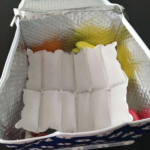
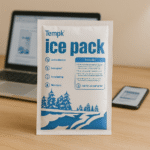
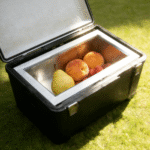
Utiliser des conteneurs isothermes: Placez les gâteaux dans des boîtes solides à l'intérieur de supports isothermes ou de glacières.. Emballez des sacs de glace en gel autour des marchandises, maintenir la température totale à l'intérieur 8–12 °C pour les trajets courts et inférieurs 8 °C pour les gâteaux à la crème.
Placement sécurisé: Disposer les gâteaux sur un plat, surface plane, de préférence dans le coffre ou sur une étagère de chargement, pour éviter tout basculement.
Surveiller la température: Utilisez des thermomètres portables ou des capteurs sans fil connectés à votre téléphone pour suivre les conditions pendant le transport..
Pendant le transport
Planifier des itinéraires: Utilisez le GPS et les outils de planification d'itinéraire pour minimiser le temps de trajet et éviter le trafic. Les mises à jour de la FSMA encouragent l’optimisation des itinéraires pour préserver la sécurité alimentaire.
Évitez la lumière directe du soleil: Gardez les gâteaux à l'abri du soleil pour éviter les points chauds.
Limiter les ouvertures des conteneurs: Chaque fois qu'une boîte est ouverte, l'air froid s'échappe. Vérifiez les produits uniquement lorsque cela est nécessaire.
Livraison et manutention
Vérifier les températures à l'arrivée: Utilisez un thermomètre à lecture instantanée. Les gâteaux à haut risque doivent être livrés à un prix égal ou inférieur à 5 °C.
Laisser reposer les gâteaux: Pour les gâteaux fondants, laissez-les s'asseoir dans une pièce fraîche 20 °C pour au moins 30 quelques minutes avant de servir pour éviter la condensation.
Utiliser des capteurs en temps réel: De nombreuses boulangeries déploient désormais des boîtes isothermes équipées de capteurs de température Bluetooth; une entreprise de restauration qui est passée aux fourgons réfrigérés électriques et aux boîtes personnalisées a éliminé les plaintes et amélioré les avis cinq étoiles.
Conformité et exigences réglementaires
Règle FSMA relative au transport sanitaire
La règle de transport sanitaire de la FSMA est l'une des sept règles fondamentales de la loi sur la modernisation de la sécurité alimentaire.. Elle vise à protéger les aliments pendant le transport et s'applique aux expéditeurs, récepteurs, chargeurs et transporteurs. Les principales exigences comprennent:
Conception et maintenance des véhicules: Le matériel de transport doit être nettoyable et capable de maintenir les températures requises. La prévention des nuisibles et une isolation adéquate sont essentielles.
Opérations de transport: Les procédures doivent empêcher la contamination croisée entre les aliments prêts à manger et les aliments crus pendant le chargement., transport et déchargement. Pour les produits de boulangerie, cela signifie séparer les œufs crus des gâteaux finis.
Entraînement: Les transporteurs doivent former le personnel impliqué dans les opérations de transport; les dossiers de formation doivent être conservés.
Enregistrements: Procédures écrites, les accords et les documents de formation doivent être conservés jusqu’à 12 mois. Journaux de température, les certificats d'étalonnage et les mesures correctives font partie des exigences en matière de tenue de registres.
Domaines problématiques potentiels: La FDA met en évidence des problèmes courants tels qu'une réfrigération inappropriée, emballage inapproprié, mauvaises pratiques de chargement et manque de formation. Des audits réguliers aident à identifier et à atténuer ces risques.
Normes internationales et orientations régionales
Les cadres réglementaires varient selon les régions. Au Royaume-Uni et dans l'UE, les aliments à haut risque doivent être conservés au niveau ou en dessous 5 °C. Les conseils locaux conseillent aux réfrigérateurs de fonctionner entre 0–5 °C et des congélateurs à –18 °C. Le FDA Food Code aux États-Unis précise que les aliments froids doivent être conservés à une température égale ou inférieure à 41 °F (5 °C) et ce refroidissement de 135 °F à 70 °F doit avoir lieu dans les deux heures et à compter de 70 °F à 41 °F dans les quatre heures. Le respect de ces normes garantit non seulement la sécurité, mais améliore également la préparation aux audits..
Programmes de certification
Certifications tierces telles que BRCG et SQF aller au-delà des exigences légales. Ils mettent l'accent sur les capteurs calibrés, enregistrement de données, SOP et formation du personnel. Les audits de certification vérifient que les réfrigérateurs et les congélateurs maintiennent des températures sûres, les journaux sont précis et la maintenance est documentée.
Technologies émergentes et tendances pour 2026
Surveillance numérique et IoT
Internet des objets (IoT) les appareils deviennent courants dans la logistique des boulangeries. Les capteurs connectés suivent la température, humidité et emplacement, envoyer des alertes instantanées lorsque des écarts se produisent. Ces appareils réduisent la tenue manuelle des enregistrements et prennent en charge la maintenance prédictive. Les capacités de suivi et de traçabilité évoluent pour fournir des notifications en temps réel lorsque les expéditions sont bloquées ou risquent de manquer la livraison.. En intervenant avant que l’intégrité du produit ne soit perdue, les boulangeries peuvent éviter une détérioration coûteuse.
La blockchain pour la transparence
La technologie Blockchain crée des enregistrements immuables de chaque étape du parcours d’un gâteau, de l'approvisionnement en ingrédients à la livraison finale. En cas de rappel, la blockchain permet un traçage rapide de lots spécifiques. Les clients apprécient de plus en plus la transparence, et fournir des codes QR liés aux données de la blockchain peut renforcer la confiance.
IA et analyse prédictive
L'intelligence artificielle analyse les modèles de trafic, conditions météorologiques et fenêtres de livraison pour optimiser les itinéraires et réduire la consommation de carburant. Le suivi météorologique prédictif est l’une des capacités les plus transformatrices pour la logistique à température contrôlée. Au lieu de réagir aux tempêtes ou aux canicules, les opérations utilisent des données environnementales pour adapter la quantité de neige carbonique ou de liquide de refroidissement, réduire les frais d'expédition et assurer la protection des produits. L'IA détecte également les pannes d'équipements à un stade précoce en analysant les flux de données IoT..
Emballage durable et énergie renouvelable
Les considérations environnementales remodèlent les emballages de la chaîne du froid. Les entreprises développent des produits légers, conteneurs isothermes fabriqués à partir de matériaux biodégradables et intégrant des capteurs IoT. Les unités de réfrigération à énergie solaire gagnent du terrain, en particulier dans les régions où l'approvisionnement en électricité est instable. Les films microperforés maintiennent l'humidité tout en réduisant l'utilisation de plastique. Emballage sous atmosphère modifiée (CARTE) combine basse température avec des mélanges gazeux (CO₂ et N₂) pour inhiber la moisissure et l'oxydation, prolonger la durée de conservation du pain de 5–6 jours à 14–18 jours.
Automatisation et micro-exécution
Les pénuries de main-d'œuvre et la hausse des coûts ont accéléré l'adoption de l'automatisation des opérations de la chaîne du froid. Systèmes de préparation de commandes automatisés, la robotique et les micro-centres de distribution améliorent l'efficacité et réduisent le temps d'exposition aux environnements froids. Les micro-centres de distribution situés à proximité des consommateurs raccourcissent les distances de livraison et préservent la fraîcheur, tandis que les véhicules frigorifiques électriques réduisent les émissions. Le marché de la chaîne du froid est en plein essor: Precedence Research estime que le marché mondial de la logistique de la chaîne du froid a atteint USD 436.3 milliards en 2025 et grandira jusqu'à USD 1.36 mille milliards par 2034, l'Asie-Pacifique connaissant la plus forte croissance.
Gestion des effectifs et des ressources
Les opérations d’entreposage frigorifique ressemblent à une bascule: choisir trop vite et les produits attendent exposés; avancer trop lentement et le débit s'effondre. Dans 2026, les pressions du travail pousseront les prestataires logistiques tiers (3Pls) adopter des quarts de travail plus courts et des horaires flexibles afin que les travailleurs puissent sortir des zones inférieures à zéro. La gestion des ressources est essentielle car les réserves de neige carbonique et de liquide de refroidissement sont limitées.; 3Les PL doivent prévoir soigneusement l'utilisation et renforcer les partenariats avec les fournisseurs.. L'utilisation de l'espace devient un atout planifié: traiter le stockage cubique comme une source de revenus encourage une configuration créative et des marges optimisées.
Astuces et conseils pratiques
Pour les boulangers amateurs
Vérification du jour de livraison: Lors de la commande de gâteaux ou de pâtisseries en ligne, demander un créneau de livraison et confirmer que le coursier utilise un emballage isotherme. Vérifiez la température du produit à l’arrivée : il doit être froid, pas seulement cool.
Courts trajets: Pour les livraisons à domicile ou pour apporter un gâteau à une fête, pré-refroidissez votre voiture avec la climatisation et utilisez un sac isotherme avec des blocs de glace pour maintenir une température inférieure 8 °C.
Stockage à la maison: Évitez de placer le pain dans un réfrigérateur domestique; l'environnement frais mais pas froid accélère le rassissement. Congelez le surplus de pain et décongelez-le lentement pour de meilleurs résultats..
Pour les petites boulangeries
Zones de température de conception: Séparez les zones réfrigérées et congelées dans votre cuisine ou votre entrepôt. Utilisez des portes isolées et des rideaux d'air pour réduire les fuites thermiques.
Investissez dans la surveillance: Installez des capteurs IoT abordables qui envoient des alertes si les réfrigérateurs, les congélateurs ou les boîtes de livraison s'écartent des températures réglées. Cela réduit les contrôles manuels et favorise la conformité.
Mettre en œuvre des SOP: Documentez comment vous vous sentez cool, magasin, produits d'exposition et de transport. Former le personnel sur l'utilisation correcte du thermomètre et la maintenance des journaux.
Travaillez avec des transporteurs fiables: Collaborer avec des transporteurs familiers avec les exigences en matière de sécurité alimentaire. Renseignez-vous sur leur formation, étalonnage des capteurs et plans d’urgence.
Emballage écologique: Choisissez des matériaux isolants à faible perméabilité à l'oxygène et à l'humidité et envisagez des doublures biodégradables ou des contenants réutilisables..
Pour les grandes chaînes d’approvisionnement et les 3PL
Prévisions de la demande et de la météo: Utilisez des outils d'IA pour prédire les pics de demande et les conditions météorologiques. Ajuster les calendriers de production et les ressources d'expédition en conséquence.
Optimiser les itinéraires: Déployer un logiciel de planification d'itinéraire qui prend en compte le trafic, météo et fenêtres de livraison. Des itinéraires plus courts signifient moins de neige carbonique et des coûts de carburant inférieurs.
Gérer les ressources avec soin: Surveiller l'inventaire de glace carbonique et de liquide de refroidissement; entretenir des relations solides avec les fournisseurs pour éviter les pénuries.
Adoptez l’automatisation: Introduire la robotique pour le picking, emballage et palettisation pour réduire les coûts de main-d'œuvre et protéger les travailleurs du froid.
Collaborer sur la durabilité: Travailler avec des fournisseurs d'emballages pour développer des matériaux respectueux de l'environnement et envisager la réfrigération solaire pour les entrepôts ou les véhicules.
2026 Derniers développements et tendances du marché
Aperçu de la tendance
La chaîne du froid des boulangeries surfe sur une vague de transformation numérique. La surveillance en temps réel et l'analyse prédictive deviennent la norme, tandis que la blockchain et l'IA renforcent la transparence et l'efficacité. Les attentes des consommateurs en matière de durabilité et d'étiquettes propres conduisent à l'adoption d'emballages respectueux de l'environnement et de solutions d'énergie renouvelable.. En même temps, l'explosion du commerce électronique direct aux consommateurs pousse les marques à positionner leurs stocks plus près des clients et à adopter des micro-centres de distribution..
Avancées récentes
Suivi météorologique prédictif: Cette technologie indique la quantité de liquide de refroidissement à utiliser et quand retarder les expéditions., réduire les déchets et améliorer la protection des produits.
Suivi et traçabilité de nouvelle génération: Les systèmes déclenchent désormais des alertes lorsqu'une expédition est bloquée, permettre une intervention avant que l’intégrité du produit ne soit compromise.
Automatisation et robotique: Des systèmes de prélèvement robotisés améliorés manipulent les produits de boulangerie délicats en douceur, réduisant les dommages et le temps d’exposition.
Innovations en matière d'emballage durable: Les films microperforés et les conteneurs isothermes biodégradables maintiennent l'humidité et réduisent l'impact environnemental.
Véhicules frigorifiques électriques: De plus en plus d'entreprises adoptent des fourgonnettes électriques dotées d'une réfrigération assistée par l'énergie solaire pour réduire les émissions et améliorer l'efficacité énergétique..
Insistance au marché
Precedence Research estime que le marché mondial de la logistique de la chaîne du froid a atteint USD 436.3 milliards en 2025 et s'envolera vers USD 1.36 mille milliards par 2034. L’Asie-Pacifique devrait connaître la croissance la plus élevée à environ 14.3 % TCAC. Le segment des produits laitiers et desserts glacés détient actuellement environ 36.1 % de revenus, tandis que le marché de la réfrigération commerciale devrait croître de USD 45.6 milliards en 2023 en USD 62.7 milliards 2028. Ces chiffres illustrent d’énormes opportunités pour les boulangeries maîtrisant le transport sous chaîne du froid.. Alors que les États-Unis exportent des produits de boulangerie pour une valeur USD 4.21 milliards en 2022, la logistique internationale de la chaîne du froid est de plus en plus importante.
Questions fréquemment posées
Quelle température les livraisons de boulangerie doivent-elles maintenir?
Les livraisons doivent garder les gâteaux en dessous 8 °C et idéalement en dessous 5 °C pour les produits à base de crème. Les pains réfrigérés pour les courts trajets restent sûrs jusqu'à 12 °C.
Combien de temps le pain peut-il rester congelé sans perdre en qualité?
Les pains à la levure conservent leur qualité pendant 2–3 mois lorsqu'il est stocké à –18 °C, tandis que les bagels peuvent durer jusqu'à six mois. Les beignets peuvent rester bons pour six à neuf mois.
Tous les produits de boulangerie doivent-ils être réfrigérés?
Non. Les pains à croûte dure comme les baguettes doivent être conservés à température ambiante et consommés rapidement. Gâteaux à la crème, la crème anglaise ou les fruits frais doivent être réfrigérés à 0–4 °C.
Comment fonctionne le conditionnement sous atmosphère modifiée?
MAP remplace l'air par un mélange de dioxyde de carbone et d'azote pour ralentir la croissance des moisissures et l'oxydation.. Cette technique peut prolonger la durée de conservation du pain de 5–6 jours à 14-18 jours.
Les capteurs IoT valent-ils l’investissement pour les petites boulangeries?
Oui. Des capteurs IoT abordables fournissent des alertes en temps réel et des journaux de température, réduire les contrôles manuels et garantir le respect des exigences de la FSMA et du BRCGS.
Résumé et recommandations
Une chaîne du froid efficace est vitale pour les entreprises de boulangerie qui cherchent à livrer des produits frais, des produits sûrs et délicieux dans 2026. Maintenir les marchandises ci-dessous 5 °C pendant le stockage et le transport, prévient la croissance bactérienne et préserve la texture. Refroidissement rapide, des thermomètres calibrés et une humidité élevée protègent la qualité. Congélation à –18 °C prolonge la durée de conservation jusqu'à six mois pour certains articles. La sécurité du transport repose sur des véhicules pré-réfrigérés, emballage isolé, planification d'itinéraire et suivi en temps réel. La conformité à la FSMA et aux réglementations régionales nécessite des SOP documentées, personnel formé et équipement calibré. Technologies émergentes, notamment l'IoT, blockchain, L’IA et les emballages durables transforment la logistique des boulangeries.
Prochaines étapes recommandées
Réaliser un audit de la chaîne du froid: Évaluez votre processus actuel, du refroidissement à la livraison. Identifier les goulots d'étranglement, écarts de température et lacunes d’entraînement.
Investissez dans des outils de surveillance: Implémenter des capteurs IoT et des enregistreurs de données dans les réfrigérateurs, congélateurs et cartons de livraison. Utilisez des tableaux de bord analytiques pour repérer les tendances.
Réviser les SOP et la formation: Mettre à jour les procédures pour refléter la FSMA, BRCGS et exigences locales. Organiser des séances de formation régulières et tenir des registres.
Collaborer sur l’emballage: Travailler avec les fournisseurs pour développer des produits durables, des solutions d'emballage haute performance telles que MAP, doublures biodégradables et contenants réutilisables.
Explorez l'automatisation et les énergies renouvelables: Envisagez les micro-centres de distribution, véhicules frigorifiques électriques et réfrigération à énergie solaire pour réduire les coûts et les émissions.
À propos du tempk
Nous sommes Tempk, un fournisseur leader de solutions d'emballage et de logistique pour la chaîne du froid. Avec des décennies d'expérience et un R dédié&Équipe D, nous concevons des caisses isothermes, packs de glace en gel, des doublures sous vide et des conteneurs compatibles IoT qui maintiennent les produits de boulangerie à la bonne température et à l'humidité appropriée. Nos solutions sont réutilisables, recyclable et certifié Sedex, aider les clients à atteindre leurs objectifs de développement durable tout en réduisant les déchets. En devenant partenaire avec nous, vous accédez à des packagings innovants, technologie de surveillance de la température et conseils d’experts adaptés aux besoins de votre boulangerie.
Appel à l'action: Contactez Tempk dès aujourd'hui pour discuter de la façon dont nos solutions personnalisées de chaîne du froid peuvent garder votre pain et vos pâtisseries fraîches., sûr et rentable. Que vous exploitiez une petite boulangerie ou une grande chaîne d'approvisionnement, notre équipe est prête à vous aider à maîtriser le transport boulangerie sous chaîne du froid.