Cold chain cakes temperature control is a critical part of bakery operations and catering services. By the end of this guide you’ll know exactly why precise temperature management is essential, how to store, transport and display cakes safely, what regulations govern highrisk pastries in 2025 and which innovations are reshaping cake logistics. Maintaining stable temperatures prevents staling, preserves icing textures and protects your customers—all while complying with stringent food safety laws. Updated to Décembre 2025, this article provides the freshest data and tips.
What exactly does chaîne du froid cakes temperature control involve and why does it matter to your bakery? Learn the fundamentals and key longtail keyword “cake storage temperature guidelines”.
Which temperature ranges and humidity levels keep different types of cakes fresh? Understand “display refrigerator temperature for cakes” and “chilled bakery storage humidity”.
How can you transport cakes without breaking the chaîne du froid? Explore practical “chaîne du froid cake transport tips” and packaging choices.
Quelles réglementations et normes s'appliquent dans 2025? Find out about FSMA updates, UK regulations and hazard zones.
Which technologies and trends will shape cake logistics? Get ahead with IoT monitoring, blockchain et durabilité.
Questions fréquemment posées et conseils pratiques – from how long to keep a mousse cake to whether fondant needs chilling.
Why Is chaîne du froid Cakes Temperature Control Critical in 2025?
Cold chain cakes temperature control means maintaining consistent low temperatures across production, stockage, transport et exposition, ensuring cakes remain safe and delicious. Cakes are highrisk foods when they contain cream, custard or fresh fruit; they provide a fertile environment for bacteria if left in the “danger zone” above 5 °C. Regulatory bodies such as the FDA and Food Standards Agency warn that food kept between 5 °C et 63 °C allows pathogens to multiply rapidly. En gardant les gâteaux ci-dessous 5 °C and above freezing, you inhibit microbial growth while preserving texture.
When the chaîne du froid breaks—perhaps during a vehicle transfer or in a warm display case—cream can sour, fruit fillings can leak and fondant can sweat. Modern regulations now emphasize realtime monitoring and traceability: le 2025 Loi sur la modernisation de la sécurité alimentaire (FSMA) updates require calibrated sensors, data loggers and record keeping to ensure cakes stay within safe limits. Without such diligence, a single lapse could lead to spoilage, product recalls or fines. The stakes are high because cakes often travel far—from commercial bakeries to cafés, hotels and events. Une chaîne du froid bien gérée protège la santé des consommateurs, reduces waste and builds your brand’s reputation.
La zone de danger de température et les plages de sécurité
Le danger zone for bacterial growth spans from 5 °C à 63 °C (41 °F à 145 °F). Dans cette fourchette, pathogens can double every 20 minutes. To keep cakes safe, different stages of the chaîne du froid demand specific ranges:
| Stage or Cake Type | Plage de température recommandée | Humidité recommandée | Ce que cela signifie pour vous |
| Préparation & Refroidissement rapide | Refroidir les gâteaux des températures de cuisson à <4 °C en deux heures. | Moderate humidity to avoid drying. | Le refroidissement rapide empêche la croissance microbienne et préserve l'humidité. |
| Stockage réfrigéré | 0–4 °C (32–39 °F); humidity ≥85 %. Cakes and pastries remain fresh for 3–7 jours. | High humidity prevents surface cracking and maintains moist crumb. | Keeps cream fillings safe and prevents fondant sweating; extended shelf life reduces waste. |
| Réfrigération d'affichage | 2–8 ° C (35.6–46,4 °F). Fresh cream cakes: 2–4 °C; mousse/cheesecake: 2–6 °C; fondant or buttercream cakes: 5–8 ° C; fruittopped cakes: 2–6 °C. | Humidité modérée. | Presents cakes attractively while keeping them chilled; prevents condensation. |
| Transport | 8–12 °C (46.4–53.6 °F) for short journeys of less than two hours; ci-dessous 8 °C pour les gâteaux à la crème. | Contrôle de l'humidité via un emballage isotherme. | Allows safe delivery when using portable coolers or refrigerated vehicles. |
| Congélation à long terme | ≤ –18 °C (0 °F). | Low humidity to prevent freezer burn. | Extended storage for unfrosted cakes up to three months. |
More Than Just Temperature: Humidité et emballage
Temperature is only half the story. Humidity levels matter because dry air causes cakes to stale or crack while excess moisture leads to soggy textures. Studies show that packaging with microperforations can maintain 85–90 % humidité et réduire la perte d'eau en 60 %, préserver la douceur. High humidity combined with cool temperatures helps preserve creams and glazes without allowing mold to form. When storing cakes, use airtight boxes or wrap layers in foodgrade cling film to lock in moisture. For display, choose cabinets with fanassisted cooling and tempered glass to ensure even temperature distribution and prevent condensation.
Comment conserver correctement les gâteaux dans des conditions réfrigérées ou congelées?
Un stockage adéquat est l’épine dorsale du contrôle de la température des gâteaux dans la chaîne du froid. Les gâteaux sont des structures délicates: couches d'éponge, crèmes au beurre, les mousses et les fondants réagissent différemment au froid et à l'humidité. Keeping them at the right temperature not only prevents foodborne illnesses but also preserves taste and texture.
Stockage réfrigéré: Équilibrer sécurité et qualité
Place cakes with cream, custard or fresh fruit fillings in a refrigerator set between 0 °C et 4 °C. Highrisk fillings like cream cheese frosting, custards and milkbased ganache are particularly prone to bacterial growth; they must stay below 4 °C to remain safe. Avoid overchilling: si la température descend en dessous 0 °C, delicate fondants can crack or sweat when brought to room temperature. Pour de meilleurs résultats:
Utilisez des thermomètres calibrés. Install a digital thermometer inside each fridge. Regularly crosscheck with a separate probe thermometer to verify accuracy. Under FSMA guidelines, records of fridge temperatures should be logged daily.
Maintenir une humidité élevée. Cakes keep their soft crumb when humidity stays above 85 %. Place a small container of clean water in the fridge or use humidifiers to reduce drying.
Organiser par risque. Store raw ingredients separate from finished cakes to prevent crosscontamination. Keep readytoeat cakes on top shelves to avoid spills from raw items.
Gardez l'emballage scellé. Use bakery boxes or foodgrade cling film to seal cakes. This prevents absorption of odors and moisture loss.
Congélation et stockage à long terme
Freezing unfrosted cakes or sponge layers extends their shelf life up to trois mois. Wrap layers individually in plastic wrap and foil, then place them in airtight containers. Freezers should maintain –18 °C ou moins, as recommended by the Food Standards Agency. Évitez les ouvertures fréquentes pour maintenir les températures stables. When ready to use, thaw cakes in the refrigerator to prevent condensation from forming on the surface.
Protéger le fondant et les décorations
Fondant and sugar decorations are sensitive to moisture. Si stocké trop froid, fondant may “sweat” when moved into warmer environments. Pour éviter cela:
Set display and storage fridges at the higher end of the safe range (5–8 ° C) pour les gâteaux fondants. This avoids condensation while keeping fillings safe.
Utilisez des sachets de gel de silice dans les vitrines pour absorber l'excès d'humidité.
Laisser les gâteaux revenir lentement à température ambiante before serving. Rapid temperature changes lead to sweating or cracking.
Application du monde réel
Étude de cas: A boutique patisserie implemented realtime temperature monitoring across its fridges and freezers. En conservant les gâteaux fourrés à la crème entre 2 et 4 °C et en surveillant l'humidité, ils ont réduit la détérioration de 25 % and extended shelf life from three days to five. Customers noticed fresher textures, and fewer cakes were discarded. Strict logbooks also simplified their annual audit under BRCGS certification.
Comment transporter des gâteaux en toute sécurité tout en maintenant la chaîne du froid?
Le transport est souvent le maillon faible de la maîtrise de la température des gâteaux de la chaîne du froid.. A beautifully chilled cake can spoil during a short car ride if temperatures rise. Suivez ces directives:
Préparation du transport
Prérefroidir le véhicule. Avant le chargement, run the air conditioning or refrigeration unit to bring the interior temperature below 8 °C. Food safety guidance for highrisk foods states that fridge and transport temperatures should stay below 8 °C.
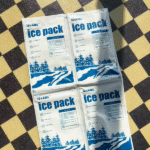
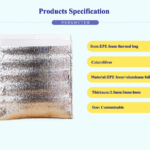
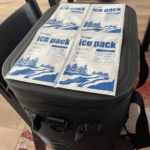
Utiliser conteneurs isolés. Secure cakes in sturdy boxes placed inside insulated carriers or glacières. Paquet packs de glace around but not directly touching the cake to avoid moisture damage. Ensure the total temperature inside remains within 8–12 °C for short trips or below 8 °C pour les gâteaux à la crème.
Place cakes on a flat surface. Use a level surface in the vehicle—ideally in the boot/trunk rather than on the seat or lap. The footwell can tilt the cake and compromise its stability.
Surveiller avec un thermomètre portable. Insert a digital probe into an inconspicuous corner of the box or use a wireless thermometer that connects to your phone.
Pendant le transport
Keep journeys short and plan routes. Use GPS and route planning tools to avoid traffic and shorten transit times. FSMA updates encourage route optimization to minimize time out of refrigeration.
Évitez la lumière directe du soleil. Keep the cake out of the sun to prevent hotspots.
Minimize opening the container. Opening the box lets cold air escape and warm air in. Only check the cake if absolutely necessary.
Livraison et manutention
Contrôle de température à l'arrivée. Use an instantread thermometer to ensure the cake has remained within safe ranges. Highrisk cakes should still be at or below 5 °C à la livraison.
Allow the cake to rest before serving. Pour les gâteaux fondants, laissez-les s'asseoir dans une pièce fraîche (autour 20 °C) pour au moins 30 minutes before cutting. This step prevents condensation from forming on the icing.
Exemple du monde réel: A catering company delivering wedding cakes used to experience frequent damage and melting. They switched to electric refrigerated vans prechilled to 5 °C and placed each cake in a custom insulated box with ice packs. They also monitored temperatures via Bluetooth sensors during transport. Par conséquent, ils ont éliminé les plaintes et amélioré leurs avis cinq étoiles.
Quelle température les réfrigérateurs à présentoirs à gâteaux doivent-ils maintenir?
Displaying cakes in front of customers attracts sales but introduces new risks. Display refrigerators should be set slightly warmer than storage fridges to avoid frosting condensation yet cool enough to prevent spoilage. Research on professional cake display cabinets shows ideal settings:
Fresh cream cakes: 2–4 °C
Mousse and cheesecake: 2–6 °C
Fondant or buttercream cakes: 5–8 ° C
Outils de décision utiles
Vérifiez les détails avant de choisir l'emballage
Ces outils rapides peuvent vous aider à comparer le risque d'itinéraire, besoins de dimensionnement, choix de liquide de refroidissement, et les détails de l'emballage avant de demander un devis.
Calculateur de banquise
Estimation de la quantité de pain de glace pour les expéditions réfrigérées et planification pratique des itinéraires.
Estimer les packs de glaceLiquide de refroidissement & Référence PCM
Comparez les options de liquide de refroidissement et de PCM lorsqu'un itinéraire nécessite une prise en charge supplémentaire de la température.
Comparez les optionsGénérateur de liste de contrôle de conformité
Créer une liste de contrôle pratique pour l'examen des emballages, expédition, et documentation.
Construire une liste de contrôleFruittopped cakes: 2–6 °C
Display cabinets differ from storage fridges in design and airflow. They prioritise even cooling and aesthetics. Storage refrigerators, en revanche, maintenir 0–4 °C for longterm preservation. Invest in display units with fanassisted cooling and digital thermostats, and clean them regularly to prevent frosting buildup. Ajouter silica gel or dehumidifiers to control moisture, and rotate stock regularly so older cakes are sold first.
2025 Lignes directrices et normes réglementaires pour le contrôle de la température des gâteaux
Mises à jour de la FSMA et du BRCGS
La loi sur la modernisation de la sécurité alimentaire (FSMA) of the United States requires companies handling highrisk foods to implement Hazard Analysis and RiskBased Preventive Controls. Dans 2025, le FSMA transportation rule tightened sanitary requirements: carriers must use calibrated sensors, maintain records and verify that refrigerated units maintain temperatures. Les expéditeurs et les destinataires de produits alimentaires doivent élaborer des procédures écrites et des programmes de formation.. Le non-respect peut entraîner des sanctions.
Certification schemes like BRCG (Brand Reputation through Compliance Global Standards) et SQF (Aliments sûrs et de qualité) also stress chaîne du froid integrity. Certification audits check that cakes are stored at 0–4 °C, les réfrigérateurs ont des certificats d'étalonnage et le personnel tient des journaux. Regular internal audits help ensure documentation is up to date.
Réglementations britanniques et européennes
Au Royaume-Uni, le Food Standards Agency states that les aliments à haut risque doivent être conservés au niveau ou en dessous 5 °C. The FSA emphasises that food should never be left in the 8–63 °C danger zone because bacteria multiply rapidly. Under UK law, refrigerators should operate between 0–5 °C et des congélateurs à –18 °C ou moins. Local councils often provide specific guidance for small cake producers: Par exemple, Orkney Council’s HACCP guide states that fridges should be set below 8 °C and the air temperature monitored between 0–4 °C. If only the air temperature is measured, the fridge must be colder to ensure food stays below 8 °C.
Code alimentaire de la FDA
Le code alimentaire de la FDA, widely adopted by many U.S. états, advises that cold foods must be held at or below 41 °F (5 °C) and kept out of the temperature danger zone. The code emphasises proper cooling, cold holding and transport. A piece of cake with dairy cream is considered a Time/Temperature Control for Safety (TCS) nourriture, requiring strict adherence to these limits. The code also outlines that TCS foods should be cooled from 135 °F à 70 °F dans les deux heures et à partir de 70 °F à 41 °F dans les quatre heures.
Conseils pour la conformité réglementaire
Rédiger des procédures opérationnelles standard (Sops). Documenter comment les gâteaux sont refroidis, stocké, exposé et transporté. Include temperature monitoring routines and corrective actions.
Former régulièrement le personnel. Make sure everyone understands the importance of temperature control and knows how to use thermometers and logbooks.
Use calibrated sensors and maintain records. Keep calibration certificates for your thermometers and sensors. Retain logs for at least two years (as many certification bodies require).
Se préparer aux audits. Regularly review logs, SOPs and maintenance records. Conduct mock audits to identify gaps.
Technologies émergentes et tendances dans la gestion de la température des gâteaux dans la chaîne du froid
L’industrie de la chaîne du froid vit une révolution numérique. Innovations once reserved for pharmaceuticals are now reaching bakeries and catering businesses. En adoptant la technologie, vous pouvez réduire les déchets, enhance quality and gain a competitive edge.
Surveillance de l'IoT, Blockchain et IA
Capteurs IoT et surveillance en temps réel: Internet des objets (IoT) devices provide continuous tracking of temperature, humidité et emplacement. Ces capteurs envoient des alertes lorsque des écarts se produisent, permettant une action corrective immédiate. They also reduce manual record keeping and support predictive maintenance. Par exemple, a bakery can attach IoT tags to delivery boxes; if the temperature rises above 8 °C, the driver receives a notification.
Traçabilité de la blockchain: Blockchain is being integrated into chaîne du froid operations to create immutable records of every step in a cake’s journey. Il améliore la transparence et garantit le respect des lois sur la sécurité alimentaire. If a consumer experiences an issue, the bakery can trace the exact batch, production date and storage history.
Optimisation des itinéraires basée sur l'IA: L'intelligence artificielle analyse les modèles de trafic, weather and delivery windows to suggest the most efficient routes. Cela réduit la consommation de carburant, shortens delivery times and keeps cakes cool. Coupled with IoT data, AI can reschedule deliveries if a vehicle’s refrigeration unit fails.
Emballage durable et réfrigération solaire
Le passage vers ecofriendly packaging and renewable energy s'accélère. Les entreprises développent des produits légers, conteneurs isothermes fabriqués à partir de matériaux biodégradables. Some packaging solutions integrate IoT sensors that monitor temperature and humidity. Others use microperforations to maintain humidity and reduce water loss by 60 %, as mentioned earlier. Solarpowered refrigeration units are also gaining traction, en particulier dans les régions où l'approvisionnement en électricité n'est pas fiable.
Lighter Vehicles and Micro Fulfillment
Véhicules utilitaires légers réfrigérés (Véhicules utilitaires) émergent comme le segment à la croissance la plus rapide Transport de la chaîne du froid. They offer fuel efficiency and the ability to navigate congested urban areas. Micro fulfillment centres located near customers reduce the distance cakes travel, améliorer la fraîcheur et réduire les émissions.
Croissance du marché et opportunités mondiales
Le marché de la chaîne du froid est en plein essor. Forecasts project it to grow from USD 278 milliards en 2023 en USD 428 milliards 2028 et à USD 372 milliards 2029. Rising exports of bakery products—US baked goods exports reached USD 4.21 billion in 2022—and social media trends have fueled global demand. This growth encourages investment in new technologies and infrastructure. Companies switching from –18 °C to –15 °C rangement froid aim to reduce energy consumption and carbon footprint, signalling a shift toward sustainability.
Garder une longueur d'avance
Pour rester compétitif:
Adoptez la surveillance et l’analyse en temps réel. Utiliser des capteurs IoT, integrate them with a central dashboard and analyse data to predict issues.
Explorez les options d’énergie renouvelable. Solar refrigeration and energyefficient equipment reduce operating costs and improve sustainability.
Éduquer les clients. Promouvoir votre engagement envers la sécurité alimentaire, transparence et durabilité. Publish stories about your chaîne du froid practices and include QR codes that link to blockchain data.
Participer aux initiatives de l'industrie. Join trade associations and collaborate with suppliers on research into packaging innovations and new standards. Evolving certification schemes like SQF and BRC will likely increase their focus on digital traceability and carbon footprint reduction.
Questions fréquemment posées
Q1: Tous les gâteaux ont-ils besoin d'être réfrigérés?
Tous les gâteaux ne nécessitent pas le même niveau de réfrigération. Les génoises sans crème se conservent à température ambiante dans un contenant hermétique pendant deux à trois jours.. Cependant, gâteaux à la crème, custard or fresh fruit must be refrigerated at 1–5 °C and consumed within three to four days. En cas de doute, treat the cake as a highrisk food and keep it chilled.
Q2: Comment conserver un gâteau fondant pendant la nuit?
Les gâteaux fondants se conservent mieux dans une pièce fraîche, ideally around 20 °C, pour éviter la transpiration. Si le gâteau contient des garnitures périssables, refrigerate it at 5–8 ° C. Cover the cake with a box or dome to protect it from dust and humidity.
Q3: Quelle est la température optimale pour transporter un gâteau mousse?
Gâteaux mousse de transport ci-dessous 8 °C and use insulated containers with ice packs. Pour les trajets de plus de deux heures, viser 2–6 °C. Monitor temperatures with a digital thermometer.
Q4: Ai-je besoin d'une vitrine spéciale pour les gâteaux?
Oui. Display cabinets are designed to maintain 2–8 ° C et éviter la condensation, with even airflow and tempered glass. Standard household fridges are too cold and cause frosting to sweat.
Q5: Quelle est la zone de danger pour les gâteaux?
La zone de danger s'étend de 5 °C à 63 °C (41 °F à 145 °F). Dans cette fourchette, les bactéries se multiplient rapidement. Avoid leaving cakes in this temperature band for more than two hours.
Q6: Existe-t-il des réglementations spécifiques au transport des gâteaux en 2025?
Alors que la réglementation couvre tous les aliments à haut risque, le 2025 FSMA updates stress sanitary transportation and realtime monitoring for perishable goods. Les transporteurs doivent documenter les procédures, entretenir l'équipement, former le personnel et réagir rapidement aux écarts de température.
Conseils récapitulatifs et exploitables
Principaux à retenir
Maintain safe temperature ranges. Keep chilled cakes between 0 °C et 4 °C; display them at 2–8 ° C; transportez-les ci-dessous 8 °C and freeze unfrosted cakes at –18 °C ou moins.
Contrôler l'humidité et l'emballage. Humidité élevée (≥85 %) prevents drying and cracking, while microperforated packaging reduces water loss by 60 %.
Surveiller en continu. Utilisez des thermomètres calibrés, Capteurs IoT et journaux d'enregistrement pour se conformer aux exigences FSMA et FSA.
Investissez dans du matériel approprié. Choisissez des vitrines conçues pour les gâteaux, conteneurs de transport isolés et unités de réfrigération économes en énergie.
Restez informé des tendances. Adoptez la blockchain, L'IA et emballage durable to futureproof your operations.
Plan d'action
Auditez votre chaîne du froid. Cartographiez chaque étape, de la cuisson à la livraison. Identify weak spots where temperatures exceed 5 °C et mettre en place des actions correctives.
Mettre à niveau les capteurs et le suivi. Installer la surveillance IoT sur les réfrigérateurs, congélateurs et cartons de livraison. Set up automatic alerts.
Réviser les SOP et former le personnel. Mettre à jour les procédures pour refléter 2025 règlements. Organiser régulièrement des formations sur le contrôle de la température, hygiène et documentation.
Experiment with new packaging. Try ecofriendly boîtes isolées, microperforated liners and packs de glace réutilisables. Evaluate performance through test shipments.
Engagez-vous avec des experts. Attend webinars, join professional bodies and partner with chaîne du froid specialists to stay ahead of emerging standards.
À propos du Tempk
Tempk est l'un des principaux fournisseurs de Emballage de la chaîne du froid et solutions de surveillance. We specialise in helping food and pharmaceutical businesses maintain product integrity through innovative emballage isolé, reusable ice packs and IoTenabled temperature tracking systems. Notre R&D team continually develops ecofriendly materials that reduce waste and improve thermal performance. We’re committed to helping you meet regulatory standards, cut costs and delight your customers with fresher products.
Besoin de conseils? Our experts can guide you through selecting the right packaging, designing a chaîne du froid plan or integrating realtime monitoring. Contactez-nous aujourd'hui to learn how we can tailor solutions to your bakery’s needs.