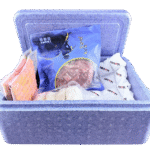
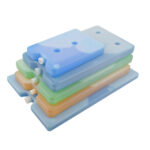
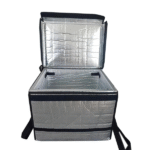
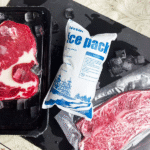
Le compagnie de transport express sous chaîne du froid de 2025 est bien plus qu'un service de camionnage : c'est un système étroitement chorégraphié qui fonctionne comme un réfrigérateur en mouvement. Sans contrôle précis de la température de vos jus bio, les médicaments de thérapie génique ou les repas surgelés se gâteraient bien avant de vous parvenir. Les analystes estiment que le marché mondial de la logistique de la chaîne du froid vaut environ 436 milliards de dollars américains 2025 et pourrait dépasser 1,3 billion de dollars américains d'ici 2034. Ce guide explique pourquoi ces entreprises sont importantes, Comment ils fonctionnent, la technologie qui les sous-tend et ce que les dernières tendances signifient pour vous.
Cet article répondra pour vous:
Qu'est-ce qu'une compagnie de transport express sous chaîne du froid et pourquoi est-ce important?
Comment ces entreprises maintiennent-elles l’intégrité de la température tout au long du transport ??
Quels technologies et matériaux façonnent le transport express sous la chaîne du froid 2025?
Quels sont les principaux inducteurs de coûts et comment pouvez-vous les optimiser?
Quelles pratiques et réglementations en matière de durabilité affectent la logistique de la chaîne du froid?
Quelles tendances du marché devez-vous connaître 2025 et au-delà?
Qu'est-ce qu'une compagnie de transport express sous chaîne du froid et pourquoi est-ce important?
Une compagnie maritime express sous chaîne du froid spécialisée dans le transport de marchandises périssables sous contrôle strict de température, s'assurer qu'ils restent sûrs et efficaces du ramassage à la livraison. Ils combinent des emballages isothermes, entrepôts réfrigérés, camions frigorifiques et suivi en temps réel pour préserver la qualité des produits, se conformer à la réglementation et minimiser les déchets.
Pourquoi ça compte
Qualité et sécurité des produits: Produits périssables tels que les vaccins, biologique, les produits frais et les fruits de mer doivent rester dans des plages de température précises pour maintenir leur efficacité et prévenir la contamination. L'Organisation mondiale de la santé estime que près de la moitié de tous les vaccins sont gaspillés en raison d’une mauvaise gestion de la température. Une compagnie de transport express fiable sous chaîne du froid réduit ces déchets et protège la santé publique.
Conformité réglementaire: De nombreux produits pharmaceutiques doivent être conservés entre 2 °C et 8°C, alors que certains produits biologiques nécessitent des températures aussi basses que 80°C. Des réglementations telles que celles des États-Unis. Les bonnes pratiques de distribution de la Food and Drug Administration et le PIB de l’Union européenne imposent ces plages de température.; le non-respect peut entraîner des rappels de produits et des sanctions légales.
Valeur économique: Le secteur de la chaîne du froid soutient le commerce mondial de biens de grande valeur. Dans 2025 le marché mondial de la logistique de la chaîne du froid se situe à 436 milliards de dollars américains et devrait croître jusqu'à 862 milliards de dollars américains d'ici 2032. Par 2034 ça pourrait surpasser 1,3 billion de dollars américains, reflétant la demande croissante d’aliments sensibles à la température, produits pharmaceutiques et biologiques.
Réduire les déchets: La mauvaise infrastructure de la chaîne du froid contribue aux pertes mondiales de produits alimentaires et de médicaments. Pendant la pandémie de COVID 19 uniquement 14 % des doses de vaccin prévues ont atteint les pays à faible revenu en raison de défaillances de la chaîne du froid. Les compagnies de transport express sous chaîne du froid contribuent à combler cet écart.
Explication élargie
Considérez la chaîne du froid comme un « réfrigérateur en mouvement ». Cela commence lorsque les producteurs ou les fabricants pré-refroidissent les produits pour éliminer la chaleur du champ ou la chaleur de fabrication.. Ces éléments entrent ensuite entrepôts réfrigérés ou conteneurs isolés équipé de compresseurs et d'évaporateurs pour maintenir la température souhaitée. Camions frigorifiques, wagons réfrigérés ou conteneurs thermiques déplacer les marchandises vers les centres de distribution et les agents de livraison du dernier kilomètre. Tout au long du voyage, Internet des objets (IoT) capteurs capturer des relevés de température et d'humidité toutes les quelques minutes, déclencher des alertes en cas de dépassement des seuils. Sans ce continu, les vaccins en circuit fermé perdent de leur efficacité, les baies fraîches flétrissent et les chocolats gourmands fondent avant d'arriver à votre porte.
Principales plages de température pour les expéditions sous la chaîne du froid
La chaîne du froid couvre un large spectre de régimes de température. Choisir la bonne voie est essentiel pour l’intégrité des produits et la gestion des coûts:
| Voie de température | Portée approximative | Exemples de produits | Ce que cela signifie pour vous |
| Ambiant | 1530°C (59–86°F) | Aliments secs, certains produits pharmaceutiques | Réfrigération minimale; une ventilation adéquate empêche l'accumulation de chaleur. |
| Cool | 1015°C (50–59°F) | Fromages, certains produits | Un refroidissement doux préserve la saveur; les conteneurs isothermes raccourcissent le temps de transit. |
| Réfrigéré | 010°C (32–50 ° F) | Vaccins, produits laitiers | Contrôle strict de la température avec des capteurs IoT; garantit l'efficacité. |
| Congelé | 30-0°C (22-32°F) | Viande, fruit de mer, glace | L'équipement de surgélation et l'alimentation de secours atténuent les pannes de courant. |
| Très froid | 150-50°C (238 à 58°F) | Biologique, thérapies géniques | Les congélateurs cryogéniques portables maintiennent des températures extrêmement basses. |
Ces catégories guident les décisions d’emballage, méthodes d'expédition et exigences de surveillance. Par exemple, les thérapies géniques nécessitent souvent un transport ultra froid; l'utilisation de packs de gel ordinaires au lieu de l'azote liquide pourrait rendre le traitement inefficace.
Astuces et conseils pratiques
Identifiez la voie de votre produit: Cartographiez votre cargaison à la bonne catégorie de température (ambiant, cool, réfrigéré, congelé ou ultra froid) et sélectionner l'emballage et l'équipement appropriés.
Utiliser une surveillance fiable: Ajuster capteurs intelligents dans les unités de stockage et les véhicules pour suivre la température et l’humidité. Définissez des alertes automatiques pour que les équipes puissent intervenir avant que la qualité ne soit compromise.
Formez votre équipe: Former le personnel aux procédures de manipulation et aux interventions d'urgence. De nombreuses défaillances de la chaîne du froid sont dues à une erreur humaine.
Planifier les imprévus: Avoir des sources d'alimentation de secours, des blocs de glace supplémentaires ou un autre moyen de transport prêt. Les protocoles prédéfinis minimisent les pertes lors de pannes d'équipement.
Optimiser la livraison du dernier kilomètre: Collaborer avec des coursiers spécialisés dans la chaîne du froid pour réduire les délais.
Cas du monde réel: En juillet 2025 L’UNICEF a expédié plus de 500 000 doses de vaccin antipneumococcique par voie maritime depuis la Belgique vers la Côte d’Ivoire. Le transport maritime a réduit les émissions de gaz à effet de serre jusqu'à 90 % et les coûts de fret de 50 % par rapport au transport aérien.. Cela démontre comment des stratégies logistiques innovantes peuvent réduire les coûts et les émissions tout en préservant l'intégrité des produits..
Comment fonctionnent les compagnies de transport express sous chaîne du froid?
Les compagnies de transport express de la chaîne du froid opèrent à travers une série d'étapes : le pré-refroidissement, stockage, transport, surveillance et livraison du dernier kilomètre – qui maintiennent la température du produit du début à la fin.
Aperçu du processus
Pré-refroidissement: Immédiatement après la récolte ou la production, les marchandises sont refroidies pour stabiliser leur température. Pour les produits, cela ralentit les réactions enzymatiques; pour produits biologiques, les surgélateurs assurent des températures uniformes.
Stockage: Les produits entrent entrepôts réfrigérés avec panneaux isolants et systèmes de stockage/récupération automatisés (AS/RS). Cartographie des températures et premier arrivé, premier sorti (FIFO) les protocoles maintiennent la fraîcheur.
Transport: Les marchandises voyagent camions frigorifiques, conteneurs frigorifiques ou wagons. Les marchandises ultra froides peuvent utiliser des congélateurs cryogéniques portables qui maintiennent des températures aussi basses que 80 °C.. Les véhicules intègrent des modules GPS et de capteurs qui envoient des alertes en temps réel lorsque les conditions s'écartent.
Surveillance: Les capteurs IoT et les enregistreurs de données capturent la température, données d'humidité et de localisation. Ils se connectent aux plateformes cloud pour l'analyse et alertent les équipes si les seuils sont dépassés..
Livraison du dernier kilomètre: Les coursiers express livrent rapidement les marchandises aux détaillants ou aux clients. L'emballage peut inclure Matériaux à changement de phase (PCMS), des packs de gel ou des panneaux isolés sous vide pour maintenir la température pendant la remise.
Composants d'une entreprise moderne de chaîne du froid express
| Composant | Rôle | Avantages pour vous |
| Systèmes de refroidissement | Compresseurs, les évaporateurs et les condenseurs abaissent les températures aux plages souhaitées | Maintenir la qualité du produit et réduire la détérioration |
| Stockage réfrigéré | Entrepôts avec panneaux isolants, AS/RS et racks haute densité | Réduisez les fluctuations de température et optimisez l’espace |
| Infrastructures de transport | Camions isothermes, conteneurs frigorifiques, wagons réfrigérés, congélateurs cryogéniques portables | Maintenir les températures pendant le transport; répondre aux besoins ultra froids |
| Systèmes de surveillance et de contrôle | Capteurs IoT, bûcherons de données, Traceurs GPS | Fournir des données en temps réel sur la température, humidité et emplacement; permettre une action corrective rapide |
| Assurance qualité | Cartographie de la température, plans d'intervention d'urgence, Inventaire FIFO, conformité réglementaire | Assurer une conformité continue, gaspillage minimal et sécurité des produits |
Astuces et conseils pratiques
Sélectionnez le bon transporteur: Choisir des prestataires logistiques expérimentés dans la livraison express sous chaîne du froid qui proposent des véhicules à température dirigée, suivi en temps réel et plans d'urgence.
Utiliser un emballage robuste: Conteneurs isolés, les matériaux à changement de phase et les packs de gel maintiennent la température pendant les transferts.
Intégrer l'analyse des données: Utiliser l'analyse prédictive pour prévoir la demande et optimiser les itinéraires; cela réduit les coûts et améliore la vitesse de livraison.
Testez vos systèmes: Effectuer régulièrement une cartographie et une validation des températures pour garantir que l'équipement fonctionne comme prévu..
Piloter de nouvelles technologies: Avant la mise à l'échelle, tester les innovations, telles que les emballages réutilisables ou le routage IA, sur un sous-ensemble d'expéditions pour mesurer les performances.
Qu'est-ce qui détermine les coûts et comment les optimiser?
L’exploitation d’une entreprise de transport express sous chaîne du froid implique des coûts importants: équipement, énergie, conformité, travail et atténuation des risques. Comprendre ces facteurs vous aide à concevoir des stratégies rentables.
Principaux facteurs de coûts
| Inducteur de coûts | Description | Impact |
| Investissement dans les infrastructures | Construction et entretien d'entrepôts frigorifiques, les camions frigorifiques et les conteneurs cryogéniques nécessitent des capitaux importants. Les installations vieillissantes nécessitent une modernisation pour répondre aux normes de sécurité et environnementales. | Coûts initiaux élevés; les actifs obsolètes augmentent la consommation d’énergie et les risques. |
| Consommation d'énergie | Les opérations de la chaîne du froid sont gourmandes en énergie. Les congélateurs ultra froids et les véhicules réfrigérés consomment de grandes quantités d’électricité et de carburant. La hausse des prix de l’énergie amplifie les coûts opérationnels. | Coûts variables élevés; les mesures d’efficacité peuvent générer des économies. |
| Emballage et matériaux | Plastiques à usage unique, la mousse de polystyrène et la neige carbonique coûtent cher et génèrent des déchets. Les nouveaux matériaux tels que les panneaux isolés sous vide et les PCM peuvent coûter plus cher au départ mais offrent une durée de vie et une réutilisation plus longues.. | Il est crucial d’équilibrer les coûts et les performances. |
| Travail et formation | Des opérateurs qualifiés sont nécessaires pour manipuler des produits sensibles, surveiller les capteurs et suivre les protocoles de sécurité. Les pénuries de main-d’œuvre augmentent les salaires et les coûts de formation. | Coûts permanents élevés; la formation réduit les erreurs. |
| Conformité réglementaire | Rencontre avec la FDA, Le PIB de l’UE et les réglementations environnementales nécessitent la tenue de registres, audits et mises à niveau des équipements (Par exemple, abandonner les réfrigérants à PRG élevé). Début 1 janvier2025 les États-Unis. L'EPA restreint la fabrication, vente, installation et importation de produits utilisant des hydrofluorocarbures à haut GWP (HFC). | Le non-respect entraîne des amendes et des pertes de produits. |
| Risque et détérioration | Toute excursion de température peut entraîner une détérioration, entraînant une perte de produit, rappels et responsabilités légales. Les défaillances de la chaîne du froid pendant la pandémie ont illustré le coût élevé de la détérioration. | Les pertes peuvent dépasser les coûts d’équipement; la prévention est payante. |
Stratégies d'optimisation
Investissez dans l’optimisation des itinéraires basée sur l’IA: Les algorithmes d'IA évaluent le trafic, état météo et équipement pour recommander des itinéraires optimaux. McKinsey rapporte que l'intégration de l'IA dans les opérations réduit les coûts logistiques de 5 à 20 % et les niveaux de stocks de 20 à 30 %. En pratique, la mise en œuvre de l'optimisation dynamique des itinéraires a permis d'obtenir un 15 % de réduction des coûts de carburant et une amélioration de 35 % de la ponctualité des arrivées.
Adoptez des emballages réutilisables: Les emballages réutilisables pour la chaîne du froid réduisent les déchets et les coûts à long terme. Le Le marché des emballages réutilisables pour la chaîne du froid est évalué à environ 4,97 milliards de dollars américains. 2025 et devrait atteindre 9,13 milliards de dollars d'ici 2034, indiquant une adoption croissante. Matériaux réutilisables (Par exemple, Refroidisseurs EPP) offrir une durabilité et réduire les déchets.
Tirer parti des conteneurs intelligents: Les conteneurs intelligents intègrent le GPS, capteurs et blockchain pour un suivi en temps réel. Ce marché est évalué à 6,07 milliards de dollars américains en 2025 et devrait atteindre 30,73 milliards de dollars d'ici 2034. Les conteneurs intelligents réduisent les sinistres, réduire les primes d’assurance et améliorer l’utilisation des actifs.
Mettre en œuvre la maintenance prédictive: Utiliser les données des capteurs pour prévoir les pannes d’équipement. Des algorithmes prédictifs peuvent alerter les techniciens avant une panne des compresseurs ou des congélateurs, éviter la détérioration et les temps d'arrêt coûteux.
Participer à des réseaux partagés de la chaîne du froid: Les petites entreprises peuvent partager l'espace de stockage frigorifique et le transport avec des prestataires tiers, réduire les coûts fixes et permettre des économies d’échelle. Les services tiers de chaîne du froid offrent également une expertise et une technologie qu’il serait coûteux de développer en interne..
Auditer et rationaliser les processus: Identifier les inefficacités, éliminer les transferts inutiles et regrouper les expéditions lorsque cela est possible. Utilisez des outils de planification pour éviter les chargements partiels et réduire les kilomètres à vide.
Les innovations technologiques transforment les entreprises de la chaîne du froid express
2025 constate une adoption rapide de technologies qui améliorent la visibilité, efficacité et durabilité.
Capteurs IoT et surveillance en temps réel
Les capteurs IoT sont l’épine dorsale des chaînes du froid modernes. Ils enregistrent la température, humidité et emplacement, transmettre des données sans fil aux tableaux de bord cloud. Des alertes en temps réel permettent aux opérateurs d'intervenir avant que les expéditions ne soient compromises. Combiner des capteurs avec analyse prédictive aide à identifier les modèles et à prédire les écarts.
Blockchain pour la traçabilité
La blockchain enregistre chaque étape de la chaîne d'approvisionnement sur un registre inviolable. Lectures de température, les transferts et les mises à jour d'itinéraire sont stockés chronologiquement, créer un enregistrement immuable. Les contrats intelligents peuvent appliquer automatiquement les protocoles, par exemple, arrêter une expédition si un capteur détecte une excursion de température. La blockchain réduit la fraude et simplifie les audits.
Intelligence artificielle et optimisation des itinéraires
Analyses d'IA modèles de trafic, données météorologiques et performances des équipements pour déterminer les itinéraires de livraison optimaux. Pendant la pandémie de COVID 19, Les tours de contrôle alimentées par l'IA ont redirigé les expéditions en temps réel et évité des pertes de plusieurs millions de dollars. Une étude McKinsey montre que l'intégration de l'IA dans les chaînes d'approvisionnement réduit les coûts logistiques de 5 à 20 %, et rapport d'études de cas 15 % d'économies de carburant et amélioration de 35 % de la ponctualité des arrivées.
Conteneurs intelligents et actifs connectés
Les conteneurs intelligents intègrent des modules GPS, capteurs de température et télématique. Le le marché des conteneurs intelligents passera de 6,07 milliards de dollars américains en 2025 à 30,73 milliards de dollars d'ici 2034, atteindre un taux de croissance annuel composé de 19,63%. Ces conteneurs offrent une visibilité de bout en bout; les transporteurs peuvent voir où se trouve chaque expédition et surveiller son état. À mesure que les coûts du matériel diminuent et que la connectivité s'améliore, les expéditeurs de petite et moyenne taille ont accès aux mêmes outils que ceux utilisés par les grands transporteurs.
Matériaux avancés: Panneaux isolés sous vide (Vips) et matériaux à changement de phase (PCMS)
Panneaux isolés sous vide (Vips) créer une barrière proche du vide qui réduit considérablement le transfert de chaleur. Selon une étude de marché, le Le marché de l'emballage VIP est estimé à 2,5 milliards de dollars américains en 2025 et pourrait doubler pour atteindre 5 milliards de dollars d'ici 2033. Les VIP permettent de prolonger la durée de conservation et de réduire la dépendance aux systèmes de refroidissement actifs, ce qui réduit la consommation et le coût de l'énergie. Ils sont idéaux pour les expéditions nécessitant une longue durée à des températures extrêmes, comme les thérapies cellulaires et géniques.
Matériaux à changement de phase (PCMS) absorber et libérer de la chaleur lors de la transition entre les états solide et liquide. Comparé aux packs de gel, Les PCM fournissent Contrôle précis de la température, durée de refroidissement plus longue et réutilisabilité. Les PCM ne nécessitent aucune alimentation externe, ce qui les rend adaptés aux livraisons à distance ou aux itinéraires où l'électricité n'est pas fiable. Ils peuvent être façonnés en couvertures, pochettes ou perles pour s'adapter aux produits irréguliers.
Jumeaux numériques et maintenance prédictive
Les jumeaux numériques reproduisent les actifs physiques (Par exemple, un camion ou un entrepôt frigorifique) dans un environnement virtuel. En combinant les données des capteurs et les tendances historiques, les jumeaux numériques simulent les performances dans différentes conditions, permettant la maintenance prédictive et la planification d’itinéraires. Cette technologie complète l'IA et l'IoT pour offrir une vision globale de la chaîne du froid, réduire les temps d'arrêt et maximiser la durée de vie des actifs.
Conseils pratiques pour adopter la technologie
Commencez par les données: Recueillez des données précises à partir de capteurs avant d'adopter l'IA ou la blockchain. Des données propres sont essentielles pour des analyses fiables.
Innovations en tests pilotes: Mettre en œuvre des technologies sur des itinéraires ou des produits à grande valeur avant de les mettre à l'échelle afin de minimiser les risques.
Intégrer les systèmes: Veiller à ce que les nouveaux outils s'intègrent au progiciel de gestion intégré existant (ERP) ou systèmes de gestion des transports (TMS).
Éduquer les parties prenantes: Assurer la formation du personnel et des partenaires pour utiliser efficacement les outils numériques.
Durabilité et paysage réglementaire
La durabilité n’est plus une option : les réglementations environnementales, les attentes des consommateurs et la responsabilité des entreprises stimulent le changement.
Facteurs réglementaires
Le NOUS. Programme de transitions technologiques de l’EPA restreint la fabrication, distribution, vente, installation et importation de produits à fort potentiel de réchauffement climatique (PRP) hydrofluorocarbures (HFC) début 1 janvier2025. Les règles ciblent les aérosols, mousses et systèmes de réfrigération autonomes. Des réglementations similaires existent en Europe et dans certaines parties d’Asie. Les entreprises doivent passer aux réfrigérants naturels tels que l’ammoniac (NH₃), dioxyde de carbone (Co₂) ou des hydrocarbures.
Solutions d'emballage et d'énergie durables
Emballage réutilisable: Le marché des emballages réutilisables pour la chaîne du froid vaut 4,97 milliards de dollars américains 2025 et devrait atteindre 9,13 milliards de dollars américains d'ici 2034. Les conteneurs durables réduisent les déchets et les coûts d'élimination. Les politiques de responsabilité élargie des producteurs dans de nombreuses régions encouragent les fabricants à assumer la responsabilité des emballages en fin de vie.
Matériaux écologiques: L'emballage durable remplace les plastiques et les mousses traditionnels par biodégradable, alternatives recyclables ou réutilisables. Les capteurs intégrés et les étiquettes RFID permettent le suivi tout en réduisant l'impact environnemental.
Énergie renouvelable: Chambre froide à énergie solaire réduit la consommation d'énergie et permet la réfrigération hors réseau. Les entreprises peuvent associer l'énergie solaire au stockage sur batterie ou participer à des programmes de crédit pour les énergies renouvelables..
Modes de transport alternatifs: Le fret maritime pour les expéditions longue distance peut réduire les émissions jusqu'à 90 % et réduire les coûts en 50 %. Les véhicules électriques et les camions alimentés au biocarburant réduisent encore davantage l'empreinte carbone.
Feuille de route de mise en œuvre pour un emballage durable
| Phase | Actions clés | Bénéfices attendus |
| Évaluation | Auditer les emballages actuels; mesurer les coûts des déchets et de l’élimination | Identifier les opportunités de réduction des déchets |
| Tests pilotes | Testez des alternatives durables sur certains itinéraires | Valider les performances et calculer le ROI |
| Mise en œuvre complète | Mettre à l’échelle des solutions efficaces; personnel de formation | Réduire les déchets en 30–40% et des coûts d'emballage réduits à long terme |
| Amélioration continue | Surveiller l’utilisation et optimiser la logistique des retours | Maintenir les performances et découvrir de nouvelles efficacités |
Économie circulaire et logistique de retour
La durabilité inclut le retour, nettoyer et réutiliser les emballages. Les systèmes en boucle fermée minimisent les déchets et réduisent la demande de matières premières. Les entreprises doivent investir dans des installations de nettoyage et suivre les conteneurs pour éviter les pertes; des capteurs intelligents et des étiquettes RFID aident à gérer ces flux de retour.
Tendances du marché et 2025 Connaissances
Le secteur du transport express sous chaîne du froid évolue rapidement. Voici les principales tendances qui façonnent 2025 et au-delà:
Croissance explosive du marché: Le marché mondial de la logistique de la chaîne du froid est passé de 293,58 milliards de dollars américains 2023 à 324,85 milliards de dollars américains 2024 et est devrait atteindre 862,33 milliards de dollars d'ici 2032. Les analystes prévoient qu'il pourrait dépasser 1,3 billion de dollars américains d'ici 2034. L'Asie-Pacifique est actuellement en tête avec environ 35 % de part de marché.
Boom du commerce électronique et de l’épicerie en ligne: De plus en plus de consommateurs commandent des produits frais et surgelés en ligne, stimuler la demande de livraison express sous chaîne du froid. Les attentes de livraison rapide stimulent les investissements dans les infrastructures du dernier kilomètre.
Croissance des aliments à base de plantes et de spécialités: Les alternatives à base de plantes pourraient expliquer 7.7 % du marché mondial des protéines par 2030, exigeant de nouvelles solutions de chaîne du froid pour les articles à la fois réfrigérés et stables à la conservation.
Expansion pharmaceutique: Le secteur pharmaceutique mondial devrait atteindre 1,454 billion de dollars américains d'ici 2029. Les médecines personnalisées et les thérapies géniques nécessitent une logistique ultra froide, stimuler les investissements dans les équipements cryogéniques.
Infrastructure améliorée: De nombreuses installations de stockage frigorifique ont été construites il y a des décennies. La modernisation inclut l'automatisation, systèmes économes en énergie et surveillance avancée.
Visibilité accrue: Les investissements dans les logiciels et l'IoT améliorent la visibilité de bout en bout, permettant des interventions proactives et une maintenance prédictive.
Pression réglementaire: La réduction progressive des HFC et des réglementations plus strictes en matière de sécurité des aliments et des médicaments augmentent les coûts de conformité mais poussent les entreprises vers une technologie durable..
Facteurs et défis dans 2025
| Facteur | Pilotes | Défis |
| Tendances de consommation | Faire ses courses en ligne, demande d’aliments frais et à base de plantes | Des attentes élevées en matière de livraison rapide et de modèles de demande variables |
| Technologie | IoT, IA, la blockchain améliore la visibilité et l'efficacité | Coûts d’intégration et problèmes de sécurité des données |
| Infrastructure | Investissements dans des entrepôts frigorifiques modernes et dans l'automatisation | Coûts d’investissement élevés et installations existantes dans certaines régions |
| Règlements | Des règles plus strictes en matière de sécurité alimentaire et d’environnement encouragent les investissements | Coûts de conformité et rénovations de réfrigération |
| Dynamique régionale | Croissance en Asie-Pacifique tirée par la hausse des revenus et l’urbanisation | Lacunes en matière d’infrastructure et complexité logistique |
2025 Derniers développements et tendances
S'orienter 1: Plateformes logistiques basées sur l'IA
À la fin de 2024, IBM a lancé une plateforme logistique basée sur l'IA avec des capacités de routage automatisées. Le système utilise l'apprentissage automatique pour ajuster les itinéraires en temps réel, aider les entreprises à optimiser les processus de la chaîne du froid et à prévenir les excursions de température. Attendez-vous à ce que davantage d’opérateurs adoptent des plates-formes similaires combinant l’IA, IoT et jumeaux numériques.
S'orienter 2: Croissance des conteneurs intelligents
Le marché des conteneurs intelligents devrait croître de 6,07 milliards de dollars américains 2025 à 30,73 milliards de dollars d'ici 2034. Ces conteneurs améliorent la visibilité de la chaîne d'approvisionnement, soutenir l'intégration de la blockchain et réduire les risques. Le matériel domine le segment, mais l'adoption des logiciels augmente de plus de 22 % CAGR.
S'orienter 3: Élimination progressive des réfrigérants HFC
Le Programme de transitions technologiques de l’EPA limite les réfrigérants à PRG élevé dès le début 1er janvier 2025. Les entreprises se tournent vers les réfrigérants naturels (ammoniac, Co₂, hydrocarbures) et en utilisant des systèmes hybrides tels que la réfrigération en cascade au CO₂. Ces changements nécessitent un investissement en capital mais offrent des économies d'énergie et des avantages en matière de conformité à long terme..
Insistance au marché
L’industrie de la chaîne du froid reste résiliente malgré les perturbations géopolitiques. Selon Maersk, le marché était évalué à 293,58 milliards de dollars américains 2023, devrait croître de 324,85 milliards de dollars américains 2024 à 862,33 milliards de dollars américains d'ici 2032, et devrait rester stable en raison de la demande de produits alimentaires et pharmaceutiques.. Le commerce électronique et les aliments à base de plantes continueront de générer des volumes, tandis que les installations modernisées et les outils numériques améliorent la qualité du service.
Questions fréquemment posées
Q1: En quoi l’expédition express sous chaîne du froid est-elle différente de l’expédition standard?
L'expédition express sous chaîne du froid maintient des plages de température spécifiques tout au long du voyage à l'aide d'emballages isolés., véhicules frigorifiques et suivi en temps réel. L'expédition standard ne contrôle pas la température, risquer de se détériorer ou de perdre son efficacité. Une chaîne du froid préserve la qualité des produits, répond aux exigences réglementaires et réduit les déchets.
Q2: Quelle plage de température les vaccins nécessitent-ils lors d’une livraison express?
La plupart des vaccins de routine doivent rester entre 2 °C et 8°C. Certaines thérapies à ARNm et produits de thérapie génique nécessitent des conditions ultra froides (80°C à 150°C) utiliser des congélateurs cryogéniques portables.
Q3: Comment les petites entreprises peuvent-elles se permettre le transport express sous chaîne du froid ??
Les petites entreprises peuvent s'associer à des prestataires logistiques tiers qui proposent un entreposage frigorifique et un transport partagés., utilisez des boîtes isothermes avec des packs de gel pour les transports de courte durée, adopter des emballages réutilisables pour réduire les coûts à long terme et tirer parti des réseaux de coopération locaux. L’achat coopératif d’équipement peut réduire l’investissement initial.
Q4: Les solutions d'emballage durables sont-elles fiables pour la livraison longue distance sous chaîne du froid ??
Oui. Les emballages durables modernes utilisent des matériaux avancés tels que Matériaux à changement de phase (PCMS) et aérogels qui fournissent une isolation équivalente ou meilleure que la mousse traditionnelle. Les conteneurs réutilisables combinés à une surveillance intelligente maintiennent la température sur plusieurs expéditions tout en réduisant les déchets et les coûts..
Q5: Comment démarrer avec la blockchain dans ma chaîne du froid?
Commencez par cartographier votre chaîne d'approvisionnement pour identifier les points de contrôle critiques. Travailler avec des fournisseurs de technologie expérimentés pour piloter la blockchain sur des gammes de produits à forte valeur ajoutée, assurer l'intégration avec les capteurs IoT et les systèmes existants. La blockchain améliore la transparence et la traçabilité.
Résumé & Recommandations
Principaux à retenir:
Les compagnies de transport express sous chaîne du froid sont essentielles pour préserver la qualité et la sécurité des marchandises sensibles à la température.. Une mauvaise gestion de la température gaspille près la moitié des vaccins et contribue à la détérioration des aliments.
L'industrie est en plein essor-valeur 436 milliards de dollars américains 2025 et devrait dépasser 1,3 billion de dollars américains d'ici 2034. La croissance est tirée par le commerce électronique, aliments d'origine végétale et innovations pharmaceutiques.
Technologies avancées—y compris les capteurs IoT, Optimisation de l'itinéraire IA, blockchain et conteneurs intelligents : offrent une visibilité en temps réel et des économies de coûts. L’IA peut réduire les coûts logistiques de 5 à 20 % et la consommation de carburant de 15 %.
Durabilité et réglementation matière: le L'EPA interdit les réfrigérants à PRG élevé 2025, tandis que les emballages réutilisables et les énergies renouvelables réduisent les déchets et les coûts opérationnels.
Tendances du marché afficher une croissance rapide, visibilité accrue et demande croissante de services de chaîne du froid. Les entreprises devraient investir dans des infrastructures modernes, outils numériques et pratiques durables pour rester compétitif.
Plan d'action:
Évaluez vos besoins en chaîne du froid: Identifiez la catégorie de température de votre produit et cartographiez vos processus actuels.
Investir dans la technologie: Adoptez les capteurs IoT, L'IA a activé l'optimisation des itinéraires et les conteneurs intelligents pour améliorer la visibilité et l'efficacité.
Emballage de mise à niveau: Explorez les contenants réutilisables, VIP et PCM pour améliorer le contrôle de la température et réduire les déchets. Piloter de nouveaux matériaux avant le déploiement complet.
Planifier pour la durabilité: Se conformer aux réglementations en passant aux réfrigérants à faible PRG et aux énergies renouvelables. Mettre en œuvre des programmes d'emballage circulaires et une logistique de retour.
Rester informé: Surveiller les tendances du marché, changements réglementaires et technologies émergentes. Collaborez avec des fournisseurs expérimentés de la chaîne du froid et rejoignez des associations industrielles pour partager les meilleures pratiques.
À propos du tempk
Tempk est un fournisseur mondial de solutions de chaîne du froid spécialisé dans les emballages isothermes, blocs de glace et équipements logistiques à température contrôlée. Notre R&Le centre D développe des matériaux respectueux de l'environnement et des technologies d'emballage intelligentes qui aident les entreprises à maintenir la qualité de leurs produits tout en réduisant les déchets.. Nous proposons des boîtes isothermes réutilisables, matériaux à changement de phase et conteneurs intégrés IoT conçus pour les aliments, produits pharmaceutiques et chimiques. En alliant innovation et durabilité, nous vous donnons les moyens de répondre aux exigences réglementaires, réduisez les coûts et atteignez vos objectifs environnementaux.