Assurer l’efficacité énergétique dans le chaîne du froid pour les aliments surgelés n'est pas seulement un objectif technique—c'est une nécessité concurrentielle. As global demand for frozen meals and temperaturecontrolled goods climbs, la réfrigération peut représenter 40–60 % de la consommation d’énergie dans les installations, et l'industrie alimentaire utilise environ 30 % de l'énergie mondiale. Entre-temps, la réfrigération et la climatisation génèrent plus que 10 % des émissions mondiales de gaz à effet de serre. Ce guide démystifie les technologies, réglementations et pratiques qui peuvent vous aider à accroître votre efficacité, réduire les coûts d’exploitation et soutenir la durabilité tout au long 2025 et au-delà.
Why energy efficiency matters in frozen chaîne du froid alimentaire logistique: Comprendre les enjeux environnementaux et financiers, y compris le fait que la réfrigération à elle seule peut consommer plus de 70 % de l’énergie d’une installation frigorifique.
Quelles technologies peuvent réduire la consommation d'énergie: Explorez les capteurs IoT, analyse prédictive, des réfrigérants naturels et des systèmes d'énergie renouvelable qui fournissent 5–12 % économies d'énergie Et même 30 % réductions des coûts de réfrigération.
Comment mettre en œuvre les meilleures pratiques tout au long de la chaîne: Découvrez les étapes concrètes pour recevoir, stockage, emballer et transporter des aliments surgelés pour maintenir la qualité et réduire les déchets.
Quelles réglementations et tendances surveiller 2025: Gardez une longueur d’avance sur la FSMA 204 exigences de traçabilité, refrigerant phasedown rules and emerging initiatives such as the Moveto15 °C program.
Comment les énergies renouvelables et les revêtements intelligents changent la donne: Découvrez comment l'énergie solaire et les revêtements radiatifs passifs réduisent les coûts d'exploitation et les émissions., avec des études de cas montrant 39 % réduction des coûts de refroidissement.
Pourquoi l'efficacité énergétique est-elle importante dans la logistique de la chaîne du froid des aliments surgelés?
Motivations fondamentales
Consommation d'énergie élevée: Multisite facilities rely heavily on refrigeration; cela peut expliquer 40–60 % de leur consommation totale d’énergie et plus 70 % dans les entrepôts frigorifiques. Globalement, the food and beverage industry is the largest energy consumer in the agrifood sector, responsable de 67 % des émissions de gaz à effet de serre.
Impact environnemental: La réfrigération et la climatisation contribuent plus que 10 % des émissions totales de gaz à effet de serre. Les fuites de réfrigérants fluorocarbonés provoquent environ 20 % de l’impact de la chaîne du froid sur le réchauffement, tandis que les émissions indirectes liées à la production d'électricité représentent le reste 80 %. Le transport ajoute un autre fardeau...23 % des émissions mondiales de CO₂ sont liés au fret, le transport routier représentant plus de 70 % de cette part.
Pression financière: Les coûts de l’énergie augmentent. Installations de stockage à froid spend more than 30 milliards de dollars par an sur l'électricité, et les dépenses énergétiques peuvent compenser 18 % des frais de fonctionnement. En Californie, les prix de l’électricité commerciale ont doublé au cours de la dernière décennie, et la volatilité des taux mine la rentabilité. La consommation incontrôlée d’énergie frigorifique menace donc à la fois les marges et la compétitivité..
Gaspillage alimentaire et impact social: Environ 14 % de la nourriture mondiale est perdue entre la récolte et la vente au détail en raison d'un mauvais contrôle de la température. Sans une bonne gestion de la chaîne du froid, la perte de nutriments s’accélère et des milliards de tonnes de nourriture finissent dans les décharges, contribuer à 8–10 % des gaz à effet de serre mondiaux. L'efficacité énergétique n'est pas seulement une question de coûts; cela influence directement la sécurité alimentaire et l’action climatique.
Combien d'énergie la chaîne du froid consomme-t-elle?
| Segment | Part d'énergie | Facteurs clés | Impact réel |
| Refrigeration in multisite facilities | 40–60 % de la consommation totale d’énergie | Fonctionnement continu; équipement inefficace; contrôles obsolètes | Entraîne des dépenses d’exploitation et une empreinte carbone élevées |
| Entrepôts frigorifiques | La réfrigération peut dépasser 70 % de l'énergie totale | 24/7 opération; energyintensive compressors; isolation insuffisante | Cold warehouses are four to five times more energyintensive than typical commercial buildings |
| Consommation mondiale d'électricité pour la réfrigération & CA | ≈17 % d'électricité | Charges de climatisation et de réfrigération dans les ménages et l’industrie | Une part importante de la demande du réseau; dépendance aux combustibles fossiles |
| L'industrie agroalimentaire en général | Utilisations à propos 30 % de l'énergie mondiale | Traitement, fabrication, opérations de réfrigération et d'installations | Met en évidence l’ampleur du défi en matière d’efficacité |
| Impact des fuites & transport | 20 % de réchauffement dû à des fuites de réfrigérant et 80 % provenant des émissions indirectes; 23 % de CO₂ mondial des transports | Réfrigérants inefficaces; longues distances de transport; roadbased logistics | Amplifie le besoin de gestion des réfrigérants et de distribution optimisée |
Implications pratiques pour vous
Des coûts opérationnels plus élevés: Si la réfrigération représente la moitié de votre consommation énergétique, un 20 % reduction in consumption can yield doubledigit savings. Tools like datadriven control systems offer 5–12 % économies d'énergie en ajustant les points de consigne et en améliorant le débit d'air.
Avantage concurrentiel: Implementing energyefficient systems and renewables reduces costs and enhances your corporate sustainability profile. Les clients privilégient de plus en plus les marques qui font preuve de leadership climatique.
Préparation réglementaire: Lois à venir, comme la FSMA de la FDA 204 traceability rule and global refrigerant phasedowns, intégrer l’efficacité énergétique à la conformité. Le résoudre maintenant vous aidera à éviter des rénovations coûteuses plus tard..
Exemple de cas: Un entrepôt de Dubaï a appliqué un revêtement radiatif passif sur son toit et a réduit ses coûts de refroidissement en 39 % tout en réduisant les émissions de CO₂ de 39 %. L’investissement a été rentabilisé en huit mois, demonstrating that wellchosen upgrades pay for themselves quickly.
Quelles technologies améliorent l’efficacité énergétique dans la chaîne du froid des aliments surgelés?
Capteurs IoT, analyse prédictive et IA
Modern energy management is datadriven. Analyse prédictive alimentée par des capteurs IoT et l'intelligence artificielle permettre aux responsables des installations d'identifier les anomalies dans la consommation d'énergie avant que l'équipement ne tombe en panne. Des capteurs suivent la température, humidité et pression en temps réel, tandis que l'IA analyse les modèles et les facteurs externes comme la météo pour ajuster dynamiquement les opérations.. Cela livre consommation d'énergie réduite et coûts d'exploitation réduits.
Avantages clés:
Détection précoce des défauts: Realtime data helps staff prevent compressor failures and product losses.
Consignes optimisées: AI finetunes temperature targets, réduire l'énergie sans compromettre la sécurité alimentaire.
Temps d'arrêt réduits: La maintenance prédictive minimise les pannes imprévues, améliorer la disponibilité et prolonger la durée de vie des équipements.
Réfrigérants naturels et fluides alternatifs
Highglobalwarmingpotential hydrofluorocarbons (HFC) sont progressivement supprimés par 85 % au cours du prochain 15 années en vertu de la loi AIM aux États-Unis et de politiques similaires dans l’UE. Réfrigérants naturels, tels que le CO₂, ammoniac (NH₃) et hydrocarbures (R290, R600a)—offer a longterm solution with minimal climate impact.
Avantages des réfrigérants naturels:
Faible potentiel de réchauffement climatique: Le CO₂ et l’ammoniac ont un potentiel de réchauffement climatique négligeable et un potentiel d’appauvrissement de la couche d’ozone nul..
Haute efficacité: Des compresseurs et des échangeurs de chaleur améliorés permettent désormais aux systèmes CO₂ d'offrir un rendement élevé même dans les climats chauds.
Conformité réglementaire: Une adoption précoce protège contre les futures hausses de prix des HFC et les pénuries d’approvisionnement; des études montrent que le passage à des réfrigérants alternatifs peut réduire les émissions de carbone en 9–25 %.
Datadriven controls and smart diagnostics
La numérisation transforme le stockage frigorifique. Capteurs, les plates-formes d'accès à distance et les tableaux de bord cloud permettent aux opérateurs de surveiller les équipements 24/7. Datadriven control systems ajuster automatiquement la vitesse du ventilateur, charge du compresseur et cycles de dégivrage. Les États-Unis. L'Environmental Protection Agency rapporte que les diagnostics intelligents peuvent donner des résultats 5–12 % économies d'énergie simplement en augmentant légèrement les points de consigne de température ou en améliorant le débit d'air.
Highefficiency refrigeration units and coatings
Les fabricants d'équipements présentent des unités conçues pour les réfrigérants du futur et une consommation d'énergie réduite. L'unité de réfrigération de conteneur OptimaLINE de Carrier maintient une efficacité énergétique élevée dans toutes les conditions de charge et réduit les coûts énergétiques annuels en jusqu'à 15 % par rapport aux modèles concurrents tout en réduisant les émissions de CO₂ jusqu'à 40 %. Revêtements radiatifs passifs, like i2cool’s LC500 truck coating, utiliser des matériaux nanophotoniques pour réfléchir 97 % de la lumière du soleil et émettent de la chaleur dans l'espace. Cette technologie fonctionne sans électricité et peut réduire les coûts de réfrigération d'environ 30 %.
Énergies renouvelables et stockage d’énergie
Combining onsite solar panels with battery storage turns refrigeration from a cost centre into a source of resilience. L'électricité solaire peut être produite pour 3.2–15,5 centimes par kWh, par rapport à un tarif d’utilité commerciale moyen de 13.1 centimes. Cold storage facilities using solarplusstorage save 20 000 à 50 000 USD par an et bénéficiez d'une alimentation de secours en cas de panne, préserver la qualité et la conformité des produits. L'adoption de l'énergie solaire aide également les installations à répondre aux exigences en matière d'énergie propre et à réduire les émissions..
Tableau: EnergyEfficient Technologies for Frozen Food Logistics
| Technologie | Impact énergétique | Exemple d'application | Ce que cela signifie pour vous |
| Capteurs IoT & Contrôles IA | 5–12 % économies d'énergie en optimisant les consignes et le débit d'air | Realtime temperature and performance monitoring in cold storage and transport | Des factures d’énergie réduites, moins de temps d'arrêt, une meilleure sécurité alimentaire |
| Réfrigérants naturels (Co₂, NH₃, hydrocarbures) | Réduire les émissions de carbone en 9–25 % and avoid HFC phasedown penalties | Les supermarchés et les entrepôts adoptent des systèmes en cascade CO₂ avec des échangeurs de chaleur avancés | Conformité aux réglementations mondiales, longterm cost stability |
| OptimaLINE & similar highefficiency units | Jusqu'à 15 % des coûts énergétiques annuels réduits et 40 % moins d'émissions | Conteneurs réfrigérés et flottes de transport | Futureproof investment; fiabilité améliorée |
| Revêtements radiatifs passifs | Réduisez les coûts de réfrigération en ~30 %; une étude de cas montre 39 % réduction des coûts | Revêtements de toiture sur entrepôts, camions frigorifiques et pipelines | Aucune électricité requise; retour sur investissement rapide; réduit la charge thermique sur la réfrigération |
| Solarplusstorage systems | Sauvegarder 20 000 à 50 000 USD par an; produire de l'énergie à moindre coût (3.2–15,5 ¢/kWh contre. 13.1 ¢/kWh) | Stockage solaire et par batterie sur les toits des sites de stockage frigorifique | Coûts énergétiques prévisibles, résilience face aux pannes |
Conseils pratiques et scénarios
Commencez par les données: Réaliser un audit énergétique pour identifier votre consommation de référence. Install IoT sensors and integrate data into a centralized dashboard for realtime monitoring.
Choisissez le bon réfrigérant: Évaluer les systèmes au CO₂ ou à l’ammoniac lors de la mise à niveau; envisager des approches hybrides (Par exemple, Cascade CO₂ avec boucles glycol) for mediumtemperature zones.
Adoptez des revêtements intelligents: Pour camions frigorifiques ou entrepôts exposés à des charges solaires élevées, les revêtements passifs peuvent réduire la température du toit en 17 °C et réduisez les coûts de refroidissement en 39 %.
Utiliser l'analyse prédictive: Tirez parti de l’IA pour détecter des modèles anormaux; planifier la maintenance avant les pannes et éviter les réparations d’urgence.
Explorez l'énergie solaire et le stockage: Évaluer l’espace sur le toit et les incitations locales. UN 268,000 une installation de pieds carrés dans le Maryland utilise l'énergie solaire sur le toit pour générer 2.5 millions de kWh par an, garantir des coûts énergétiques prévisibles.
Exemple du monde réel: Un fabricant de fromage a amélioré sa chaîne du froid grâce aux mesures d’efficacité énergétique identifiées dans le cadre du projet ICCEE de l’UE.. En optimisant les températures et en améliorant la maintenance, ils/elles ont réalisé 15–40 % réduction d'énergie in certain operations and benefited from nonenergy perks such as improved working conditions and higher product quality.
Comment les énergies renouvelables et les pratiques durables peuvent-elles réduire les coûts énergétiques?
The Moveto15 °C initiative
Le Moveto15 °C initiative est une coalition promouvant le stockage des aliments surgelés –15 °C plutôt que le traditionnel –18 °C. La recherche suggère que ce changement peut réduire la consommation d’énergie d’environ 10 %, bien que cela puisse raccourcir la durée de conservation du produit de à propos 30 % et nécessitent un emballage plus épais. Companies must evaluate product sensitivity—lowrisk items like frozen potatoes or bread can tolerate higher temperatures, tandis que les produits sensibles comme les fruits de mer peuvent nécessiter un contrôle plus strict.
Emballage réutilisable et recyclable
Le réutilisable Emballage de la chaîne froide le marché devrait croître de 4,97 milliards de dollars américains 2025 à 9,13 milliards de dollars d'ici 2034. Expéditeurs de palettes, les bacs isothermes et les caisses pliables aident à réduire les déchets et la consommation d'énergie: chaque réutilisation évite l'énergie associée à la fabrication et à l'élimination. Using thicker matériaux d'isolation or vacuum panels reduces heat gain and lessens refrigeration load.
Solarpowered refrigeration and offgrid cooling
Solarpowered refrigerators are transforming energy access. Des entreprises comme Sure Chill ont développé des systèmes qui maintiennent le refroidissement même sans alimentation électrique constante., using phasechange materials and renewable electricity. Ces systèmes sont vitaux dans les cliniques rurales pour le stockage des vaccins et dans les petites exploitations, combler le fossé entre la durabilité et l’équité sociale.
Renewablepowered coatings and truck technologies
Comme souligné précédemment, les revêtements radiatifs passifs fonctionnent sans électricité et peuvent réduire l'énergie de réfrigération en 30 %. Pour véhicules frigorifiques, ces revêtements abaissent la température du toit et réduisent la consommation de carburant. Combined with electric or biofuelpowered refrigeration units, ils soutiennent des transports plus écologiques.
Solutions émergentes: hydrogen and phasechange materials
Innovators are exploring hydrogenpowered refrigeration units and phasechange materials (PCMS) pour stockage thermique. Les PCM absorbent la chaleur pendant le transport et la restituent plus tard, réduire les cycles du compresseur. Lorsqu'il est intégré à des énergies renouvelables ou à la récupération de chaleur résiduelle, PCMs can further cut energy consumption.
Tableau: Sustainable Practices and Their Impacts
| Pratique | Energy/Emissions impact | Application | Bénéficiez pour vous |
| Move to –15 °C storage | ≈10 % reduction in energy use; may shorten shelf life by 30 % | Warehouses storing lowsensitivity foods | Des factures d’énergie réduites; evaluate product sensitivity and packaging costs |
| Emballage réutilisable | Market projected to nearly double by 2034; avoids manufacturing energy per trip | Expéditeurs de palettes, fourre-tout isolés | Reduced waste and embodied energy; potential cost savings |
| Réfrigération à énergie solaire | Enables offgrid cooling; renewable energy reduces emissions and operating costs | Rural clinics, farms, remote warehouses | Maintains product quality without grid; expands access |
| Radiative coatings | ≈30 % réduction in refrigeration costs; une étude de cas montre 39 % réduction | Warehouse roofs, camions frigorifiques | Lowmaintenance cooling; quick payback |
| Hydrogen & PCMS | Technologies émergentes; potential to power refrigeration units with zero emissions or store cold energy | In transport and stationary units | Longterm sustainability; reduces reliance on fossil fuels |
Conseils pratiques
Conduct shelflife assessments: Before shifting to –15 °C, test how your products respond. Consider thicker insulation and shorter distribution cycles to compensate for reduced shelf life.
Invest in reusable assets: Compare lifecycle costs of reusable vs. emballage à usage unique. Work with suppliers who offer reverselogistics programs.
Explore offgrid options: For rural or unstable power markets, evaluate solarpowered refrigeration units; these can ensure compliance during outages and reduce emissions.
Combiner les technologies: A warehouse may pair radiative coatings with solar power and natural refrigerants to maximize impact.
Histoire de réussite: A logistics company coated its reefer fleet with passive radiative material and integrated solar panels on the roof. Le résultat? UN 30 % reduction in diesel use and extended range for electric reefers. Les opérateurs ont également signalé des températures internes plus basses et une durée de fonctionnement réduite du compresseur..
Quelles réglementations et normes influencent l’efficacité énergétique dans 2025?
FSMA 204 et traçabilité des aliments
Les États-Unis. Administration des aliments et des médicaments Loi sur la modernisation de la sécurité alimentaire (FSMA) Section 204, connue sous le nom de règle finale sur la traçabilité des aliments, imposes new recordkeeping requirements on manufacturers, processeurs, les emballeurs et les détenteurs d'aliments figurant sur la liste de traçabilité des aliments. Les entités doivent maintenir Éléments de données clés associé à Événements de suivi critiques et fournir ces informations à la FDA dans les délais 24 heures. Alors que la date de conformité initiale était janvier 20 2026, la FDA a proposé de l'étendre à Juillet 20 2028. Companies should begin aligning their systems with the new requirements—digital temperature monitoring and traceability tools not only support compliance but also improve energy efficiency by enabling realtime decision making.
Refrigerant phasedowns and global agreements
L’abandon mondial des HFC est motivé par plusieurs politiques:
Loi AIM (USA): Nécessite un 85 % réduction progressive de HFC sur 15 années.
EU Fgas Regulation: Resserre les quotas et impose des contrôles de fuite, stimuler l’adoption de réfrigérants naturels.
Amendement de Kigali au Protocole de Montréal: Vise à réduire la production et la consommation de HFC dans le monde.
Businesses must replace highGWP refrigerants with alternatives and ensure equipment compatibility. Manufacturers like Carrier and Trane offer systems designed for CO₂ or lowGWP blends, assurer des économies d’énergie et assurer la conformité.
Codes et normes énergétiques
Les exploitants d’installations doivent surveiller les mises à jour des codes énergétiques nationaux et internationaux (Par exemple, ASHRAE 90.1 et 90.4) qui fixent des niveaux d’efficacité minimaux pour les équipements de réfrigération. Dans certaines régions, les services publics offrent des incitations pour dépasser les exigences du code, especially when installing energyefficient compressors, variablespeed drives or advanced controls.
Certifications de l'industrie et meilleures pratiques
Des certifications telles que LEED, BREAM et ISO 50001 recognize energyefficient buildings and operations. Le respect de ces normes témoigne d’un engagement en faveur du développement durable et peut attirer des clients et des investisseurs.. La Global Cold Chain Alliance fournit également des lignes directrices et des formations sur la gestion de l'énergie., réfrigérants naturels et procédures de sécurité.
Conseils pratiques
Suivre les délais réglementaires: Définir les délais de conformité et les intégrer dans la planification des investissements. Les premiers arrivants ont accès à des incitations et évitent les pénuries d’approvisionnement.
Engager les fournisseurs: Travailler avec les fabricants d'équipements pour confirmer que les nouveaux systèmes répondent aux futures normes de réfrigérant et d'efficacité..
Mettre en œuvre des systèmes de traçabilité: Numériser la tenue des registres pour satisfaire la FSMA 204; choisissez des plates-formes qui s'intègrent à la surveillance de la température et à la gestion de l'énergie.
Formez votre personnel: Le changement réglementaire s’accompagne de nouvelles pratiques de sécurité et d’exploitation. Investissez dans la formation sur les réfrigérants naturels et les outils numériques.
Remarque importante: La conformité réglementaire n’est pas facultative. Les entreprises qui tardent pourraient être confrontées à une hausse des coûts des réfrigérants, amendes ou rénovations forcées. L'intégration des améliorations de l'efficacité énergétique dans la planification de la conformité permet d'économiser de l'argent à long terme.
Quelles meilleures pratiques devriez-vous mettre en œuvre tout au long de la chaîne du froid?
L’optimisation de l’efficacité énergétique nécessite une approche globale. Les meilleures pratiques suivantes sont issues de recherches de l'industrie et de directives d'experts..
Réception et inspection
Vérifier la température à l'arrivée: Mesurer la température et l'état physique du produit. Rejeter les charges qui se situent en dehors des plages spécifiées.
Utiliser des zones de préparation réfrigérées: Maintain a precooled area near loading docks to minimize heat gain during transfer.
Étiqueter et suivre: Inclure le type de produit, code de lot, exigences de stockage et date de péremption. Des étiquettes précises améliorent la traçabilité et réduisent le temps de séjour.
Gestion du stockage et des stocks
Entrepôts de zone par température: Zones séparées pour le réfrigération, frozen and deepfrozen products. Évitez de mélanger des catégories qui nécessitent des températures différentes.
Suivre FIFO: Faites pivoter les stocks pour minimiser le vieillissement et l'énergie dépensée en produits périmés..
Contrôler l'humidité: Maintenir une humidité adéquate pour éviter la déshydratation et la condensation.
Investissez dans des systèmes de gestion d’entrepôt (WMS): Suivre l'emplacement de l'inventaire, température et état en temps réel.
Conditionnement et préparation
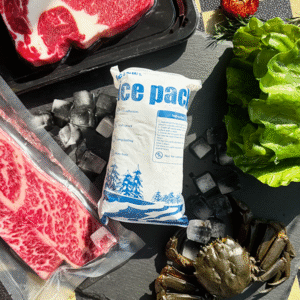
Sélectionnez le bon emballage: Choisissez des options passives (packs de gel, glace carbonique) ou solutions actives (refroidissement mécanique) en fonction de la durée du trajet. Les systèmes hybrides offrent souvent le meilleur équilibre.
Assurer l’intégrité de l’étanchéité: Utiliser des techniques de scellage à chaud ou par ultrasons calibrées pour les basses températures afin d'éviter les brûlures de congélation.
Contrôler l'humidité: Maintenir les niveaux d'humidité et utiliser des méthodes de congélation rapide comme la surgélation rapide individuelle (IQF) pour réduire la formation de cristaux de glace.
Protéger les matériaux: Select temperatureresistant packaging such as polyethylene/polypropylene blends and multilayer films.
Chargement et transport
Conduct pretrip inspections: Vérifier les paramètres du conteneur frigorifique, niveaux de carburant, joints et capteurs de porte.
Utiliser des véhicules multizones: Camions de séparation pour maintenir différentes températures pour divers produits.
Optimiser les itinéraires: Utiliser un logiciel pour minimiser le temps de trajet et s'adapter au trafic et à la météo.
Fournir des mises à jour en temps réel: Partagez les heures d’arrivée estimées et les alertes en cas d’écarts.
Effectuer des sauvegardes: Stocker des packs de gel supplémentaires, glace carbonique ou générateurs portables.
Surveillance et tenue de registres
Systèmes de surveillance des couches: Combinez des capteurs IoT pour des alertes en temps réel avec des enregistreurs de données pour les enregistrements de sauvegarde.
Tirer parti de l’analyse prédictive: Analyser les tendances de température pour prévoir les pannes d'équipement.
Intégrer des plateformes blockchain ou cloud: Garantir que les données sont immuables et interopérables.
Documenter les excursions: Enregistrez tout dépassement de température, leur durée et les actions correctives.
Former le personnel: Provide rolespecific training on monitoring technologies and emergency procedures.
Amélioration continue
Auditer les fournisseurs: Réaliser des audits réguliers pour vérifier la conformité et l’étalonnage des équipements.
Examiner les protocoles: Évaluer et mettre à jour périodiquement les systèmes de gestion de la qualité.
Collaborer: Work with partners to share data and optimize crosschain energy performance.
Scénarios pratiques
Scénario 1: Un distributeur de fruits de mer a remarqué des pics de température récurrents sur les longs trajets. By partitioning their fleet into multizone compartments and installing smart sensors with predictive alerts, ils ont réduit la détérioration et la consommation de carburant.
Scénario 2: A frozen pizza manufacturer replaced singleuse boxes with reusable totes and vacuum insulation panels. After analysing the lifecycle cost, ils ont réalisé que chaque bac permettait d'économiser l'équivalent de trois boîtes en carton par cycle et de réduire la consommation d'énergie lors du stockage..
Scénario 3: Un épicier régional a mis en place un WMS qui s'intègre aux capteurs IoT. Le système ordonne automatiquement la maintenance lorsque la consommation énergétique d’un congélateur s’écarte de la norme, éviter les pannes et économiser des milliers de dollars par mois.
2025 Tendances et perspectives d’avenir en matière d’efficacité énergétique de la chaîne du froid
Croissance du marché et investissement
Le global marché de la chaîne du froid alimentaire devrait atteindre 65,8 milliards de dollars américains 2025 et grandir jusqu'à 205,3 milliards de dollars d'ici 2032 à un 17.5 % TCAC. Le stockage réfrigéré domine avec un 58.6 % partage des revenus, tandis que le segment gelé représente 59.7 % de volumes. Les grands acteurs investissent plus de 5 milliards de dollars entre 2023 et 2025 en automatisation, green refrigeration and renewablepowered facilities. Cet engagement financier souligne l’importance de l’efficacité énergétique comme moteur de croissance.
Durabilité et innovation
Adoption de réfrigérants naturels: Les détaillants d'Europe et d'Amérique du Nord remplacent rapidement les systèmes HFC par une réfrigération au CO₂. Les conceptions améliorées offrent une efficacité élevée même dans les climats chauds.
Transformation numérique: Les capteurs IoT et les systèmes d’IA deviennent la norme, garantir que les grands réseaux de la chaîne du froid maintiennent leur fiabilité tout en minimisant la consommation d'énergie.
Renewablepowered cold chain: Solarpowered refrigeration is expanding access to offgrid regions, and solarplusstorage systems are saving operators tens of thousands of dollars annually.
Conceptions modulaires: Évolutif, plugandplay cold rooms and portable units provide flexibility and enable businesses of all sizes to adopt energyefficient technologies.
Revêtements intelligents et revêtements avec IoT: Materials that reflect sunlight and radiate heat now include sensors for realtime monitoring and integration with control systems.
Hydrogène et transports électrifiés: Emerging hydrogen fuelcell refrigeration units and batteryelectric reefers reduce emissions and pair well with renewable power.
Dynamique réglementaire
Les régulateurs continuent de durcir les normes. La FSMA de la FDA 204 règle et l'extension proposée à 2028 mettre l'accent sur la traçabilité. The AIM Act and EU Fgas regulations accelerate the phasedown of HFCs. 2024 a été confirmée comme l'année la plus chaude jamais enregistrée, soulignant l’urgence de la résilience et de l’efficacité dans la conception.
Attentes des consommateurs et différenciation du marché
Les consommateurs recherchent de plus en plus de transparence, traçabilité et durabilité. Companies that demonstrate climate leadership through energyefficient operations and renewable energy adoption gain loyalty and brand advantage. Plantbased and specialty frozen foods also require specialized cold chains, opening new markets for tailored solutions.
Nearfuture predictions
AIintegrated platforms: Energy management platforms will connect refrigeration, HVAC, lighting and EV charging into a single ecosystem.
Hybrid energy systems: Combining solar, batterie, hydrogen and waste heat recovery will enable nearzeroemission operations.
Circular economy adoption: Refrigerant recovery, recycling and reuse will become standard, spurred by regulatory and economic incentives.
Skills transformation: Technicians will require new certifications to handle natural refrigerants and digital systems.
AIenabled predictive demand: Advanced analytics will forecast demand surges and adjust cold chain capacity accordingly, minimizing waste and energy use.
Questions fréquemment posées
How can I calculate my facility’s energy efficiency? Start by installing IoT sensors to collect realtime energy consumption data. Compare your kWh per square foot against industry benchmarks (cold storage facilities may use 60 kWh par pied carré par an). Many energy management platforms include calculators to estimate potential savings.
Which foods can safely be stored at –15 °C? Lowsensitivity items like frozen potatoes, bread or baked goods tolerate higher storage temperatures. Highsensitivity products such as seafood or ice cream may experience texture and quality loss. Always conduct shelflife tests before adopting the Moveto15 °C initiative.
Do natural refrigerants require special training? Oui. CO₂ systems operate at high pressure, and ammonia requires specific handling procedures. Staff must be trained on safety, leak detection and emergency response.
Is solar power feasible in cold climates? Solar panels produce electricity even in cold weather. Pairing panels with battery storage ensures continuous power during lowsun periods. Evaluate local irradiance and incentives to determine feasibility.
Qu’est-ce que la FSMA ? 204, and does it apply to me? FSMA 204 est-ce que les États-Unis. FDA’s Food Traceability Final Rule. Si vous fabriquez, processus, emballer ou conserver des aliments figurant sur la liste de traçabilité des aliments, you must maintain records containing Éléments de données clés pour Événements de suivi critiques et les fournir à la FDA dans les délais 24 heures. Compliance may be extended to Juillet 20 2028, but early adoption is advisable.
Résumé et recommandations
Principaux à retenir:
Energy use is significant: Refrigeration can account for 40–60 % of facility energy consumption, and poor management leads to high costs and emissions.
Data and smart tech drive savings: Capteurs IoT, AI and datadriven controls deliver 5–12 % économies d'énergie and reduce downtime.
Natural refrigerants and efficient units are critical: Switching from HFCs to CO₂ or ammonia systems cuts emissions by 9–25 % and meets regulatory requirements.
Renewables and coatings offer big gains: Solarplusstorage systems yield substantial cost savings, et les revêtements passifs réduisent les coûts de réfrigération en ≈30 %.
La réglementation se durcit: FSMA 204, AIM Act and Fgas regulations demand traceability and lowGWP refrigerants.
Les meilleures pratiques comptent: Réception efficace, stockage, conditionnement, transport, la surveillance et l'amélioration continue garantissent la qualité des produits et l'efficacité énergétique
Plan d'action:
Auditer et surveiller: Perform an energy audit and install IoT sensors for realtime monitoring. Utilisez les données pour identifier des gains rapides (Par exemple, réglage des points de consigne).
Planifier des mises à niveau: Prioritize replacing HFC systems with natural refrigerant units or highefficiency models like OptimaLINE. Envisagez des revêtements passifs pour les bâtiments et les véhicules.
Intégrer les énergies renouvelables: Évaluer le stockage de l’énergie solaire et des batteries sur les toits; viser au moins 20 % onsite generation to hedge against price volatility.
Former et certifier: Améliorez les compétences de votre personnel pour gérer les nouveaux réfrigérants et les outils numériques.
Se préparer à la réglementation: Élaborer des plans de traçabilité pour répondre à la FSMA 204 and map refrigerant inventories to schedule phaseouts ahead of deadlines.
Collaborer: Engager les fournisseurs, logistics partners and technology providers to share data and codevelop energyefficient solutions.
En suivant ce plan, vous pouvez transformer l’efficacité énergétique d’un fardeau financier en un avantage stratégique, protéger vos résultats tout en préservant la planète.
À propos du tempk
Tempk se spécialise dans solutions innovantes d'emballage et de réfrigération pour la chaîne du froid. Notre équipe combine une expertise en ingénierie avec un engagement envers le développement durable pour aider les clients à naviguer dans le paysage en évolution de chaîne du froid pour aliments surgelés efficacité énergétique. From reusable boîtes isolées to advanced packs de glace and IoTenabled monitoring, nous proposons des solutions globales adaptées à vos besoins. We prioritize ecofriendly materials and continuously test our products to ensure reliability and compliance with the latest regulations. Working with Tempk means partnering with a company that shares your goals for quality, sécurité et gestion de l'environnement.
Prêt à améliorer votre chaîne du froid? Contact Tempk to explore energyefficient solutions d'emballage, schedule a consultation or request a customized energy audit. Our experts are here to help you build a resilient, compliant and sustainable cold chain.