Pack de gel pour la chaîne du froid Biotechnologie en gros: Ce que les acheteurs doivent savoir avant de commander
Bien choisir les packs de gel pour chaîne du froid en gros biotechnologique signifie répondre à quatre questions le plus tôt possible: de quelle plage de température avez-vous besoin, combien de temps dure réellement l'itinéraire, ce que le produit peut tolérer, et à quel point le fournisseur doit être cohérent. En logistique biotechnologique, le contrôle de la température est directement lié à l’intégrité du produit, fiabilité de l'étude, et risque qualité. Le composant d'emballage lui-même est un pack de gel: un scellé pack réfrigérant rempli de gel à base d'eau ou d'un autre milieu à changement de phase.
Les bons acheteurs ne s'arrêtent pas à la définition des composants. Ils comparent la géométrie, conditionnement, limites des qualifications, et la cohérence des fournisseurs car une compresse froide mal adaptée à l'itinéraire peut être tout aussi problématique qu'une compresse faible. Un partenaire grossiste en biotechnologie doit assurer la cohérence, traçabilité, et contrôle des risques, pas seulement livrer à bas prix packs froids.
Où ce réfrigérant s'intègre-t-il dans un système d'expédition
chaîne du froid Gel Pack Biotech Wholesale décrit généralement un besoin d'approvisionnement construit autour d'un format et de plusieurs décisions opérationnelles.. Les acheteurs ne choisissent pas simplement une compresse froide. Ils choisissent comment ce réfrigérant se comportera dans une vraie boîte, sur une vraie voie, avec une véritable équipe d'entrepôt.
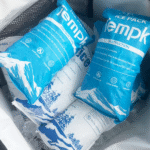
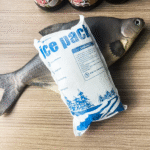
Le composant sous-jacent est un pack de gel utilisé à l'intérieur d'un expéditeur passif ou d'un colis isolé.. Parce que le format est flexible, ça marche bien dans les enveloppes isolées, expéditeurs de spécimens, petits cartons, et des assemblages en kit où vous avez besoin d'un contact large mais adaptable. Les packs de gel sont largement utilisés pour les envois réfrigérés et contrôlés car ils sont propres., évolutif, et compatible avec les systèmes à isolation passive.
La décision d'achat devient beaucoup plus claire une fois que vous séparez trois questions: de quoi est fait le paquet, comment il est conditionné, et si l'ensemble de la conception d'expédition est adapté au produit. Ce cadre est plus utile que la comparaison de photos d'archives ou d'allégations génériques de rétention au froid..
Comment le réfrigérant contrôle réellement la température
Un pack de gel protège la température en agissant comme un tampon thermique à l'intérieur d'un système passif. L'isolation réduit le taux d'apport de chaleur depuis l'extérieur de la parcelle, et le réfrigérant absorbe cette chaleur pendant une période limitée après l'emballage. Cela semble simple, mais les performances dépendent fortement du conditionnement, placement, et sensibilité du produit.
Un paquet mince vous donne plus de contact et peut refroidir plus rapidement, tandis qu'un bloc ou une brique plus lourd comporte généralement plus de réserve. Les couvertures et les oreillers améliorent la couverture; les pads créent une interface plus plate; les packs standards sont polyvalents et faciles à repositionner. La géométrie correcte est celle qui soutient votre voie sans perdre de volume ni créer de point froid dangereux.
Les directives publiques sur les biobanques font clairement la distinction : des packs de gel pour certaines gammes de produits frais et réfrigérés, glace carbonique pour les plages beaucoup plus froides, et expéditeurs secs pour conditions cryogéniques. Mais les acheteurs de biotechnologie connaissent déjà la dure vérité: un pack de gel n'est pas une allégation de validation. Qualification, risque d'itinéraire, et les données de stabilité contrôlent toujours la conception. Pour les programmes sensibles, conception pour l'itinéraire réel et le risque de retard, pas seulement la promesse de service idéale.
L'aspect scientifique des matériaux dans la décision d'achat
Du point de vue des matériaux, la plupart des réfrigérants en gel commerciaux sont construits autour d'un gel à base d'eau ou d'une autre formulation à changement de phase contenue dans un film extérieur scellé. Les informations publiques du fabricant font généralement référence à des films en polyéthylène durable ou à des films thermoplastiques comparables., coutures thermosoudées, et conceptions destinées à réduire les fuites lors de la manipulation. Cette construction de base semble simple, mais de petites différences dans la résistance du film, qualité du joint, et le contrôle du poids de remplissage peut modifier considérablement les performances sur le terrain.
Deux propriétés comptent plus que ce que les acheteurs attendent parfois. Le premier est la masse thermique: plus de masse signifie généralement plus de réserve, mais cela ajoute également du poids de fret et de la consommation de volume interne. Le deuxième est le comportement de contact: un emballage flexible peut s'emballer et refroidir rapidement, tandis qu'une forme rigide peut rendre le placement plus reproductible et réduire le mouvement du paquet à l'intérieur de la boîte.. C'est pourquoi c'est le format le plus polyvalent: facile à placer dessus, ci-dessous, ou autour du produit et disponible dans de nombreux poids et dimensions.
Il existe également un problème de discipline des données. Certains fournisseurs publient des ratios de départ approximatifs pour l'expédition de produits alimentaires et de colis., comme utiliser environ une livre de gel réfrigérant pour deux livres de produit. Cela peut être utile comme raccourci de planification, mais ce n'est pas une règle de conception. Saison, profil ambiant, isolation, espace vide du carton, et la température de départ du produit peut éloigner l'exigence de tout rapport générique.
Où ça marche bien
Une bonne adéquation commence généralement par le produit et le parcours plutôt que par le catalogue de réfrigérants.. C'est le format le plus polyvalent: facile à placer dessus, ci-dessous, ou autour du produit et disponible dans de nombreux poids et dimensions. Quand le format est bien adapté à la voie, ça peut réduire les dégâts, améliorer la qualité de réception, et rendre le travail en entrepôt plus reproductible.
Les acheteurs obtiennent généralement les meilleurs résultats lorsque le réfrigérant s’intègre naturellement dans l’expéditeur isolé existant., flux de travail du congélateur, et processus de réception. C'est important car un pack techniquement solide reste un mauvais choix si les équipes ont du mal à le conditionner., placez-le correctement, ou reconstituez-le de manière fiable.
En biotechnologie, la solution la plus adaptée est généralement destinée aux expéditions réfrigérées ou à refroidissement contrôlé où le produit est sensible à la température mais ne nécessite pas de glace carbonique ou de transport cryogénique.. Parce que la valeur du contenu peut être élevée, les acheteurs ont tendance à préférer le format qui crée le moins de risques procéduraux.
Facteurs de sélection qui comptent plus que le prix unitaire
Commencez par le parcours et la tolérance du produit, puis travaillez à rebours jusqu'au réfrigérant. Ce changement de séquence évite de nombreux mauvais achats car il vous oblige à comparer le pack avec l'expédition que vous effectuez réellement..
Mesurer les dimensions internes, pas seulement la taille externe du carton. Vérifier le volume utilisable, placement probable du pack, et si le réfrigérant créera un contact direct avec une charge sensible au gel. Sa flexibilité facilite le rangement, mais des sacs très légers peuvent se réchauffer rapidement sur de longs trajets s'ils sont utilisés sans suffisamment de masse ou d'isolation.. Dans de nombreux programmes, la meilleure option est la conception qui correspond à la voie avec le pack-out reproductible le plus simple.
Outils de décision utiles
Vérifiez les détails avant de choisir l'emballage
Ces outils rapides peuvent vous aider à comparer le risque d'itinéraire, besoins de dimensionnement, choix de liquide de refroidissement, et les détails de l'emballage avant de demander un devis.
Calculateur de glace carbonique
Estimer les besoins en glace carbonique pour les envois congelés ou ultra-froids avant l'emballage.
Estimation de la neige carboniqueCalculateur de banquise
Estimation de la quantité de pain de glace pour les expéditions réfrigérées et planification pratique des itinéraires.
Estimer les packs de glaceSélecteur d'emballage
Comparez les options d'emballage isotherme par produit, itinéraire, et besoin de température.
Trouver un emballageComparez également la méthode de conditionnement, mise en scène du congélateur, logique de réception, et tolérance aux retards. Certains fournisseurs proposent des règles empiriques de départ utiles, mais ceux-ci ne doivent être traités que comme des indices de planification jusqu'à ce que le pack-out ait été testé sur une voie réaliste.. Un guide d'achat n'a de valeur que lorsqu'il se transforme en une décision tenant compte de l'itinéraire.
Pourquoi la documentation et la qualification sont toujours importantes
L'une des distinctions les plus utiles pour les acheteurs est la frontière entre un composant réfrigérant et un système d'expédition qualifié.. Conseils de l'OMS sur le temps- et les produits pharmaceutiques sensibles à la température traitent les packs de gel, briques, bouteilles, pochettes, et liquides de refroidissement associés comme moyen de stabilisation de la température à l'intérieur de conteneurs passifs. La charge de qualification s'applique à la conception totale, pas seulement à la compresse froide.
Cela est important même en dehors du secteur pharmaceutique, car la même logique s’applique opérationnellement dans le secteur alimentaire., produits de beauté, laboratoire, et travaux en biotechnologie. Une bonne compresse froide peut toujours faire échouer l'expédition si le chemin, isolation, ou l'emballage est erroné.
La qualification des fournisseurs fait partie de cette frontière. Si les composants d’emballage sont importants pour votre processus qualité, demander comment remplir le poids, scellage, identification, et toutes les modifications de conception futures sont contrôlées et communiquées. Cela transforme la conformité d'un mot vague en une liste de contrôle d'achat.
Que demander aux fournisseurs avant de commander en gros
Une liste restreinte pratique combine des questions d'ingénierie avec des questions d'achat. Vous n'achetez pas seulement une forme de réfrigérant. Vous achetez la répétabilité, discipline de réapprovisionnement, et une relation de contrôle du changement. Vous devriez poser des questions sur le poids de remplissage, épaisseur du film, qualité des coutures, et comment le fournisseur contrôle la cohérence d'un lot à l'autre.
- Dimensions internes vs externes. Demandez un ajustement interne exact contre l’expéditeur isolé ou le carton que vous utilisez déjà, non seulement la taille nominale du paquet.
- Volume utilisable et placement du pack. Confirmez si le pack fonctionne ci-dessus, ci-dessous, à côté de, ou autour du produit et combien d'espace vendable il consomme.
- Détails des matériaux et de la résine. Demandez quelle structure de film est utilisée, comment sont faites les coutures, et si le pack est suffisamment étanche pour vos conditions de manipulation.
- Protocole de conditionnement. Préciser si le paquet doit être congelé solidement, réfrigéré, ou tempéré avant utilisation, et combien de temps prend le préconditionnement dans un congélateur d'entrepôt normal.
- Empilabilité et efficacité de retour. Pour les programmes plus importants, demander si le coffret, modèle de palette, et un modèle de réutilisation possible améliorent l'efficacité du stockage et de la logistique inverse.
- Étiquetage et traçabilité. Vérifiez si beaucoup, codes de dates, ou des identifiants personnalisés peuvent être appliqués de manière cohérente pour le travail de réception et d'enquête.
- Cohérence de l'échantillon à la production. Exiger du fournisseur qu'il explique comment un échantillon validé, lot pilote, et les cycles de production en série restent alignés au fil du temps.
- Quantité minimale de commande, délai de mise en œuvre, et options personnalisées. Comparez la disponibilité des stocks avec une véritable capacité personnalisée afin de ne pas approuver un format qui ne peut pas être réapprovisionné lorsque la demande augmente.
- Demander la traçabilité des lots, contrôle du poids, contrôles d'étanchéité, et preuve de la cohérence de l'échantillon à la production.
- Vérifiez si le format du pack est adapté à 2-8 C, température ambiante contrôlée, ou une autre bande cible après conditionnement.
- Confirmez comment le fournisseur prend en charge les expéditions surveillées, expéditeurs qualifiés, et enquête d'excursion en cas de problème.
Les bons fournisseurs répondent clairement à ces points avant la première commande importante. Cette discipline précoce permet de gagner du temps plus tard, lorsque les volumes augmentent ou que les itinéraires changent..
Les changements industriels qui affectent l’approvisionnement
Les attentes actuelles des acheteurs évoluent dans une direction claire. Les entreprises veulent des composants réfrigérants qui prennent en charge une conception spécifique à un itinéraire, réduire les déchets d’emballage évitables, et créez moins de désordre lors de l'emballage et de la réception. C’est l’une des raisons pour lesquelles les formats de transport réutilisables ou plus durables continuent d’attirer l’attention dans les opérations de la chaîne du froid..
Les documents de l’industrie et des associations autour des emballages de transport réutilisables mettent en avant la même logique commerciale: les emballages conçus pour plusieurs voyages peuvent réduire le coût par voyage et réduire la charge environnementale lorsque la boucle de retour est réelle et bien gérée. Tous les programmes ne peuvent pas prendre en charge la réutilisation, mais la conversation sur l'approvisionnement inclut de plus en plus la possibilité de retour, Recyclabalité, et l'efficacité globale des matériaux au lieu de regarder uniquement le prix à la pièce.
Les acheteurs du secteur des sciences de la vie privilégient de plus en plus les emballages spécifiques à un itinéraire plutôt que les quantités génériques de réfrigérants universelles.. L’accent est de plus en plus mis sur la documentation, surveillance, et des systèmes d'emballage qui réduisent le risque d'excursion sans ajouter de volume inutile. Pour les acheteurs, ce qu'il faut retenir en pratique, c'est que la sélection des fournisseurs inclut désormais l'intelligence opérationnelle: qui peut vous aider à simplifier la voie, améliorer la répétabilité du conditionnement, et réduisez les déchets sans risquer les performances en température.
Où les acheteurs perdent de la marge ou de la fiabilité
La plupart des problèmes d'achat ne proviennent pas de défauts de fabrication catastrophiques. Ils viennent de disparités discrètes entre la meute, la boîte, et la voie. Un acheteur approuve un échantillon prometteur, alors l'entrepôt utilise une méthode de conditionnement différente, ou la boîte personnalisée change, ou le parcours d'été est plus difficile que la voie pilote.
- Choisir uniquement par prix unitaire et ignorer le poids du fret, impact dimensionnel, et travail d'emballage.
- Utiliser un format de réfrigérant qui correspond à la photo du catalogue mais gaspille le volume interne du vrai carton.
- Traiter un emballage solide congelé comme étant universellement sûr, même lorsque le produit est sensible au gel.
- En supposant qu'un laissez-passer sur une voie courte prouve la conception pour chaque destination et chaque saison.
- Ignorer la traçabilité des lots et avoir du mal à enquêter sur les fuites, variation de remplissage, ou réclamations sur le terrain.
- Commander des quantités en gros avant de confirmer que les lots de production correspondent à l'échantillon approuvé.
- Confondre un composant réfrigérant propre avec un système d'expédition qualifié pour des matériaux réglementés ou sensibles.
Pour les produits biologiques, réactifs, ou des spécimens de grande valeur, le pack de gel n'est qu'une partie du système. Données de stabilité, risque d'itinéraire, et la qualification décident toujours de la conception de l'expédition. Le correctif consiste généralement en des tests disciplinés, conception tenant compte des itinéraires, et une communication plus forte avec les fournisseurs – pas nécessairement un pack plus cher.
Réponses courtes aux questions courantes
Une équipe de biotechnologie peut-elle s'appuyer sur des packs de gel congelés standards pour 2-8 Expéditions C?
Pas automatiquement. Les emballages solides congelés peuvent pousser les températures locales trop basses. De nombreux systèmes utilisent des packs conditionnés, couches de séparation, et envois qualifiés.
À quelle documentation un acheteur de biotechnologie doit-il s'attendre?
Traçabilité des lots, cohérence dimensionnelle, contrôle du poids de remplissage, et des instructions de manipulation claires sont des attentes de base. Les programmes à plus haut risque peuvent également exiger des documents entrants de qualité et une transparence du contrôle des modifications..
Pourquoi le risque routier est-il si important?
Parce que le même réfrigérant peut se comporter très différemment sur une courte voie locale par rapport à une longue voie avec séjour à l'aéroport., douane, ou exposition répétée à la porte.
Points à retenir
Autrement dit, un bon achat dépend moins du langage du catalogue que de l'adéquation: adapté au produit, apte à la voie, s'adapter au flux de travail de l'entrepôt, et conforme aux attentes de qualité. Avant de procéder à un achat, confirmer la géométrie du pack, méthode de conditionnement, ensemble d'isolation, et la discipline des fournisseurs dans les mêmes conditions auxquelles votre entreprise sera réellement confrontée.
À propos du Tempk
Et Tempk, nous nous concentrons sur emballage à température contrôlée pour expédition sous chaîne du froid, y compris packs de glace, sacs isolés, glacières, et couvertures thermiques de palettes. Nous proposons également des solutions d'emballage personnalisées basées sur la durée du transport., objectifs de température, taille, et besoins de manutention. Pour les équipes évaluant les réfrigérants de la chaîne du froid, notre force pratique réside dans la combinaison des composants d'emballage avec une réflexion au niveau du système afin que la solution corresponde à l'itinéraire au lieu de s'appuyer sur une réclamation générique à froid.
Prochaine étape
Si vous avez besoin d'un meilleur ajustement pour votre plage de température, temps de transit, ou programme de commande groupée, demandez une recommandation d'emballage construite autour de votre voie actuelle. Pour des projets personnalisés ou en gros, commencer par la boîte, l'itinéraire, et la sensibilité du produit – puis choisissez le réfrigérant.