Cold chain logistics refers to the temperature controlled transport and storage of perishable products. Si tu es dans la nourriture, industries pharmaceutiques ou biotechnologiques, ensuring goods remain within a precise temperature range is essential for safety and quality. This guide explains what cold chain logistics means, how it works and why it matters to your business. It includes up to date statistics from 2023–2025 and actionable advice on adopting best practices.
Understanding the term: Qu'est-ce que le cold chain logistics definition and why is it important for perishable goods transport?
Benefits and industries: How does a reliable cold chain protect food, produits pharmaceutiques et autres produits sensibles?
Stages and temperature ranges: What are the key steps in a cold chain and what temperatures do different products require?
Technologie et innovation: What tools (IoT, IA, blockchain, réfrigération solaire) are reshaping cold chain logistics?
Défis et solutions: What obstacles do businesses face and how can you mitigate them?
2025 tendances: What market growth and regulatory trends should you know in 2025?
Comprendre la logistique de la chaîne du froid: Definition and Fundamentals
Cold chain logistics encompasses every activity required to maintain the quality and safety of perishable goods by keeping them within a specific temperature range during handling, stockage et transport. Unlike a normal supply chain, the cold chain uses specialized equipment such as refrigerated trucks, warehouses and insulated packaging to prevent temperature fluctuations. Maintaining these conditions ensures that food remains safe, pharmaceutical vaccines stay potent and chemicals retain their efficacy.
Why the Cold Chain Exists
Perishable products degrade quickly when exposed to heat or fluctuations in temperature. Par exemple, many fruits and vegetables ripen rapidly when kept above 7 °C; vaccines may lose potency if they are not stored between 2 °C and 8 °C. The cold chain evolved to protect public health and reduce waste. Sans contrôle fiable de la température, retailers would face spoiled stock, pharmaceutical companies could deliver ineffective medications and consumers would be at risk of food borne illnesses.
Éléments clés d'une chaîne du froid
The following table summarizes the essential components of a cold chain and how each element adds value:
| Élément | But | Caractéristiques clés | Bénéficier à vous |
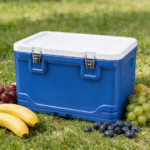
| Emballage à température contrôlée | Protects products during transport | Boîtes isolées, packs de gel, glace carbonique | Maintains correct temperature during transit to reduce spoilage |
| Installations de stockage à froid | Long term holding before distribution | Entrepôts réfrigérés, congélateurs rapides | Provide buffer storage and smooth demand fluctuations |
| Transport réfrigéré | Moves goods between facilities or customers | Camions frigorifiques, frigorifiques (navires), cold air cargo containers | Ensures goods remain within the correct temperature range across distances |
| Real time monitoring and tracking | Surveille la température, humidité et emplacement | Capteurs IoT, Tags RFID, GPS | Alerts you to temperature deviations so you can act quickly and avoid losses |
| Conformité et documentation | Records conditions for quality assurance | Digital logs, enregistrements blockchain | Provides proof of compliance with regulations and helps with recalls |
Astuces et conseils pratiques
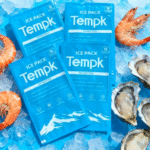
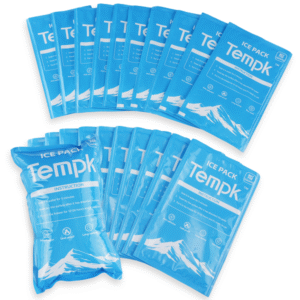
Utiliser un emballage qualifié: Choisissez un emballage conçu pour la plage de température et la durée de transport spécifiques. Par exemple, gel packs suit refrigerated goods while dry ice is needed for frozen products.
Prioritize monitoring: Invest in IoT sensors or data loggers to track temperature. Real time alerts allow you to intervene before damage occurs.
Former le personnel: Properly trained personnel reduce the risk of human error, which is a major challenge in cold chain operations.
Collaborez avec des experts: Work with logistics providers experienced in temperature control to ensure compliance and reliability.
Exemple du monde réel: A pharmaceutical distributor improved vaccine safety by implementing RFID temperature sensors across its delivery fleet. When a sensor detected a 2 °C deviation, staff were notified via mobile app and rerouted the shipment to an alternative facility, preventing loss of $500,000 worth of product and ensuring patient safety.
Why Cold Chain Logistics Is Essential: Benefits and Use Cases
Preserving product integrity is the primary reason for investing in a cold chain. It ensures compliance with safety regulations and reduces waste. Here are the industries that rely most heavily on temperature controlled logistics:
Nourriture et boisson
Aliments périssables—such as dairy, viande, seafood and frozen meals—must be kept at safe temperatures to prevent bacterial growth. Par exemple, dairy products typically require temperatures between 2 °C and 4 °C, while frozen foods need to be kept at –18 °C or lower. A reliable cold chain ensures consumers receive fresh, produits sûrs.
Produits pharmaceutiques et biotechnologie
Vaccins, insulin and monoclonal antibodies are sensitive to heat and may lose efficacy if exposed to temperatures outside their specified range. Par exemple, many vaccines must be stored at 2 °C–8 °C, while ultra cold biologics may need temperatures as low as –80 °C. Respect des bonnes pratiques de distribution (PIB) regulations often requires digital monitoring and traceability.
Chemicals and Industrial Products
Certains produits chimiques, including adhesives and coatings, require stable temperatures to prevent phase changes or degradation. In the oil and gas industry, temperature controlled logistics is essential for transporting specialized lubricants and polymers.
Military and Relief Supplies
In disaster relief and military operations, temperature sensitive supplies (Par exemple, produits sanguins) must be delivered to remote locations safely. A reliable cold chain can be the difference between life and death in humanitarian missions.
Emerging Use Cases
Épicerie e-commerce: Online grocery platforms rely on last mile cold chains to deliver fresh items directly to consumers. Rising demand for meal kit delivery services in urban areas has accelerated investment in micro fulfillment centers.
Specialty beverages: The craft beer and specialty drinks industries are increasingly using cold chain logistics to maintain flavor profiles during cross country shipping.
Biological sample transport: Diagnostic labs and research institutions use cold chains to move blood, tissue and genetic samples between clinics and research facilities.
Benefits to Your Business
Investing in a robust cold chain delivers tangible benefits:
Reduced waste and improved quality: Maintaining proper temperatures reduces spoilage and extends shelf life. This directly translates to higher margins and customer satisfaction.
Conformité réglementaire: Many industries face stringent regulations. A documented cold chain helps you meet legal requirements and avoid penalties.
Avantage concurrentiel: A reliable cold chain builds trust with clients, enabling you to expand into global markets.
Reduced recall costs: Accurate monitoring systems provide traceability, making it easier to conduct recalls and protect your brand.
How Cold Chain Logistics Works: Key Stages and Temperature Ranges
The journey of a temperature sensitive product involves multiple stages. Each stage requires specialized equipment and protocols to ensure that the temperature remains within the desired range. Below is a step by step overview of the cold chain process.
1. Preparation and Packaging
Goods are prepared by pre cooling them to the target temperature. Packaging materials such as insulated containers, gel packs or dry ice are selected based on transit time and temperature requirements. For ultra cold products like mRNA vaccines, dry ice or phase change materials may be used.
2. Cold Storage and Warehousing
Items are stored in refrigerated warehouses or distribution centers that maintain specific temperature zones. Blast freezers may be used for products requiring rapid cooling.
3. Transport
The transport stage involves moving goods via refrigerated trucks (frigorifiques), maritime containers or air freight. Trucks and ships are equipped with refrigeration units and monitoring devices that control temperature and humidity. During air freight, specialized containers are used to handle extremes, including cryogenic conditions.
4. Monitoring and Control
Tout au long du voyage, IoT sensors and data loggers collect real time information about temperature, humidité et choc. These devices send alerts if conditions deviate from safe ranges. Predictive analytics can also suggest proactive interventions, such as adjusting routes or replenishing cooling materials.
5. Last Mile Delivery and Handling
The last mile is often the most challenging part of the cold chain. It may involve multiple stops, unpredictable traffic and variable weather. Micro warehouses or local hubs are used to shorten delivery times and maintain temperatures.
Temperature Range Guidelines
Different products have distinct temperature requirements. The following table summarizes recommended ranges and why they matter:
| Catégorie de produit | Plage de température idéale | Raison | Bénéficier à vous |
| Fruits et légumes frais | 0 ° C - 10 ° C | Slows respiration and ripening | Extends shelf life and maintains flavor |
| Produits laitiers | 2 °C–4 °C | Empêche la croissance bactérienne | Ensures safety and quality for consumers |
| Médicaments | 2 °C–8°C (standard); –80°C (ultra froid) | Maintient la puissance et l’efficacité | Meets regulatory standards and protects patients |
| Aliments surgelés | –18°C ou moins | Keeps products fully frozen | Prevents thawing and freezer burn |
| Fruit de mer | –1 °C–4 °C | Inhibits microbial growth and preserves texture | Delivers premium quality seafood |
Tips for Managing Each Stage
Préparation: Pre cool your goods before packaging to prevent condensing moisture inside containers.
Stockage: Regularly calibrate refrigeration units and backup generators to avoid downtime.
Transport: Monitor fuel and equipment performance; plan efficient routes to reduce transit time.
Dernier kilomètre: Consider using electric or hybrid vans with built in refrigeration for urban deliveries.
Technology and Innovation in Cold Chain Logistics
Recent innovations are transforming how businesses manage cold chains. Ces technologies améliorent l'efficacité, reduce costs and enhance visibility. Here are some of the most important trends:
Real Time Monitoring with IoT and Predictive Analytics
Capteurs IoT transmit temperature, données d'humidité et de localisation en temps réel, permettant des actions correctives immédiates. Predictive analytics uses this data to forecast potential failures, route disruptions and equipment issues. Par exemple, AI driven route optimization can reduce fuel consumption and travel time by up to 15 %.
Blockchain for Transparent Record Keeping
Blockchain technology offers immutable records that ensure transparency across the supply chain. It helps prevent fraud, simplifies compliance audits and speeds up recall processes.
Sustainable Refrigeration and Renewable Energy
Reducing the environmental impact of cold chains is a growing priority. Les innovations incluent low global warming potential (PRP) réfrigérants, solar powered and hybrid refrigeration units, et emballage isotherme écologique. Solar panels integrated into trailers can power refrigeration units during daylight, reducing diesel usage and emissions.
Advanced Packaging and Smart Containers
New packaging designs incorporate lightweight materials and smart sensors that adjust insulation based on external conditions. Conteneurs maritimes intelligents combine insulation, active cooling and real time tracking to ensure stable conditions while reducing weight.
Cryogenic and Ultra Cold Logistics
La croissance des produits biologiques, cell therapies and gene treatments requires shipping at extreme low temperatures (down to –150 °C). Specialized containers and liquid nitrogen systems are used to maintain these conditions. Conformité aux bonnes pratiques de fabrication (GMP) et bonnes pratiques de distribution (PIB) est crucial.
Intelligence artificielle et apprentissage automatique
AI is being applied to predict equipment maintenance, optimize inventory levels, et améliorer la prévision de la demande. Machine learning models learn from historical data to recommend optimal shipping routes, carriers and storage conditions.
Upcoming Innovations: Table Overview
| Innovation | Description | Impact sur vos opérations |
| Conteneurs compatibles IoT | Des capteurs surveillent la température, humidité, shocks and location | Offers full visibility and reduces spoilage by enabling proactive interventions |
| Optimisation des itinéraires basée sur l'IA | Des algorithmes analysent le trafic, weather and delivery windows to plan routes | Cuts fuel usage and emissions by up to 15 %, and improves delivery punctuality |
| Traçabilité de la blockchain | Crée sécurisé, immutable records of each step | Enhances consumer trust and simplifies audits |
| Solar refrigeration systems | Uses solar panels to power cooling units | Reduces diesel consumption and supports sustainability goals |
| Smart packaging with phase change materials | Adjusts insulation automatically based on conditions | Extends thermal protection and reduces the need for heavy dry ice |
Astuces et conseils pratiques
Investissez dans la connectivité: Sans connectivité fiable (Par exemple, 4G/5G), your sensors cannot send real time data. Ensure network coverage along transport routes.
Plan for interoperability: Choose technologies that integrate with your warehouse management system (WMS) and transportation management system (TMS).
Restez informé de la réglementation: Renewable refrigerants and digital data records must comply with evolving environmental and data privacy laws.
Cas réel: A global dairy producer installed solar panels on its refrigerated transport fleet. By switching to hybrid cooling units powered by solar during the day and electric batteries at night, the company reduced diesel consumption by 30 % and achieved a return on investment within 18 mois.
Défis et solutions dans la logistique de la chaîne du froid
While the cold chain offers significant benefits, it presents unique challenges. Understanding these challenges helps you plan mitigation strategies.
High Operating Costs
Cold chain logistics require specialized vehicles, refrigeration units and insulated facilities. Le high cost of refrigeration and energy consumption can strain budgets. En plus, training staff and implementing monitoring technology adds to expenses.
Solutions:
Optimize utilization: Use data analytics to maximize vehicle load factors and warehouse occupancy.
Adopt energy efficient technology: Modern refrigeration units and hybrid systems reduce fuel and electricity consumption.
Tirer parti des incitations gouvernementales: Some regions offer grants or tax credits for using low GWP refrigerants and energy efficient equipment.
Limited Visibility and Traceability
Dans de nombreuses chaînes d'approvisionnement, data is siloed across different systems, making it difficult to track shipments and detect temperature excursions.
Solutions:
Intégrer les systèmes: Connect your TMS, WMS and monitoring platforms to create a single source of truth.
Utiliser la blockchain: Immutable records provide end to end visibility and secure data sharing.
Standardiser les formats de données: Adopt industry standards (Par exemple, GS1) to ensure compatibility between partners.
Erreur humaine
Mishandling of temperature sensitive goods during loading or unloading is a major risk.
Solutions:
Mettre en œuvre des SOP: Establish standard operating procedures for packing, loading and receiving goods.
Former le personnel: Provide regular training on proper handling and emphasize the importance of adhering to SOPs.
Automate where possible: Automated pallet loading systems reduce the risk of human error.
Conformité réglementaire
Complex and evolving regulations govern temperature controlled logistics, notamment pour les produits pharmaceutiques. Failure to comply can lead to legal issues and product recalls.
Solutions:
Restez à jour: Monitor changes in GDP, GMP and other regional regulations.
Documentez tout: Use digital records to prove compliance during audits.
Engager des experts: Work with compliance consultants to navigate local and international regulations.
Infrastructure Limitations in Emerging Markets
Developing regions often lack reliable cold storage facilities and transportation networks. This can hinder the distribution of vaccines and perishable goods.
Solutions:
Chambre froide modulaire: Portable and modular cold rooms can be deployed quickly in underserved areas.
Public–private partnerships: Collaborate with governments and NGOs to expand infrastructure.
Leverage last mile innovations: Electric cargo bikes and micro warehouses can help reach remote areas.
Cold Chain Logistics Market in 2025: Growth and Trends
The cold chain industry is experiencing rapid growth as demand for perishable goods increases worldwide. Selon une étude de marché, le marché mondial de la logistique de la chaîne du froid était évalué à 293,58 milliards de dollars américains 2023 et devrait atteindre US$324.85 billion in 2024, grandir jusqu'à 862,33 milliards de dollars américains d'ici 2032 à un taux de croissance annuel composé (TCAC) d'environ 13 %. Other reports estimate that the market size will be 436,30 milliards de dollars américains 2025, s'élevant à US$1,359.78 billion by 2034 avec un 13.46 % CAGR. These figures underscore the industry’s momentum and reflect increasing investment in cold storage capacity and technology.
Moteurs de croissance
Several factors contribute to the rapid expansion of cold chain logistics:
Global food trade and urbanization: Growing populations and urbanization in developing regions boost demand for imported and processed foods.
Commerce électronique et épicerie en ligne: The rise of online grocery services and meal kit delivery increases the need for last mile cold chains.
Pharmaceutical and biotechnological advances: The development of temperature sensitive biologics, vaccines and personalized medicine drives demand for ultra cold logistics.
Innovations technologiques: IoT, IA, blockchain and sustainable packaging reduce costs and improve reliability.
Pressions réglementaires: Stricter food safety and pharmaceutical regulations compel companies to invest in compliant cold chain systems.
Recent Market Data Snapshot
| Année | Market Size Estimate | Source |
| 2023 | US$293.58 billion | Maersk report |
| 2024 | US$324.85 billion | Maersk report |
| 2025 | 436,30 milliards de dollars américains | Recherche prioritaire |
| 2032 | US$862.33 billion | Maersk report |
| 2034 | US$1,359.78 billion | Recherche prioritaire |
2025 Tendances et innovations
The cold chain sector continues to evolve. Here are some of the major trends shaping 2025:
Geopolitical Impacts: Trade tensions and geopolitical unrest can disrupt supply chains. Companies are diversifying trade routes and building resilience.
Visibility and Transparency: Enhanced visibility tools provide real time tracking, predictive analytics and digital twins. Blockchain adoption increases transparency and traceability.
New Product Categories: Croissance des aliments à base de plantes, gene therapies and specialty chemicals requires niche temperature ranges, driving specialized cold storage needs.
Améliorations des installations: Logistics providers are investing in automation, robotics and multi temperature warehouses to improve efficiency.
Solutions durables: Réfrigérants écologiques, renewable energy and recyclable packaging reduce environmental impact.
Innovations du dernier kilomètre: Véhicules électriques et hybrides, micro warehouses and drone deliveries improve speed and reduce emissions.
Modifications réglementaires: New food safety and pharmaceutical regulations require more documentation and stricter temperature control.
Aperçu du marché et préférences des consommateurs
Changing consumer behaviors influence cold chain logistics. Demand for locally sourced foods and environmentally friendly packaging is rising. Transparency is also critical; consumers want to know where and how their food or medicine was produced and transported. En réponse, businesses are adopting QR codes and blockchain to provide detailed product provenance. En plus, the adoption of renewable energy and sustainable packaging is becoming a differentiating factor for consumers who prioritize eco conscious brands.
Common Questions About Cold Chain Logistics
Q1: What is the cold chain logistics definition?
The cold chain logistics definition refers to the coordinated network of infrastructure, equipment and procedures used to maintain the temperature of perishable goods from origin to destination. It ensures products remain safe and effective by keeping them within specified temperature ranges.
Q2: Why is maintaining temperature control important in a cold chain?
Proper temperature control prevents spoilage, maintains product efficacy and ensures compliance with safety regulations. Sans, perishable goods can become unsafe or ineffective, leading to waste and potential health risks.
Q3: Quelles industries dépendent de la logistique de la chaîne du froid?
Key industries include food and beverages, médicaments, biotechnologie, produits chimiques, cosmetics and military supplies. Each sector requires specific temperature ranges and specialized handling.
Q4: How do IoT and AI improve cold chain logistics?
Les capteurs IoT fournissent des données en temps réel sur la température, humidité et emplacement, while AI analyzes this data to optimize routes and predict equipment failures. Ensemble, they reduce waste and improve reliability.
Q5: What are some challenges of cold chain logistics?
Challenges include high operating costs, visibilité limitée, human error and regulatory complexity. The industry addresses these challenges through advanced technology, training and strict standard operating procedures.
Q6: How can businesses adopt sustainable practices in cold chain logistics?
Businesses can use low GWP refrigerants, invest in solar powered refrigeration, switch to electric vehicles and adopt recyclable packaging. These measures reduce carbon footprints and meet consumer expectations for sustainability.
Recommandations récapitulatives et concrètes
Principaux à retenir
Définition et importance: Cold chain logistics involves maintaining temperature control for perishable products from production to consumption.
Industry reliance: Nourriture, pharma and biotech depend on cold chains to ensure product safety and quality.
Process stages: Préparation, stockage, transport, monitoring and last mile delivery each require specialized equipment and procedures.
Technology advancements: IoT, IA, blockchain and sustainable refrigeration are transforming cold chain operations.
Croissance du marché: The global market is expected to grow from roughly US$324 billion in 2024 à plus de 862 milliards de dollars d'ici 2032.
Étapes suivantes
Évaluez vos besoins: Identify which of your products require temperature control and what specific ranges they need.
Select reliable partners: Choose logistics providers with proven cold chain expertise and technology capabilities.
Investissez dans des outils de surveillance: Implémenter des capteurs IoT, data loggers and analytics platforms to gain full visibility into your shipments.
Restez au courant de la réglementation: Monitor evolving food safety and pharmaceutical standards to ensure compliance.
Planifier pour la durabilité: Évaluer les options d’énergie renouvelable (solaire, hybrid vehicles) and eco friendly packaging to reduce your environmental impact.
Contacter le tempk: Our experts can help design and implement a cold chain solution tailored to your needs.
À propos du tempk
Tempk est un spécialiste des solutions logistiques sous chaîne du froid. We provide temperature controlled storage, transport and monitoring technologies to ensure the integrity of your perishable goods. Our end to end services cover everything from refrigerated warehouses and fleet management to IoT tracking and regulatory compliance. We leverage the latest innovations—such as AI powered route optimization and solar powered refrigeration—to offer reliable, sustainable and cost effective solutions.
If you’re looking to improve your cold chain operations or need guidance on meeting strict regulatory standards, contacter Tempk pour une consultation. We’ll help you design a solution tailored to your product requirements and business goals.