Cold Chain Logistics Services: Keeping Goods Safe 2025
Mis à jour 28 Décembre 2025
Votre chaîne du froid est le réseau invisible qui maintient la puissance des vaccins, aliments frais et produits chimiques stables. Dans 2025 the global market for services logistiques de la chaîne du froid is worth about 436 milliards de dollars américains and is forecast to surpass 1 300 milliards de dollars américains d’ici 2034. Les enjeux sont élevés: even a two hour temperature deviation can ruin an entire shipment worth hundreds of thousands of dollars. Ce guide montre how cold chain logistics services protect your products, what to look for in a service provider, how technologies like AI and IoT are reshaping the industry, and what it all costs.
Cet article répondra:
What exactly are cold chain logistics services and why do they matter? Une définition claire, core components and temperature ranges for common products.
How do you choose the right cold chain logistics provider? Criteria to evaluate partners, with real world market data and major players.
Which technologies are transforming cold chain logistics services in 2025? IoT, blockchain, IA, automation and sustainable practices.
What are the cost drivers and how can you optimise your cold chain budget? A breakdown of pricing models and actionable cost control tips.
What trends are shaping the cold chain logistics market in 2025 et au-delà? Market size forecasts, regional insights and industry specific developments.
What are cold chain logistics services and why do they matter?
Cold chain logistics services manage the storage and transport of temperature sensitive goods to prevent spoilage, preserve potency and protect public health. They involve a network of refrigerated facilities, vehicles and monitoring systems that keep products within tight temperature ranges from origin to destination. Sans ce contrôle, vaccins, fresh foods and chemicals can degrade or become unsafe. En termes réels, a single two hour temperature deviation can spoil an entire shipment worth US$500 000. The cold chain isn’t limited to pharmaceuticals; it also underpins global trade in fruit, légumes, laitier, fruit de mer, chemicals and even cosmetics.
How cold chain services work and why temperature matters
Cold chain logistics combines cooling systems, stockage isolé, refrigerated transport and continuous monitoring to maintain precise temperature ranges. Products are quickly cooled after harvest or manufacture to stabilise quality. They are then held in refrigerated warehouses until dispatch, transported in temperature controlled trucks, ships or airplanes, and constantly monitored using IoT sensors and data loggers. Lorsque les capteurs détectent des températures dangereuses, alerts allow operators to act immediately, rerouting vehicles or adjusting refrigeration. Sans de tels systèmes, last mile delays, cross docking and human error can cause temperature excursions that spoil goods and violate regulations.
Temperature ranges for common products
Maintenir la bonne température est essentiel. Different products require specific ranges to stay safe:
| Catégorie de produit | Température recommandée | Impact pratique | Ce que cela signifie pour vous |
| Fruits | 0–5 °C (32–41 °F) | Ralentit la maturation, Empêche la détérioration | Choose providers with proper cooling to keep produce crisp and fresh |
| Médicaments | 2–8 ° C (35.6–46,4 °F) | Maintains potency and efficacy | Essential for vaccines and biologics; ensures therapeutic strength |
| Aliments surgelés | En dessous de −18 °C (0 °F) | Empêche le dégel et la croissance bactérienne | Prevents food safety issues and preserves taste |
| Produits laitiers | 1–3 °C (34–38 °F) | Keeps milk, cheese and yogurt fresh | Reduces waste and avoids souring |
Failure to maintain these ranges can lead to contamination, pertes financières et sanctions réglementaires. Par exemple, mis reading a temperature log or improper stacking can spoil sensitive products before they reach customers.
Astuces et conseils pratiques
Adaptez l’emballage à la sensibilité du produit: Use vacuum insulation panels or phase change materials for goods that cannot tolerate temperature swings.
Mettre en œuvre une surveillance continue: Déployez des capteurs IoT et des enregistreurs de données avec des alertes automatisées afin de pouvoir réagir rapidement aux écarts.
Formez votre équipe: Chargement correct, les procédures de déchargement et de manutention réduisent les chocs thermiques pendant le transport.
Exemple du monde réel: Pendant le déploiement du vaccin contre la COVID-19, ultra cold storage requirements posed a major challenge. Companies rapidly deployed IoT sensors, dry ice packaging and flexible routing to maintain temperatures below −70 °C, ensuring vaccines remained potent. Cette expérience a accéléré les investissements dans l’infrastructure de la chaîne du froid et l’analyse prédictive.
How do you choose the right cold chain logistics provider?
Selecting a cold chain partner is not just about price; it’s about reliability, conformité et technologie. A provider must demonstrate robust infrastructure, visibilité de bout en bout, regulatory expertise and the capacity to scale with your business. Here’s how to evaluate candidates:
Evaluate infrastructure and network coverage
The North American cold chain market is booming. Les États-Unis. cold chain logistics market alone is estimated at US$91 billion in 2025 et devrait atteindre US$109 billion by 2030, while Canada’s market will grow from US$6 billion to US$7 billion. Major players like Lineage Logistics (2.1 billion cubic feet of capacity) and Americold (1.3 billion cubic feet) together control more than half of U.S. capacité. Lors du choix d'un fournisseur, look at:
Storage capacity and facility locations: Providers should offer facilities near major ports, food production hubs and distribution centers to reduce transit time and costs.
Equipment and technology: Modern warehouses should use advanced refrigeration systems, automated storage and retrieval, and high density racking to maximise efficiency.
Transportation fleet: Ensure the carrier has refrigerated trucks, reefer containers and multimodal options to maintain temperature integrity across long distances.
Verify compliance and risk management
Cold chain logistics must meet stringent regulations such as the U.S. Loi sur la modernisation de la sécurité alimentaire (FSMA), USDA standards for meat and dairy, et lignes directrices sur les bonnes pratiques de distribution. Failure to comply can lead to fines or shipment rejections. Evaluate whether the provider:
Holds certifications such as BRC, SQF or CEIV Pharma, reflecting rigorous food safety and pharmaceutical handling standards.
Maintains backup systems like redundant refrigeration units and generators to prevent spoilage during power disruptions.
Uses traceability systems to record product conditions and respond quickly to recalls or audits.
Assess technology and data transparency
Leading providers integrate warehouse management, transportation management and IoT dashboards into a single platform for real time visibility. Look for providers that:
Provide live tracking of temperature and location through IoT sensors.
Offer digital documentation for compliance and auditing.
Utiliser l'analyse prédictive to anticipate delays and reroute shipments.
Evaluate cost structures and contract terms
Pricing models vary. Many companies charge based on weight, volume, storage duration and value added services like kitting or reverse logistics. Long term contracts can secure capacity and stabilize pricing, while short term agreements provide flexibility during volatile markets. Comparer:
Base rates for storage and transportation.
Services à valeur ajoutée, such as repackaging, cross docking and order fulfilment.
Minimum volume commitments and penalties for deviations.
Insurance coverage for high value goods.
Selecting the right provider ensures your temperature sensitive goods arrive safely, comply with regulations and meet customer expectations.
Which technologies are transforming cold chain logistics services in 2025?
La transformation numérique remodèle la chaîne du froid. Capteurs IoT, blockchain, intelligence artificielle, automation and sustainable innovations provide unprecedented visibility and efficiency. Voici comment:
IoT et technologie des capteurs
Les appareils IoT surveillent la température, humidité et localisation en temps réel. Wireless sensors attached to pallets or individual packages send data to cloud platforms where anomalies trigger alerts. This allows quick interventions, such as adjusting refrigeration or rerouting shipments. Uninterrupted data also simplifies compliance reporting and strengthens customer trust.
La blockchain pour la transparence
Blockchain creates a tamper proof ledger of every transaction in the supply chain, améliorer la traçabilité et la responsabilité. It records the origin of goods, transfer of custody and temperature readings, making it easier to verify compliance and investigate issues. For high value pharmaceuticals or regulated foods, blockchain ensures data integrity and speeds up recalls.
Intelligence artificielle et analyse prédictive
L'IA analyse les données historiques et en temps réel pour prévoir la demande, optimiser les itinéraires et prévoir la maintenance des équipements. Selon les analystes du secteur, AI in cold chain logistics can automate routine tasks, reduce costs and enhance fleet health. Par exemple, machine learning algorithms can identify patterns in temperature fluctuations and predict when a refrigeration unit might fail, permettant une maintenance proactive. AI also reroutes vehicles to avoid traffic and reduce transit times.
Automatisation et robotique
Modern cold warehouses use robotic storage and retrieval systems, automated guided vehicles and conveyor automation to handle pallets quickly and accurately. L'automatisation réduit les erreurs humaines, improves labour safety and increases throughput. Dans les années à venir, expect more facilities to combine robotics with AI for adaptive warehousing that dynamically adjusts to demand spikes.
Durabilité et efficacité énergétique
Les préoccupations environnementales stimulent l’innovation. Les entreprises adoptent des emballages écologiques, energy efficient refrigeration and solar powered warehouses. Some operators are moving from the traditional −18 °C storage standard to −15 °C, which reduces energy consumption without compromising food quality. Low GWP refrigerants and carbon offset programmes further reduce the carbon footprint of cold chain operations.
Conformité réglementaire et normes évolutives
Certifications and standards are evolving. Retailers are shifting from older certifications like AIB to more rigorous standards such as SQF and BRC. These emphasise comprehensive food safety, gestion de la qualité et traçabilité, pushing cold chain providers to invest in advanced technologies and training. Staying ahead of regulatory change ensures that your supply chain remains compliant and competitive.
Conseils pratiques
Invest in sensor integration: Choose solutions that integrate IoT data with your enterprise systems for real time decision making.
Utiliser la maintenance prédictive: Leverage AI to detect equipment failures before they occur, réduisant les temps d'arrêt et la détérioration.
Adopter des pratiques durables: Switch to eco friendly packaging and energy efficient refrigeration to reduce operational costs and meet consumer expectations.
Technology adoption not only reduces losses but also enhances customer satisfaction by ensuring transparency, speed and reliability.
What are the costs of cold chain logistics services and how can you optimise them?
Cold chain logistics costs can be substantial because maintaining low temperatures requires specialised equipment, energy and expertise. Understanding the main cost drivers helps you budget effectively and identify opportunities for savings.
Key cost components
Storage and infrastructure: Refrigerated warehouses require significant capital investment and continuous energy consumption. Rates vary based on temperature, volume and storage duration. New facilities with automation and advanced insulation command higher prices but may reduce spoilage and labour costs
Transport: Camions frigorifiques, reefer containers and air freight cost more than conventional carriers due to fuel surcharges, specialised insulation and limited capacity. Multimodal solutions may optimise cost and lead time.
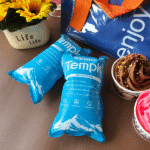
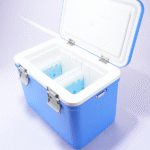
Conditionnement: Boîtes isolées, packs de gel, dry ice and phase change materials protect products during transit. Premium packaging reduces temperature swings but adds to per shipment costs.
Surveillance et technologie: Capteurs IoT, bûcherons de données, blockchain platforms and analytics subscriptions require upfront investment and ongoing fees. Cependant, they can prevent costly spoilage events and fines.
Conformité et certification: Achieving and maintaining certifications (Par exemple, SQF, CRB, CEIV Pharma) involves audits, training and record keeping. Non compliance can result in product recalls or market loss.
Optimising your budget
Right size your storage: Assess your actual storage needs and choose facilities with flexible space options. Avoid over committing to large warehouses when seasonal demand fluctuates.
Leverage automation and AI: Automated storage and predictive analytics reduce labour and energy waste. AI driven route optimisation minimises fuel consumption and transit time.
Use returnable packaging: Reusable gel packs and insulated containers can lower long term packaging costs and reduce waste.
Negotiate long term contracts: Locking in rates and capacity with a reliable provider can protect against market volatility.
Monitor energy efficiency: Work with providers who invest in energy efficient refrigeration and renewable power to reduce operational costs.
By understanding where your money goes and implementing smart practices, you can maintain product quality while controlling expenses.
2025 market trends for cold chain logistics services
The cold chain logistics industry is growing rapidly and is subject to technological, economic and societal forces. Keeping abreast of market trends helps you anticipate opportunities and risks.
Croissance du marché mondial
Global demand for temperature controlled logistics has surged. Analysts estimate that the worldwide cold chain logistics market will grow from 436,30 milliards de dollars américains en 2025 à 1 360 milliards de dollars américains d’ici 2034, reflétant un taux de croissance annuel composé de 13.46 %. Asia–Pacific is expected to be the fastest growing region with a CAGR of about 14.3 %. In food and beverage alone, the market will rise from US$90.81 billion in 2025 à US$219.44 billion by 2034, en expansion à 10.3 % par année. North America’s cold chain market across the U.S., Canada and Mexico will reach roughly US$124 billion d'ici cinq ans.
Market drivers and emerging products
Several forces are fuelling this growth:
Geopolitical and supply chain disruptions: Political unrest and trade restrictions have influenced transit times and capacity availability, prompting investment in resilient cold chain infrastructure.
Demand for healthier and plant based foods: Plant based alternatives to traditional proteins are expected to capture 7.7 % du marché mondial des protéines, worth over 162 milliards de dollars américains par 2030. These products require specialised cold chain handling.
Moderniser les infrastructures vieillissantes: De nombreuses installations de stockage frigorifique datent de plusieurs décennies; regulators are pushing to replace them with automated, energy efficient warehouses using environmentally friendly refrigerants.
Des réseaux de distribution améliorés: Proximity to customers and ports is critical. 2025 will see larger, more automated facilities near production areas and consumer hubs.
Integration partnerships: Businesses are partnering with logistics providers to gain better visibility and resilience, integrating systems to handle growth and disruptions.
Initiatives de durabilité: The industry is embracing eco friendly packaging, solar powered warehouses and low GWP refrigerants.
Industry consolidation and investment
Les États-Unis. cold storage sector is highly concentrated, with Lineage Logistics and Americold controlling more than half of the country’s capacity. Investors are pouring money into expansion projects—such as NewCold’s US$300 million facility in Indiana adding 100 000 pallet positions and RLS Logistics’ expansion adding 6.75 million cubic feet of refrigerated space. This consolidation gives major players pricing power and scale efficiencies, but it also opens opportunities for specialized providers who can offer niche services or regional coverage.
Industry specific trends
Produits pharmaceutiques et biologiques: Growth in biotech and the pharmaceutical sector demands ultra cold storage and strict compliance. The pharmaceutical sector is expected to achieve an annual growth rate of 4.71 % de 2024 à 2029.
Nourriture et boisson: Consumers’ preference for fresh and organic foods drives innovation in packaging, real time monitoring and distribution channels.
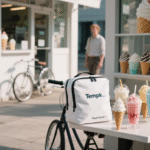
Directement au consommateur (DTC) modèles: B2B distributors have expanded into DTC markets by offering meal kits and home delivery, requiring efficient last mile cold chain solutions.
New temperature standards: Companies are exploring moving frozen storage from −18 °C to −15 °C to cut energy use without compromising safety.
Understanding these trends helps you position your business, whether you’re a shipper, retailer or service provider.
Questions fréquemment posées
What industries need cold chain logistics services?
Industries that depend on strict temperature control include pharmaceuticals, biotechnologie, nourriture et boisson, agriculture, produits chimiques, cosmetics and floral. These sectors rely on cold chain services to maintain product safety and efficacy during storage and distribution.
How do cold chain logistics services differ from regular logistics?
Cold chain services incorporate specialised equipment, emballage isolé, refrigerated vehicles and continuous monitoring to maintain narrow temperature ranges. Regular logistics may not provide such rigorous control, which could result in spoilage for temperature sensitive goods.
What is the role of AI in cold chain logistics?
AI automates routine tasks, analyses large datasets to detect anomalies and forecasts demand. It enables predictive maintenance, route optimisation and real time decision making, reducing costs and spoilage.
How are sustainability initiatives changing cold chain operations?
Les entreprises adoptent des emballages écologiques, réfrigération économe en énergie, low GWP refrigerants and solar powered warehouses to reduce carbon footprints and comply with environmental regulations.
What are common temperature ranges for cold chain products?
Fruits generally require 0–5 °C, pharmaceuticals 2–8 °C, frozen foods below −18 °C and dairy products around 1–3 °C.
Résumé et recommandations
Cold chain logistics services are critical for preserving the quality of vaccines, foods and other temperature sensitive products. Maintenir des gammes de températures strictes, selecting reliable partners, embracing new technologies, managing costs and staying ahead of market trends are essential for success. The global market is booming, driven by demand for health products, plant based foods and advanced supply chain visibility. Pour prospérer:
Strengthen your cold chain foundation: Investissez dans un emballage approprié, continuous monitoring and staff training to minimise risk and waste.
Choose partners wisely: Look for providers with modern facilities, attestations, strong network coverage and integrated data systems.
Adopt technology and sustainability: Embrace IoT, AI and blockchain for real time visibility and predictive insights. Pursue eco friendly practices and energy efficiency to reduce costs and environmental impact.
Restez informé des tendances du marché: Monitor geopolitical changes, emerging product categories and infrastructure upgrades to anticipate opportunities and risks.
En suivant ces recommandations, you can ensure that your temperature sensitive goods reach customers safely, on time and in compliance with evolving standards.
À propos du tempk
Rotation (Cie industrielle de Shanghai Huizhou., Ltd.) est une entreprise de haute technologie fondée en 2011 avec un capital social de 30 million yuan. Basée à Shanghai, il fonctionne seven factories across China to ensure timely delivery even during peak seasons. Tempk specialises in research, development and production of phase change cold storage materials and temperature control packaging for pharmaceuticals, fresh foods and other sensitive products. Its product portfolio includes gel packs, water filled ice packs, dry ice packs, sacs isolés, réfrigérateurs médicaux, pallet covers and electric cooler bags. Guided by core values of truth, progress, innovation, collaboration and sharing, Tempk’s mission is to deliver cold chain temperature control packaging that ensures a better quality of life. With a young, energetic team and strong R&D capability, Tempk provides customised solutions for major pharmaceutical groups and e commerce companies worldwide.
Prêt à renforcer votre chaîne du froid? Contact the Tempk team to discuss customised solutions for packaging, stockage et transport. Whether you need gel packs, insulated boxes or end to end logistics support, Tempk’s experts are here to help you design a cold chain that protects your products and delights your customers.