Entreprises de viande de la chaîne du froid: Comment les grandes entreprises assurent-elles la sécurité de votre viande 2025?
Assurer la sécurité de la viande, de la ferme à l'assiette, est une science complexe. 2025 a accru les attentes à l'égard entreprises de viande de la chaîne du froid: vos envois réfrigérés doivent rester entre 0–4 °C et les charges gelées doivent rester en dessous –18 °C pour éviter la croissance bactérienne et la détérioration. Même un léger écart peut entraîner des rappels ou une perte de revenus.. Ce guide démystifie la façon dont les principales entreprises de logistique de viande gèrent la température, hygiène, traçabilité et durabilité. Vous verrez quelles entreprises ont une longueur d’avance, renseignez-vous sur les réglementations à venir et découvrez les technologies intelligentes, de l'emballage par code QR à la traçabilité blockchain, qui vous aident à garder vos steaks tendres et vos hamburgers en sécurité.
Pourquoi un contrôle strict de la température n’est pas négociable pour les chaînes du froid de la viande et comment les entreprises maintiennent des gammes comme 0–4 °C pour la viande réfrigérée et ≤–18 °C pour produits surgelés.
Comment les principales entreprises de viande de la chaîne du froid se différencient grâce à une surveillance en temps réel, flottes frigorifiques dédiées et solutions d'emballage avancées.
Quels changements réglementaires à venir—y compris la FSMA 204 Extension des règles de traçabilité jusqu’en 2028 – et comment les entreprises de viande peuvent s’y conformer.
Quelles innovations façonneront 2025, des barquettes durables et des emballages actifs aux jumeaux numériques et à la robotique pilotés par l'IA.
Comment évaluer vos propres opérations avec des listes de contrôle, études de cas réels et questions fréquemment posées.
Pourquoi le contrôle de la température est-il si critique pour la viande 2025?
Réfrigéré vs. congelé: comprendre les groupes
La chaîne du froid existe pour protéger la viande de la détérioration et des agents pathogènes. La viande fraîche doit être conservée à l'intérieur 0–4 °C (32–39 °F) tout au long de l'emballage, stockage et distribution. Tout ce qui est plus chaud permet aux bactéries de se multiplier rapidement, tandis que des températures inférieures à zéro peuvent endommager la texture en raison de la formation de cristaux de glace. Congelé viande, en revanche, doit rester à ou en dessous de –18 °C arrêter la croissance microbienne. Selon les experts en entreposage frigorifique, la viande rouge de grande valeur peut être conservée à proche du point de congélation (–1 à +1 °C) pour prolonger la durée de conservation sans provoquer de perte au goutte-à-goutte.
Ces plages de température sont plus que des lignes directrices; ce sont des exigences légales appliquées par la FDA, USDA, et organismes de normalisation internationaux. Les réglementations SQF et FSMA traitent tout écart au-delà 0–4 °C pour la viande réfrigérée ou ≥ –18 °C pour les produits surgelés car risque de contamination.
Que se passe-t-il si la chaîne se brise?
Même de brefs pics de température peuvent raccourcir la durée de conservation, inviter des agents pathogènes ou entraîner des rappels coûteux. Des études montrent que lorsque la viande congelée se réchauffe au-dessus de –18 °C, la recristallisation peut dégrader la texture et permettre aux microbes de réapparaître. Inversement, congeler la viande fraîche ci-dessous 0 °C provoque des cristaux de glace qui rompent les fibres musculaires et libèrent des jus (perte au goutte-à-goutte). Le Service de Sécurité et d’Inspection des Aliments (FSIS) prévient que la teneur élevée en humidité et en protéines de la viande en fait un environnement idéal pour les bactéries, nécessitant une réfrigération continue depuis le traitement jusqu'à la distribution.
Bandes de stockage frigorifiques typiques et ce qu'elles signifient pour votre entreprise
Le tableau ci-dessous résume les plages de température courantes pour le stockage des aliments et la manière dont elles s'appliquent à la viande.. Comprendre ces gammes aide les entreprises de viande à choisir le bon équipement et la bonne technologie de surveillance.
| Catégorie de stockage | Point de consigne & contrôle aérien | Limite de produit | Ce que cela signifie pour vous |
| Cool | 8–15 °C ±1–2 °C | ≤15 °C | Utilisé pour les zones de rassemblement; pas assez froid pour la viande. |
| Glacé (aliments généraux) | 0–5 °C ±1 °C | ≤5 °C | Réfrigération standard pour les produits laitiers et les aliments prêts à consommer. |
| Viande fraîche & volaille | 0–2 °C ±0,5 °C | ≤2 °C | Minimise les pertes au goutte-à-goutte et la croissance microbienne; au cœur de la chaîne du froid de la viande. |
| Près du point de congélation / super froid | –1 à +1 °C ±0,5 °C | ≤2 °C | Prolonge la durée de conservation de la viande rouge de première qualité tout en conservant sa texture. |
| Aliments surgelés | ≤–18 °C | n / A | Nécessaire pour le stockage à long terme de la viande congelée; ralentit la perte de qualité. |
| Surgelé / congélation rapide | –30 °C à –45 °C | ≤–18 °C | Utilisé pour la congélation rapide des noyaux et les coupes spéciales comme le sashimi; empêche les gros cristaux de glace. |
Conseils pratiques pour maintenir la température
Investissez dans la surveillance en temps réel: Utilisez des capteurs IoT et des enregistreurs de données pour détecter instantanément les écarts. Les centres de distribution s'appuient désormais sur des appareils compatibles GPS qui envoient des alertes lorsque les expéditions sont hors de portée..
Planifier la préparation et le chargement: Des ruptures de chaîne du froid surviennent souvent lors de la palettisation, mise en scène et chargement/déchargement. Pré-refroidir les zones de préparation et former le personnel pour minimiser les temps de portes ouvertes.
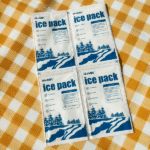
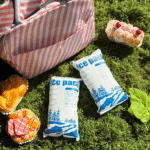
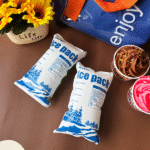
Utiliser un emballage approprié: Conteneurs isolés, les packs de gel et les matériaux à changement de phase aident à maintenir la température interne, surtout pour la livraison du dernier kilomètre.
Documentez tout: Les régulateurs et les clients attendent une preuve écrite que les limites de température ont été respectées. Journaux électroniques, les certificats d'étalonnage et les actions correctives doivent être conservés pour les audits.
Étude de cas: Un distributeur de viande de taille moyenne au Texas a vu son taux de refus diminuer 40% après avoir installé des capteurs de température en temps réel. Les capteurs alertaient les conducteurs lorsque le camion frigorifique atteignait 3.5 °C, incitant à des ajustements immédiats qui ont maintenu le produit dans la plage requise de 0 à 4 °C et ont évité deux rappels potentiels.
Conditionnement & Technologies intelligentes: Au-delà du contrôle de la température
Emballage durable et recyclable
La pression des consommateurs et les réglementations environnementales poussent les entreprises vers des options plus vertes. Dans 2025, PET recyclable, barquettes en polypropylène et papier dominer le secteur de la viande. Ces structures mono-matériaux réduisent le plastique vierge et répondent aux mandats d'économie circulaire en Europe. PET recyclé (rPET) les plateaux offrent d'excellentes propriétés d'étanchéité et de barrière, alors que films et revêtements à base de papier proposer une alternative durable aux produits nécessitant de la visibilité.
Les matériaux compostables et biosourcés gagnent également du terrain. PLA (acide polylactique), films cellulosiques et revêtements biodégradables sont populaires auprès des marques bio. Le défi réside dans l’équilibre entre la compostabilité, performances de barrière et usinabilité pour les lignes à grande vitesse.
Un packaging actif et intelligent
Des innovations telles que emballage actif incorporer des agents antimicrobiens ou des désoxygénants pour retarder la détérioration. Emballage intelligent utilise des indicateurs de température et de temps, Codes QR et capteurs numériques pour surveiller la fraîcheur. Ces technologies aident les détaillants et les consommateurs à suivre l'exposition aux fluctuations de température, renforcer la confiance dans la marque et réduire le gaspillage alimentaire.
Emballage sous atmosphère modifiée (CARTE) reste une méthode incontournable pour préserver la fraîcheur de la viande. MAP remplace l'oxygène par dioxyde de carbone et azote, ralentir l'oxydation et la croissance bactérienne. La viande emballée sous MAP voit sa durée de conservation plus longue, couleur uniforme et moins de déchets, ce qui profite aux détaillants et aux consommateurs.
Capteurs intelligents, jumeaux numériques et ERP cloud
Les hubs de distribution sont désormais déployés suivi en temps réel et capteurs IoT pour surveiller la température et l'emplacement de l'expédition. Des forfaits intelligents avec Codes QR et blockchain enregistrer chaque transfert, permettant la traçabilité jusqu'à la ferme.
Jumeaux numériques— des répliques virtuelles d'usines de transformation — permettent aux entreprises de transformation du secteur de la viande de tester les modifications apportées aux lignes de conditionnement ou aux itinéraires logistiques avant de les mettre en œuvre. Les systèmes ERP basés sur le cloud intègrent les achats, gestion des stocks et de la qualité, offrant une visibilité en temps réel et garantissant le respect des normes FSMA et HACCP. Pour les petits opérateurs, La robotique en tant que service (RaaS) offre une automatisation flexible sans dépenses d'investissement importantes.
Astuce du monde réel: Adoptez des enregistreurs de données IoT qui envoient des alertes automatiques à un centre de contrôle lorsque les températures s'écartent des points de consigne. Associez des capteurs à des tableaux de bord cloud pour enregistrer les actions correctives. De nombreuses entreprises récupèrent leur investissement en quelques mois en évitant la détérioration.
Principales entreprises de viande de la chaîne du froid & Ce qui les distingue
Le paysage de la chaîne du froid est dominé par une poignée de prestataires logistiques mondiaux spécialisés dans les denrées périssables.. Voici comment les dirigeants se différencient:
Maersk
Chaîne du froid complète: Maersk propose des services de chaîne du froid de bout en bout sur tout le territoire, mer et air. Elle est propriétaire de ses actifs de réfrigération et de ses plateformes technologiques, réduire les transferts et assurer un contrôle cohérent.
Visibilité en temps réel: Les clients peuvent surveiller la température et l'emplacement des conteneurs via l'assistant de visibilité Captain Peter.
Solutions intégrées: Avec des unités de stockage frigorifique dédiées et des services de cross docking, Maersk gère tout, du ramassage à la ferme jusqu'à la livraison au port.
UPS Santé
Emballage thermique et réapprovisionnement en glace carbonique: UPS a développé ses propres systèmes d'emballage isotherme incluant de la neige carbonique; les expéditions peuvent être réapprovisionnées aux stations de réglaçage pendant le transit.
Surveillance du centre de commande: Le suivi en temps réel garantit que les boîtes arrivent à –80 °C pour les produits pharmaceutiques, une technologie adaptable aux expéditions de viande congelée.
Livraison le lendemain matin: UPS promet une livraison de nuit avec intégrité de température pour les envois urgents.
Logistique de la lignée
La science des données pour la réduction des déchets: Lineage intègre l'apprentissage automatique et l'analyse de données pour optimiser les opérations de l'entrepôt, réduire la consommation d’énergie et le gaspillage alimentaire.
Des solutions de bout en bout: De la surgélation au transport, Lineage participe à chaque étape de la chaîne d'approvisionnement en viande.
Échelle du réseau: Avec des centaines d'installations, l'entreprise peut proposer un stockage local à proximité des transformateurs et des détaillants.
Amérique
Réseau complet: Americold exploite des entrepôts et des centres de distribution à température contrôlée à travers les États-Unis. et à l'échelle mondiale.
Promesse client: L'entreprise promet une livraison en deux jours à 99 % des États-Unis. population, tirer parti de cinq sites de traitement des commandes.
Accent sur la technologie: Americold utilise des systèmes de surveillance avancés pour maintenir l'intégrité des produits et fournir des données en temps réel aux clients.
FedEx
Conteneurs spécialisés: FedEx propose des colis d'expédition à froid qui maintiennent 2–8 ° C et Je crois Cube des conteneurs qui offrent des conditions inférieures à zéro jusqu'à cinq jours.
Focus sur la santé et l’alimentation: Elle sert les industries pharmaceutiques et alimentaires avec des solutions dédiées à la chaîne du froid, travailler avec des fournisseurs spécialisés.
DHL
Solutions holistiques: DHL Freight Coldchain propose un transport sur mesure à température contrôlée avec contrôle de l'humidité.
Service polyvalent: L'entreprise s'occupe de tout, des vaccins à la viande congelée, en passant par les instruments de musique délicats., démontrant sa capacité d'adaptation.
Kuehne+Nagel
Équipement frigorifique dédié: K+N utilise des conteneurs réfrigérés spécialisés et un 24/7 système de surveillance pour garantir l’intégrité de la température.
KN FreshChain: Une solution personnalisable pour les fruits de mer, fruits et viandes surgelés offrant une visibilité en temps réel et un itinéraire flexible.
Aperçu comparatif
| Entreprise | Capacités clés | Points forts de la technologie | Bénéficiez pour vous |
| Maersk | Possède des actifs sur tout le territoire, mer et air | Assistant de visibilité du capitaine Peter, chambre froide intégrée | Moins de transferts, surveillance en temps réel. |
| UPS Santé | Emballages thermiques avec stations de glaçage | Surveillance du centre de commande | Expéditions fiables –80 °C, livraison le lendemain. |
| Logistique de la lignée | Chaîne d'approvisionnement de bout en bout, congélation rapide | L'analyse des données pour réduire le gaspillage | Efficacité et réduction des pertes. |
| Amérique | Réseau d'entrepôts à l'échelle nationale | Systèmes de surveillance avancés | Livraison rapide à 99 % des États-Unis, qualité constante. |
| FedEx | 2–8 °C de compresses froides & Je crois Cube | Collaboration avec des fournisseurs spécialisés | Solutions flexibles pour la viande réfrigérée et congelée. |
| DHL | Transport à température sur mesure, contrôle de l'humidité | Solutions logistiques globales | Gère diverses denrées périssables; un réseau mondial solide. |
| Kuehne+Nagel | Équipement frigorifique dédié & KN FreshChain | 24/7 surveillance | Chaînes du froid personnalisables avec visibilité totale. |
Comment choisir le bon partenaire
Lors de la sélection d’un fournisseur de viande sous chaîne du froid, considérer:
Couverture et réseau: Le prestataire propose-t-il un stockage à proximité de votre installation de traitement et de vos points de livraison ??
Pile technologique: Un suivi et des alertes en temps réel sont-ils disponibles?
Expertise en conformité: Renseignez-vous sur la FSMA 204 dossiers de préparation et d’audit.
Initiatives de durabilité: Recherchez des emballages recyclables et des installations économes en énergie.
Prise en charge et évolutivité: Assurez-vous que le partenaire peut s'adapter à la demande saisonnière et dispose de plans d'urgence pour les urgences..
Étude de cas: Un exportateur de bœuf haut de gamme est passé d'un transporteur régional à Lineage Logistics. Utilisation du routage basé sur les données de Lineage, l'exportateur a réduit les délais de transit de 12 % et réduire les pertes de produits de 22 % grâce à l'amélioration des conditions de congélation et de stockage.
Paysage réglementaire & FSMA 204: 2025 Conformité pour les entreprises de viande
FSMA 204: Nouvelle ère de sécurité alimentaire plus intelligente
Le Loi sur la modernisation de la sécurité alimentaire (FSMA) introduit des changements radicaux aux États-Unis. loi alimentaire. Un de ses derniers composants, Section 204(d), exige des dossiers de traçabilité supplémentaires pour les aliments répertoriés sur la liste de traçabilité des aliments. Selon la FDA, la règle exige que les entreprises maintenir les éléments de données clés (KDE) associé à Événements de suivi critiques (CTE) et être en mesure de fournir ces informations à l'agence dans les délais 24 heures. La date de mise en conformité était initialement fixée au Janvier 20 2026, mais le Congrès a ordonné à la FDA de ne pas appliquer la règle avant Juillet 20 2028.
Qu'est-ce que cela signifie pour les entreprises de viande?
Tenue de dossiers améliorée: Vous devez documenter chaque transfert, de l'abattoir au détaillant, et conserver une piste d'audit numérique..
Traçabilité en temps réel: La capacité de remonter rapidement à la source aide à contenir les épidémies et réduit la portée des rappels..
Alignement intersectoriel: La règle s'applique aux entreprises nationales et étrangères produisant des aliments pour les États-Unis.. consommation, les importateurs doivent donc également se conformer.
Le modèle de conformité « à trois portes »
Les meilleures pratiques de l'industrie sont souvent décrites comme un système à trois portes: contrôle de la température, contrôle d'hygiène et preuve (tenue de dossiers). Garder la viande en dessous 4 °C, maintenir des conditions sanitaires de chargement et de déchargement, et fournir des preuves de conformité réduire les réclamations, réduire le risque de contamination et accélérer les audits. Avec la FSMA 204, la porte des « preuves » s’élargit : les régulateurs s’attendent à ce que des enregistrements numériques suivent chaque événement de suivi critique.
Lignes directrices du FSIS pour le transport
Le service de sécurité alimentaire et d’inspection de l’USDA (FSIS) souligne que la viande, la volaille et les ovoproduits doivent être réfrigéré ou congelé après transformation et avant expédition pour empêcher la croissance bactérienne. Le FSIS encourage les expéditeurs à identifier les points vulnérables du transport, élaborer un plan d’assainissement et de sécurité, surveiller les points de contrôle et inclure des tests microbiologiques si nécessaire.
Étapes pratiques de conformité
Élaborer un plan de traçabilité: Cartographiez l’intégralité de votre chaîne d’approvisionnement en viande, identifier tous les événements de suivi critiques.
Mettre en œuvre la tenue de dossiers numériques: Adoptez un ERP ou un logiciel de traçabilité spécialisé pour capturer automatiquement les KDE.
Former le personnel: Assurez-vous que les employés comprennent les objectifs de température, exigences en matière d'assainissement et de documentation appropriées.
Audit et test: Effectuez des rappels simulés et vérifiez que votre système peut fournir des données de traçabilité dans les délais 24 heures.
Se préparer à la FSMA 204: Même si l'application est étendue à 2028, une conformité précoce constitue un avantage concurrentiel et peut devenir une exigence du client.
Étude de cas: Un transformateur de volaille a mis en œuvre un système de traçabilité basé sur la blockchain pour capturer les KDE. Lors d'un rappel simulé, ils ont produit des dossiers complets en six heures, démonstration de la FSMA 204 préparation et victoire d'un important contrat de vente au détail.
Tendances émergentes & Innovations pour 2025
Matériaux durables et économie circulaire
Barquettes PET recyclables, MAP et l’emballage sous vide ne sont qu’un début. Les entreprises explorent plateaux PLA compostables, films cellulosiques et revêtements biodégradables qui se décomposent après utilisation. Le défi consiste à équilibrer l'impact environnemental avec les performances de barrière et l'usinabilité.. Attendre plus stratifiés mono-matériaux et Contrôle qualité assisté par IA qui signale les défauts d'emballage avant qu'ils ne quittent l'usine.
Capteurs intelligents, IA et jumeaux numériques
Intégration de Capteurs IoT, Codes QR et blockchain va s'approfondir. Les données en temps réel permettent une analyse prédictive : les systèmes peuvent avertir d'une panne imminente du compresseur ou de retards d'acheminement avant qu'ils ne se produisent.. Jumeaux numériques aider à optimiser l’aménagement des installations et les performances de la ligne d’emballage sans temps d’arrêt.
Robotique et automatisation
Les pénuries de main-d’œuvre continuent de pousser à l’adoption de bras robotiques, encaisseuses et véhicules à guidage automatique. La robotique en tant que service (RaaS) permet aux transformateurs de petite et moyenne taille de louer des équipements sans investissement important en capital. Attendre plus robots collaboratifs (cobots) qui travaillent aux côtés des humains dans l’emballage et l’inspection.
Collaboration en temps réel à travers les chaînes d'approvisionnement
Les plateformes basées sur le cloud permettent aux producteurs, transporteurs et détaillants pour partager des données, gérer les exceptions et coordonner les rappels. Les plates-formes construites sur des normes ouvertes contribueront à unifier les données entre les entreprises et à réduire la duplication.. La FSMA 204 les exigences agissent comme un catalyseur pour une telle intégration.
Informations sur le marché et les consommateurs
La demande de viande continue de croître : la FAO prévoit une augmentation de la consommation mondiale de viande 14 % par 2030, conduit par la volaille. Entre-temps, les consommateurs sont de plus en plus soucieux du bien-être animal et de la durabilité. Les entreprises qui communiquent sur la manière dont leur chaîne du froid réduit les déchets et les émissions se différencieront.
FAQ
Question 1: À quelle température la viande doit-elle être transportée?
Pour la viande réfrigérée, la plage de sécurité est 0–4 °C; pour volaille fraîche, 0–2 °C est idéal pour minimiser les pertes par égouttement. La viande congelée doit rester à –18 °C ou moins. Utilisez des capteurs en temps réel pour garantir que les températures ne dépassent pas ces limites.
Question 2: Quelles entreprises dominent le marché de la logistique de la viande sous chaîne du froid?
Les principaux acteurs comprennent Maersk, UPS Santé, Logistique de la lignée, Amérique, FedEx, DHL et Kuehne+Nagel. Ils se différencient grâce à des services de bout en bout, emballage avancé, surveillance en temps réel et réseaux mondiaux.
Question 3: Qu’est-ce que la FSMA ? 204, et quand sera-t-il appliqué?
FSMA 204 est un américain. règle qui exige des enregistrements de traçabilité supplémentaires pour certains aliments. Les entreprises doivent capturer les éléments de données clés pour chaque événement de suivi critique et les fournir à la FDA dans les délais 24 heures. L'application est actuellement reportée jusqu'à Juillet 20 2028.
Question 4: Comment fonctionne l'emballage sous atmosphère modifiée (CARTE) prolonger la durée de conservation?
MAP remplace l'oxygène par un mélange contrôlé de dioxyde de carbone et d'azote, ralentir l'oxydation et la croissance bactérienne. Cela prolonge la durée de conservation, préserve la couleur de la viande et réduit les déchets, ce qui rend MAP populaire pour les coupes fraîches de bœuf et de volaille.
Question 5: Les matériaux d’emballage durables sont-ils viables pour la viande?
Oui. Les barquettes recyclables en PET et en polypropylène dominent déjà le marché, tandis que les options biosourcées comme le PLA et les films de cellulose gagnent du terrain. La clé est d’équilibrer les performances de la barrière et l’usinabilité.
Question 6: Comment les petits processeurs peuvent-ils adopter des technologies avancées sans gros capitaux?
La robotique en tant que service (RaaS) et les systèmes ERP basés sur le cloud permettent aux processeurs de louer des automatisations et des logiciels sur la base d'un abonnement, réduire les coûts initiaux.
Suggestion
Principaux à retenir
Le contrôle de la température n’est pas négociable: Conservez la viande réfrigérée entre 0–4 °C et viande congelée ci-dessous –18 °C pour empêcher la croissance microbienne. Les coupes de qualité supérieure peuvent bénéficier d'un stockage proche du point de congélation à –1 à +1 °C.
L’emballage compte: Adoptez le durable, des emballages actifs et intelligents comme des barquettes PET recyclables, MAP et films antimicrobiens.
Choisissez le bon partenaire: Évaluer les prestataires logistiques en fonction du réseau, technologie et conformité. Des dirigeants comme Maersk, Hauts, Lignée, Amérique, FedEx, DHL et Kuehne+Nagel proposent des services différenciés.
Se préparer à la FSMA 204: Commencez dès maintenant à mettre en œuvre la traçabilité numérique; l'exécution peut être reportée, mais une conformité précoce renforce la confiance et protège votre marque.
Innover durablement: Investissez dans des capteurs IoT, jumeaux numériques, robotique et emballage circulaire pour réduire les déchets et améliorer l’efficacité.
Plan d'action
Auditez votre chaîne du froid: Vérifier que toutes les unités de stockage réfrigérées et congelées maintiennent les températures requises et que les capteurs sont calibrés.
Emballage de mise à niveau: Découvrez les plateaux recyclables, MAP et packaging actif pour prolonger la durée de conservation et répondre aux attentes des consommateurs.
Mettre en œuvre la traçabilité: Déployer des solutions ERP ou blockchain pour capturer les éléments de données clés et se préparer à la FSMA 204.
Partenaire stratégique: Évaluez les prestataires logistiques sur la base du tableau ci-dessus et choisissez des partenaires qui correspondent à vos objectifs de croissance et de développement durable..
Rester informé: Surveillez les mises à jour réglementaires et les technologies émergentes pour garantir que votre chaîne du froid reste compétitive et conforme..
À propos TempPk
TemPk est un fournisseur de solutions d'emballage et de logistique à température contrôlée. Nous concevons des sacs isothermes, des palettes et des matériaux à changement de phase qui maintiennent les expéditions dans des plages de température strictes. Nos produits sont conformes à la FSMA, Normes SQF et HACCP et sont équipés de capteurs IoT en option pour une surveillance en temps réel. En mettant l’accent sur la durabilité, nous offrons barquettes recyclables et matériaux biosourcés réduire les déchets plastiques tout en préservant l’intégrité des produits.
Prêt à optimiser la chaîne du froid de votre viande? Contacter TempPk pour discuter de solutions personnalisées qui équilibrent la sécurité, conformité et durabilité.