What Is Cold Chain Meat Distribution and Why Is It Important?
Cold chain meat distribution refers to the refrigerated handling, transport, and storage of meat products at safe temperatures from the slaughterhouse all the way to the consumer. It is crucial because keeping meat continuously cold prevents spoilage and dangerous bacteria growth. Sans une bonne chaîne du froid, even a few hours of temperature abuse can ruin meat quality or cause foodborne illness. En fait, global agencies estimate that about 13% of food is lost due to inadequate refrigeration, underscoring how vital a strong cold chain is for reducing waste and protecting public health. Pour toi, this means the steak or chicken you buy stays fresh, nutritif, and safe – thanks to careful temperature control every step of the way.
Explication élargie: Dans 2025, maintaining an unbroken cold chain for meat is more important than ever. Consumers demand high-quality fresh and frozen meats year-round, and businesses face stricter food safety regulations. An efficient cold chain ensures that meat is quickly chilled or frozen right after processing, then kept within strict temperature ranges (typically around 0–4°C for chilled meat, or at or below -18°C for frozen meat) pendant le stockage et le transport. This constant cold environment dramatically slows bacterial growth like Salmonelle ou E. coli, keeping meat safe to eat. It also preserves the meat’s texture, saveur, et valeur nutritionnelle. D'un autre côté, if the cold chain breaks – say a refrigeration unit fails or there’s a delay at a warm loading dock – the meat’s shelf life plummets. You might see discoloration, off-odors, or even hazardous contamination. Cold chain meat distribution is essentially the backbone of food safety for animal products. It connects farmers, processeurs, trucking companies, entrepôts frigorifiques, and retailers in a temperature-controlled relay race. Every link in the chain must do its part to keep products within safe cold ranges. This is especially critical for meat because, unlike canned goods or grains, meat perishes quickly without cooling. Some regions still struggle with this: seulement autour 10% of perishable foods are refrigerated in transit worldwide, mainly due to limited infrastructure in developing countries. The result is higher spoilage and lost income for producers. By investing in cold chain systems – from modern refrigerated trucks to energy-efficient cold rooms – the industry can cut waste, improve food security, and deliver safer meat to consumers like you.
Effects of a Broken Cold Chain on Meat Quality
Even a short break in the cold chain can have serious consequences for meat products. Imagine a shipment of chicken breasts that sits too long on a warm loading dock, or a freezer truck that breaks down on a hot day. When the required low temperature isn’t maintained, meat quality and safety decline rapidly. Bacteria start multiplying exponentially once meat warms above about 5°C (41°F). This can lead to spoilage, off smells, and slimy texture – clear signs the product is no longer fresh. Plus important encore, pathogens can reach levels that make the meat dangerous to consume. Below is a comparison of outcomes with a proper cold chain vs. a broken cold chain:
| Condition | Proper Cold Chain (Meat Kept Cold) | Broken Cold Chain (Temperature Abuse) | Ce que cela signifie pour vous |
|---|---|---|---|
| Bacterial Growth | Minimal – growth is slowed drastically. | Rapid – bacteria multiply quickly. | Safe meat with low risk of illness, contre. high risk of food poisoning if safety is compromised. |
| Durée de conservation | Maximized – e.g. chilled meat stays good for 5–7 days, frozen meat for months. | Shortened – spoilage can occur within hours or days. | You have fresh meat that lasts until expected use, contre. meat that goes bad before you can cook it. |
| Qualité du produit | Preserved – retains color, texture, saveur. | Deteriorates – discoloration, off-odors, texture turns mushy. | Enjoyable eating experience, contre. poor taste and possible waste of your money on spoiled meat. |
| Conformité | Meets food safety standards and regulations. | Violates safety standards, potential legal issues. | Confidence that products are vetted and safe, contre. recalls or safety warnings that erode trust. |
| Impact financier | Low waste – minimal losses due to spoilage. | High waste – many products must be discarded. | Stable prices and supply, contre. potential price increases or shortages if supply is lost. |
As you can see, maintaining the cold chain is non-negotiable for delivering safe, high-quality meat. A broken cold chain not only harms consumers but also damages a company’s reputation and bottom line. Par exemple, a single shipment of spoiled meat can cost thousands of dollars in losses and erode customer confidence. This is why companies go to great lengths to monitor temperatures and have backup plans (like auxiliary generators or dry ice) to prevent any breaks in refrigeration.
Practical Tips for Maintaining Your Meat Cold Chain
To ensure your cold chain runs smoothly, here are some real-world tips and best practices:
-
Optimize Loading and Unloading: Minimize the time meat products spend outside of refrigerated environments. Par exemple, load trucks during the cooler parts of the day or use insulated dock shelters so that cold air isn’t lost when warehouse doors open. Keeping transitions swift prevents temperature spikes.
-
Use Reliable Monitoring Tools: Leverage technology like IoT temperature sensors and data loggers inside storage units and trucks. These devices send instant alerts to your phone or computer if temperatures drift out of range. By catching a failing freezer or an open container door immediately, you can take corrective action (such as transferring goods to a backup fridge) before the meat spoils.
-
Formez votre équipe & Set Protocols: Human error is a common cause of cold chain breaks. Make sure your staff understands the importance of temperature control. Train everyone from plant workers to drivers on proper handling - Par exemple, not leaving truck doors open during deliveries, and checking thermostat readings regularly. Establish clear Standard Operating Procedures (Sops) pour les urgences (what to do if a cooler fails, or if a delivery is delayed). A well-prepared team can save a whole shipment when issues arise.
Exemple de cas: A major grocery distributor in Ireland installed real-time temperature trackers in its meat delivery vans. During one summer run, a sensor alerted that a truck’s cooling unit had malfunctioned. Thanks to the alert, the driver immediately packed the meat in backup ice packs and rerouted to the nearest cold storage facility. This quick response saved the entire load from spoiling and prevented thousands of dollars in losses. The example shows how technology and good planning can keep the cold chain intact even when surprises happen.
How Can You Optimize Cold Chain Meat Distribution for Safety and Efficiency?
To keep your cold chain meat distribution robust and efficient, focus on consistency, surveillance, and smart planning. En pratique, this means maintaining steady low temperatures at every stage, en utilisant modern tools to track conditions in real time, and streamlining logistics so that meat spends as little time in transit as possible. By optimizing each link in the chain – from processing plant to delivery truck to retail shelf – you can significantly cut down spoilage (often by over 20%) while saving on energy and costs. Below are key best practices to help achieve this:
-
Rapid Chilling: Right after slaughter or processing, chill or freeze meat products as quickly as possible. Fast initial cooling is critical to lock in quality. Par exemple, beef carcasses should be brought down to under 4°C within a few hours. Quick chilling halts most bacterial growth before it starts.
-
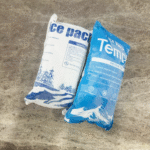
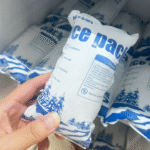
Emballage approprié: Utiliser isolé, moisture-proof packaging and consider adding refrigerant packs for extra protection, especially for last-mile delivery. Emballage thermique (comme des packs de gel, glace carbonique, or vacuum-insulated boxes) helps maintain cold temperatures if there are any delays. It also protects products from ambient heat and physical damage. Well-designed packaging can add several hours of safe travel time outside of fixed refrigeration.
-
Continuous Temperature Monitoring: Implement a system of continuous monitoring in cold rooms, camions, et conteneurs. Enregistreurs de données numériques should accompany shipments to record temperatures throughout the journey. Many modern systems allow live tracking via cloud software, so you can watch a truck’s temperature remotely. If a problem occurs (Par exemple, a cooler unit fails or a door is left ajar), alerts via SMS or email let you respond immediately. Continuous monitoring not only prevents disasters but also provides traceability records to prove your meats stayed within safe ranges. (This is particularly useful for audits and compliance checks.)
-
Route and Schedule Optimization: Plan transportation routes and schedules with temperature control in mind. Choose the fastest routes or those with less traffic to reduce time on the road. Avoid unnecessary stops and coordinate logistics so that cold storage facilities are ready to receive products upon arrival (no idling truck full of meat waiting for a dock). In cities, deliver during off-peak hours if possible to prevent delays. Efficient routing not only keeps products fresher but also reduces fuel and refrigeration running time.
-
Equipment Maintenance and Backup: Regularly service all refrigeration equipment – from compressors in cold rooms to reefer truck units. A well-maintained system is less likely to fail mid-journey. Also have backup plans: maintenir standby generators at warehouses in case of power outages, and equip vehicles with emergency coolants or have a backup vehicle on call. Par ici, a mechanical issue doesn’t result in losing a whole load.
-
Staff Training and Accountability: Comme mentionné précédemment, human factors are huge. Make food safety and cold chain management part of your company culture. Par exemple, set up simple checklists for drivers to verify temperature settings before departure and upon arrival. Encourage a sense of personal responsibility – each employee should treat the product as if they were going to serve it to their own family. When everyone is vigilant, mistakes and temperature excursions can be drastically reduced.
-
Leverage Data and Predictive Analytics: If you operate at a larger scale, analyze the data from your cold chain operations. Look for patterns like certain routes or times of day where temperature excursions happen more often. Advanced logistics software can help predict issues – for example, warning if a planned shipping schedule might push a product past its shelf life. By using these insights, you can continuously improve your distribution plans (Par exemple, adjusting warehouse inventory turnover or adding an extra delivery shift) to keep the cold chain optimal.
By implementing these best practices, you ensure that every piece of meat you handle stays within safe temperatures until it reaches the consumer. Efficient cold chain management not only protects public health but also boosts your bottom line by reducing waste and improving customer satisfaction. Souviens-toi, un strong cold chain is a competitive advantage – it means fewer recalls, longer shelf lives in stores, and a reputation for reliability. Many companies also integrate these steps with broader quality systems (like HACCP plans for food safety). Par exemple, our team at Rotation often advises clients to conduct regular “cold chain audits”, assessing each stage for weaknesses. This kind of proactive approach catches small issues (like a slightly warm zone in a storage area) before they become major problems.
(Internal resource: For a deeper dive, check out our guide on Effective Cold Chain Packaging for meat products, where we discuss packaging materials and techniques in detail. En plus, our article on Refrigerated Transport Selection offers insights into choosing the right shipping modes – whether by truck, rail, or air – to fit your cold chain needs.)
What Are the Key Challenges in Cold Chain Meat Distribution?
Cold chain meat distribution faces several challenges, including high costs, lacunes en matière d'infrastructures, and strict regulatory requirements. Malgré les progrès, running a reliable meat cold chain can be difficult due to these factors. Let’s break down the major challenges and what they mean:
-
High Operating Costs: Keeping meat continuously cold is expensive. Camions frigorifiques (“reefers”), entrepôts frigorifiques, and energy for cooling all add significant cost. Par exemple, refrigerated logistics can cost 2–3 times more than ambient shipping. Small businesses especially struggle with the expense of buying specialized equipment and paying for fuel or electricity to run it 24/7. These costs must be balanced against the value of the products being shipped. The challenge is to maintain efficiency – using just the right amount of cooling and the best routes – to avoid wasting money while still protecting the meat.
-
Insufficient Infrastructure: Dans de nombreuses régions, especially developing countries, the cold chain infrastructure is limited or uneven. There may be a lack of adequate cold storage facilities, poor road quality for transport, or unreliable electricity to power refrigerators. In some tropical areas, moins que 10% of meat and other perishables are transported under refrigeration, leading to high spoilage rates locally. Even within developed markets, rural areas might have “cold chain deserts” with few facilities. Building new cold warehouses and upgrading infrastructure requires heavy investment. Until that happens, companies must get creative (par exemple, using portable solar-powered chillers or partnering with third-party logistics providers) to bridge the gaps.
-
Conformité réglementaire: Meat is heavily regulated for safety, and rightly so. Governments impose strict rules on storage temperatures, maximum transit times, sanitation of vehicles, and record-keeping. Par exemple, in the US and EU, laws require that fresh poultry is kept below 4°C and frozen meat below -18°C, with documented proof from farm to retailer. Compliance can be challenging because it means every segment of your operation needs monitoring and accurate record-keeping. Companies may need to invest in certification and audit processes (like USDA inspections or ISO standards) to verify their cold chain integrity. Adhering to these rules can slow down operations or require specific expertise, but non-compliance is not an option – it can result in seized shipments or costly recalls.
-
Human Error and Handling Mistakes: Une chaîne du froid est aussi solide que son maillon le plus faible. Even with great equipment, mistakes by personnel can break the chain. Common issues include drivers occasionally turning off refrigeration to save fuel, warehouse doors left open too long, or products getting “warm spots” because they were stacked improperly (blocking airflow). Training helps, but turnover in logistics jobs can be high, and not everyone is meticulous. Ensuring consistent best practices across all staff and partners (including any 3PLs or distributors you work with) is an ongoing challenge. Automation can mitigate this – for example, using automatic door closers or temperature alarms – but ultimately people need to remain vigilant.
-
Durabilité et impact environnemental: Interestingly, one emerging challenge is how to make cold chains more environmentally sustainable. Refrigeration systems often use a lot of energy and sometimes refrigerant chemicals that can contribute to greenhouse gas emissions. As the world pushes to reduce carbon footprints, cold chain operators face pressure to adopt greener technologies. This might mean switching to more efficient refrigeration units, using solar panels on facilities, or adopting camions frigorifiques électriques instead of diesel-powered ones. While these changes are positive, they require upfront investment and careful planning to implement without disrupting service. Companies are finding that sustainability goals must be balanced with practical cold chain needs – for example, using an eco-friendly refrigerant that also keeps meat sufficiently cold. The good news is that many new solutions (like high-efficiency insulation and hybrid solar cooling systems) are being developed to tackle this challenge.
Malgré ces obstacles, the industry is adapting quickly. Large logistics providers are pouring money into new cold storage construction (Amérique du Nord, par exemple, added over 600 million cubic feet of refrigerated warehouse space from 2024 à 2025 pour répondre à la demande). Technological innovation is addressing many human error issues through automation and monitoring. And collaboration is key – producers, distributeurs, and retailers often coordinate more closely now to ensure a seamless cold chain handoff. For you as a stakeholder or consumer, awareness of these challenges highlights why sometimes certain imported meats are costly or why delivering fresh meat to every corner of the globe is complex. Overcoming these challenges is a continuous effort, but it’s yielding results in better quality and availability of meats worldwide.
2025 Latest Cold Chain Meat Distribution Developments and Trends
Aperçu de la tendance: L'année 2025 has brought significant advancements and shifts in the cold chain meat distribution landscape. Around the world, this sector is evolving faster than ever, driven by rising consumer expectations, technological breakthroughs, and lessons learned from recent global events. For one, the COVID-19 pandemic underscored the importance of resilient cold chains (not just for food but also for vaccines), prompting heavy investments in capacity and reliability. We’re now seeing those investments pay off. Transformation numérique is at the forefront: more companies are embracing Internet of Things (IoT) capteurs, traçabilité de la blockchain, and AI-driven route planning to make meat distribution smarter and more transparent. There’s also a strong push toward durabilité – from eco-friendly refrigerants to solar-powered cold storage – as the industry aims to reduce its environmental footprint. Entre-temps, global demand for meat, especially in developing economies, continue de croître, leading to an expansion of cold chain infrastructure in Asia, Afrique, et Amérique Latine. En résumé, 2025’s cold chain is smarter, plus vert, and more globally connected than ever, with new trends offering both opportunities and challenges for stakeholders.
Aperçu des derniers progrès
-
Real-Time Tracking Boom: Live monitoring has become the norm. Dans 2025, a majority of large meat distributors use GPS and IoT-based tracking for shipments. This means you can pinpoint a container of beef in transit and see its exact temperature in real time. Such transparency greatly reduces the chance of unnoticed temperature excursions, as issues are caught and fixed immediately. It also builds trust – some companies even share tracking data with consumers to show that their meat was handled safely throughout the journey.
-
Asia’s Cold Chain Expansion: Emerging markets are ramping up capacity. Le Asia-Pacific cold chain market has been experiencing explosive growth, with double-digit annual expansion over the past few years. Countries like China, Inde, and Vietnam are investing in hundreds of new cold storage facilities and fleets of refrigerated trucks to meet the dietary shifts of a growing middle class. For consumers globally, this means more stable meat supply (Par exemple, poultry and seafood from Asia reaching international markets in good condition) and less seasonal fluctuation in prices. Cependant, it also intensifies competition, urging all players to up their game in efficiency.
-
Automatisation et robotique: High-tech warehouses are here. Large cold storage centers in the U.S. and Europe have begun using robots and automated systems to handle meat products in sub-zero environments. Automated guided vehicles and robotic palletizers can operate in freezing warehouses where it’s uncomfortable or dangerous for humans to work too long. This trend is improving safety and productivity – orders can be picked faster with fewer errors. It also helps address labor shortages in the logistics industry. Pour les entreprises, automation can lower long-term costs and ensure consistent, speedy handling of products from plant to truck.
-
Solutions de refroidissement durables: Green tech on the rise. A notable 2025 trend is the adoption of sustainable practices in cold chain logistics. Les exemples incluent camions frigorifiques électriques (which produce zero tailpipe emissions in city deliveries) and the use of réfrigérants naturels like ammonia and CO₂ in place of older Freon-type gases that contribute to global warming. Companies are also testing solar-powered cold rooms and investing in better insulation to reduce energy usage. These advancements are important as they align the cold chain with global climate goals. For users and customers, greener operations often mean improved efficiency (lower energy costs can translate to stable or lower prices) and a positive brand image for companies that care about the environment.
Insistance au marché: The cold chain meat distribution market in 2025 is robust and growing. Recent reports show that the marché mondial de la logistique de la chaîne du froid (couvrant l'alimentation et les produits pharmaceutiques) is expanding at around 14% TCAC, reflecting how essential cold chain has become. It’s expected to reach well over $500 billion USD in value by the end of the decade. Much of this growth comes from consumer demand for fresh and frozen foods, online grocery services, and international trade in meat. Par exemple, more people ordering steaks or seafood online for home delivery means companies must bolster last-mile cold chain capabilities. Another insight is the trend toward regionalization of supply chains: instead of one giant international supply line, companies are developing regional hubs (Par exemple, processing meat in-country or closer to the market) to shorten transit times and reduce risk. This doesn’t reduce the need for cold chain – it actually creates multiple strong cold chain networks that are more localized. En plus, sensibilisation des consommateurs is influencing the market. Shoppers are now more knowledgeable about food safety; seeing labels like “Kept at 0–4°C during transport” can be a selling point. Some retailers market their superior cold chain practices as a quality differentiator. All these factors indicate a future where cold chain distribution remains a critical, dynamic part of the meat industry. Companies that stay ahead of trends – by integrating new tech and expanding capacity responsibly – are likely to lead in both market share and customer trust.
Questions fréquemment posées
Q1: What is cold chain meat distribution?
It’s the process of storing, transporter, and handling meat products in temperature-controlled conditions from the point of origin to the consumer. In cold chain meat distribution, bœuf, porc, volaille, and seafood are kept chilled or frozen throughout the supply chain to maintain freshness and prevent spoilage or bacterial contamination.
Q2: At what temperature should meat be stored during distribution?
Meat should be kept cold at all times during distribution. For chilled fresh meat, the ideal storage temperature is about 0° C à 4 ° C (32°F to 40°F). For frozen meat, it should be maintained at -18°C (0°F) ou ci-dessous. Keeping these temperatures ensures the meat remains safe and retains quality until it reaches the end customer.
Q3: How long can meat stay fresh in a proper cold chain?
If the cold chain is maintained, fresh chilled meat can last several days safely, Selon le type (Par exemple, raw poultry ~2–3 days, beef cuts ~3–5 days refrigerated). Properly frozen meat can be stored for mois without significant quality loss (often 6–12 months for best quality). Cependant, every time the meat warms up above safe temperatures, its shelf life shortens. That’s why a constant cold chain is key – it lets the meat reach its maximum expected shelf life.
Q4: What happens if the cold chain is broken during meat transport?
If the cold chain breaks – meaning the meat warms above safe temperatures even for a short period – the meat can gâcher ou devenir dangereux quickly. Bacteria may grow to dangerous levels, and you might notice changes in color or smell. En pratique, a broken cold chain often means the affected meat must be thrown away or recalled, because it’s not worth the risk of selling compromised product. Always err on the side of caution: if there’s any doubt that meat stayed properly chilled or frozen, it shouldn’t be consumed.
Q5: How are new technologies improving cold chain meat distribution?
New technology is making cold chain management much easier and more reliable. IoT sensors and smart tracking devices now monitor the temperature of meat shipments in real time and send alerts if something goes wrong. GPS tracking combined with temperature data helps logistics managers respond instantly to issues (Par exemple, dispatching a replacement truck if one breaks down). En plus, data analytics and AI help optimize routes and warehouse operations, reducing transit times and keeping products within safe conditions. Even blockchain is being used for traceability – so anyone (even consumers) can verify that a particular meat product stayed within the required temperature range throughout its journey. En bref, technology adds layers of visibility and control that greatly reduce the chances of cold chain failure.
Q6: How can small businesses manage cold chain meat distribution on a budget?
Small businesses can still maintain a strong cold chain without breaking the bank by using a few smart strategies. Premièrement, they can invest in affordable tools like portable data loggers or Bluetooth thermometers to keep an eye on temperatures during local deliveries. Insulated containers or cooler boxes with gel ice packs can work for short transport routes if a full refrigerated truck isn’t feasible. Partnering with third-party cold logistics providers is another cost-effective approach – for example, renting space in a shared cold storage or hiring refrigerated vans only when needed. Training staff is free and crucial: ensure everyone knows to keep coolers closed and move quickly when handling chilled products. With good procedures and the right small-scale equipment, even a local butcher or farm-to-table delivery service can uphold a reliable cold chain for their meats.
Summary and Suggestions
En résumé, a robust cold chain meat distribution system is the lifeline that keeps meat products fresh, sûr, and high-quality from slaughterhouse to dinner table. We’ve learned that maintaining strict cold temperatures (near freezing for chilled meat and well below freezing for frozen goods) at every step is non-negotiable for preventing spoilage and foodborne illnesses. Key points to remember include the importance of speedy chilling, température continue surveillance, and proper handling – these practices can dramatically reduce waste and ensure that consumers get flavorful, safe meat every time. We also highlighted that leveraging modern technology (like IoT sensors and automation) and staying on top of industry trends (such as sustainability and regional distribution hubs) are essential for any company that wants to excel in 2025’s cold chain environment. By covering all these angles, you can appreciate how comprehensive and critical the cold chain process is in the meat industry.
Prochaines étapes réalisables: If you’re involved in meat distribution or simply want to improve your operation’s cold chain, here are some steps to consider. D'abord, assess your current cold chain – identify any weak links, such as inconsistent storage temps or delays in transit, by doing a thorough audit of each stage. Suivant, implement improvements one by one: Par exemple, invest in a set of reliable temperature loggers this quarter, provide a staff training refresh on proper cold handling next month, or upgrade insulation and cooling systems in your facility over the coming year. It can help to develop a standard operating checklist for every shipment (covering pre-cooling, temperature setpoints, loading times, etc.). Aussi, N'hésitez pas à reach out for expert advice or services if needed; sometimes a consultant or a specialized logistics partner can offer solutions tailored to your needs. Remember that maintaining an excellent cold chain is an ongoing commitment – by staying proactive and embracing best practices, you ensure that every cut of meat you ship or receive is as fresh and safe as possible. This not only protects consumers and builds trust but also improves your bottom line by cutting losses.
À propos du tempk
Tempk is a leading expert in cold chain solutions, dedicated to helping businesses safeguard temperature-sensitive products like meat with confidence. We have over a decade of industry experience in cold logistics technology and services. Our team has developed advanced systems – including real-time temperature monitoring devices and cloud-based tracking software – that give companies unprecedented visibility into their cold chain operations. We pride ourselves on an evidence-based approach: in projects with our clients, we’ve consistently reduced food spoilage rates and improved compliance with food safety standards. Et tempk, we combine deep industry know-how with innovative tools to ensure that your cold chain meat distribution is efficient, fiable, and up-to-date with the latest best practices. We understand the challenges you face, from managing costs to meeting strict regulations, and we offer tailored solutions to address these needs.
Prêt à renforcer votre chaîne du froid? Contactez-nous for professional guidance or to learn how our Tempk solutions can be customized for your business. We’re here to help you keep your meat products perfectly cold, every step of the way – ensuring freshness, sécurité, and peace of mind for you and your customers.