Keeping seafood fresh from catch to consumption is a high stakes challenge. Cold chain monitoring of seafood requires continuous temperature control, reliable insulated packaging and real time visibility. Dans 2025, customers demand better quality and regulators expect full compliance, encore glacières alone can’t solve every problem. Recent studies show that the global cold chain market is worth US$436.3 billion in 2025 et pourrait atteindre 1,3 billion de dollars américains d'ici 2034, while the Food and Agriculture Organization (FAO) warns that about 35 % of seafood is wasted due to poor post harvest handling and cold chain failures. This guide helps you understand the technologies, packaging and practices you need to protect your seafood and your reputation.

Why is cold chain monitoring of seafood critical in 2025? We explain the unique challenges of fish supply chains and show how sensors and insulated packaging mitigate spoilage.
What types of cooler boxes and insulation materials should you use? Learn about EPS, EPP and vacuum insulated panels (Vips) and how they maintain safe temperatures during transit.
Comment l'IoT, data loggers and GPS trackers work together? We break down modern cold chain monitoring solutions, from temperature data loggers to smart reefers.
Lequel 2025 market trends and regulations affect seafood logistics? Explore growth projections, regional insights and sustainability considerations.
How can you improve your operations today? Follow step by step tips, self assessments and FAQs that guide you towards better quality, compliance and customer trust.
Why cold chain monitoring of seafood matters in 2025
Critical reasons for monitoring
Le poisson frais se gâte rapidement. Sans refroidissement opportun, la croissance microbienne s’accélère, resulting in quality loss and potential health risks. The FAO reports that approximately 35 % of all seafood is wasted globally due to inefficient post harvest handling and cold chain failures. With rising consumer expectations and stricter regulations, that level of waste is unsustainable.
Les ruptures de la chaîne du froid érodent la confiance et les revenus. When temperature excursions occur during transport or storage, entire consignments can be rejected, entraînant une perte de ventes, réclamations d’assurance et atteinte à la réputation de la marque. Traditional manual logs and siloed data systems often delay detection of problems.
La conformité n'est pas négociable. Normes mondiales telles que l’analyse des risques et la maîtrise des points critiques (HACCP), la loi sur la modernisation de la sécurité alimentaire (FSMA) and various regional guidelines require documented temperature control and traceability. Automated monitoring simplifies audits and reduces the risk of penalties.
Consequences of poor monitoring
When cold chain monitoring of seafood fails, consequences can range from food waste to public health emergencies. Spoilage leads to higher costs and carbon emissions because wasted fish has already incurred fishing, processing and transport resources. De plus, failure to meet temperature requirements can result in regulatory violations, product recalls and legal liabilities. Investing in robust monitoring systems is cheaper than risking a damaged reputation or a costly recall.
Fish supply chain challenges
The journey from sea to shelf involves multiple stages:
Manutention à bord: Le poisson doit être réfrigéré immédiatement après sa capture pour empêcher la croissance microbienne.
Landing and pre processing: Delays at the dock or during transport can accelerate spoilage.
Entreposage frigorifique: Poor stacking or airflow limitations create hot pockets.
Transport réfrigéré: Trucks and containers need pre chilling, correct airflow and real time tracking.
Affichage au détail: Display counters must maintain sub 2 °C conditions for shelf life and safety.
At each transition point there is risk of temperature excursions, mishandling or equipment failure. Real time monitoring and proper packaging reduce those risks.
Types of cooler boxes and insulation materials
Choosing the right cooler box for seafood
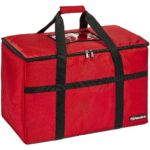
Cooler boxes are the backbone of passive cold chain protection. Cependant, not all boxes perform equally. Les matériaux communs comprennent Polystyrène élargi (PSE) mousse, Polypropylène expansé (PPE) mousse et Panneaux isolés sous vide (Vips). Each has advantages and limitations:
Mousse EPS: Léger et abordable, EPS boxes are suitable for short transit times (up to 24 hours). They are easy to handle and provide moderate insulation but are less durable and not ideal for repeated use.
Mousse Epp: EPP offers better insulation and durability, maintaining safe temperatures for 48–72 hours. Les boîtes EPP sont réutilisables, withstand rough handling and insulate about 20 % better than traditional EPS. They are also recyclable in specialized facilities.
Panneaux isolés sous vide (Vips): VIPs remove air between panels, creating high R values. They provide the most effective barrier against heat transfer. VIPs are costly but ideal for long, high value shipments or ultra precise temperature requirements.
Insulated box liners: Flexible liners can convert standard cartons into cold boxes. They are useful for last mile deliveries but provide less insulation than dedicated coolers.
The right choice depends on your product’s temperature range, transit duration and budget. For seafood shipments longer than 24 hours, EPP or VIP boxes are recommended due to their superior insulation and durability.
Passif vs. refroidissement actif
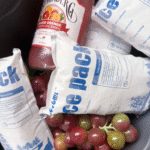
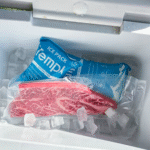
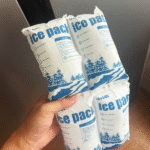
Passive cooler boxes rely on insulation and refrigerants to maintain temperature, whereas active systems use powered refrigeration units. Systèmes passifs offer simplicity and portability; they require no electricity and have no mechanical components, réduisant la maintenance. Cependant, they depend on packs de glace, des packs de gel ou de la neige carbonique to provide cold. Gel packs keep refrigerated goods cool (0–10 ° C) for up to 72 hours, while dry ice maintains frozen products below –18 °C for up to 48 hours. Matériaux à changement de phase (PCMS) offer precise temperature control by changing from solid to liquid at specific temperatures.
Active cooler boxes—such as portable electric coolers or reefer containers—offer longer temperature control and are best for extended journeys or large shipments. They require power (véhicule, battery or solar) and include refrigeration compressors and thermostats. Active systems are costly but provide continuous temperature regulation without relying solely on refrigerants.
Design features that matter
A high quality cooler box is more than just insulation. According to SmaK Plastics’ fish box specifications, features that enhance performance include:
Two way fork/pallet entry for easy handling and stacking.
Polyethylene construction with polyurethane insulation fournir jusqu'à Isolation R28.
Tight seal lids et one piece rubber latches to minimize temperature spikes.
Replaceable rubber wear pads et nettoyage facile using steam or pressure wash.
Recessed features for stacking et 2 inch drainage outlets for easy ice melt removal.
When selecting a cooler box, look for these design elements along with the right insulation material. They ensure your boxes withstand repeated use and protect against leaks or contamination.
Comparison of insulation materials
| Matériel | Performance d'isolation | Durabilité | Réutilisabilité | Avantage réel |
| Mousse EPS | Idéal pour les courts trajets (up to 24 h) | Modéré | Usage unique (souvent) | Low cost and lightweight; ideal for local deliveries or sampling. |
| Mousse Epp | Très bien; retains cold for 48–72 h | Haut | 100+ réutiliser | Fort, reusable option for cross country seafood shipments; 20 % better insulation than EPS. |
| Papier/Fibre | Good insulation for up to 48 h | Modéré | Single or limited reuse | Écologique et recyclable en bordure de rue; ideal for sustainable packaging strategies. |
| Panneaux isolés sous vide (Vips) | Excellent; valeur R élevée | Moderate high | Réutilisable | Premium solution for high value products requiring precise temperature control; thin panels save space. |
Modern cold chain monitoring technologies
Enregistreurs de données de température et d'humidité
Data loggers are compact devices that continuously record temperature and humidity. They are placed inside cooler boxes, storage facilities or vehicles. Avantages: abordabilité, easy deployment and reliable historical records. Désavantage: most models require manual retrieval of data; they do not provide real time alerts. Popular examples include Testo 184, Elitech RC 5 and Sensitech TempTale.
IoT based wireless sensors and GPS trackers
IoT sensors transmit temperature and location data in real time via Wi Fi, réseaux cellulaires ou LoRaWAN. They automate alerts when thresholds are exceeded, activer une action corrective immédiate. Lorsqu'il est combiné avec Traceurs GPS, companies can monitor both temperature and location of shipments. Benefits include end to end visibility, maintenance prédictive et optimisation des tournées. Downsides: higher cost and reliance on network connectivity.
RFID and BLE sensors
Capteurs de température RFID embed sensing technology in tags attached to pallets or packages. RFID readers automatically scan tags as shipments move through checkpoints, réduire les erreurs manuelles. They offer mass scanning and automated data collection but require strategic placement of readers and can be affected by metal or liquids. Bluetooth basse consommation (BLE) capteurs are cost effective for short range monitoring in warehouses or vehicles; they transmit data to nearby phones or gateways. BLE sensors consume little power but have limited range.
Conteneurs réfrigérés intelligents (frigorifiques) et plateformes cloud
Reefer containers use built in refrigeration to self regulate their internal temperature. They are ideal for long distance or high volume shipments of seafood, produits pharmaceutiques et aliments surgelés. Cloud based platforms collect data from sensors, Étiquettes RFID et traceurs GPS, providing a centralized dashboard for analysis and compliance. Companies like Controlant and Tive offer integrated cloud solutions.
IA et analyse prédictive
Artificial intelligence transforms cold chain monitoring by predicting equipment failures, optimizing routes and forecasting demand. AI analyses sensor data to schedule maintenance before a refrigerator breaks down, réduisant la détérioration et les coûts opérationnels. StartUs Insights notes that the cold chain industry added over 26 800 new employees and filed more than 2 800 patents récemment, indicating a strong innovation ecosystem.
Comparaison des solutions de surveillance
| Solution | Temps réel? | Deployment Cost | Meilleur cas d'utilisation | Vos plats à emporter |
| Enregistreurs de données | Non (data retrieved after transit) | Faible | Historical records and regulatory audits | Good for verifying compliance but cannot prevent spoilage during transit. |
| Capteurs IoT + GPS | Oui | Moyen à élevé | Long journeys and high value shipments | Provides real time alerts and location data, enabling immediate response and route optimization. |
| Capteurs RFID | Semi real time (scanné aux points de contrôle) | Moyen | Warehouse and distribution hubs | Automates inventory and temperature scanning; perfect for high volume facilities. |
| Capteurs BLE | Oui, à courte portée | Faible | Livraisons au détail et locales | Low power and affordable; limited range requires close proximity to gateways. |
| Réfrigérateurs intelligents | Oui | Haut | Ocean freight and large volumes | Self contained refrigeration; energy intensive but essential for extended transit. |
Integrating cooler boxes with monitoring systems
Why cooler boxes alone aren’t enough
While high quality cooler boxes provide excellent passive insulation, they cannot prevent or detect temperature deviations by themselves. Par exemple, over stacking boxes can block airflow and create “hot pockets” even in a refrigerated truck. Without sensors, you won’t know until the shipment arrives. De même, if a vehicle breaks down or gets delayed, the refrigerant may thaw before arrival. Integrating cooler boxes with real time monitoring prevents these issues by sending alerts when conditions change.
Combining insulation and technology
An effective seafood cold chain blends passive and active strategies:
Pre chill validation: Use sensors to verify that trucks and coolers are at the proper temperature before loading begins.
Load and stack correctly: Data from sensors helps detect blocked airflow or uneven cooling.
Alertes en temps réel: IoT systems send notifications when temperatures exceed safe limits, enabling drivers or warehouse staff to intervene.
Automated compliance reporting: IoT platforms generate HACCP and other compliance reports automatically.
Analyse prédictive: AI forecasts equipment failures or potential route delays, allowing preventive maintenance and rerouting.
By pairing Glacières en mousse EPP avec Capteurs IoT, you can achieve a robust system that maintains temperature during transport and provides the visibility needed to respond quickly. The result is reduced spoilage, lower insurance claims and greater customer satisfaction.
Astuces et conseils pratiques
Scénario: Shipping frozen seafood across country (48 heures)
Select EPP or VIP boxes pour une isolation supérieure; ensure boxes are the right size for your cargo to minimize empty space.
Utiliser la glace sèche or phase change materials designed for –20 °C conditions; calculate refrigerant weight based on product weight and ambient temperatures.
Install data loggers and IoT sensors inside the cooler to track temperature and humidity. Choose sensors with GSM connectivity for real time alerts during transit.
Pre chill the truck and verify temperature with sensors before loading.
Plan route and contingency: Use AI enabled logistics software to optimize routes, consider traffic and weather, and schedule stops where you can re pack dry ice if necessary.
Scénario: Delivering fresh fish to restaurants (le même jour)
Use reusable EPP cooler boxes avec des packs de gel; they are lightweight, easy to clean and provide 20 % better insulation than EPS.
Attach BLE or RFID sensors for short range monitoring; drivers can use smartphones or portable readers to check conditions at delivery.
Keep display coolers under 2 °C at the restaurant; sensors can alert chefs if display units drift from safe temperatures.
Former le personnel on quickly transferring fish from coolers to refrigeration to avoid unnecessary temperature spikes.
Scénario: Exporting seafood overseas via reefer containers
Choose smart refrigerated containers that self regulate temperature and integrate with cloud monitoring platforms.
Verify plug in and power supply at every port; remote sensors will alert you if a container disconnects from the power grid.
Track location and environmental data using GPS and IoT sensors, enabling route optimization and real time status updates.
Assurer la conformité with destination country’s food safety regulations; automated reporting simplifies customs inspections.
Exemple de cas réel: UN 2024 case study from CJ Logistics America highlights how a new cold storage facility near Kansas City uses automated systems, energy efficient refrigeration and IoT monitoring to ensure compliance. By integrating AI and IoT, the facility reduces energy consumption and prevents temperature excursions—demonstrating how cutting edge infrastructure supports modern cold chains.
2025 market trends and developments
Growth and projections
The cold chain sector continues to expand rapidly:
Croissance du marché mondial: Precedence Research estimates that the cold chain market will grow from 436,30 milliards de dollars américains 2025 to US$1,359.78 billion by 2034 (CAGR 13.46 %). StartUs Insights reports growth from US$454.48 billion in 2025 to US$776.01 billion in 2029.
Dynamique régionale: Asia–Pacific is expected to grow at the highest CAGR (~14.3 %) entre 2025 et 2034. En Amérique Latine, growing exports of fresh produce and seafood drive investment in renewable energy and IoT monitoring. Europe faces ageing cold storage infrastructure and is investing in modernization and sustainability.
Hardware dominance: The hardware segment held over 76 % du marché du suivi de la chaîne du froid en 2022, underscoring the importance of investing in quality equipment (glacières, capteurs, frigorifiques).
Innovation boom: The cold chain industry filed more than 2 800 patents et ajouté 26 800 employees l'année dernière, signalling rapid technological advancement and job growth.
Durabilité et efficacité énergétique
With electricity prices rising, les entreprises adoptent réfrigération à énergie solaire et entrepôts économes en énergie. Commercial solar rates in the U.S. vont de 3.2–15,5 centimes par kWh par rapport à un taux moyen de services publics de 13.10 cents par kWh en 2024. Using solar panels to power warehouses and refrigerated trucks reduces operating costs and carbon footprint. Léger, biodegradable thermal wraps and reusable cold packs support sustainability goals.
Paysage réglementaire
Regulators worldwide are strengthening cold chain requirements. Par exemple, les États-Unis. government’s National Cybersecurity Strategy Implementation Plan (May 2024) emphasizes securing food and pharmaceutical cold chains. This means companies must invest in cybersecurity for IoT systems, ensure data integrity and comply with Good Distribution Practices (PIB), Normes HACCP et ISO. Blockchain technology is also gaining traction to create tamper proof records of temperature and location data.
Segmentation du marché
Dans 2024, le produits laitiers et desserts glacés segment held the largest share (36.10 %) of cold chain applications. Les installations de pré-refroidissement ont été évaluées à US$204.4 billion. Quick service restaurants in India are projected to grow 20–25% en fiscalité 2024, boosting demand for refrigerated logistics. The expansion of cell and gene therapies in the life sciences sector requires ultra low temperatures and robust traceability systems.
Questions courantes & réponses
Qu'est-ce que la surveillance de la chaîne du froid IoT? C'est un système qui utilise des capteurs connectés pour suivre la température, humidity and location in real time to prevent spoilage.
Pourquoi une gestion intelligente de la chaîne du froid est-elle importante pour les fruits de mer? It ensures freshness, reduces waste and maintains food safety during transport, stockage et affichage au détail.
Comment l'IoT réduit-il la détérioration des fruits de mer? By sending instant alerts when temperatures breach safe limits, enabling quick corrective action before products degrade.
L'IoT peut-il aider avec les rapports de conformité? Oui. Automated systems generate HACCP and other compliance reports instantly for audits.
Quelle est la différence entre les glacières EPP et EPS? EPP provides about 20 % better insulation que l'EPS, is more durable and can be reused more than 100 fois. EPS is cheaper and suitable for short trips but often single use.
Comment choisir le bon réfrigérant? Use gel packs for refrigerated products, dry ice for frozen products and phase change materials for precise temperature control. Match the refrigerant quantity to the product weight, temps de transit et température ambiante.
Résumé & recommandations
Principaux à retenir
Le contrôle de la température n’est pas négociable: Le poisson se gâte rapidement, et 35 % of seafood is wasted due to cold chain failures.
Quality cooler boxes matter: Réutilisable Boîtes en mousse EPP fournir 20 % better insulation and survive 100+ voyages, alors que Vips offer premium protection for high value shipments.
Monitoring technology must be integrated: Combinaison Capteurs IoT, GPS trackers and AI provides real time visibility, maintenance prédictive et conformité automatisée.
2025 trends favour investment: The global cold chain market is growing at double digit rates, and hardware investment (capteurs, boîtes, frigorifiques) dominates.
Sustainability and cybersecurity are priorities: Solar power, biodegradable packaging and blockchain traceability are becoming essential.
Prochaines étapes réalisables
Évaluez vos besoins: Identify your product’s temperature range and required transit duration. Use a self assessment tool: Are you shipping refrigerated or frozen seafood? How critical is real time monitoring? Do you need local or international distribution?
Choose the right cooler box: For trips under 24 hours, L'EPS peut suffire; for longer distances or multiple uses, invest in EPP or VIP coolers. Ensure boxes have tight seal lids, drainage outlets and forklift handling features.
Mettre en œuvre le suivi: Commencez avec des enregistreurs de données pour les enregistrements historiques, then add IoT sensors and GPS trackers for real time visibility. Integrate the data into a cloud platform for analysis and compliance reports.
Formez votre équipe: Establish standard operating procedures for pre chilling, chargement, stacking and handling. Educate staff on reading sensor data and responding to alerts.
Planifier pour la durabilité: Explore solar powered refrigeration and reusable packaging to reduce energy costs and environmental impact.
Restez à jour: Follow industry reports and regulatory updates. Invest in continuous improvement and consider partnerships with cold chain specialists.
À propos du tempk
Tempk is a research driven company specializing in reusable cold chain packaging solutions and monitoring technology. We develop durable EPP foam cooler boxes that offer superior insulation and withstand 100+ voyages. Nos produits incluent des packs de gel, packs de glace sec, insulated box liners and smart monitoring systems. By combining high performance packaging with IoT enabled sensors and cloud platforms, nous aidons les clients à maintenir l'intégrité de la température, réduire les déchets et assurer la conformité. Avec des décennies d’expérience dans la logistique de la chaîne du froid, nous nous engageons à innover, des solutions écologiques qui protègent vos produits et la planète.
Pour des conseils personnalisés sur l’optimisation de votre chaîne d’approvisionnement en produits de la mer, contact Tempk’s specialists. Nous vous aiderons à sélectionner les bonnes glacières, refrigerants and monitoring technologies to safeguard your perishable goods.