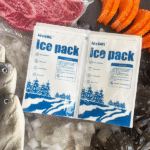
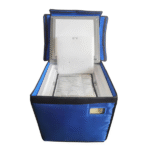
Emballage sous chaîne du froid 2025: Comment garder les marchandises fraîches & Sûr
Introduction:
Assurer la sécurité des marchandises périssables pendant le transport ne consiste pas seulement à les jeter dans une glacière. Emballage de la chaîne du froid joue un rôle central dans la protection de la qualité et de la sécurité des produits pharmaceutiques, aliments et autres produits sensibles à la température. Dans 2025, durabilité, la technologie intelligente et les réglementations strictes ont transformé la façon dont les entreprises abordent la logistique de la chaîne du froid. Ce guide vous aidera à comprendre ce qu'implique l'emballage sous chaîne du froid, pourquoi c'est important et comment l'optimiser pour protéger vos produits et votre marque.

Pourquoi la durabilité est le moteur des emballages sous chaîne du froid 2025? – découvrez comment les matériaux recyclables et biodégradables réduisent l’empreinte carbone et s’alignent sur les attentes des consommateurs.
Comment un contrôle précis de la température garantit-il l’intégrité du produit? – découvrez pourquoi maintenir une température de 2 à 8 °C ou moins est essentiel pour la sécurité pharmaceutique et alimentaire.
Quelles technologies intelligentes redéfinissent l’emballage de la chaîne du froid? – découvrez comment les capteurs IoT, Les étiquettes RFID et la blockchain offrent une visibilité et une traçabilité en temps réel.
Quels matériaux et innovations améliorent les emballages de la chaîne du froid? – comparer les méthodes d’isolation, matériaux à changement de phase et emballage extérieur robuste.
Comment garantir la conformité et atténuer les risques? – examinez les réglementations mondiales et les meilleures pratiques qui minimisent les écarts de température et vous préparent aux audits.
Quelles tendances et perspectives de marché façonnent l’avenir de l’emballage pour chaîne du froid? - revoir 2025 prévisions de marché, nouveaux tarifs et technologies émergentes.
Pourquoi la durabilité est-elle cruciale pour les emballages sous chaîne du froid en 2025?
Réponse directe:
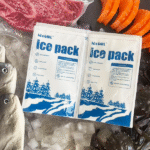
Sustainability has moved from a “nice to have” to a nonnegotiable requirement in chaîne du froid packaging. Les consommateurs et les régulateurs attendent des emballages écologiques qui réduisent les déchets et les émissions de carbone. Les fabricants qui adoptent le recyclable, les matériaux réutilisables ou biodégradables obtiennent un avantage concurrentiel et évitent les accusations de greenwashing. Packs de glace à base d'eau, Par exemple, émettre 39 % moins de CO2 pendant la production que les packs de gel et permet d'économiser environ 5.7 tonnes de CO2 par million de paquets. En passant aux réfrigérants à base d’eau et aux isolants recyclables, les entreprises peuvent améliorer la réputation de leur marque tout en atteignant leurs objectifs environnementaux.
Arrière-plan & détails:
Les marques d’aliments et de boissons subissent une pression croissante pour minimiser leur impact environnemental. L'article de Packaging Scotland note que dans 2025 La « durabilité authentique » ouvre la voie, avec une évolution vers le recyclable, matériaux réutilisables ou biodégradables. Fausses allégations de durabilité (greenwashing) peut nuire à la réputation, les entreprises doivent donc choisir des matériaux véritablement respectueux de l'environnement et sans danger pour les égouts.. Les packs de glace à base d'eau sont présentés comme une alternative écologique aux packs de gel., réduire les émissions de CO2 et s’aligner sur les principes de l’économie circulaire. Au-delà des banquises, Panneaux d'isolation sous vide, les doublures à base de papier et les composites à base de fibres offrent des performances thermiques élevées avec un impact environnemental réduit. Les entreprises qui investissent désormais dans des emballages durables sont mieux placées pour répondre à l’évolution des réglementations et aux attentes des consommateurs..
Real advantages of ecofriendly chaîne du froid packaging
Empreinte carbone réduite: le choix d'une isolation recyclable et de blocs réfrigérants à base d'eau réduit considérablement les émissions de CO2 liées à la production.
Conformité réglementaire: les réglementations émergentes encouragent les matériaux biodégradables et recyclables; l'adoption de ces solutions permet d'éviter les pénalités et d'accélérer les approbations.
Différenciation de marque: les consommateurs font confiance aux marques qui s’engagent véritablement en faveur du développement durable, renforcer la fidélité et la volonté de payer une prime.
| Innovation durable | Avantage | Ce que cela signifie pour vous |
| Packs de glace à base d'eau | 39 % Moins d'émissions de CO2 que les packs de gel et environ 5,7 tonnes d'économies de CO2 par million de packs | Empreinte carbone réduite et écocertifications authentiques |
| Emballage isotherme à base de fibres & contenants réutilisables | Assurer une isolation tout en étant recyclable ou réutilisable | S'aligne sur les objectifs de l'économie circulaire; réduit les déchets et les coûts à long terme |
| Matériaux isolants biodégradables | Se décomposer naturellement, minimiser les dommages environnementaux | Répond aux attentes réglementaires et séduit les consommateurs soucieux de l’environnement |
Conseils pratiques pour un emballage durable
Auditer les documents actuels: Évaluez votre emballage existant pour identifier les composants non recyclables. Remplacez les réfrigérants à base de gel par des alternatives à base d'eau pour réduire les émissions.
Sélectionnez des matériaux certifiés: Recherchez des isolants et des emballages certifiés recyclables ou compostables en bordure de rue..
Éduquer les clients: Fournir des instructions claires sur la façon de recycler ou de réutiliser les composants de l'emballage, encourager la participation à des initiatives circulaires.
Exemple: Une entreprise de livraison de nourriture a quitté packs de glace en gel aux alternatives à base d'eau et aux doublures en papier recyclables. Ils ont calculé une réduction d'environ 5.7 tonnes de CO2 par million d'expéditions, amélioration de la perception client et économie sur les frais de gestion des déchets.
Comment un contrôle précis de la température garantit-il l’intégrité du produit?
Réponse directe:
Le maintien de plages de température strictes est la base des emballages sous chaîne du froid.. Pour les produits pharmaceutiques, vaccins et produits biologiques, même un écart de température de deux heures peut gâcher la valeur d'un envoi entier $500 000 ou plus. Les vaccins doivent être conservés entre 2 °C et 8 °C ou à −20 °C pour préserver les principes actifs. Les produits alimentaires nécessitent souvent une température de 0 à 5 °C ou des conditions de congélation. Une surveillance continue et un emballage validé garantissent le maintien de ces gammes, Empêcher la dégradation, rappels et risques pour la santé.
Arrière-plan & détails:
Le guide de conformité de la chaîne du froid de Lascar Electronics souligne que le maintien d'une chaîne du froid sécurisée et ininterrompue est désormais une exigence essentielle.. Le secteur de la chaîne du froid pharmaceutique devrait dépasser $65 milliards en 2025, soulignant son importance. Pour assurer la conformité, les produits doivent être conservés dans des seuils de température définis (2 °C–8 °C pour la réfrigération, −20 °C pour la congélation, −70 °C pour un stockage ultra-faible) et surveillé 24/7 utiliser des enregistreurs de données. Infrastructure validée, des environnements de stockage sécurisés et un emballage thermique spécialisé aident à prévenir les fluctuations. Le centre de connaissances de l'IATA note en outre que installations de stockage frigorifique, le respect des réglementations gouvernementales et la gestion de la chaîne du froid sont des éléments essentiels. Sans systèmes robustes, des variations mineures de température peuvent rendre les vaccins inefficaces.
Éléments clés pour un contrôle fiable de la température
Emballage validé: Utiliser des conteneurs isolés certifiés et des matériaux à changement de phase (PCMS) testé dans des conditions réelles.
Surveillance en temps réel: Déployer des capteurs IoT, Étiquettes RFID ou enregistreurs de données pour suivre la température et l'humidité en temps réel.
Procédures opérationnelles standard (Sops): Documenter et suivre les SOP pour l'emballage, manutention et transit, garantir la répétabilité et la responsabilité.
Alignement des transports: Adaptez la conception de l’emballage à la durée de l’itinéraire, conditions ambiantes et exigences réglementaires.
| Plage de température | Exemples de produits | Mesures requises |
| 2–8 ° C (réfrigéré) | vaccins, certains médicaments, produits frais | Conteneurs isolés, packs de gel ou PCM, enregistrement des données en temps réel |
| 0–5 °C (nourriture réfrigérée) | viande, laitier, fruit de mer | Doublures isolées, des packs de gel ou de la neige carbonique; maintenir dans une zone de danger à portée libre |
| −20 °C (congelé) | Repas surgelés, biologique | Glace carbonique ou PCM; emballage extérieur spécialisé pour gérer la sublimation |
| ≤ −70 °C (ultra-faible) | thérapies géniques et cellulaires, Quelques vaccins | Azote liquide ou systèmes PCM avancés; conteneurs d'expédition spécialisés et SOP strictes |
Conseils pratiques pour la gestion de la température
Préconditionner les réfrigérants: Refroidissez les PCM ou les packs de gel à leur température optimale avant de les emballer..
Étanchéité sécurisée: Vérifiez à nouveau l'emplacement de l'isolation et assurez-vous que les boîtes sont hermétiquement fermées pour empêcher l'échange d'air..
Évitez les manipulations à mi-parcours: Minimiser les transferts de produits pendant le transport pour éviter les pics de température.
Examen des données: Téléchargez et examinez les données de température après la livraison pour identifier les problèmes potentiels et affiner les processus..
Exemple: Une entreprise de biotechnologie expédiant des vaccins à ARNm a mis en œuvre des PCM validés, surveillance continue et SOP strictes. Lorsqu'une unité de réfrigération tombe en panne en cours de transport, des alertes en temps réel ont permis à l'équipe logistique de réacheminer l'envoi et d'éviter un $500 000 perte.
Quelles technologies intelligentes redéfinissent l’emballage de la chaîne du froid?
Réponse directe:
Les technologies intelligentes ont révolutionné l’emballage sous chaîne du froid, permettant une approche proactive, prise de décision basée sur les données. Internet des objets (IoT) capteurs, Tags RFID, la blockchain et l'analyse prédictive offrent une visibilité en temps réel sur toute la chaîne d'approvisionnement. Ces outils surveillent non seulement la température et l'humidité, mais suivent également l'emplacement, détecter les falsifications et automatiser la documentation de conformité. En intégrant des plateformes logicielles et des analyses, les entreprises bénéficient d'une traçabilité de bout en bout et peuvent intervenir rapidement lorsque des problèmes surviennent.
Arrière-plan & détails:
L'article d'ITB Packaging met en lumière l'intégration de la technologie IoT dans les emballages sous chaîne du froid, notant que les capteurs et les étiquettes RFID permettent une surveillance en temps réel de la température, humidité et emplacement. Cette visibilité permet aux entreprises de détecter les problèmes potentiels de manière proactive et de garantir la qualité des produits.. Les technologies émergentes comme la blockchain améliorent encore la traçabilité, fournir des enregistrements immuables de chaque expédition et faciliter les audits de conformité. Le rapport Hopstack renforce la valeur du contrôle de la température en temps réel et de la surveillance de l'IoT, expliquant que même des écarts mineurs peuvent gâcher les expéditions et entraîner des pertes financières importantes. Visibilité complète de la chaîne d'approvisionnement, obtenue en reliant les systèmes de gestion d'entrepôt (WMS), systèmes de gestion des transports (TMS) et tableaux de bord IoT : permettent aux gestionnaires de suivre l'emplacement et l'état de chaque palette en temps réel.
Des technologies intelligentes façonnent l’emballage de la chaîne du froid
Capteurs IoT et RFID: Fixez des capteurs aux expéditions pour capturer en continu la température, données d'humidité et de choc. Les étiquettes RFID fournissent une identification et une traçabilité automatisées, accélérer les manipulations et réduire les erreurs manuelles.
Intégration de la blockchain: Créez un registre immuable de chaque étape de lecture et de manipulation de la température. Cette technologie améliore la confiance entre les parties prenantes et simplifie les audits.
Analyse prédictive: Utiliser des modèles d'apprentissage automatique pour prévoir les excursions de température, pannes d'équipement ou retards d'itinéraire. Le rapport Hopstack décrit comment les grandes entreprises exploitent l'analyse pour concevoir des systèmes proactifs qui préviennent les pannes plutôt que de réagir après coup..
Logiciel de gestion de flotte: Intégrer le GPS, capteurs télématiques et de chaîne du froid sur une seule plateforme. Le guide de Geotab note que ces systèmes automatisent la documentation, optimiser les itinéraires et fournir des alertes en temps réel, réduire la détérioration et améliorer la conformité.
Sécurité biométrique: Quelques emballage à température contrôlée intègre désormais des verrous biométriques pour garantir que seules les personnes autorisées peuvent accéder aux produits pharmaceutiques sensibles.
Conseils pratiques pour tirer parti de la technologie
Commencez petit: Mettez en œuvre des enregistreurs de données et des capteurs IoT de base sur les expéditions de grande valeur pour obtenir une visibilité immédiate et justifier le retour sur investissement..
Intégrer des plateformes: Connectez-vous au WMS, Tableaux de bord TMS et IoT pour créer une vue unifiée de votre chaîne du froid.
Utiliser des alertes et des analyses: Configurez des alertes en cas de dépassement de seuil et analysez les données historiques pour identifier les modèles et optimiser le packaging ou les itinéraires..
Former le personnel: S'assurer que le personnel comprend comment interpréter les données des capteurs et répondre de manière appropriée aux alertes.
Exemple: Une entreprise de kits repas a déployé des boîtes isothermes compatibles RFID et les a intégrées à son logiciel logistique. Les données en temps réel alertaient les conducteurs des écarts de température et déclenchaient un refroidissement de secours, réduire les pertes et augmenter la satisfaction des clients.
Quels matériaux et innovations améliorent les emballages de la chaîne du froid?
Réponse directe:
L'emballage de la chaîne du froid repose sur une combinaison d'isolation, réfrigérants, conteneurs extérieurs robustes et dispositifs de surveillance. Matériaux avancés comme les panneaux d'isolation sous vide, les mousses hautes performances et les composites biodégradables offrent une protection thermique supérieure tout en minimisant le poids. Réfrigérants tels que les matériaux à changement de phase (PCMS), les packs de gel et la glace carbonique maintiennent la plage de température souhaitée. Emballage extérieur robuste – souvent en carton ondulé ou réutilisable caisses en plastique—protège le contenu des dommages physiques. Les dispositifs de surveillance tels que les enregistreurs de données et les indicateurs de température permettent une vérification en temps réel ou passive.
Arrière-plan & détails:
L'article ITB Packaging décrit comment la haute performance matériaux d'isolation et les mousses avancées offrent une protection thermique supérieure. Les panneaux d'isolation sous vide et les PCM permettent des températures constantes tout en réduisant la taille et le poids de l'emballage.. Les gardiens du froid 2025 le guide explique en outre que l'isolation - à travers des doublures, pochettes ou enveloppes postales : crée une barrière protectrice à l'intérieur des boîtes, alors que sacs thermiques fournir un refroidissement à court terme pour les kits de repas. Les PCM gèlent et fondent à des températures spécifiques, ce qui les rend idéaux pour maintenir une plage cible sur de longues périodes, alors que les packs de gel sont non toxiques et conviennent aux produits pharmaceutiques et alimentaires. La glace carbonique est efficace pour les produits surgelés car elle se sublime en gaz, ne laissant aucune humidité.
Comparaison des composants d'emballage
| Composant | Description & avantages | Ce que cela signifie pour vous |
| Matériaux d'isolation | Panneaux d'isolation sous vide, mousses hautes performances, les doublures à base de fibres et les composites à base de papier offrent une résistance thermique élevée avec un encombrement réduit | De meilleures performances thermiques et des emballages plus légers réduisent les coûts d'expédition et l'empreinte carbone |
| Réfrigérants (PCMS, packs de gel, glace carbonique) | Les PCM maintiennent des plages de température spécifiques pendant des périodes prolongées; les packs de gel sont sûrs et réutilisables; la glace carbonique est idéale pour les produits surgelés, sublimant sans résidu | Choisissez des réfrigérants en fonction de la sensibilité du produit et du temps de transit |
| Emballage extérieur | Les boîtes en carton ondulé offrent durabilité et protection; les caisses en plastique réutilisables ou les expéditeurs de palettes réduisent les déchets et les coûts à long terme | Protège l'intégrité du produit pendant la manipulation et soutient les objectifs de durabilité |
| Appareils de surveillance | Enregistreurs de données, les indicateurs et les capteurs IoT enregistrent les historiques de température et fournissent des alertes en temps réel | Garantit la conformité et permet des actions correctives rapides |
Conseils pratiques pour le choix des matériaux
Adaptez les matériaux à la sensibilité du produit: Articles très sensibles à la température (Par exemple, biologique) peut nécessiter des PCM et une isolation sous vide, tandis que les produits moins sensibles peuvent utiliser des packs de gel et des mousses standards.
Tenir compte de la durée du transit: Les trajets plus longs nécessitent souvent des PCM ou de la neige carbonique combinés à une isolation multicouche.
Prévoir les variations saisonnières: Utilisez une isolation plus lourde ou des réfrigérants supplémentaires par temps chaud et des barrières supplémentaires pour éviter le gel pendant les mois froids..
Équilibrer coût et performances: Les matériaux de meilleure qualité peuvent avoir des coûts initiaux plus élevés mais réduire les pertes dues à la détérioration.
Prioriser la durabilité: Optez pour des isolants et des réfrigérants recyclables ou biodégradables.
Exemple: Une société pharmaceutique expédiant de l'insuline sur de longues distances a sélectionné des panneaux d'isolation sous vide associés à des PCM pour maintenir une température de 2 à 8 °C pendant 72 heures. Ils ont combiné cela avec des enregistreurs de données pour vérifier la conformité, réduire les incidents d'excursion et réduire le risque d'envois avariés.
Comment garantir la conformité et atténuer les risques liés aux emballages sous chaîne du froid?
Réponse directe:
La conformité dans la logistique de la chaîne du froid implique le respect des réglementations mondiales, documenter chaque étape et former le personnel. Bonne pratique de distribution (PIB) lignes directrices, NOUS. Nourriture & Administration des médicaments (FDA) règlements, Agence européenne des médicaments (Ema) règles et réglementations de contrôle de la température de l’IATA (RCT) définir des exigences strictes pour la manipulation de marchandises sensibles à la température. Les entreprises doivent tenir des registres de température précis, valider l'équipement, mettre en œuvre des plans d’urgence et assurer la compétence du personnel pour éviter la dégradation des produits, risques pour la santé et rappels coûteux.
Outils de décision utiles
Vérifiez les détails avant de choisir l'emballage
Ces outils rapides peuvent vous aider à comparer le risque d'itinéraire, besoins de dimensionnement, choix de liquide de refroidissement, et les détails de l'emballage avant de demander un devis.
Référence du matériau isolant
Comparez les choix de matériaux d'isolation pour différents besoins d'emballage de la chaîne du froid.
Comparez les matériauxRésistance aux chutes du matériau isolant
Examinez la résistance aux chutes et les facteurs de manipulation avant de choisir des matériaux d'isolation..
Vérifier la résistanceSélecteur d'emballage
Comparez les options d'emballage isotherme par produit, itinéraire, et besoin de température.
Trouver un emballageArrière-plan & détails:
Lascar Electronics souligne que le respect de la chaîne du froid évite les fluctuations qui pourraient dégrader les médicaments et les vaccins, protéger la sécurité des patients et éviter les sanctions réglementaires. Les exigences fondamentales incluent un maintien précis de la température, 24/7 surveillance, infrastructure validée, environnements de stockage sécurisés, emballage spécialisé et tenue de registres détaillés. Le guide EasyLog souligne également que les organismes de réglementation mondiaux comme la FDA et l'EMA resserrent le PIB et les bonnes pratiques de fabrication. (GMP) attentes. L'IATA souligne la nécessité d'installations de stockage frigorifique, respect des réglementations gouvernementales et gestion de la chaîne du froid, et fournit des lignes directrices sur la conformité des expéditions, étiquetage et traçabilité. Le guide de la flotte Geotab répertorie les cadres réglementaires tels que le PIB, HACCP, Exigences FSMA et FDA/USDA.
Liste de contrôle pour la conformité & atténuation des risques
Comprendre la réglementation: Familiarisez-vous avec le PIB, HACCP, FSMA, USP <1079> et les directives IATA TCR.
Valider l'équipement: Utiliser des groupes frigorifiques calibrés et certifiés, dispositifs d’emballage et de surveillance pour garantir qu’ils répondent aux normes de performance.
Tenir des registres détaillés: Tenir des journaux de température, certificats d'étalonnage, dossiers de formation et rapports d’écart.
Planifier les imprévus: Préparer des protocoles en cas de panne de courant, pannes d'équipement et retards de transport.
Former le personnel: Former tout le personnel à la manipulation de la chaîne du froid, surveillance et intervention d'urgence.
Assurer un étiquetage et un marquage appropriés: Suivez les normes de couleur de l'IATA, taille et instructions spéciales lors de l'expédition avec des réfrigérants comme la neige carbonique.
Mettre en place des outils de traçabilité: Utilisez la RFID et la blockchain pour tracer les expéditions et fournir des pistes d'audit.
Conseils pratiques pour la préparation à la réglementation
Créer des SOP et des programmes de formation: Documenter toutes les procédures et former régulièrement le personnel pour éviter les erreurs humaines.
Effectuer des audits réguliers: Réalisez des audits internes pour vous assurer que vos processus sont conformes aux GDP/GMP et s'ajustent à mesure que la réglementation évolue..
Engagez des certifications tierces: Obtenir des certifications comme CEIV Pharma ou ISO 13485 pour démontrer la conformité et renforcer la confiance des clients.
Utiliser les rapports de validation: Travailler avec des fournisseurs d'emballages qui fournissent des données de performances thermiques spécifiques à une voie et des rapports de validation pour la documentation d'audit.
Étude de cas: Un distributeur de vaccins a mis en place une surveillance IoT, tenue de registres détaillés et formation du personnel. Lors d'une panne de courant, les protocoles de sauvegarde ont activé un refroidissement alternatif et empêché la détérioration du produit, assurer la conformité réglementaire et maintenir la confiance du public.
2025 tendances et perspectives du marché de l’emballage sous chaîne du froid
Aperçu de la tendance:
Le paysage de l’emballage sous chaîne du froid connaît une croissance rapide. Une étude de marché prédit que le marché mondial des solutions d’emballage à température contrôlée atteindra environ USD 48.9 milliard dans 2025 et USD 110.2 milliard par 2034, grandir à un 9.4 % TCAC. Les emballages réutilisables de la chaîne du froid devraient passer de USD 4.97 milliard dans 2025 à USD 9.13 milliard par 2034, motivé par les exigences de durabilité et le commerce électronique. Les principaux moteurs de croissance comprennent l’expansion des produits biologiques et des vaccins., augmentation des commandes d'épicerie en ligne et exigences réglementaires plus strictes. Cependant, nouveaux États-Unis. tarifs introduits dans 2025 ont augmenté les coûts des composants, incitant les entreprises à explorer la délocalisation et la diversification des fournisseurs.
Derniers développements:
Isolation avancée et matériaux durables: Les entreprises développent des isolants à base de fibres et biodégradables, contenants réutilisables et doublures recyclables en bordure de rue.
Intégration IoT et blockchain: L'adoption généralisée des capteurs IoT et des étiquettes RFID permet une surveillance en temps réel, tandis que la blockchain améliore la traçabilité.
Croissance des emballages réutilisables: Le segment réutilisable devrait dominer le marché en raison des économies de coûts, durabilité et incitations réglementaires.
Sécurité biométrique: Les fournisseurs d'emballages intègrent l'authentification biométrique pour empêcher tout accès non autorisé aux produits pharmaceutiques sensibles.
Impacts tarifaires et délocalisation: Nouveaux États-Unis. tarifs en 2025 ont augmenté les coûts des composants des emballages à température contrôlée, encourager la délocalisation et les chaînes d’approvisionnement diversifiées.
Insistance au marché:
Le rapport de dimensionmarketresearch souligne que la croissance est alimentée par la demande de transport sûr des vaccins., produits biologiques et aliments, avec une utilisation de conteneurs isolants augmentant de 25 % entre 2019 et 2022. Emballage thermique passif représente environ 70 % des expéditions, car il offre des solutions rentables pour des temps de transit modérés. Les États-Unis. le marché devrait atteindre USD 17.9 milliard dans 2025, tiré par la demande croissante de produits biologiques et de livraison d’épicerie en ligne. Les boîtes isothermes réutilisables et les expéditeurs de palettes ont dominé la part de produit en 2024, tandis que les conteneurs de suivi compatibles IoT devraient connaître la croissance la plus rapide. Ces chiffres soulignent l'importance d'investir dans des technologies et des matériaux qui améliorent les performances., durabilité et visibilité.
Dernier progrès en un coup d'œil
Croissance des solutions réutilisables: La taille du marché des emballages réutilisables pour la chaîne du froid devrait presque doubler d’ici 2034.
Expansion de l’infrastructure de la chaîne du froid: Les régions en développement investissent dans les installations réfrigérées et les transports pour améliorer la distribution des marchandises sensibles à la température..
Focus sur les alternatives écologiques: Les entreprises se tournent vers des matériaux biodégradables et recyclables, soutenu par des incitations réglementaires.
Intégration de la sécurité biométrique: Les verrous biométriques sur les emballages protègent les produits pharmaceutiques de grande valeur et garantissent la chaîne de traçabilité.
Impact des tarifs: NOUS. droits de douane sur les composants d'emballage à température contrôlée dans 2025 entraînent des pressions sur les coûts et encouragent la diversification de la chaîne d’approvisionnement.
Commentaire du marché:
Dans tous les secteurs, L’emballage sous chaîne du froid devient une priorité stratégique. Le segment réutilisable devrait capter la part majoritaire du marché en 2025, reflétant une évolution vers la rentabilité, solutions durables. L'Amérique du Nord devrait tenir environ 41.6 % du chiffre d'affaires mondial en 2025, l’Asie-Pacifique émergeant rapidement comme une région de croissance. L’accent mis sur la réduction de la détérioration des produits et le respect de réglementations plus strictes stimule l’adoption d’emballages thermiques avancés., Solutions de suivi IoT et de visibilité de bout en bout. L'investissement dans de nouveaux matériaux et technologies intelligentes soutient non seulement les objectifs de développement durable, mais crée également un avantage concurrentiel..
Questions fréquemment posées
Qu'est-ce que l'emballage sous chaîne du froid?
Les emballages de la chaîne du froid font référence aux conteneurs isothermes, réfrigérants et dispositifs de surveillance conçus pour maintenir des températures spécifiques pendant le stockage et le transport. Il protège les produits sensibles à la température de la détérioration ou de la dégradation., garantir la qualité des produits et la conformité réglementaire.
Pourquoi l’emballage sous chaîne du froid est-il important pour les vaccins?
Les vaccins nécessitent des plages de température strictes (généralement entre 2 et 8 °C ou −20 °C) pour préserver leurs principes actifs.. Un emballage inadéquat ou des variations de température peuvent rendre les vaccins inefficaces, conduisant au gaspillage, risques sanitaires et conséquences réglementaires.
Quels matériaux sont les meilleurs pour les emballages sous chaîne du froid?
Le choix dépend de la sensibilité du produit et du temps de transit. Panneaux d'isolation sous vide, les mousses hautes performances et les doublures à base de fibres offrent une isolation supérieure. Les PCM maintiennent des plages de température précises, les packs de gel sont polyvalents et sûrs, et la glace carbonique est efficace pour les produits surgelés.
Comment puis-je m'assurer que mon colis chaîne du froid reste conforme?
Adhérer au PIB, HACCP, FSMA, USP <1079> et les lignes directrices de l'IATA; valider l'équipement; tenir des registres détaillés; personnel de formation; et mettre en œuvre des outils de traçabilité comme la RFID et la blockchain.
Quels sont les avantages des emballages réutilisables sous chaîne du froid?
Les emballages réutilisables réduisent les déchets et les coûts à long terme. Le segment réutilisable du marché devrait s'étendre à partir de l'USD 4.97 milliards en 2025 en USD 9.13 milliards 2034, motivé par les exigences et les réglementations en matière de durabilité.
Comment la technologie IoT améliore-t-elle les emballages sous chaîne du froid?
Les capteurs IoT et les étiquettes RFID fournissent la température en temps réel, données d'humidité et de localisation, permettant une intervention proactive lorsque des écarts se produisent. Les plateformes intégrées combinent ces données avec des analyses pour optimiser les itinéraires et améliorer la conformité.
Les matériaux biodégradables sont-ils pratiques pour les emballages sous chaîne du froid?
Oui. Les entreprises développent des isolants biodégradables et des emballages à base de fibres qui offrent des performances thermiques adéquates tout en minimisant l'impact sur l'environnement.. Ces solutions séduisent les consommateurs éco-responsables et contribuent à répondre aux exigences réglementaires.
Résumé & recommandations
Points clés:
La durabilité mène l’emballage de la chaîne du froid: Recyclable, les matériaux réutilisables et biodégradables sont essentiels pour répondre aux attentes des consommateurs et aux réglementations.
Le contrôle de la température est essentiel: Maintenir des gammes de températures strictes, une surveillance continue et un emballage validé évitent la détérioration et garantissent la conformité.
Les technologies intelligentes permettent la visibilité: Capteurs IoT, RFID, la blockchain et l'analyse prédictive transforment les emballages de la chaîne du froid de réactifs à proactifs.
Les choix de matériaux comptent: Combiner une isolation avancée, PCMS, les packs de gel et l'emballage extérieur robuste protègent l'intégrité du produit.
La conformité nécessite de la diligence: Familiarisez-vous avec le PIB, HACCP, Réglementations FSMA et IATA, tenir des registres, former le personnel et planifier les imprévus.
Croissance et tendances du marché: Le marché de l’emballage à température contrôlée est en plein essor, piloté par les produits biologiques, commerce électronique et durabilité. Les solutions réutilisables et les technologies intelligentes sont l’avenir.
Étapes d'action:
Réaliser un audit de durabilité: Identify nonrecyclable materials in your current chaîne du froid packaging. Transition vers des réfrigérants à base d'eau, isolation recyclable et composants biodégradables.
Mettre en œuvre une surveillance en temps réel: Commencez à utiliser des capteurs IoT et des étiquettes RFID pour les envois de grande valeur. Intégrez les données à vos plateformes logistiques pour obtenir une visibilité de bout en bout et réagir rapidement aux écarts.
Valider et documenter: Travailler avec des fournisseurs d'emballages qui proposent des solutions validées et des rapports détaillés sur les performances thermiques. Tenir des registres complets pour les audits et la conformité.
Formez votre équipe: Fournir une formation régulière sur les SOP d’emballage, surveillance de la température et protocoles d'urgence. Un personnel bien formé réduit les erreurs humaines et améliore la conformité.
Restez informé de la réglementation: Surveiller les mises à jour du PIB, HACCP, FSMA, USP <1079> et les directives IATA TCR pour garantir que vos processus restent conformes.
Planifier l'avenir: Investissez dans des solutions d’emballage réutilisables, traçabilité blockchain et sécurité biométrique pour garder une longueur d'avance sur les tendances émergentes et les attentes des clients.
À propos du Tempk
Tempk est une entreprise technologique spécialisée dans Solutions de chaîne du froid. Nous concevons et fabriquons des produits performants, des systèmes d'emballage durables adaptés aux produits pharmaceutiques, nourriture, secteurs de la biotechnologie et du commerce électronique. Nos systèmes intègrent une isolation avancée, matériaux à changement de phase et surveillance de l'IoT pour garantir des températures et une conformité constantes. Avec un engagement envers l’innovation et la durabilité, nous aidons les entreprises à réduire leurs déchets, améliorer l’intégrité des produits et répondre aux exigences réglementaires en constante évolution.
Appel à l'action: Contactez notre équipe pour une consultation gratuite ou une analyse des performances thermiques. Découvrez comment Tempk peut personnaliser les emballages de la chaîne du froid pour vos besoins uniques.