Dernière mise à jour: Novembre 16 2025
Quand vous devez expédier des vaccins, produits biologiques ou fruits de mer frais sur tous les continents, maintenir la bonne température n’est pas une option – c’est la différence entre une livraison en toute sécurité et une détérioration.. Systèmes d'emballage sous chaîne du froid sont des solutions d'emballage spécialisées conçues pour maintenir les produits dans des plages de température strictes tout au long du transport et du stockage.. Le marché de ces systèmes se développe rapidement: les analystes estiment que le marché mondial des emballages sous chaîne du froid atteindra environ USD 27.7 milliards en 2025 et grandir jusqu'à USD 102.1 milliards 2034. Cette croissance est tirée par la demande croissante de médicaments biologiques, des exigences réglementaires accrues et une poussée vers la durabilité.
L’emballage de la chaîne du froid ne se limite pas aux boîtes et aux blocs réfrigérants. De nouveaux matériaux tels que Matériaux à changement de phase (PCMS) et Panneaux d'isolation sous vide (Vips) fournir un refroidissement prolongé avec un apport d'énergie minimal. Les capteurs connectés à Internet permettent une surveillance en temps réel, s'assurer que les expéditions restent conformes aux spécifications. Entre-temps, des cadres réglementaires comme le Règlement de l’UE sur les emballages et les déchets d’emballages (PP) accélèrent le passage du PSE à usage unique au réutilisable, systèmes circulaires. Cet article démystifie les systèmes d'emballage sous chaîne du froid, expliquant comment ils fonctionnent, pourquoi ils sont importants et à quoi s'attendre 2025.
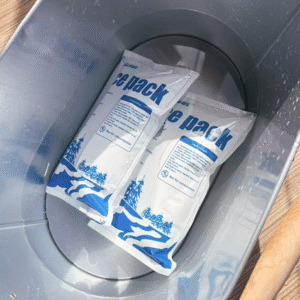
Types de systèmes d'emballage sous chaîne du froid: Explorer actif, passif, des solutions hybrides et durables, et comment fonctionnent les PCM et les VIP.
Mécanismes de contrôle de la température: Découvrez comment les matériaux à changement de phase, l'isolation sous vide et les capteurs intelligents maintiennent la stabilité et réduisent les déchets.
Tendances et moteurs du marché: Découvrez pourquoi le marché est en croissance, l'impact des fusions, IA et IoT, et comment la durabilité remodèle l'emballage.
Dynamiques et défis régionaux: Découvrez comment l'Amérique du Nord, Asie-Pacifique, L’Europe et les régions émergentes comblent les déficits d’infrastructures, réglementations et objectifs environnementaux.
Conseils pratiques: Trouver des conseils pratiques, scénarios utilisateurs et FAQ pour optimiser votre stratégie chaîne du froid, soutenu par des connaissances d’experts et des exemples concrets.
Que sont les systèmes d’emballage sous chaîne du froid et pourquoi sont-ils importants?
Systèmes d'emballage sous chaîne du froid sont des conteneurs spécialisés et des solutions thermiques conçus pour maintenir la température requise d’un produit tout au long de son expédition.. Ils combinent l'isolation, réfrigérants et parfois refroidissement actif pour protéger les articles sensibles à la température comme les vaccins, biologique, viande, fruits de mer et produits chimiques spécialisés contre la détérioration. Comme le marché mondial de la chaîne du froid pharmaceutique vaut environ USD 65 milliards en 2025, des systèmes d'emballage fiables sont essentiels à la santé publique et à la continuité des activités.
Ces systèmes vous aident à répondre aux exigences réglementaires, réduire les déchets et instaurer la confiance. Par exemple, les États-Unis. Food and Drug Administration (FDA), Agence européenne des médicaments (Ema) et Organisation mondiale de la santé (OMS) exiger des documents prouvant les conditions appropriées de stockage et de transport. Les systèmes d'enregistrement et de traçabilité des données en temps réel fournissent cette assurance. En plus, un emballage efficace réduit les émissions de CO₂ en empêchant la détérioration et en permettant des options de transport plus efficaces comme le fret maritime, qui émet 47 fois moins de gaz à effet de serre par tonne-mile que l'air.
Types de systèmes d'emballage sous chaîne du froid: actif, passif, hybride et réutilisable
Les solutions d'emballage pour la chaîne du froid se répartissent en quatre grandes catégories: actif, passif, hybride et durable/réutilisable. Chacun utilise des technologies différentes pour réaliser le contrôle de la température.
Solutions thermiques actives – quand la précision compte
Les systèmes thermiques actifs sont comparables aux réfrigérateurs ou congélateurs miniatures. Ils utilisent de l'électricité ou des batteries pour alimenter les compresseurs, ventilateurs ou appareils thermoélectriques qui maintiennent des températures définies. Parce qu'ils doivent être branchés ou chargés, ces unités sont souvent utilisées pour les expéditions de grande valeur où les écarts de température sont inacceptables, comme les thérapies géniques ou les fruits de mer de première qualité. L'inconvénient est un coût et une complexité plus élevés : ils sont coûteux à transporter et peuvent nécessiter une validation pour chaque voie de navigation..
Solutions thermiques passives – exploitant les matériaux à changement de phase et l’eau
Les systèmes passifs reposent sur l'isolation et les réfrigérants plutôt que sur le refroidissement motorisé. Matériaux à changement de phase (PCMS) ou les packs de gel absorbent et libèrent de la chaleur latente lors de leur transition entre l'état solide et l'état liquide, maintenir une température réglée pendant des périodes prolongées. Par exemple, PCM formulés pour fondre à +5 °C maintiennent la stabilité des vaccins réfrigérés, tandis que les PCM inférieurs à zéro prennent en charge les expéditions gelées. Les solutions passives incluent des expéditeurs réutilisables, systèmes de colis durables et conteneurs isothermes.
Solutions hybrides – équilibrer les avantages actifs et passifs
Les systèmes hybrides combinent un noyau de refroidissement passif avec une sauvegarde active. Si le composant actif tombe en panne ou si l'alimentation n'est pas disponible, la couche PCM passive continue de réguler la température. Les conceptions hybrides gagnent en popularité pour les expéditions longue distance où la redondance améliore la fiabilité. Ils offrent des performances contrôlées similaires aux systèmes actifs, avec la sécurité supplémentaire d'une sauvegarde passive.
Solutions thermiques durables et réutilisables – l’avenir de la chaîne du froid
Les systèmes d’emballage réutilisables sont au cœur de la durabilité. Ces conceptions utilisent des matériaux durables, composants modulaires et modèles de location pour réduire les déchets et les dépenses en capital. Par exemple, les taux d'utilisation des glacières réutilisables devraient augmenter de 30 % à 70 % dans les années à venir. Des entreprises comme Peli BioThermal proposent Crédo Cube contenants qui maintiennent des températures ultra basses pendant plus de 144 heures et sont remis à neuf et redéployés via des réseaux mondiaux. Les systèmes réutilisables peuvent réduire les émissions de CO₂ et le coût total de possession tout en respectant les objectifs réglementaires.
Tableau 1 – Types de systèmes d’emballage sous chaîne du froid
| Type d'emballage | Exemples et technologies | Importance pratique |
| Actif | Conteneurs motorisés avec compresseurs ou modules thermoélectriques; enregistreurs de données intégrés | Assurer un contrôle précis de la température pour les produits pharmaceutiques ou les thérapies cellulaires de grande valeur où les écarts sont inacceptables. |
| Passif | Boîtes isothermes avec packs de gel ou PCM; expéditeurs réutilisables; couvertures de palettes | Rentable pour les expéditions de produits pharmaceutiques et alimentaires. Les PCM maintiennent des températures spécifiques (+5 °C, +1 °C ou inférieur à zéro) sans alimentation externe. |
| Hybride | Combinaison de refroidisseurs actifs avec des modules PCM passifs | Offre une redondance en utilisant le refroidissement actif lorsqu'il est disponible et le refroidissement passif comme sauvegarde. |
| Durable/réutilisable | Boîtes réutilisables en location, panneaux isolants circulaires, Conteneurs basés sur VIP | Réduire les déchets et les émissions de CO₂. Les taux d'utilisation peuvent augmenter jusqu'à 70 % grâce aux modèles de location; soutenir les engagements ESG des entreprises. |
Conseils pratiques pour choisir une solution d’emballage
Prioriser les produits à haut risque: Déployer des solutions actives ou hybrides pour les vaccins ultra-froids et les produits biologiques de grande valeur là où les déplacements sont coûteux.
Pensez aux modèles de location: La location de glacières réutilisables réduit les coûts initiaux et élimine les problèmes de stockage des actifs.
Intégrer des systèmes de surveillance: Choisissez un emballage avec des capteurs intégrés, connectivité blockchain ou cloud pour améliorer la traçabilité et la conformité.
Évaluer les voies de navigation: Tenir compte de la durée du transit et des conditions environnementales; Les PCM doivent être conditionnés de manière appropriée et les VIP peuvent être justifiés pour les longs trajets.
Vraie cas: Une organisation de recherche clinique expédiant des thérapies cellulaires sensibles à la température entre les États-Unis. et l'Asie ont adopté un emballage hybride avec une isolation VIP et des modules PCM. La combinaison a maintenu des températures à ±1 °C pendant 96 heures, réduisant les pertes de produits et économisant environ $300,000 chaque année en évitant la détérioration et les expéditions de retour.
Comment les systèmes d’emballage sous chaîne du froid maintiennent-ils la stabilité de la température?
La capacité des systèmes d'emballage de la chaîne du froid à maintenir la température dépend d'un mélange de technologies de gestion thermique, matériaux d'isolation et surveillance numérique.
Matériaux à changement de phase et gestion thermique
Les matériaux à changement de phase stockent et libèrent de la chaleur lors de leur transition entre l'état solide et l'état liquide.. Les PCM maintiennent une température presque constante pendant le processus de fusion ou de congélation, fournissant un environnement thermique stable sans alimentation externe. Les formulations modernes couvrent une gamme de points de température: +18 °C pour les produits sensibles à l'ambiante, +5 °C pour les produits pharmaceutiques réfrigérés et diverses températures inférieures à zéro pour les produits surgelés. Les PCM biosourcés dérivés de sources renouvelables offrent des avantages environnementaux tout en égalant les performances des matériaux à base de pétrole.
La microencapsulation empêche les fuites en enduisant les particules PCM de coques de protection, permettant de les intégrer dans des pochettes souples, conteneurs rigides et panneaux composites. Les systèmes PCM réutilisables offrent des avantages économiques pour les itinéraires à haute fréquence; ils peuvent être conditionnés à plusieurs reprises et offrent des performances constantes sur plusieurs cycles.
Panneaux d'isolation sous vide et systèmes de barrière avancés
Panneaux d'isolation sous vide (Vips) représentent la technologie d'isolation de pointe. En éliminant l'air pour créer un vide et en utilisant des couches barrières pour le maintenir, Les VIP éliminent pratiquement la conduction et la convection, offrant des performances thermiques supérieures dans les parois minces. Cela permet aux expéditeurs de maximiser le volume de charge utile tout en réduisant le poids – un avantage majeur lors d’une expédition par avion ou par messagerie.. Cependant, Les VIP sont plus coûteux à fabriquer et nécessitent une manipulation soigneuse pour éviter les perforations. Les conceptions d'emballages hybrides combinent souvent des VIP dans les zones critiques avec une isolation conventionnelle ailleurs pour équilibrer performances et coûts..
Matériaux barrières tels que films métallisés, les revêtements céramiques et les composites multicouches ajoutent une protection contre l'humidité, l'oxygène et d'autres contaminants. Les systèmes de barrière intelligents peuvent signaler lorsque le sceau de l'emballage a été compromis ou qu'une exposition environnementale se produit, permettant une prise de décision plus rapide.
Surveillance intelligente et intégration de capteurs
L'Internet des objets (IoT) a transformé l'emballage de la chaîne du froid d'une isolation passive en une surveillance proactive et une optimisation basée sur les données. Capteurs sans fil mesurer la température, humidité, choc, exposition à la lumière et localisation GPS, transmettre des données aux plateformes cloud pour une analyse en temps réel. Les systèmes avancés intègrent des analyses prédictives pour identifier les itinéraires à haut risque et optimiser les expéditions, réduire la détérioration. Par exemple, lors de la distribution mondiale des vaccins à ARNm, capteurs avec 1– Surveillance à intervalle de 5 minutes s'est assuré que le produit restait dans des plages ultra froides.
La technologie Blockchain ajoute un enregistrement inviolable des conditions tout au long de la chaîne d'approvisionnement, tandis que les contrats intelligents peuvent déclencher des actions automatisées basées sur les données des capteurs. Ces fonctionnalités renforcent la confiance entre les partenaires et soutiennent la conformité aux réglementations telles que la NOUS. Règle de la FSMA 204, qui impose une traçabilité 24 heures sur 24 pour les aliments à haut risque.
Tableau 2 – Technologies utilisées pour maintenir la stabilité de la température
| Technologie | Comment ça marche | Avantages |
| Matériaux à changement de phase (PCMS) | Absorber/libérer de la chaleur à des points de fusion spécifiques; microencapsulé pour la protection contre les fuites | Maintenir des températures précises sans électricité; Les PCM réutilisables réduisent les coûts et les déchets. |
| Panneaux d'isolation sous vide (Vips) | Créer un vide entre les couches barrières pour réduire le transfert de chaleur | Fournit des performances thermiques élevées dans les parois minces; augmenter la capacité de charge utile et réduire le poids. |
| Capteurs intelligents et IoT | Surveiller la température, humidité, choc et localisation; envoyer des données vers des plateformes cloud | Activer les alertes en temps réel, analyse prédictive et traçabilité; soutenir la conformité réglementaire. |
| Matériaux de barrière avancés | Utiliser des films métallisés, revêtements céramiques ou composites multicouches pour bloquer l'humidité et l'oxygène | Prolongez la durée de conservation et protégez l'intégrité du produit tout en garantissant la recyclabilité ou la compatibilité avec les systèmes d'emballage automatisés. |
Conseils pratiques pour maintenir la stabilité
Conditionner correctement les PCM: Assurez-vous que les PCM sont entièrement congelés ou conditionnés à la température cible avant de les emballer.; un conditionnement inapproprié réduit les performances.
Utilisez les VIP de manière stratégique: Déployez des VIP pour les expéditions longue distance ou les produits très sensibles; combiner avec une isolation standard dans les zones moins critiques.
Tirer parti de la surveillance en temps réel: Investissez dans des enregistreurs de données et des capteurs sans fil pour détecter rapidement les excursions et intervenir avant la perte de produit.
Plan pour les climats extrêmes: Valider les performances des emballages selon les profils saisonniers (chaleur estivale, froid hivernal) pour assurer la fiabilité sur tous les itinéraires.
Vraie cas: Un exportateur de produits de la mer a adopté un emballage VIP doté de capteurs IoT pour ses expéditions de la Norvège vers le Japon.. Les capteurs suivaient la température, humidité et localisation GPS, tandis que les VIP réduisaient leur consommation de glace. Plus d'un an, l'entreprise a réduit les taux de détérioration de 5 % à 1 % et j'ai économisé plus de 50 000 € en coûts de carburant et de réfrigérant.
Tendances du marché et facteurs déterminants pour l’emballage sous chaîne du froid 2025
Croissance rapide du marché et investissement
Le secteur de l’emballage sous chaîne du froid connaît une croissance explosive. Les prévisions indiquent que le marché mondial passera de USD 27.7 milliards en 2025 à USD 102.1 milliards 2034, représentant un 15.6 % taux de croissance annuel composé. La chaîne du froid pharmaceutique vaut à elle seule environ USD 65 milliard dans 2025 et devrait doubler d'ici le milieu des années 2030. Les moteurs de croissance comprennent:
Hausse des produits biologiques et des thérapies cellulaires: Les produits biologiques de grande valeur et les vaccins à ARNm exigent un contrôle strict de la température, alimenter les investissements dans les emballages avancés.
Numérisation et IA: Les capteurs IoT avec des intervalles de surveillance de 1 à 5 minutes et des analyses basées sur l'IA deviennent la norme, améliorer la gestion des risques et l’efficacité.
Pressions liées à la durabilité: Les acteurs de l’industrie abandonnent le polystyrène expansé (PSE) réutilisable, systèmes recyclables. Les mandats réglementaires tels que le PPWR de l'UE poussent les entreprises vers des emballages circulaires.
Règlements sur la sécurité alimentaire: Des exigences comme celles des États-Unis. Règle de la FSMA 204 et d'autres lois mondiales sur la traçabilité exigent un emballage capable de documenter les conditions tout au long de la chaîne d'approvisionnement..
E-commerce et livraison du dernier kilomètre: La livraison à domicile d'aliments et de produits pharmaceutiques sensibles à la température augmente la demande de produits légers, emballage fiable optimisé pour les transporteurs de colis.
Consolidation et partenariats
Le secteur se consolide alors que les entreprises recherchent une portée mondiale et des capacités élargies.. Dans Juillet 2025, Schtroumpf Kappa fusionné avec WestRock pour former Smurfit WestRock, créer un géant de l’emballage doté d’importantes capacités en matière de chaîne du froid. Son. terminé son Eviosys acquisition en juin 2025, améliorer les emballages métalliques et les solutions réutilisables. Technologies de la chaîne du froid (CCT) s'est développé en Asie en ouvrant des hubs à Tokyo et Mumbai, tout en continuant d'intégrer le suivi numérique aux emballages réutilisables via sa plateforme CCT Smart Solutions. Ces évolutions reflètent l’accent stratégique mis sur l’échelle, couverture géographique et offres de services numériques.
Passer du PSE à usage unique aux systèmes réutilisables
Les engagements réglementaires et des entreprises en matière de développement durable accélèrent la transition du polystyrène expansé à usage unique (PSE) réutilisable, modèles recyclables et circulaires. Le PSE est critiqué pour sa mauvaise recyclabilité et son accumulation dans les décharges. Des entreprises comme Cold Chain Technologies et Peli BioThermal investissent dans systèmes d'isolation recyclables en bordure de rue et piscines de location. Le PPWR de l’UE impose une augmentation du contenu recyclé et des emballages réutilisables, faire des modèles circulaires une nécessité financière. Systèmes de location et de mutualisation tels que Crédo Go offrir des avantages environnementaux et réduire le coût total de possession en optimisant l’utilisation des actifs.
Intégration de l'IoT et de la surveillance en temps réel comme pratique standard
La surveillance en temps réel passe d'une fonctionnalité premium à une exigence standard. Les capteurs compatibles IoT intégrés dans les emballages fournissent désormais des données continues sur la température, humidité et choc. Les analyses prédictives dérivées des données des capteurs aident à identifier les itinéraires à haut risque et à optimiser la logistique de manière proactive.. Le succès de ces systèmes lors du déploiement du vaccin contre la COVID-19 souligne leur valeur. Au-delà des produits pharmaceutiques, les industries alimentaires périssables adoptent des emballages intelligents pour la traçabilité et pour se conformer aux réglementations en matière de sécurité alimentaire.
Développement de matériaux isolants durables de haute performance
Recherche sur mousses biosourcées, aérogels et Panneaux d'isolation sous vide ouvre la voie à un développement durable, solutions hautes performances. Des entreprises comme Fibre de bois sont des isolants en fibre de bois qui rivalisent en performances avec le PSE mais qui se décomposent naturellement. Les VIP offrent des parois plus fines et une capacité de charge utile accrue, réduire le volume des transports et les émissions; alors que les coûts initiaux restent élevés, les économies d’échelle devraient faire baisser les prix.
Standardisation et interopérabilité pour des écosystèmes réutilisables
L’un des défis des emballages réutilisables est la fragmentation : différentes tailles, les matériaux et les systèmes de mutualisation compliquent la logistique inverse. Les leaders de l'industrie explorent les tailles de conteneurs standard, spécifications matérielles et protocoles d’interopérabilité pour créer des réseaux partagés. Les partenariats public-privé pourraient aligner la réglementation sur l’innovation, réduire les obstacles pour les petits acteurs et permettre la mise en commun de plusieurs parties.
Tableau 3 – Principales tendances du marché et leur importance dans 2025
| S'orienter | Description | Impact sur les utilisateurs |
| Croissance du marché & investissement | Marché projeté en USD 27.7 milliards en 2025, en croissance en USD 102.1 milliards 2034. | Signale des opportunités croissantes dans les secteurs pharmaceutique et alimentaire. Les utilisateurs doivent se préparer à une concurrence et une innovation accrues. |
| Consolidation & partenariats | Fusions (Smurfit Kappa avec WestRock; Sonoco avec Eviosys) et extensions (Le CCT en Asie). | Attendez-vous à des offres de services plus larges et à des plateformes numériques intégrées; choisir des partenaires ayant une portée mondiale et des programmes de développement durable. |
| Passage à des systèmes réutilisables | Les pressions réglementaires et ESG conduisent à passer du PSE à usage unique au réutilisable, modèles recyclables. | Les utilisateurs doivent évaluer les modèles de location et investir dans des solutions circulaires pour réduire les déchets et respecter la conformité. |
| IoT & surveillance en temps réel | Les capteurs avec des intervalles de 1 à 5 minutes et l'analyse prédictive deviennent la norme. | Les données en temps réel améliorent la visibilité, gestion des risques et conformité; les utilisateurs devraient adopter la surveillance pour améliorer la fiabilité. |
| Matériaux d'isolation durables | Développement de mousses biosourcées, aérogels et VIP. | Permet des emballages plus écologiques sans sacrifier les performances; les utilisateurs peuvent réduire leur empreinte carbone et répondre aux attentes des consommateurs. |
| Standardisation & interopérabilité | Appels à des tailles de conteneurs standardisées et à des réseaux de mutualisation. | Simplifie la logistique inverse, réduit les coûts et améliore l’évolutivité des programmes d’emballages réutilisables. |
Recommandations pratiques
Adopter une feuille de route en matière de développement durable: Évaluez votre combinaison d'emballages actuelle et fixez des objectifs clairs pour réduire les matériaux à usage unique., intégrer des systèmes réutilisables et adopter une isolation recyclable en bordure de rue.
Engager des partenaires technologiques: Choisissez des fournisseurs d’emballages qui proposent des capteurs et des analyses intégrés pour garantir la conformité et réduire les risques..
Suivre les évolutions réglementaires: Restez au courant de l'évolution des lois telles que le PPWR de l'UE, Règle de la FSMA 204 et des programmes REP spécifiques à chaque pays pour maintenir la conformité.
Investir dans R&D et essais: Pilotez de nouveaux matériaux comme les mousses biosourcées ou les VIP pour déterminer les compromis coûts-avantages pour votre portefeuille de produits.
Vraie cas: En juillet 2025 une société pharmaceutique multinationale a lancé un projet pilote utilisant boîtes isolées sous vide pour les expéditions de vaccins à ARNm. Les boîtes ont réduit l'épaisseur de l'isolation de 50 %, augmentation de la capacité de charge utile. Combiné avec la surveillance IoT, la société a signalé excursions à température zéro à travers 2,000 expéditions et espère économiser plus de dollars américains 2 million chaque année grâce à une réduction du volume de transport et de la détérioration.
Aperçus régionaux: comment différentes régions relèvent les défis de l'emballage de la chaîne du froid
Amérique du Nord – numérisation et rigueur réglementaire
L’Amérique du Nord domine le marché de la logistique de la chaîne du froid pour les soins de santé grâce à ses industries pharmaceutiques et biotechnologiques robustes et à l’adoption précoce de solutions numériques.. Les États-Unis. leviers Surveillance de la température pilotée par l'IA, robotique et automatisation pour améliorer l’efficacité de la fabrication et de la distribution. Conformité au courant Bonnes pratiques de fabrication (GMPc), le Loi sur la sécurité de la chaîne d'approvisionnement en médicaments (DSCSA) et la règle FSMA 204 nécessite une documentation approfondie. Pour réussir dans cette région:
Investir dans numérisation et automatisation, y compris les capteurs IoT et les plateformes de données intégrées.
Collaborez avec des prestataires logistiques dotés d’une technologie avancée et d’une expertise réglementaire.
Garantir le respect des exigences cGMP et DSCSA avec des enregistrements clairs de la chaîne de traçabilité.
Asie-Pacifique – croissance, variabilité de l’innovation et des infrastructures
La région Asie-Pacifique est le marché de la chaîne du froid qui connaît la croissance la plus rapide en raison de la hausse des revenus., accroître les investissements dans les soins de santé et un pipeline de produits biologiques. Des pôles d’innovation se développent en Inde et en Chine refroidisseurs portables alimentés par batterie et investir dans les infrastructures de la chaîne du froid. Les défis incluent des infrastructures variables et des différences réglementaires. Les recommandations incluent:
Adapter les solutions d’emballage à variabilité des infrastructures; utiliser congélateurs portables, chambres froides solaires et unités alimentées par batterie pour les zones rurales.
Établir des partenariats avec des fabricants et des prestataires logistiques locaux pour naviguer dans les nuances culturelles et réglementaires.
Tirer parti des programmes gouvernementaux comme celui de l’Inde PM Gati Shakti pour accéder aux investissements dans les infrastructures.
Europe – leadership en matière de durabilité et transferts modaux
L’Europe adopte de manière agressive emballages réutilisables et transports plus écologiques pour réduire l'empreinte carbone. De nombreux fabricants de produits pharmaceutiques transfèrent le fret du transport aérien vers le transport maritime; le fret aérien émet 47 fois plus de gaz à effet de serre par tonne-mile que le transport maritime, Ainsi, la combinaison des modes maritime et aérien équilibre les coûts et les émissions.. Pour réussir en Europe:
Alignez-vous avec le Les mandats de durabilité de l’UE et les objectifs zéro émission nette, intégrant les emballages réutilisables et la recyclabilité sélective.
Participer à des projets pilotes explorant blockchain et jumeaux numériques pour la traçabilité.
Utiliser stratégies logistiques mer-air pour réduire les émissions tout en garantissant la fiabilité des livraisons.
Amérique latine et Afrique – marchés émergents et défis infrastructurels
L’Amérique latine et l’Afrique représentent des marchés émergents avec une demande croissante de vaccins et de produits biologiques. Les contraintes d’infrastructure et l’alimentation électrique incohérente posent des défis. Les stratégies comprennent:
Déployer congélateurs cryogéniques portables et chambres froides à énergie solaire pour surmonter les pénuries d'électricité.
Investir dans formation et renforcement des capacités développer l’expertise locale et assurer une bonne prise en charge.
Favoriser les partenariats public-privé pour combler les déficits de financement et mobiliser le soutien international.
Derniers développements et tendances émergentes (2025)
Les emballages sous chaîne du froid évoluent continuellement. Voici quelques-uns des derniers développements et tendances émergentes qui façonnent 2025 et au-delà:
Optimisation des itinéraires et maintenance prédictive basées sur l'IA: Les prestataires logistiques utilisent l'apprentissage automatique pour prédire les conditions météorologiques, circulation et usure des équipements. L'analyse prédictive aide à prévenir les pannes et à optimiser les itinéraires de livraison.
Géants de l’emballage fusionnés et portefeuilles diversifiés: Le Smurfit WestRock fusion et Sonoco-Eviosys acquisition étendre les capacités, en particulier dans les solutions thermiques à base de papier et les emballages métalliques. Ces évolutions signalent une consolidation de l’industrie visant une intégration verticale et une portée mondiale..
Conteneurs réutilisables pour essais cliniques: Des partenariats pharmaceutiques testent des conteneurs d’essais cliniques réutilisables, démontrer la viabilité à grande échelle. Cela ouvre la voie à une adoption plus large dans la distribution commerciale.
Modernisation des entrepôts frigorifiques: Les sommets mondiaux mettent l'accent sur la réfrigération économe en énergie, améliorations de l’isolation et intégration des énergies renouvelables. Les opérateurs modernisent leurs entrepôts avec des commandes intelligentes et des réfrigérants naturels pour réduire l'intensité carbone.
Mousses et aérogels biosourcés: Recherche sur des matériaux tels que isolation en fibre de bois (Par exemple, Fibre de bois) et les aérogels offrent des alternatives durables au PSE avec des performances thermiques comparables ou supérieures.
Panneau isolé de vide (VIP) réductions de coûts: L'adoption des VIP devrait augmenter à mesure que les coûts diminuent avec une production à grande échelle. La technologie VIP offre des parois plus fines, plus d'espace de chargement utile et des émissions réduites.
Réseaux de mutualisation multipartites: Les acteurs du secteur travaillent sur des tailles de conteneurs standardisées et des réseaux logistiques partagés pour rendre les emballages réutilisables évolutifs.. Les partenariats public-privé pourraient accélérer cet effort.
Tableau 4 – Part de marché par type de produit et application (2025)
| Segment | Partage et explication | Signification pour les utilisateurs |
| Conteneurs isolés (expédiés) | 40 % du marché de l'emballage sous chaîne du froid en 2025. Les expéditeurs réutilisables et à usage unique sont essentiels pour la distribution des vaccins au niveau des colis, produits biologiques et matériel d'essais cliniques. | Rester l’épine dorsale de la logistique pharmaceutique. Les utilisateurs doivent choisir des conteneurs avec les bonnes combinaisons d'isolation et de réfrigérant pour garantir la conformité.. |
| Expéditeurs de palettes à température contrôlée | À propos 25 % du marché. Utilisé pour les mouvements en vrac de vaccins, API et aliments périssables. | Assurer la rentabilité pour les gros volumes; assurer la compatibilité avec les transporteurs de fret et les exigences en matière de charge utile. |
| Réfrigérants (packs de gel, PCMS) | Le noyau actif de tous les systèmes; l’adoption augmente rapidement. | Choisissez des réfrigérants adaptés aux exigences de température et à la durée de l'expédition. Les PCM offrent de meilleures performances que les packs de glace traditionnels. |
| Appareils de surveillance | Petite part des revenus mais croissance la plus rapide grâce à l'enregistrement des données en temps réel et au suivi GPS. | Indispensable pour la conformité et la gestion des risques. Sélectionnez des appareils offrant une intégration cloud et une longue durée de vie de la batterie. |
| Doublures de protection et couvertures thermiques | Segment de niche offrant une protection thermique supplémentaire. | Utile comme protection secondaire ou pour les envois moins sensibles; combiner avec un emballage primaire pour les voyages multimodaux. |
| Médicaments (application) | Expliquer 55 % du marché. | Reflète la grande valeur et les exigences réglementaires strictes des produits biologiques, vaccins et thérapies cellulaires. |
| Nourriture et boissons | Représenter 35 % du marché. | Focus sur la prolongation de la durée de conservation et la sécurité alimentaire; un secteur sensible aux coûts bénéficie de conceptions efficaces. |
| Produits chimiques et autres niches | Part plus petite mais valeur élevée; comprend des réactifs, la chimie industrielle et les secteurs émergents comme la cosmétique. | Nécessite une ingénierie de précision et des matériaux résistants à la corrosion. |
Insistance au marché
Les préférences des consommateurs façonnent également l’industrie. Les enquêtes montrent que 79 % des consommateurs changent leurs préférences d’achat en fonction de la responsabilité sociale et de l’impact environnemental. À propos 67 % des consommateurs sont devenus plus attentifs à la rareté des ressources en raison de la pandémie de COVID 19. Les entreprises doivent intégrer la durabilité dans leurs emballages pour répondre à ces attentes. Un emballage durable pour la chaîne du froid devrait être bénéfique, rentable, provenant d’énergies renouvelables et conçu physiquement pour optimiser les matériaux. Embrasser le économie circulaire c'est éliminer les déchets, réutiliser les matériaux et garantir que les emballages peuvent être facilement recyclés ou compostés.
Questions fréquemment posées (FAQ)
Q1: Quelle est la principale différence entre les systèmes d'emballage actifs et passifs pour la chaîne du froid?
Les systèmes actifs utilisent des composants électriques ou alimentés par batterie (comme les compresseurs) pour maintenir une température réglée; les systèmes passifs reposent sur une isolation et des réfrigérants tels que des matériaux à changement de phase ou des packs de gel. Les solutions actives offrent un contrôle précis pour les expéditions de grande valeur, mais sont plus coûteuses et nécessitent de l'énergie.. Les solutions passives sont rentables et adaptées à de nombreux produits pharmaceutiques et alimentaires.
Q2: Comment les matériaux à changement de phase (PCMS) améliorer l'emballage de la chaîne du froid?
Les PCM absorbent ou libèrent de la chaleur lorsqu'ils fondent ou se solidifient, maintenir une température presque constante pendant le transport. Les PCM modernes couvrent différentes plages de température (Par exemple, +18 °C, +5 °C, sous zéro) et peut être biosourcé. Leur réutilisation réduit les déchets et les coûts d’exploitation.
Q3: Pourquoi la durabilité est-elle une tendance clé dans les emballages pour la chaîne du froid?
Des réglementations telles que le PPWR de l'UE et la sensibilisation croissante des consommateurs poussent les entreprises à réduire les plastiques à usage unique et à adopter des produits réutilisables., solutions recyclables. Les emballages durables réduisent les émissions de CO₂, améliore la réputation de la marque et s’aligne sur les objectifs ESG de l’entreprise.
Q4: Quel rôle jouent les capteurs IoT dans les emballages sous chaîne du froid?
Les capteurs IoT assurent une surveillance en temps réel de la température, humidité, choc et localisation. Les données sont envoyées vers des plateformes cloud où l'analyse prédictive identifie les problèmes potentiels et optimise les itinéraires.. Ces systèmes soutiennent la conformité réglementaire et réduisent la détérioration.
Q5: Comment choisir entre un emballage réutilisable et un emballage à usage unique?
Tenez compte de la fréquence d’expédition, valeur du produit et exigences réglementaires. Les emballages réutilisables nécessitent un suivi des actifs et une logistique de retour, mais peuvent réduire les déchets et le coût total au fil du temps.. Les solutions à usage unique peuvent convenir aux voies à faible volume ou aux longues distances où la logistique de retour n'est pas pratique.. Évaluer les programmes de location pour atténuer les coûts d’investissement.
Résumé et recommandations
Les systèmes d'emballage sous chaîne du froid sont indispensables pour protéger les produits sensibles tout au long des chaînes d'approvisionnement mondiales complexes.. Le marché est en plein essor, projeté d'atteindre USD 27.7 milliards en 2025 et quadrupler par 2034. Innovations clés, telles que les matériaux à changement de phase, Panneaux d'isolation sous vide, les capteurs intelligents et les systèmes réutilisables redéfinissent la façon dont nous préservons la stabilité de la température. Les pressions réglementaires et la demande des consommateurs entraînent une transition du PSE à usage unique vers des solutions recyclables et circulaires., tandis que les analyses IA et IoT deviennent la norme.
Pour réussir, évaluez votre portefeuille de produits, identifier les exigences de température critiques et sélectionner la bonne combinaison d'actifs, passif, solutions hybrides et réutilisables. Adoptez une surveillance intelligente pour assurer la conformité et anticiper les risques. Prioriser la durabilité, tirer parti des systèmes réutilisables, matériaux biosourcés et modes de transport efficaces. Rester informé sur les réglementations régionales et les matériaux émergents, et collaborer avec les fournisseurs et les prestataires logistiques pour mettre en œuvre des solutions innovantes, solutions évolutives. Le gain est une réduction du gaspillage, une fiabilité améliorée et un avantage concurrentiel dans le paysage en évolution de la chaîne du froid.
À propos du tempk
Nous sommes l'un des principaux fournisseurs de systèmes d'emballage pour chaîne du froid, combinant des décennies d'expérience dans l'industrie avec une recherche et un développement de pointe. Nos produits vont de expéditeurs de matériaux à changement de phase et boîtes isothermes réutilisables à plateformes de surveillance intelligentes. Nous sommes fiers de livrer durable, des solutions rentables et conformes qui répondent aux exigences des produits pharmaceutiques, biotechnologie, industries alimentaires et autres industries sensibles à la température. Notre équipe d'ingénieurs, les data scientists et les spécialistes de la chaîne d'approvisionnement travaillent en étroite collaboration avec les clients pour personnaliser les solutions et fournir un soutien continu.
Étapes suivantes
Prêt à optimiser votre stratégie de chaîne du froid? Contactez-nous pour une consultation personnalisée. Nous vous aiderons à évaluer vos systèmes d’emballage actuels, identifier les opportunités de réduction des déchets et adopter les dernières innovations en matière de 2025.