Introduction: Pourquoi le bon équipement de boîte de fruits de mer est important
Lorsque vous expédiez ou transformez des fruits de mer, vous avez besoin d'un emballage qui garde le poisson au frais, empêche les fuites et la contamination, et reste fort du bateau à l'acheteur. Alors que le marché mondial des produits de la mer devrait atteindre environ $270 milliards 2025 et demande croissante de produits durables, investir dans des boîtes et des équipements efficaces pour les fruits de mer sous la chaîne du froid est plus important que jamais. Un mauvais choix peut conduire à un poisson gâté, amendes réglementaires, ou des clients perdus. Ce guide détaille les options : de boîtes isolées et des sacs vers des conteneurs compatibles IoT, afin que vous puissiez protéger la qualité, réduire les déchets, et restez conforme.
Que sont boîtes de fruits de mer de la chaîne du froid, et comment protègent-ils la fraîcheur?
Quels matériaux – EPS, fibre, polypropylène, mousses biosourcées, ou les plastiques RISC : fonctionnent le mieux?
Quels équipements et accessoires (fourre-tout, palettes, capteurs) compléter les cartons de fruits de mer pour la chaîne du froid?
Comment sélectionner la bonne boîte en fonction du type de produit, longueur de l'itinéraire, et objectifs de durabilité?
Quelles tendances et innovations façonnent l’emballage des produits de la mer sous la chaîne du froid 2025?
Comment pouvez-vous utiliser les réglementations et les meilleures pratiques pour éviter la contamination et les amendes?
Comment l'équipement des boîtes de fruits de mer de la chaîne du froid garde-t-il vos fruits de mer frais?
Le but des boîtes de fruits de mer
Les boîtes de fruits de mer de la chaîne du froid agissent comme des barrières de température et de contamination qui vous permettent de livrer des fruits de mer à leur apogée.. Ils combinent l'isolation, résistance à l'humidité, et la résistance structurelle pour maintenir une température entre 0 °C et 5 °C pour le poisson frais et inférieur à –18 °C pour les fruits de mer surgelés – chiffres imposés par les États-Unis. et les réglementations de l'UE. La plupart des boîtes utilisent soit polystyrène élargi (PSE), carton ondulé, polypropylène, mousses biosourcées, ou des contenants rigides réutilisables. Au-delà des matériaux, ils comptent sur glace, réfrigérants à changement de phase, ou glace sèche pour absorber la chaleur et garder le poisson au frais. Certains intègrent doublures anti-humidité ou bords scellés pour empêcher l'eau et la contamination microbienne.
Une comparaison de matériaux courants
Pour décider quelle boîte convient à votre opération, cela aide à comparer les principaux matériaux. Chacun offre une isolation différente, force, coût, et les compromis en matière de durabilité:
PSE (Polystyrène élargi)
Le PSE est une mousse rigide qui emprisonne l'air pour fournir une excellente isolation. Les boîtes en EPS peuvent garder les poissons en dessous 40 °F (4.4 °C) depuis plus 40 heures lorsqu'il est rempli de glace. Ils sont légers et relativement peu coûteux. Cependant, Le PSE est difficile à recycler et nécessite plus d'espace de stockage. De nombreuses juridictions imposent des interdictions ou des taxes sur la mousse à usage unique, la viabilité à long terme est donc incertaine.
Boîtes en carton ondulé à base de fibres
Boîtes en carton ondulé avec revêtements résistants à l'eau, tel que Pack sec fait avec Greencoat® revêtement, gagnent en popularité. Ces cases restent en dessous 40 °F pour plus 40 heures lorsqu'ils sont remplis de glace et sont entièrement recyclable. Les matériaux papier représentent déjà 37 % d'emballages de fruits de mer dans 2025. Les boîtes de fibre peuvent être expédiées à plat pour économiser 70 - 85 % espace de stockage, prise en charge de l'impression personnalisée, et minimiser le transport « aérien ». Ils fonctionnent mieux sur des itinéraires plus courts que 900 kilomètres (560 mi) parce que leur isolation est plus fine que le PSE.
Polypropylène (Pp) boîtes
Caisses à poisson en polypropylène, comme le CoolSeal gamme, sont faits de polypropylène ondulé (PP5). Ils sont expédiés à plat ou prépliés, économiser environ 85 % espace de stockage et 30 % poids d'expédition. La technologie des bords scellés empêche l'absorption d'eau et la contamination., tandis que le matériau se plie sans se casser, empêcher les billes de mousse de contaminer les produits. Les boîtes en PP offrent une capacité interne égale avec des dimensions externes plus petites, les rendant efficaces pour les compagnies aériennes et le fret. Ils sont entièrement recyclables, durable, et idéal pour les itinéraires plus courts ou les opérations d'exécution rapides.
Mousses biosourcées
De nouvelles mousses « vertes » dérivées de mycélium de champignon, algues, ou de l'amidon offrir une isolation comparable au PSE mais coût 20 - 50 % plus. Certaines lignes utilisent PSE recyclé chimiquement (CÉLOOPS), qui retraite la mousse collectée dans de nouvelles caisses, Réduire l'impact environnemental. Les mousses biosourcées sont compostables et séduisent les marchés éco-responsables, bien que l'offre soit limitée et que les performances puissent varier en fonction de l'humidité.
Conteneurs RISC en plastique ou en métal
Rigide Réutilisable Conteneurs d'expédition isolés (RISQUE) fabriqués en plastique ou en métal sont conçus pour une longue durée de vie. Ils nécessitent un nettoyage et un assainissement adéquat mais peuvent être réutilisés des dizaines de fois, répartir les coûts. Ces conteneurs sont couramment utilisés pour les expéditions volumineuses ou le transport intermodal et sont souvent intégrés à Capteurs de température IoT. Ils sont lourds et coûteux au départ, mais réduisent les déchets et peuvent être requis dans le cadre de certains objectifs de développement durable de l'entreprise..
Tableau de comparaison des performances
| Matériel | Performance d'isolation | Coût & durabilité | Ce que cela signifie pour vous |
| Polystyrène élargi (PSE) | Conserve les fruits de mer en dessous 40 °F pour >40 heures lorsqu'il est rempli de glace | Faible coût mais à usage unique; difficile à recycler | Excellent pour les longs trajets >900 km et budgets serrés; peut être confronté à des frais de réglementation ou d'élimination |
| Boîtes à base de fibres (Manteau vert, Pack sec) | Comparable à l'EPS sur les itinéraires plus courts (<900 kilomètres); maintenir 40 °F pour plus 40 heures | Coût modéré; entièrement recyclable; livré à plat pour gagner de la place | Idéal pour les livraisons régionales ou le fret aérien où le poids et la durabilité comptent |
| Polypropylène (CoolSeal) | Adéquat pour 24 à 48 h; s'adapte rapidement aux changements de température | Durable; résiste à l'humidité; entièrement recyclable; taille externe plus petite | Idéal pour les produits à fort turnover, compagnies aériennes, et les exportateurs ayant besoin d'efficacité spatiale |
| Mousses biosourcées | Semblable à l'EPS; peut prolonger la durée de conservation jusqu'à 70 % | 20 - 50 % coût plus élevé; compostable; résistance variable à l'humidité | Appels aux clients éco-responsables; adapté aux marchés premium ou aux subventions |
| Contenants réutilisables en plastique/métal | Haute isolation; certains peuvent retenir la glace pendant 3 à 7 jours | Coût le plus élevé; lourd; a besoin d'être nettoyé | Idéal pour les gros volumes, boucles fermées, ou des mandats stricts de durabilité |
Conseils pratiques
Boîte d'association à la longueur de l'itinéraire et à la forme du poisson: Utilisez des caisses en EPS ou en fibre haute performance pour les longs trajets. Pour les vols courts, les boîtes en polypropylène ou en fibre réduisent le poids et les coûts d'expédition.
Vérifier la conformité: Assurez-vous que le matériau de la boîte est approuvé pour le contact alimentaire et répond FDA, UE, HACCP, et FSMA exigences. Les boîtes en PP et en fibre sont souvent accompagnées de certifications.
Utilisez des bords scellés ou étanches: Prévenez la contamination par l'eau et les bactéries en choisissant des boîtes avec des bords scellés ou des doublures intégrées.
Exemple de cas: Un transformateur côtier est passé des boîtes en polystyrène aux boîtes en polypropylène. Le volume des expéditions est resté constant, mais ils pourraient paquet 20 - 30 % plus de produit par palette en raison de la taille externe plus petite, ce qui entraîne moins de camions et une empreinte carbone réduite. Les bords scellés ont empêché les fuites, améliorer l'hygiène et la satisfaction des clients.
Quel équipement complète les boîtes de fruits de mer dans la chaîne du froid?
Au-delà de la boîte: fourre-tout, palettes, et chambre froide modulaire
L’emballage des fruits de mer ne fonctionne pas seul. Cabas isothermes, palettes, chambres froides modulables, et appareils IoT compléter le système. À mesure que le marché des équipements logistiques pour la chaîne du froid se développe, de USD 89.5 milliards en 2024 en USD 94.3 milliards en 2025 et devrait atteindre USD 179.8 milliards 2034—les producteurs doivent investir dans des équipements complémentaires.
Bacs à poisson isothermes et conteneurs pour vrac
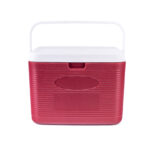
En gros conteneurs isolés comme le Série DB/D/DX/PB fournir une solution durable pour le traitement et le stockage. Ils sont disponibles dans des capacités de 9 à 55 pieds cubes, inclure tailles de demi-fourre-tout pour une manipulation facile, et peut tenir la glace pendant 3 à 7 jours. Ces conteneurs comportent construction à double paroi rempli d'isolant, intérieurs lisses pour un nettoyage facile, et trous de vidange et bouchons pour l'assainissement. De nombreuses conceptions permettent l'entrée et le gerbage d'un chariot élévateur, les rendant efficaces pour les usines de transformation et les bateaux.
Les fabricants aiment Smak Plastiques proposer des caisses de poisson avec isolation en polyuréthane jusqu'à R28, intégré entrée palette/fourche bidirectionnelle, et patins d'usure en caoutchouc remplaçables pour prolonger la vie. Les boîtes sont dotées de loquets monobloc et de fonctionnalités encastrées pour l'empilage; un couvercle hermétique aide à garder la glace plus froide, et un 2sortie de vidange en pouces permet une évacuation rapide de l'eau.
Stockage frigorifique et transport modulaires
Le marché des équipements de la chaîne du froid évolue vers chambres froides modulaires et groupes frigorifiques tout électriques ou hybrides. Ces systèmes permettent aux transformateurs et distributeurs de produits de la mer d'ajuster leur capacité de façon saisonnière.. Ils intègrent Capteurs IoT et télémétrie pour surveiller la température et l’humidité en permanence, transmettre des données aux systèmes cloud pour les journaux de conformité et la maintenance prédictive.
Palettes et matériel de manutention
Choisir la bonne palette est crucial. Les palettes en polyéthylène haute densité ou en aluminium résistent à l'humidité et supportent de lourdes charges. Palettes en plastique réutilisables sont de plus en plus populaires en raison de leur durabilité et de leur recyclabilité. Assurez-vous que les palettes correspondent aux dimensions de la boîte; de nombreux boîtiers en fibre et PP sont optimisés pour 40 × 48 en ou en palettes Euro.
Comment utiliser efficacement les bacs et conteneurs isothermes pour poissons
Sacs de pré-refroidissement: Refroidissez toujours les conteneurs avant de les charger pour éviter de réchauffer les fruits de mer.. Maintenir les températures intérieures entre 0 °C et 2 °C.
Superposez la glace de manière stratégique: Utilisez de la glace en flocons ou en bouillie pour créer un refroidissement uniforme. Remplissez les cavités mais évitez d'écraser les filets délicats.
Faites pivoter et empilez correctement: Alignez les bacs pour maximiser la circulation de l'air dans les camions ou les chambres froides. N'empilez pas plus de trois à quatre, selon la conception.
Nettoyer et désinfecter: Après chaque utilisation, rincer les bacs à l'eau potable, frotter avec un détergent de qualité alimentaire, et désinfecter par HACCP plans. Les intérieurs lisses facilitent le nettoyage.
Inspecter les pièces d'usure: Vérifier les loquets, joints, et des tampons en caoutchouc régulièrement. Remplacez les composants usés pour maintenir l’isolation et la sécurité.
Cas réel: Un transformateur de fruits de mer en Alaska a remplacé les palettes en bois et les bacs non isolés par des bacs isolés et des palettes en plastique réutilisables.. Par conséquent, le les poissons sont restés au niveau ou en dessous 0 ° C pour 72 heures, permettant des temps de traitement plus longs et des rendements plus élevés. L'entreprise a vu un 15 % réduction de la consommation de glace et amélioration de la conformité à la FSMA.
Comment sélectionner la boîte de fruits de mer adaptée à votre produit et à votre itinéraire?
Choisir le bon coffret nécessite d’équilibrer l’isolation, coût, durabilité, et exigences réglementaires. Suivez ces directives:
Connaissez votre produit: Différentes espèces ont des tolérances de température différentes. Les crustacés et les crevettes nécessitent plus d'humidité et des températures modérées, tandis que les poissons gras comme le saumon se gâtent rapidement si les températures dépassent 5 °C.
Tenez compte de la longueur de l’itinéraire et du mode de transport: Pour les longs trajets ou les exportations au-delà 900 kilomètres, Des boîtes en EPS ou en fibre haute performance sont recommandées. Pour les livraisons régionales, les boîtes en polypropylène ou en fibre réduisent le poids et l'impact environnemental.
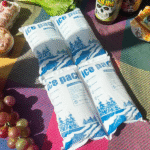
Évaluer les réfrigérants: Choisissez entre de la glace en écailles, packs de gel, glace carbonique, ou matériaux à changement de phase (PCMS). Les PCM maintiennent des plages de température étroites mais coûtent plus cher. La glace en écailles assure le refroidissement mais ajoute du poids.
Optimiser l'espace et le poids: Utilisez des boîtes expédiées à plat ou pré-pliées pour réduire l'espace d'entrepôt en 85 %. Les boîtes plus légères permettent d'économiser les frais d'expédition. Des dimensions extérieures plus petites peuvent permettre 20 - 30 % plus de produit par palette.
Outils de décision utiles
Vérifiez les détails avant de choisir l'emballage
Ces outils rapides peuvent vous aider à comparer le risque d'itinéraire, besoins de dimensionnement, choix de liquide de refroidissement, et les détails de l'emballage avant de demander un devis.
Résistance aux chutes du matériau isolant
Examinez la résistance aux chutes et les facteurs de manipulation avant de choisir des matériaux d'isolation..
Vérifier la résistanceSélecteur d'emballage
Comparez les options d'emballage isotherme par produit, itinéraire, et besoin de température.
Trouver un emballageLiquide de refroidissement & Référence PCM
Comparez les options de liquide de refroidissement et de PCM lorsqu'un itinéraire nécessite une prise en charge supplémentaire de la température.
Comparez les optionsMaintenir l’hygiène et la traçabilité: Choisissez des boîtes avec des bords scellés pour éviter la contamination, et intégrer étiquettes de code à barres ou de code QR pour la traçabilité comme l'exige Règle de la FSMA 204. Date de capture du document, espèces, et itinéraire.
Adaptez l'emballage à la forme des crustacés ou du poisson: Utiliser des plateaux ou des séparateurs pour éviter que les filets ne collent; emballage skin sous vide (PSV) fonctionne bien pour les filets et les petits crustacés pour éviter les fuites et retenir l'humidité.
Prioriser la durabilité: Si vos clients apprécient les références environnementales, envisager des boîtes en papier avec Greencoat® ou des mousses biosourcées malgré des coûts plus élevés. Les conteneurs réutilisables peuvent réduire considérablement les déchets si vous disposez d'une boucle fermée ou d'un programme de retour robuste..
Table pratique: sélection des cartons par itinéraire et par produit
| Produit / Itinéraire | Boîte recommandée | Notes complémentaires |
| Envois longue distance (>900 kilomètres) | Boîte EPS ou fibre haute performance (Pack sec) | Offre une isolation prolongée; choisissez le PSE recyclé chimiquement pour améliorer la durabilité |
| Livraisons régionales / fret aérien | Boîte en polypropylène (CoolSeal) ou box fibre | Réduit le poids d’expédition; expédier à plat pour gagner de la place; les bords scellés empêchent les fuites |
| Fruits de mer / crevette | Boîte avec doublure résistante à l'humidité et drainage | Utilisez VSP ou MAP pour maintenir l’humidité; choisissez des boîtes avec des trous de vidange et des bouchons |
| Marques durables haut de gamme | Mousse biosourcée ou boîte en papier avec Greencoat® | Présente les écocertifications; attendez-vous à 50 % coût d'emballage plus élevé |
| Transport en vrac vers les transformateurs | Contenants réutilisables en plastique ou en métal / fourre-tout isolés | Durabilité élevée; idéal pour les systèmes en boucle fermée; assurer les procédures d’assainissement |
Emballage durable: équilibrer environnement et performances
L'emballage durable des produits de la mer devrait atteindre 1 USD 21.5 milliards 2035. Les matériaux papier représentent déjà 37 % du marché en 2025, et les conteneurs réutilisables gagnent du terrain. Quand on considère la durabilité:
Utiliser des matériaux recyclés ou recyclables: Les boîtes en fibre avec Greencoat® et les boîtes en polypropylène CoolSeal sont entièrement recyclables.
Considérez le cycle de vie: Si votre chaîne d'approvisionnement peut prendre en charge les retours, les contenants réutilisables réduisent les déchets. Sinon, choisissez des options compostables ou recyclables.
Communiquez votre histoire: Les consommateurs apprécient la transparence. Inclure des informations sur matériaux d'emballage et impact environnemental dans le marketing.
Quelles sont les dernières 2025 Tendances et innovations dans le conditionnement des fruits de mer sous la chaîne du froid?
Aperçu de la tendance
The chaîne du froid seafood industry is evolving quickly. Les entreprises investissent dans la technologie et les matériaux durables pour répondre aux attentes et aux réglementations des consommateurs.. Tendances clés dans 2025 inclure:
IoT et surveillance en temps réel: Les prestataires logistiques de la chaîne du froid équipent les conteneurs de capteurs de température et d'humidité. Ces appareils transmettent des données aux plateformes cloud, permettant des alertes en temps réel et une maintenance prédictive. L'IoT prend également en charge Prévision de la demande basée sur l'IA.
Équipement de réfrigération économe en énergie: Les constructeurs s'orientent vers groupes frigorifiques tout électriques ou hybrides et chambres froides modulables pour réduire les émissions.
Emballage durable matériels: Boîtes en fibre avec Greencoat®, mousses biosourcées, et PSE recyclé chimiquement (CÉLOOPS) gagnent des parts de marché. Des entreprises comme Par la mer ont remplacé plus de 2 millions de boîtes en polystyrène et en cire avec une technologie de carton ondulé recyclable qui maintient l'eau contenue pendant plus de 14 jours.
Traçabilité numérique et conformité: Suite au Règle de la FSMA 204 date limite (étendu à 20 Juillet 2028), les producteurs doivent suivre numériquement chaque lot. Les codes QR et les solutions blockchain contribuent à répondre à cette exigence.
Emballage skin sous vide (PSV): VSP scelle hermétiquement les fruits de mer, préserver la fraîcheur, prévenir les fuites, et améliorer l'attractivité en rayon. Il aide à maintenir l'intégrité du produit pendant Transport de la chaîne du froid.
Croissance des emballages réutilisables: Le réutilisable Emballage de la chaîne du froid le marché devrait croître à partir du dollar américain 4.97 milliards en 2025 à 9.13 milliards 2034, reflétant une évolution vers une logistique circulaire.
Aperçu des dernières avancées
Planification de la demande basée sur l'IA: Les entreprises de produits de la mer utilisent l’IA pour anticiper les pics de demande et ajuster la production et le conditionnement en conséquence.
Étiquettes intelligentes: Les capteurs intégrés aux étiquettes changent de couleur en cas de dépassement des seuils de température, donner aux détaillants et aux consommateurs un indicateur visuel rapide.
Innovations logistiques vertes: Les acteurs de la chaîne du froid expérimentent camions électriques, conteneurs frigorifiques à énergie solaire, et réfrigération utilisant des réfrigérants naturels comme le CO₂ et l'ammoniac pour réduire l'empreinte carbone.
Applications de traçabilité: Les applications permettent aux consommateurs finaux de scanner les codes QR et de retracer le parcours de leurs fruits de mer, renforcer la confiance et le respect des FSMA.
Aperçu du marché et préférences des consommateurs
Le marché de l'emballage sous chaîne du froid devrait s'étendre à partir de USD 34.28 milliards en 2024 en USD 89.84 milliards 2034 (taux de croissance annuel composé de 11.3 %). L’Amérique du Nord domine grâce à ses infrastructures avancées, tandis que l'Asie-Pacifique est la région à la croissance la plus rapide. Le poisson, segment viande et fruits de mer reste la plus grande utilisation finale parce que les consommateurs apprécient les produits frais, protéine sûre. Le PSE reste le matériau leader, mais les fibres et les matériaux biosourcés gagnent du terrain. Les emballages réutilisables sont un segment en croissance, motivé par la durabilité et la pression réglementaire.
Questions fréquemment posées
Q1: Combien de temps les boîtes isothermes de fruits de mer peuvent-elles garder le poisson au frais?
La plupart des boîtes en EPS et en fibres haute performance conservent les fruits de mer en dessous 40 °F (4.4 °C) depuis plus 40 heures lorsqu'il est correctement emballé avec de la glace. Les boîtes en polypropylène maintiennent généralement la température pendant 24–48 heures. Pour les longs trajets, pensez à ajouter de la glace supplémentaire ou à sélectionner une boîte avec une isolation plus épaisse.
Q2: Les caisses à poisson en polypropylène sont-elles sûres et durables?
Oui. Des boîtes PP comme CoolSeal sont fabriqués en polypropylène alimentaire (PP5), entièrement recyclable, et offre une meilleure efficacité spatiale que la mousse. Ils ont des bords scellés pour éviter les fuites et la contamination. Ils sont idéaux pour les trajets courts ou le fret aérien.
Q3: Pourquoi les boîtes en fibre remplacent-elles le polystyrène sur certains marchés?
Les boîtes en fibre offrent une isolation similaire sur les itinéraires plus courts, expédier à plat pour économiser de l'espace et des coûts, et sont entièrement recyclables. Les pressions réglementaires et les préférences des clients en faveur d’un emballage durable stimulent l’adoption. Ils représentent désormais 37 % d'emballages de fruits de mer.
Q4: Quel est le rôle de l’emballage skin sous vide (PSV) pour les fruits de mer?
VSP élimine l'air et forme une seconde peau serrée autour des fruits de mer, prévenir l'oxydation et la perte d'humidité. Il prolonge la durée de conservation, améliore l'apparence, et évite les fuites pendant le transport. Le VSP est particulièrement utile pour les filets et les crustacés vendus au détail ou en kits repas..
Q5: Comment puis-je garantir le respect des réglementations FSMA et UE?
Maintenir une température appropriée (0 °C à 5 °C pour le frais; –18 °C pour les surgelés), surveiller en continu avec des enregistreurs de données ou des capteurs IoT, capture de documents et détails d'expédition, et attribuez des identifiants uniques pour la traçabilité. Règle de la FSMA 204 nécessite une traçabilité numérique par Juillet 20, 2028, alors commencez dès maintenant à intégrer des étiquettes QR ou codes-barres.
Résumé et recommandations
L'industrie des produits de la mer sous la chaîne du froid se développe et évolue. Un emballage et un équipement efficaces sont essentiels à la protection de la qualité, se conformer à la réglementation, et répondre aux attentes des consommateurs en matière de durabilité. Boîtes EPS restent la meilleure option pour les longs trajets, mais boîtes à fibres avec Greencoat® et boîtes en polypropylène offrir des gains d'espace et de poids pour les livraisons régionales et le fret aérien. Mousses biosourcées et contenants réutilisables attirent l’attention pour leurs avantages environnementaux. Des équipements complémentaires comme fourre-tout isolés, modulaire rangement froid, Capteurs IoT, et réfrigération économe en énergie former un système intégré. En adaptant l'emballage à votre produit et à votre itinéraire, maintenir l’hygiène et la traçabilité, et adopter de nouvelles technologies, vous pouvez réduire les déchets, réduire les coûts, et établir la confiance avec les clients.
Plan d'action
Évaluez vos itinéraires et vos produits: Enregistrer les distances, Exigences de température, et formats de produits.
Choisissez les cases appropriées: Pour les longs trajets, sélectionnez des boîtiers EPS ou fibre haute performance; pour les expéditions régionales ou aériennes, utiliser des boîtes en polypropylène ou en fibre.
Investissez dans des équipements complémentaires: Utilisez des bacs isothermes, conteneurs de pré-refroidissement, et intégrez des capteurs IoT pour une surveillance en temps réel.
Mettre en œuvre la traçabilité: Attribuez des identifiants uniques à chaque envoi, utiliser les codes QR, et documenter les journaux de température pour se préparer à la règle FSMA 204.
Communiquer sur la durabilité: Mettre en avant les emballages recyclables ou biosourcés dans les supports marketing, et offrir aux consommateurs un choix d’options respectueuses de l’environnement.
À propos du Tempk
Tempk est un leader dans Solutions de chaîne du froid, offrant un emballage avancé, équipement, et systèmes de surveillance des produits de la mer, Pharma, et marchandises périssables. Nous combinons l'expertise de l'industrie avec des conceptions innovantes comme les boîtes en fibre Greencoat® et les conteneurs en polypropylène CoolSeal pour vous aider à répondre à des exigences strictes en matière de qualité et de durabilité. Notre équipe peut évaluer votre chaîne d'approvisionnement, recommander la combinaison optimale d’emballage et d’équipement, et fournir des outils de surveillance en temps réel. Nous misons sur la fraîcheur, conformité, et réduire les déchets, afin que vous puissiez vous concentrer sur la livraison d'excellents produits.
Pour des conseils personnalisés sur l’équipement des caisses de fruits de mer sous chaîne du froid, contactez nos experts pour concevoir une solution adaptée à votre opération.