Température de la chaîne du froid: 2025 Conformité & Monitoring Guide
Your cold chain isn’t just about refrigerated warehouses – it’s a complete temperature controlled system that spans production, stockage, transport et livraison. Température de la chaîne du froid management ensures that vaccines, biologique, food and other sensitive goods remain within strict temperature ranges from factory to consumption. Dans ce 2025 guide you’ll learn why temperature control matters, how to build a compliant cold chain and which technologies are reshaping temperature monitoring.

What is cold chain temperature and why is it crucial? Learn the definition of cold chain temperature, typical ranges for frozen, refrigerated and ambient goods, et pourquoi 20 % of pharmaceutical product spoilage is linked to cold chain failures.
How do you manage cold chain temperature effectively? Discover the core components of temperature management, y compris les capteurs, bûcherons de données, conditionnement, stockage et transport.
Which regulations and compliance frameworks apply in 2025? Understand the role of GDP, HACCP, FSMA, EU GDP and calibration standards like NIST/UKAS.
What are the best practices for maintaining cold chain temperature? Follow practical steps for accurate temperature maintenance, 24/7 surveillance, infrastructure validée, record keeping and staff training.
What innovations and trends are shaping cold chain temperature in 2025? Explore how IoT sensors, Analyse de l'IA, blockchain traceability and sustainable refrigerants are transforming temperature monitoring.
What Is Cold Chain Temperature and Why Does It Matter?
Temperature ranges and definitions: Une chaîne du froid est une chaîne d'approvisionnement à température contrôlée qui protège les marchandises périssables ou sensibles pendant la production., stockage, transport et distribution. Key temperature zones include frozen (0 °F ou moins), réfrigéré (35–40 °F) et ambiance contrôlée (55–70 °F). For certain pharmaceuticals and biologics, ultra low temperatures of –70 °C or lower may be required. Cold chain temperature management refers to maintaining these ranges at every stage to preserve quality, potency and safety.
Conséquences des excursions de température: Écarts de température, also known as cold chain breaches, occur when a product strays from its designated range. Breaches may result from excess heat, excess cold or prolonged exposure outside of safe limits. Even brief excursions can degrade drugs or spoil food, entraînant des pertes financières, pénalités réglementaires, product recalls and public health risks. Global cold chain failures are estimated to contribute to about 20 % of pharmaceutical product spoilage each year. Maintaining proper cold chain temperature is therefore essential for compliance and consumer trust.
Market and industry impact: Cold chain logistics have become increasingly important as the world relies on biologics, vaccines and perishable food. The market for cold chain pharmaceuticals grew from US$8.85 billion in 2024 à 10,04 milliards de dollars américains 2025 et devrait atteindre 18,2 milliards de dollars d'ici 2030. Similar growth trends are observed across food and biotechnology sectors, where precision temperature control ensures product safety and reduces waste.
Temperature ranges across industries
| Zone de température | Gamme typique | Common Goods | Conséquences |
| Congelé | 0 °F ou moins | Aliments surgelés, glace, certains vaccins et thérapies cellulaires | Requires mechanical freezers or cryogenic freezers and robust insulation to prevent thawing. |
| Réfrigéré | 35–40 °F (2–8 ° C) | Vaccins, insuline, produits laitiers, produits frais | Zone de chaîne du froid la plus courante; ensures enzymatic activity and microbial growth are suppressed. |
| Ambiance contrôlée | 55–70 °F (20–25 ° C) | Pharmaceuticals and foods that cannot freeze but need protection from heat | Maintains stability for pills, liquids and certain packaged foods. |
| Ultra faible | –70 °C ou moins | Produits biologiques avancés, thérapies géniques et cellulaires | Requires specialized cryogenic storage and real time monitoring to protect product viability. |
Practical advice for maintaining proper temperature
Conduct a detailed mapping of your cold chain: Identify every touchpoint from manufacturing to delivery. Evaluate risk during staging, chargement, unloading and last mile delivery, and ensure each point has appropriate temperature controls.
Select appropriate equipment: Use ultra low freezers for gene therapies, standard refrigeration for vaccines and refrigerated trucks with multiple temperature zones for mixed loads.
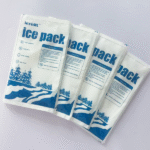
Utiliser un emballage validé: For long transit times, choose insulated shippers with gel packs, dry ice or phase change materials to maintain stable temperatures.
Éduquer les destinataires: Provide clear instructions to carriers and end users about acceptable storage ranges and actions to take upon receiving shipments.
Exemple: Dans 2025, a food distribution company implemented digital temperature sensors on every pallet. When a trailer door remained open too long, le système a alerté le chauffeur et l'entrepôt. Ils ont fermé la porte rapidement, éviter une rupture de température et économiser des milliers de dollars en denrées périssables. This proactive monitoring shows how real time visibility can avert losses.
Components of Cold Chain Temperature Management
Effective cold chain temperature management combines technology, équipement, processes and people. Below are the key components that support temperature integrity.
Capteurs et systèmes de surveillance
Une surveillance continue est l'épine dorsale d'une chaîne du froid sûre. Capteurs de température are the core component of any monitoring system; they include data loggers, wireless sensors and probe thermometers strategically placed throughout the supply chain. These devices record temperature levels at regular intervals and transmit data to a centralized platform. Environmental alarms alert organizations when ambient conditions deviate from acceptable ranges, permettant des interventions rapides.
Real time alerts and dashboards: Advanced systems provide real time notifications when temperatures cross pre set thresholds, enabling swift corrective actions. Dashboards visualize data trends and facilitate informed decision making. Audit trails document all temperature related activities, soutenir la conformité réglementaire.
Emballage et isolation
Specialized packaging maintains temperature during transit. Options include insulated boxes, packs de gel, glace carbonique et matériaux à changement de phase (PCMS). Properly designed packaging creates a barrier against heat and cold fluctuations, protecting goods from ambient conditions. For extended transit or extreme environments, multiple layers of insulation and PCMs help maintain stability. Packaging should be validated to ensure it can sustain the required range for the duration of the journey.
Matériel de stockage et de transport
Cold chain temperature control depends on equipment suited to the product’s needs. Entrepôts réfrigérés and cold rooms keep goods at specified temperatures during conditioning and pre shipping stages. Véhicules à température contrôlée—including refrigerated trucks, railcars and specialized containers—actively manage internal environments to maintain consistent conditions. Vehicles may have multiple compartments with different temperature zones to accommodate diverse products.
Analyse de données et maintenance prédictive
Modern cold chain temperature management leverages data analytics to detect patterns and prevent failures. By analysing historical temperature data, AI algorithms can predict equipment malfunctions and route based risks. La maintenance prédictive planifie les réparations avant que les pannes ne surviennent, reducing downtime and preventing temperature excursions. Combiné avec des capteurs IoT, analytics also support route optimization and fuel efficiency, contributing to sustainability goals.
Personnel et procédures
Les facteurs humains restent critiques. Staff must be trained in packaging, manutention, surveillance et intervention d'urgence. Procedures should define temperature ranges, how to document conditions and how to respond when alarms trigger. Regular calibration of monitoring devices ensures accuracy and aligns with standards such as NIST (USA) et UKAS (ROYAUME-UNI).
Regulatory Frameworks and Compliance in 2025
Cold chain temperature management is subject to multiple regulatory frameworks that vary by region and product. Understanding these guidelines is essential for compliance.
Réglementations mondiales
Bonnes pratiques de distribution (PIB): GDP guidelines set by agencies such as the World Health Organization (OMS) and regional bodies like the EMA cover distribution standards for pharmaceuticals. They emphasize temperature control, systèmes validés, traçabilité et personnel formé.
Analyse des risques et points de contrôle critiques (HACCP): Pour la sécurité alimentaire, HACCP focuses on identifying critical points where hazards could occur and implementing controls to prevent them.
Loi sur la modernisation de la sécurité alimentaire (FSMA): Enforces preventive measures and documentation for food manufacturers and distributors in the United States.
PIB de l’UE et annexe des BPF de l’UE 11: European regulations specify handling, systèmes de stockage et électroniques pour médicaments, including requirements for validation, audit trails and data integrity.
Directives de la FDA: Aux États-Unis, FDA standards dictate transport conditions for drugs and medical products, while the USDA oversees certain perishable foods.
Lignes directrices de l'OMS pour les vaccins: For immunizations, the WHO provides guidelines on safe storage and transport, emphasising the 2–8 °C range and proper documentation to maintain potency.
Calibrage et certification
Calibration ensures that temperature monitoring devices provide accurate readings. Standards organizations like NIST and UKAS offer calibration services and certification that instruments meet regulatory accuracy requirements. Regular calibration and recertification are crucial for maintaining data integrity and passing audits.
Compliance checklists and best practices
According to GEGO’s 2025 cold chain compliance checklist, achieving compliance requires:
Emballage validé & isolation: Use thermal packaging capable of maintaining required ranges for full transit durations.
Surveillance de la température: Deploy calibrated sensors and data loggers to capture continuous data.
Visibilité en temps réel: Integrate GPS data with sensors to obtain real time location and condition information.
Géolocalisation & alertes: Set virtual boundaries and automated notifications for excursions, route deviations or delays.
Documentation & pistes d'audit: Maintain secure digital records of all temperature logs and alert histories for audits.
Procédures opérationnelles standard & entraînement: Develop SOPs and ensure staff are regularly trained.
Exception handling: Have clear processes to respond swiftly to excursions or equipment failures.
Adhering to these practices not only prevents spoilage but also demonstrates accountability to regulators and customers. Le non-respect peut entraîner des amendes, rappelle, suspensions de permis et atteinte à la réputation.
Best Practices for Maintaining Cold Chain Temperature
Pour maintenir l’intégrité de la température, organizations must implement proven practices that align with regulatory guidelines and operational realities.
Maintien précis de la température
At the core of cold chain management is keeping products within designated ranges. This requires high quality equipment, from ultra low freezers to refrigerated trucks. Regular maintenance and calibration of equipment ensure consistent performance. Manufacturers should define the temperature requirements for each product and communicate them clearly through labelling and documentation.
24/7 surveillance et alerte
Deploy automated data loggers and real time systems to track temperatures continuously during storage and transportation. Systems should provide notifications via SMS, email or visual indicators to enable immediate intervention. Par exemple, some devices use glycol filled probes to simulate product temperatures and provide more accurate readings during transit.
Infrastructure validée
Use certified equipment—refrigeration units, transport containers and monitoring tools—that consistently perform to required standards. Temperature controlled warehouses should have multiple zones and backup power sources. Vehicles should be inspected and maintained regularly to prevent failures.
Environnements de stockage sécurisés
Restrict access to cold storage areas to authorized personnel, maintain appropriate environmental controls (Par exemple, contrôle de l'humidité) and monitor door openings. Door alarms help prevent temperature fluctuations due to open doors.
Emballage spécialisé
Utilize thermal packaging such as insulated shippers and PCMs to maintain temperatures during transit. Choose packaging based on product sensitivity, transit duration and ambient conditions. Réutilisable, eco friendly packaging reduces waste and supports sustainability objectives.
Tenue de registres détaillés
Maintain comprehensive documentation for temperature logs, étalonnage de l'appareil, staff training and any deviations or corrective actions. Digital records with audit trails simplify reporting and demonstrate compliance during inspections.
Planification d'urgence
Préparer des protocoles en cas de panne de courant, pannes d'équipement et excursions de température. Plans should include backup generators, spare packaging materials and processes to transfer products to alternate facilities. Simulate worst case scenarios to test responsiveness and refine procedures.
Formation du personnel
Ensure that all personnel handling temperature sensitive products are properly trained in cold chain handling, surveillance et intervention d'urgence. Training should cover packaging, placement du capteur, validation, record keeping and regulatory requirements. Regular refresher courses help maintain competency and awareness of new technologies.
Étude de cas: A pharmaceutical distributor adopted a real time monitoring system that integrated IoT sensors with its warehouse management system. En cas de dysfonctionnement d'un groupe frigorifique, le système a immédiatement alerté le personnel. Ils ont déplacé les produits vers un autre congélateur et réparé l'unité., preventing a potential loss of US$500,000 worth of vaccines. This example illustrates the value of continuous monitoring and contingency planning.
Innovations and Trends in Cold Chain Temperature Monitoring (2025)
Le paysage de la chaîne du froid évolue rapidement. Dans 2025, several trends are shaping how organizations manage temperature.
Capteurs IoT et analyses prédictives
IoT enabled sensors combined with AI analytics provide real time data and predictive insights. Ils surveillent en permanence la température, humidité et emplacement, and alert stakeholders to deviations. Les modèles prédictifs anticipent les pannes d’équipement et les retards d’itinéraire, permettant des interventions proactives. Cela réduit la détérioration, improves equipment utilization and enhances sustainability by optimizing energy use.
Traçabilité de la blockchain
Blockchain technology creates a tamper proof record of a product’s journey, y compris les données de température à chaque point de contact. Chaque transaction est enregistrée de manière immuable, ensuring that cold chain data cannot be altered. This transparency enhances consumer trust and simplifies audits. Lorsqu'il est combiné avec des capteurs IoT, blockchain verifies product provenance and condition, enabling rapid recalls and dispute resolution.
Réfrigérants durables et emballages respectueux de l'environnement
La durabilité environnementale est un moteur clé de l’innovation. HFO (hydrofluorooléfines) and CO₂ based refrigeration systems provide efficient cooling with low global warming potential. Reusable insulation materials and recycled packaging minimize waste. Les unités de réfrigération à énergie solaire permettent un stockage frigorifique dans les régions où l'électricité n'est pas fiable et réduisent les émissions de carbone.
Optimisation des itinéraires basée sur l'IA et logistique autonome
Les algorithmes d'IA analysent le trafic, données météorologiques et de demande pour planifier des itinéraires optimaux. These systems reduce transit times, minimize exposure to extreme conditions and lower fuel consumption. Des véhicules autonomes et des drones sont testés pour la livraison sur le dernier kilomètre de produits sensibles à la température, particularly in remote or disaster struck areas.
Véhicules multi températures et stockage modulaire
New vehicles feature adjustable compartments that can maintain multiple temperature zones simultaneously, allowing mixed loads of frozen, refrigerated and ambient goods. Modular storage solutions enable rapid reconfiguration of warehouse spaces, accommodating seasonal demand and new product categories.
Insistance au marché
The cold chain is expanding globally. Dans 2025, L’Europe continue de dominer grâce à des normes réglementaires strictes et à une infrastructure avancée, while Asia Pacific is the fastest growing region due to increased healthcare expenditure and investments in cold chain technology. North America is adopting digital traceability systems ahead of DSCSA deadlines and driving innovation in IoT and blockchain. Initiatives gouvernementales, e commerce and home delivery models are increasing demand for robust cold chain systems across industries.
Questions fréquemment posées
Quelle plage de température dois-je maintenir pour les produits pharmaceutiques et les vaccins? For most vaccines and biologics, maintain a range of 2–8 ° C (35–46 °F); certain advanced therapies require ultra cold storage at –70 °C or lower.
Comment détecter rapidement une rupture de la chaîne du froid? Utilisez des dispositifs de surveillance continue avec des alertes en temps réel. Environmental and door alarms trigger notifications when temperatures drift or doors are left open. Integrate sensors with dashboards to visualize data trends and respond promptly.
Dois-je calibrer les capteurs régulièrement? Oui. L'étalonnage garantit la précision et le respect des normes telles que NIST et UKAS. Schedule calibration and re certification according to manufacturer recommendations and regulatory requirements.
What industries rely on cold chain temperature monitoring? Médicaments, nourriture et boisson, biotechnologie, cosmetics and specialty chemicals depend on cold chain temperature control to preserve quality and comply with regulations. Emerging industries like precision agriculture and organ transplant logistics also require strict temperature management.
How do environmental factors affect cold chain temperature? Conditions météorologiques extrêmes, les pannes de courant et les longs temps de séjour peuvent provoquer des excursions de température. Utilisez des emballages isolés, backup power sources and real time monitoring to mitigate these risks.
Résumé et recommandations
Principaux à retenir:
Cold chain temperature management protects product integrity and public health. Breaches can degrade goods, create health risks and cause financial losses. Environ 20 % of pharmaceutical product spoilage is due to cold chain failures.
Effective temperature control relies on technology, infrastructure, procedures and people. Capteurs, surveillance en temps réel, emballage validé, refrigerated storage and trained staff work together to maintain temperature integrity.
Compliance is multi faceted. Adhérer au PIB, HACCP, FSMA, Réglementations européennes et normes d'étalonnage. Utilisez des listes de contrôle pour garantir un emballage approprié, surveillance, documentation et formation.
Continuous improvement is essential. Analyze data to predict risks, tester les plans d'urgence, calibrate equipment and update SOPs regularly.
L’innovation stimule la résilience. IoT, IA, la blockchain et les réfrigérants durables transforment la surveillance de la température et créent de nouvelles efficacités.
Plan d'action:
Evaluate your cold chain: Conduct a detailed audit of your processes, matériel et documentation. Identify gaps in temperature control and training.
Deploy real time monitoring: Investissez dans des capteurs, data loggers and dashboards that provide continuous visibility and alerts.
Implement validated packaging and transport: Use packaging suited to the product and transit environment. Choose carriers and warehouses with proven cold chain capabilities.
Élaborer des SOP et former le personnel: Write clear procedures for handling temperature sensitive products and train staff regularly.
Tirer parti de l’analyse et de l’innovation: Use AI to optimize routes, anticiper les pannes des équipements et réduire la consommation d’énergie. Explorez les réfrigérants et les emballages durables.
En suivant ces étapes, vous pouvez réduire la détérioration, assurer la conformité, enhance sustainability and build customer trust. The future of cold chain temperature management is data driven, connected and green—start your journey today.
À propos du tempk
Tempk is a specialist in temperature controlled logistics for life sciences, nourriture et biens de grande valeur. We combine precise refrigeration equipment with real time monitoring and validated packaging to keep your products safe. Nos ingénieurs et experts qualité comprennent les réglementations mondiales et les normes industrielles.. En devenant partenaire avec nous, vous avez accès à des technologies de réfrigération durables, analyse prédictive et assistance à la conformité. Que vous ayez besoin de congélateurs ultra bas, Capteurs IoT ou packaging sur mesure, we can customize solutions to meet your needs.
Prêt à optimiser la température de votre chaîne du froid? Contact us for expert consultation and discover how Tempk can help you build a resilient and compliant cold chain.